

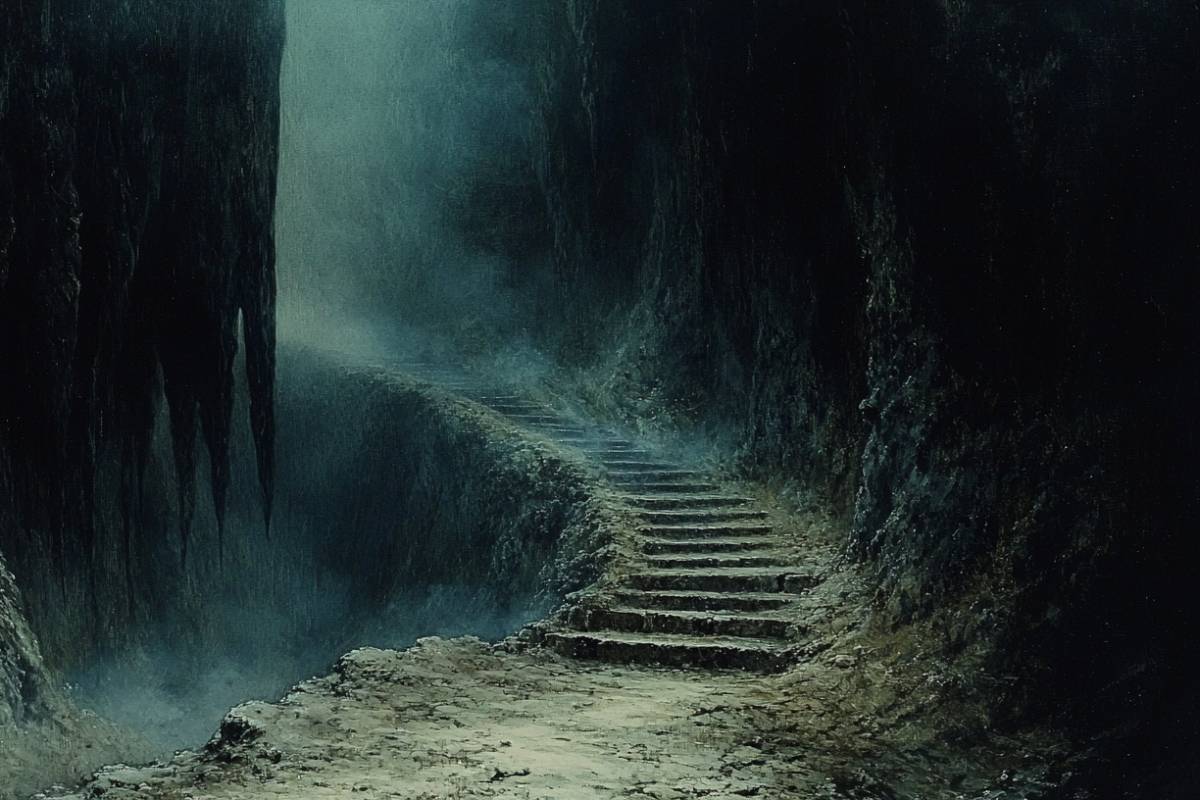
The great part about Norse mythology, and one of the reasons why all of us here at The Viking Herald love writing about it so much, is that it is a smorgasbord for the mind—there is literally something for everyone.
Yet sometimes certain aspects, gods, or even realms in Norse mythology find themselves out of the public spotlight, not quite shunned but resigned to subdued popularity.
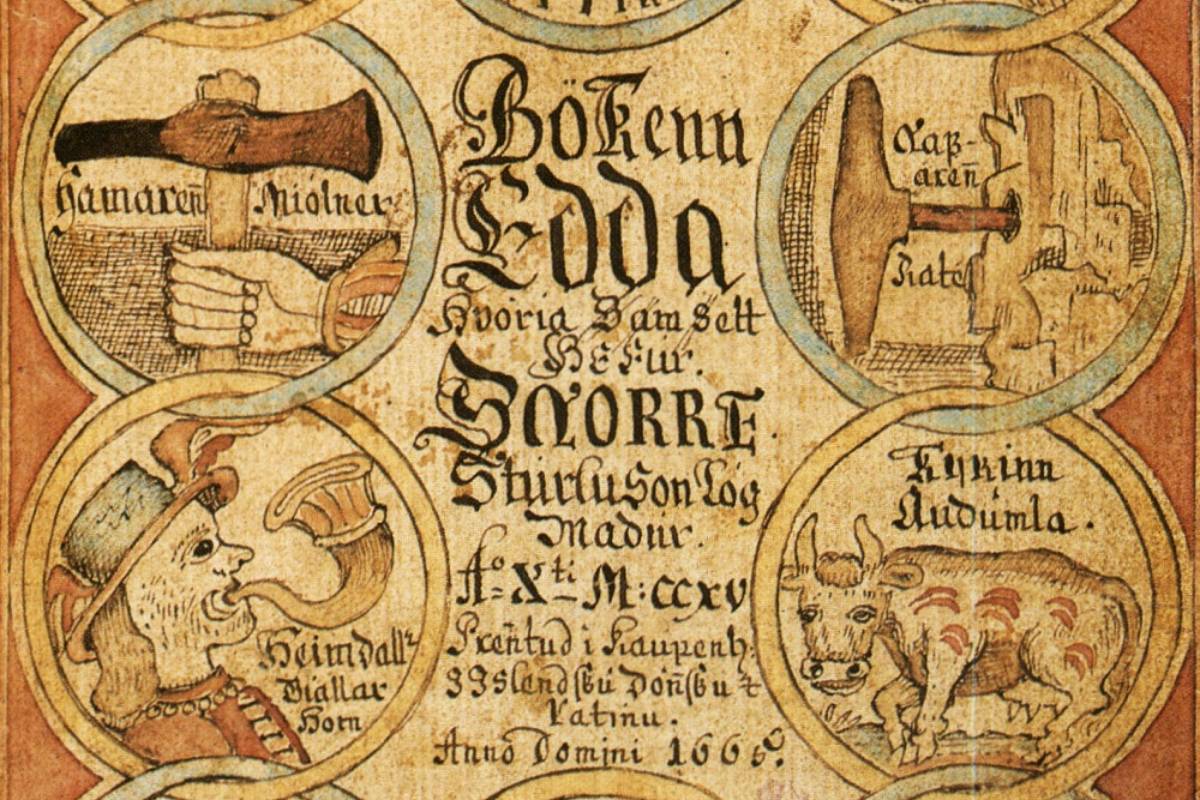
Helheim, the realm of the Norse goddess Hel, is one such often-overlooked aspect of the rich tapestry of Norse mythology. In earlier poems, this realm is simply called Hel, the same name as its ruler, while the term Helheim is first found in Snorri Sturluson's Prose Edda as part of his nine realms.
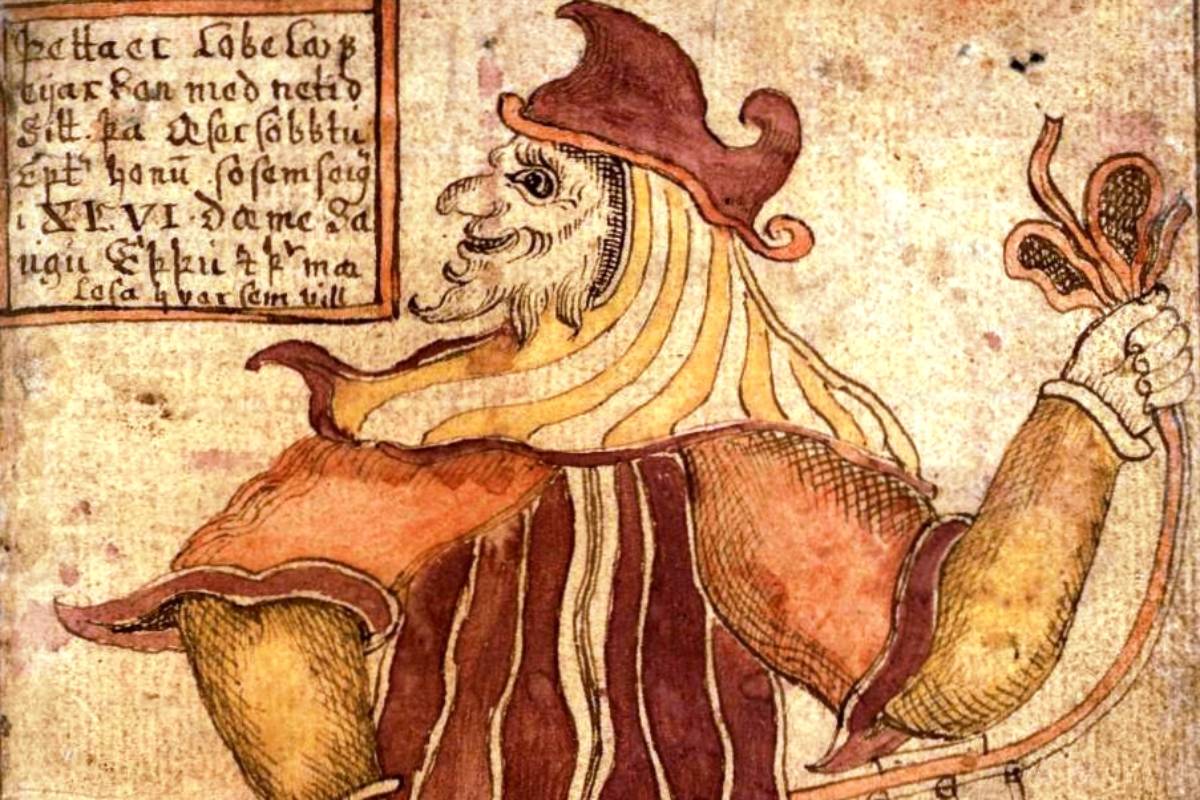
Said to lie somewhere far in the north of the Norse cosmos (sadly, the sagas aren't a cartographer's best friend), this is the realm ruled by Hel, the daughter of Loki and the giantess Angrboða.
This is a gloomy and rather depressing location, but it should be stressed that it is not a place of punishment.
Perhaps because of its alliterative similarity with the later Christian realm of the not-so-nice, many have assumed that Helheim must have been a horrible place where all the nastiest in Viking societies went.
This was not the case. It was for those who died an ordinary, less-than-glorious death, and it welcomed everyone. In fact, even a Norse god went here following his tragic death, underlining its importance and neutrality.
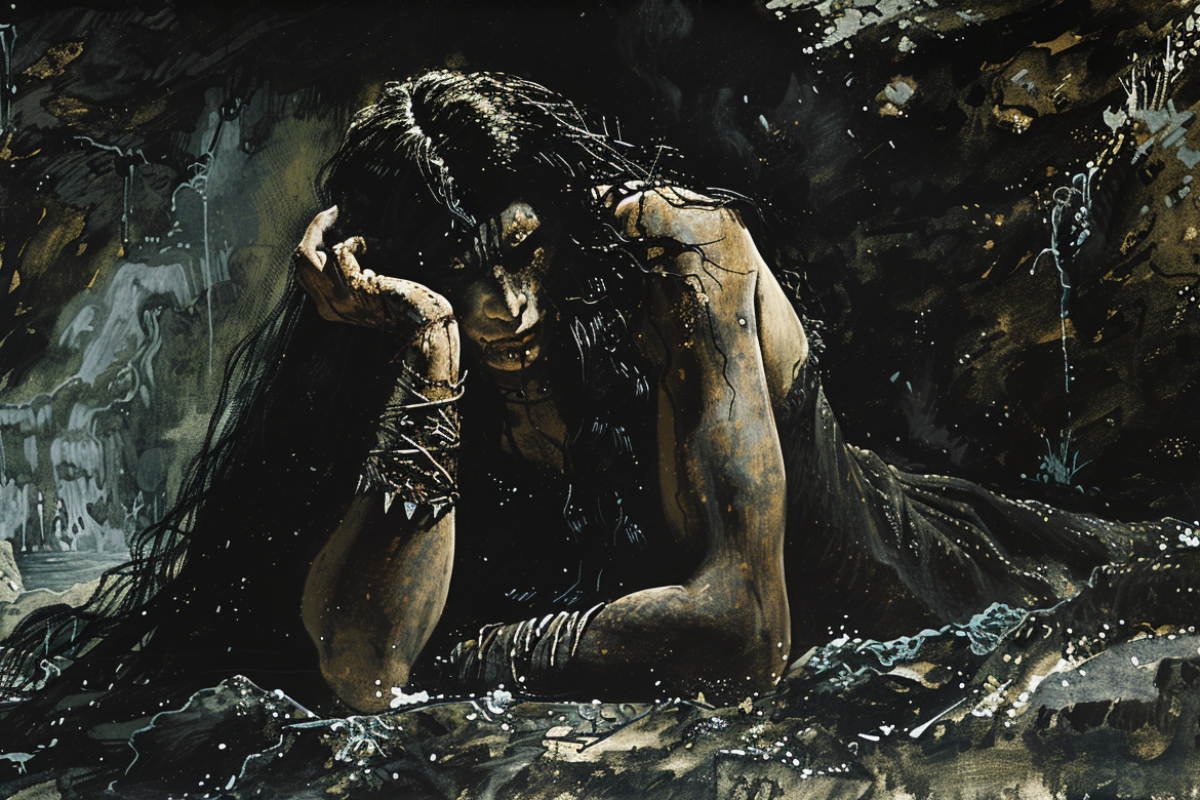
Hel, child of Loki and the giantess Angrboða, governs Helheim as a cold and neutral underworld. Illustration: The Viking Herald
A place for the ordinary
A vast array of ancient tales passed down to the modern day recounts the glorious deeds of past heroes and gods. Yet it has only been a small sliver of humanity, in fact or fiction, whose names have echoed down through the ages thanks to their exploits.
The vast majority of humanity in history has been rather ordinary souls. It is perhaps with a nod to this fact that the realm of Helheim was first thought of.
People in Viking societies knew that their bravest and best warriors would be selected to feast and fight with Odin in Valhalla.
What about the rest, though? What happened to an old lady who died in her bed at a ripe old age? What about the young boy accidentally, but tragically, killed by a horse's kick? What happened to a mother and baby girl who died in childbirth?
It was Hel who welcomed these poor, unfortunate, and all-too-ordinary souls into her realm.
What was this realm like? Well, according to H. R. Ellis Davidson in her 1964 book Gods and Myths of Northern Europe, Helheim was "not so much a place of torture as one of cold absence."
We have the grim and chilling image of a starkly cold realm full of shadowy mist and myth.
Its physical descriptions are limited in the sagas, but when we do find a mention of it, this realm appears to be somewhat associated with another of the nine realms of the Norse cosmos, Niflheim, the realm of ice and darkness.
In fact, this association seems to become blurred, as later sources, including Snorri Sturluson in the Prose Edda, interchange the two realms.
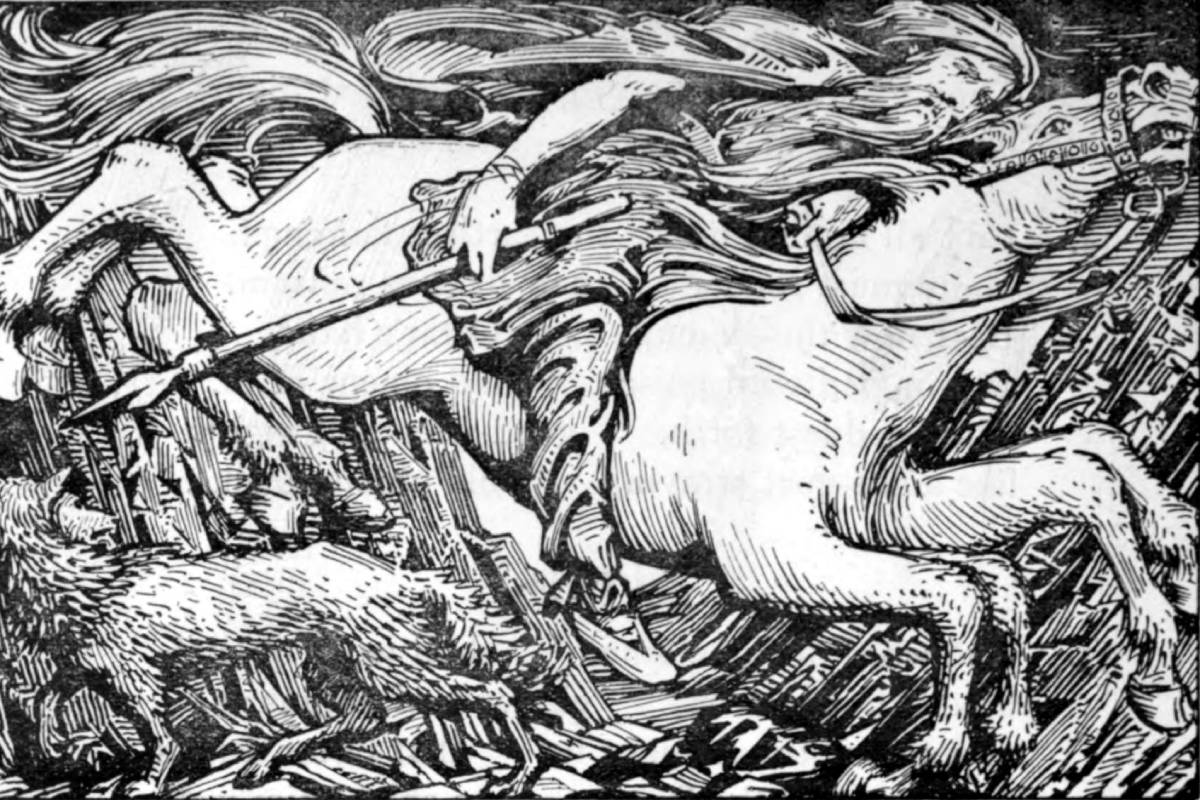
The illustration "Odin rides to Hel" shows Odin riding his eight-legged horse Sleipnir toward the underworld in "Baldrs draumar." Source: W.G. Collingwood (1854–1932)
A dream leads to a journey to Hel
Turning now to the Eddic poems, we can find one of the most intriguing adventures involving Helheim in Baldrs draumar ("Baldr's Dreams"). Tragically, Baldr, the golden god, was killed through a combination of accident and maleficence.
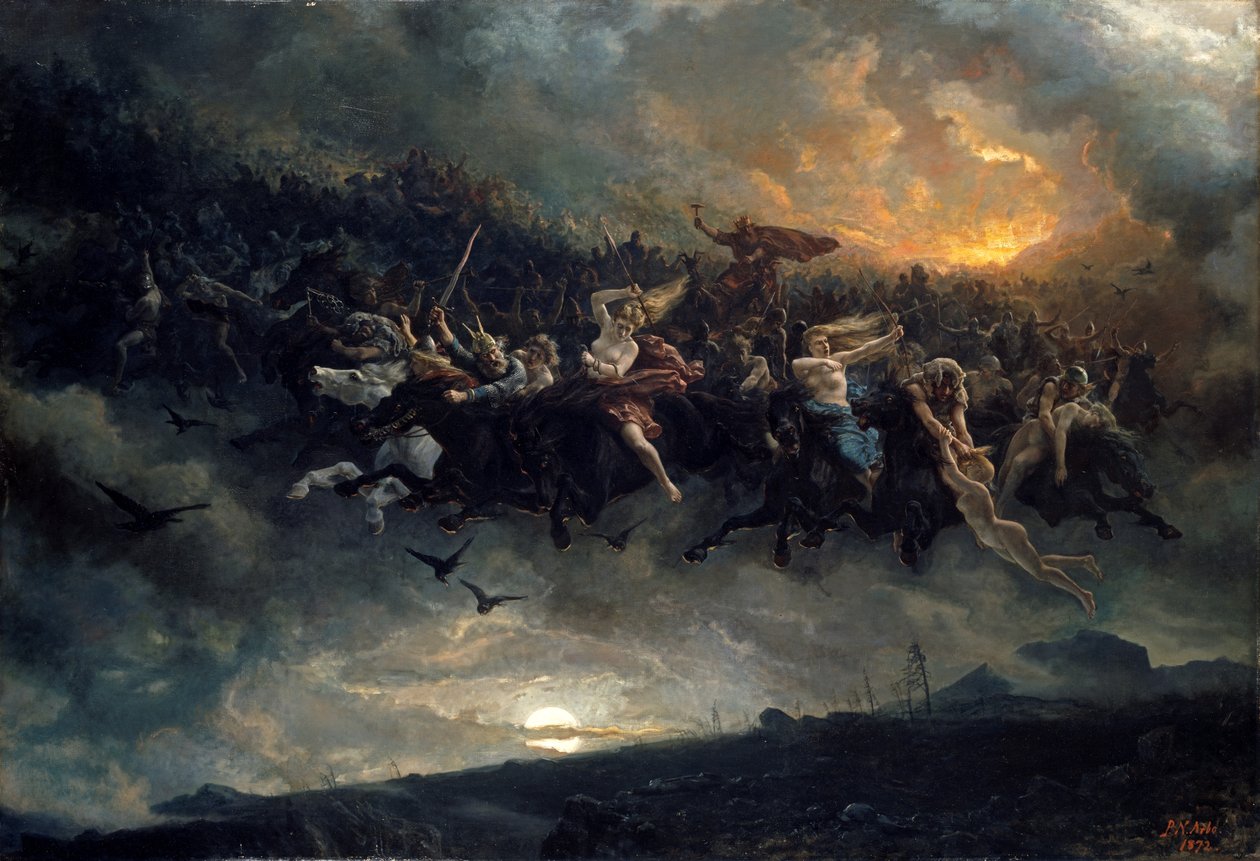
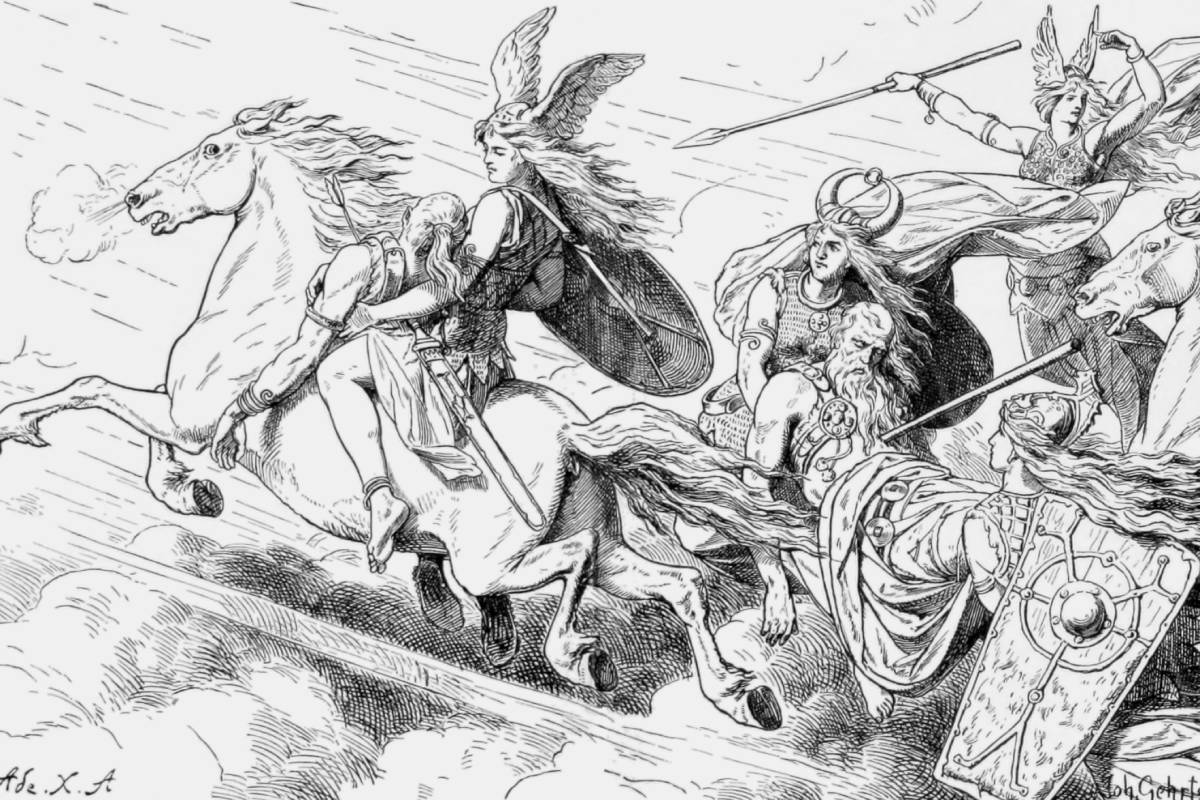
In this poem, Odin travels to Helheim aboard his noble eight-legged steed Sleipnir to try to find the meaning behind troubling dreams that Baldr, his son, has been having. It is here that he finds a völva and learns the tragic fate of this golden Norse god.
It is in the Eddic tradition that we probably find our best description of this realm. Using an online version of the 1936 Henry Adams Bellows translation of the poem, we find:
"...And the far-famed ones the truth would find,
Why baleful dreams to Baldr had come.
Then Othin rose, the enchanter old,
And the saddle he laid on Sleipnir's back;
Thence rode he down to Niflhel deep,
And the hound he met that came from hell.
Bloody he was on his breast before,
At the father of magic he howled from afar;
Forward rode Othin, the earth resounded
Till the house so high of Hel he reached.
Then Othin rode to the eastern door..."
[Stanzas 1–4]
We have some rather confusing descriptions here of Hel. It appears that, unlike Niflheim, the location of Hel is somewhere up in the air, as the realm of Hel is described as a "house so high."
We also have the appearance of an "eastern door" for Hel. Like all mythological afterworlds, there was often a threshold one had to cross—sometimes a river, or in this case a door (probably more of a gate)—where one crossed from a state of living to the state of eternal death.
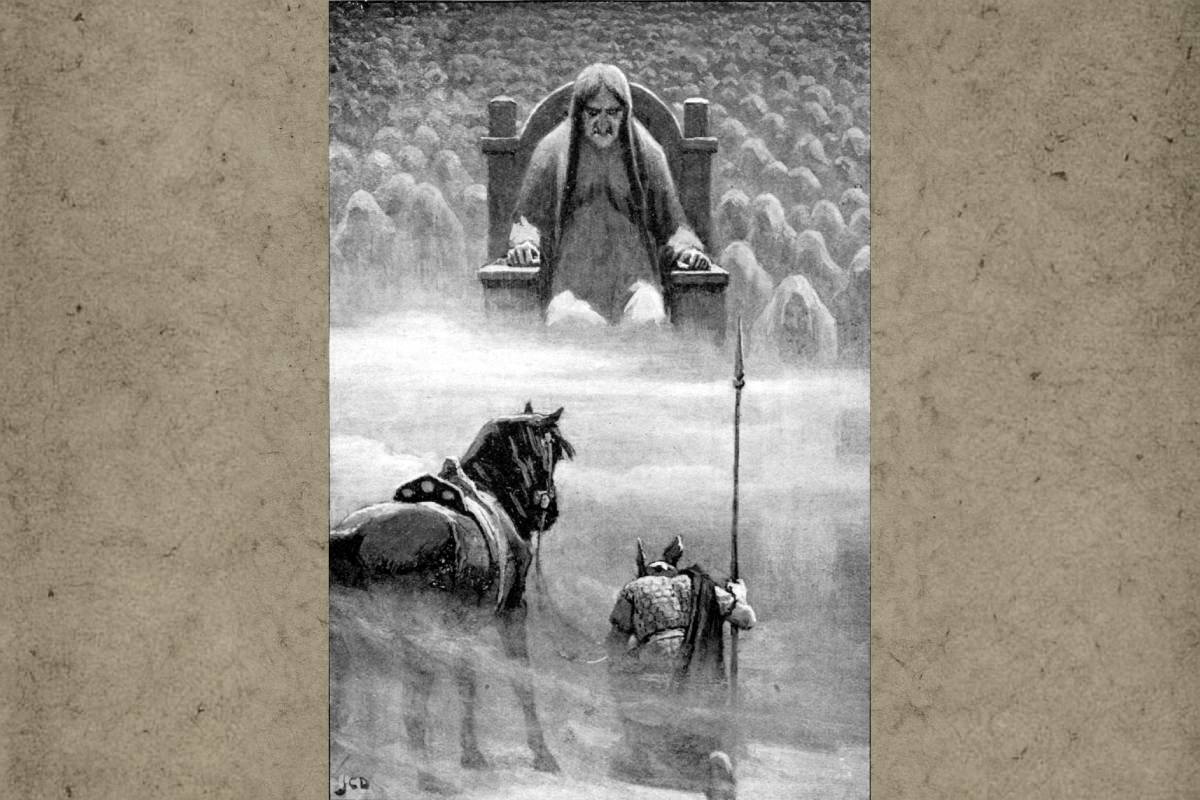
Hermod, son of Odin, kneels before Hel in Helheim to plead for the release of his brother Baldr. Illustration: John Charles Dollman (1851–1934)
Ancient origins, but a later Christian influence
No set of beliefs, or indeed religion, has remained stagnant for a long time. This was certainly the case for the Old Norse religion and the myths and tales that people in Viking societies told one another.
The advent of Christianity in Scandinavia, which reigned supreme by the end of the Viking Age (c. 750–1100 CE), led to a creeping Christianization of Norse mythology.
One of the most ancient traditions, however, was the concept of Hel for people in Viking societies.
As Bil Linzie notes in the 2005 book Investigating the Afterlife Concepts of the Norse Heathen: A Reconstructionist's Approach, "Hel as a destination after death appears to be old heathen and is mentioned in both Anglo-Saxon and Gothic writings" (p. 36).
So the concept of Hel harks back to the ancient Germanic beginnings that linked many medieval Northern European societies.
Despite this ancient origin, during the later early medieval period, when Christianity was gaining a foothold throughout Viking societies, the Norse realm of Helheim drew parallels with the "Hell" of Christianity.
It should be noted that, unlike the Christian location for the damned, ending up in the Norse Hel was not a punishment for bad deeds.
It was rather a final location for those people who had not, sometimes through no fault of their own, died in glorious circumstances—perhaps being cut down in the heat of battle by a host of the enemy.
Underrated, underappreciated, and understudied... until now
Regardless of its later association with the Christian location, Helheim remains an often-overlooked and understudied realm of Norse mythology.
That does not, however, make it any less important or interesting, especially given that so much of Viking society had martial and military valor and glory entrenched throughout it. For those more mundane and ordinary members of society, their final destination was Helheim.
For more information on the afterlife in world mythologies, visit the Getty Museum website here.
We get to provide readers with original coverage thanks to our loyal supporters. Do you enjoy our work? You can become a PATRON here or via our Patreon page. You'll get access to exclusive content and early access.
Feel free to reach out to discuss potential stories that may be in the public interest. You can reach us via email at hello@thevikingherald.com with the understanding that the information you provide might be used in our reporting and stories.