

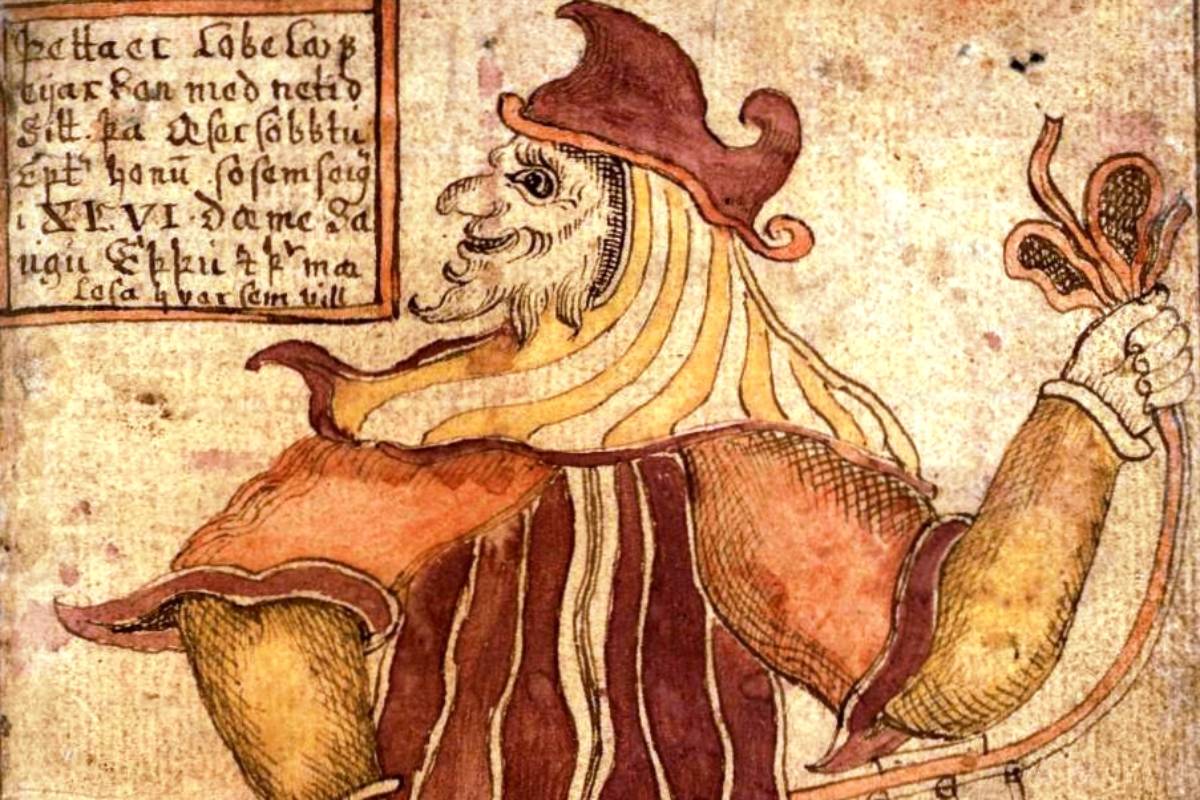
In recent years, it seems that the world has fallen in love with the Norse mythological eternal trickster, Loki.
Loki, the blood brother of Odin and often an adversary of Thor, has become known around the world through popular entertainment. His appearance as a major character in some of the recent Marvel movies, portrayed by English actor Tom Hiddleston, led to a separate Disney spin-off series.
Loki's emergence as a popular culture phenomenon was certainly not on our list of major cultural events in the early 21st century CE, but it helps prove the timeless appeal of Norse mythology.
We are curious here, at The Viking Herald, about exactly what people from Viking societies would make of this modern reincarnation of the eternal trickster with all his Hollywood glitz, glamour, and pearly white teeth.
Long before Loki was revered on Instagram reels, he held an unusual place in Norse legend and lore. Whilst he had a strong association with many Norse gods (albeit one mired with ambiguous loyalty), there is no archeological or literary evidence that he was ever worshipped as a deity.
What was the relationship, if any, that people from Viking societies had with Loki? Our first clue lies in the rich tapestry of Norse myth, poetry, and saga literature.
PLEASE NOTE: The rest of this article is only available to our paid Patreon subscribers.
The topic was selected by our Patrons in a weekly poll. Support The Viking Herald on Patreon to read the full article and help choose future topics.
If you would like to learn more about Patreon and why we have decided to restrict access to some content, please take a look at this article.
Feel free to reach out to discuss potential stories that may be in the public interest. You can reach us via email at hello@thevikingherald.com with the understanding that the information you provide might be used in our reporting and stories.