

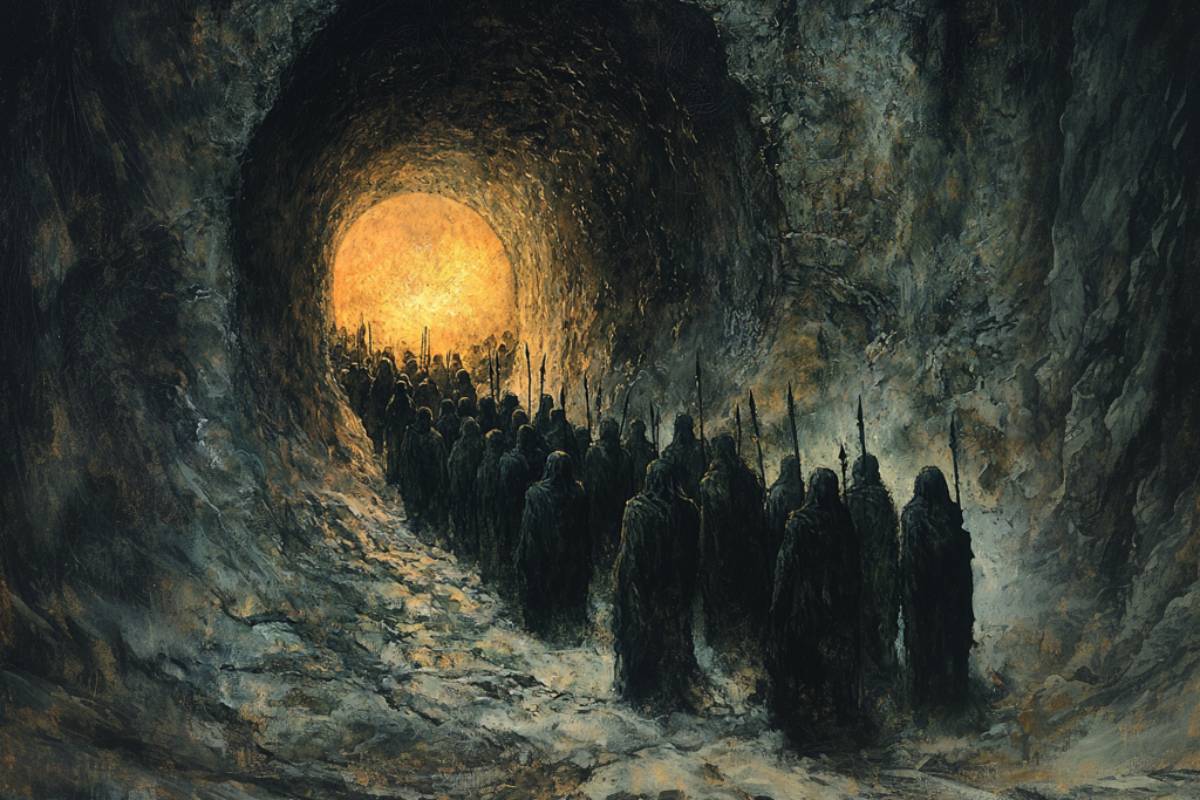
People in Viking societies produced some of the fiercest and most feared warriors of the early medieval period. Theirs was a society that was steeped in blood, death, and violence.
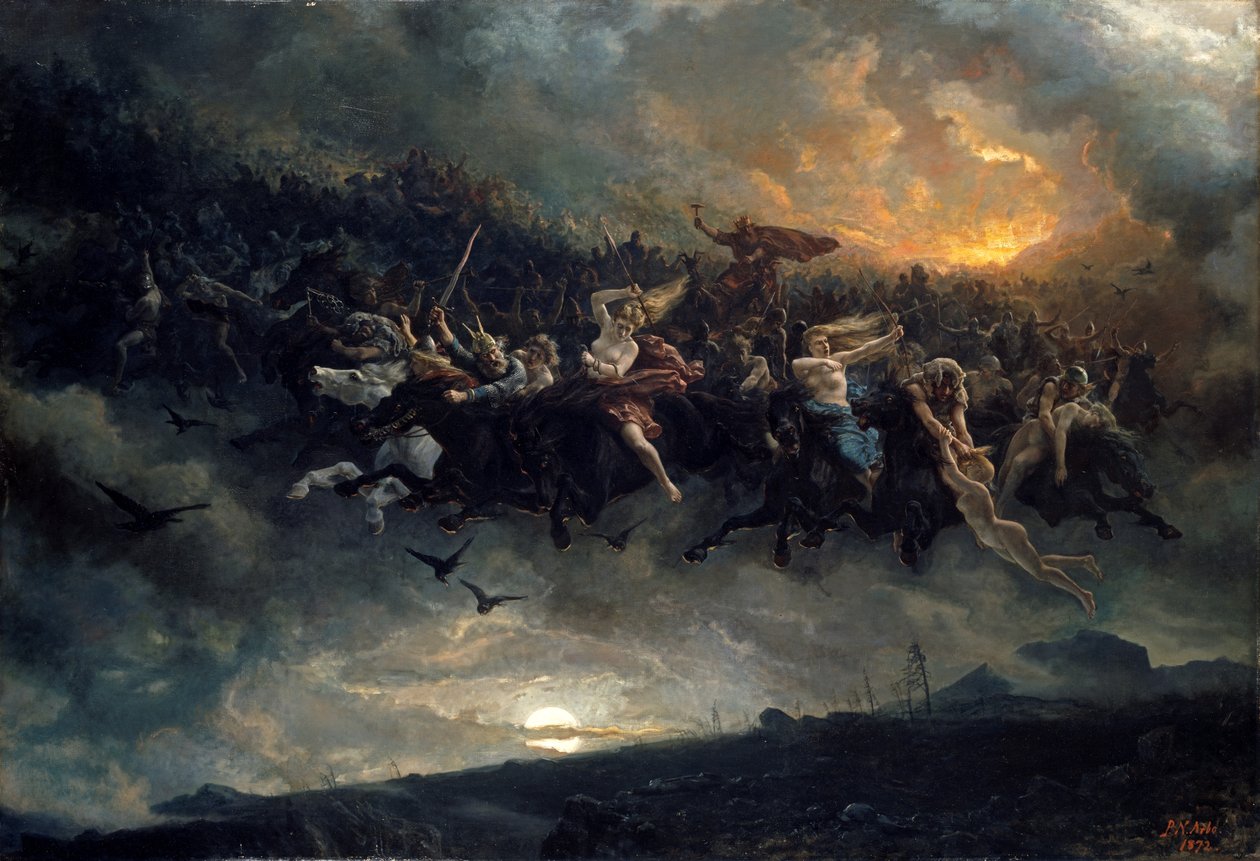
For many of these warriors, what made them so ferocious on the battlefield was the chance to die bravely and thus gain selection in Odin's majestic and mythical hall, Valhalla.
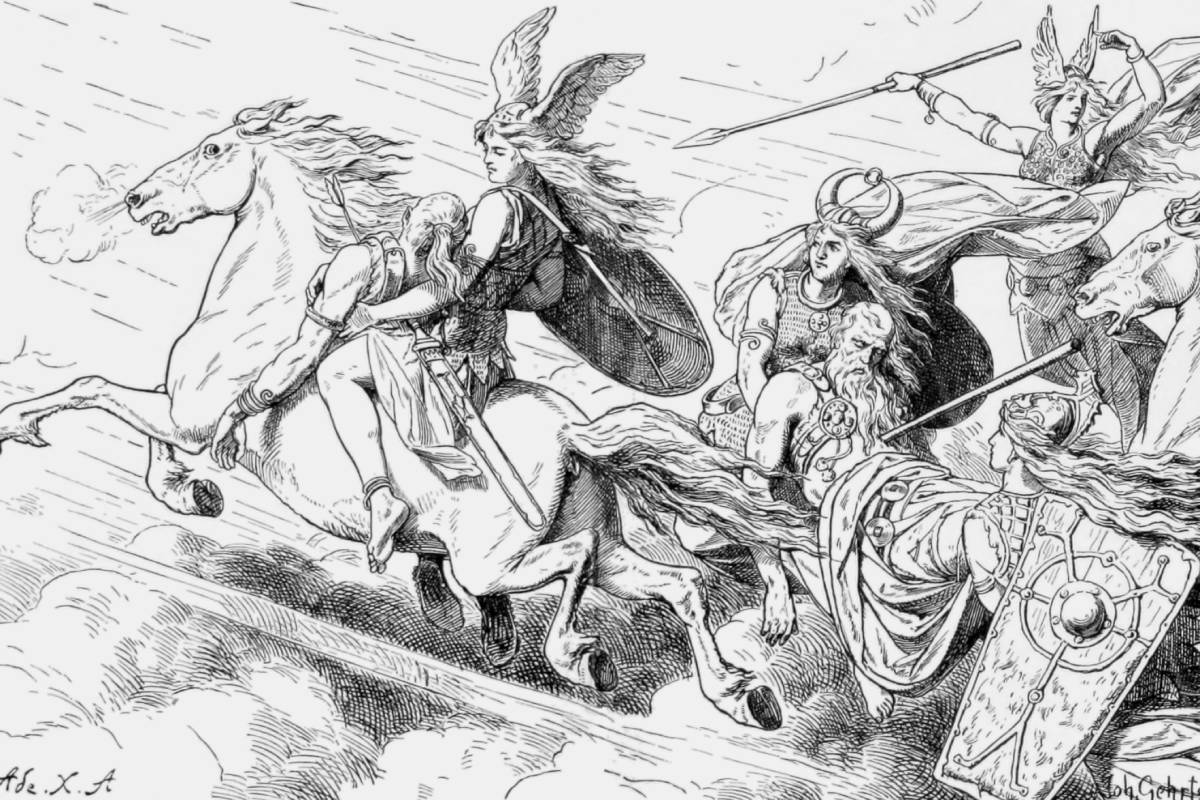
This was seen as the ultimate honor for Viking warriors and a chance at eternal glory. In that grand hall, these warriors, chosen by the famed Valkyries, would train, brawl, and drink with Odin as they prepared for the cataclysmic end-of-world event, Ragnarök.
It could be said that a death wish led Viking warriors to go further, faster, and more furiously in their pursuit of glory during combat.
We know that despite their ferocious reputation, Viking warriors were only a small minority of the societies that produced them.
Not everyone hopped on a longship, battleaxe in hand, and went on a raiding expedition or took part in a battle against the Franks or Anglo-Saxons.
Viking societies had rich religious and spiritual traditions, with lines often blurred between what we now call Norse mythology and the Old Norse religion. Given these overlapping spiritual beliefs and sagas, where else could people from Viking societies expect to venture into the afterlife?
As Davide M. Zori writes in his chapter in the 2018 book The Routledge Handbook of Death and the Afterlife, "The Viking view on death was heterogeneous," meaning that there was more than just one simple destination following death.
Whilst Valhalla may indeed get all the current attention, we will also examine some of the other locations, these forgotten halls, where people in Viking societies believed they might spend the afterlife.
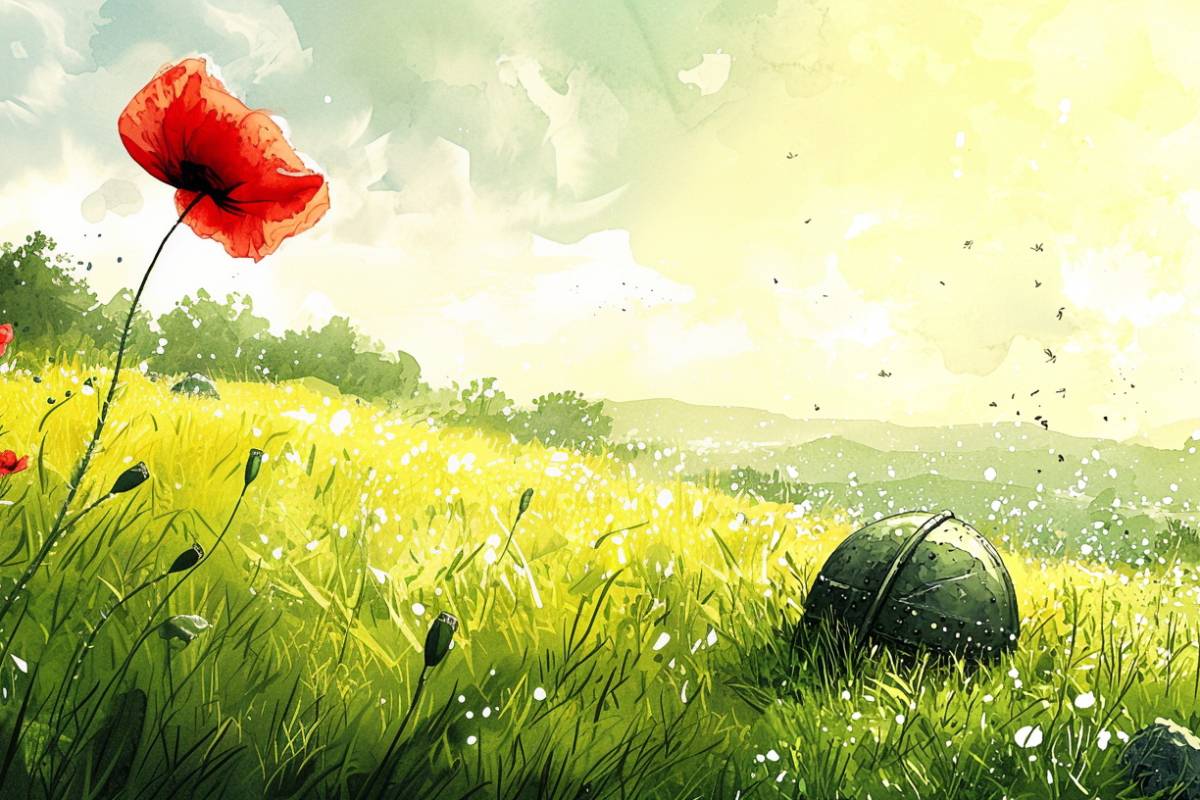
Fólkvangr was a great meadow where Freyja welcomed half of the fallen warriors to feast and train for eternity. Illustration: The Viking Herald
Fólkvangr: Freyja's field
Whilst we know that Odin selected the best and bravest Viking warriors who were slain in combat, there was another location for the bravely butchered.
Freyja, the Norse goddess most associated with fertility, love, and magic but also with war, was responsible for selecting the other half of the brave fallen warriors and bringing them to a giant meadow or field, Fólkvangr (Old Norse for "field of the host" or "people-field").
What is unclear in the sagas and stories is which warriors went to Valhalla and which Freyja selected to accompany her in Fólkvangr.
Like Valhalla, not only had Freyja selected warriors to join an army, but there was also a great amount of feasting in a hall, Sessrumnir, nestled among the green pastures of the meadow.
Modern historians and writers of Viking history are baffled as to why there appear to be two similar locations for fallen warriors.
Regardless, Fólkvangr underscored Freyja's importance, and thus veneration, for people in Viking societies.
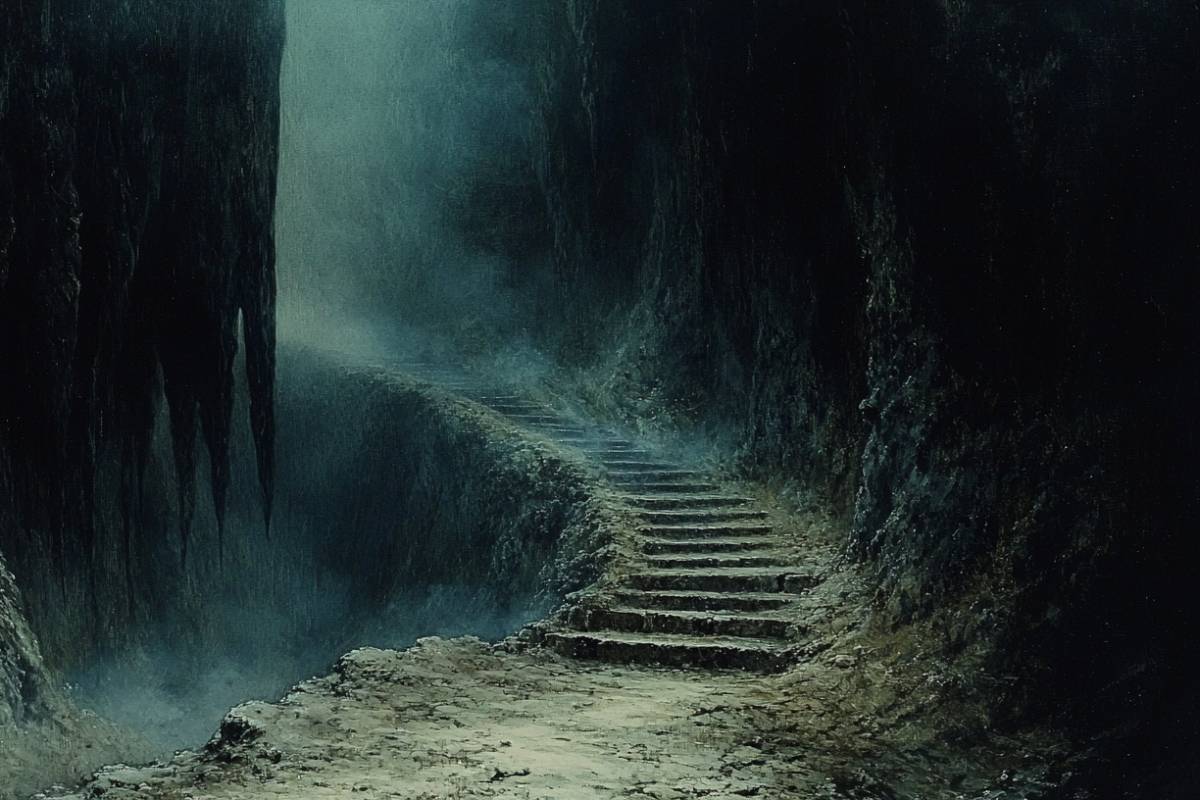
Most people in Viking societies found their afterlife in Helheim, a shadowy realm that offered no feasting or glory. Illustration: The Viking Herald
Helheim: Where most dead souls resided
Ok, so that covers the warriors. What about the rest of us mere mortals? What happened to those who were about as useless with a sword or an axe as a woodpecker with rubber lips?
They went to see Hel. No, not the fiery place full of little devils with pitchforks. The other Hel, the Norse ruler of a realm of the dead, Helheim.
This was a realm, one of the nine realms found in Norse mythological and spiritual beliefs, that was said to be a dark and dreary location. Its ruler, the Norse deity Hel, received a portion of all the dead but not the brave warriors.
These were the dead who, according to the modern consensus on Helheim, were not killed in battle but passed away due to more mundane reasons, like disease, natural causes, or old age.
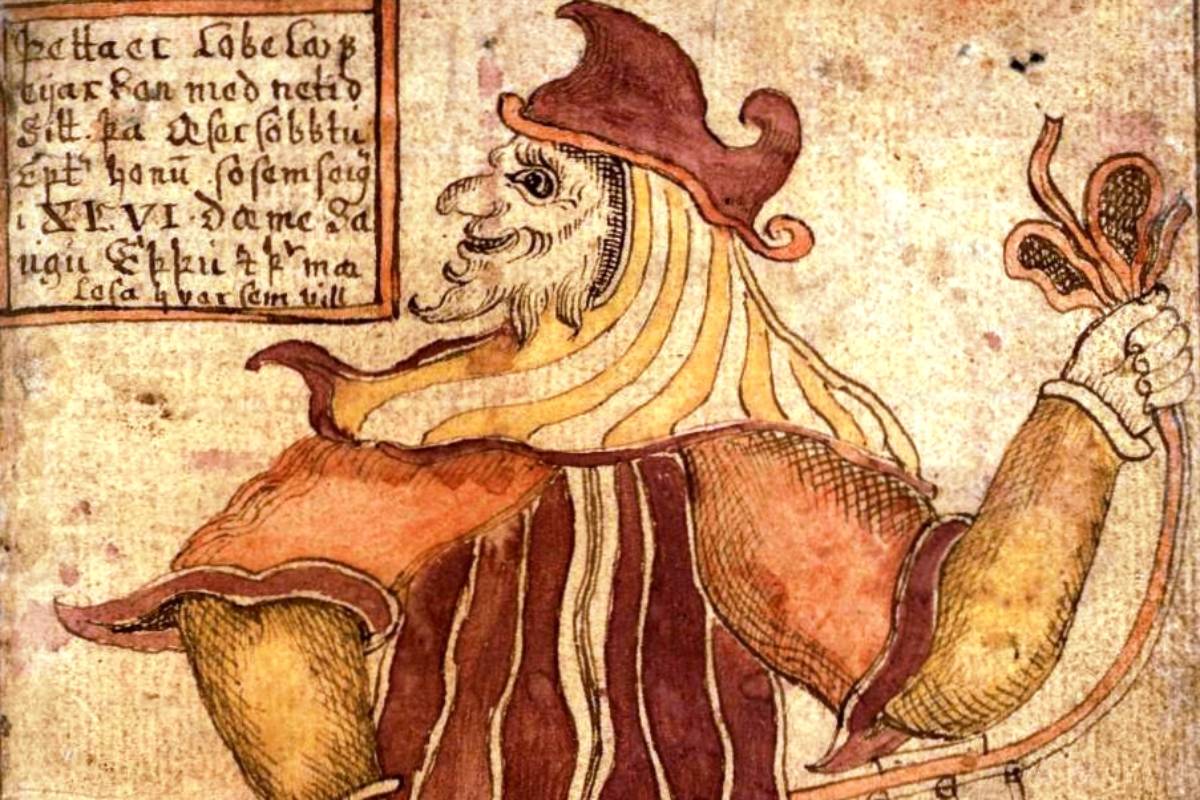
The ruler of this dreary realm, Hel, was said to be a daughter of Loki, the eternal trickster and general Norse mischief-maker extraordinaire.
She resided in a great hall in Helheim, Éljúðnir, attended to by various slaves, but little else is known about this ethereal abode. According to myth, Hel was appointed to her rule by the mighty All-Father of Norse mythology, Odin himself.
And if there is one thing we know about Odin, it is that one doesn't argue with him. If you get appointed to rule a realm of the dead, well then, that's exactly what you will do, no questions asked.
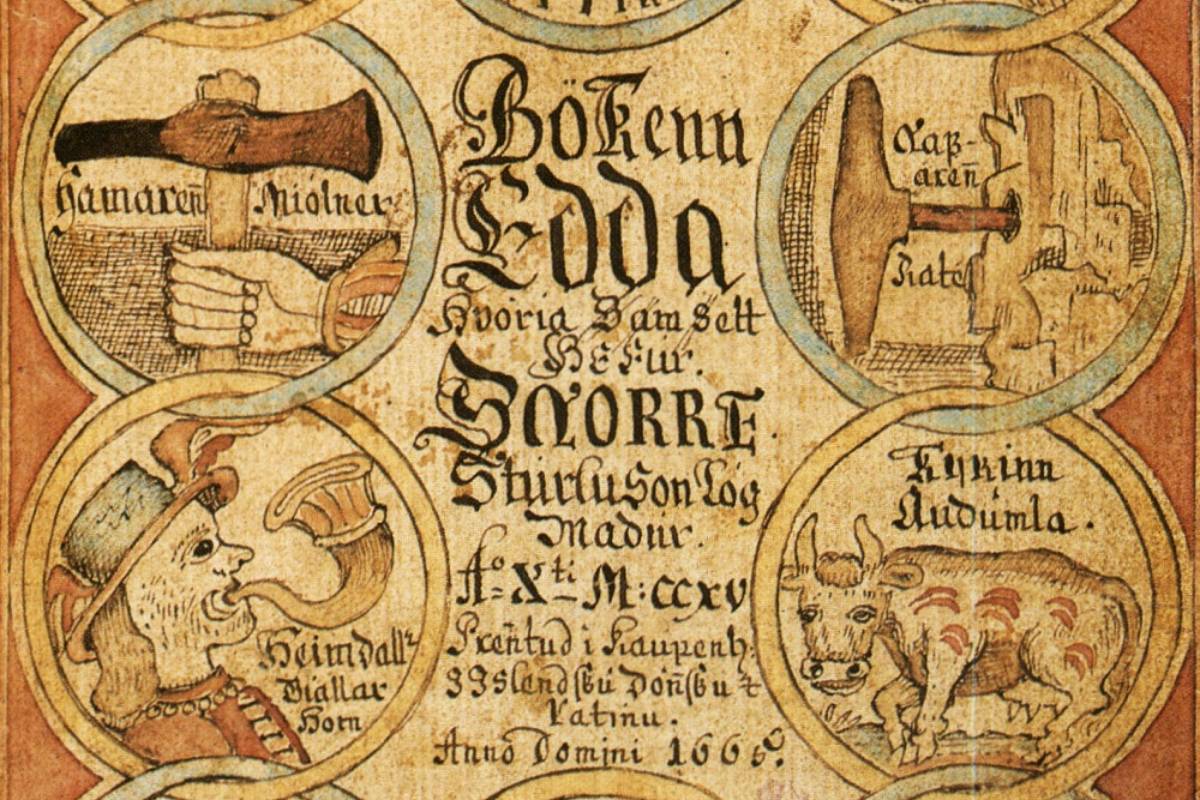
Later interpretations of Helheim, particularly those found in the sagas and stories compiled by 13th-century Icelandic poet and politician Snorri Sturluson, would be influenced by the Christian notion of "Hell" as a place of eternal punishment.
However, there is no reason to believe that Helheim, in its original form as people from Viking societies would have interpreted it, was a place of fire and brimstone.
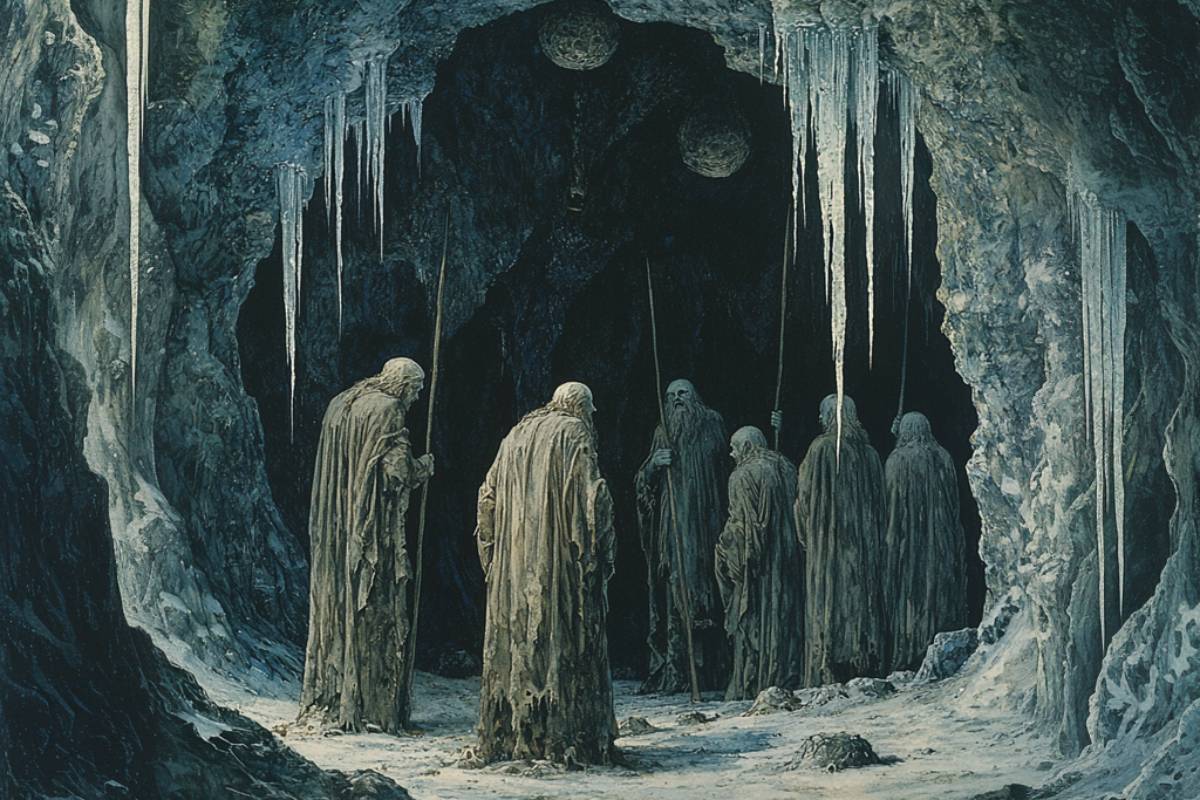
Náströnd was a dark corner of Helheim where the most dishonorable souls in Viking society met their fate. Illustration: The Viking Herald
Náströnd: The worst of the rest
By the time Sturluson was compiling the rich tapestry of Norse sagas and stories that we love here at The Viking Herald (and no doubt you, dear reader, love too), the once Viking societies had already become medieval kingdoms in Denmark, Norway, and Sweden.
They had also shifted from the old ways, the old "pagan" beliefs, to thoroughly Christian nations.
As Arturo Tozzi writes in his 2024 article in the journal Neohelicon, "After the introduction of the Christian religion, a traumatic shift took place..." in Norse societies, not least in their views on an afterlife.
As mentioned, much of the Norse sagas that have been passed down to us—tales once told during the early medieval period—have heavily Christian overtones permeating throughout them.
Historians believe that these Christian metaphors and symbolism were much later inserted by chroniclers like Sturluson.
Located in Helheim was a region, Náströnd, where the absolute worst human beings who died went. These were the oath breakers and the murderers, the dregs and downright degenerates of Viking society.
Now, for we moderns, breaking an oath doesn't seem like a great deal. However, this was a horrendous crime for people in Viking societies, as theirs was a society built upon trust, honor, and the sacred value of a person's word.
Náströnd was said to be a place of darkness and horror for all those unlucky enough to wind up here. Here, the shameful and dishonorable dead would while away their afterlife in pain.
It is here that one can see the influence that Christian doctrine and thought had upon people in Viking societies.
Whilst technically not a "hall," this was nevertheless a location that few people in Viking societies would want to visit when their life slipped away.
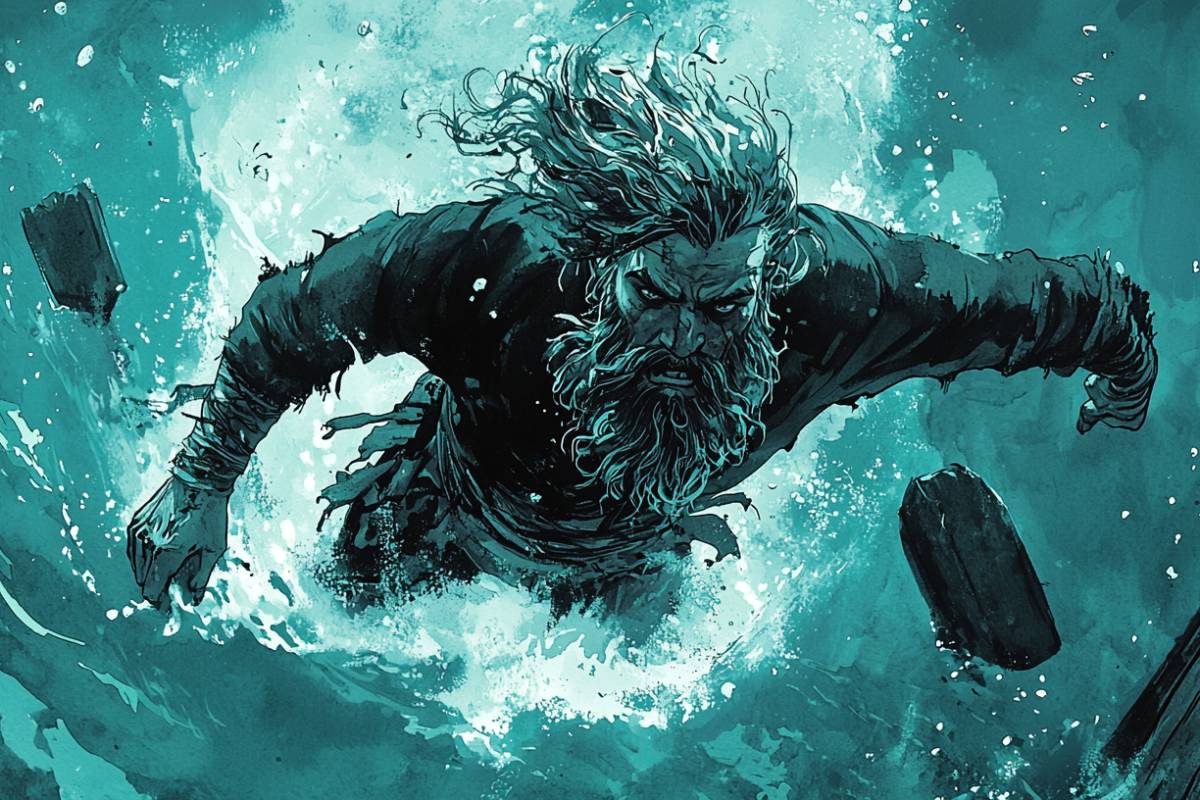
Viking sailors who perished at sea were believed to join Rán in her watery grave, never to return to land. Illustration: The Viking Herald
Ran and her watery grave
A significant part of Viking history took place not on land but on the high seas.
One of the most remarkable aspects of Viking history is how people from Viking societies journeyed from their Scandinavian heartland to cross oceans, navigate rivers, and sail across the seas to expand outward into the world in an era before any sort of modern navigational technology or systems.
People in Viking societies were some of the most skilled sailors in history, and their ships were a testament to the perfect blend of form and function.
From raiding to trading and later conquest and settlement, so much of the Viking story we know occurred on the open seas.
Given that sailing was integral to Viking societies—for transport, food, and conquest—what happened to the sailors who lost their lives at sea?
They were said to visit Rán, the Norse goddess associated with the sea, the wife of another mythical deity, Ægir.
Rán, alongside her jötunn husband, not only personified the sea, but their union produced nine daughters, each said to personify a different type of wave.
However, unlike her husband, Rán is seen as a somewhat malevolent figure who drags sailors down to their watery graves with her net. For this, she was both feared and revered, and offerings were often made before a voyage for the safe passage of the ship and all those onboard.
Whilst technically not a hall, Rán would ensure that those who drowned or were killed at sea would reside alongside her in a watery grave for eternity.
These are just some of the forgotten halls, the eternal abodes of the afterlife for people in Viking societies. Whilst many may have wanted to join Odin in the feasting and the fighting, the vast majority would have wound up in a different hall.
The Norse afterlife was a complex concept whereby death was not the end but simply a journey onward to one of these mythical halls.
For more information on the Viking afterlife, visit Live Science here.
We get to provide readers with original coverage thanks to our loyal supporters. Do you enjoy our work? You can become a PATRON here or via our Patreon page. You'll get access to exclusive content and early access.
Feel free to reach out to discuss potential stories that may be in the public interest. You can reach us via email at hello@thevikingherald.com with the understanding that the information you provide might be used in our reporting and stories.