

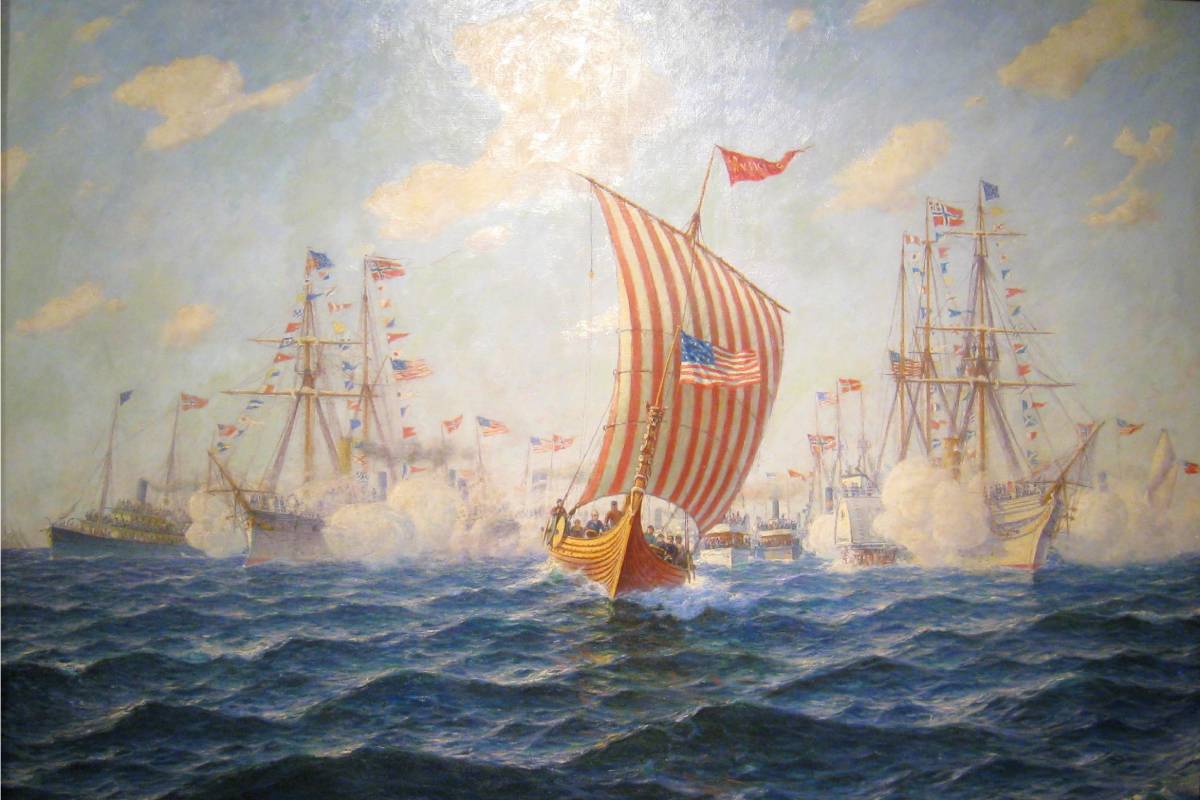
However, the modern nation-states that are the cultural descendants of Viking societies nowadays use their rich cultural heritage and history to influence friends and nations the world over.
The lure of the Viking crosses borders, boundaries, and seas.
The lure of the Viking means big tourist bucks
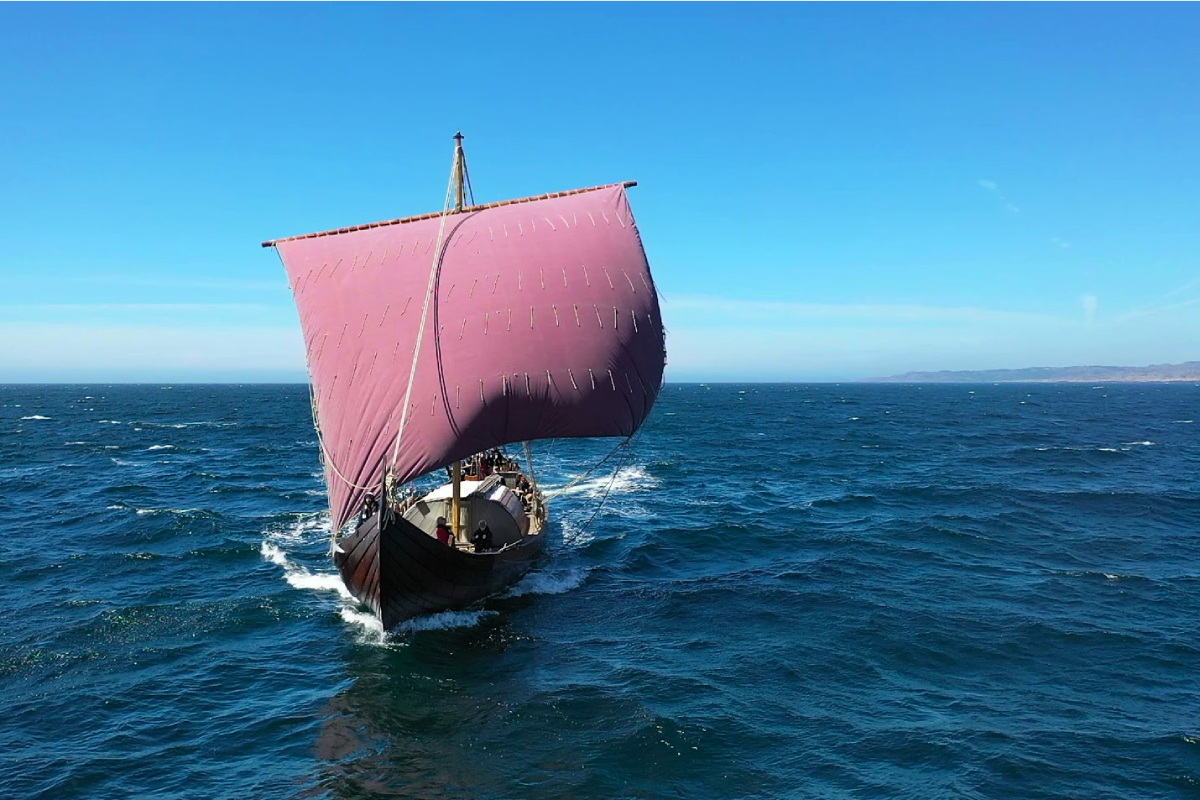
For much of the early medieval period, people from Viking societies stood on the shore and saw numerous Viking ships sail off into the horizon.
Some would return with vast treasure chests full of gold and silver, exotic goods, or even slaves, whilst others would sink, their crew never to be seen again.
In one of history's greatest reversals, the modern descendants of the Vikings – the inhabitants of the Scandinavian nations of Denmark, Norway, and Sweden, and their distant cousin, Iceland – are now standing on the shore seeing cruise ships dock.
The ships have finally returned, but it is now hordes of tourists that descend upon these nations, speaking a hundred different languages, not the hordes of Vikings that once set forth.
Given these northern European nations' less-than-adequate holiday qualities – which include a short summer, long and cold winters, a scattering of beaches, and high alcohol prices – they might not seem like obvious tourist destinations.
Yet hordes of tourists from southern Europe, the Americas, Asia, and even as far away as New Zealand venture to this cold, remote, and rugged part of the globe.
Aside from being some of the safest, cleanest, and highest quality-of-life societies to visit, much of the lure of the north stems from these nations' ancestors more than a millennium ago.
Many come to visit the lands where Vikings once roamed.
The lure of the Viking has seen Scandinavian – and, to a lesser extent, Nordic – cultural heritage and history rebranded as a potent and lucrative brand that draws tourists from around the world to this part of the globe.
Several Scandinavian cities host Viking ship museums, including the Viking Ship Museum in Oslo, which is currently closed for renovation and set to reopen as the Museum of the Viking Age in 2027.
The Viking Ship Museum in Roskilde is also undergoing a comprehensive redevelopment to protect its Viking ships and enhance visitor experiences, with completion expected by 2030.
In fact, many of the national museums of the three Scandinavian countries are dedicated to the early medieval period, or as we like to call it here, at The Viking Herald, the Viking Age (c. 793 to 1100 CE).
Billions of dollars are pumped into the modern descendant nations of Viking societies through Viking tourism – not just the ticket sales for the museums or the Viking ship cruises, but also all the money associated with Viking tourism: the hotels, bars, restaurants, and even the tour bus drivers.
The lure of the Viking has seen this mostly inhospitable part of the world become an uber-cool tourism destination, thanks to a renewed interest in all things Viking spurred on by media and entertainment.

The success of Viking-related media, like Marvel’s Thor and "Vikings," has made Norse history a pop culture phenomenon. Source: Netflix, screenshot (Copyright, fair use)
The silver screen and streaming services
So then, apart from the remains of Viking villages or ships, why else do thousands of tourists flock to the cold far north each year?
With the Viking Age more than a millennium old, it is not like this slice of European history has only just passed.
Over the past decade or so, it is not the highbrow history books that have brought the hordes of tourists this far north but the more popular forms of entertainment: Hollywood movies and streaming series.
An explosion of Viking-related shows and movies, amongst them the film adaptation of the Marvel comic book character Thor, based on the Norse God of Thunder, has certainly helped popularize Viking culture and broader Norse mythology.
The runaway success of the Marvel Thor movies has spurred countless knockoffs and allowed smaller media operations to pivot away from the glitzy glamour of Hollywood.
The series Vikings and Vikings: Valhalla present a far more historically accurate, and dare we say gritty, depiction of Viking societies and history, albeit one with a fair bit of artistic interpretation and license thrown in.
Whilst certainly not propaganda, all of these movies and series are, after all, linked to Scandinavian soft power as part of its rich cultural heritage and history.
Government and cultural institutions give donations and funding to some of these productions to see that Scandinavian stories, even millennia old, are given airtime in today's seemingly largely homogenized pool of popular culture and entertainment.
It is these stories, drawing on Viking tales of adventure, exploration, and romance, that have helped tourists become interested in the Nordic nations and have seen the sales of the Norse sagas, myths, and legends skyrocket over the past decade or so.
In fact, as Kevin J. Harty explains in his 2011 book The Vikings on Film: Essays on Depictions of the Nordic Middle Ages (available on Amazon here), Hollywood has been making Viking films since at least the late 1920s.
This renewed resurgence in Vikings on the silver screen is, therefore, nearly a century old.
Regardless, Viking stories on the silver and small screen are just another example of the soft power and cultural pull of the Vikings, centuries after the last Viking ship ever sailed.
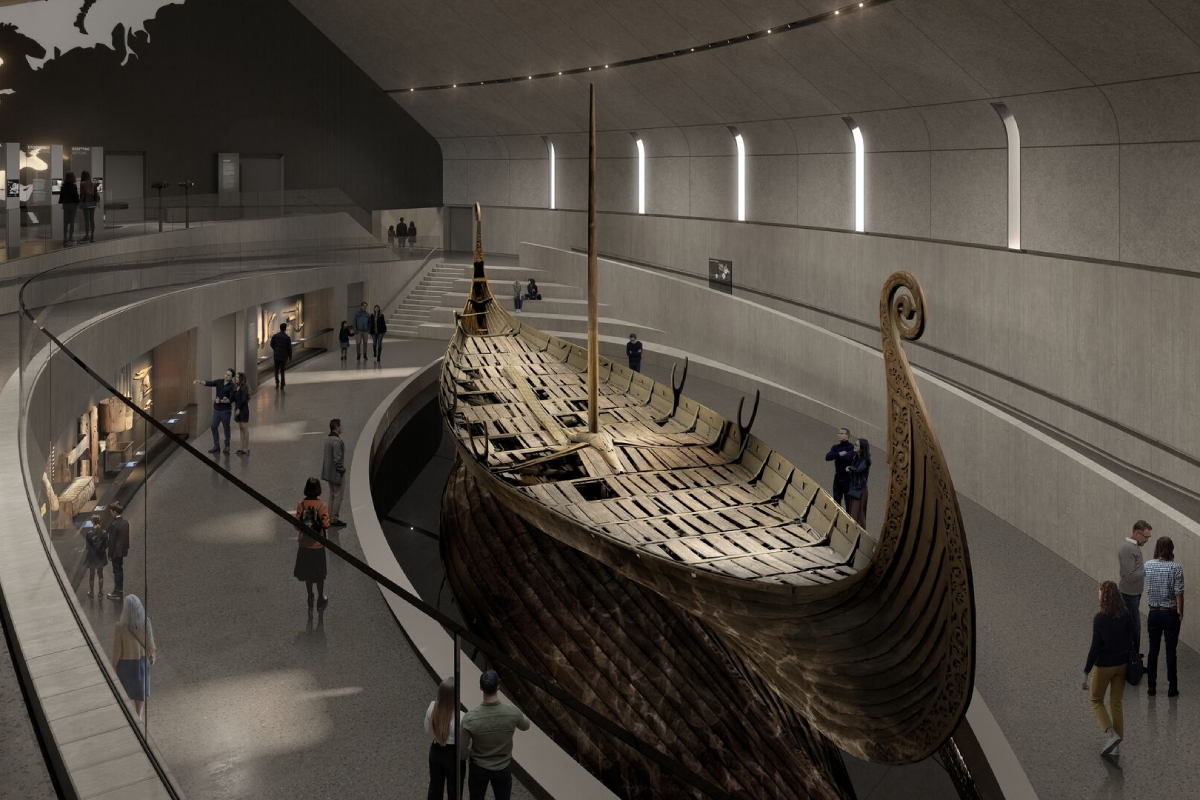
The Museum of the Viking Age, set to open in Oslo, will focus on the Viking legacy and its historical connections across Europe. Source: Museum of the Viking Age
Is a shared Viking heritage in a diplomat's travel bag?
From the safety of the 21st century, we can say that the expansion of people from Viking societies from the late 8th century CE changed European history forever.
Scattered across Europe – from the Iberian Peninsula to the Eurasian steppe, from the Atlantic Ocean to the shores of the Caspian Sea, and everywhere in between – cultures, civilizations, and nations have been impacted by people from Viking societies, sometimes peacefully, often not.
The soft power that the modern descendants of Viking societies, especially the Scandinavian countries, can lean on is the shared history that links them with as diverse nations as Ireland, Turkey, and Spain.
Whilst culture, religion, or even language separates them, Scandinavian diplomats and politicians, business leaders, and academics can often draw on a rich cultural heritage and history that saw their cultural ancestors pillage, plunder, and profit all over Europe and its surrounds.
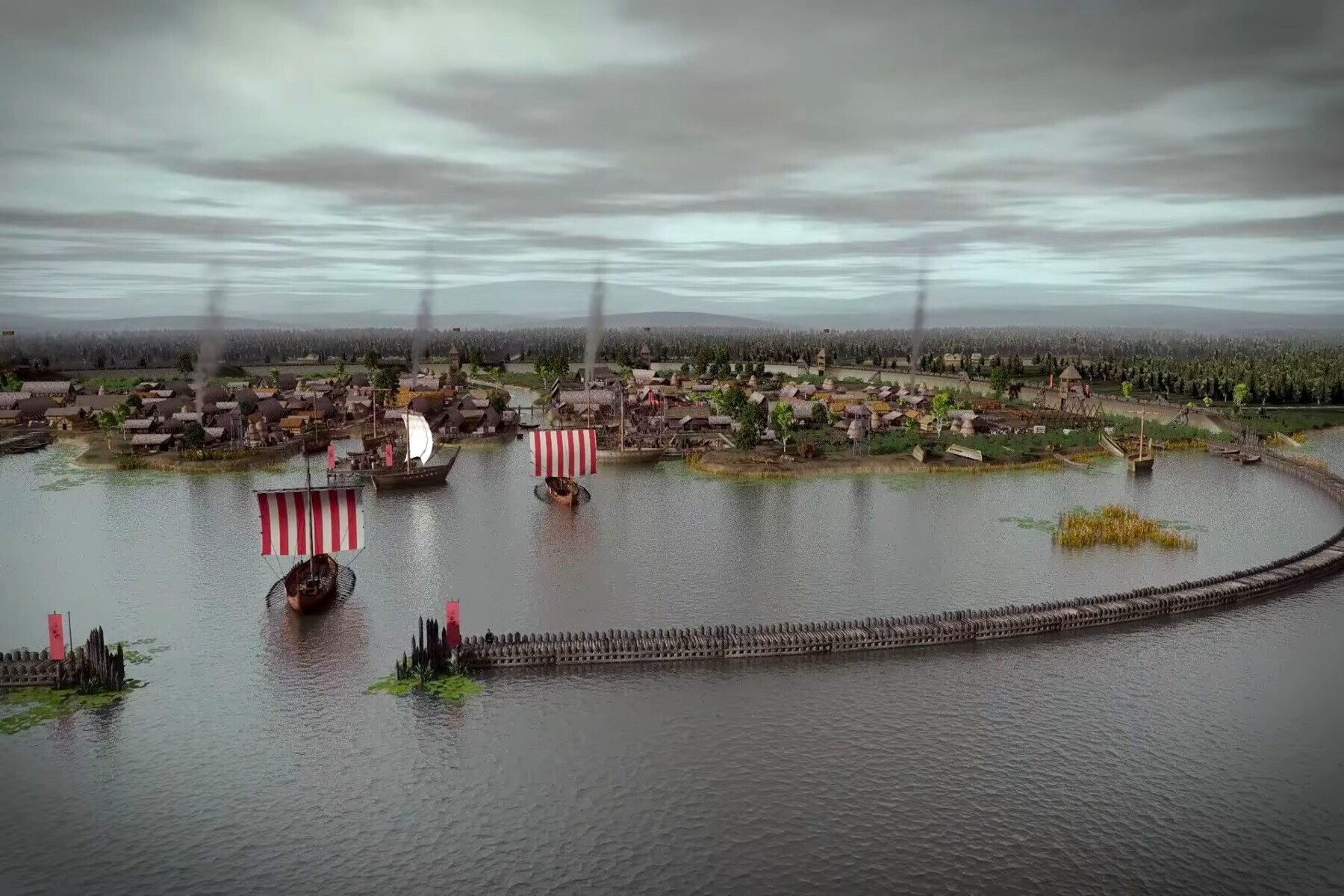
Heavily drawing on this legacy are cultural institutions, like museums, which showcase the remnants of these Viking societies that once dominated much of Europe.
This helps foster mutual understanding, builds a cultural bridge over diverse waters, and can help countries around Europe appreciate the rich cultural traditions of the Scandinavian countries.
It is also worth remembering that not all of the Viking expansion of the early medieval period was drowned in blood and bondage; much of it involved mutually beneficial trade and cultural exchange.
In this era of nationalism, sometimes it can be the small things, like a shared history, that foster good relations and bring people together, not divide them.
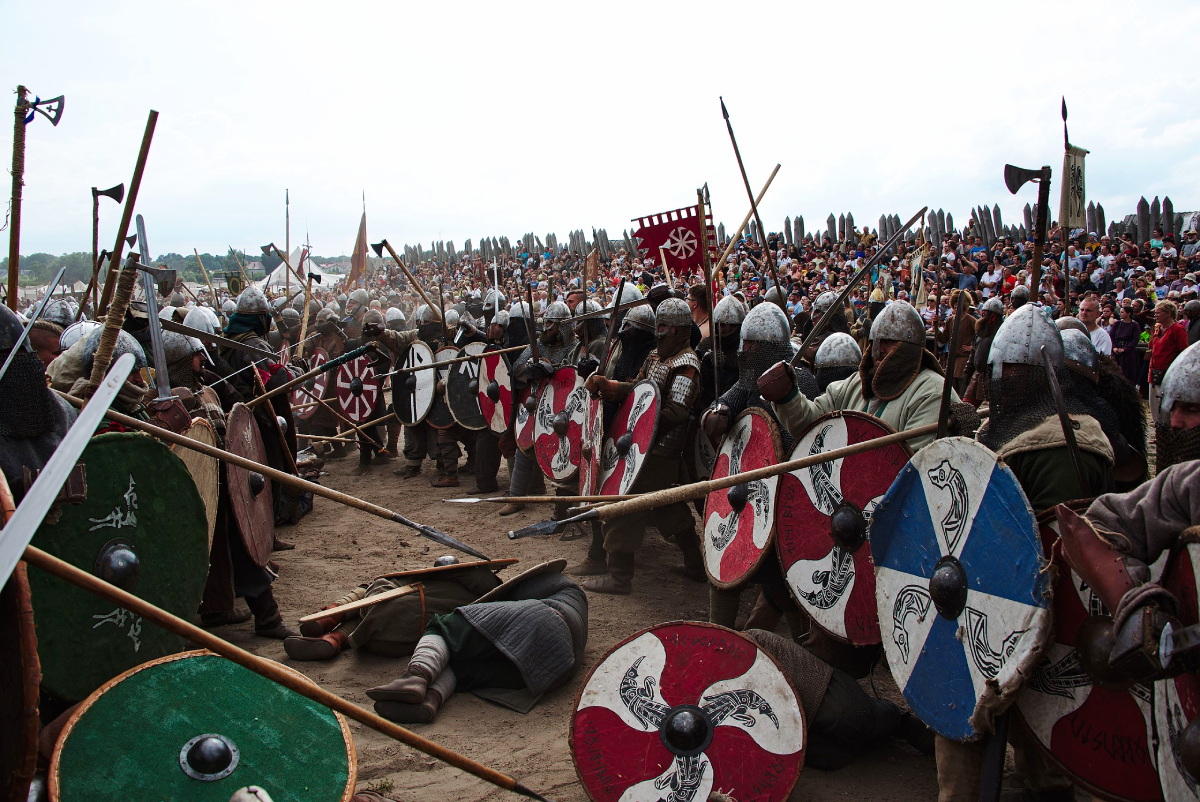
The global fascination with Viking heritage has become a key tool for Scandinavian countries to project cultural soft power. Source: Jakub T. Jankiewicz
Cashing in on the Vikings
So, the lure of the Vikings can be seen as a strong example of the soft power that Scandinavian countries exert in the 21st century.
As Robert A. Saunders discusses in his 2021 contribution to Cinema and Soft Power: Configuring the National and Transnational in Geo-politics (available on Amazon here), the soft power of any country is intrinsically linked to its culture.
It doesn't matter, for example, if this culture was from societies that have long since withered away, centuries after the last skaldic bard ever performed or the last Viking ship ever sailed.
Given a renewed interest in all things Viking, spurring countless books, films, tours, and cultural exchanges, particularly the three Scandinavian nations are cashing in on this Viking soft power, ensuring that a rich historical and cultural legacy is exported worldwide.
We get to provide readers with original coverage thanks to our loyal supporters. Do you enjoy our work? You can become a PATRON here or via our Patreon page. You'll get access to exclusive content and early access.
Feel free to reach out to discuss potential stories that may be in the public interest. You can reach us via email at hello@thevikingherald.com with the understanding that the information you provide might be used in our reporting and stories.