

How did the settlers who left Norway to settle Iceland sleep in their ships heading to that land of fire and ice? And what about the settlers that went even further, from Scandinavia all the way to North America, to settle in Greenland or what is now the Canadian island of Newfoundland?
As we shall see, their sleeping arrangements were a combination of form and function, practicality and necessity.
Cold, wet, and little respite from the elements
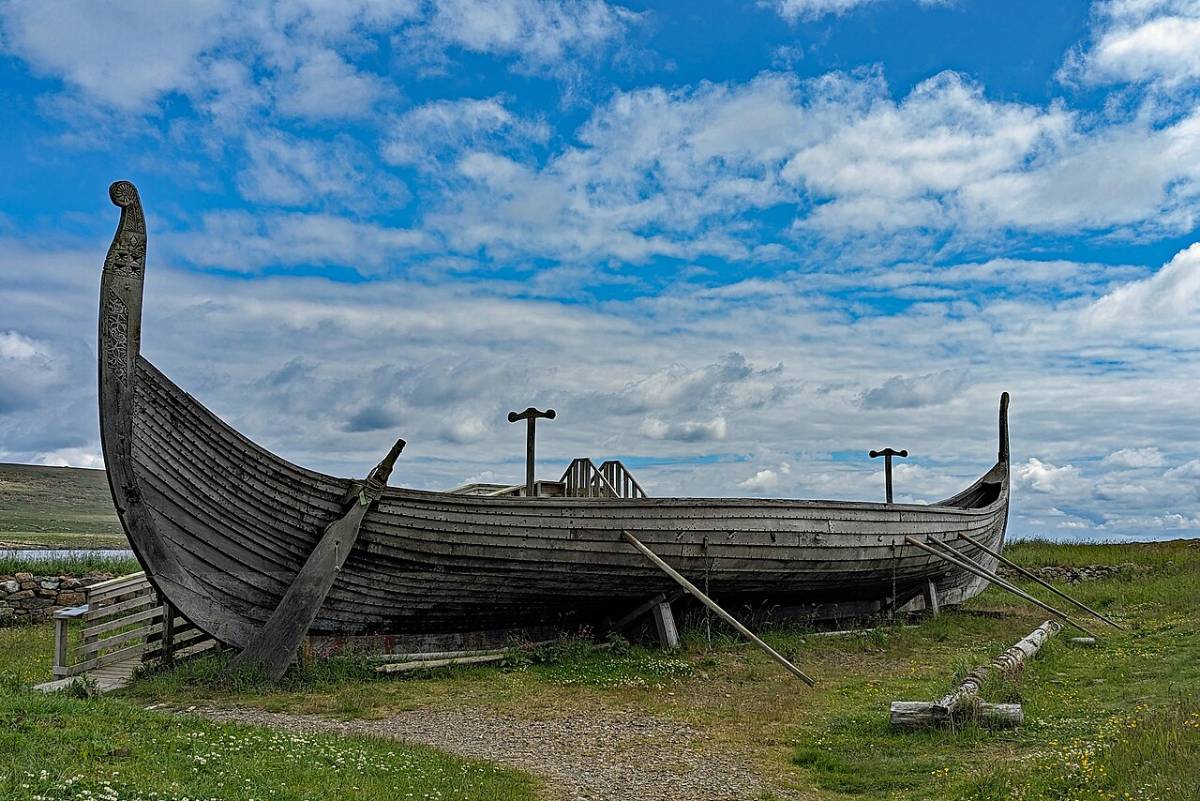
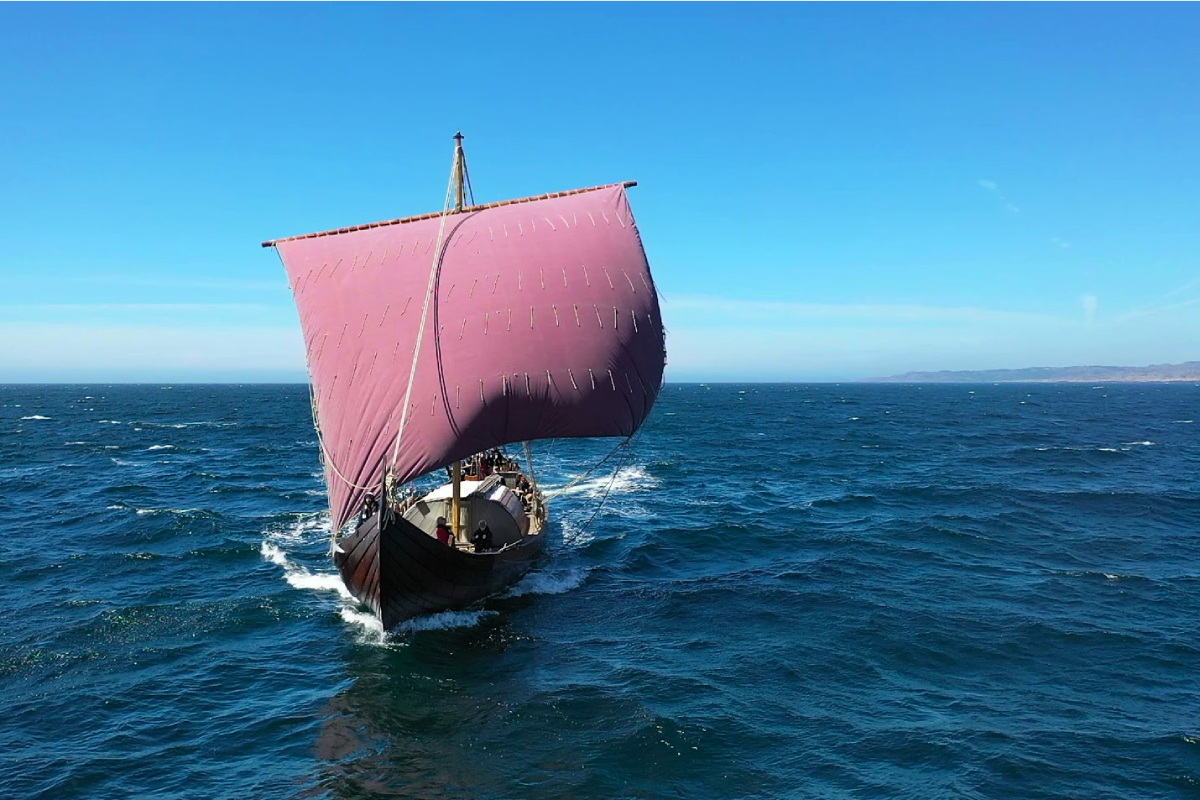
Anyone who has seen a Viking ship, whether in a Scandinavian museum or the silver screen (maybbe even in the recent blockbuster, The Odyssey), knows that these are sleek and shallow vessels. When onboard, no one was tucked away in a cabin or even a hammock.
In an open ship or longboat, there was usually no protection overhead nor sleeping quarters under the deck. Instead, for long voyages people had to sleep on the deck, usually on wooden planks with little shelter from the harsh climes of the Viking world. Perhaps an extra blanket or a cloak was used, and often people would huddle up together for warmth.
One could expect not only to be dampened, mid-kip, by heaving and thunderous waves but also by torrential rainfall, especially during winter. Then there was the constant movement of the ship and the noise of both the ocean and other people.
PLEASE NOTE: The rest of this article is only available to our paid Patreon subscribers.
The topic was selected by our Patrons in a weekly poll. Support The Viking Herald on Patreon to read the full article and help choose future topics.
If you would like to learn more about Patreon and why we have decided to restrict access to some content, please take a look at this article.
Feel free to reach out to discuss potential stories that may be in the public interest. You can reach us via email at hello@thevikingherald.com with the understanding that the information you provide might be used in our reporting and stories.