

We live in the age of disposable consumption. From fashion to Fortnite, everything is bought and discarded with a lifespan a little longer than a TikTok reel. This is, however, very much a 21st-century blessing and curse thanks to a globalized world market and supply chains.
If we wind the clock back to the early medieval period, people in Viking societies could not simply shop to their heart's (or stomach's) desire with the swipe of their finger.
They had no online retail, no palaces of capitalism (shopping malls) or high street shops to pop down to and purchase consumer goods. With goods and products rare and expensive, repair, reuse, and recycling were part of the practical nature that endowed Viking societies.
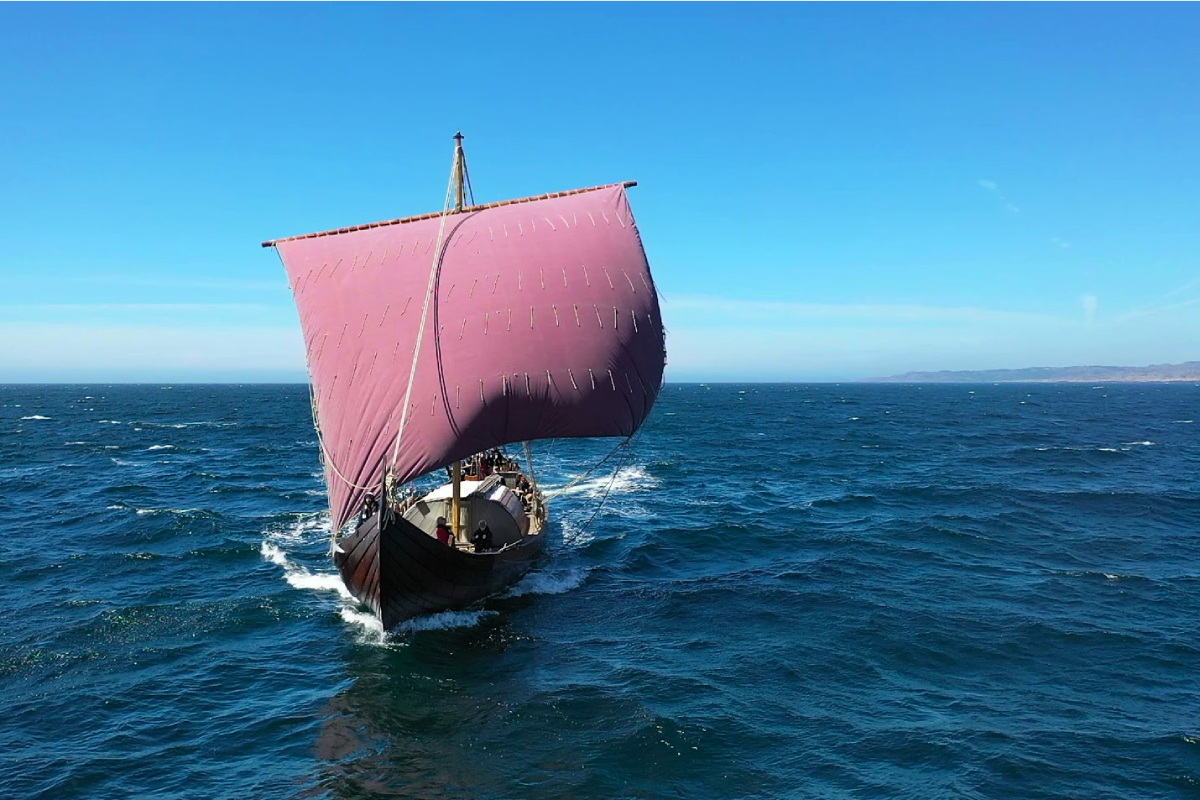
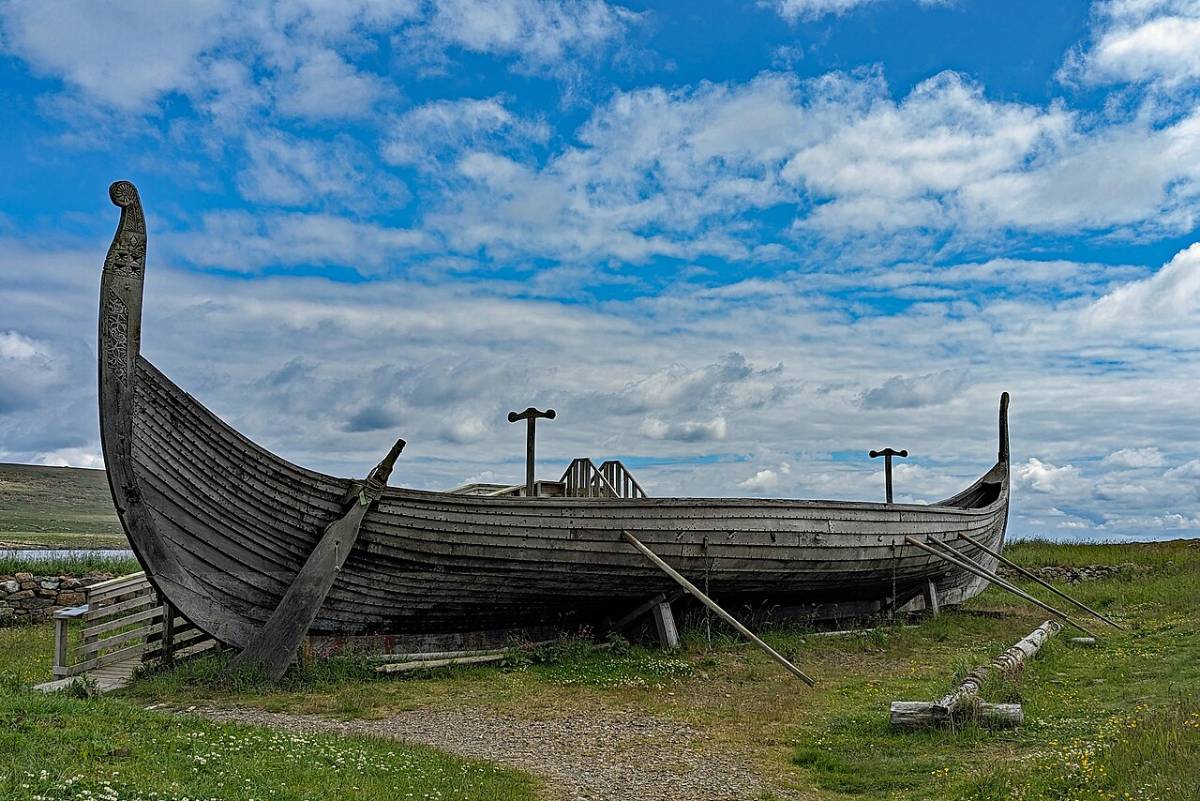
Perhaps the greatest single investment a Viking chieftain or ruler would ever make, and certainly the largest employer in that community, was to commission a Viking ship. This involved numerous skilled artisans, from carpenters and woodworkers to blacksmiths and weavers.
Beyond their expense, Viking ships were endowed with a spirituality that other modes of transport simply did not have. There were vessels to conduct raiding and trading, for sure, but they were also vessels to ferry high-status individuals safely to the next life.
Given their value as both investments and spiritual objects, people in Viking societies reused, recycled, and repaired Viking ships at every stage of their life cycle.
Plunder, profit, and people
Imagine you are standing on the western shores of Norway, sometime in the 9th century CE. Everyone in your community has come to marvel at their handiwork, the most lethal piece of naval technology of the period, a Viking ship.
As Jan Bill talks about in his chapter in the 2008 book The Viking World:
"Geography has made shipbuilding and seafaring essential for the Scandinavians throughout history. In a landscape where the waterways offered much more ready communication lines than most of the inland, boats and ships were fundamental tools for survival and societal development."
Now, aside from the communal backslapping about the blood, sweat, and tears spent in its construction, you can rightly bask in the glory of the ship that, you know, will be used for decades.
Whilst Viking ships gained their reputation as the vessels to deliver Europe's most feared raiders onto the shores and riverbanks of unsuspecting communities, warfare was only one facet of their nature.
When they were not terrorizing everyone from the Byzantines to the "Saracens," these ships were ferrying goods and people to conduct commerce, trade, or even settlement.
The design that made Viking ships so effective in conducting lightning raids – clinker-built construction large enough for a sizable crew to row and fitted with a sail – also made them perfect for sailing across the seas for business.
Aside from plunder and profit, these ships were also used for exploration, which enabled them to later transport whole new communities to newly established Viking societies in places like Iceland, Greenland, and even what is now Canada.
PLEASE NOTE: The rest of this article is only available to our paid Patreon subscribers.
The topic was selected by our Patrons in a weekly poll. Support The Viking Herald on Patreon to read the full article and help choose future topics.
If you would like to learn more about Patreon and why we have decided to restrict access to some content, please take a look at this article.
Feel free to reach out to discuss potential stories that may be in the public interest. You can reach us via email at hello@thevikingherald.com with the understanding that the information you provide might be used in our reporting and stories.