

The three Baltic states – Estonia, Latvia, and Lithuania – are finally coming out of their centuries-long historical association with Russia to forge closer ties with the rest of Europe generally and the Nordic countries in particular. Having been a part of the Russosphere up until the dissolution of the Soviet Union in the early 1990s, these three countries are at pains to close that long and dark chapter of their history.
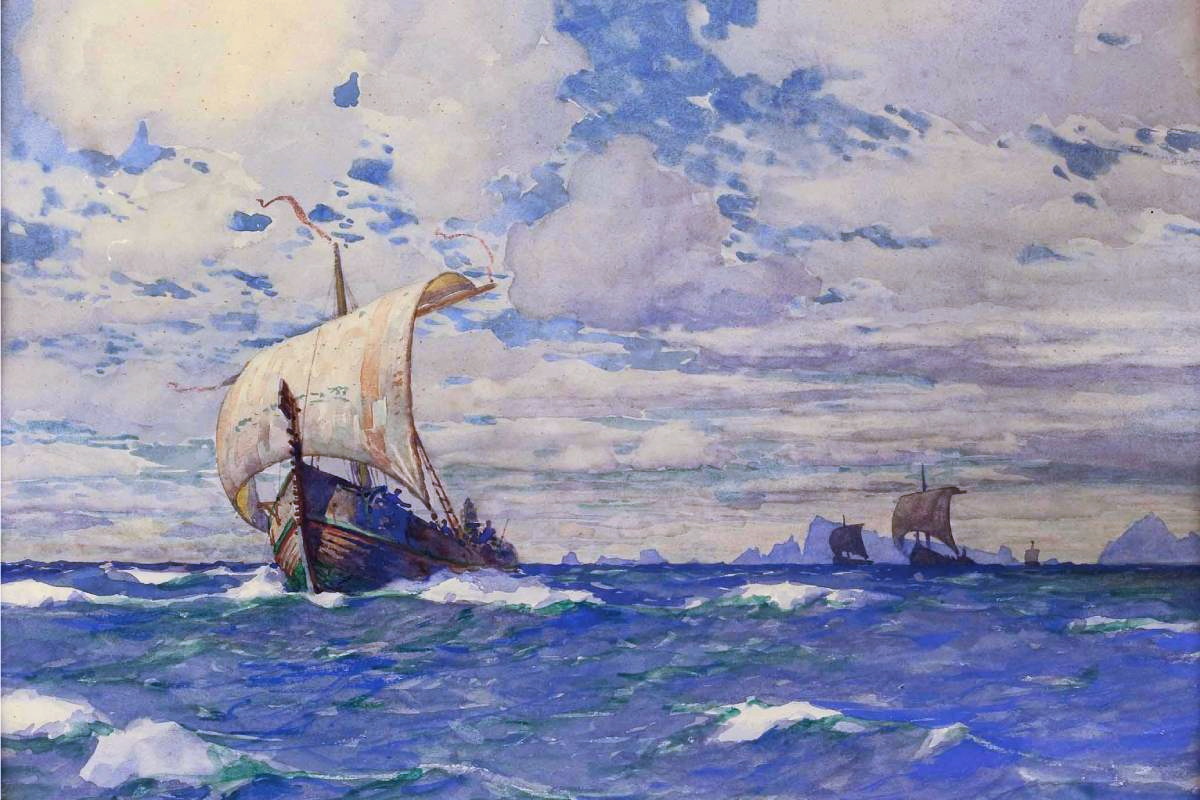
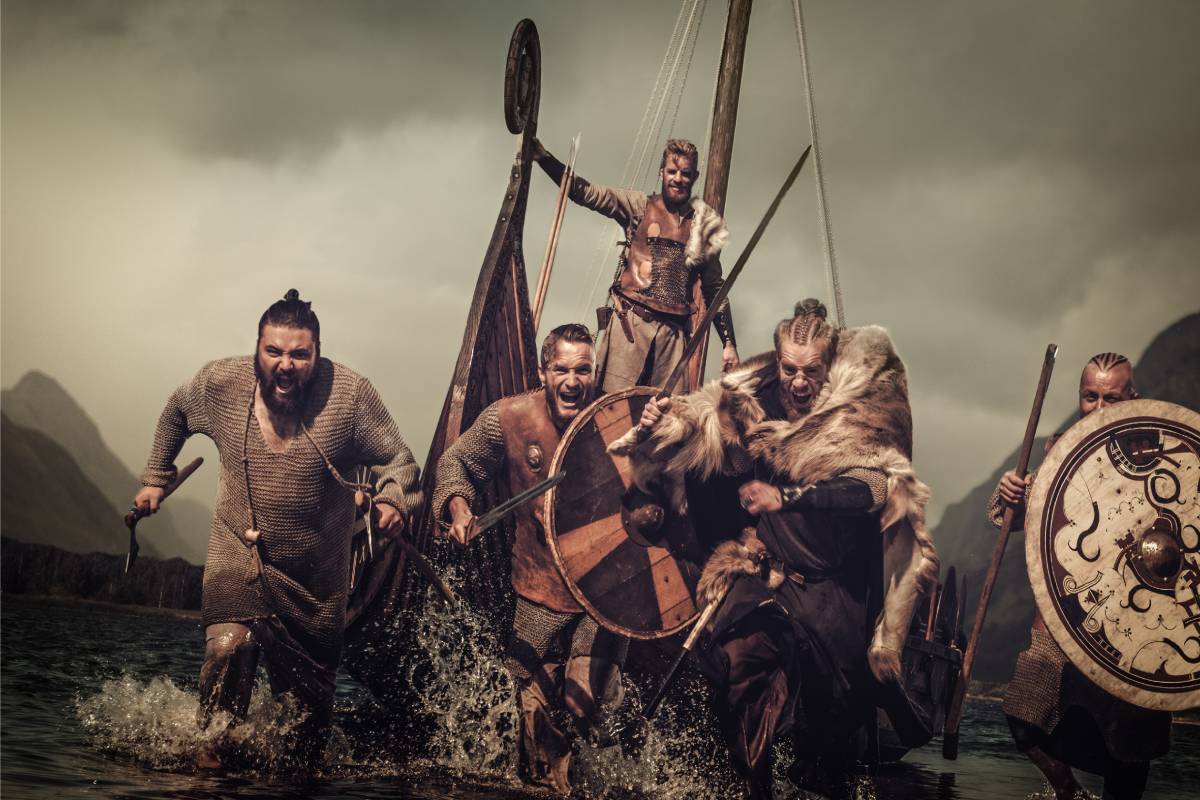
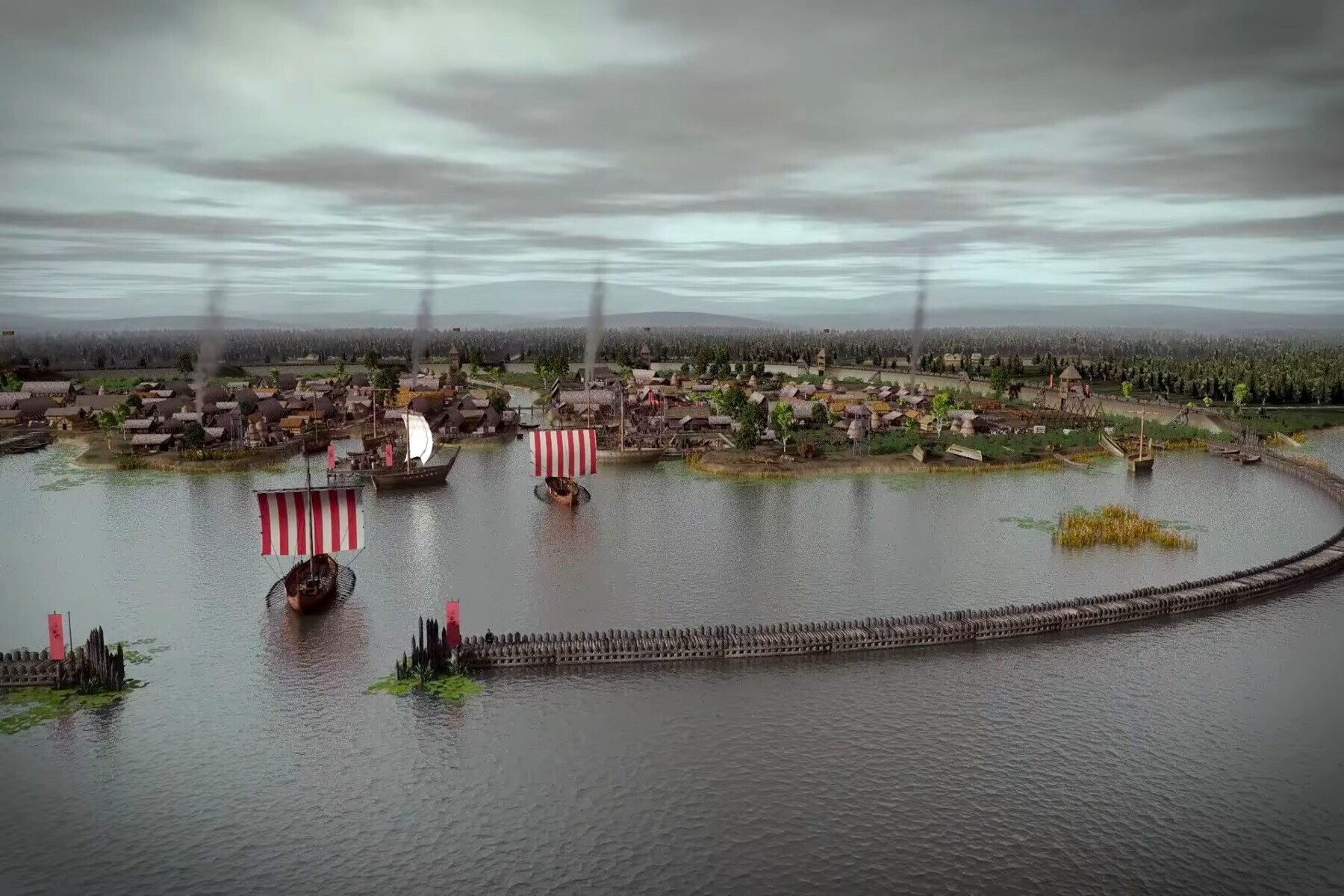
This cozying up to the Nordic region, however, is nothing new for the Baltic countries. If we wind the clock back to the early medieval period, the Baltic region was at times dominated, exploited, and settled by people from Viking societies. However, they were not alone. Sailing eastward from the Scandinavian peninsula and crossing the Baltic Sea, they encountered a dizzying variety of different cultures, civilizations, and people living throughout the Baltic region.
Old Lithuanians and religious similarities with Norse paganism
What is now Lithuania was occupied by the early medieval ancestors of Lithuanians, known as "Old Lithuanians". They were one of the largest eastern Baltic tribes and may have numbered somewhere around 300,000 – 400,000. Though this may not seem significant today (the current nation state of Lithuania is closer to three million), this was a notable population for this area of Northern Europe during the early medieval period.
As people from Viking societies crossed inland from the Baltic coast, they came into contact with the Old Lithuanians. Rather than a formal structure, the Old Lithuanians were divided into many tribes, with some degree of military democracy.
Like people from Viking societies before the advent of Christianity, the Old Lithuanians had their own distinct belief systems, which later Christian missionaries dubbed as "pagan". THeir beliefs included the practise in religious suicide, particularly after a military defeat.
Following their eventual Christianization in the late 14th century CE, the lands that the Old Lithuanians controlled would eventually become part of the Grand Duchy of Lithuania and then part of the Polish Lithuanian Commonwealth.
PLEASE NOTE: The rest of this article is only available to our paid Patreon subscribers.
The topic was selected by our Patrons in a weekly poll. Support The Viking Herald on Patreon to read the full article and help choose future topics.
If you would like to learn more about Patreon and why we have decided to restrict access to some content, please take a look at this article.
Feel free to reach out to discuss potential stories that may be in the public interest. You can reach us via email at hello@thevikingherald.com with the understanding that the information you provide might be used in our reporting and stories.