


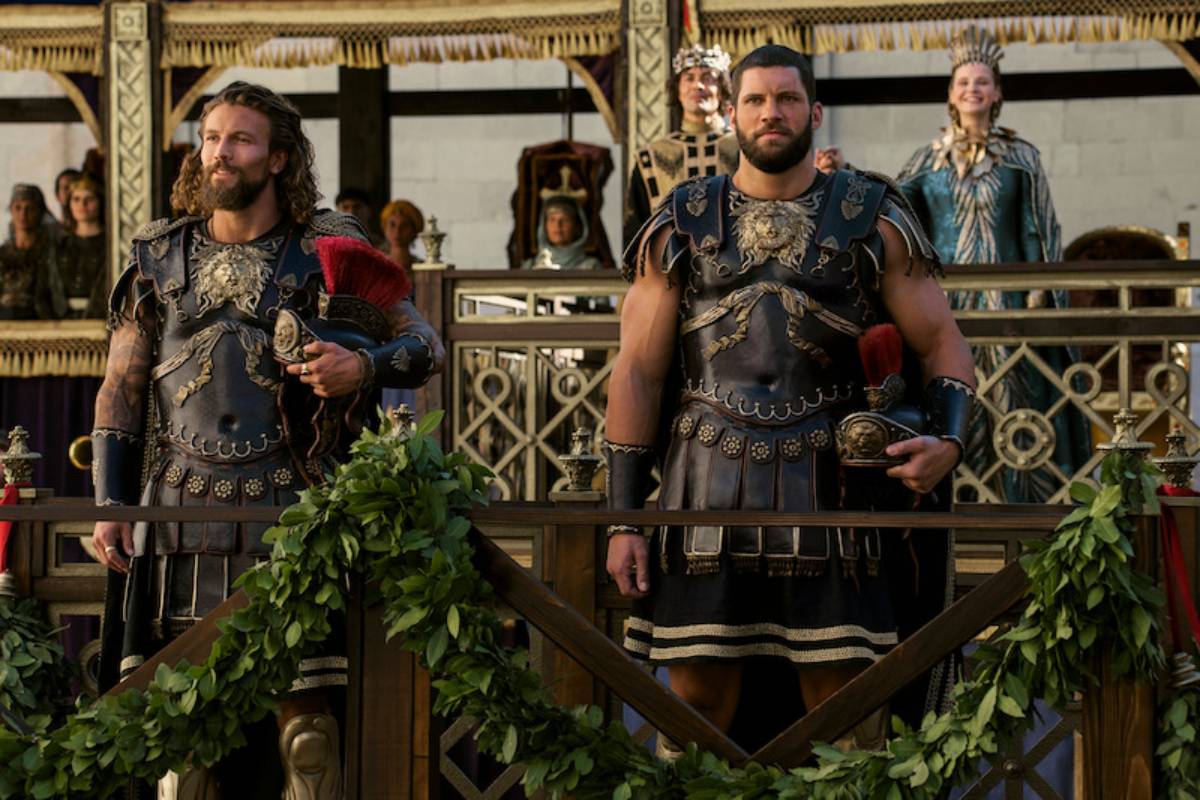
At the beginning of the third season of Vikings: Valhalla, the Emperor of Byzantium appoints Harald Sigurdsson to lead the Varangian Guard, his elite group of bodyguards.
Together with his accomplice Leif Erikson, Harald rewards the emperor's faith by masterminding the conquest of Syracuse, a Saracen stronghold in the south of Italy.
At first glance, the idea seems a little far-fetched – a Viking prince traveling to the very confines of Europe and somehow establishing himself high up in the echelons of a very different society before returning to Scandinavia to claim the throne.
Yet, as we shall see, the basic premise is not so far from the truth.
"Manly of growth"
The real Harald Sigurdsson – also known as Harald Hardrada – was one of the most significant figures of the Viking Age.
His later actions also helped hasten its downfall. Born in approximately 1015 in Norway, Harald was the son of Åsta Gudbrandsdatter and Sigurd Syr, ruler of the petty kingdom of Ringerike.
At the age of 15, Harald went to fight alongside his half-brother, Olaf Haraldsson, who was trying to regain the Norwegian throne from King Cnut after losing it two years previously, in 1028.
"Now when it was reported in Norway that King Olaf was come from the East to Svithjod, his friends gathered together to give him aid. The most distinguished man in this flock was Harald Sigurdson, a brother of King Olaf, who then was fifteen years of age, very stout, and manly of growth as if he were full-grown."
(Heimskringla, or The Chronicle of the Kings of Norway, by Snorri Sturluson)
Unfortunately, Sigurdsson was severely wounded at the Battle of Stiklestad, while Olaf lost his life. Harald was forced into exile, fleeing first to Sweden and then to the Kievan Rus.
Sigurdsson would return to Norway some 14 years later, but not before embarking on one of the most impressive examples of overseas service seen in the Viking Age.
Rising to the top
In the Kievan Rus, Sigurdsson was able to form an alliance with the Grand Prince Yaroslav the Wise, whose wife, Ingegerd, was a distant relative of Harald.
Another connection came from Sigurdsson's brother, Olaf, who had spent two years in exile in Rus just prior to his death.
The young Harald soon established a reputation as a fierce warrior and compelling military strategist, becoming captain of the prince's forces.
The records show Sigurdsson fought in a campaign against the Polish in 1031, and was also involved in a series of other battles against local and international foes, possibly including the Byzantine Empire.
Yet, while Harald enjoyed the favor of the ruler and was able to build a loyal following of his own, after a few years of service he decided to depart and seek even greater fortune. His destination? Constantinople.
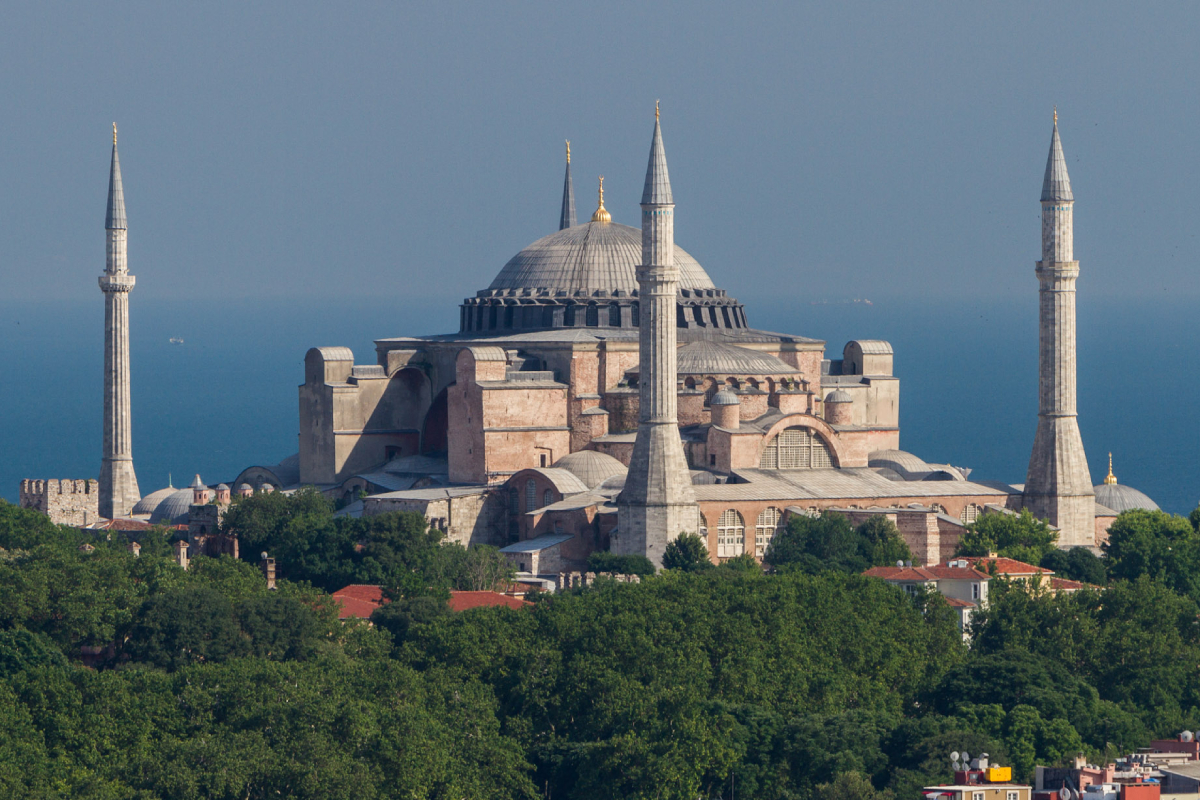
Harald Sigurdsson and his men joined the Varangian Guard in the wealthy Byzantine capital of Constantinople. Photo: Benh LIEU SONG (CC BY-SA 2.0)
A golden city
"Before the cold sea-curling blast
The cutter from the land flew past,
Her black yards swinging to and fro,
Her shield-hung gunwale dipping low.
The king saw glancing o'er the bow
Constantinople's metal glow
From tower and roof, and painted sails
Gliding past towns and wooded vales."
Constantinople, known to the Norse as Miklagard, was the capital of the Byzantine Empire and bursting with wealth and ostentation.
The empire – the eastern half of the former Roman Empire – held sway over large parts of Eastern Europe and Asia Minor. At this time, Emperor Michael IV was in power, and his wife, Empress Zoe, was also highly influential.
Harald and his men were promptly made members of the Varangian Guard.
The Varangians were the personal bodyguards of the emperor and encompassed a selection of elite warriors from Scandinavia and across Northern Europe.
These fighters were chosen precisely because of their foreignness, as they were believed to be less likely to become embroiled in domestic intrigues than local soldiers, and were therefore considered more trustworthy.
According to the 12th-century Icelandic historian Snorri Sturluson, Harald soon became the leader of the Varangians and took part in a number of military campaigns.
For most of this period, the Byzantine Empire, which was Christian, fought against the Arab and Muslim forces that had taken control of much of southern Europe and Asia Minor.
In the sagas, Sigurdsson also travels to Jerusalem and fights in the Holy Land.
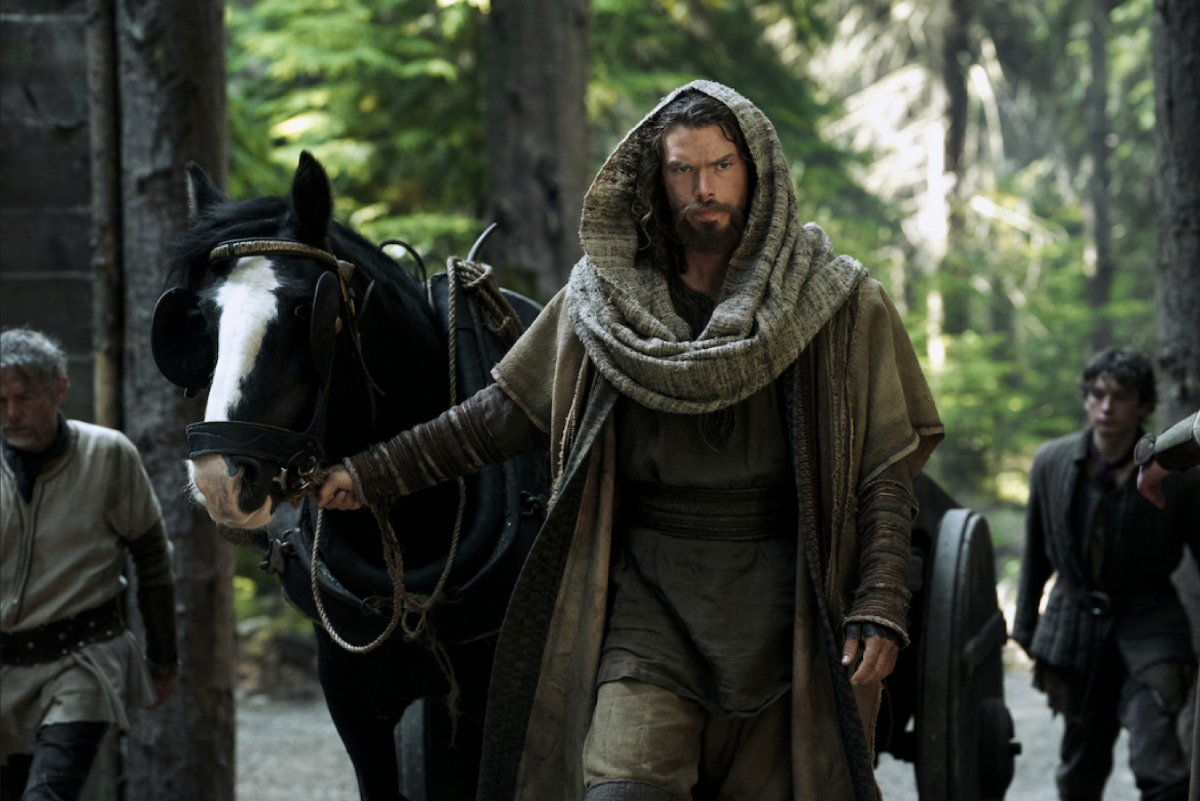
Historical records indicate that Harald Sigurdsson traveled to Sicily, like in Vikings: Valhalla, to help retake the island from the Saracens. Photo: Bernard Walsh / Netflix / Press
The glory of Sicily
"The serpent's bed of glowing gold
He hates—the generous king, the bold!
He who four score towers laid low,
Ta'en from the Saracenic foe.
Before upon Sicilian plains,
Shield joined to shield, the fight he gains,
The victory at Hild's war game;
And now the heathens dread his name."
(The words of the skald poet Thiodolf in The Saga of Harald Hardrada)
Just as he does in Vikings: Valhalla, the records indicate that the historical Harald Sigurdsson traveled to the island of Sicily to help retake the island from the Saracens.
Fighting under General George Maniakes – who also features in the television series – Sigurdsson won more renown for himself and the empire with a series of stunning victories.
The Byzantine Empire suffered a major setback, however, when it lost the Battle of Montemaggiore to an army led by William Iron Arm, who had previously fought alongside the Byzantines.
Maniakes, who had experienced a series of disagreements with the emperor, was subsequently imprisoned, while Harald and the Varangians were recalled to Constantinople.
In contrast to Maniakes, Sigurdsson was well-received in the ancient city.
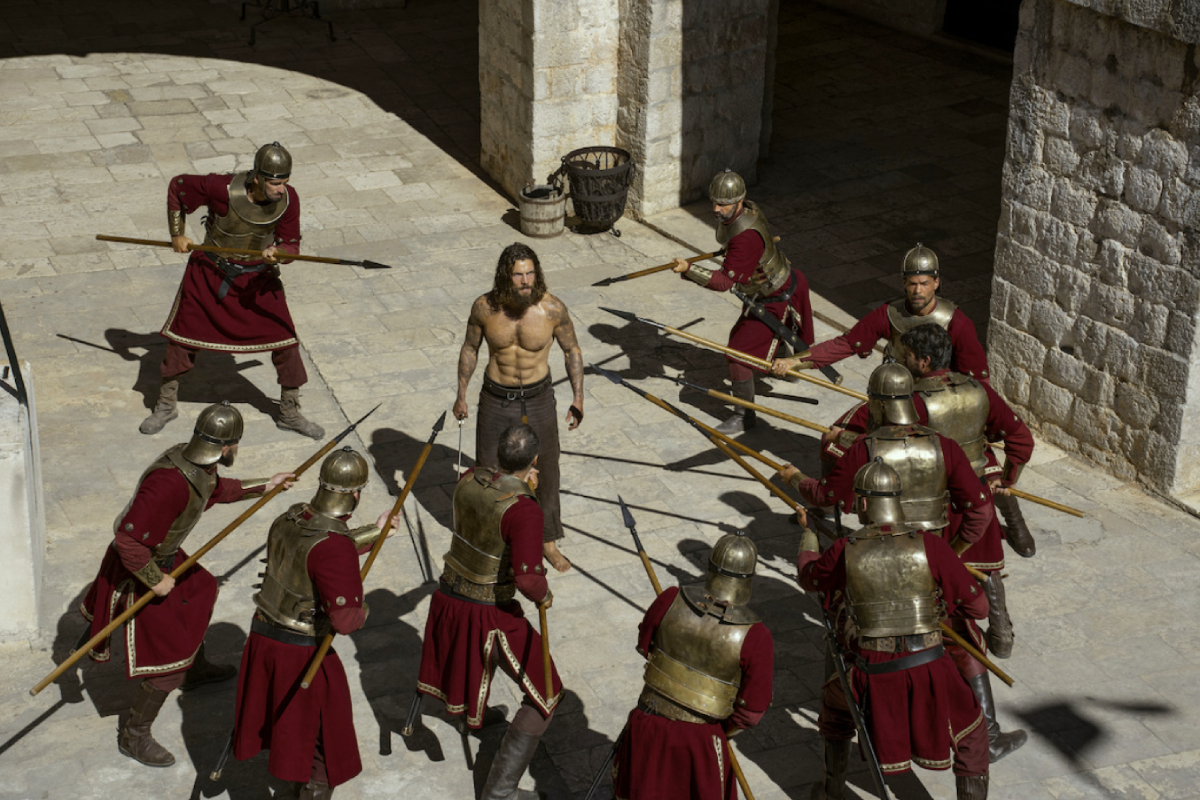
After Michael IV's death in 1041, Harald Sigurdsson was arrested amid conflicts between Michael V and Empress Zoe. Photo: Bernard Walsh / Netflix / Press
A change of power
The death of Michael IV in 1041, however, led to a dramatic fall in Harald's fortunes.
With conflict rife between the new emperor, Michael V, and Zoe, Harald was himself arrested and thrown into prison. Sources differ on the reason for Sigurdsson's arrest.
In The Saga of Harald Hardrada, it is suggested that Empress Zoe had him seized for misappropriation of property after she heard he was planning to return to Norway to claim the throne, though jealousy may also have played a role:
"There was a young and beautiful girl called Maria, a brother's daughter of the empress Zoe, and Harald had paid his addresses to her; but the empress had given him a refusal. The Varings, who were then in pay in Constantinople, have told here in the North that there went a report among well-informed people that the empress Zoe herself wanted Harald for her husband, and that she chiefly blamed Harald for his determination to leave Constantinople, although another reason was given out to the public."
The Danish historian Saxo Grammaticus, on the other hand, states that he was arrested for murder. Another theory suggests it was for defiling a noblewoman.
What we do know is that Sigurdsson eventually managed to escape from prison, almost certainly in the middle of a revolt against the emperor in 1042.
The emperor fled the revolt to the nearby Monastery of Stoudios. However – according to some tellings of the tale – Harald and the Varangian Guard soon tracked him down and blinded him as punishment for his transgressions.
The deposed emperor would be dead within the year, and Zoe and her new husband, Constantine IX, would rule in his stead. Harald, on the other hand, departed for the Kievan Rus.

In Rus, Harald Sigurdsson secured his wealth, married Elisiv, and later returned to co-rule Norway with Magnus the Good. Photo: Netflix, screenshot (Copyright, fair use)
Fulfilling his destiny
When Harald arrived in Rus, he was finally able to take possession of a tremendous wealth of treasure he had accumulated over his years working for the Byzantines and sent to Yaroslav the Wise.
Here, Harald also married Yaroslav's daughter, Elisiv – a significant match, and a sign of his newfound status.
Yet, while Yaroslav and the Rus became embroiled in an ultimately unsuccessful attack on Harald's former city of Constantinople, Harald had already decided to finally return home.
Arriving in Sweden via the Baltics towards the end of 1045, Sigurdsson planned to end the 11-year reign in Norway of Magnus the Good, the illegitimate son of Harald's brother Olaf, and who had also declared himself the new ruler of Denmark.
Eventually, however, a compromise was reached in which Harald and Magnus would rule Norway together – in part thanks to Harald offering his cash-strapped nephew half of his gold.
In 1047, Sigurdsson then took complete control after Magnus's death.
An ignoble end
Harald Sigurdsson's long reign in Norway was marked by intermittent warfare with Sweyn, the king of Denmark.
Unsuccessful in his attempts to subdue Denmark, Sigurdsson instead switched his attention to England, where the death of Edward the Confessor had opened up several competing challenges to the throne.
So it was that Harald Sigurdsson landed near York in the fateful year of 1066. Sigurdsson soon defeated the army of Northumbria and won the Battle of Fulford against the Northern Earls.
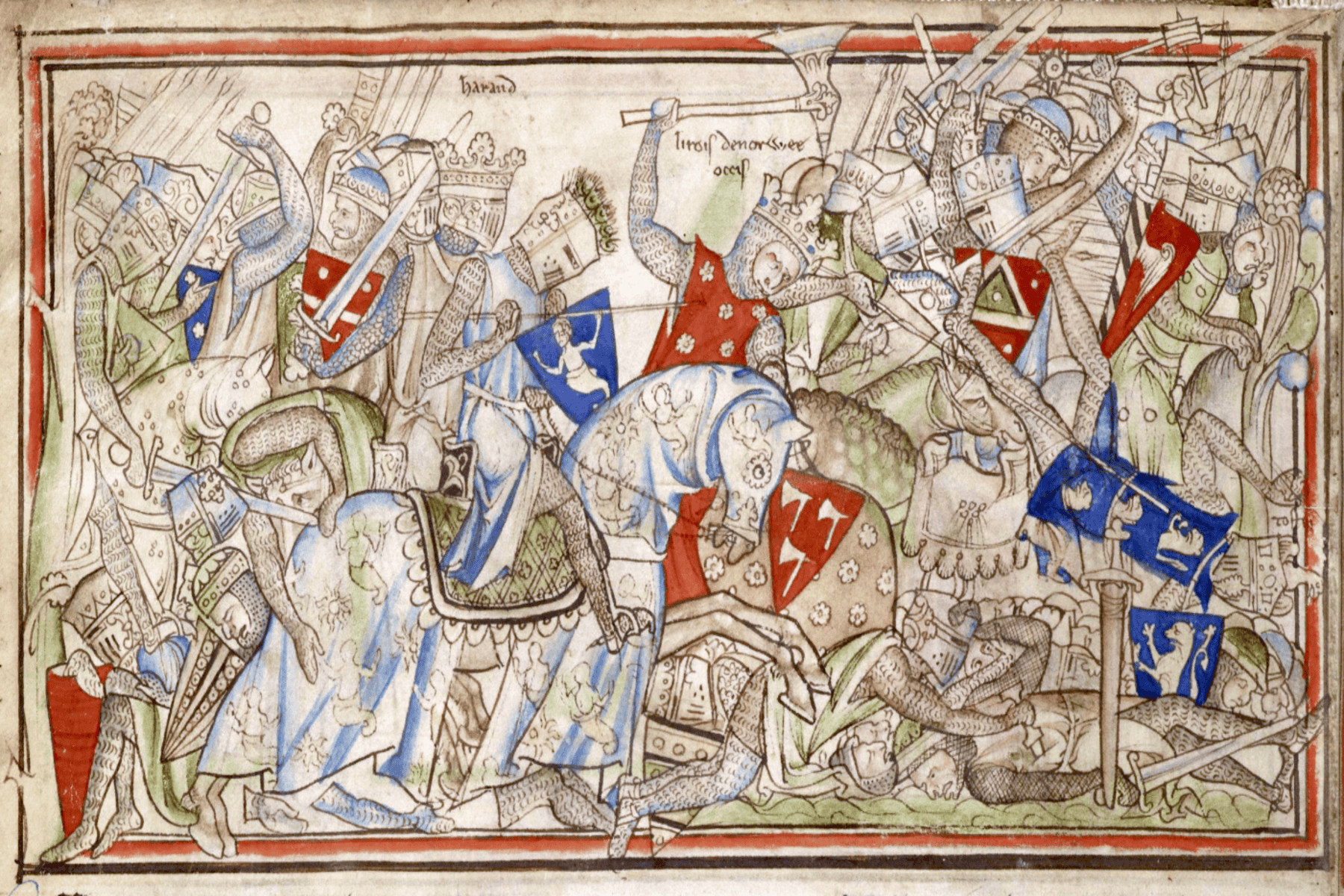
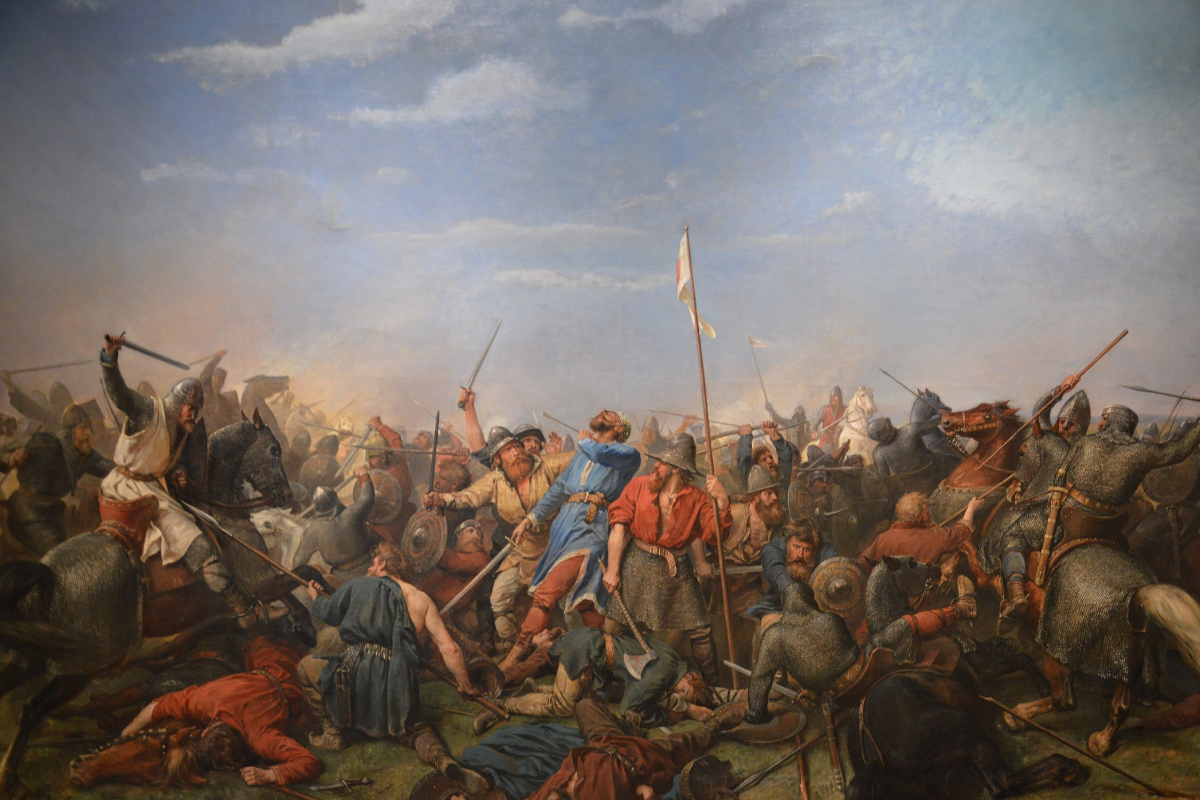
Yet, just a few short days after Fulford, Harald Sigurdsson would finally – and famously – meet his end at the Battle of Stamford Bridge against the reigning king of England, Harold Godwinson, receiving a Saxon arrow to the neck.
Just three weeks later, Harold Godwinson himself would be killed at the Battle of Hastings. The victor, William the Conqueror, the Norman prince, would become the new master of Albion.
Today, most historians regard Harald Sigurdsson's death and his failure to gain control of England as the endpoint of the Viking Age. His life, however, was truly worthy of legend.
We get to provide readers with original coverage thanks to our loyal supporters. Do you enjoy our work? You can become a PATRON here or via our Patreon page. You'll get access to exclusive content and early access.
Feel free to reach out to discuss potential stories that may be in the public interest. You can reach us via email at hello@thevikingherald.com with the understanding that the information you provide might be used in our reporting and stories.



.jpg)