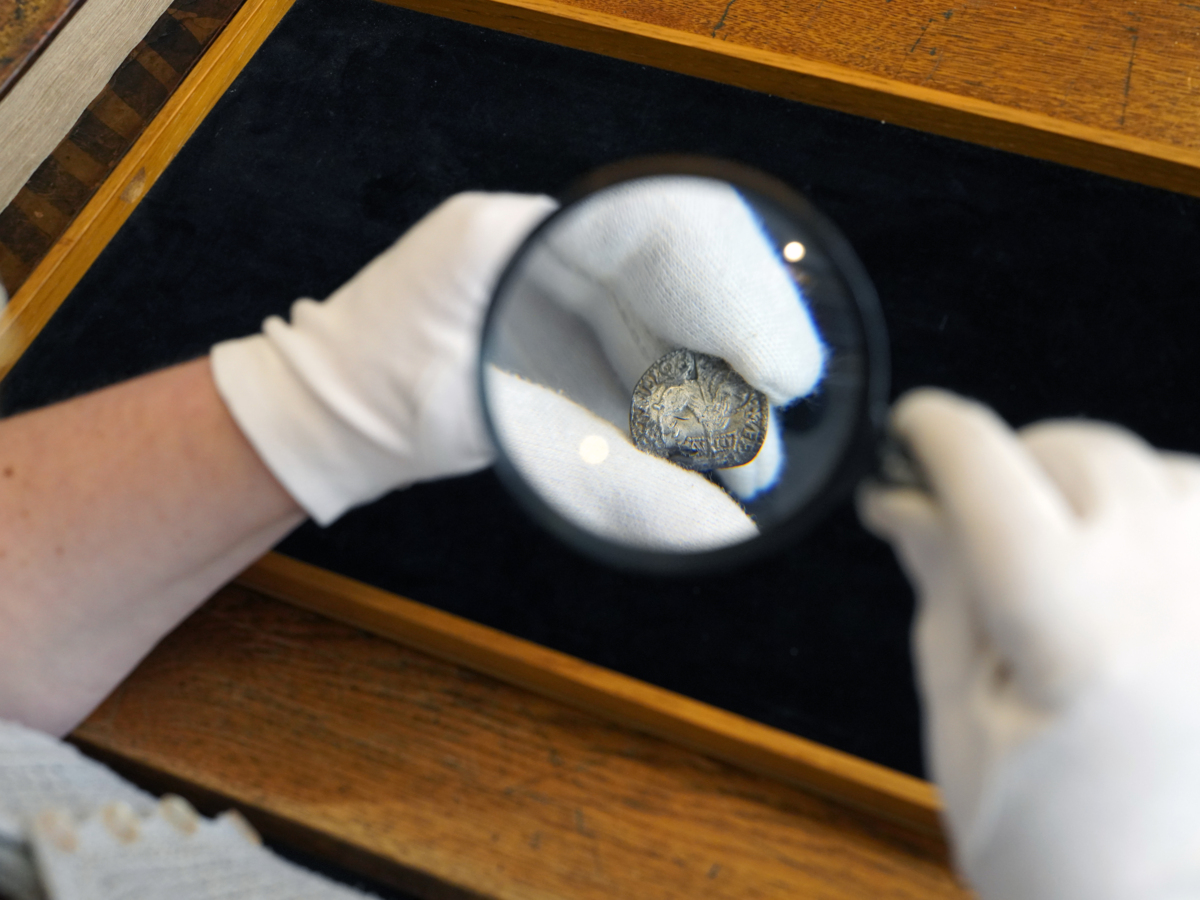
In the mid-11th century, around the year 1050, a small piece of silver changed the course of Norwegian history.
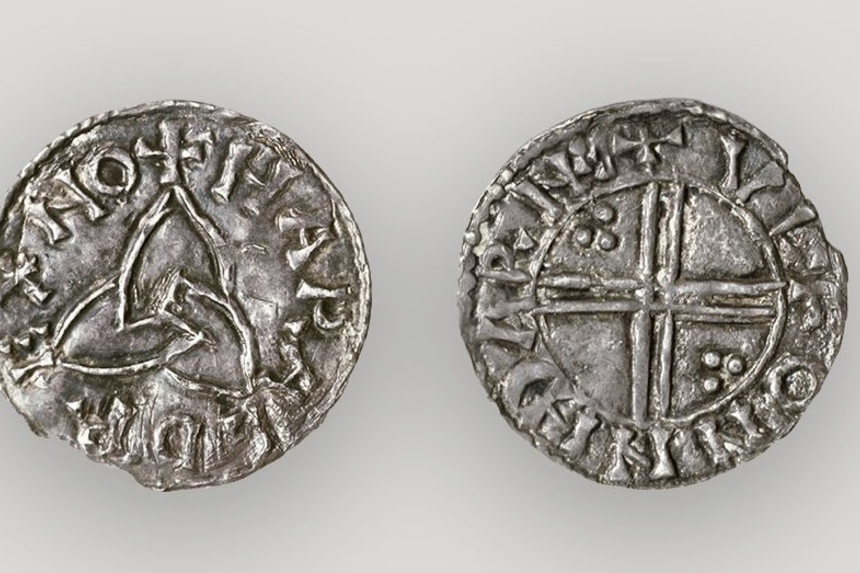
This was the "penning" of King Harald Hardrada (1015-1066) – the coin that established Norway’s first national monetary system.
This is the story of how Harald Hardrada – also known as Harald Sigurdsson – set Norway on the path to economic unification.
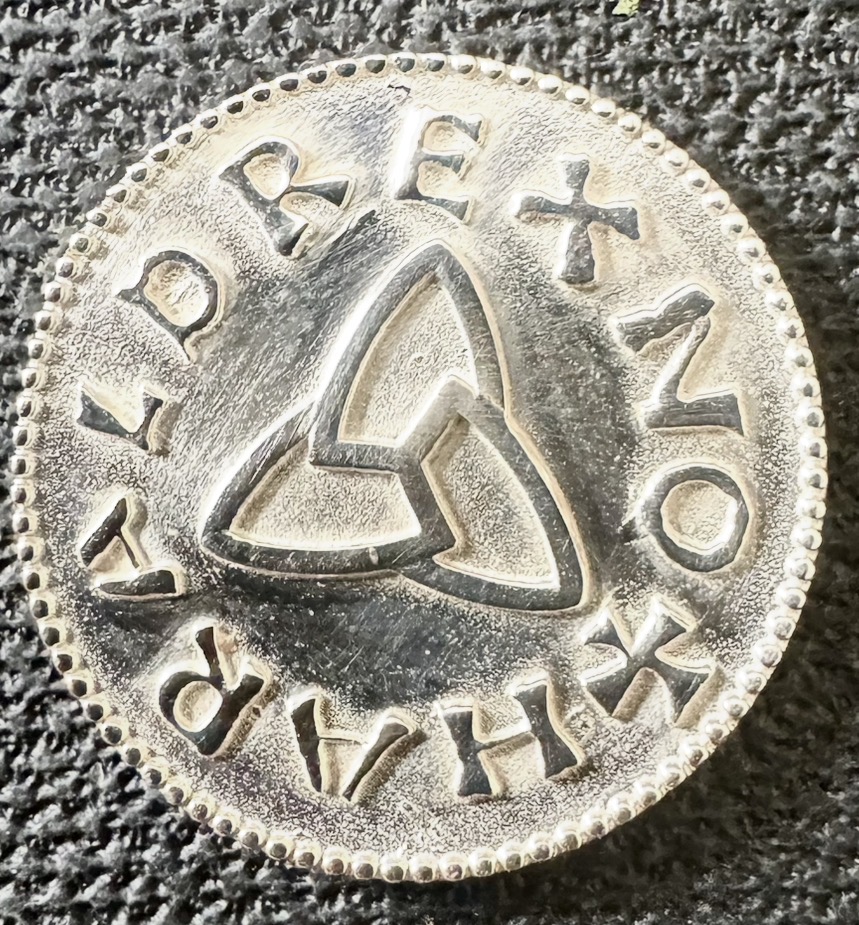
The Triquetra. Source: Torkild Torkild Waagaard
Coinage as a tool of power
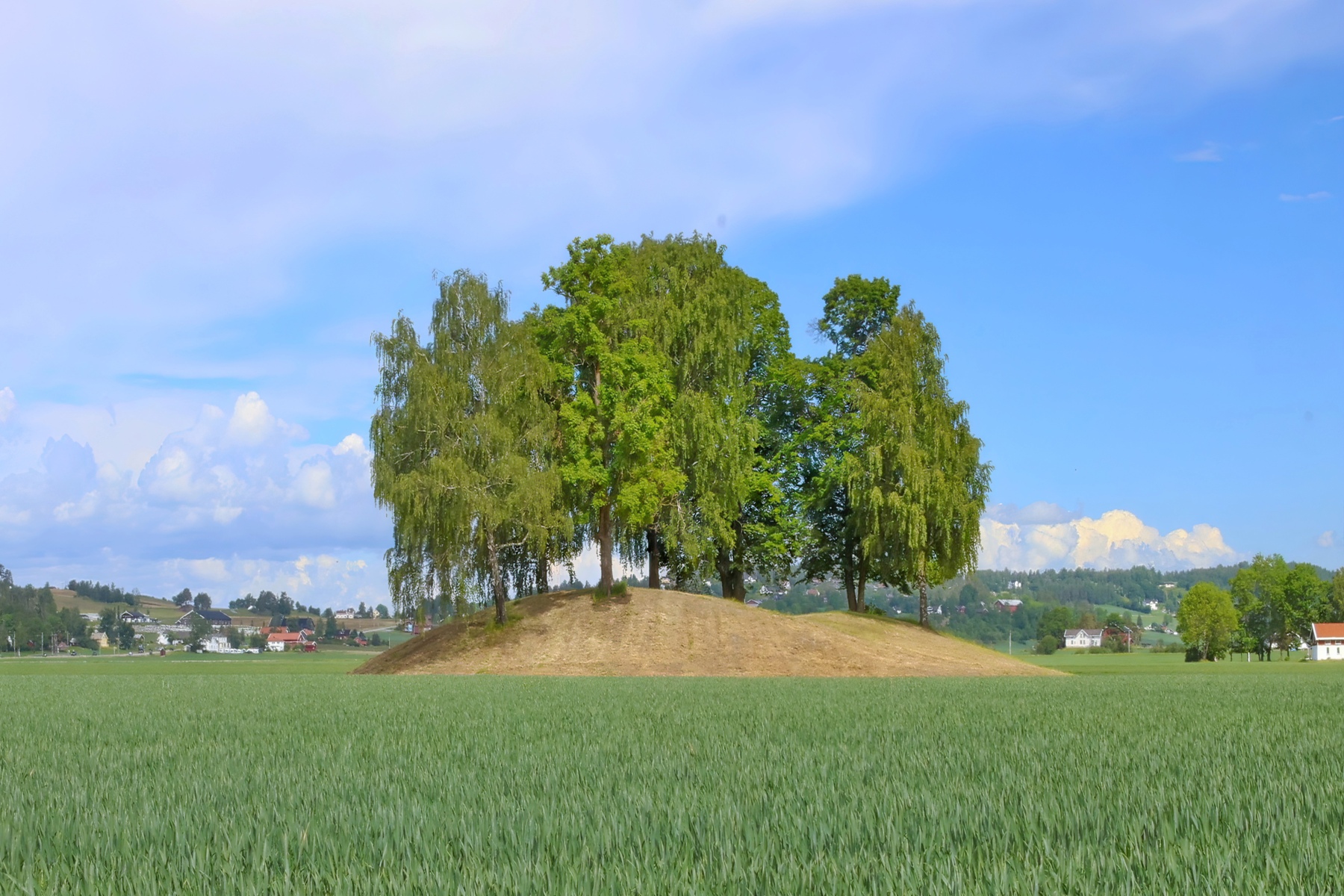
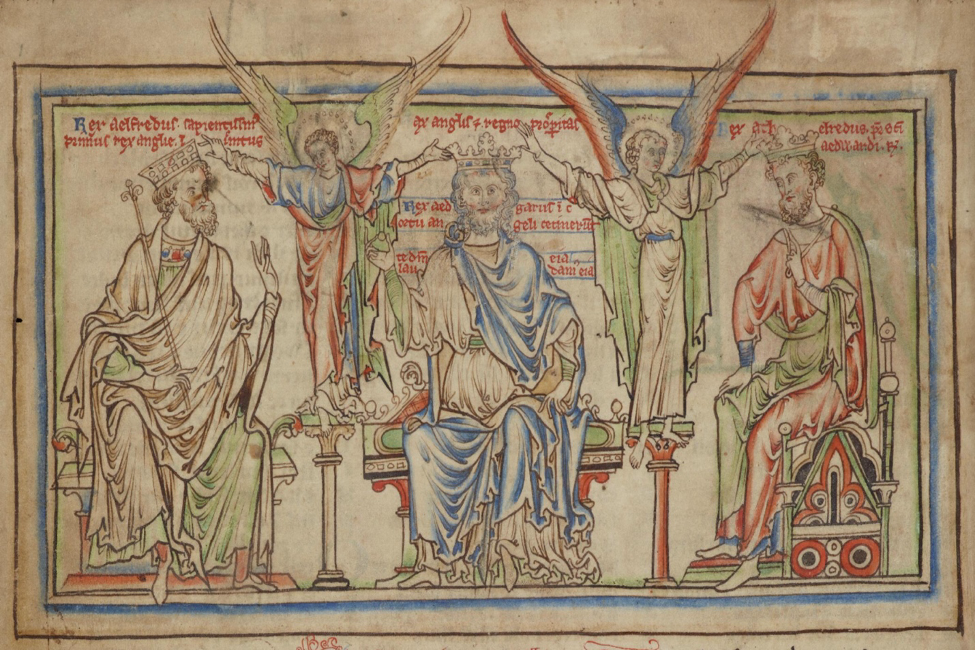
Harald Hardrada was a man of the Norwegian East. Born and raised in Ringerike, he was the half-brother of Olav Haraldsson (St. Olav). While his brother became the eternal King of Norway and a martyr for the faith, Harald returned from his years in Byzantium and Kiev to forge a unified, administrative state.
Harald’s roots at the royal estate of Stein in Hole provided the foundation for a king who understood both local tradition and international power. In around 1045-1047, Harald began to mint the country’s first standardized coins. It was both a sign of Norway’s emergence as a nation in its own right, and of the king’s lofty ambitions.
Though Olav Tryggvason and Olav Haraldsson had both previously minted coins, they had served more as symbols of prestige than instruments of economic policy. Instead, prior to Harald’s reign, Norway relied on a chaotic mix of foreign coins and – above all – “weighted silver”. Harald changed the rules of the game by introducing a uniform Norwegian currency that quickly replaced foreign coins across the realm.
Harald’s move was about more than economics, however. Minting your own coins remained a form of political propaganda. Every coin that changed hands bore the King's name: HARALD REX NO (Harald, King of Norway). Distributing coins with this message couldn't help but cement Harald’s power and reputation as a powerful leader.
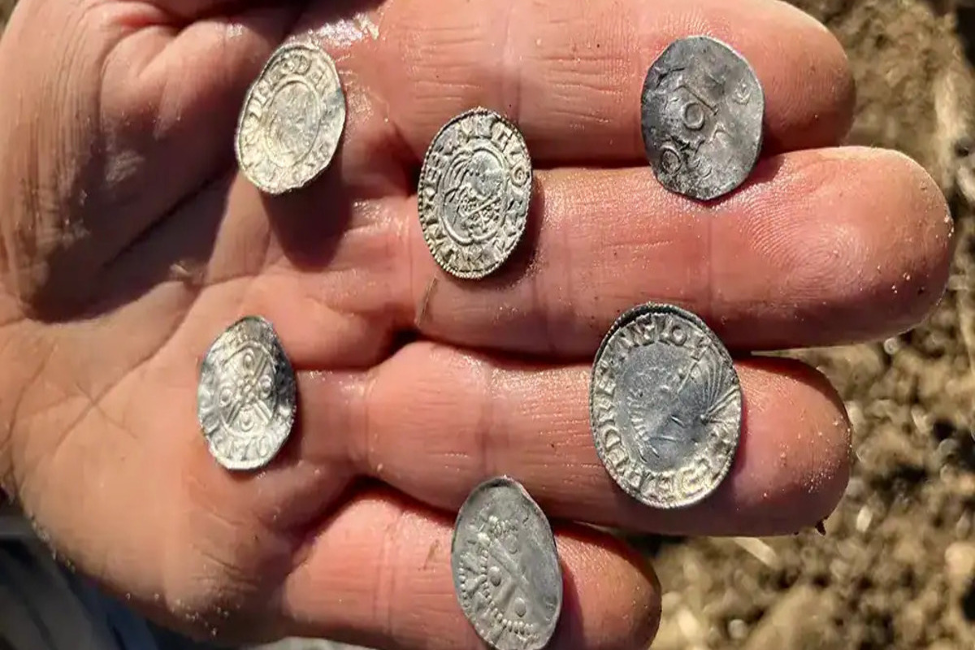
While some Christian kings placed their own portrait on the coins, Harald often chose a deeply religious motif for the front: the Triquetra. This three-armed knot symbolized the Holy Trinity, signaling that his reign was sanctioned by divine power. The reverse featured a classic Christian cross.
The Sarpsborg discovery
The significance of this coinage was brought to light in 1852. During the construction of a new road through the medieval ramparts of St. Olav’s Wall in Sarpsborg, workers unearthed a treasure trove of 45 coins.
Among Byzantine, German, and Anglo-Saxon coins, one stood out: a perfectly preserved silver penny from Harald Hardrada’s reign. It is one of the few coins where the inscriptions are crystal clear:
• Front: HARALD REX NO * Back: VLF ON NIDARNE ("Ulf, Mintmaster at Nidarnes")
Because the foreign coins in the hoard predate Harald’s ascension, historians believe this silver penny was struck around 1047, the very year he became king – alongside his nephew Magnus the Good, before taking over as sole leader following Magnus’s death the following year.
"Haraldsslåtten" and an ambitious economic strategy
Harald is also known for "Haraldsslåtten." To finance his ambitious military campaigns and the administration of the realm, Harald eventually adjusted the silver content of the coins. This was effectively Norway’s first form of national economic policy.
By mandating that the population accept these coins at face value, Harald secured the necessary revenue to build the Norwegian state and fortify its borders.
Yet the use of coins to build Harald’s army also came at a cost. Over time, the store of silver coins became depleted. In order to finance his ever-ballooning expenditure, Harald was forced to produce increasingly low-quality coins.
Indeed, while the coins at the start of Harald’s reign have been found to contain around 90% silver, those minted in the mid-1050s were as little as 30% silver – the rest was copper.
This debasement of the currency led to a period of mistrust in national coins and, among many, a renewed preference for silver bullion. Nevertheless, as the first Norwegian king to set up a national mint, there can be no question as to Harald’s legacy in this arena.
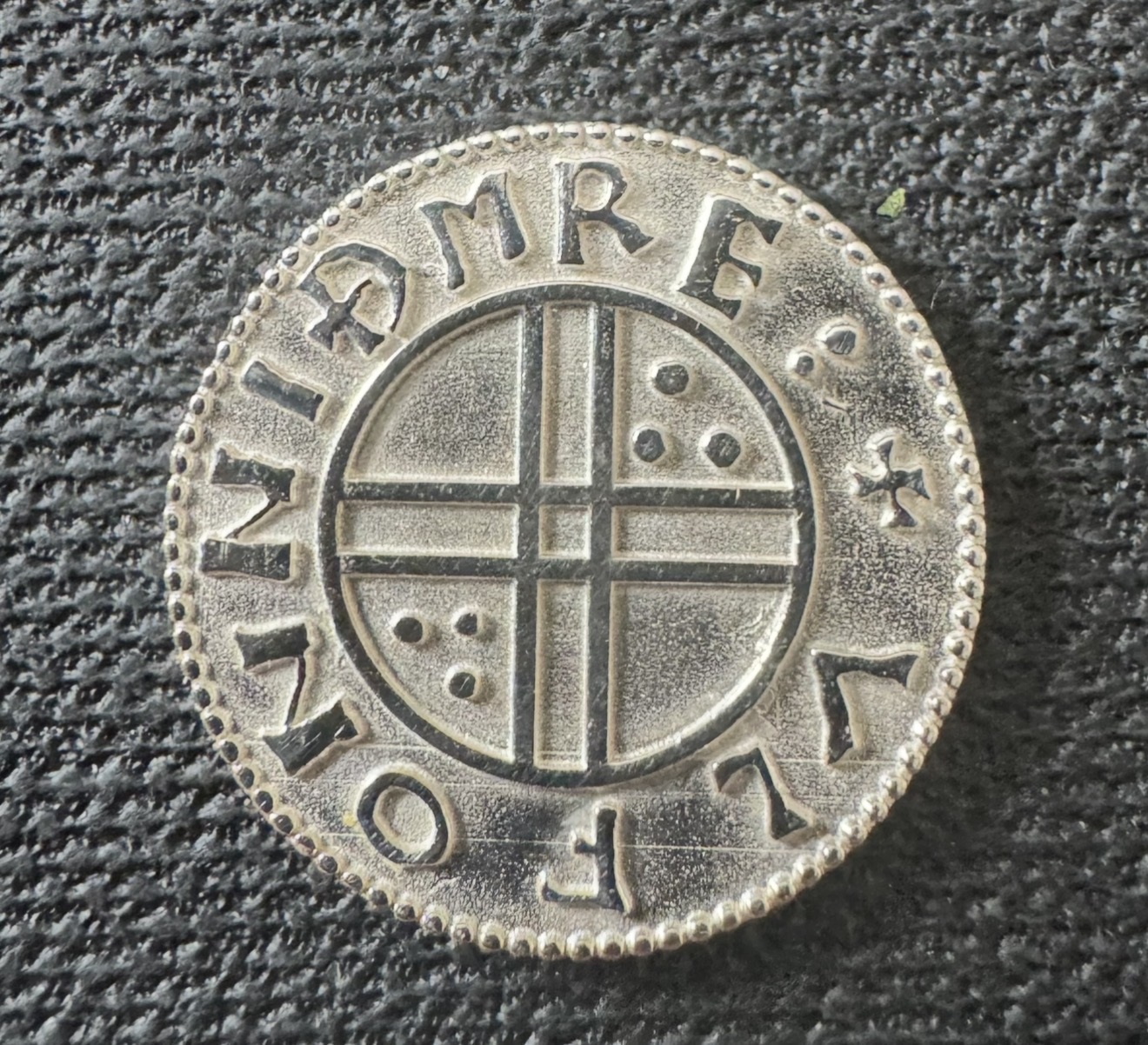
Another motif. Source: Torkild Waagaard
A modern connection: Preserving the craft
Today, this history is being kept alive through both archaeological discoveries and modern craftsmanship. The recently discovered Mørstad Hoard – found in April 2026 and soon to be placed on display at the Historical Museum in Oslo – contained several coins that were struck early in Harald Hardrada’s reign.
There have also been several reconstructions made, including by the author of this piece. By using 3D redesign based on archaeological photos and centrifugal silver casting, we bridge the gap between the Viking age and the present. These reconstructions – redesigned for 3D and polished to a luster that Harald's mintmasters would have recognized – ensure that the tactile history of the Ringerike king is never forgotten.
These silver replicas are not for sale; they are a labor of historical passion. To ensure that the means for physical reconstruction endure, the casting molds have been gifted to the Hringariki Vikinglaug (The Harald Hardrada Viking Society) in Ringerike. In this way, the story of the coin that built a nation continues to be told where Harald himself began his journey.
We get to provide readers with original coverage thanks to our loyal supporters. Do you enjoy our work? You can become a PATRON here or via our Patreon page. You'll get access to exclusive content and early access.
Feel free to reach out to discuss potential stories that may be in the public interest. You can reach us via email at hello@thevikingherald.com with the understanding that the information you provide might be used in our reporting and stories.