

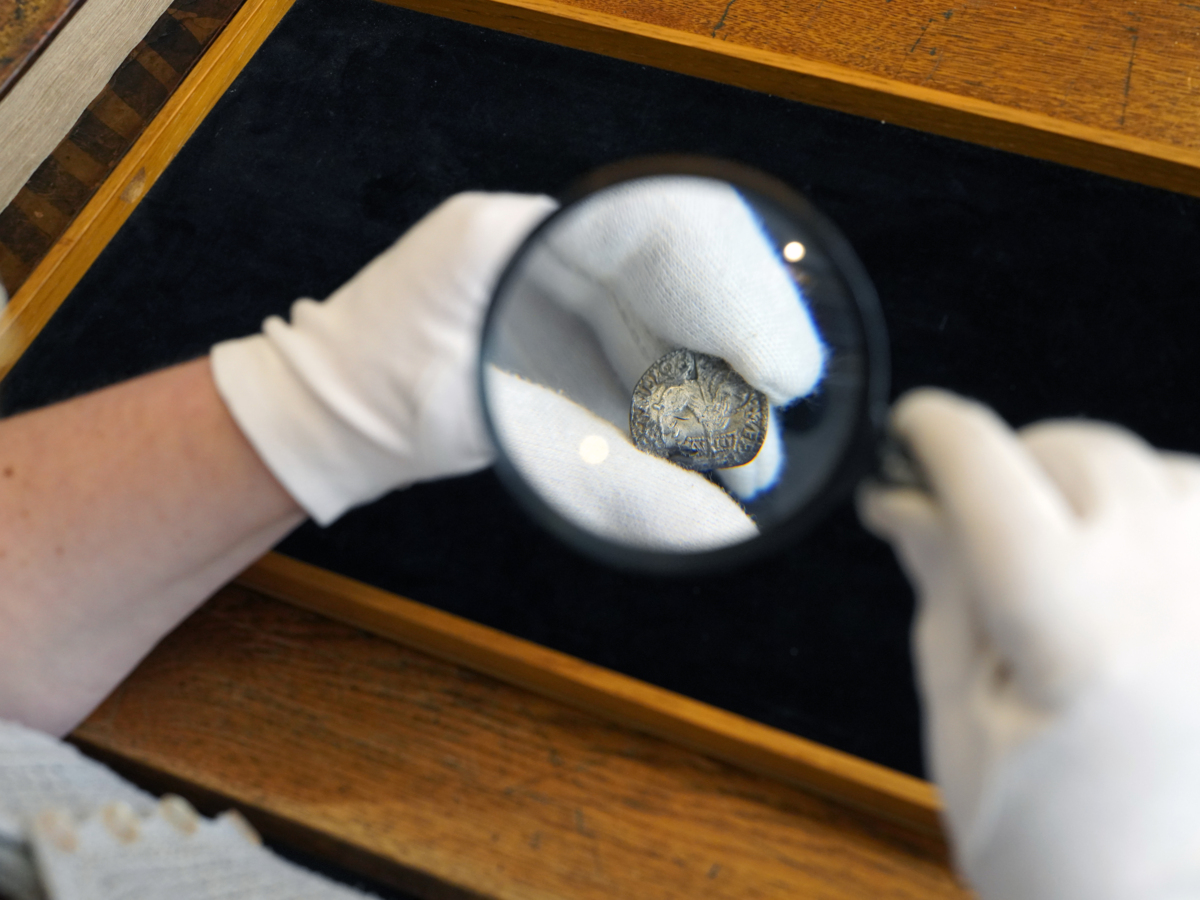
The National Museum of Denmark has announced the discovery of two rare coins, found in two separate locations in the Jutland region. Known as Lamb of God coins, the artifacts were minted in England in the early 11th century. It is thought that Scandinavian warriors carried them back to Denmark after invading the British Isles.
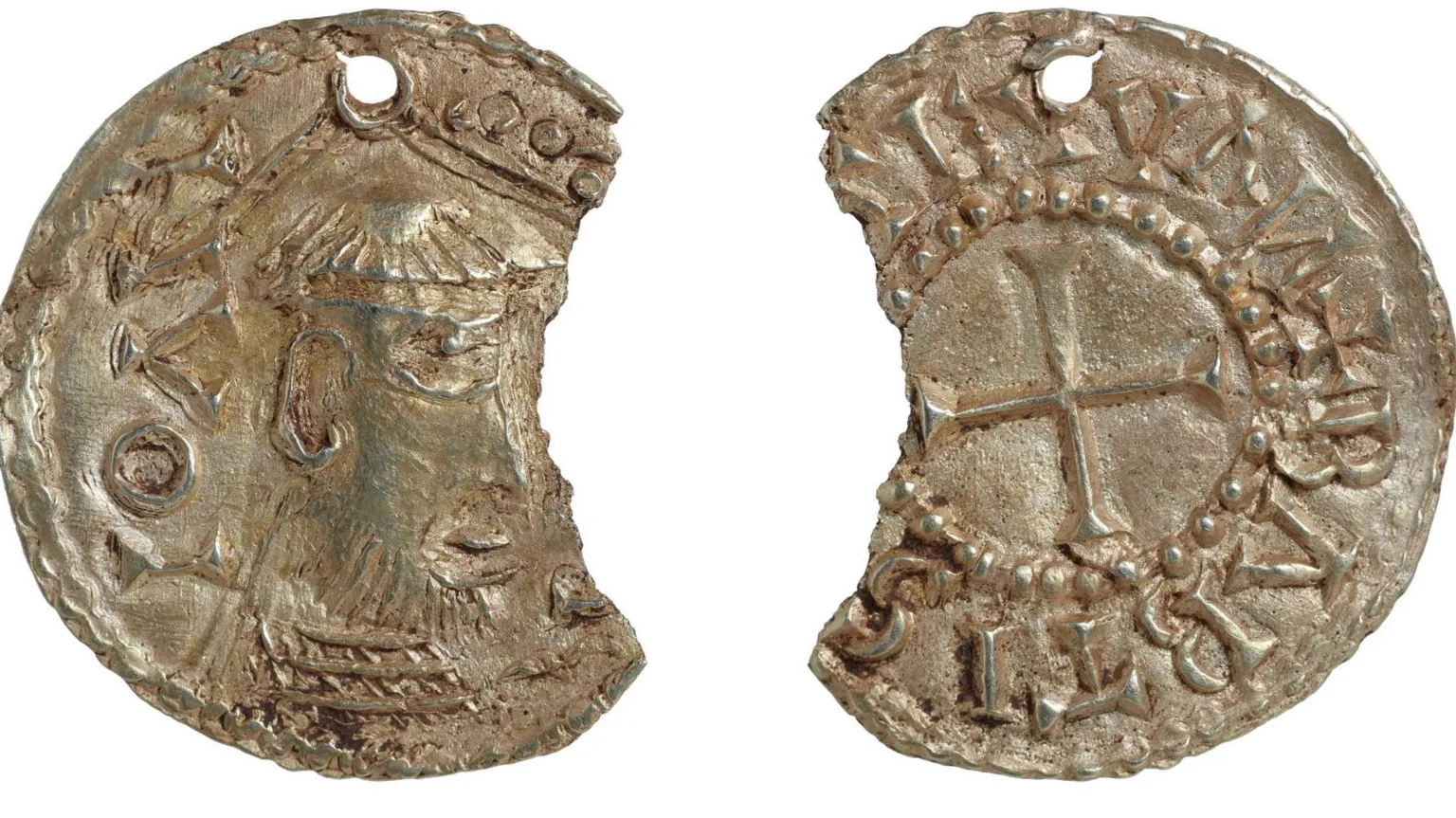
One of the coins, found in Southern Jutland. Source: John Fhær Engedal Nissen, the National Museum of Denmark
Desperate times call for desperate measures
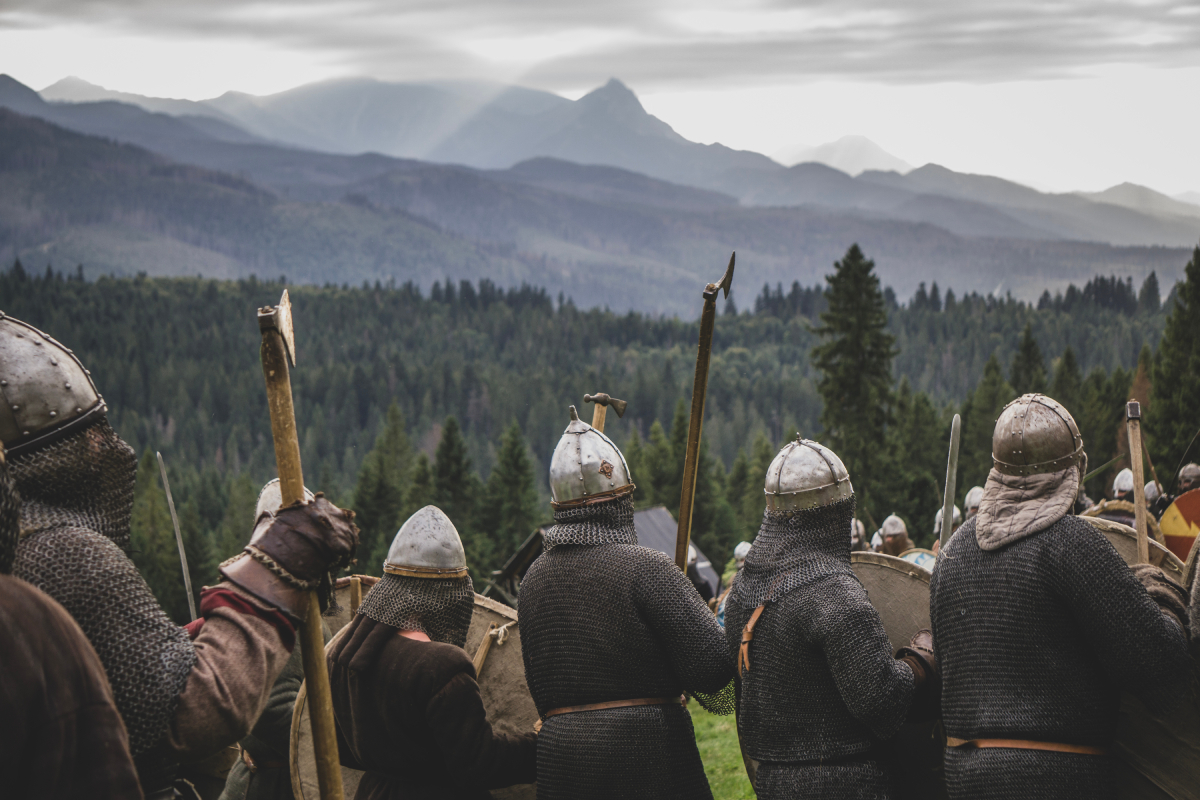
In the late 10th and early 11th century, Anglo-Saxons of England suffered a series of incursions and extended campaigns from Viking invaders. The English tried a number of measures to combat the threat, including all-out warfare and the payment of Danegold, or protection money, to Viking leaders.
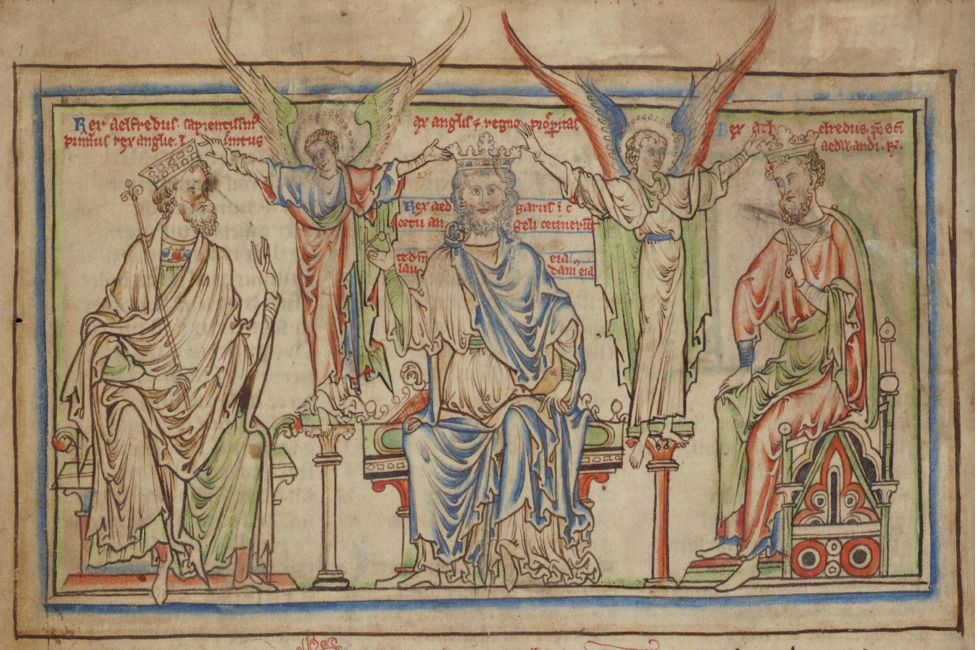
For most of this period, the country was led by King Æthelred the Unready. The king did his utmost to mobilize both military forces and the church against the attacks, yet to little avail. So it was that in around 1009, Æthelred took the unusual step of minting a special coin with Christian motifs in order to win the favour of God and bring divine intervention against the Viking hordes.
The result, however, was not quite what Æthelred had desired. Over the next three years, Thorkell the Tall ravaged the south of England. In 1013, Sweyn Forkbeard launched a major invasion of the country and forced Æthelred into exile.
Although Forkbeard’s death the following year gave Æthelred a brief reprieve, three years later he lost the throne again, this time to Forkbeard’s son, who would be known as Cnut the Great. In these years, the new coins apparently caught the eye of the Norse invaders, who appear to have carried several back to Scandinavia.
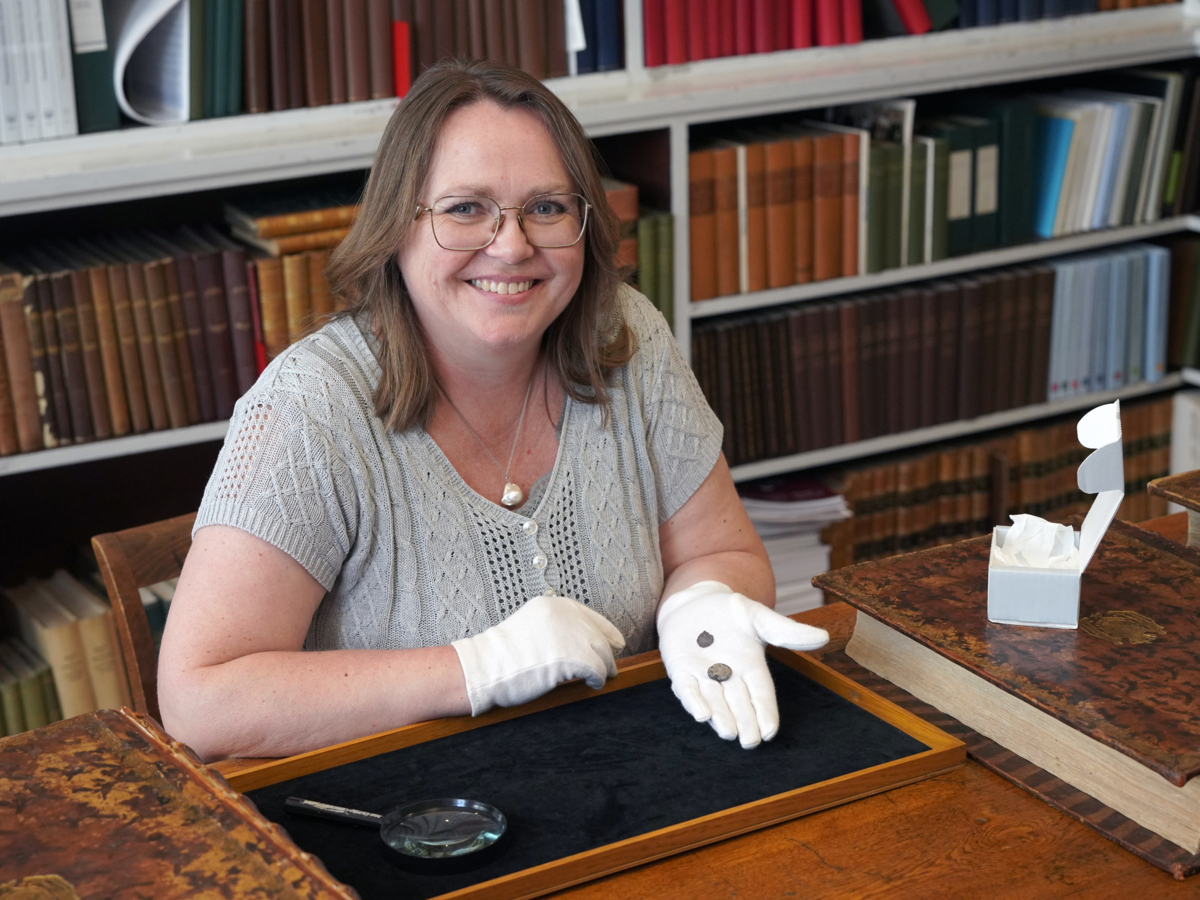
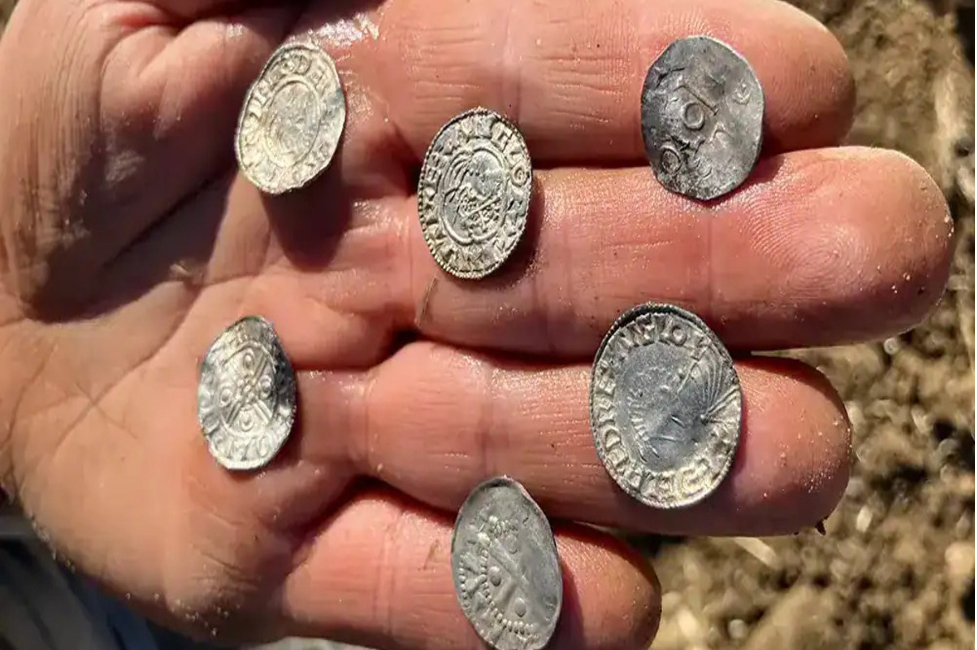
Gitte Tarnow Ingvardson with the two coins. Source: John Fhær Engedal Nissen, the National Museum of Denmark.
A rare and “almost tragicomical” find
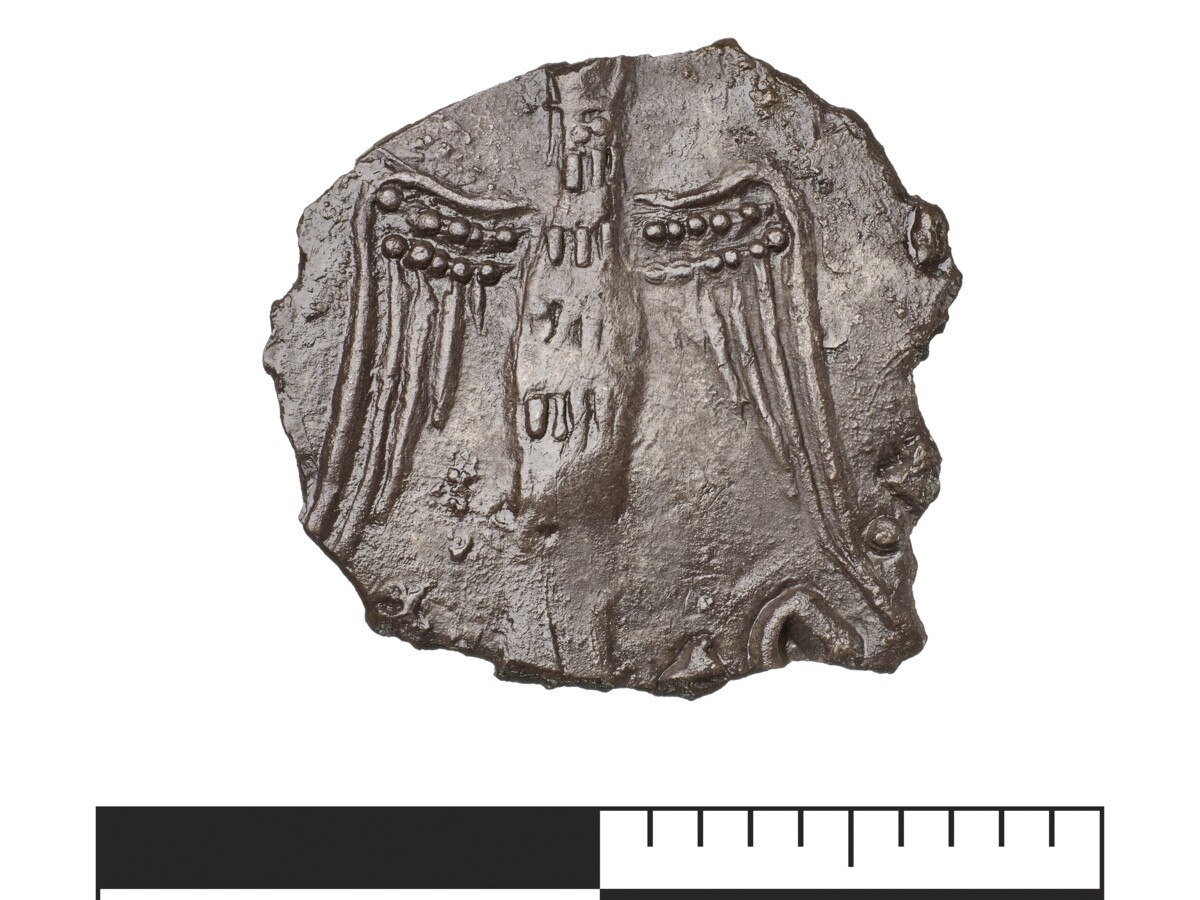
Now, the National Museum of Denmark has announced that metal detectorists have unearthed two of these rare coins at two different locations in the Jutland region. Each of the coins depicts a lamb pierced by a cross – a symbol of Christ’s sacrifice – and the two Greek letters alpha and omega, which represent the eternity and divinity of God.
The reverse of the coins shows an ascending dove – a symbol of the Holy Spirit. Only 30 of the coins have ever been found – of those, four or five were discovered in England, and the rest in Scandinavia and the Baltics. Many of these coins have small loops, which suggests that the Vikings wore them as jewelry or as amulets around their necks.
“It gave me goose bumps, because these coins are extremely rare, and they convey a special and also paradoxical part of history,” commented Gitte Tarnow Ingvardson, curator at the National Museum of Denmark, in a recent press release. “They were made to obtain protection against the Vikings, but ended up instead as jewellery or amulets worn by Vikings. That is almost tragicomical.”
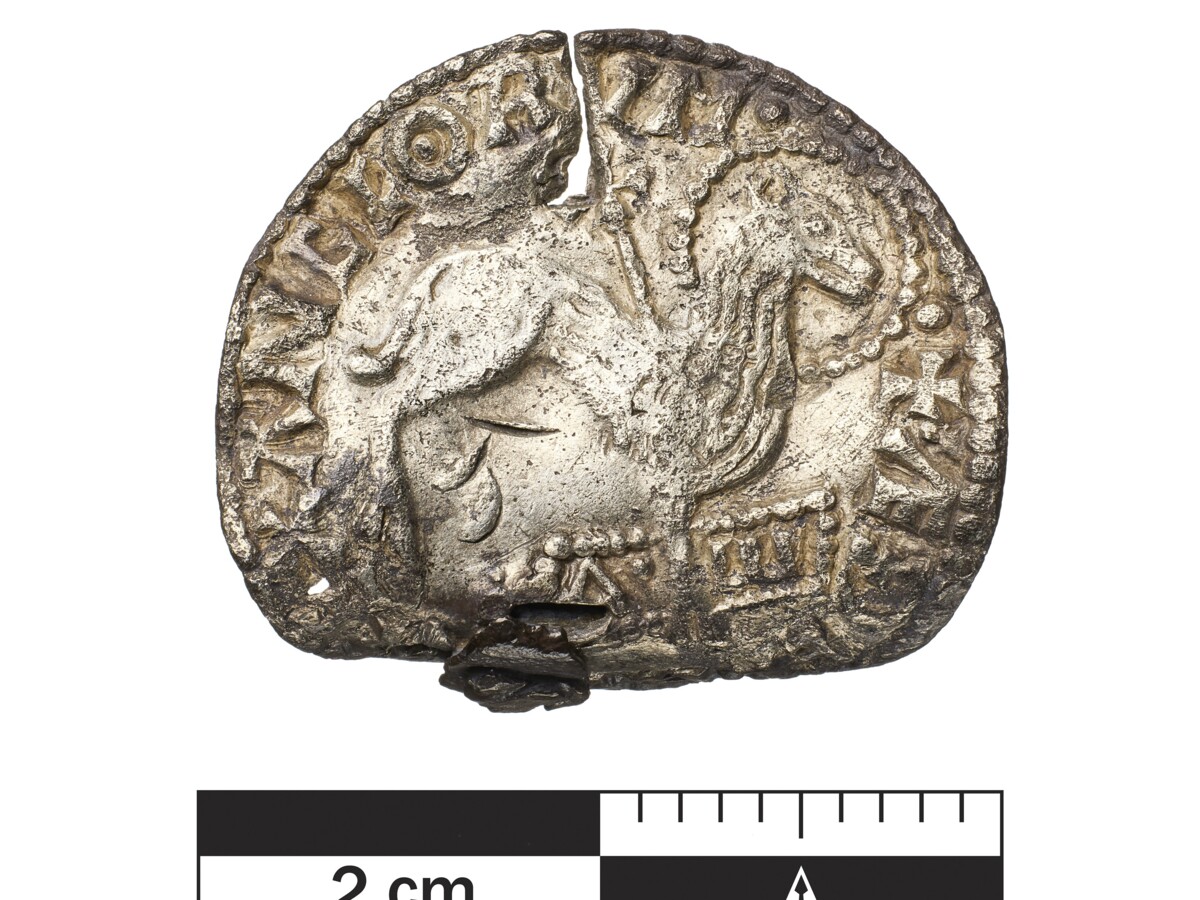
Photo of one of the coins, found in Northern Jutland. Source: Søren Greve, the National Museum of Denmark
A lasting influence
It is believed the Lamb of God – or Agnus Dei – coins were only minted for a short period. Indeed, we can presume that enthusiasm waned once it became clear that they would not have the desired effect of repelling invaders from the north. As Ingvardson notes, however, the coins and others like them did leaev a lasting legacy in Scandinavia.
Kings such as Canute the Great and his son Harthacnut minted coins that featured the same two motifs as the Lamb of God coins. Similarly, other coins from Scandinavia bear noticeable similarities to their English counterparts.
“Danish coinage is inspired by and based on the well-organised English coinage,” Ingvardson points out. “The Vikings soon realised that it was far more practical to use coins than to hack the silver into pieces for trading purposes.
“What fascinates me above all is how a little coin is able to unfold the history of English kings and of Christianity in England in a way that links up with Danish Viking Age kings, Danish coinage and even the establishment of the Danish state. Because this affects all of Viking Age society. Just imagine – one little coin contains so much history!”
We get to provide readers with original coverage thanks to our loyal supporters. Do you enjoy our work? You can become a PATRON here or via our Patreon page. You'll get access to exclusive content and early access.
Feel free to reach out to discuss potential stories that may be in the public interest. You can reach us via email at hello@thevikingherald.com with the understanding that the information you provide might be used in our reporting and stories.