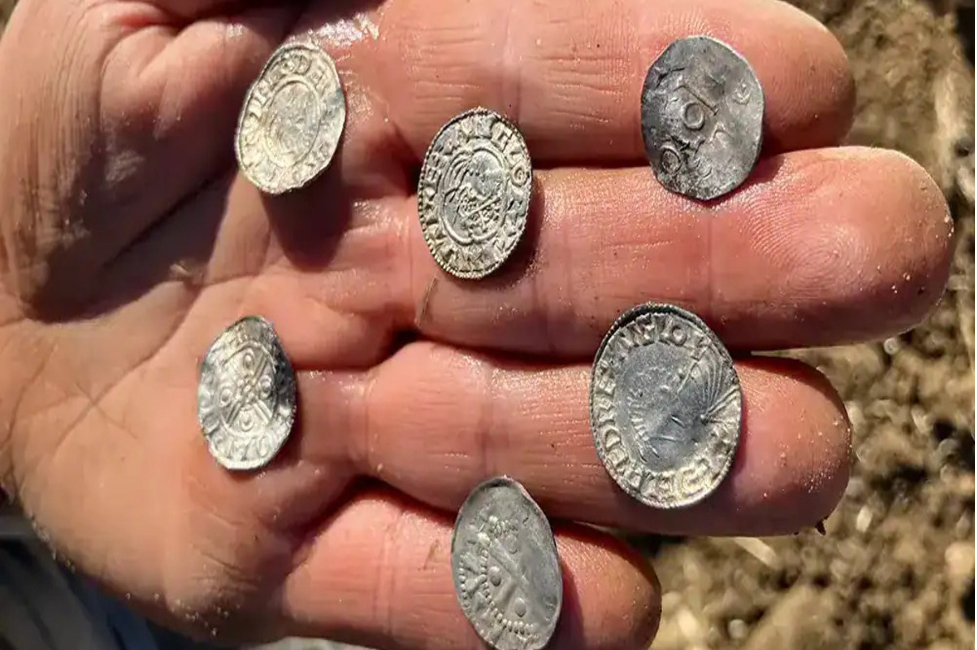


This January, two lucky metal detectorists uncovered a slice of history in January in a field near Maldon, in the east of England. Their discovery of 14 pennies, minted during the reign of “King of the English” Æthelred II, has this week been declared a “national treasure” by authorities.
The silver pennies were all produced sometime around the turn of the 11th century CE, when Æthelred ruled over much of England. However, Æthelred’s reign was marked by the increasing frequency of Viking invasions and raids, which may explain why the pennies were buried for safekeeping.
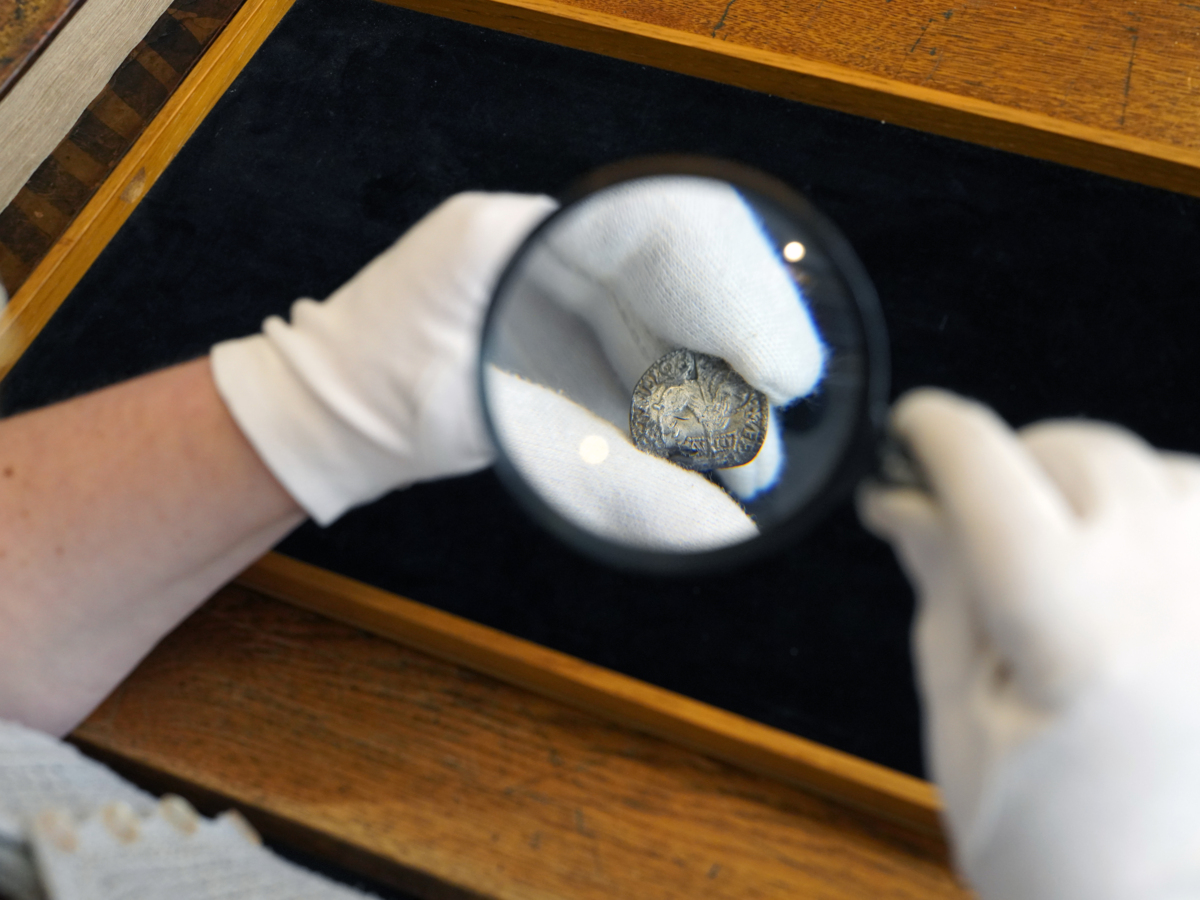
As reported by the BBC, the coins were found in good condition, which suggests they were not in circulation for a long period before being buried or lost. Now, following examinations by local authorities, this Viking-era horde has been declared a “national treasure”, meaning the rare find is now considered to be of national historical significance.
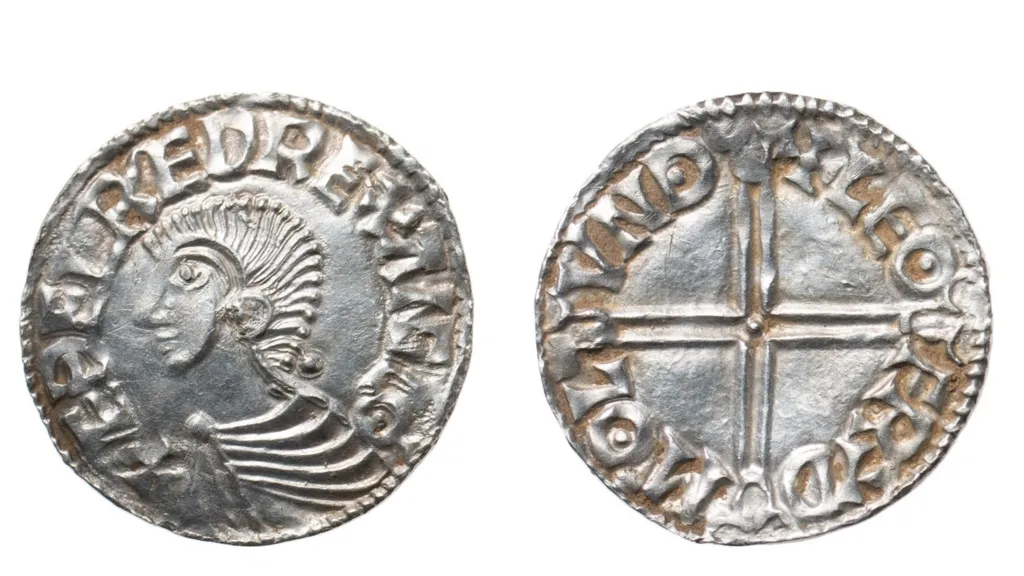
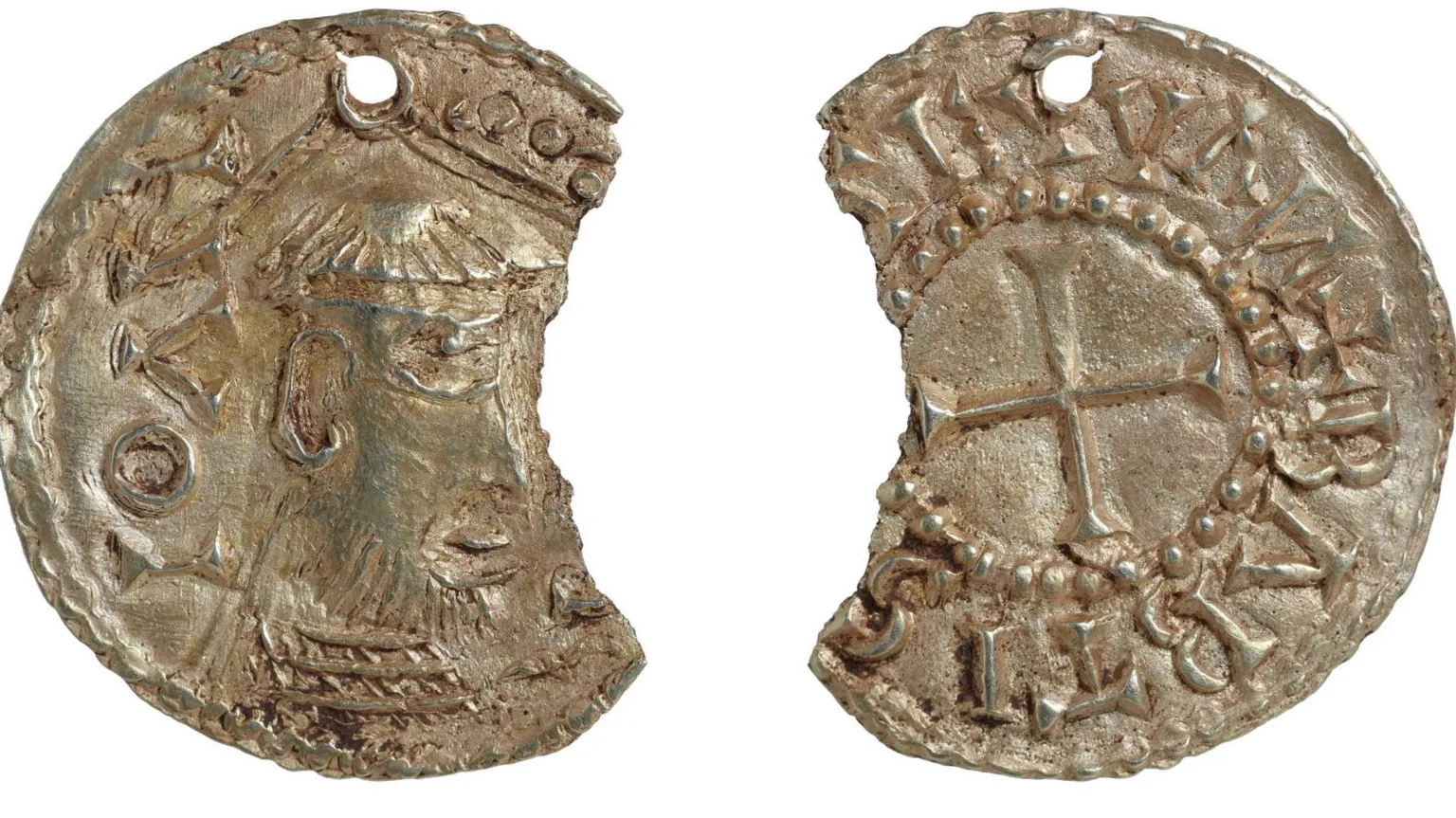
One of the coins found near Maldon. Source: Colchester and Ipswich Museum Service
Two weeks’ wages buried in a tumultuous period
Whilst at first glance 14 pennies may not seem like a massive amount of wealth (especially when compared to some of the other Viking hoards uncovered), it does represent a sum of some significance. According to Lori Rogerson, Essex finds liaison officer, the coins may have been worth something akin to “roughly two weeks' wages, or up to 1,000 pounds [USD$1,400] in today’s money.”
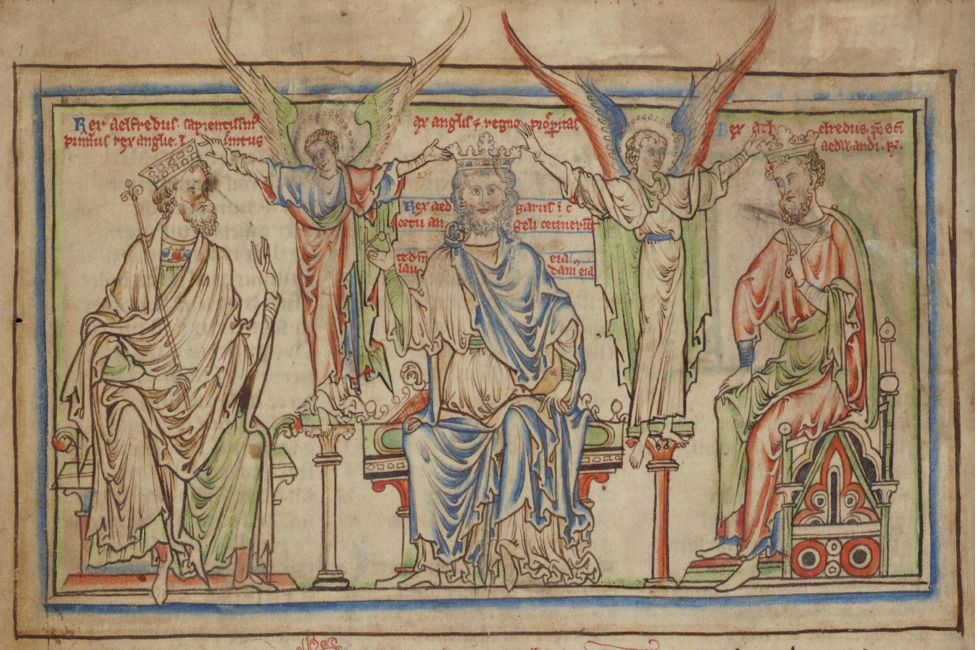
Given the large amount of wealth, why would the owner want it buried? Despite ruling over much of what is now England on two separate periods between 978 and 1013 C.E., King Æthelred II has been given the moniker ‘the Unready’ due, in part, to the nature of his reign.
Much of it was marked by Viking invasions and raids. Indeed, August 991 saw clashes between Viking and Anglo-Saxon forces at the Battle of Maldon, close to where these coins were found. (The battle, however, took place several years before the Maldon pennies were minted.)
Æthelred issued payments to stem the tide of these incursions – the infamous Danegeld. These bribes, however, seem to have the opposite effect – Æthelred saw his kingdom invaded several times, before his throne was usurped by Viking warrior and Danish monarch, Sweyn Forkbeard, in 1014.
It was during this tumultuous period of English history, before the invention of banks, that many people buried their portable wealth for safekeeping and for safer times.
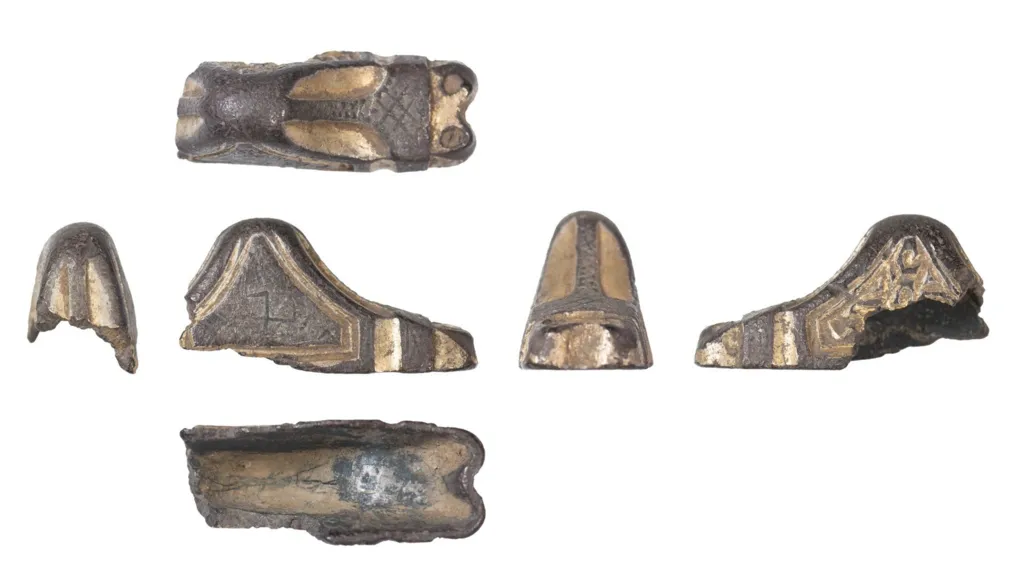
Pommel caps found at the same site. Source: Colchester and Ipswich Museum Service
Viking activity recorded nearby
There is no historical record yet uncovered of a Viking raid or activity taking place near the find during the period when they were minted. The site, however, does lie close to the River Chelmer. Whilst Viking activity is often imagined as seaborne, the shallow draft of Viking ships also saw them able to easily navigate rivers. There are also records of Viking activity at places further downstream, like Hatfield Peverel.
This find is just the latest in what appears to be a growing trend of archaeological discoveries by metal detectorists across the former Viking world. It was only last month that another metal detectorist uncovered an unusual Viking-era John the Baptist coin. As Rogerson noted that, “a lot of what's coming through the Treasure Act is early medieval at the moment.” Long may it continue!
Braintree District Museum hopes to display it
When a given artifact is declared a national treasure, the ownership passes finder to the British state. In many instances, the landowner and finder also receive financial compensation. As reported by the BBC, the local Braintree District Museum has plans to try to acquire the coins and add them to its burgeoning collection of Anglo-Saxon pieces.
Whilst the owner of the horde, and the king whose image the coins were struck in, have of course long since perished, this archaeological discovery will hopefully educate future generations about the Viking era of English history. This was an era where crowned monarchs, like Æthelred II, had the power and means to mint coins and make large financial payments, but ultimately were unable to stop Viking incursions and invasions.
We get to provide readers with original coverage thanks to our loyal supporters. Do you enjoy our work? You can become a PATRON here or via our Patreon page. You'll get access to exclusive content and early access.
Feel free to reach out to discuss potential stories that may be in the public interest. You can reach us via email at hello@thevikingherald.com with the understanding that the information you provide might be used in our reporting and stories.