

The great Viking warrior, Harald Hardrada, could arguably be one of the unluckiest people in history.
Having come of age on a battlefield at Stiklestad, he witnessed his half-brother be cut down in his quest to become king again following his exile at the hands of forces loyal to Danish usurper Cnut the Great.
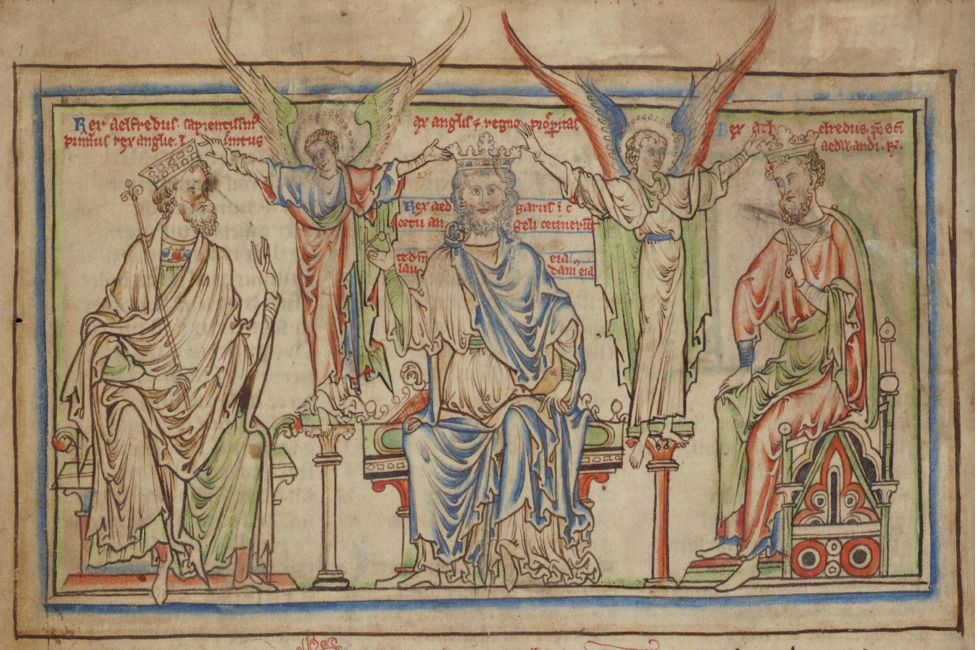
Whilst canonization and sainthood, and the granting of the title "Perpetual King of Norway," would follow the demise of Olaf Haraldsson, it was his half-brother, Harald, who would lead one of the most extraordinary lives of the age.
Forced to flee to the Kievan Rus, he amassed great fame and fortune there as a mercenary before heading further south to the Byzantine Empire.
Here, as commander of the Varangian Guard, he amassed even more fame and fortune and fought seemingly everywhere around the eastern Mediterranean, the Balkans, and much of West Asia.
Harald Sigurdsson (the epithet Hardrada, Old Norse for "stern rule," is given to him in the sagas, compiled centuries after his death) never forgot about what he saw as his birthright. Having made his name and fortune and become embroiled in Byzantine court politics, he legged it north and seized the Norwegian throne.
From here, like many great Vikings before him, the lure of Anglo-Saxon England, perhaps the most unified and richest of nations in the early medieval period, was too strong to resist.
Having missed death at every chance in his life thus far, it would be in the cold climes of northern England that Hardrada's luck would run out. Across the waters in England, Hardrada knew that this nation was in turmoil following the death of King Edward the Confessor.
The deathbed conversation that led to the rise of the House of Godwinson
We turn now to the rich tapestry of the Norse sagas, specifically the Saga of Harald Hardrada, which preserves a later Norse version of the scene. Using an online version of the 1844 English translation by Samuel Laing, we find this account of King Edward on his deathbed:
"It is said that when the king was approaching his last hour, Harald [Godwinson] and a few others were with him. Harald first leans down over the king, and then said, 'I take you all to witness that the king has now given me the kingdom, and all the realm of England:' and then the king was taken dead out of the bed. The same day, there was a meeting of the chiefs, at which there was some talk of choosing a king; and then Harald brought forward his witnesses that King Edward had given him the kingdom on his dying day."
Hardrada, surveying the situation from across the North Sea, knew a thing or two about fame and fortune. He knew that Harold Godwinson's grip on the English throne was tenuous at best and that a challenger for the throne, Duke William of Normandy, was amassing a fleet in Normandy.
William believed that Godwinson had recognized his claim to the throne during his stay in Normandy around 1064 CE, a claim he later used to support his invasion. Hardrada knew that he had to strike, and strike quickly. Hardrada organized his force and,
"...sailed with his ships... and a great fleet was collected... King Harald [Hardrada] had nearly 200 ships besides provision-ships and small craft."
As Harold Godwinson started to mobilize and organize his military with a view to preventing an invasion from the south, it was in the north that Hardrada struck.
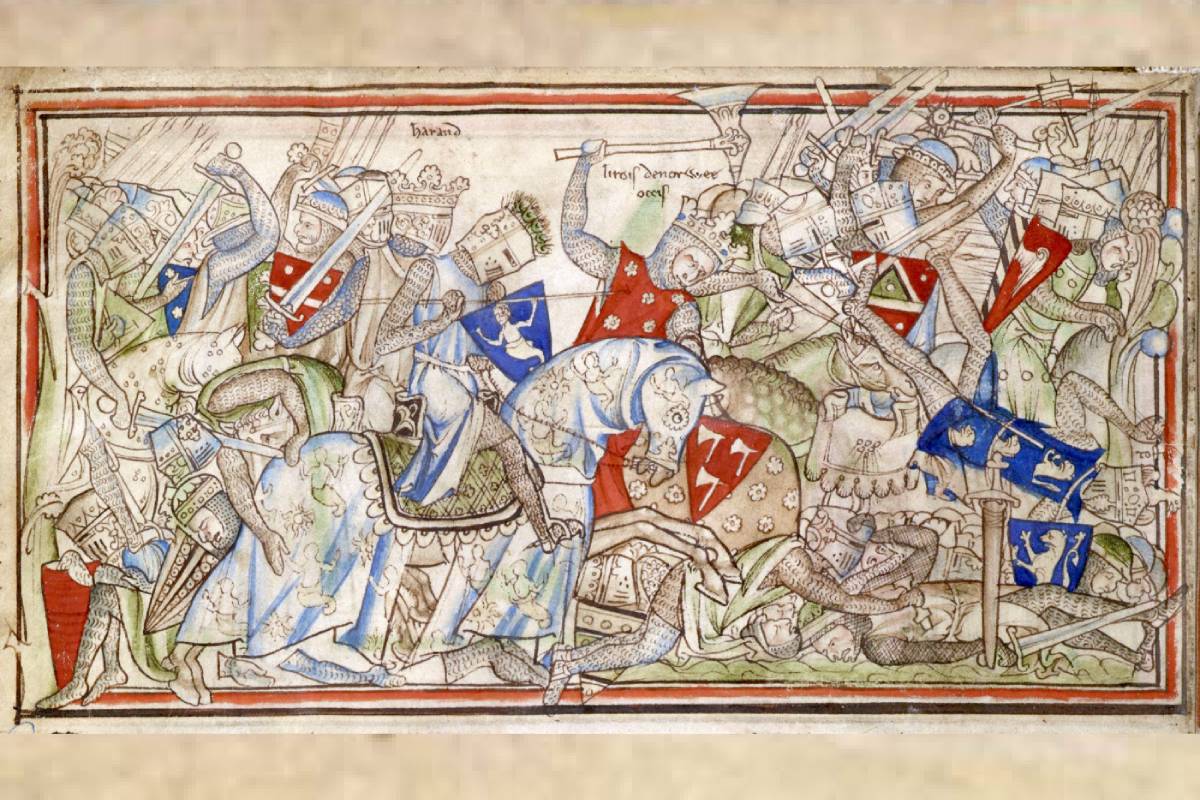
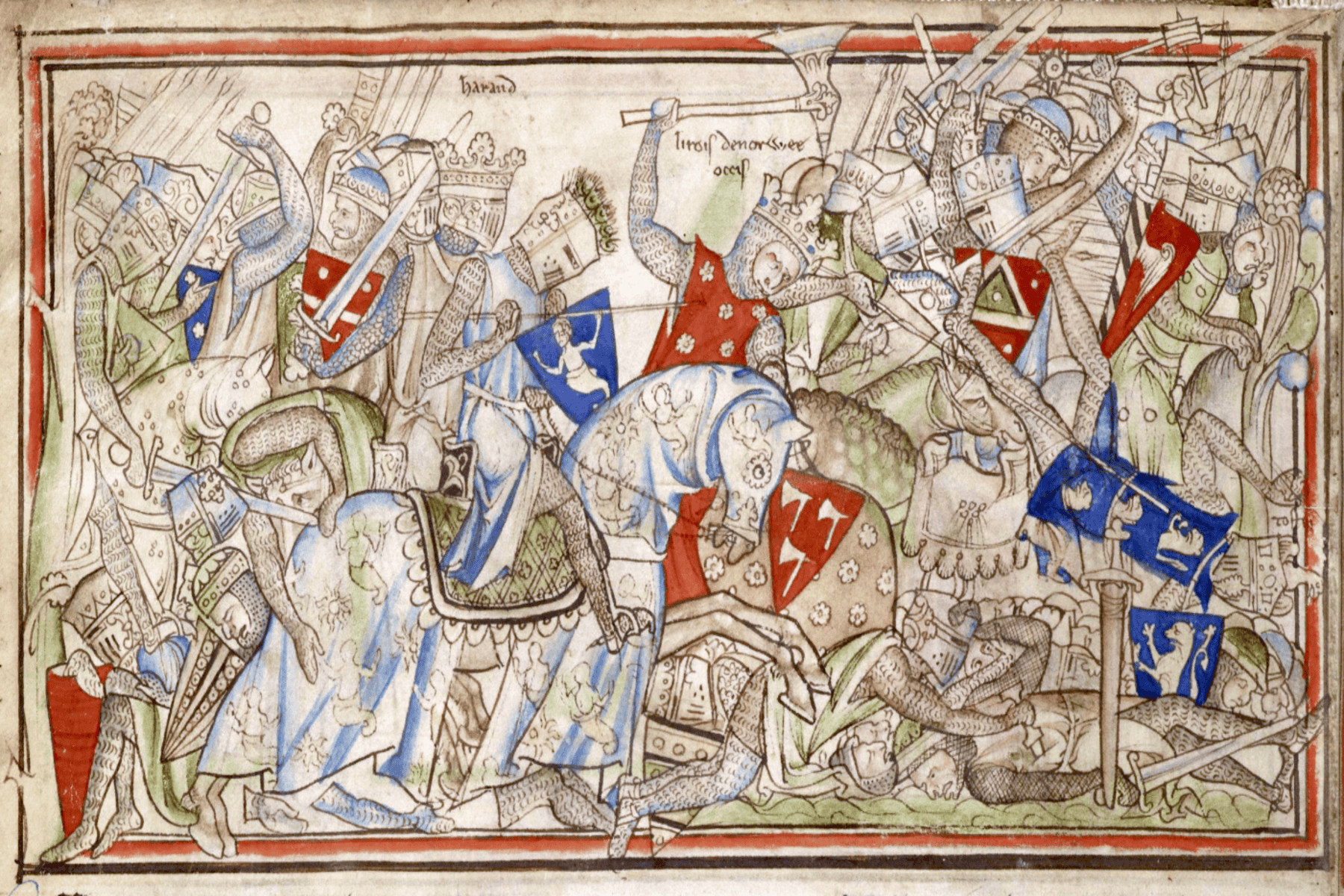
This scene from "The Life of King Edward the Confessor" portrays Harald at Stamford Bridge holding an axe. Author: Matthew Paris (1200–1259)
A Viking invasion and a deposed earl
Soon Hardrada's force sailed across the North Sea, stopping, according to the sagas, in the Orkneys, Shetland, and Scotland to take on provisions as well as do a bit of good old-fashioned raiding and plundering too.
Finally, they arrived on the English coast at what was then called Skarðaborg but is now the English seaside town of Scarborough.
Hardrada had landed in Jórvík, a region once ruled by a Viking warrior and long shaped by the settlement of people from Viking societies. Here was a place where the echoes of past Viking glories still rang loudly, and a natural place for Hardrada to gather strength in northern England.
Having laid waste to forces on the River Humber, Hardrada then marched to the region's capital, Jórvík (York).
Despite being in enemy territory, Hardrada had an ace up his sleeve: the English king's brother, Tostig Godwinson, the former Earl of Northumbria, who had held the title under Edward the Confessor. However, Tostig had proven an extremely unpopular choice and was toppled. Yet, according to the sagas,
"It happened, as he [Tostig] had foretold the king [Hardrada] at their first meeting, that in England many people would flock to them, as being friends and relations of Earl Toste, and thus the king's forces were much strengthened..."
However, when Hardrada's men moved away from York and towards a place called Stamford Bridge, King Harold had gotten his act together, as he had arrived,
"...from the south to the castle [York] with a numerous army...All the gates and walls were beset so that the Northmen could receive no intelligence, and the army remained all night in the town."
As Hardrada and his men made their way back to their camp, near their ships, they had no idea of the huge force amassed by King Harold to fend off this Viking invasion.
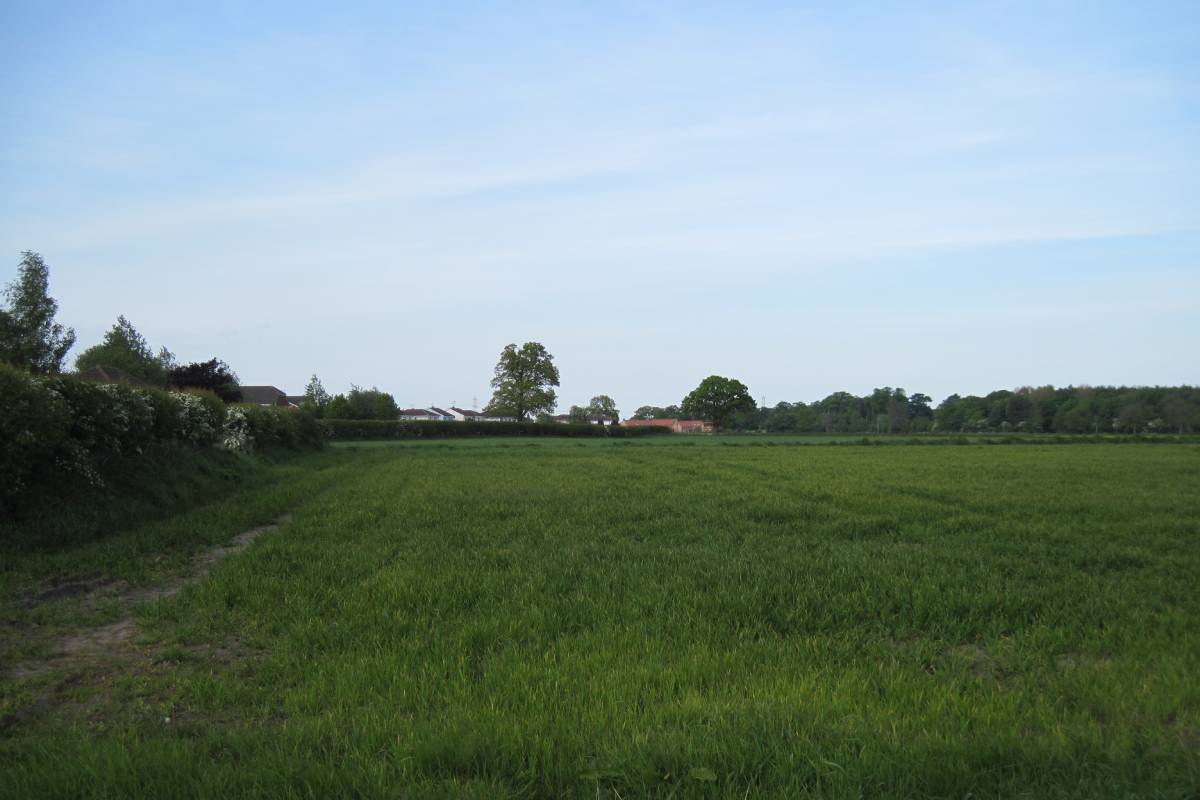
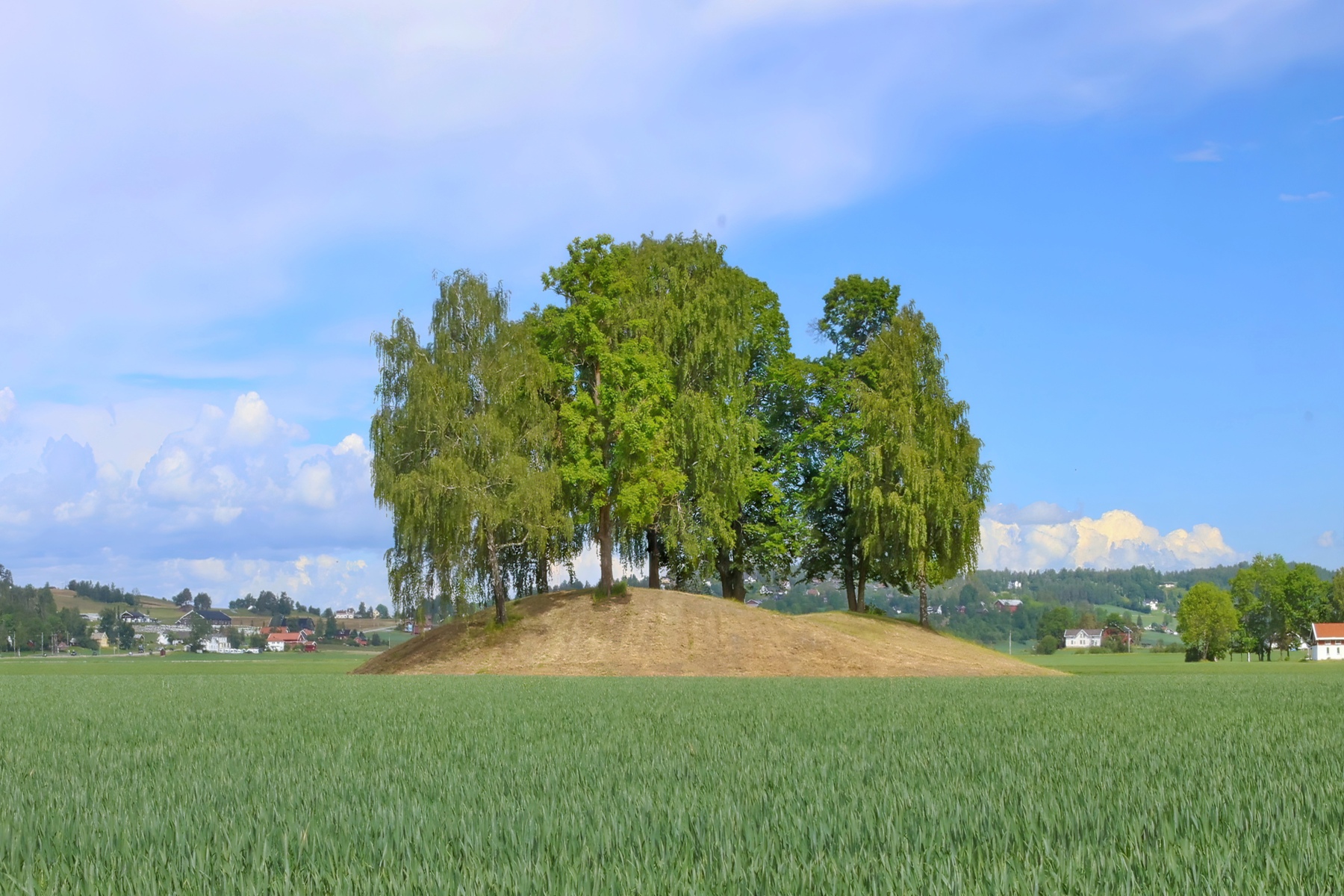
Stamford Bridge area in East Riding of Yorkshire, the site traditionally associated with the 1066 battle. Photo: Battle of Stamford Bridge by Martin Dawes (CC BY-SA 2.0)
The English weather plays its part
We now get to the juicy part of the saga. King Harald is preparing his army and,
"...divided the men into the parties who should go, and who should stay behind. In every division, he allowed two men to land, and one to remain behind. Earl Toste and his retinue prepared to land with King Harald; and, for watching the ships, remained behind the king's son Olaf..."
So whatever happens in the battle, there are men left behind to guard the ships, always have an exit strategy, and to ensure that the king's son, and thus a member of the royal house, can escape safely.
It is here that the English weather was said to play its part. For a nation that prides itself on an obsession with inclement weather, it is not the rain but the sun that becomes a major part of this story. Having gone ashore, Hardrada's force found that,
"The weather was uncommonly fine, and it was hot sunshine. The men, therefore, laid aside their armour and went on the land only with their shields, helmets, and spears, and girt with swords..."
So, with minimal protection, Hardrada's men trundle ahead until they,
"...saw a cloud of dust as from horses, and under it shining shields and bright armour."
With minimal arms and protection, Hardrada's men are about to face the full might of the army under King Harold Godwinson. One can only imagine the obscene thoughts that Hardrada and his men were either thinking or saying, realizing that they were caught unawares.
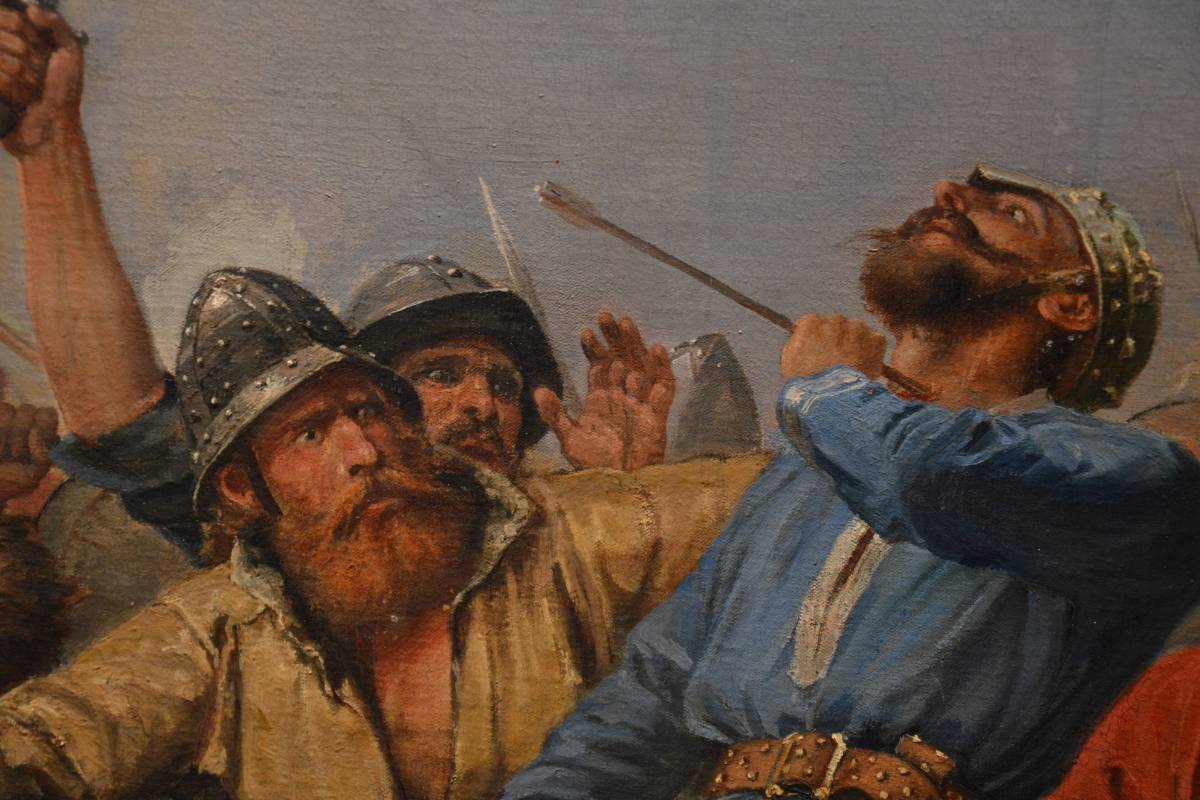
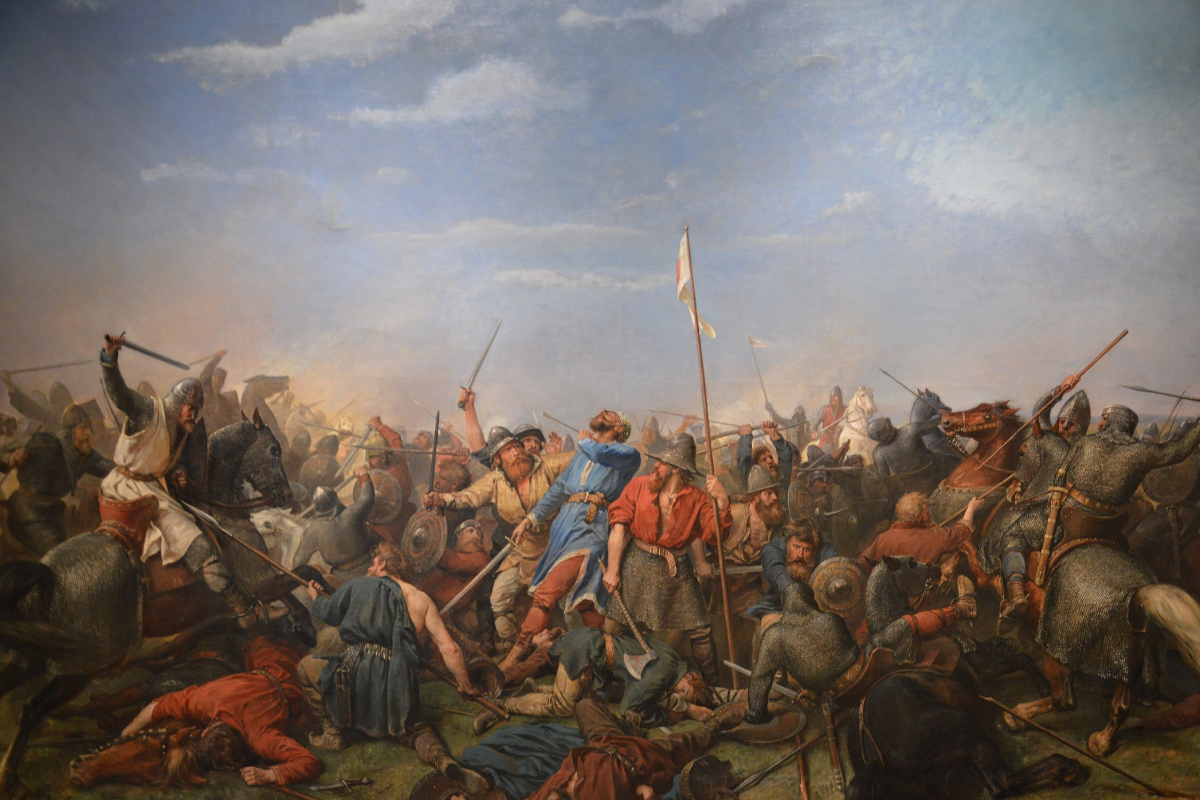
This detail from the 1870 painting "The Battle of Stamford Bridge" shows the arrow striking Harald Hardrada. Author: Peter Nicolai Arbo (1831–1892)
The Battle of Stamford Bridge
Hardrada then steadied his men and prepared them for battle. Just before the battle begins, according to the sagas, there is much witty repartee between Harold Godwinson and Harald Hardrada, including the former's famous quip that he would give the latter "...seven feet of English ground," or in other words, a grave.
We can safely assume that this sort of dialogue is just imaginative banter thrown in for a bit of color, but it is, nevertheless, entertaining. We now find that,
"Now the battle began. The Englishmen made a hot assault upon the Northmen..."
You can hear the clunk of sword upon shield and the squish of flesh being pierced by spear. This was early medieval warfare at its most violent. Yet despite the Anglo-Saxon force having cavalry, they found that,
"...as long as the Northmen kept their order of battle, for although the English rode hard against the Northmen, they gave way again immediately, as they could do nothing against them."
It seemed to be a bit of a stalemate until, throwing caution to the wind, Hardrada felt he could force a victory for the Viking invaders as he,
"...went into the fray where the greatest crash of weapons, and there was a sharp conflict, in which many people fell on both sides. King Harald was then in a rage and ran out in front of the array and hewed down with both hands; so that neither helmet nor armour could withstand him..."
Having fought all over much of the medieval European world, Hardrada obviously felt his martial skills and valor were no match for a bunch of Anglo-Saxon incompetents.
He was, after all, as John Marsden writes about in his 2011 book, Harald Hardrada: Warrior's Way, "...the most feared warrior of his world and time." However, this proverbial rush of blood to the head would cost him his life. Suddenly,
"King Harald Sigurdsson was hit by an arrow in the windpipe, and that was his death-wound. He fell, and all who had advanced with him, except those who retired with the banner..."
Another famous episode from the battle tells of a Viking warrior on the bridge being speared from below. Regardless of the manner of Hardrada's death, he did perish; most of his force was routed, and the few survivors rushed back to their ships and fled back across the North Sea.
Having recently come to the English throne, Harold Godwinson had defeated the preeminent warrior of his age in battle and fended off a Viking invasion of his kingdom.
The end of an era
However sweet the victory was for Harold Godwinson and his men, it was certainly short-lived.
No sooner had they wiped their swords clean of the blood from the Battle of Stamford Bridge than they had to rush southward to stop another invader, William, Duke of Normandy.
Godwinson's luck would run out further south at Hastings. Similar to accounts of Hardrada's death, Godwinson was said to be felled by an arrow, too, albeit one to the eye. They say that history never repeats; it rhymes, but at Hastings it came remarkably close.
As for the Viking story of England, Hardrada's death was the last time a Viking force invaded. Yes, there were occasional raids on England until the dying stages of the 11th century CE, but none amounted to a grand invasion of years gone by.
The victor at Hastings, King William, the conqueror of England, now set about reshaping the Anglo-Saxon realm and refashioning it in his own Norman image.
For the old Anglo-Saxon order throughout England, it was not Viking longships but Norman cavalry and castles that would reshape the history of this kingdom for centuries to come.
For more information on the Battle of Stamford Bridge, visit BBC History Extra here.
We get to provide readers with original coverage thanks to our loyal supporters. Do you enjoy our work? You can become a PATRON here or via our Patreon page. You'll get access to exclusive content and early access.
Feel free to reach out to discuss potential stories that may be in the public interest. You can reach us via email at hello@thevikingherald.com with the understanding that the information you provide might be used in our reporting and stories.