

For centuries, the traditional history of the Viking Age was dominated by the myopic view of Eurocentrism and Anglocentrism. Only in the late 20th century and into the current millennium is this very Eurocentric view of Viking expansion changing.
It is true that from the latter half of the 8th century onwards, people from Viking societies sailed westward from Scandinavia to raid, trade with, and eventually settle huge swaths of what is now Western Europe, from Paris to the Pyrenees, from Iceland to Italy, and seemingly everywhere in between.
Yet the westward expansion of Viking raiders, traders, merchants, settlers, and farmers is only half the story.
As Anders Tvauri explains in his 2012 book The Migration Period, Pre-Viking Age, and Viking Age in Estonia, the collapse of Soviet regimes throughout Central and Eastern Europe, which had jealously guarded all information, including historical records, marked a turning point.
In recent times, this shift has ushered in a period of academic transparency and collaboration, leading to new archeological discoveries, research, and analysis of the Viking Age.
The eastward expansion of the Vikings across the Baltic Sea into Eastern Europe and Central Asia, perhaps as far as Baghdad, is a history just as fascinating as the more storied westward push.
From the Iberian Peninsula to the shores of the Caspian Sea, the Viking Age saw Scandinavian culture spread throughout Europe and Asia.
To best chart the spread of this culture, it's helpful to take a chronological view. For that, we need to rewind to the very beginning of the Viking Age.
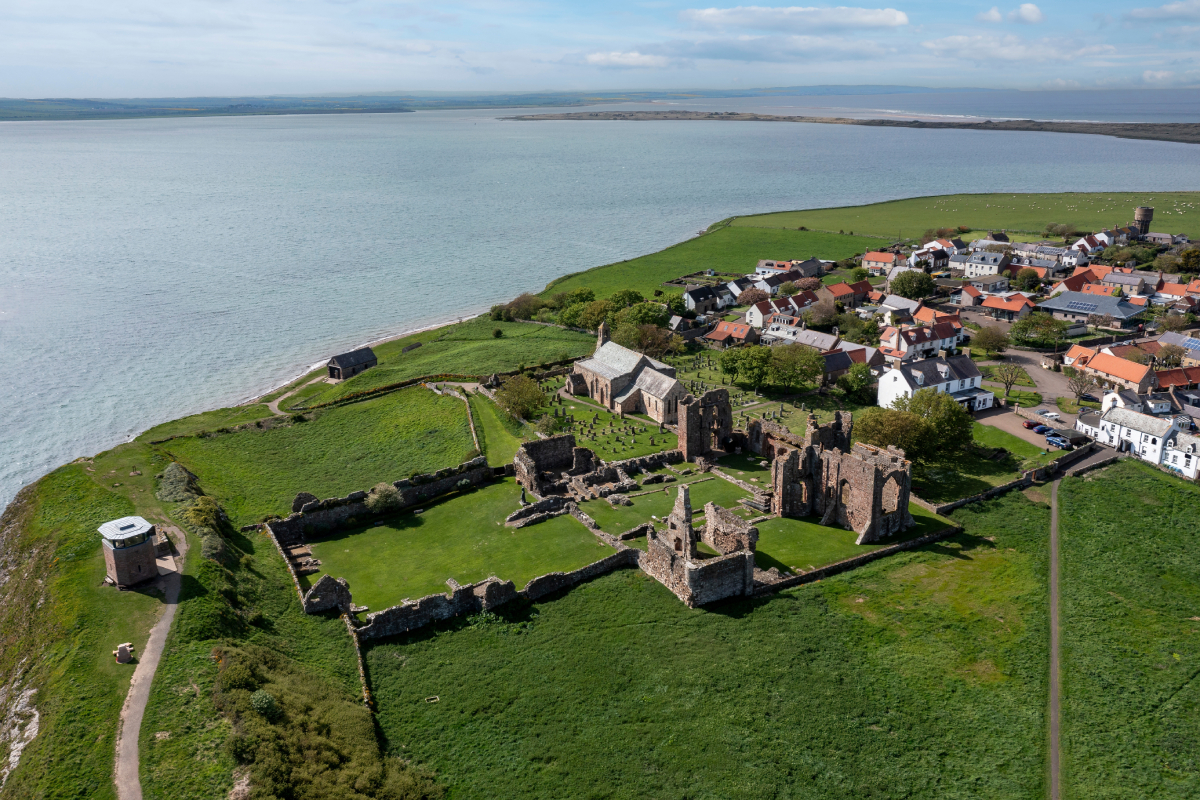
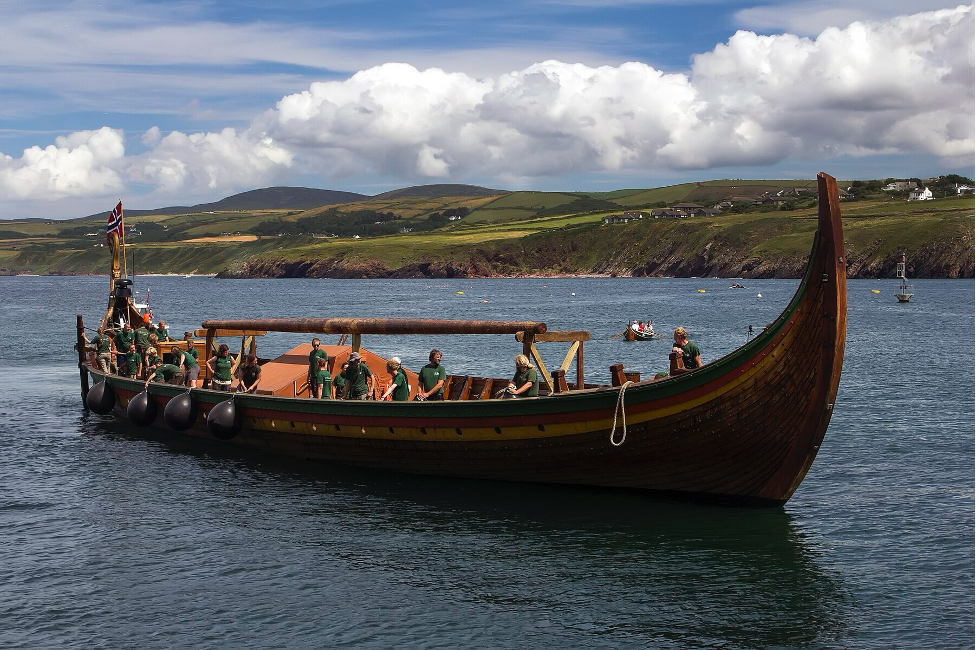
While the attack on Lindisfarne in 793 introduced the Vikings to Western Europe, earlier raids, such as Salme in 750, predate it. Photo: GrahamMoore999
British and Baltic beginnings?
The traditional start date of the Viking Age is 793. This was an ominous year in British history, as it marked a vicious raid on a monastery on the island of Lindisfarne.
Over the course of the next two and a bit centuries, people from Viking societies came first to raid, then to conquer and settle much of what is now the United Kingdom and Ireland.
A huge swath of England was directly under Viking control for much of this period – the Danelaw – where Scandinavian culture, law, and language (Old Norse) were used.
Across the Irish Sea, people from Viking societies were responsible for founding the Irish cities of Dublin, Cork, and Limerick, whilst the Shetland and Orkney Islands were culturally part of Scandinavia until the early modern period.
Whilst the raid on Lindisfarne signaled the beginning of Western Europe's love-hate relationship with the Vikings, we must rewind the clock decades to find when the true start of the Viking Age began.
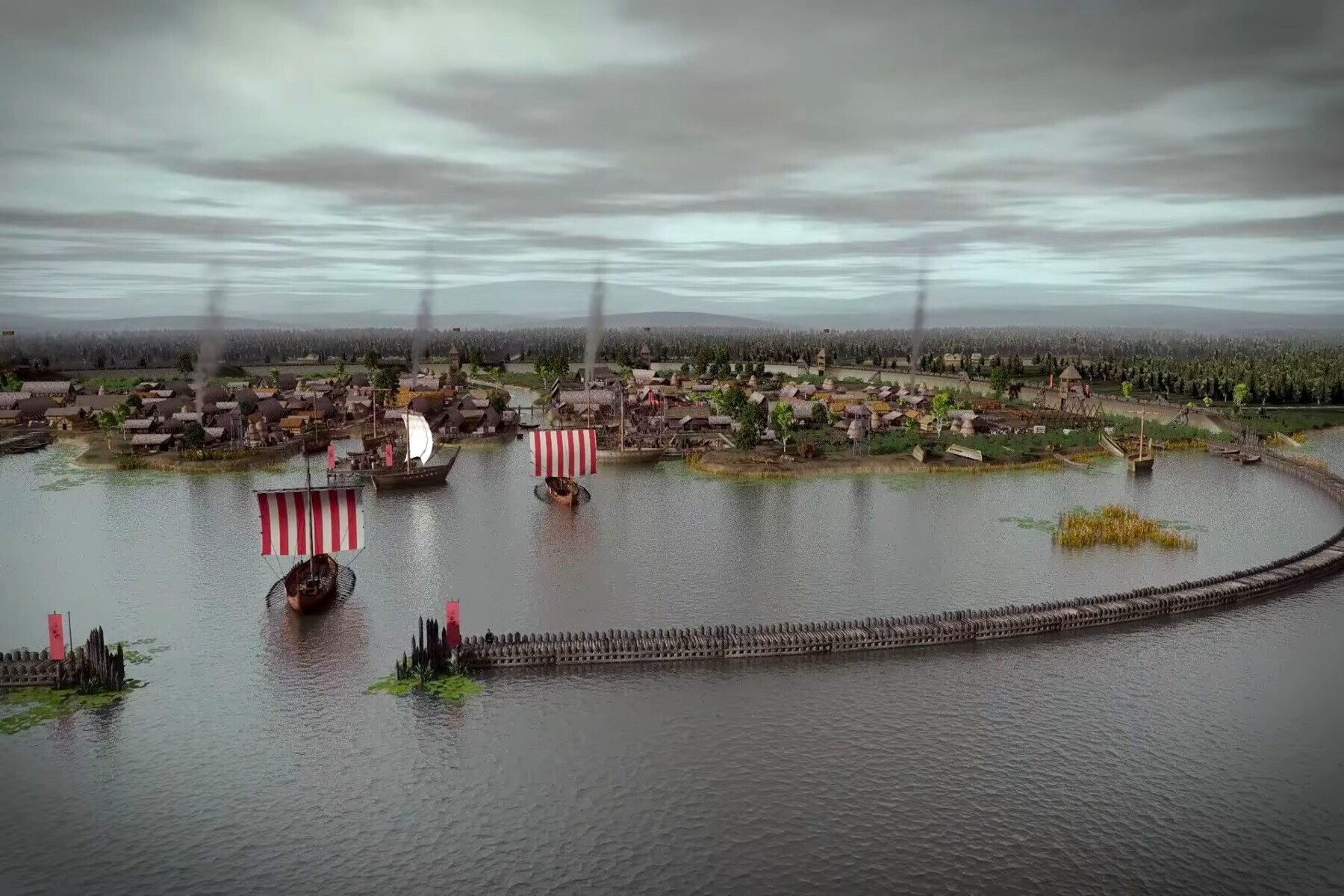
The latest archeological evidence seems to point to a Viking raid on the island of Salme (now part of Estonia) around 750.
This eastern expansion soon saw people from Viking societies raid, trade, and eventually settle around the Baltic basin.
In fact, the modern Danish flag – the Dannebrog – traces its legendary appearance to the early medieval period, when Viking warriors (from what is now Denmark) were undertaking military expeditions in this area.
The Baltic region would stay culturally Scandinavian until the later medieval period, with the last remaining Scandinavian presence (Swedish Pomerania – an area of what is now northern Germany and Poland) only falling out of Scandinavian control following the Napoleonic Wars.

Rouen, captured by Rollo in 876, became a strategic Viking stronghold in central France. Photo: Sergii Figurnyi / Shutterstock
Riverbound and seaward
Following the initial outward expansion across the Baltic and Norwegian Sea, the 9th and 10th centuries saw a period of conquest and domination by people from Viking societies.
After the unification of Norway under Harald Fairhair, malcontents and those opposed to his heavy taxation fled to the seas and sailed to settle what is now Iceland.
It was here, in the 12th and 13th centuries, that the great oral stories, poems, myths, and legends were first put on paper (well, scrolls) and became a collection of what we now call the Norse sagas, a blend of fact and fiction, of mythology and history.
Since its foundation around 872, Iceland has preserved its Viking culture and traditions, whether through its local cuisine or its language, which has changed very little from the Old Norse once spoken by Vikings.
Further south, Viking raids blighted what is now the modern coastline of the Low Countries, Germany, and France.
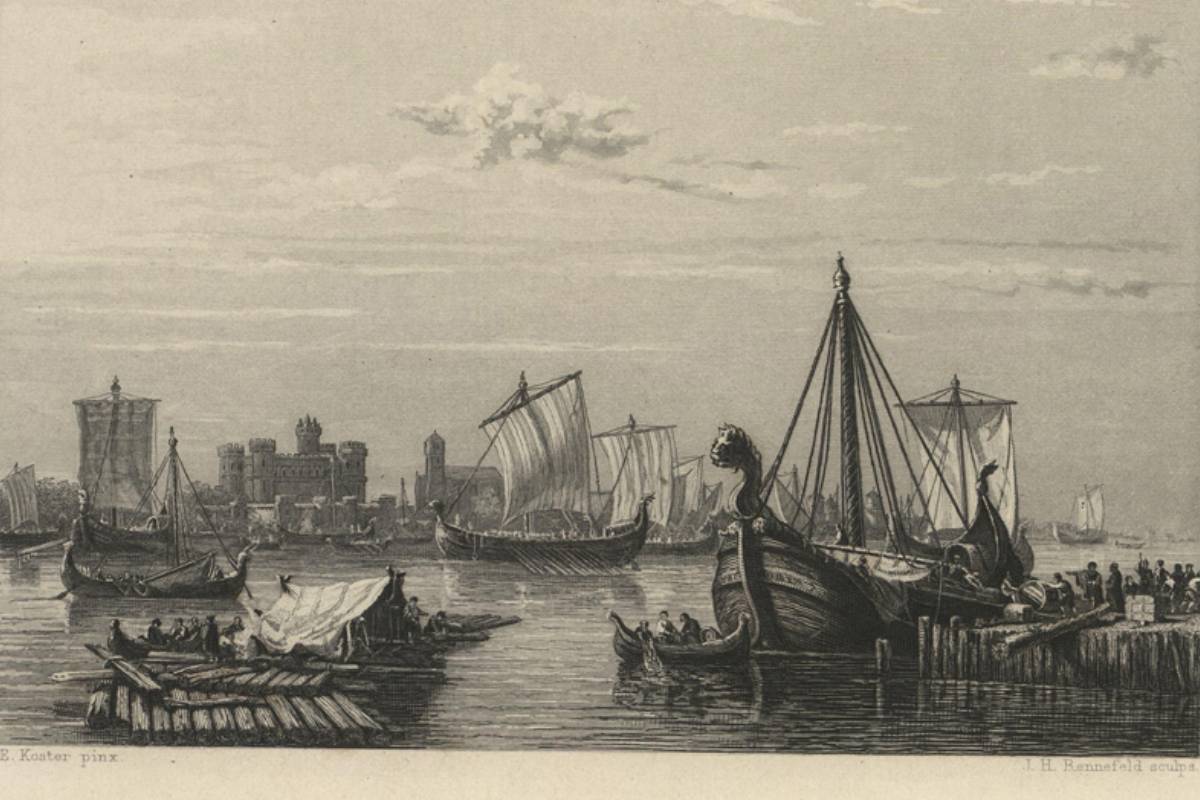
However, it was not long before Viking longships were spotted sailing up and down rivers, plaguing the Frankish realms and devastating cities like Aachen and Paris.
By the early 10th century, the ruler of West Francia, Charles the Simple, decided – in the words of former U.S. President Lyndon Baines Johnson – that it's better to have your enemy "inside the tent pissing out than outside pissing in" and offered them a prime piece of land in a 911 treaty between the Loire and Seine rivers.
This became the land of the Northmen – Normandy.
The blend of Frankish and Scandinavian culture would produce the Vikings' cultural descendants – the Normans – who went on to spread this hybrid culture throughout the British Isles, southern Italy, and as far as Jerusalem in the later medieval period.
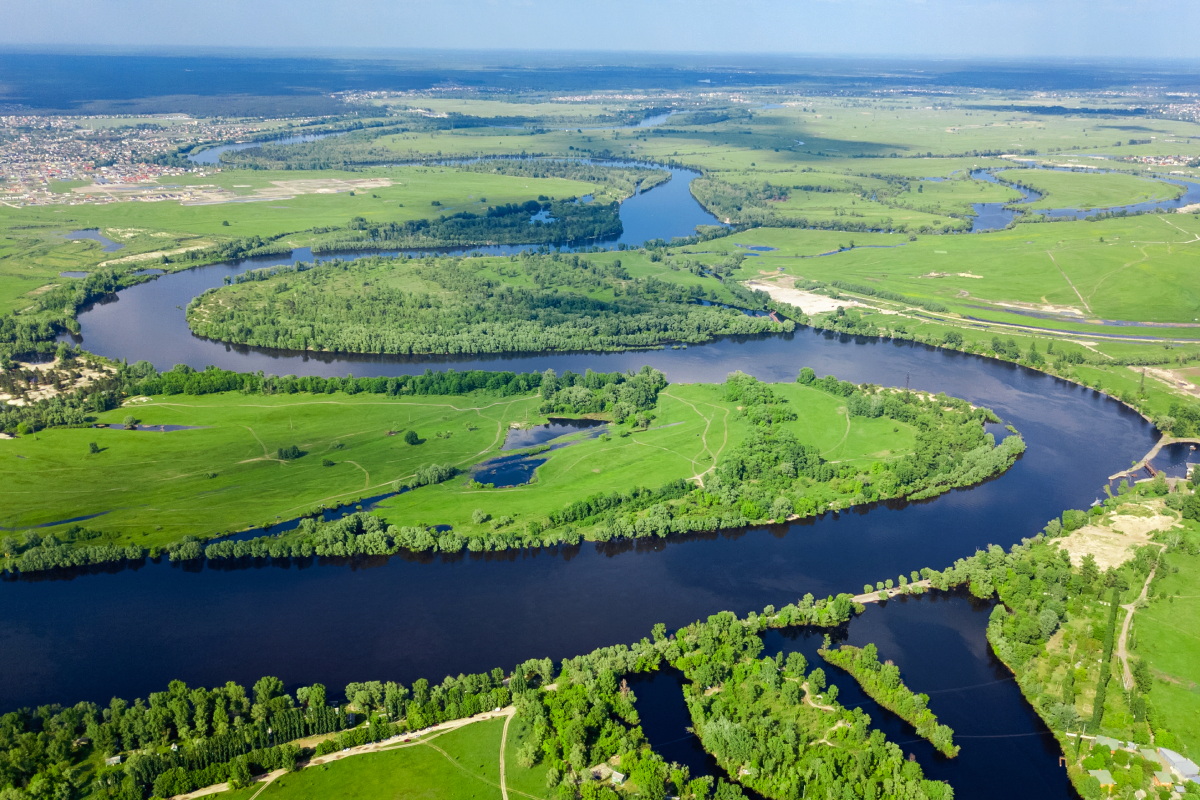
Viking traders and raiders used the Dnieper River as a primary waterway to reach the Black Sea, providing access to Constantinople. Photo: JaySi / Shutterstock
Eastern adventures
It wasn't just in northern Europe that people in Viking societies utilized river systems.
Following their initial settlement in and around the Baltic, they soon used the many river systems that snake their way across Eastern Europe.
Through a combination of commerce and control, people from Viking societies were said to be responsible for the founding of the Kievan Rus – a huge multiethnic, multireligious, and multilingual polity to which the modern nations of Belarus, Russia, and Ukraine trace their ancestry.
As they headed further east, the Vikings encountered the Don and Dnieper rivers, which eventually flow into the Black Sea.
From there, it was only a short distance to the dominant European power of the age, the (Eastern) Roman Empire, with its metropolis, Constantinople, straddling the Bosporus and two continents.
For these Romans (confusingly called Byzantines by we moderns), people from Viking societies soon became a common sight in the streets.
They were either plying their wares – Baltic amber, furs, and enslaved people being profitable commodities – or parading as part of the Varangian Guard, the personal bodyguard of the Roman Emperor.
From Constantinople, it is believed that people from Viking societies may have pushed further east, across the Black Sea, and perhaps as far as the shores of the Caspian Sea and further south to the markets of Baghdad.
We know that the Viking heartland of Scandinavia was soon integrated into vast trade networks during the early medieval period, connecting Europe, Africa, and Asia.
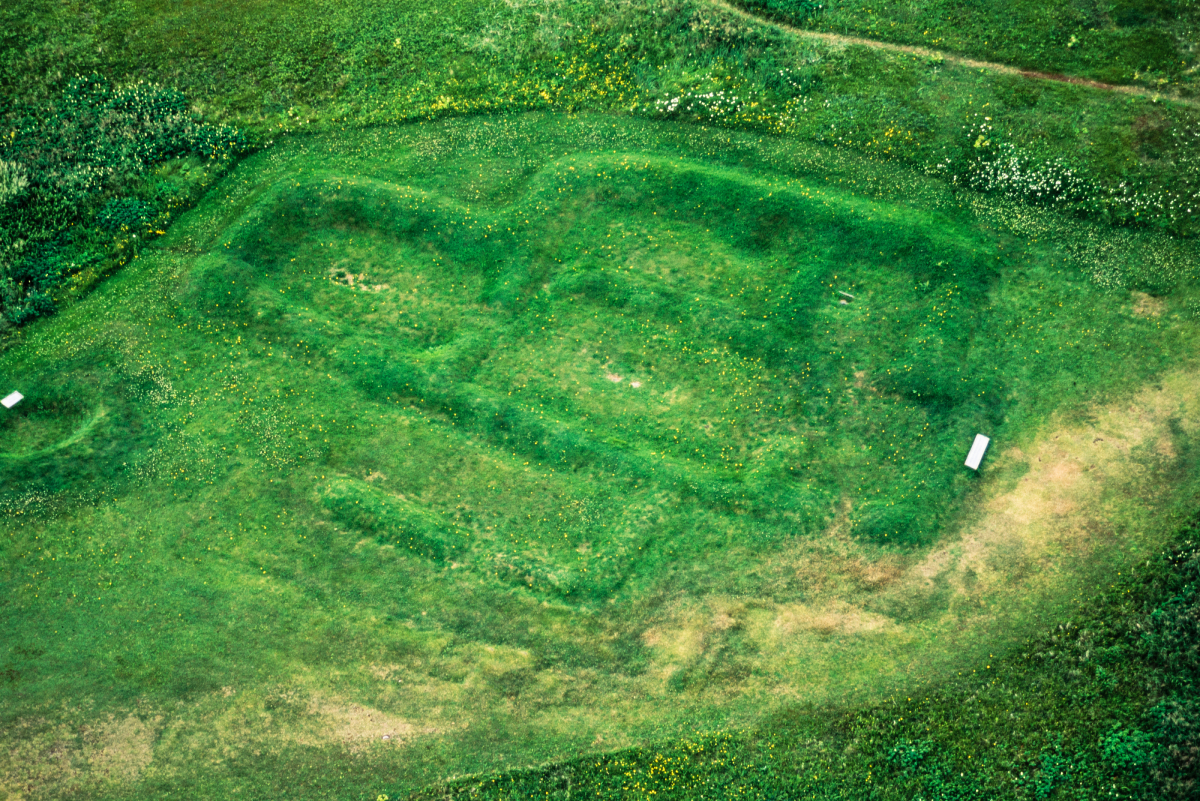
In 1960, the discovery of Norse building remains at L'Anse aux Meadows transformed our knowledge of Viking presence in North America. Photo: Russ Heinl
Modern legacy
Aside from these more storied and studied areas, there is also a wealth of evidence showing other places where Scandinavian culture spread by peaceful, profitable, or violent means.
Northern Spain and Portugal suffered under immense Viking raids during the 9th and 10th centuries, but today, people in these regions celebrate this history with all the fun and frivolity of festivals.
Greenland has had nearly a millennium of Scandinavian settlement and control, dating back to the first Viking settlements in the early 10th century.
We know that people from Viking societies had the technology, skill, and expertise to travel across the North Atlantic Ocean to settle in what is now Newfoundland, Canada. Could they have traveled further east into Central Asia or the Arabian Peninsula?
Charlotte Hedenstierna-Jonson writes in her 2020 article in the Bulletin of the Museum of Far Eastern Antiquities that this was, in theory, possible.
People from Viking societies did have the technology to cross mighty oceans, but the archeological and literary evidence suggests otherwise. No direct proof has been uncovered, with only the discovery of indirect trade and commerce.
The Viking expansion during the early medieval period helped connect Scandinavia to trade links that crisscrossed much of Europe and Asia.
The legacy of their settlement across vast swathes of Western Europe – from Iceland to Ireland, from Northumbria to Normandy – can still be seen today in local culture, language, and topography.
From runestones to riches, from language to legend and lore, people from Viking societies left an indelible mark on the history and culture of much of Europe and Asia centuries after the last Viking ship sailed.
Check out Visit Norway here for more information on Viking culture, history, and traditions.
We get to provide readers with original coverage thanks to our loyal supporters. Do you enjoy our work? You can become a PATRON here or via our Patreon page. You'll get access to exclusive content and early access.
Feel free to reach out to discuss potential stories that may be in the public interest. You can reach us via email at hello@thevikingherald.com with the understanding that the information you provide might be used in our reporting and stories.