

It's often hard for us to imagine, from the safety and smugness of the 21st century, how brutal and difficult life was for our ancestors.
For people in Viking societies, who lived in the early medieval period, life truly was – to paraphrase Thomas Hobbes – nasty, brutish, and short.
The natural world, the environment, was not something to abuse and conquer but rather full of danger and awe-inspiring respect.
Their relationship with animals, too, was one of mutual obligation and deep admiration. The Norse were utterly reliant on animals – for transport, labor, food, clothing, and companionship.
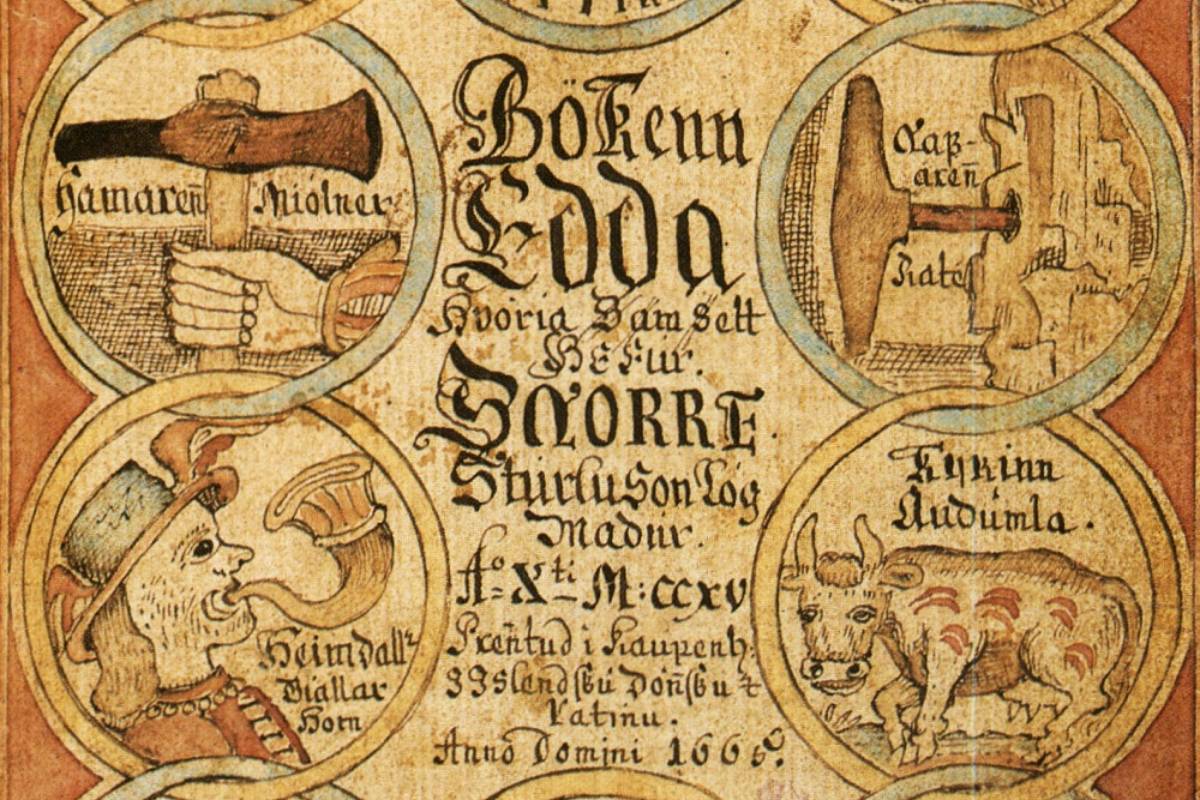
As such, their stories, tales, and myths – the rich tapestry that we call Norse mythology – have a wealth of references to mighty, magical, and mythical animals.
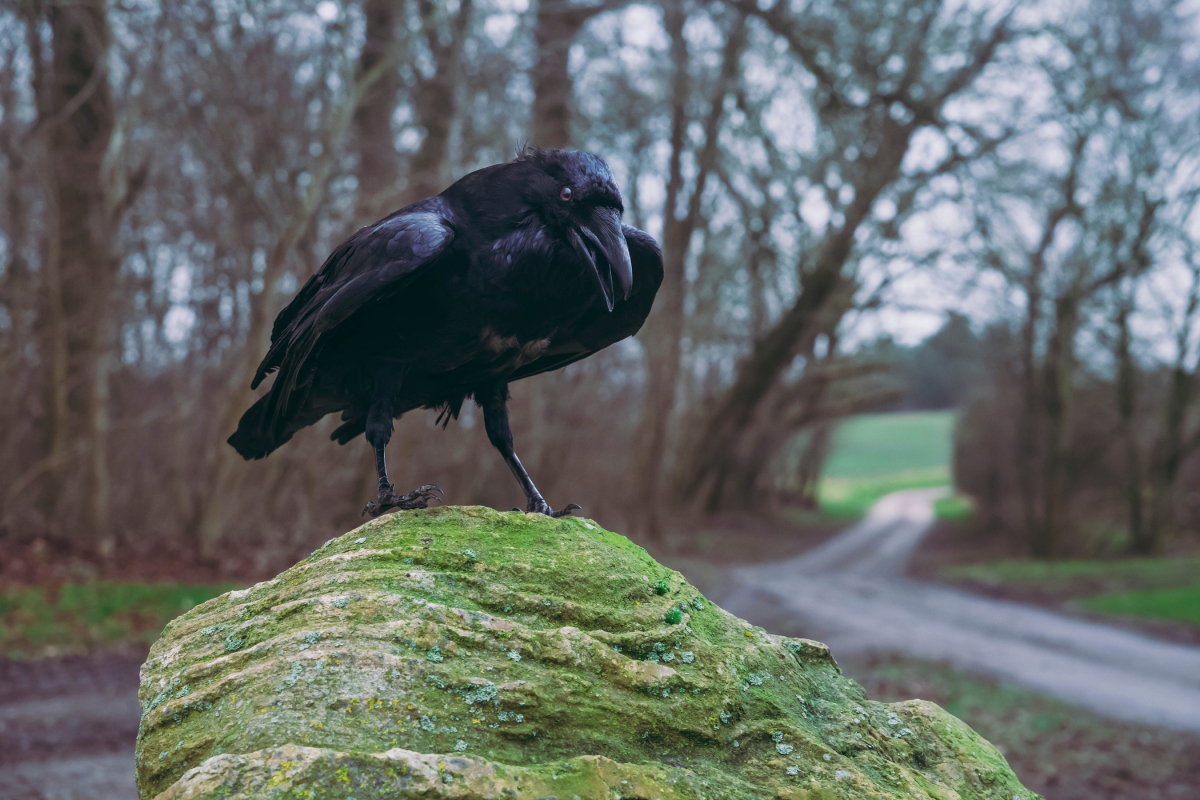
Surely, the most memorable animal to pop up in these stories, tall tales, parables, and sagas is the raven, full of symbolism and importance.
Before we delve into their broader role and symbolism, we must first turn to the two most famous ravens in Norse mythology, Huginn and Muninn.
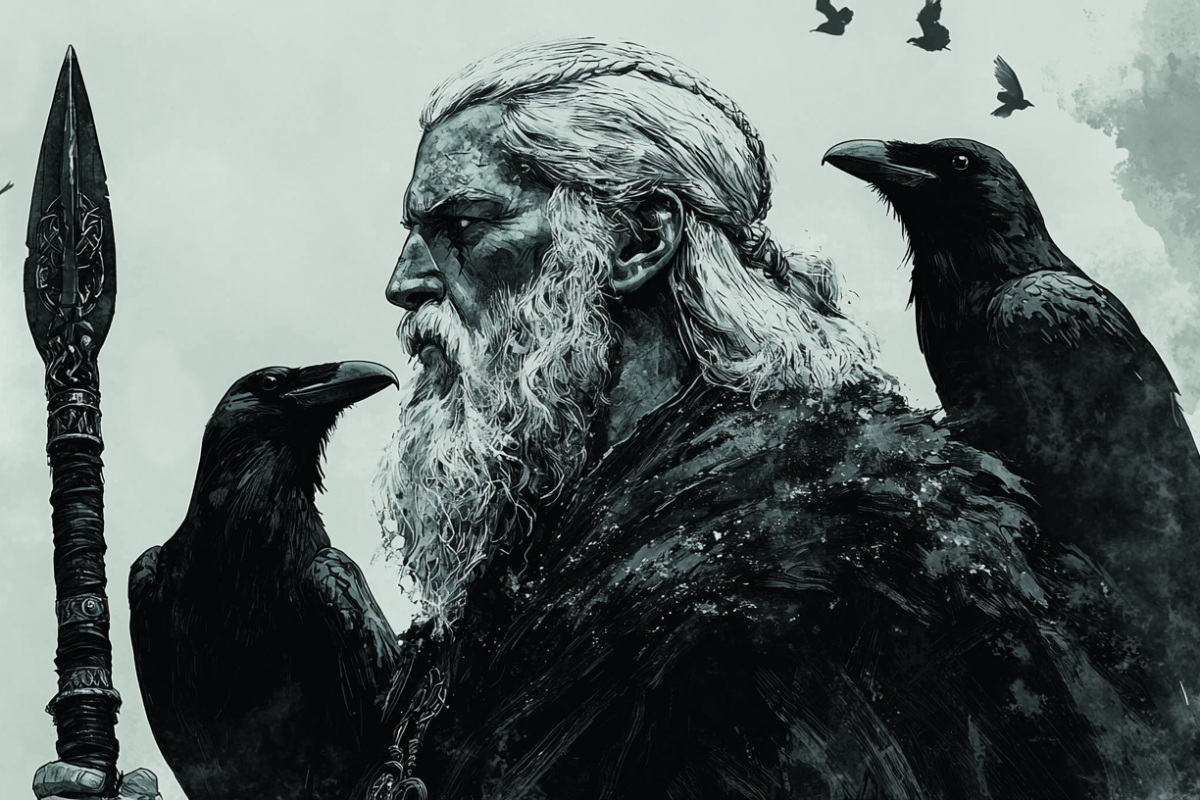
In Norse mythology, Huginn and Muninn, Odin’s ravens, flew daily to gather knowledge for their master. Source: The Viking Herald
Memory, thought, and a couple of ravens
As all good fans – whether recent converts or decades-long veterans – of Norse mythology know, everything starts with Odin.
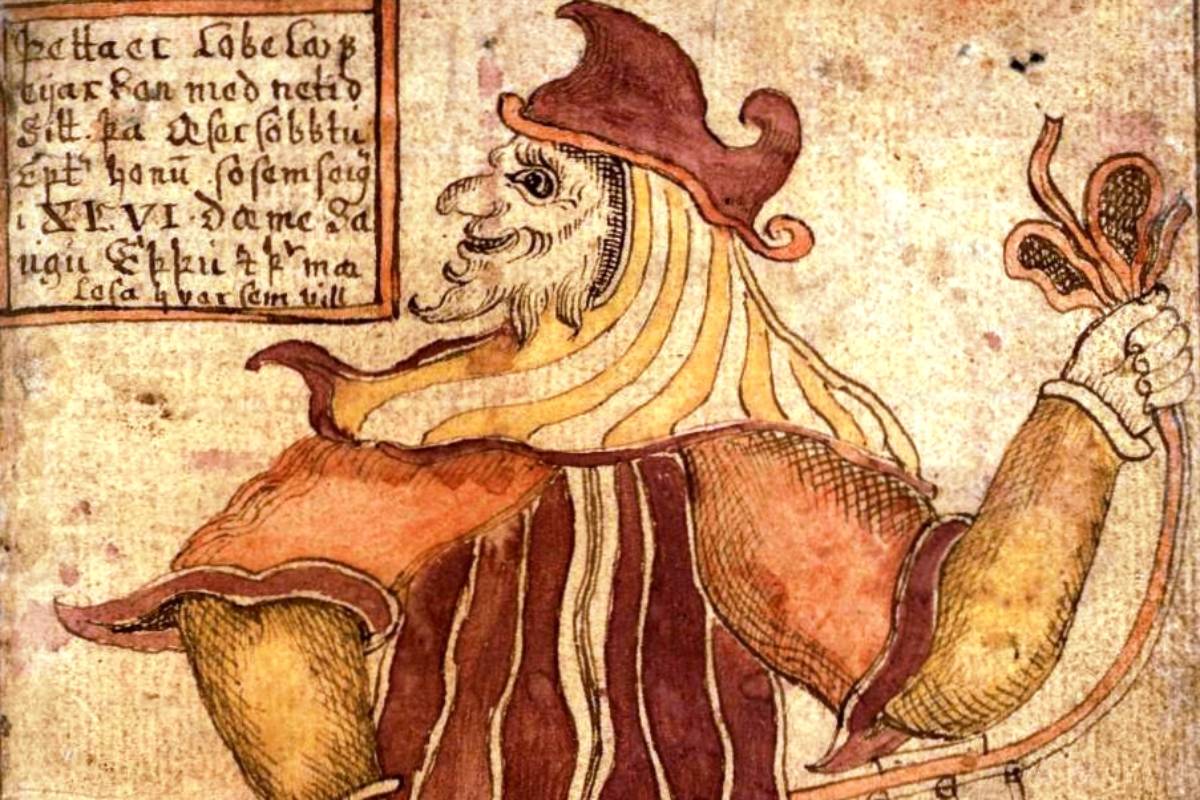
The mighty All-Father of Norse mythology, an omnipotent and wise god, is famed for his appearance (think Gandalf garb), his insatiable thirst for knowledge and wisdom (this even cost him an eye!), and generally being the font of all wisdom, magic, and martial victories.
Given that Vikings have been smeared for centuries as mere "barbarians," it is interesting that one of their most important gods was a figure of wisdom, learning, and knowledge.
How, you may ask, did Odin become all-knowing, all-seeing, and all-mighty? That answer lies with his two avian companions.
Odin's constant companions were a pair of ravens, Huginn and Muninn. Huginn, whose name means "thought" in Old Norse, and Munin, meaning "memory" or "mind," flew daily around the world to gather all the information – literally all of it.
They would then return to report back to Odin, acting as a sort of feathered medieval hybrid between the Google Maps car and a satellite.
Essentially, these two ravens served as Odin's eyes and ears, scouring the globe to keep him informed and maintain his status as the omnipotent "All-Father" of Norse mythology.
Not only do they help keep Odin informed – knowledge is one of his central traits – but their role as providers and seekers of information also speaks to themes of knowledge, insight, wisdom, and even the passage of time.
Not bad for a couple of pet birds, right?
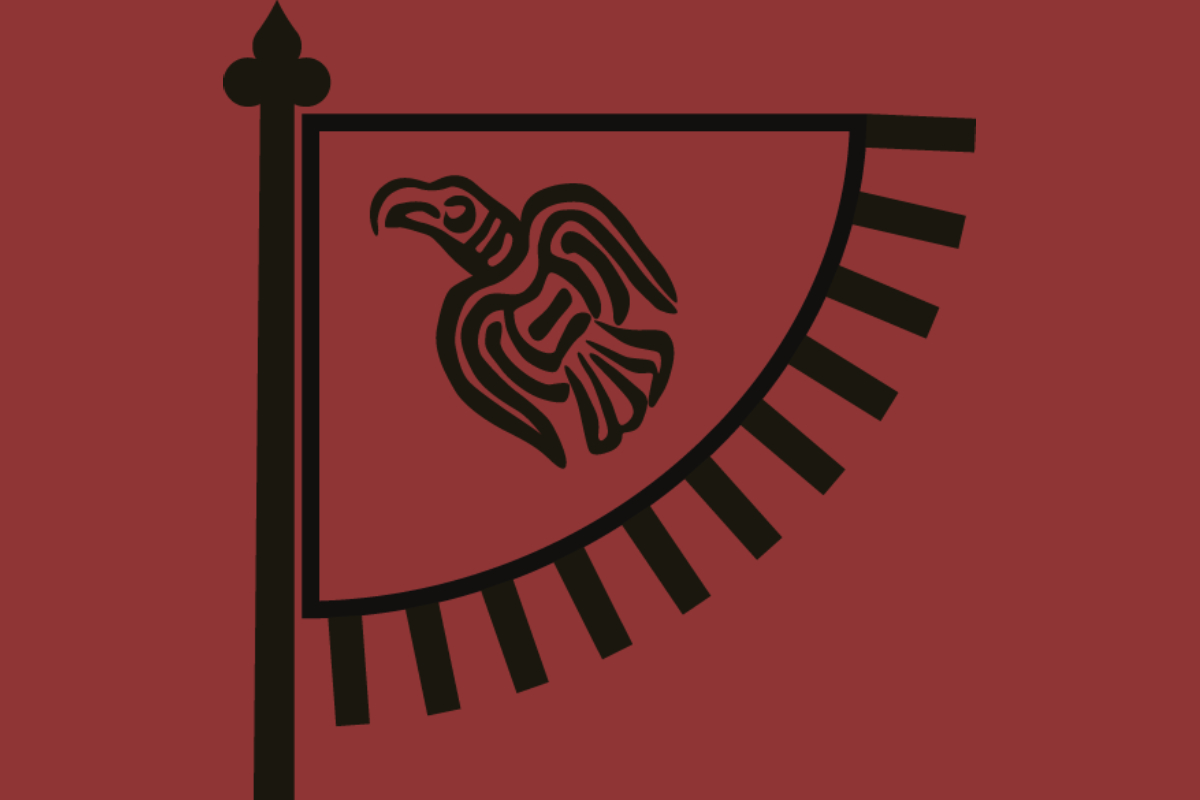
Used by Viking chieftains from the 9th to 11th centuries, the raven banner is described in period sources as a war flag marked with a raven. Source: MacRud (CC BY-SA 4.0)
Upon the battlefield and the banner
We now can zoom out to look at the broader symbolism of ravens in Viking societies.
Overlapping with Odin's traits of wisdom, knowledge, and omnipotence is his role in warfare.
Likewise, ravens also have a strong connection to death and warfare. When two sides were waging a battle, the sight of a raven or ravens circling overhead could be interpreted as an omen.
If they appeared in large numbers, it was said that Odin was watching over the ensuing battle, and his influence could be the difference between victory and defeat.
As Judith Jesch writes in her 2002 book, The Scandinavians from the Vendel Period to the Tenth Century: An Ethnographic Perspective (available on Amazon here), the raven – as a symbol of Odin – was proudly displayed on banners and flags during warfare.
Although there is very little archeological evidence of a "raven banner" found so far, many accounts, particularly from the 8th to 10th centuries (the height of the Viking Age), describe Viking warriors and armies carrying banners or flags emblazoned with a raven.
This was said not only to channel the power of Odin but also to represent the Vikings' cultural and spiritual beliefs – a useful symbol when facing Christian warriors or armies determined to stamp out such "pagan" practices.
One of the most famous representations of this "raven banner" appears on the Bayeux Tapestry, whilst Harald Hardrada's force was said to be brandishing one during their battle at Stamford Bridge.
Unfortunately for Harald, though, it appears that Odin's influence was sorely lacking that fateful day in 1066. The history of England would have been very different otherwise.
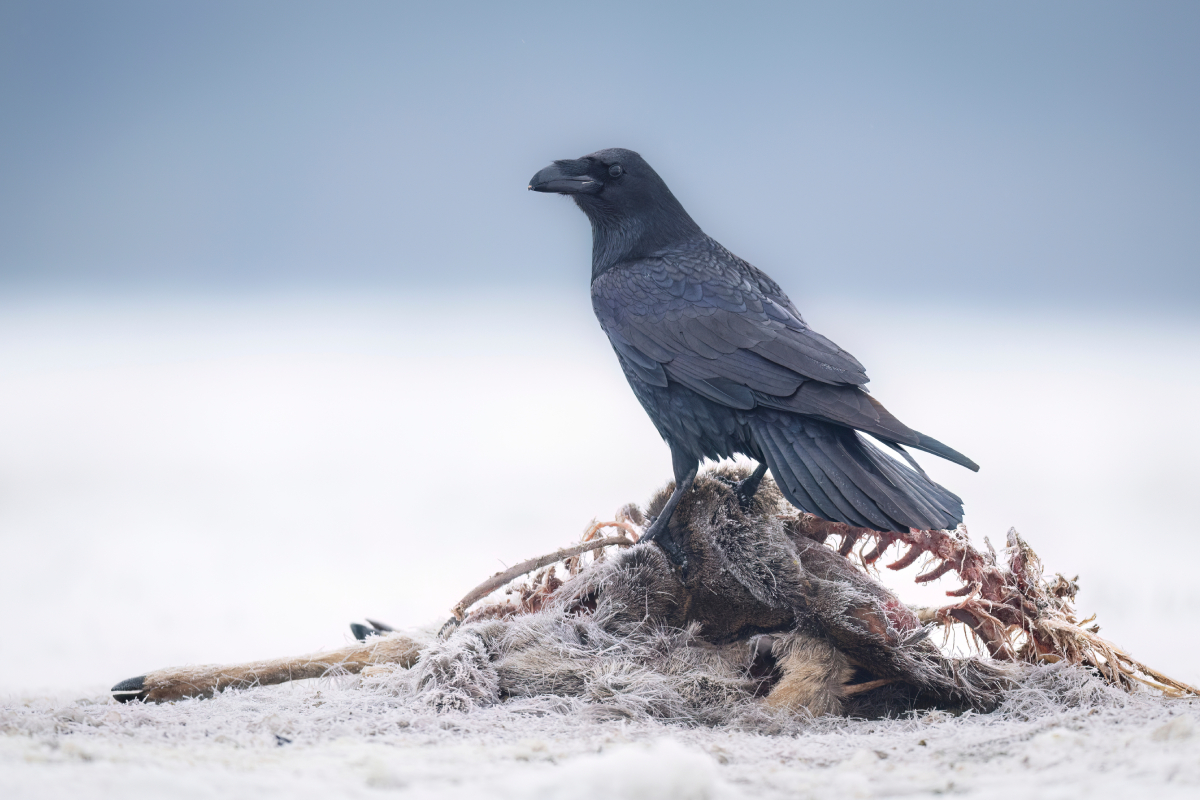
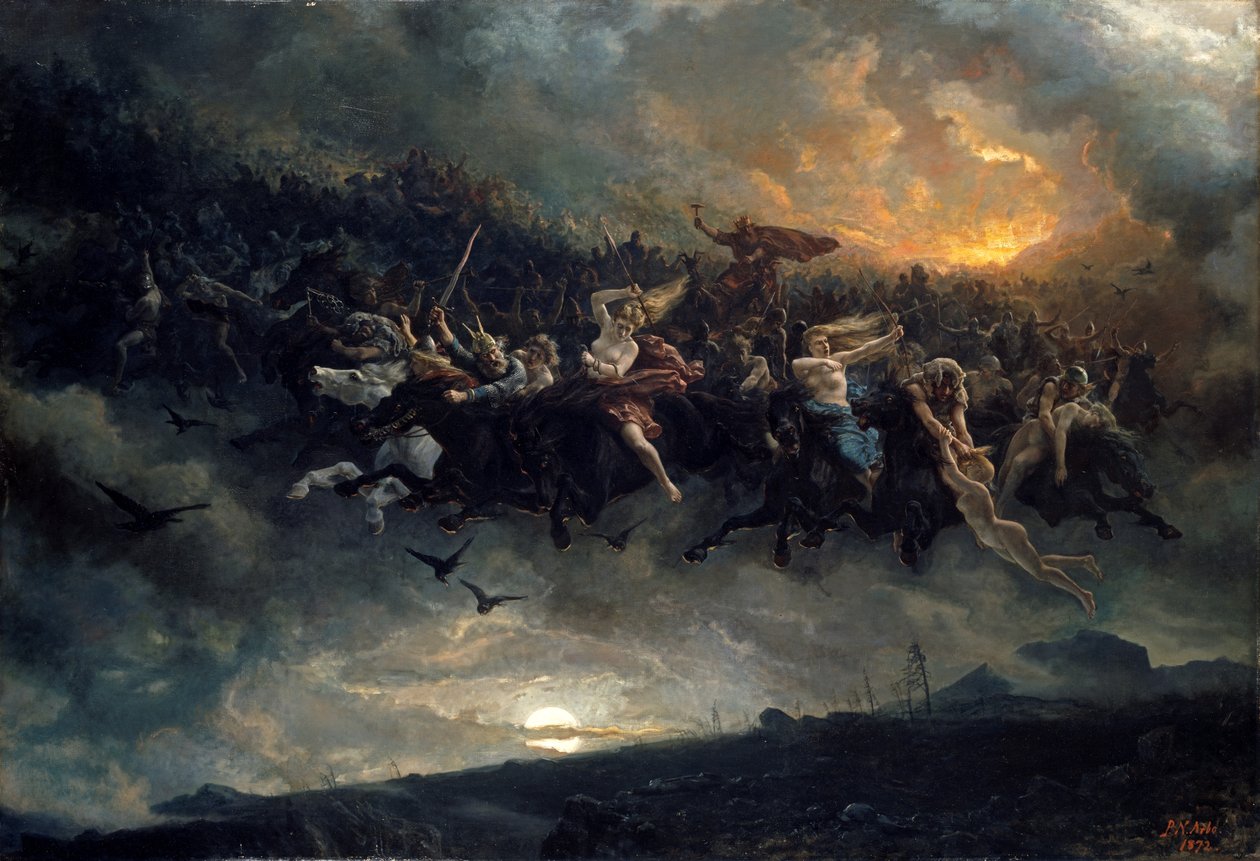
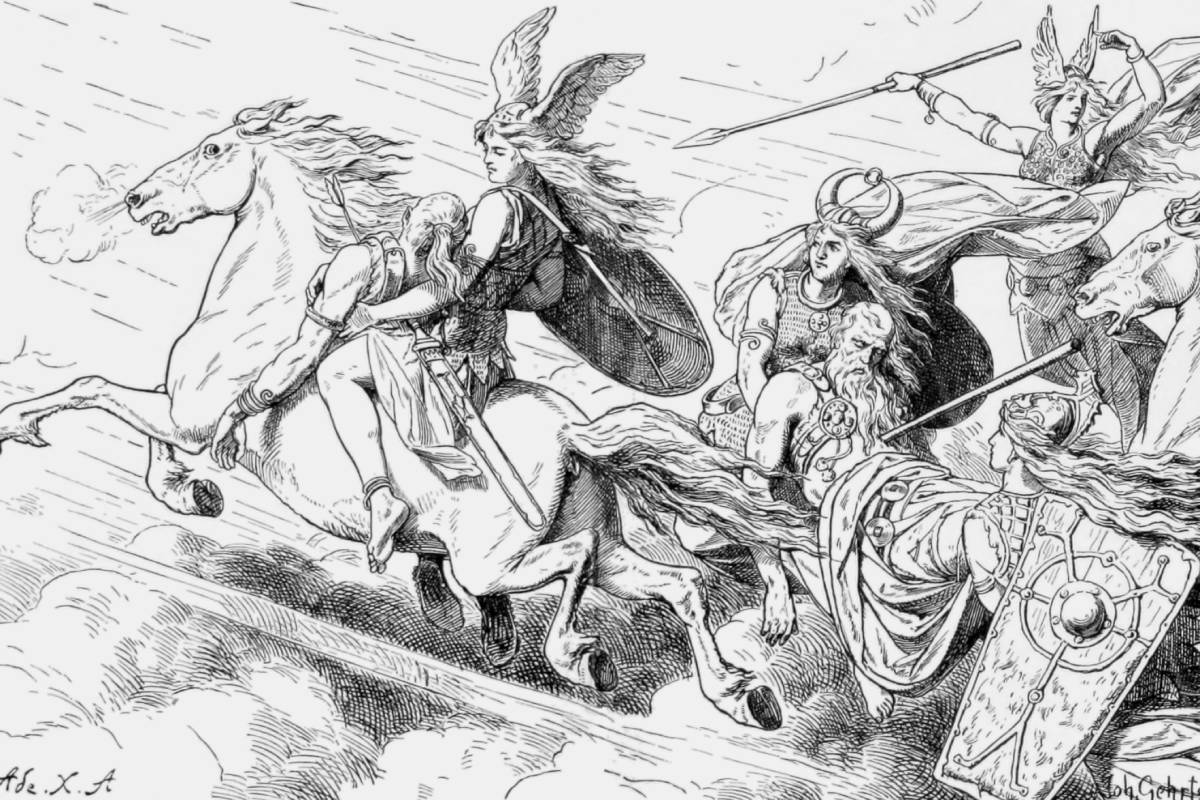
The presence of ravens after battles, scavenging fallen warriors, connected them to the Valkyries, the divine maidens of Norse mythology. Source: Piotr Krzeslak / Shutterstock
Association with death, glory, and honor
Ravens were also linked to the events following a battle and played an important role in the Norse afterlife.
Much has been made of the famous Valkyries, divine maidens who swooped down to whisk the bravest fallen warriors away to an eternal feast in Valhalla with Odin.
The presence of ravens after a battle, scavenging on the bodies of the fallen, connected them to the mythical Valkyries. Like Odin, ravens were seen as companions of the Valkyries, acting as the animal presence of these mythical maidens.
They helped link the tragic event of death on a battlefield to notions of eternal life, glory, and honor, which were intrinsic and important cultural traits of Viking societies with such a highly martial culture.
Indeed, the sighting of ravens may have spurred on Viking warriors with the belief that, should they fall in battle, a Valkyrie was surely nearby to spirit them away in the afterlife.
This association with death and the afterlife made ravens a powerful metaphor in the rich tapestry of Norse literature, especially in skaldic poems.
More than mere animals or scavengers of the air, ravens were an important part of Norse mythology.
Two of the most memorable were, of course, Odin's seekers of knowledge, Huginn and Muninn.
More broadly, their association with warfare, death, and eternal life saw ravens become revered, worshipped, and even heralded in Norse literature and skaldic poetry.
Their role as a symbol of Odin and this association with the divine made them an important animal in both Norse literature and popular imagination throughout much of the Viking Age.
For more information on Viking societies' complex relationship with animals, visit Science Norway here.
We get to provide readers with original coverage thanks to our loyal supporters. Do you enjoy our work? You can become a PATRON here or via our Patreon page. You'll get access to exclusive content and early access.
Feel free to reach out to discuss potential stories that may be in the public interest. You can reach us via email at hello@thevikingherald.com with the understanding that the information you provide might be used in our reporting and stories.