

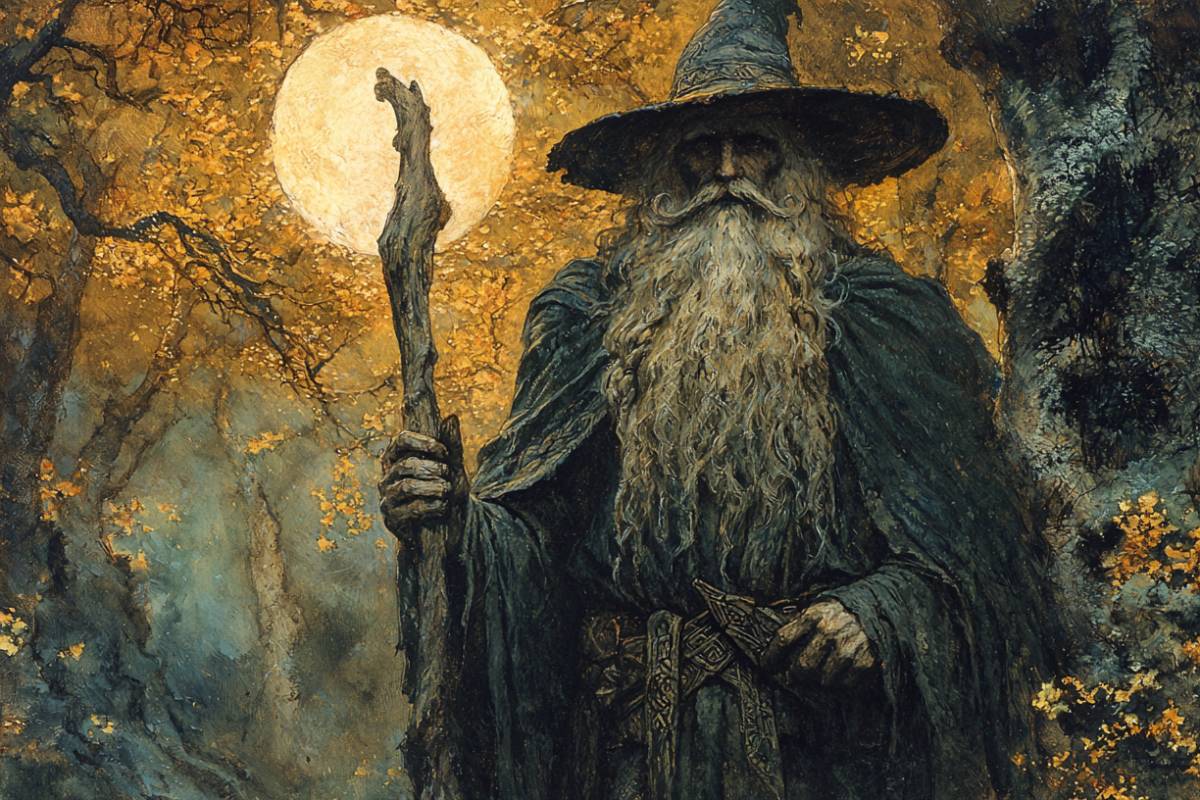
In this era of Instagram influencers and countless self-help books, we don't often think that previous generations (you know, those who didn't have TikTok) can offer much wisdom or guidance.
How can people who can't remember their email passwords or who always have their thumb in the way when taking a photo offer us anything?
Imagine, then, the shock and horror this author felt upon coming across a millennium-old poem that sprouts sage advice and life guidance and offers timely musings on how best to act.
Not for the first time when studying people in Viking societies, the current author has had to eat proverbial humble pie.
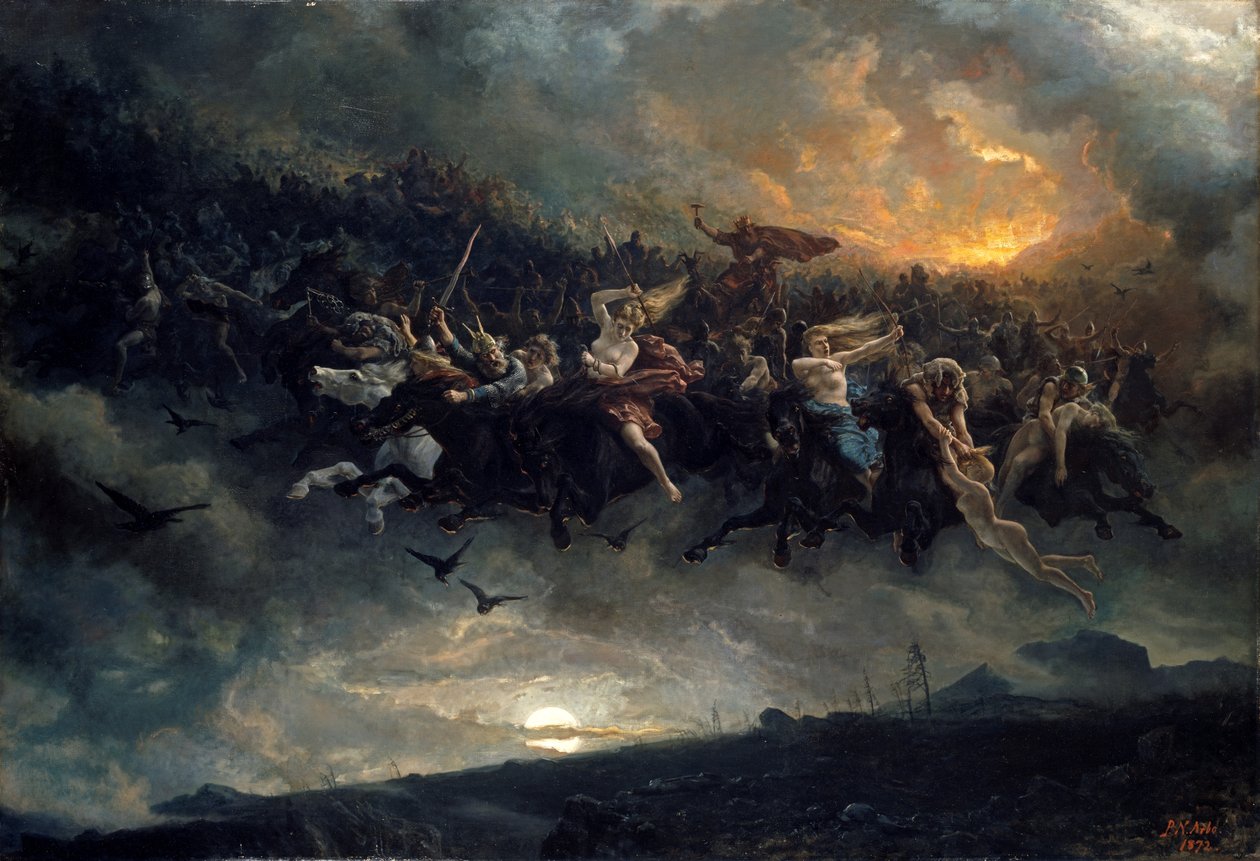
The poem we are talking about is the Hávamál, sometimes translated into English as "Words of Hávi" or "The Sayings of Hávi." The name Hávi is one of Odin's many epithets and means "the High One."
The poem is found in the Codex Regius, a 13th-century manuscript that is one of the most important surviving sources of Old Norse poetry. It contains a collection of poems that modern scholars refer to as the Poetic Edda.
This is not only one of the most important sources of medieval poetry but also crucial to our understanding of the sophisticated cultural (don't say softer) side of Viking life beyond the raiding, pillaging, and plundering.
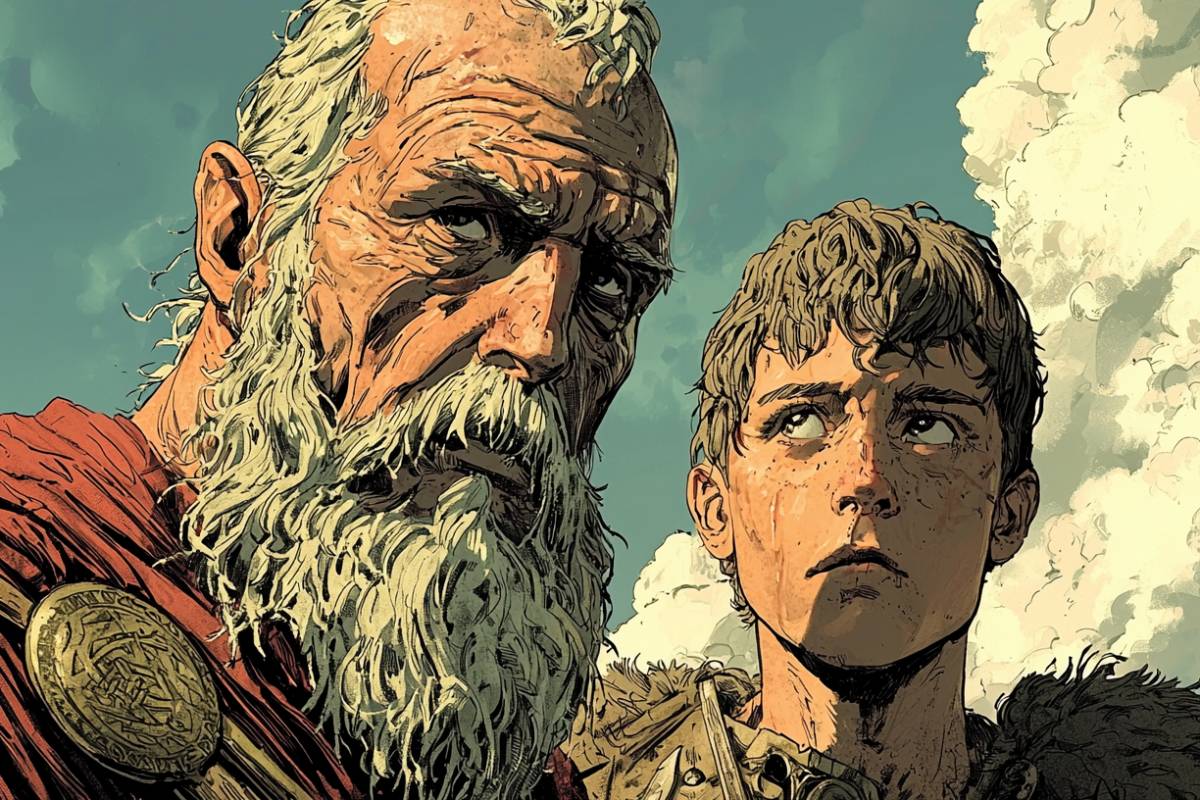
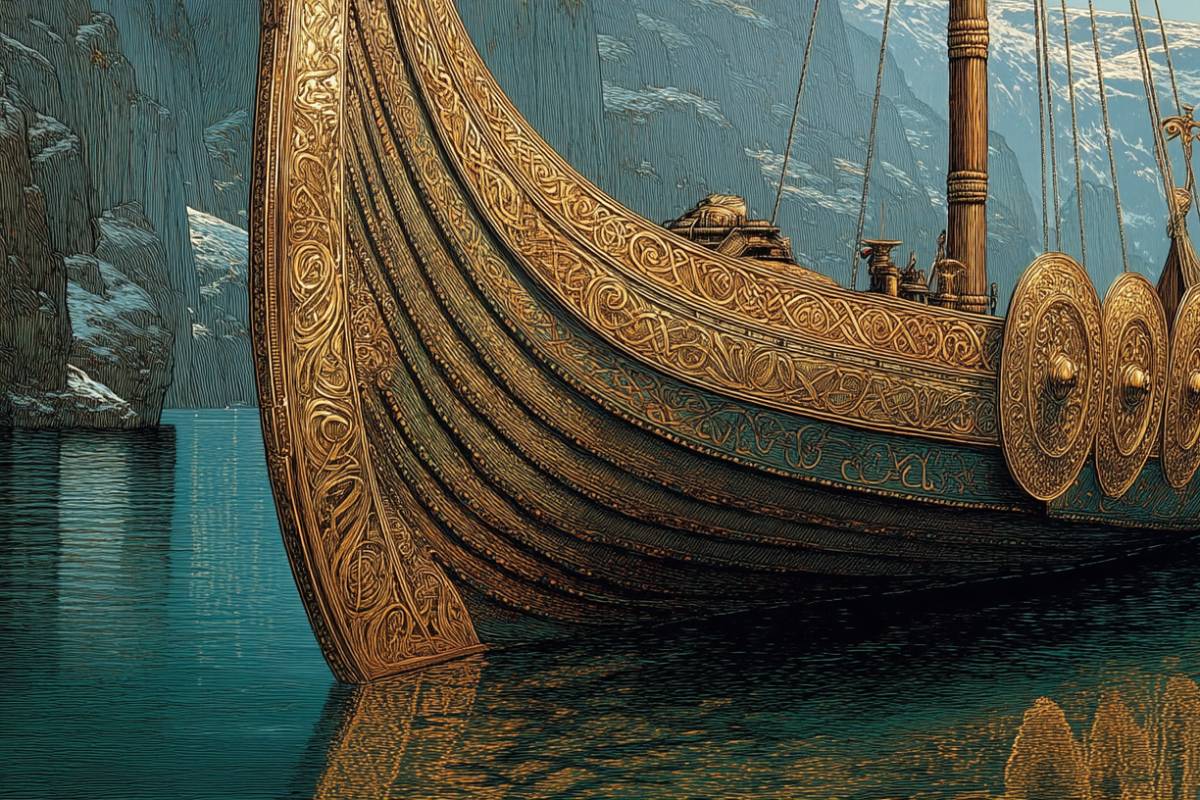
The first section of the Hávamál, known as The Guest’s Section, focuses on wisdom, hospitality, and practical advice for life in Viking societies. Source: The Viking Herald
How best to divide a poem?
There is some academic debate on exactly how best to group the Hávamál, which is essentially a collection of poems within a collection of poems.
Depending on which edition of the Poetic Edda you are reading, the Hávamál consists of between 163 and 165 stanzas.
As discussed in Edward Pettit's book, The Poetic Edda: A Dual-Language Edition, there is some debate about how best to divide and group the Hávamál.
Pettit tends to concur with another academic, John McKinnell, who divides the Hávamál into four sections. Pettit writes that McKinnell identifies these four originals as follows:
A. The Gnomic Poem (roughly stanzas 1–79)
B. The Poem of Sexual Intrigue (stanzas 84; 91–110)
C. Loddfáfnismál (stanzas 111, lines 4–8 and 11; 112–136)
D. An anthology comprising part of Rúnatal and most of Ljóðatal (stanzas 138–141; 146–161; 162, lines 1–3; 163)... (p. 74)
Using McKinnell's grouping, we can see that Part A deals with proverbs and wisdom from the mouth of Odin himself.
Part B is a discussion of the faithfulness of women, framed as a love story between Odin and a woman.
Part C consists of more proverbs and wisdom, sometimes called the Loddfáfnismál.
Part D includes two parts: the story of how Odin obtained the magical runes and their wisdom (Rúnatal) and a collection of charms and spells (Ljóðatal).
We do not know exactly when all these sections were written – or by whom (they were said to be the very words of Odin himself!).
However, as Pettit says, academics give a broad range of dates during the Viking Age when this may have been written, "ranging from the essentially early (tenth century or before)... to the essentially late (twelfth or thirteenth century)..." (p. 75).
There is no doubt that there is more than a smattering of Christian symbolism and motifs throughout the poems (more on that later), so we can assume that this was perhaps a work compiled from oral stories and legends throughout these two date ranges.
It is likely that many of these proverbs and much of the wisdom were oral traditions that stretched even further back to earlier Germanic societies.
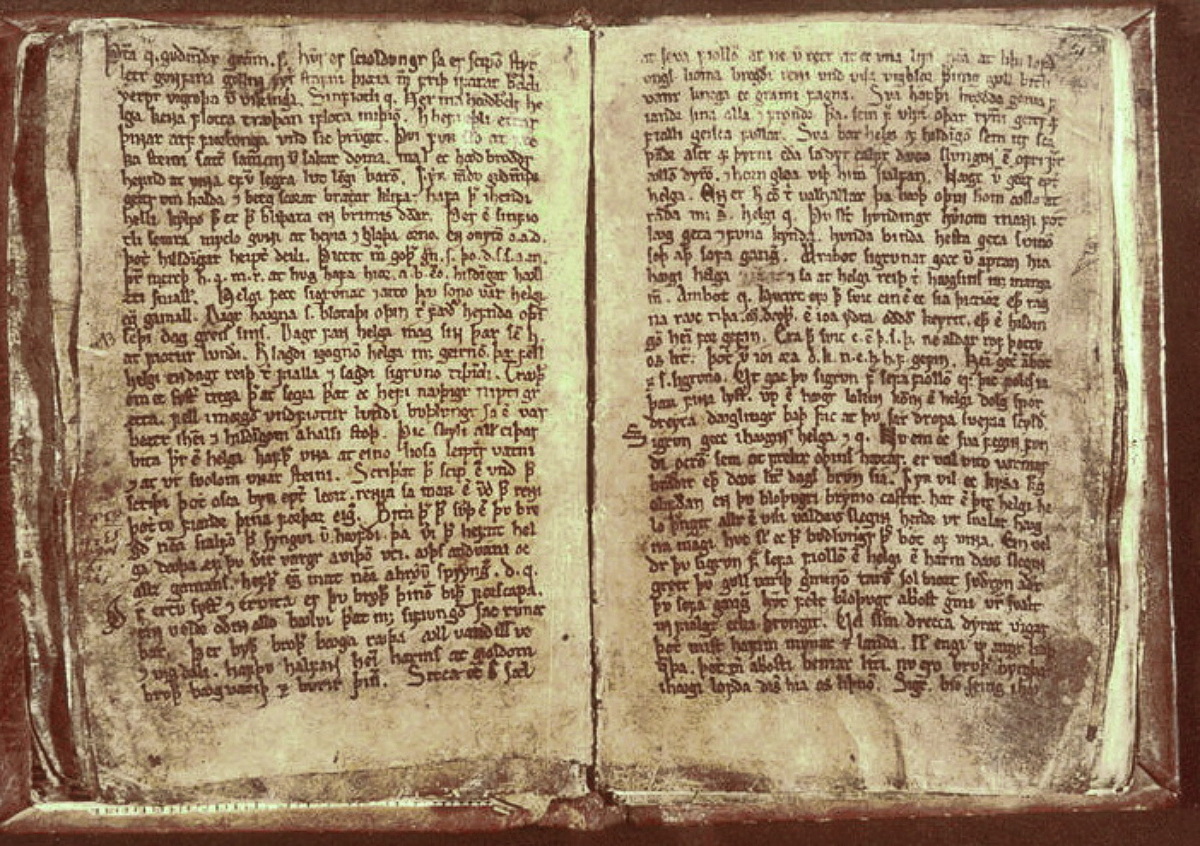
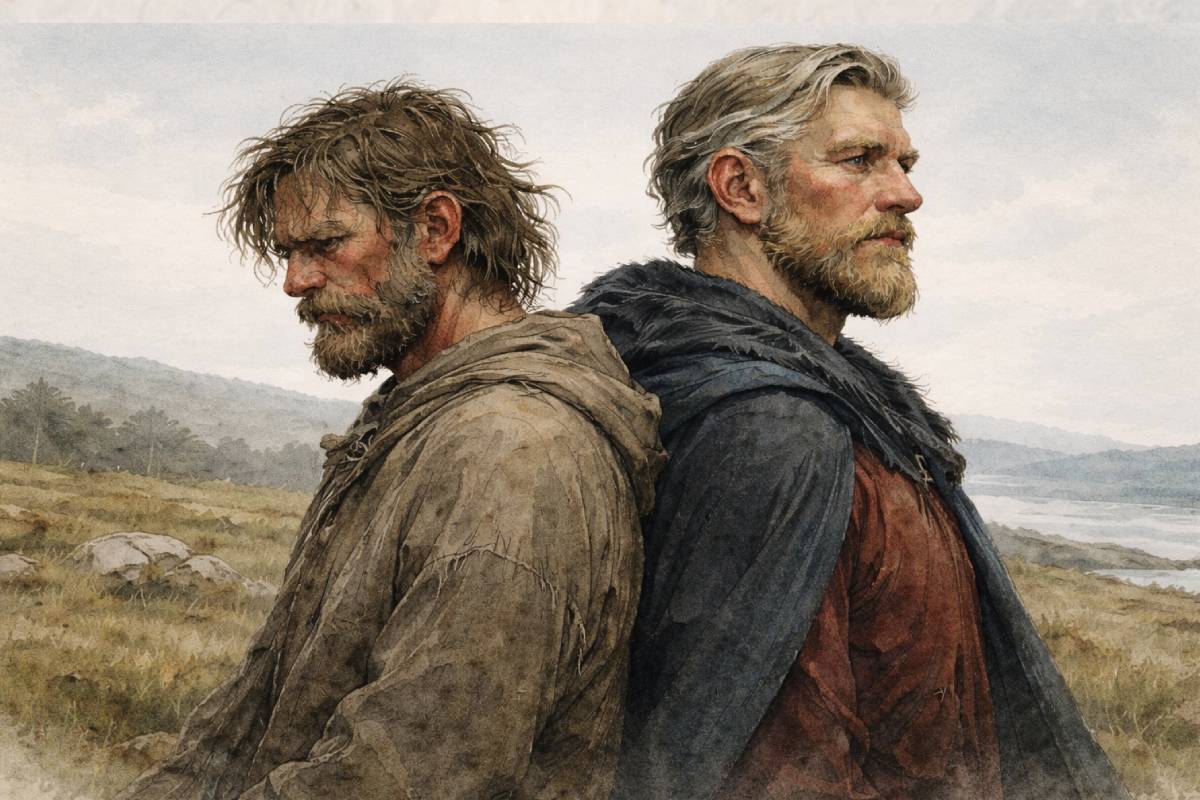
The Codex Regius, a 13th-century Icelandic manuscript, is the primary source for the Hávamál and other poems of the Poetic Edda. Source: Public domain
What sage advice does Odin offer up?
The Hávamál is unique in that it is considered by modern academics and historians as one of the most important pieces reflecting the philosophical and moral outlook of people from Viking societies.
Whilst the small warrior minority often gets all the historical headlines, Viking societies were complex and sophisticated, with unique spiritual and moral beliefs.
It is in this first section – sometimes translated into English as "The Guest's Section" (Gestatháttr) – that we find some of the most memorable pieces of philosophical and practical Viking-era advice and wisdom.
The wisdom offered up, which is, according to tradition, from the very lips of Odin himself, has, according to Pettit, an "emphasis on pragmatic self-interest, wariness, and moderation in everyday human affairs" and can also be seen as "a guide to survival in the Viking Age world" (p. 76).
This section contains a combination of both social protocols and general wisdom. For example, Stanza 3 states:
Fire is required for the one who has come in
and is chilled at the knee;
food and clothes are required for the man
who has travelled over mountains.
(Hávamál, stanza 3, translated by Edward Pettit)
Stanza 10 recounts:
Happy is he who himself possesses
acclaim and intelligence while he lives;
for a man has often had bad advice
from another's breast.
(Hávamál, stanza 10, translated by Edward Pettit)
What the current author finds most interesting about this section is how much of the wisdom is framed through Viking rules on hospitality and social protocol.
Given that part of this hospitality was the Viking love of feasting – and sometimes overindulging – Odin has a stark reminder for us all when celebrating:
One doesn't bear a better burden on the road
than great common sense;
one can't carry worse provisions through the country
than overindulgence in ale.
(Hávamál, stanza 11, translated by Edward Pettit)
He also offers advice on how best to drink mead (and alcohol in general):
One mustn't grab the bowl, but drink mead in moderation;
let one say something useful or be silent;
nobody will blame you for such bad manners,
if you go to bed early.
(Hávamál, stanza 19, translated by Edward Pettit)
However, aside from drinking, feasting, and hospitality, there is also some sage advice for the political elite of the Viking world found in these stanzas.
Stanza 15, for example, offers this wisdom to the scion of a Viking ruler, chieftain, or (later during the Viking Age) monarch:
A ruler's child must be reserved and thoughtful
and brave in battle;
every man must be merry and cheerful
until he meets his death.
(Hávamál, stanza 15, translated by Edward Pettit)
Whilst for those doing the dirty work – the brawling, battling, and fighting of the said ruler – Odin warns:
A foolish man thinks he will live forever,
if he bewares of battle;
but old age will give him no peace,
even if spears give it to him.
(Hávamál, stanza 16, translated by Edward Pettit)
And when having survived a Viking raid or battle, the warrior returns to live peacefully and tend to his farm, Odin reminds him:
One mustn't step a foot from one's weapons in the field;
for, out on the roads, a man never knows for certain
when he'll have need of his spear.
(Hávamál, stanza 38, translated by Edward Pettit)
This is a stark reminder of the violence and political insecurity that were key features of early medieval life but were certainly not unique to Viking societies.
Almost the whole gamut of human experience is mentioned in this section.
It is refreshing to see that even people from Viking societies, who lived over a millennium ago and had a vastly different worldview from us moderns, also struggled with the anticlimax of having at least one stingy person in their friendship group.
As Stanza 48 points out:
Generous, brave men live best,
they seldom nurse sorrow;
but a foolish man fears everything,
a niggard is always nervous about gifts.
(Hávamál, stanza 48, translated by Edward Pettit)
Let us leave this section with one of the most famous proverbs that have journeyed down the centuries from the Viking era. Stanza 76 states:
Cattle die, kinsmen die,
one dies oneself the same;
but reputation never dies
for whoever gets himself a good one.
(Hávamál, stanza 76, translated by Edward Pettit)
Despite our modern sensibilities, which do not place as high a value on one's reputation (or do they?), this stanza represents one of the most powerful and timeless pieces of advice offered up from the early medieval period, centuries ago.
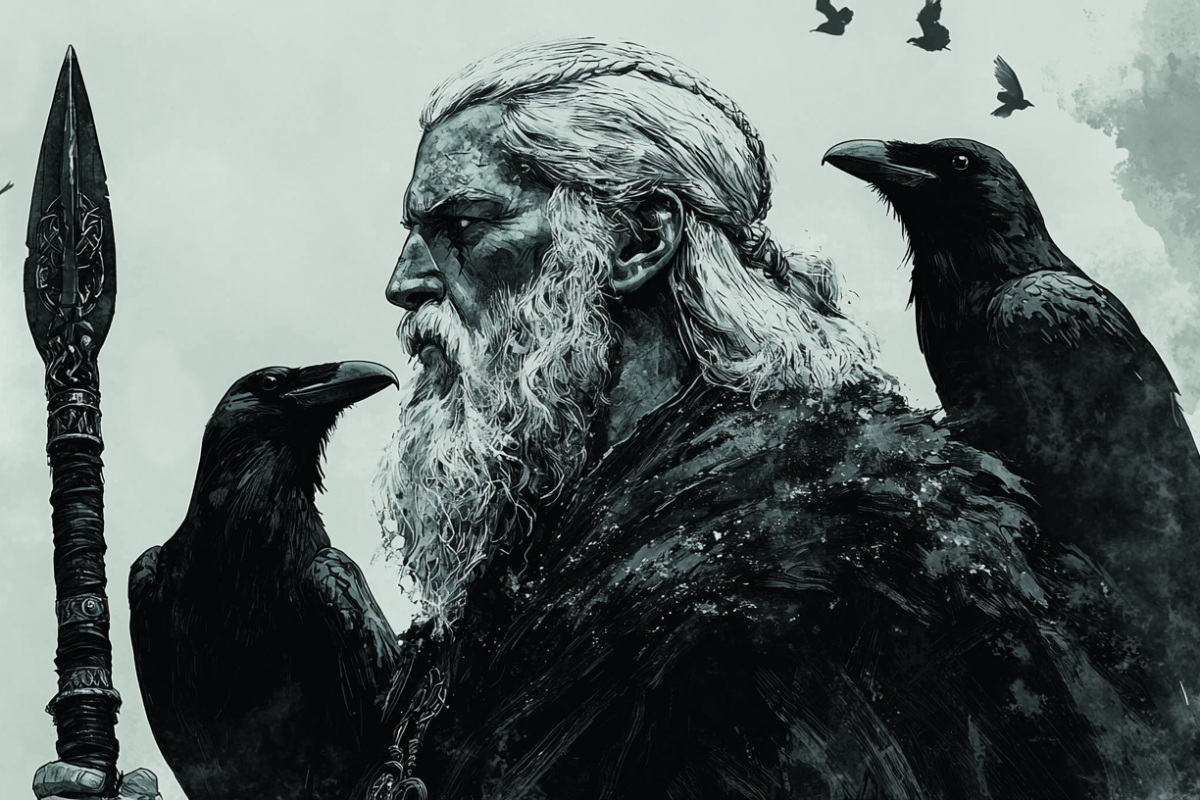
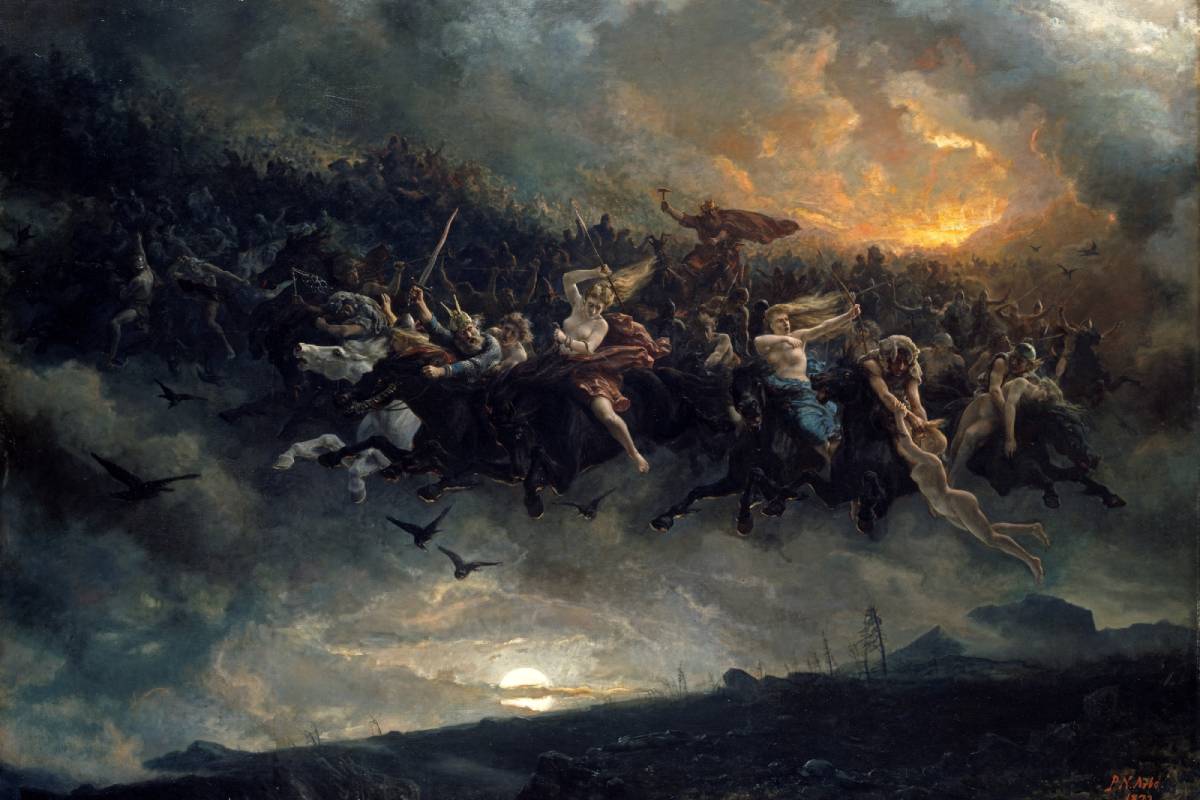
Beyond its philosophical core, the Hávamál includes sections on love, wisdom, rune magic, and Odin's self-sacrifice. Source: The Viking Herald
What about the other sections?
Whilst this first section of the Hávamál is the most philosophical, and thus the most famous, the other sections are worth browsing through too.
Despite the second section (The Poems of Sexual Intrigue) being – by our standards – heavily imbued with misogyny and sexism, there are some general musings on how best to win a partner (if you can put aside the misogyny and sexism).
For example, the best way to win over a partner is through flattery, right? As Stanza 92 states:
He must speak sweetly and offer wealth,
the one who wants to win a woman's love,
praise the radiant girl's body,
he who woos wins.
(Hávamál, stanza 92, translated by Edward Pettit)
Simply swap "he" in this poem and insert the name of your beloved – or would-be beloved – and start dripping sweet honey into their ear. I bet you didn't expect to be getting some love advice from the Viking era when you started reading this article!
The other sections are more narrative in nature and give color and life to the origin of runes, their magical properties (including staves), and later Odin's acquisition of them and their magic.
There is also the somewhat surreal story of Odin sacrificing himself to himself, as Stanzas 138 to 139 state:
I know that I hung on a windy tree
for all of nine nights,
wounded by a spear and given to Óðinn,
myself to myself,
on that tree of which no one knows
the kind of roots it runs from.
They blessed me with neither bread nor horn,
I peered down, I took up runes,
screaming I took them; I fell back from there.
(Hávamál, stanzas 138–139, translated by Edward Pettit)
Much has been made of the image of Odin sacrificing himself for a greater good, complete with a spear wound that sounds strikingly like the crucifixion of Jesus Christ as described in the New Testament of the Bible.
Even given the broad range of when the Hávamál was first transcribed, Christianity was a well-known religion, and its proliferation and influence only spread as the Viking Age progressed.
Academics have pointed out the Christian symbolism and imagery inherent throughout much of the Hávamál.
As Carolyne Larring writes in her 1993 article in the Journal of the Viking Society for Northern Research, the Hávamál could indeed have "absorbed newly imported Continental material... including Christian motifs and symbolism."
This is consistent with what we know about the spread of Christianity in the Viking world as – for much of the early medieval period – Christianity had to play second fiddle to the Old Norse ways and beliefs.
When it did gain a foothold, it often saw its message diluted with a synthesis with the Old Norse religion.
For those wanting to peer into the minds and souls of people from Viking societies, to try to understand them a little better from the distance of a millennium, be sure to read the Hávamál.
Aside from being a fascinating slice of Viking-era philosophy and insight, it is entertaining, full of colorful imagery, and helpful advice. Not bad for an Old Norse poem written in the medieval period!
For more information on Odin and other Norse deities, visit The Guardian here.
We get to provide readers with original coverage thanks to our loyal supporters. Do you enjoy our work? You can become a PATRON here or via our Patreon page. You'll get access to exclusive content and early access.
Feel free to reach out to discuss potential stories that may be in the public interest. You can reach us via email at hello@thevikingherald.com with the understanding that the information you provide might be used in our reporting and stories.