

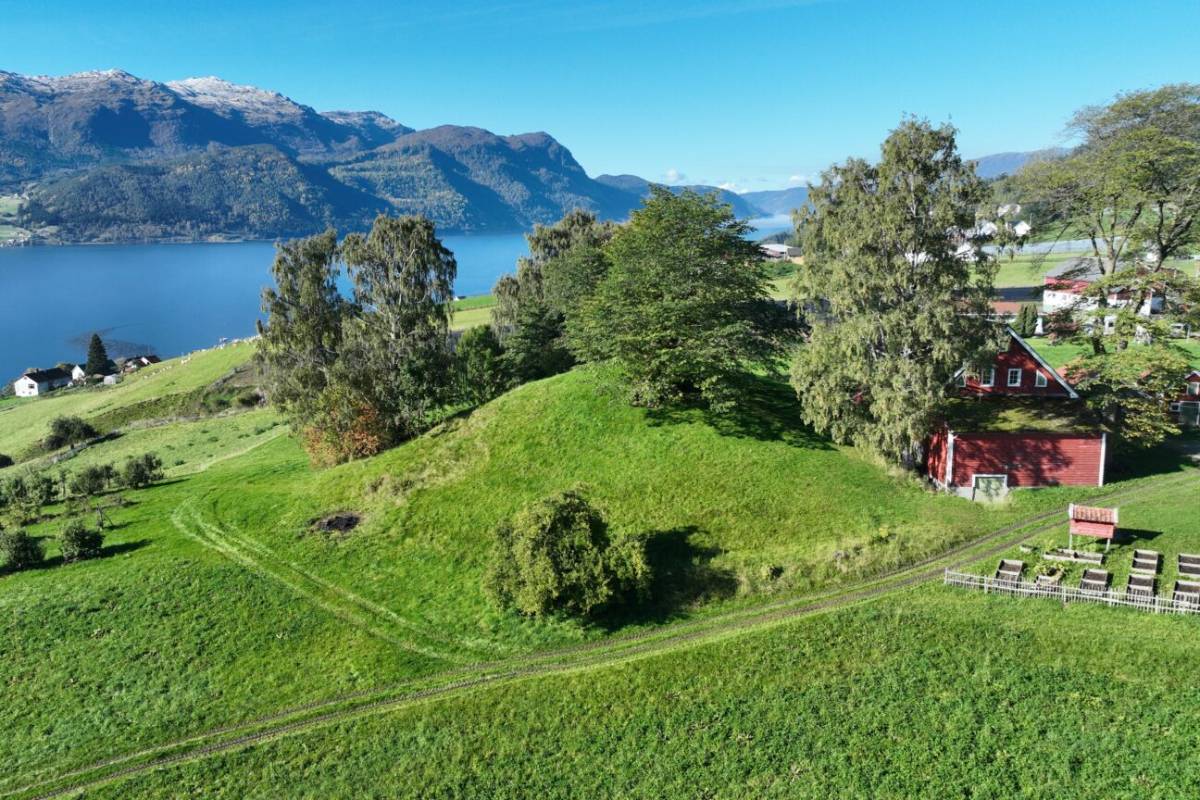
The burial ground at Karnilshaugen in Vestland County has been confirmed as the largest in Western Norway and one of the biggest in Scandinavia.
The analysis was carried out with the help of groundbreaking radar that demonstrated the mound is a manmade structure.
However, the project leaders have also stated that there are no plans to excavate the site in the foreseeable future.
Long-awaited proof
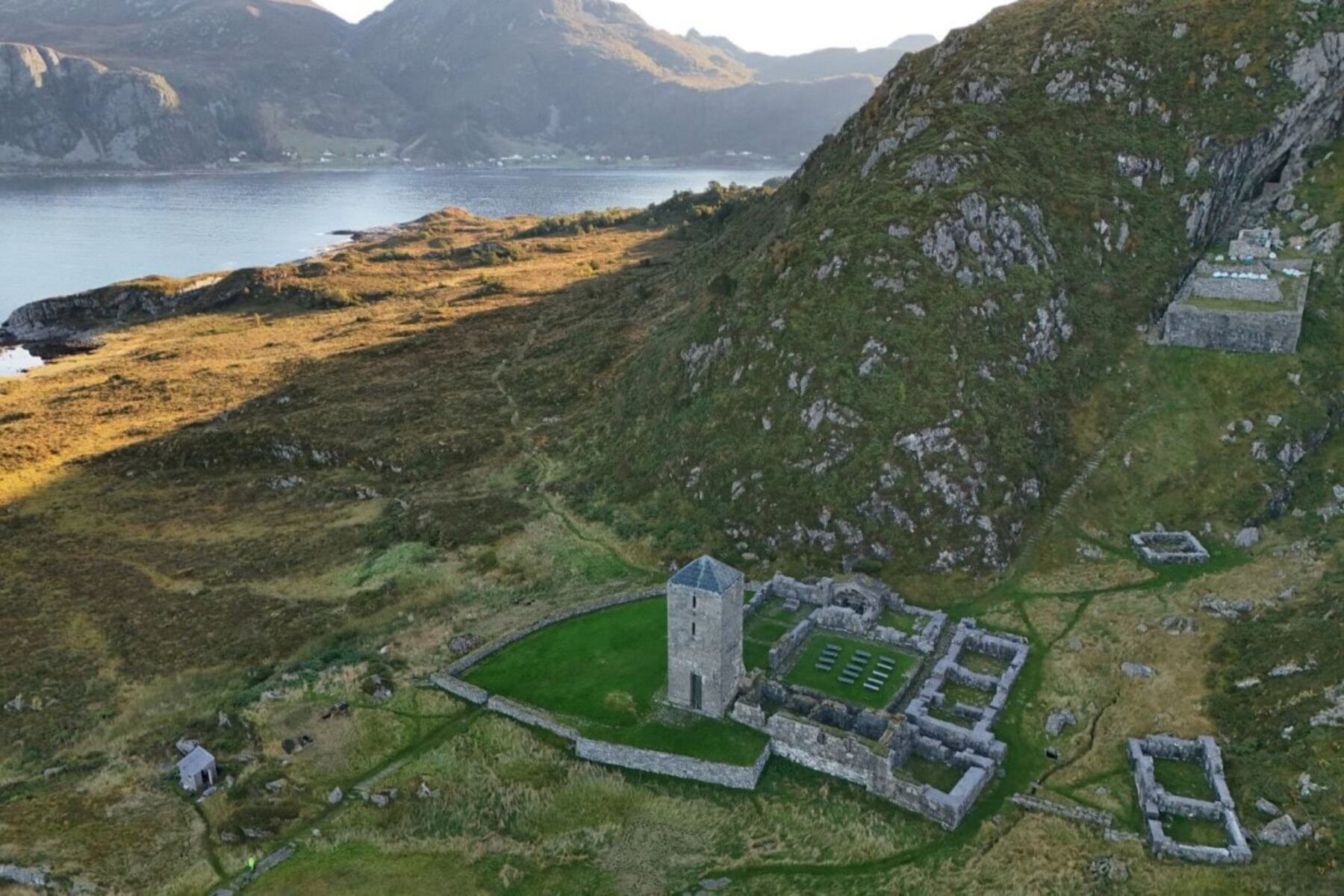
Karnilshaugen is a prominent piece of elevated ground located on a scenic hillside in the municipality of Gloppen in Vestland, Western Norway.
The investigation is linked to work carried out at the nearby site of the Myklebust Viking ship grave.
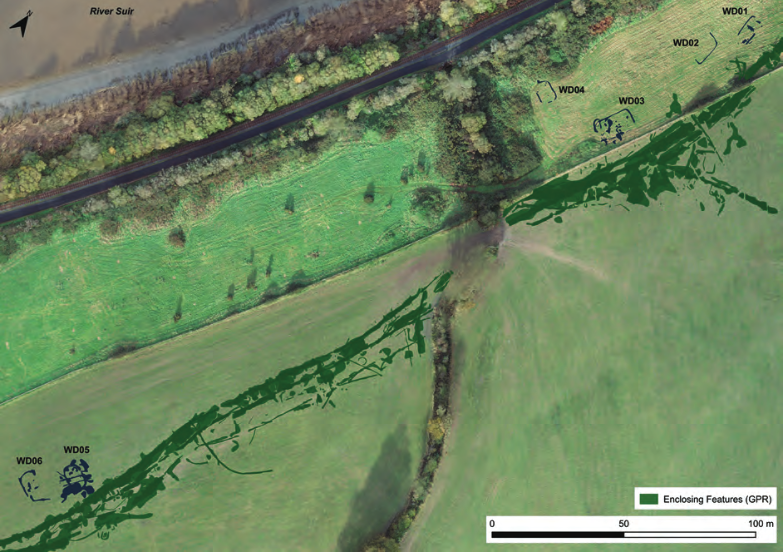
Last year, georadar was used to conduct further analysis at the Myklebust burial mound, where the largest Viking ship ever found in Norway was unearthed in 1874.
Located just a short drive away, the Karnilshaugen mound has been a prominent landmark for many centuries.
Though archeologists had long suspected it was a burial mound, it was previously impossible to confirm this without causing permanent damage.
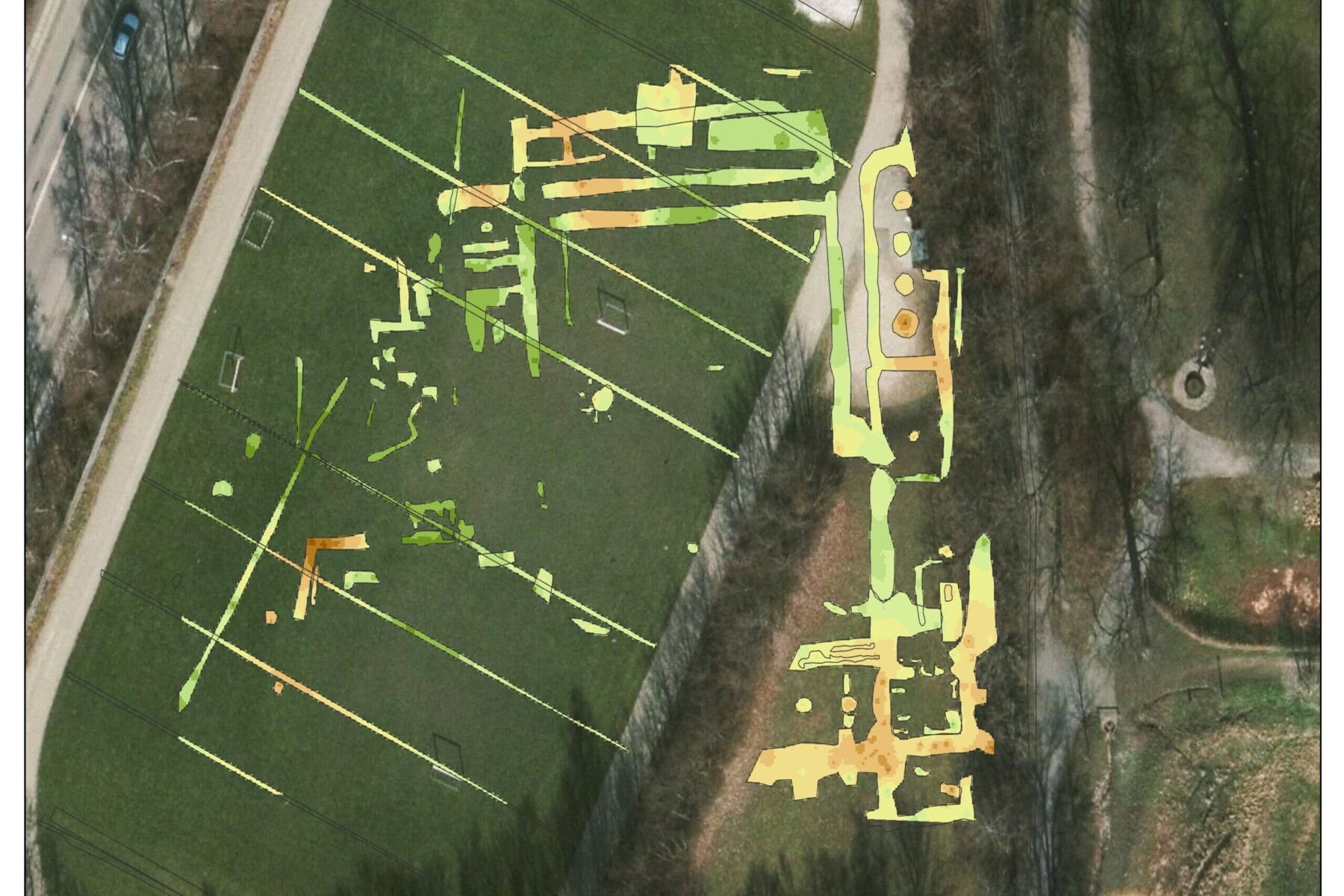
Now, georadar images have clearly demonstrated that the soil layers in the mound are manmade and not deposited naturally.
"Karnilshaugen has been referred to as a burial mound for many years and is already a protected cultural monument by the Norwegian Ministry of Cultural Heritage," commented Christian Løchsen Rødsrud, senior advisor and archeologist at the ministry, in a press release.
"It has been assumed that it is manmade, but we have not been able to say for sure. Now we can – it is very exciting."
- READ MORE: A Viking history of Norway (Part 1)
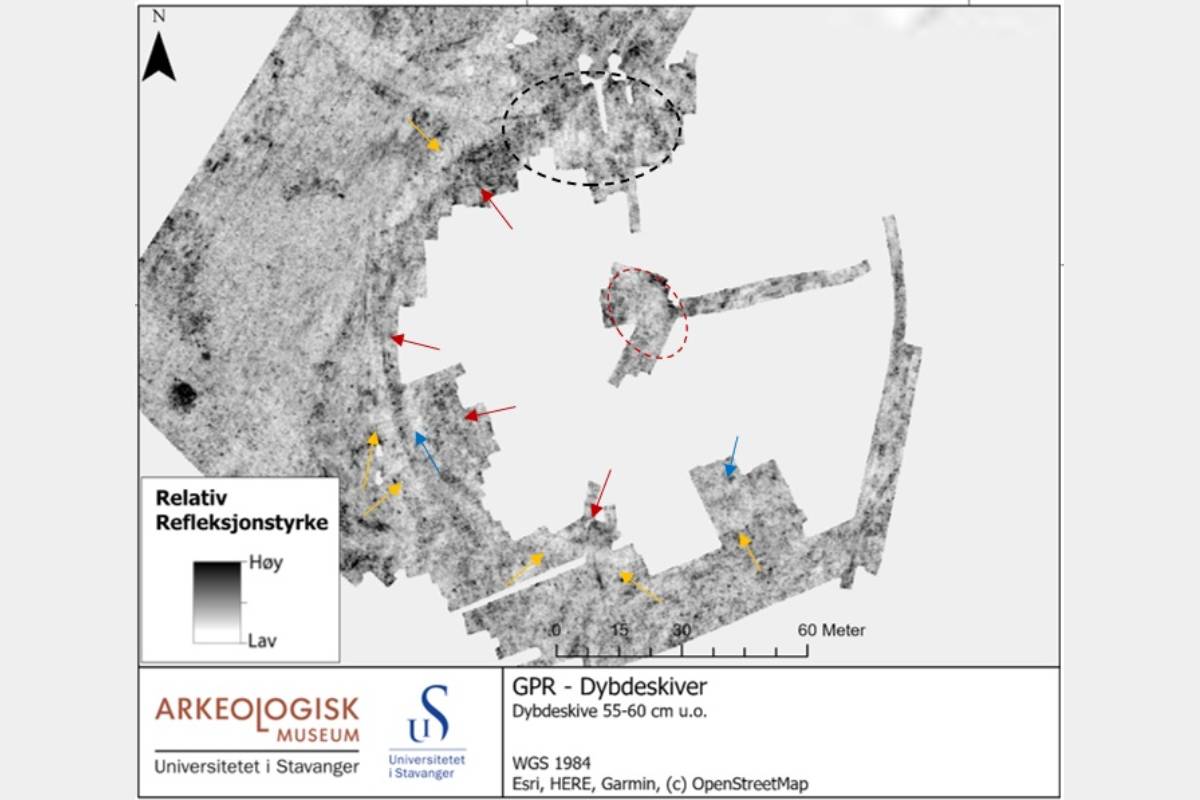
Ground-penetrating radar revealed a 7-meter-high, 50-meter-wide manmade mound likely built for an Iron Age chieftain. Source: University of Stavanger
A symbol of local power
Ground-penetrating radar is a relatively new technique that uses radar pulses to produce images below the surface of the ground.
As a non-invasive method, it is particularly useful when archeologists wish to investigate a site without harming the landscape.
Here, the analysis has revealed an artificial mound with a height of over 7 meters and a diameter of more than 50 meters.
The team believes the mound would have been even larger when it was first built.
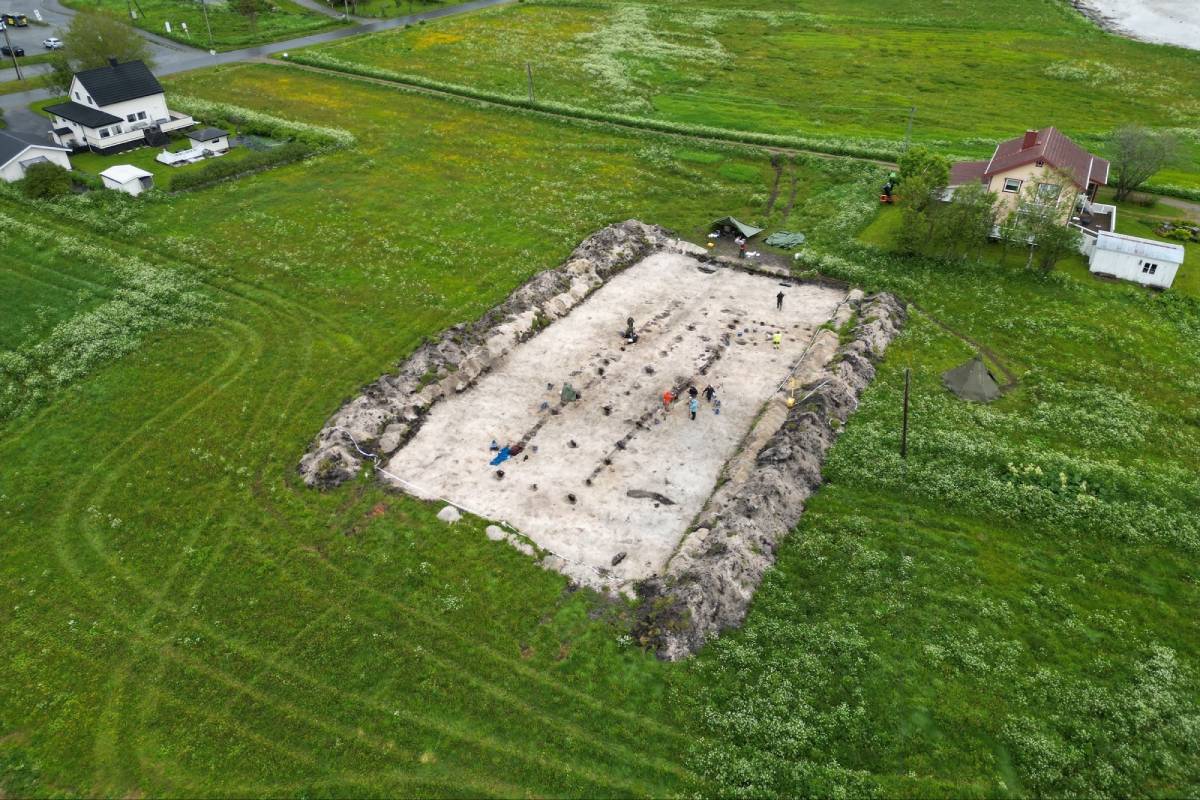
Burial mounds are a relatively common phenomenon throughout Scandinavia. They were usually constructed to serve as a burial site for a prominent chieftain or leader.
Although only a fraction of these mounds have been excavated, they have yielded some of the most exciting and illuminating artifacts of the Viking Age.
Most famously, at Oseberg and Gokstad, the mounds revealed a full Viking ship and a host of remarkable grave goods.
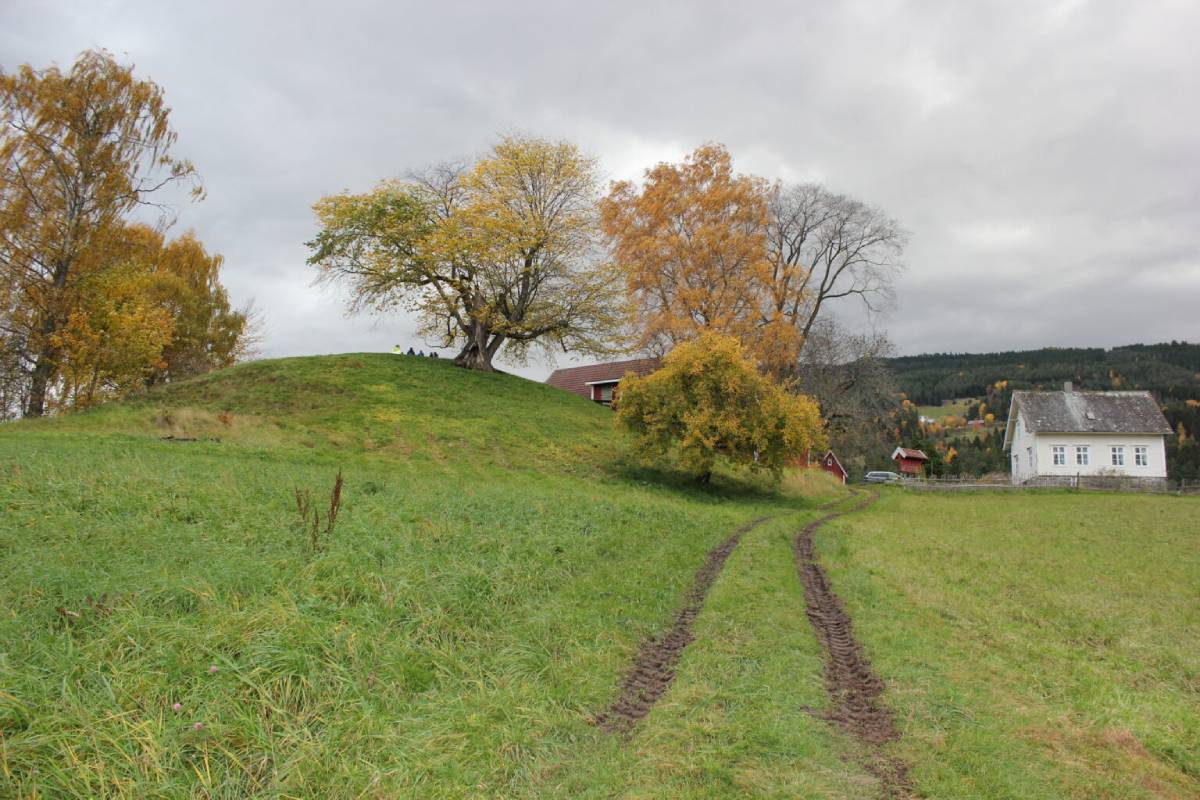
Archeologists suggest the mound may have been used as an assembly site and aligned with the winter and summer solstices. Source: Jan Magnus Weiberg-Aurdal / Riksantikvaren
Mysteries unresolved
The Karnilshaugen burial has been dated to the Iron Age, though it is thought the site may have retained some importance well into the Viking Age.
A second name for the mound, Thinghaugen, suggests it could have been used as a place of assembly.
The archeologists also believe the unique location of the mound in relation to the mountain and the position of the sun could indicate a possible link to the winter and summer solstices.
Naturally, there is an excellent chance that an excavation of the Karnilshaugen could reveal some fascinating Iron Age finds.
The team has revealed that this particular mound will remain closed, as they follow the principle in archeology, which states that burial sites should not be disturbed unless they are at serious risk of deterioration.
However, the team is planning to return to the site in the future to conduct further investigations using ground-penetrating radar technology.
We get to provide readers with original coverage thanks to our loyal supporters. Do you enjoy our work? You can become a PATRON here or via our Patreon page. You'll get access to exclusive content and early access.
Feel free to reach out to discuss potential stories that may be in the public interest. You can reach us via email at hello@thevikingherald.com with the understanding that the information you provide might be used in our reporting and stories.