

A new investigation in Ireland could be set to unearth the largest Viking Age longhouse in Ireland. The excavation is currently underway at a site known as Woodstown in southern Ireland. Although the presence of a longhouse has not yet been confirmed, ground-penetrating radar has already revealed it to be a highly promising location.
A likely site
The suspected Viking site of Woodstown is located by the River Suir, just a few miles down the road from Waterford, which was founded by the Norse in 914 CE and is said to be Ireland’s oldest city. Woodstown was discovered in 2003, and previous small-scale excavations have revealed a Viking Age sword and other similar artifacts.
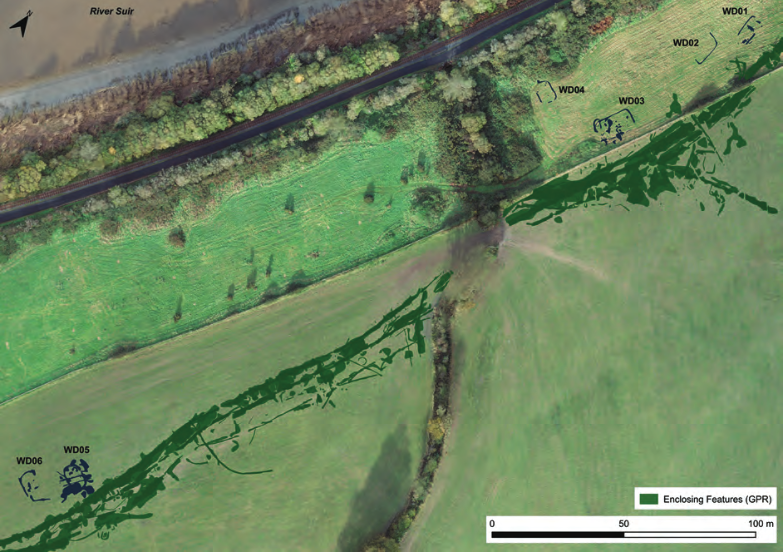
As reported by Science Norway, a team of archeologists are now going back to the site to explore it in greater detail. In part, the decision to return comes after investigations with ground-penetrating radar revealed that the true extent of the settlement could be much larger than previously thought.
The findings of this survey are outlined in the 2025 paper A Viking settlement on the Suir – reappraising the story of Woodstown through geophysical survey, published in the Journal of Irish Archeology. There, an international group of archeologists stated that more than 60 structures had been identified, including pit houses, fences, embankments and what could be the largest longhouse in Ireland.
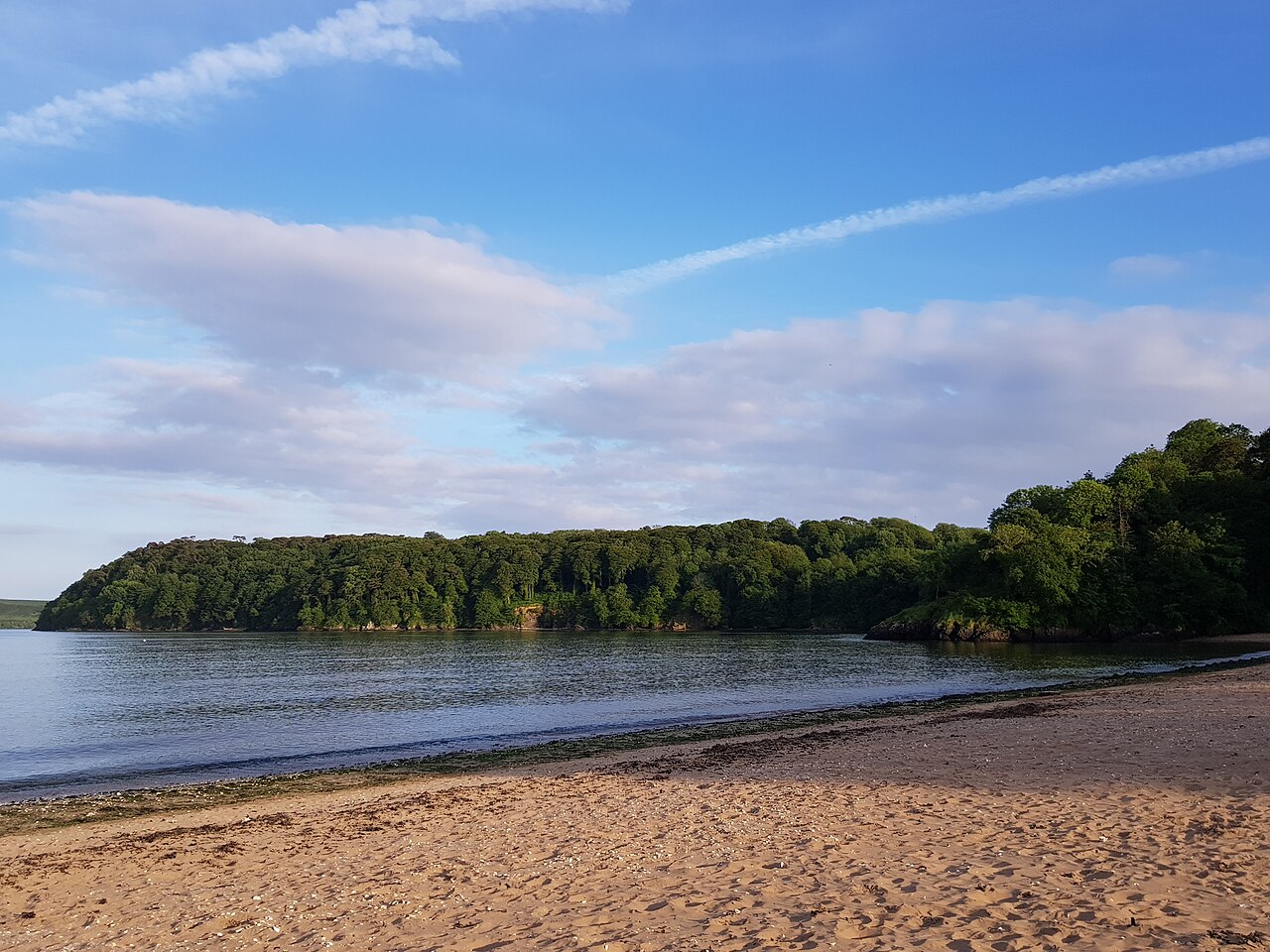
Woodstown Beach, County Waterford, along the Suir estuary, close to where the suspected settlement was found. Source: TF30 - Own work, CC BY-SA 4.0. https://commons.wikimedia.org/w/index.php?curid=110591345
The lost Viking settlement
Many Norse people travelled to Ireland in the 10th-12th centuries. Although some eventually returned home, many others stayed and settled in the local area. In addition to nearby Waterford, the cities of Dublin, Wexford, Cork, and Limerick are all thought to have been founded by the Vikings.
Now, it is hoped the Woodstown digs will reveal another notable Viking Age settlement – even if the site never grew into a major town like Waterford or Dublin. Whiler there are other interesting elements, the possibility of finding the longhouse is certainly the most tantalizing.
"If this site also contains the largest Viking longhouse known in Ireland, it would underline just how significant the settlement may have been and how much effort was invested into it," Håkon Reiersen of the University of Stavanger commented to Science Norway.
The research team, which is made up of experts in the Viking Age from both Norway and Ireland and has received funding from the Royal Irish Academy, will search for post-holes, hearths and artifacts that could demonstrate that the structure was indeed a longhouse. It is hoped the excavations will also unearth other signs of man-made construction that can conclusively demonstrate the significance and origin of the settlement.
You can read more about Woodstown on the official website, here: https://vikingwoodstown.ie
We get to provide readers with original coverage thanks to our loyal supporters. Do you enjoy our work? You can become a PATRON here or via our Patreon page. You'll get access to exclusive content and early access.
Feel free to reach out to discuss potential stories that may be in the public interest. You can reach us via email at hello@thevikingherald.com with the understanding that the information you provide might be used in our reporting and stories.