Anyone who has been lucky enough to jet off to the Emerald Isle will know how Waterford captures the Irish imagination like no other city. It was here that the first Irish flag, the famous orange, white and green tricolor, was flown for the very first time by local revolutionary Thomas Meagher back in 1848.
Here also, the eponymous crystal glass – formerly gracing the halls of the Anglo-Irish aristocracy and nowadays tech billionaires – has been masterfully crafted since the 18th century.
Yet nothing moves tourists here more than strolling around the medieval center of the town. For it was in Waterford, in 914 CE, that people from Norse societies established what has, in the centuries since, become Ireland's oldest continuously populated urban habitat.
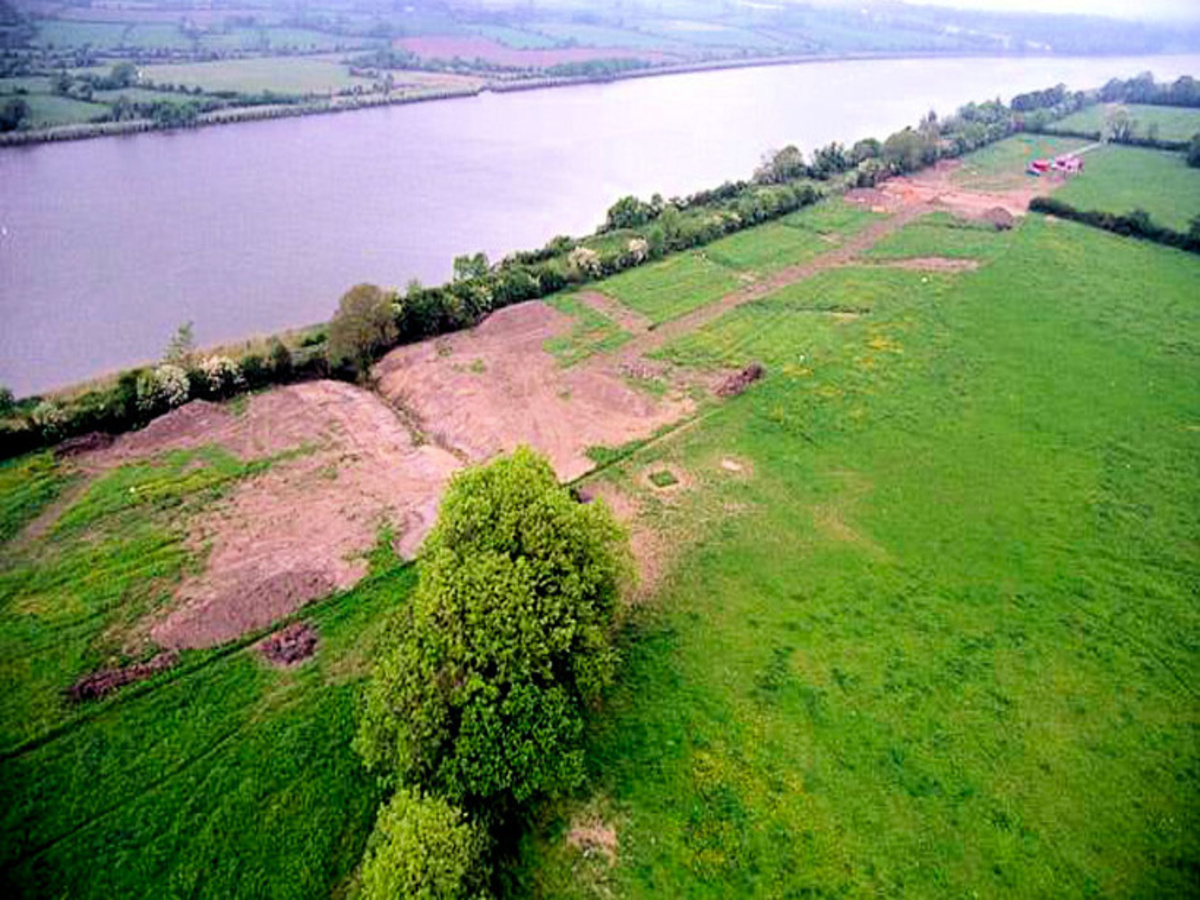
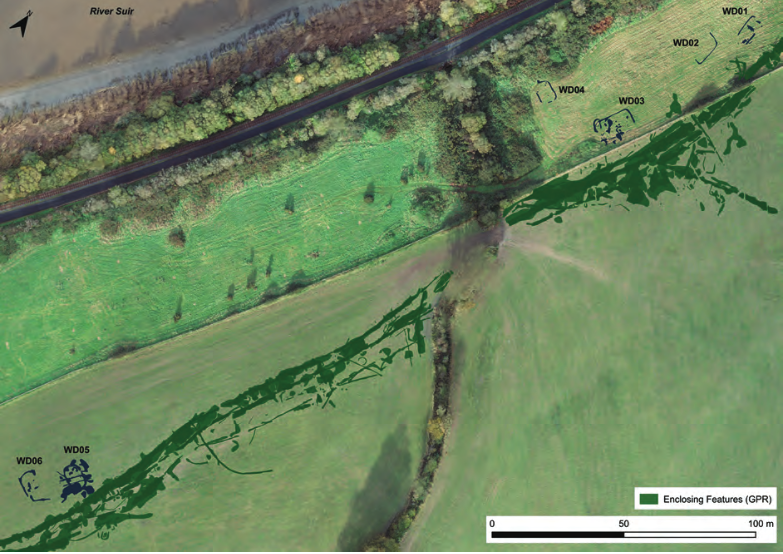
The Woodstown site, thought to be the original Longphort of Waterford. Source: The Department of Environment, Heritage and Local Government
Plundering Port Lairge
"A great fleet of Norwegians landed at Port Láirge, and they plundered northern Osraige and brought great spoils and many cows and livestock to their ships."
This rather ominous entry comes from what we now call the Fragmented Annals of Ireland. The annals chronicle some of the events on the island of Ireland that roughly span the early medieval period. This particular entry, for 914, is believed to be a rather laconic description of the founding of what would become Waterford.
The Viking history of Ireland remains – like the annals – largely fragmented. Nevertheless, we do also have some archaeological proof that seems to back up this date as the suspected foundation of Waterford.
Excavations over the past decade have been undertaken just outside the city of Waterford in a location named Woodstown. These investigations have uncovered the remains of a Viking settlement that has been dated to the mid-to-late 9th century CE. This ship fortress and trading settlement – a longphort – has also bequeathed a great wealth of artifacts including amber, silver and weapons.
The discovery of these artifacts speaks to the mercantile nous of people from Norse societies. Waterford, even at this early stage, was connected to the Viking trade networks that spanned the British Isles, Scandinavia, continental Europe and further east to what is now Russia and parts of Central Asia.
Burgeoning trade and settlement
The archaeological record shows that by the early 10th century, the Viking longphort seems to have been abandoned, and a new settlement sprung up a little further south and closer to the River Suir. Just like in other regions in Europe, the Vikings had initially come to Ireland as mere predatory raiders, yet soon began to make a home for themselves.
From the supposed establishment of Waterford onwards, the following decades saw a growing Viking presence on the eastern seaboard of the island of Ireland. Waterford soon proved to be a brilliant strategic location for a settlement as it sits at the confluence of two rivers, the Suir and the St. John's, has a great defensive position, and provides easy access to the Irish Sea.
By the turn of the 11th century, Waterford had seen decades of growth thanks to a busy mercantile trade. Viking traders capitalized on the newly won territory of their warrior brethren by providing slaves to markets throughout Europe.
A large percentage of these poor souls, often defeated warriors or captured villagers, ended up in Norse settlements as far away as Iceland. Their genetic presence is still felt in populations in the Land of Fire and Ice today.
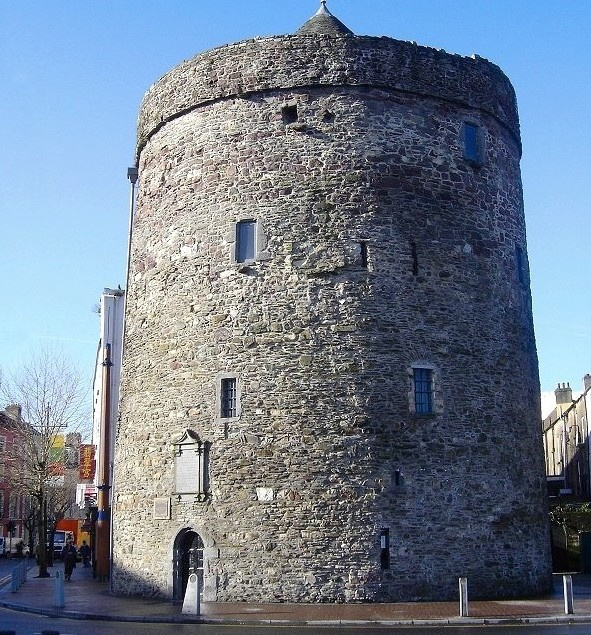
Reginald's Tower. Source: Nmwalsh, own work, CC BY-SA 4.0, https://commons.wikimedia.org/w/index.php?curid=35024071
Reginald's Tower
It wasn't just Viking traders who were drawn to Waterford. The late 10th century saw the consolidation of Viking rule throughout the eastern coastline of Ireland. One of the most impressive warriors who managed to capture power as well as riches was Ivar of Waterford.
Ivar was said to have ruled as a King of Waterford from about 969 to 1000. He is also thought to have reigned as the King of Dublin several times between 989 and 995 before eventually being expelled by Sigtrygg Silkbeard. The stories also suggest that Ivar waged war against Brian Boru, the High King of Ireland, but entered into strategic partnerships with other Gaelic elites.
Whilst Waterford grew rich with trade to other Viking settlements, it was also a town at the crossroads of war. A tiny outpost of Viking life surrounded by a growingly powerful local Gaelic military; defensive measures were needed. It was with this in mind that the town's fortifications needed bolstering.
One of the most impressive symbols of these defensive measures was what is now called Reginald's Tower (or in Gaelic, Túr Raghnaill). The current 16-metre / 42-foot tower was constructed in the late 12th century, following the Anglo-Norman conquest of the island of Ireland. However, it was constructed upon an earlier Norse tower that was believed to have been built around 1003.
Whilst the Tower now stands in the middle of Waterford, near the quay, it was once a part of the defensive fortifications that helped keep Waterford under the iron grip of Norse rulers.
Uí Ímair and the end of the Viking rule
Just as the original Reginald's Tower was being constructed, Waterford was ruled as part of the Uí Ímair Dynasty (said to be the scions of Ivar the Boneless) and grew rich thanks to its strategic location at the crossroads of Hiberno-Scandinavian trade networks.
Intermarriage saw the emergence of a group of mixed Gaelic and Norse heritage – the Norse-Gaels. Trading towns like Waterford helped to fuel an economic trade in slaves that saw a North Atlantic triangle emerge between Scandinavia and the islands of Ireland and Iceland.
In the mid-11th century, however, events in England would go on to change Ireland's history forever. William, Duke of Normandy's victory at Hastings in 1066 would lead to the Norman conquest of the British Isles. Even so, it would be a century after that fateful battle that the Anglo-Norman invasion of Waterford was complete.
Whilst there was still a lingering Norse population around towns like Waterford, further integration and the introduction of an Anglo-Norman elite would see their disappearance – at least as a visibly distinct group – by the later medieval period.
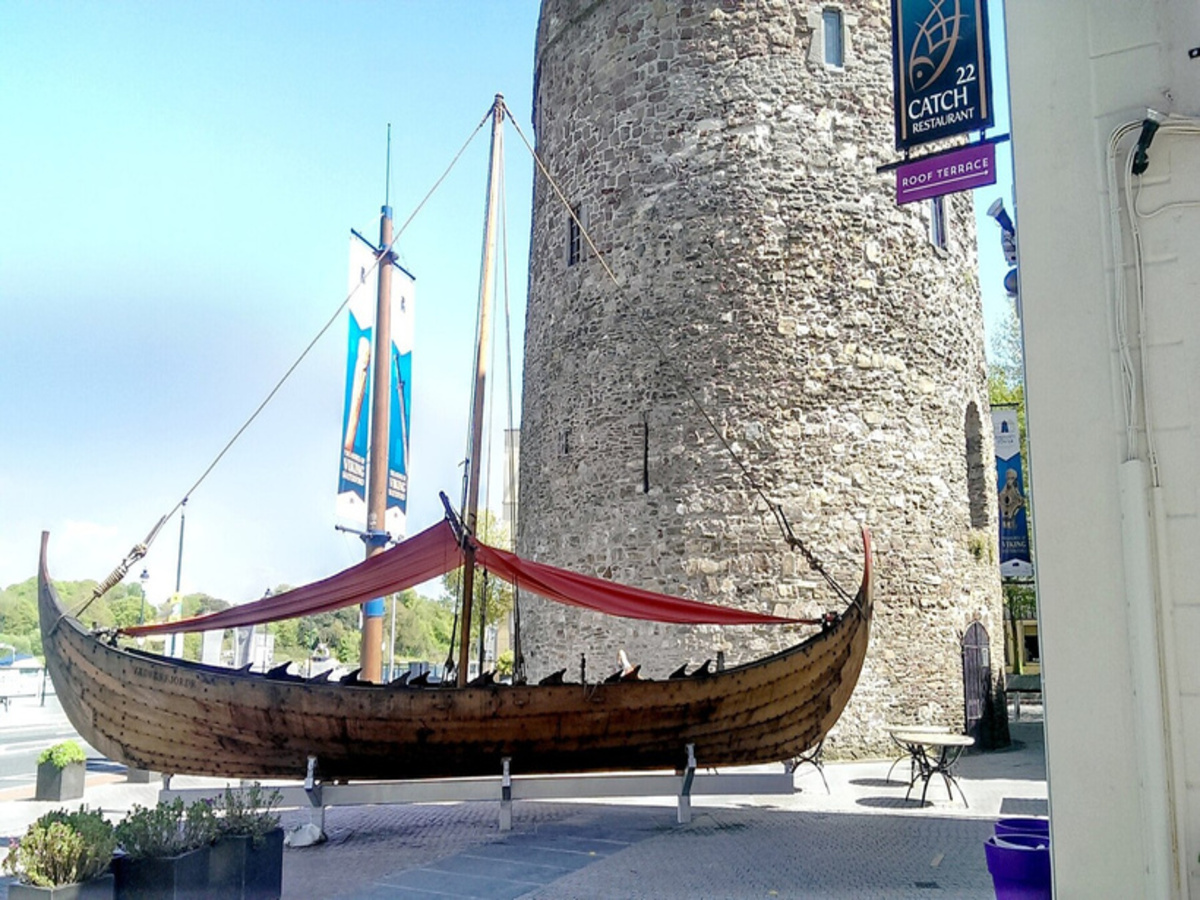
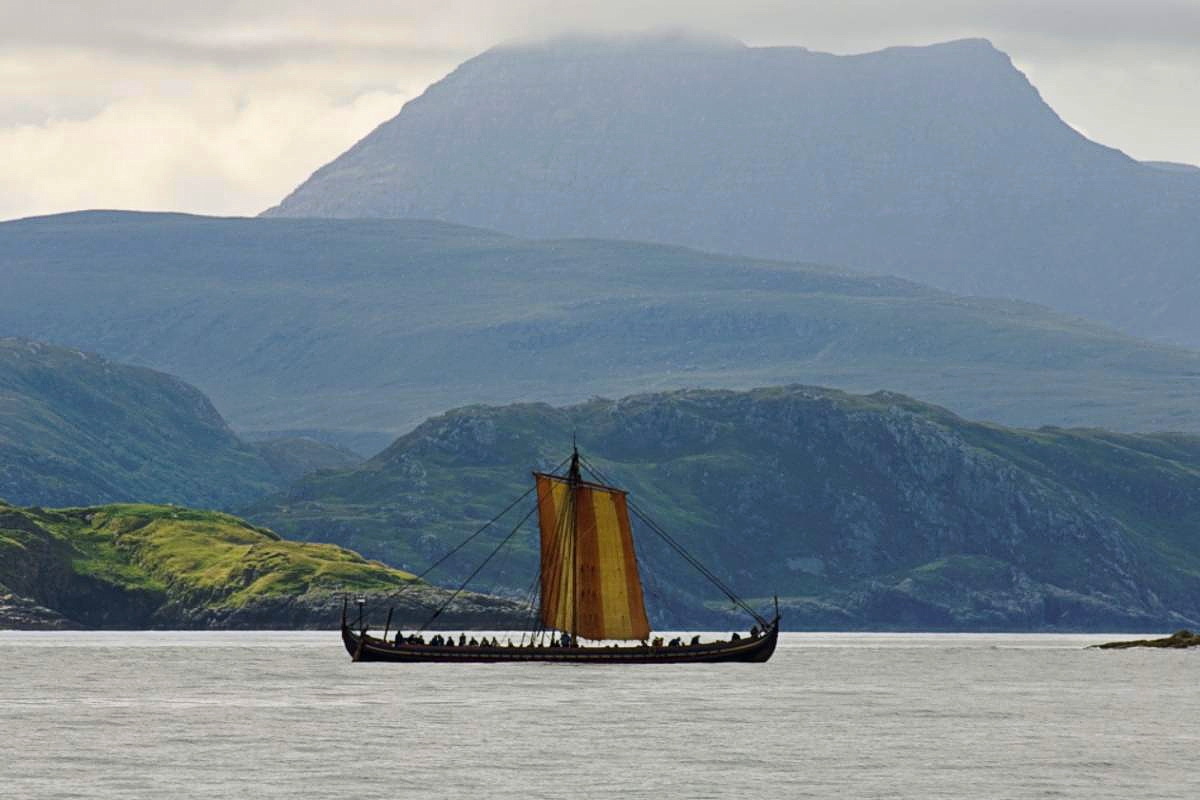
Viking longship at Reginald's Tower, Waterford. Source: Source: Nmwalsh, own work, CC BY-SA 4.0
Viking Waterford today
Today, Waterford is proud of its long Viking history, from its early foundations as a mere longphort to its later Viking settlement and fortifications. A huge area of the city, near the harbor, is colloquially known as the 'Viking Triangle'.
In this triangle are some of the best attractions that offer a glance at this storied Viking history. First and foremost, Reginald's Tower is a must-visit, especially for those who are curious about the archaeological record bequeathed by Waterford's Viking era.
To best take in this Viking history, however, put on a good pair of walking shoes and stroll from Reginald's Tower through the streets to visit some of the other medieval attractions. Take Bailey's New Street to the Medieval Museum and then to Greyfriar's Church, Christ Church and back towards the river.
This route will allow you to see some of the institutions that were the heart and soul of medieval Waterford, even when Vikings ruled over this place. The Medieval Museum is also great to visit on a chilly afternoon. Nearby are also a range of other museums including the Irish Museum of Time, the Irish Silver Museum, the Irish Wake Museum and the former Bishop's Palace, much of it dedicated to the history of Irish independence.
Waterford may not get the hordes of tourists that the capital city gets further north, but anyone who has a passing interest in Viking history should make the detour here. Not only will you discover a charming city founded by Vikings, you can also find some living remains from one of Ireland’s most important Norse settlements.
We get to provide readers with original coverage thanks to our loyal supporters. Do you enjoy our work? You can become a PATRON here or via our Patreon page. You'll get access to exclusive content and early access.
Feel free to reach out to discuss potential stories that may be in the public interest. You can reach us via email at hello@thevikingherald.com with the understanding that the information you provide might be used in our reporting and stories.