

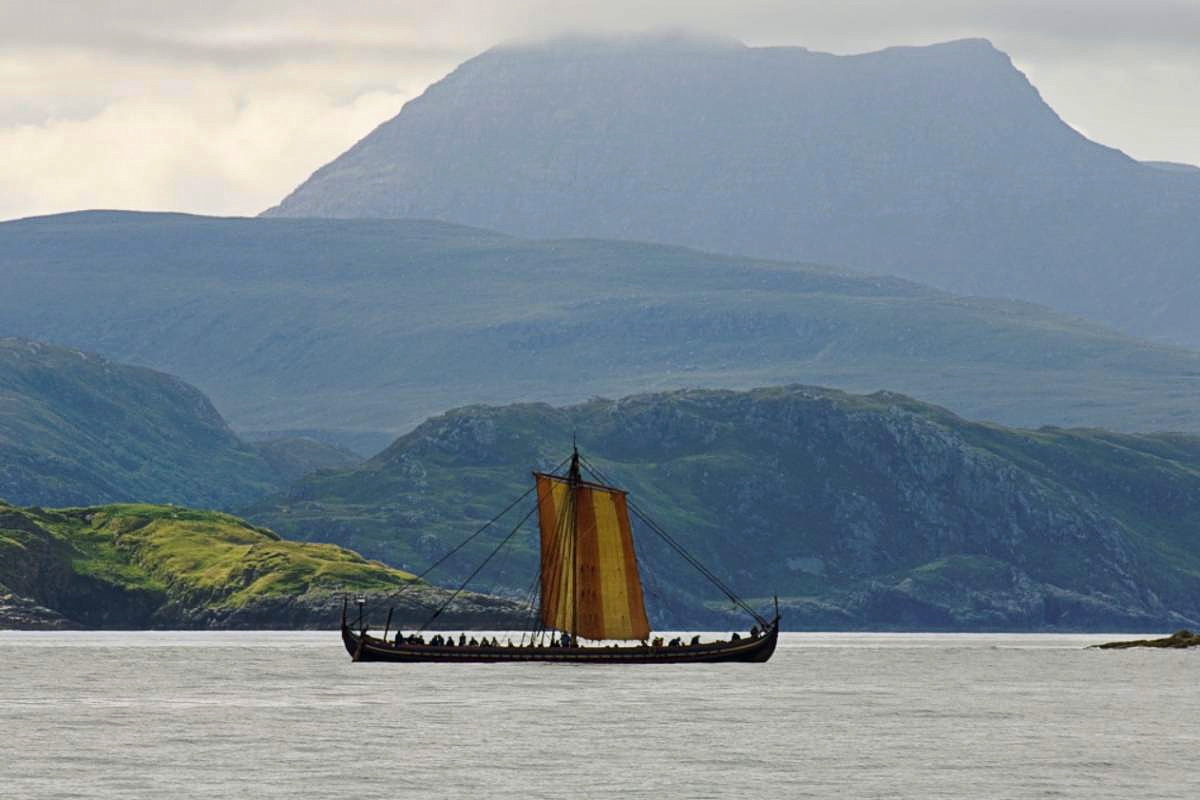
Sadly, for many years in the Anglophone world, Irish history was sometimes relegated to little more than a side note to the history of the islands across the Irish Sea.
British and Irish history was so Anglocentric that if characters or events from the Emerald Isle were mentioned, it was only in relation to their English contemporaries.
However, the past few decades have seen radical economic, political, and social change sweep across the island of Ireland, helping to foster greater peace and prosperity across the six counties of Northern Ireland and the Republic's 26 counties.
With deep societal divisions within the island largely healed, Irish historians are now confidently looking back at the island's past.
Whilst Northern Ireland is linked to the United Kingdom, the Republic of Ireland has been an important cultural and economic contributor to the European Union in recent years.
It is the island's links with Europe that have been of interest to Irish historians both north and south of the border, particularly their shared Viking heritage and history.
The Northmen cometh
We know that people from Viking societies had been raiding the island of Ireland since the late 8th century CE.
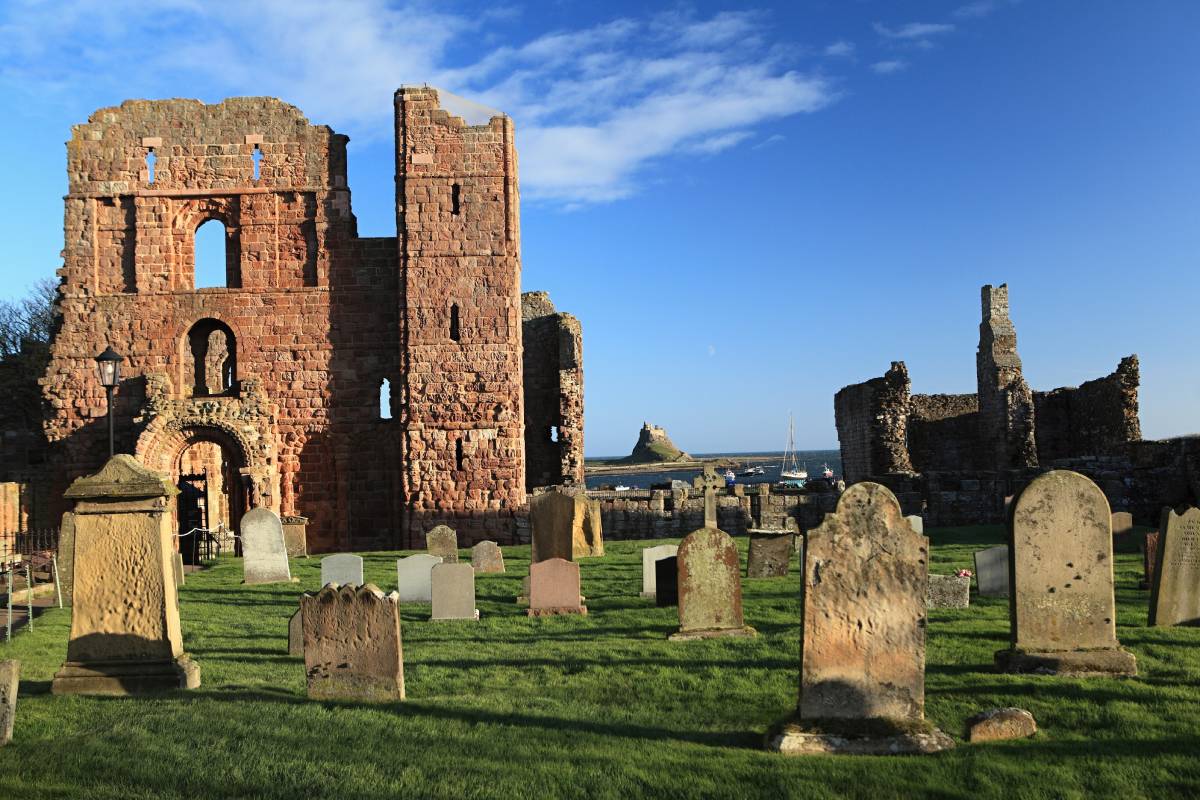
The first recorded attack took place a few years after Lindisfarne and, similar to that epoch-defining attack, Vikings targeted a remote island, traditionally identified as Lambay, in 795 CE.
For the next three decades, we know that Viking attacks were launched throughout the coastal communities of Ireland, often in the north and west of the island, via the Irish Sea.
Similar to the Allied strategy in the Pacific during the Second World War (though with far less firepower), Vikings would essentially "island hop" from their homeland in Scandinavia further westward.
Crossing the North Sea, they first came to the British Isles to raid and ravage, but would later overwinter and settle. From here, it was only a short sail across the Irish Sea to the island of Ireland, which was even more politically fragmented than polities in the British Isles.
Whilst many in continental Europe viewed it as a remote part of the continent, the island of Ireland was a lucrative prize for Vikings due to its economic wealth measured by wealthy monasteries, political fragmentation (negating unified resistance), and a population that could be enslaved.
As David M. Wilson wrote about in his 2009 article, in the journal European Review, this economic motive led people in Viking societies to control "trade routes along the western coasts of Europe through the Irish Sea – routes that brought luxury goods" to Viking societies both near and far.
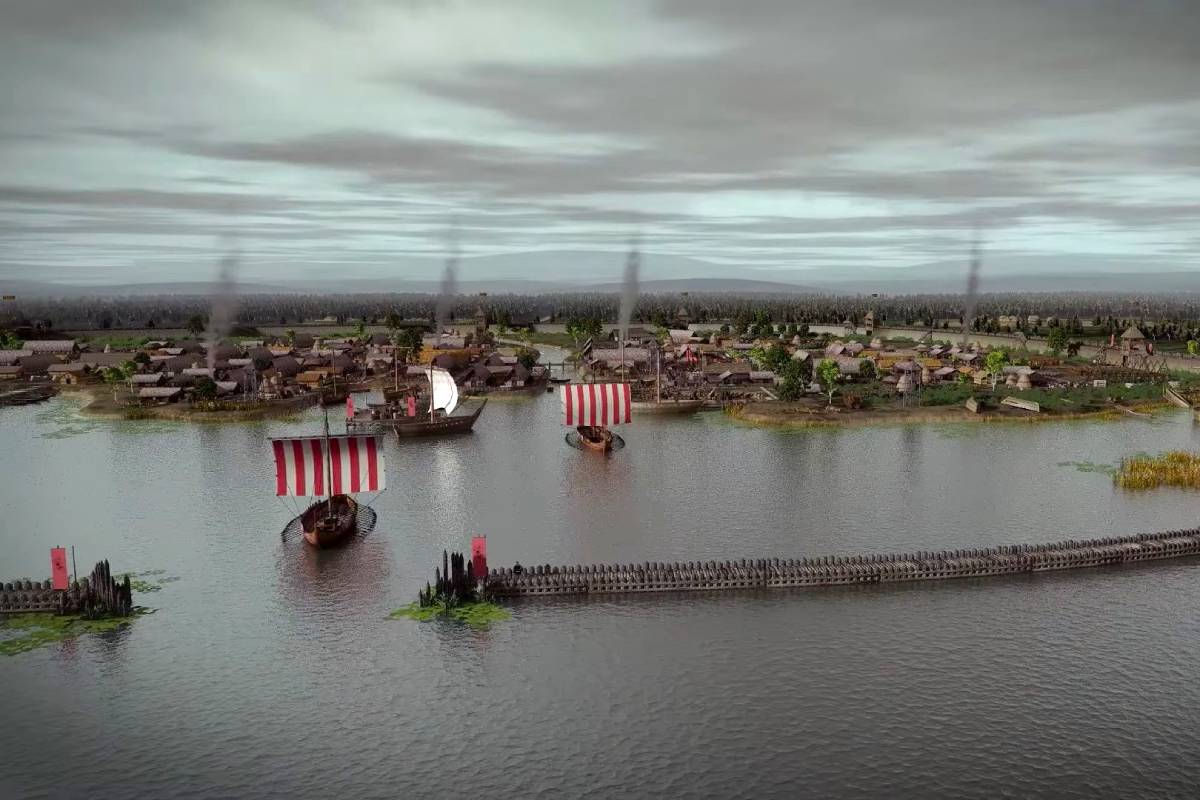
In fact, Ireland became such a lucrative slave market that the Vikings eventually established a slave-trading port at the mouth of the River Liffey on the island's east coast, known in the Norse tongue as Dyflin. This would, centuries later, become the Republic's capital and the island's premier city, Dublin.
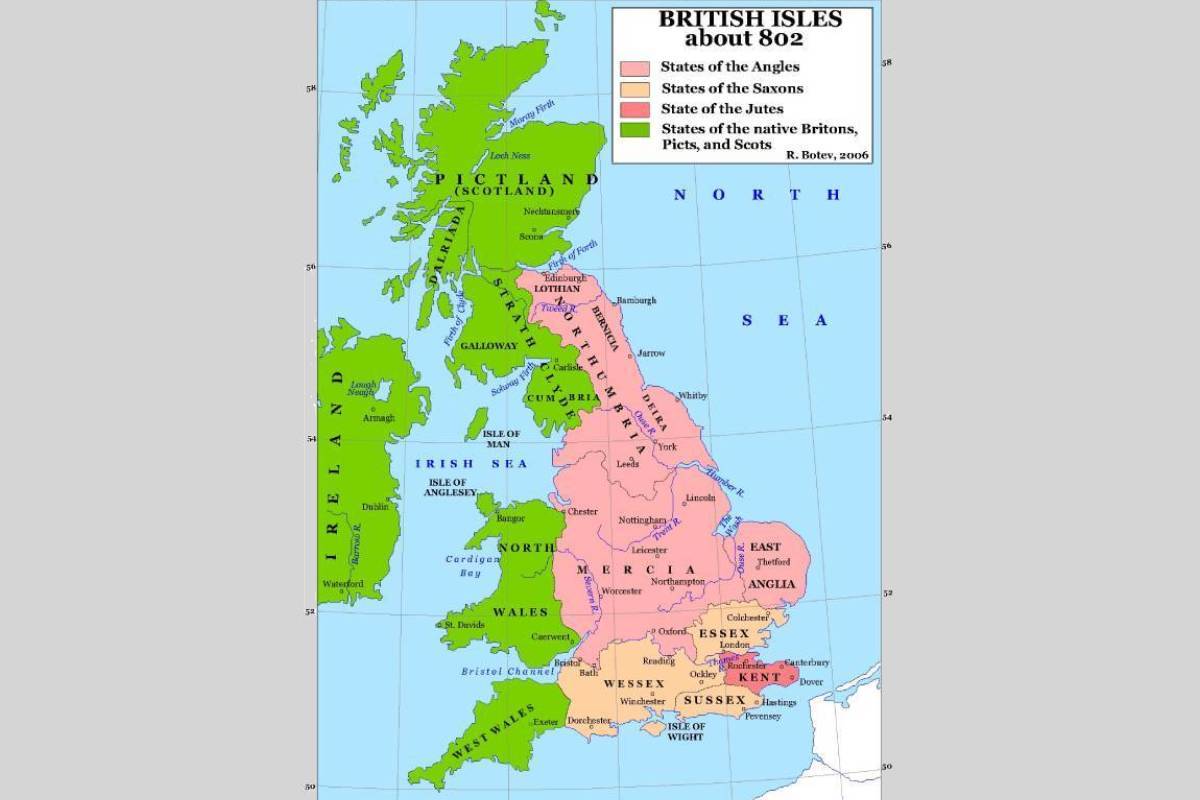
A map of the British Isles circa 802. Source: Public domain
A maritime highway and the Kingdom of the Isles
Following the establishment of Viking strongholds on the coast, like Dublin, further expansion inland into Ireland followed. Concurrently, these coastal settlements could then be used to sail across the Irish Sea and further expand into the British Isles.
Part of the death knell for Anglo-Saxon England was attack on two flanks – from Scandinavia came the Great Heathen Army (not a single army and not all were "heathen"), whilst from the west Viking ships launched raids and ferried troops and supplies for the many campaigns of this Viking invasion.
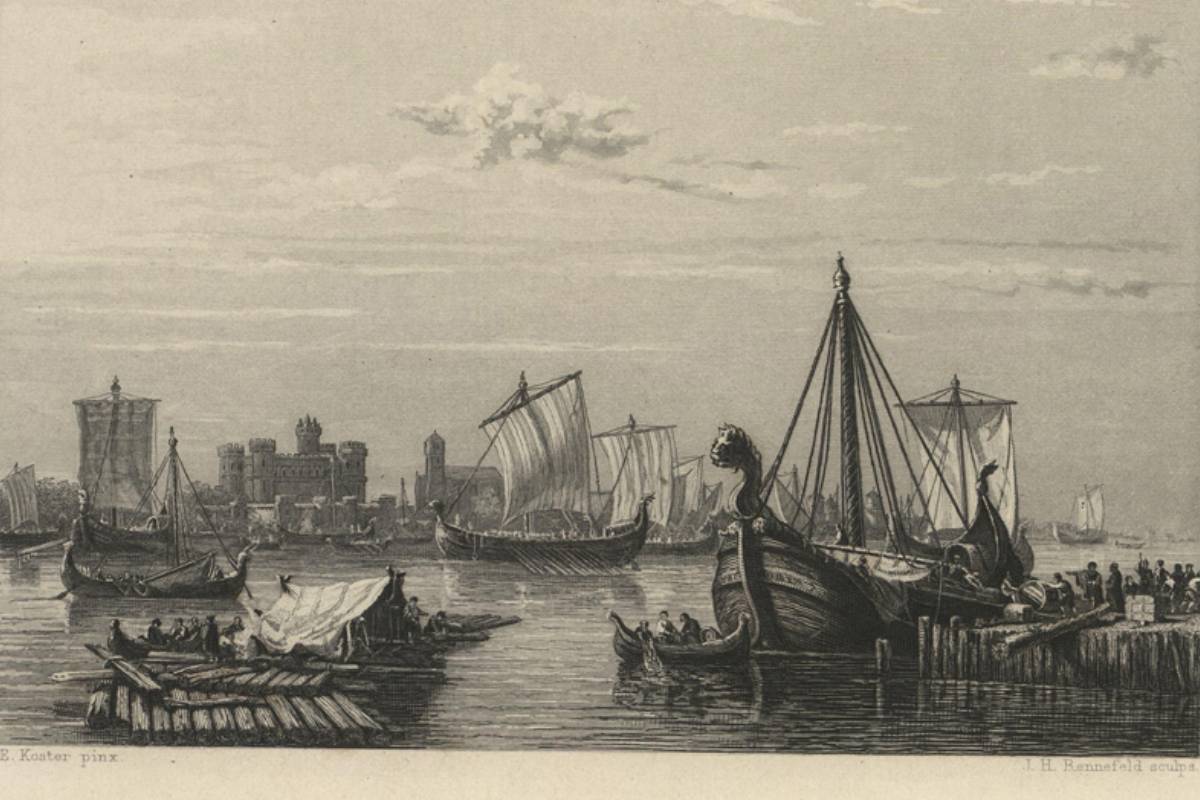
As the Norse expanded further westward through this period, from the coast of Ireland up to Iceland, Greenland, and eventually to what is now Canada, the Irish Sea saw a steady stream of Viking ships ply its waters, ferrying goods, settlers, and warriors.
The Viking communities in Ireland were seen as strategic outposts on the long seaward routes westward. To access these western settlements from the Scandinavian homeland or from Viking societies in places like southern England or Normandy, the most direct way was via the Irish Sea.
Using the Irish Sea as a maritime highway, people in Viking societies had, by the mid-9th century CE, carved out what was to become the "Kingdom of the Isles" – a hybrid Norse-Gaelic polity that saw a Viking elite rule over the Isle of Man, the Hebrides, and islands around the Firth of Clyde in western Scotland.
With the Kingdom ensuring there was a Viking presence on both sides of the Irish Sea, as well as on its northern reaches, this region would be dominated by people from Viking societies for the foreseeable future.
Its influence only waned in 1266 CE, when much of the territory was ceded to Scotland under the Treaty of Perth.
- READ MORE: The Viking history of Ireland – A primer
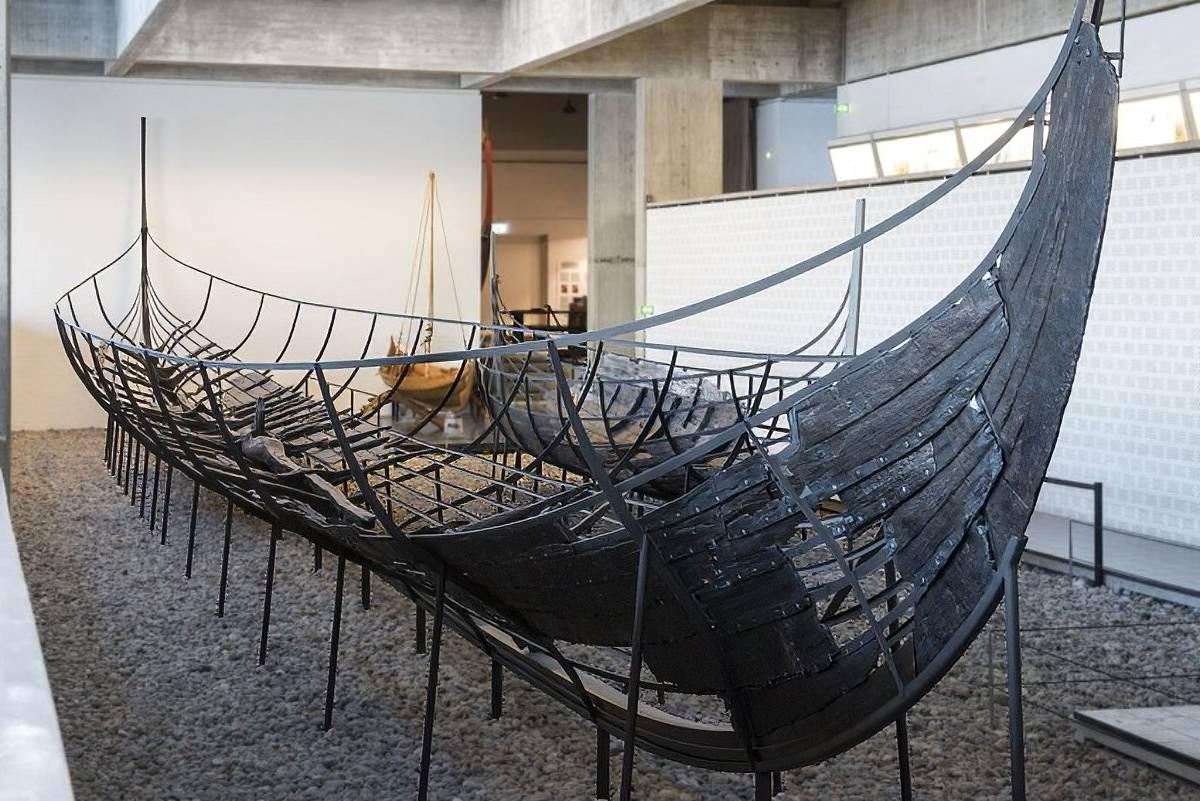
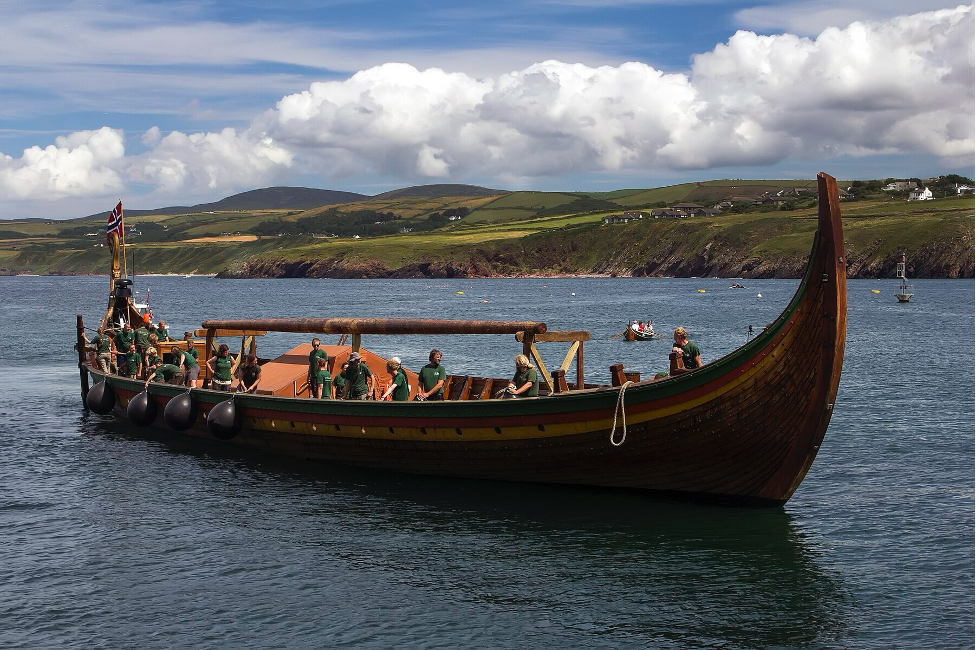
Built in the Dublin region around 1042, Skuldelev II was a large Viking warship later discovered in Denmark and conserved at Roskilde. Photo: Casiopeia (CC BY-SA 2.0)
Used to shape history on both sides of the Irish Sea
The Norse helped to shape the early medieval history of Ireland. From the initial predatory raiding of the late 8th century CE, they soon came to conquer, settle, and dominate the cultural, economic, and political fortunes of much of the island.
Much of this domination came from the fact that they used the Irish Sea as a corridor to ferry goods, people, and warriors as part of the Viking expansion that dominated much of early medieval history.
Exploiting this maritime highway, people from Viking societies would shape the history on both sides of the Irish Sea.
For more information on the Viking history of Ireland, visit the website of the Viking Ship Museum in Roskilde here.
We get to provide readers with original coverage thanks to our loyal supporters. Do you enjoy our work? You can become a PATRON here or via our Patreon page. You'll get access to exclusive content and early access.
Feel free to reach out to discuss potential stories that may be in the public interest. You can reach us via email at hello@thevikingherald.com with the understanding that the information you provide might be used in our reporting and stories.