

With the new year well underway, The Viking Herald takes a moment to look back on the best Viking Age-related archeological discoveries of 2025.
As always, a quick word on the criteria before we begin our rundown of this year's highlights.
Given the frequent long lag times between initial discovery and confirmation, we are accepting any Viking Age discovery that was either found or confirmed in 2025. We will also make exceptions for certain cases where new analysis has come to light on an older find.
Without further ado, let us take a look at the top ten Viking Age-related archeological discoveries of 2025 before picking The Viking Herald's outright winner!
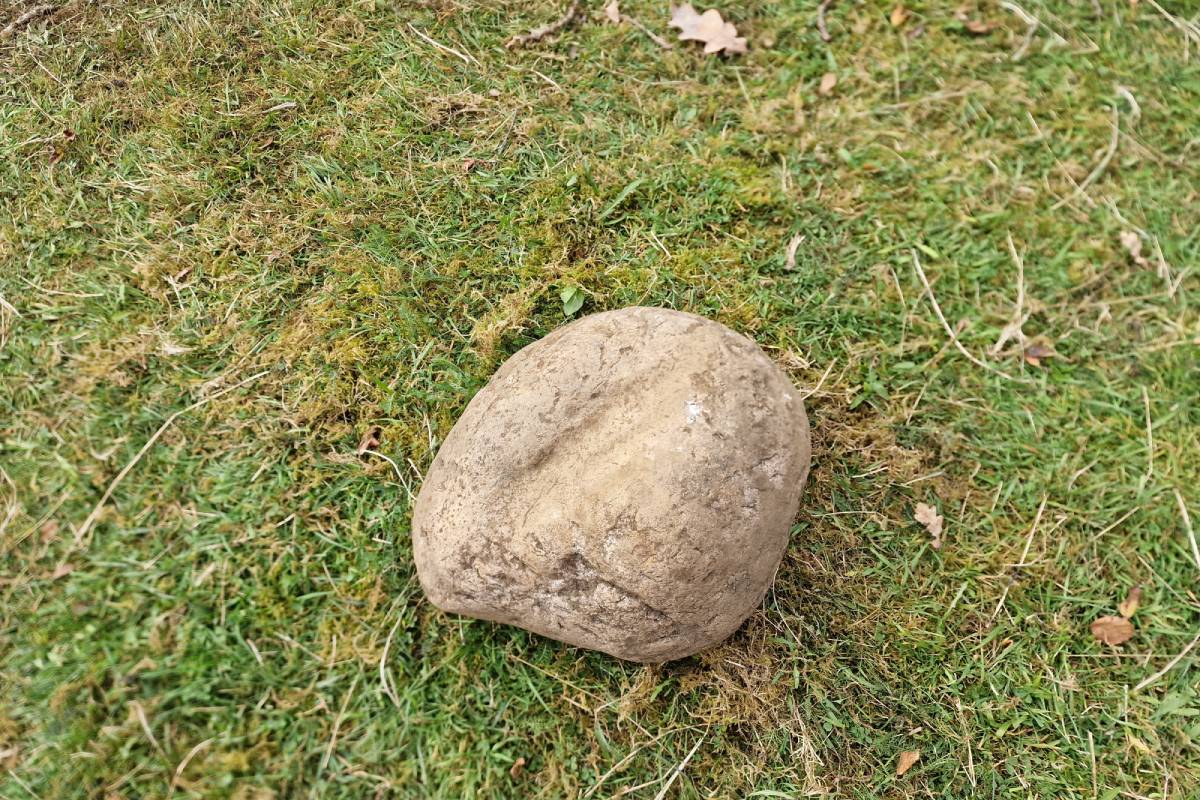
At the Skumsnes burial site in Western Norway, archeologists found a carved stone that appears to show a vulva. Source: The University of Bergen
1) Vulva stone, Skumsnes, Norway: Fertility in stone
This discovery at the Skumsnes burial site in Western Norway was certainly a surprise. Announced in early 2025 by archeologists from the University of Bergen, the two graves excavated at the site presented two female skeletons.
One of these graves appears to contain a high-status woman. The grave was framed by a boat stone setting and may have originally contained a wooden boat, too.
In terms of grave goods, a key appears to suggest the woman was in charge of the household, while there were also items related to textile production. The most striking aspect, however, was an oval stone with a carving that appears to indicate the vulva – a clear sign of female fertility and womanhood.
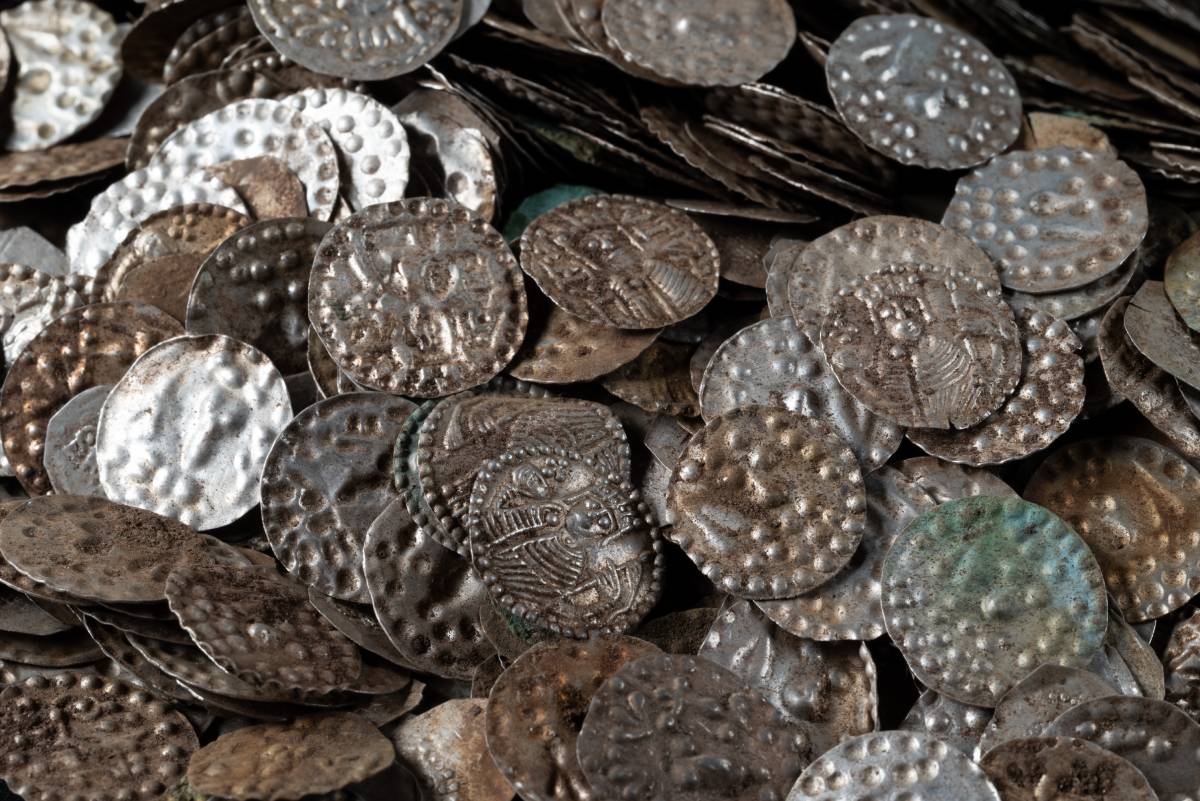
A private individual discovered a large medieval silver hoard in the Stockholm area. Source: Richard Grönwall / Uppdrag arkeologi / Länsstyrelsen Stockholm
2) Silver hoard, Stockholm, Sweden: Quantity and quality
Although this find also falls just outside the Viking Age, it's still highly impressive. In the Swedish capital of Stockholm, a medieval hoard was discovered that contained some 20,000 silver coins.
The coins included "bishop coins" which were minted for a bishop instead of a monarch.
The enormous collection has been provisionally dated to the 12th century, and also features a number of beads and pieces of jewelry.
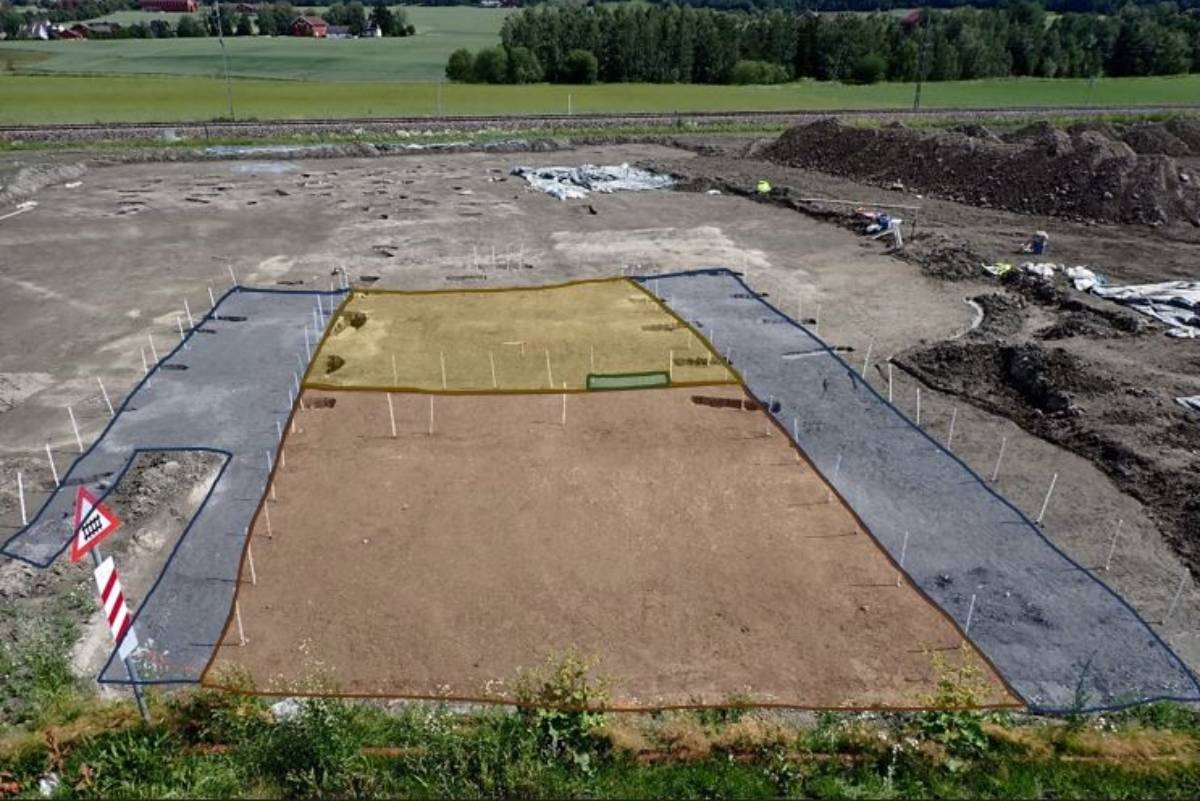
The sheer size of the 3rd-century longhall suggests it was built as a display of power, possibly for a king. Source: Museum of Cultural History / University of Oslo
3) Øvre Eiker longhall, Øvre Eiker, Norway: Possibly the oldest longhall in the world
When Jes Martens and his team unearthed the remains of a longhouse at Øvre Eiker in southern Norway, they were expecting it to be dated to around the 17th century.
When the first results came back, however, they suggested the building was actually constructed in the 3rd century CE.
The team was so surprised that they sent a second set of samples for carbon dating. Each one produced the same conclusion: the longhall is truly ancient, and may be the oldest royal residence in Scandinavia.
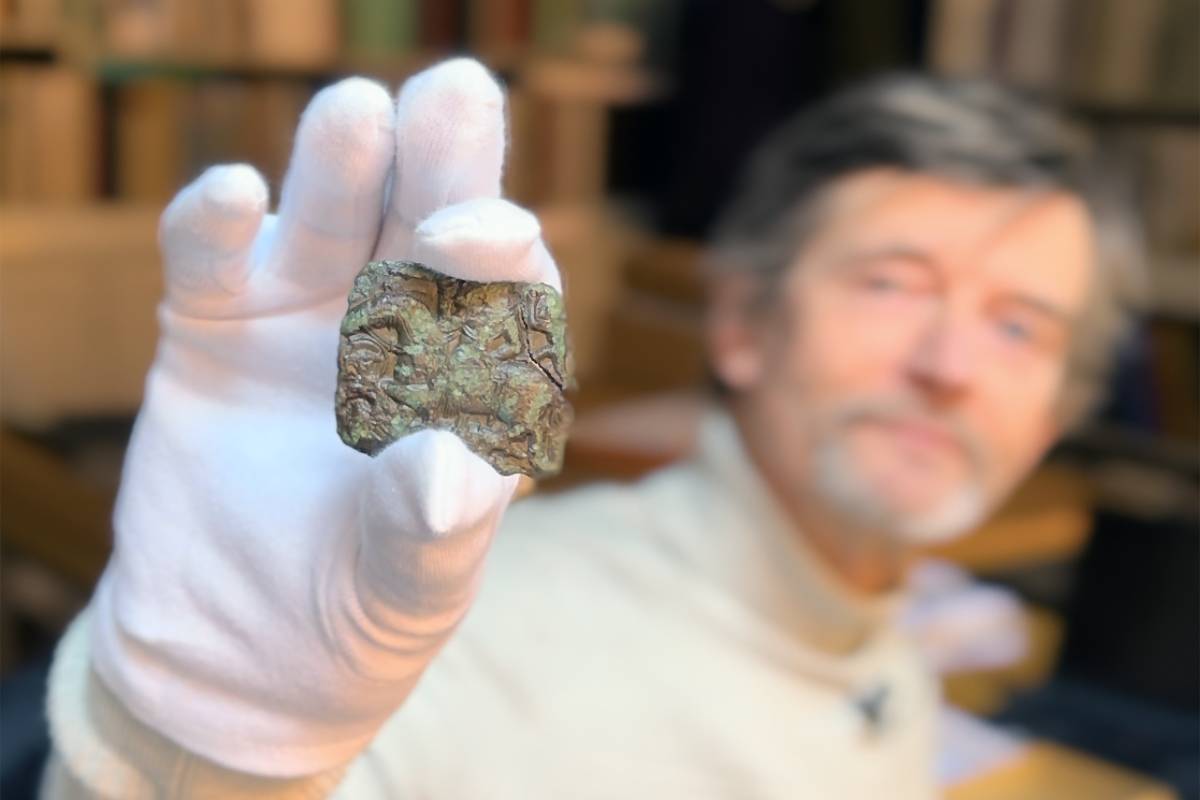
Found in a Danish field, the die remained unrecognized for its importance for nearly two years. Source: John Fhær Engedal Nissen / The National Museum of Denmark
4) Tåsinge die, Tåsinge, Denmark: Possible links to Sutton Hoo
This unique artifact was actually found in 2023 on the Danish island of Tåsinge. However, it was only through analysis in 2025 by the museum curator Peter Pentz that its possible significance came to light.
The illustration on the die, which was used to cast metal, is strikingly similar to that found on a helmet unearthed at Sutton Hoo, a famous Anglo-Saxon burial in England from the 7th century.
There are now suggestions the panels of the iconic helmet may have been made in Denmark, and not Sweden as previously thought.
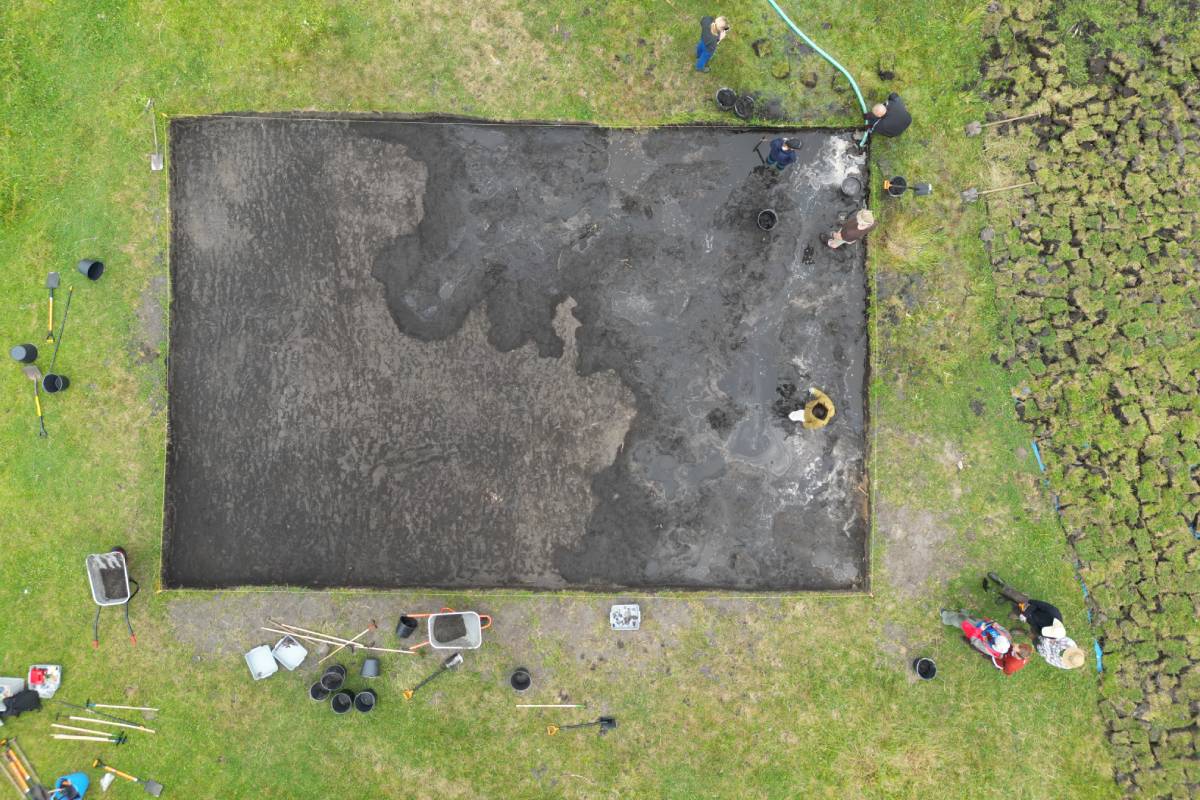
A three-year project is exploring Silver Hill on Wolin for traces of a Viking Age harbor. Source: Institute of Archaeology and Ethnology, Polish Academy of Sciences
5) Jomsborg, Wolin, Poland: The legendary fortress draws nearer
The first year of a major archeological project in Wolin in Poland yielded some intriguing results.
Long thought to be a candidate for the legendary Viking fortress of the Jomsborg Vikings, Wolin has already presented many examples of Slavic-Scandinavian artifacts.
Now, archeologists have begun to identify possible evidence of a harbor area and construction from the Viking Age.
At this point in time, however, they cannot conclusively confirm the existence of a major Slavic-Scandinavian settlement. The excavations will continue this summer.
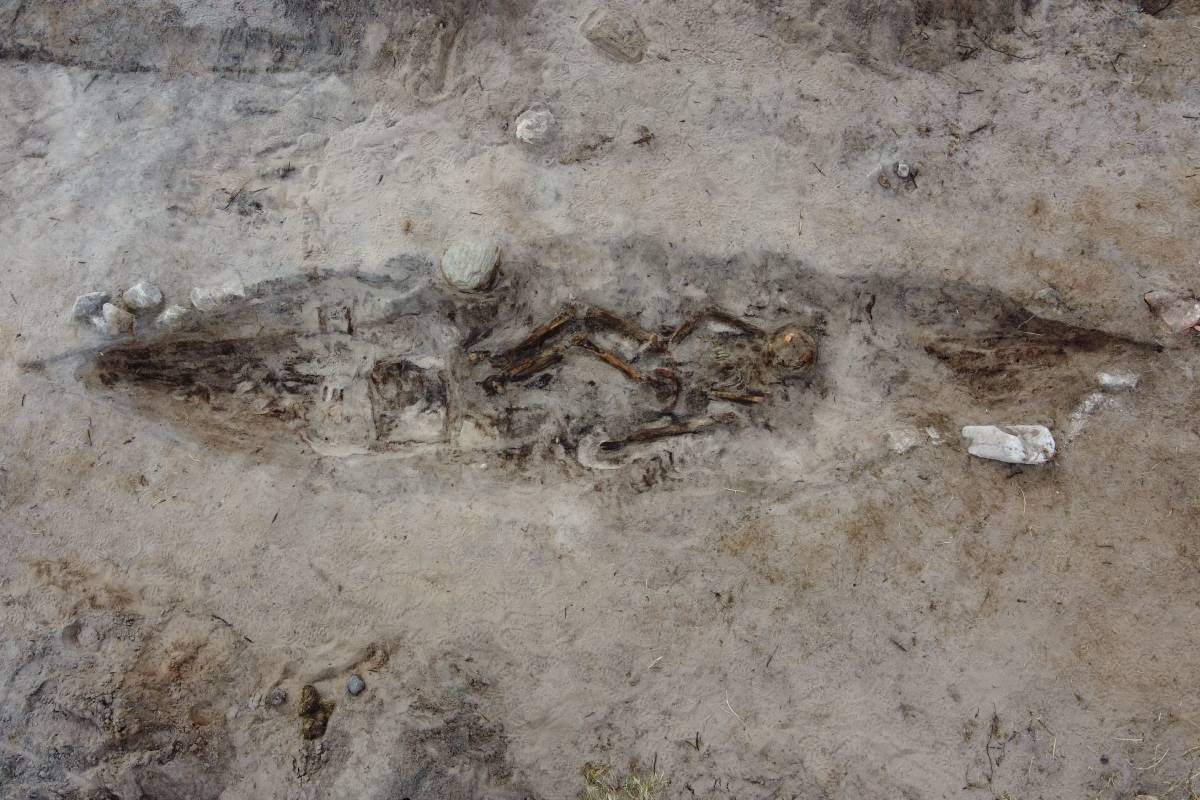
On Senja in Norway, archeologists uncovered a Viking Age boat burial with a high-status woman and a dog. Source: The Arctic University Museum of Norway
6) A woman and her dog, Senja, Norway: Tagline
A boat grave burial on the island of Senja revealed the remains of a woman alongside a dog.
Excavated by archeologists from the Arctic University Museum of Norway, the grave site also presented several artifacts, including brooches, a spindle whorl, and a sickle.
In an interview with The Viking Herald, archeologist Anja Roth Niemi told us the grave belonged to a high-status woman who likely managed a large farm and was involved in textile production. The dog may have been a devoted family pet who would serve as a faithful companion in the afterlife.
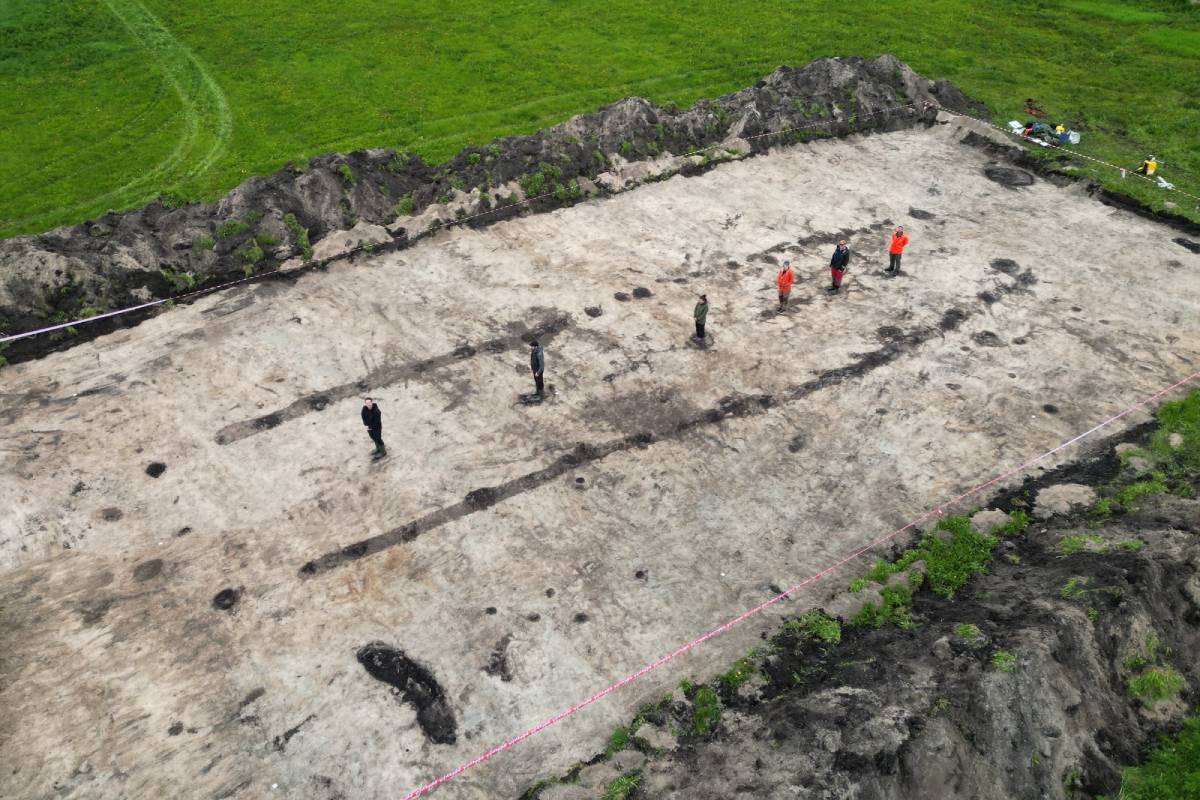
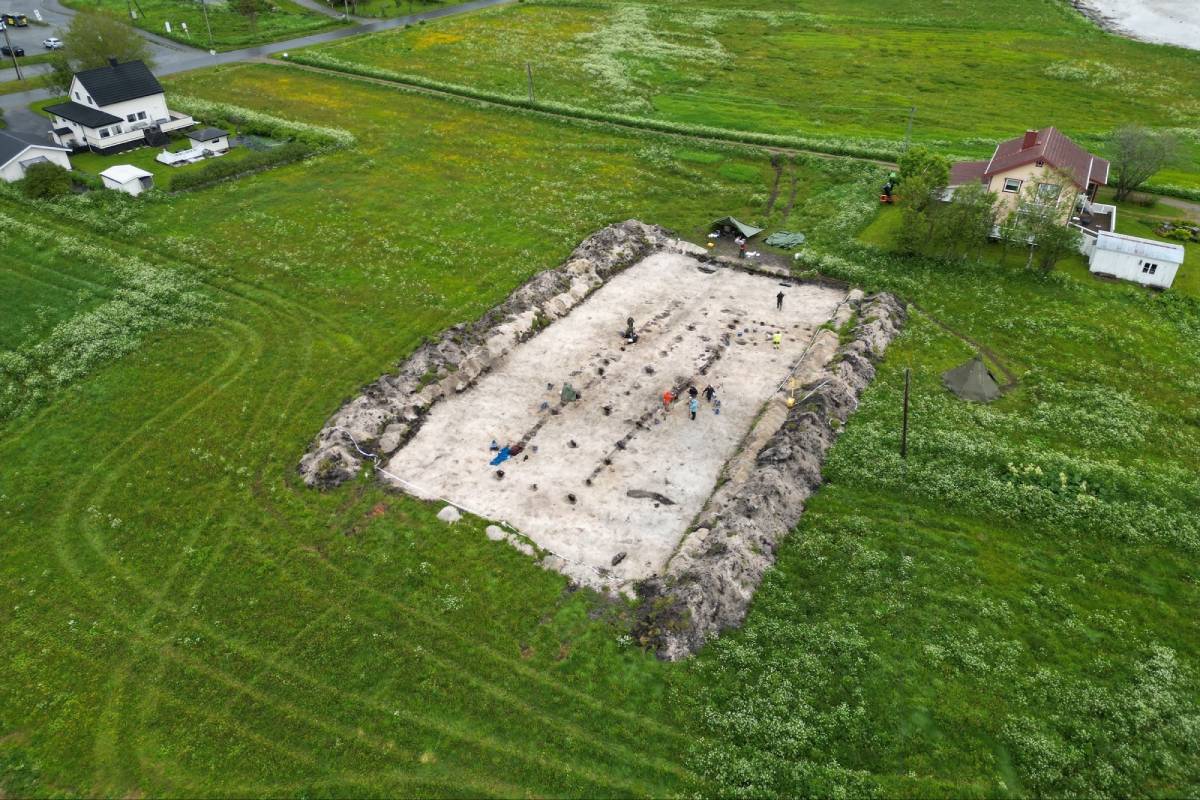
Archeologists from the University of Tromsø found a rare two-aisled longhouse at Evenskjer in northern Norway. Source: AHR / UiT The Arctic University of Norway
7) Two-aisled longhouse, Evenskjer, Norway: A rare find
Working in collaboration with archeologists from Troms County Administration, archeologists from the Norwegian Institute for Cultural Heritage Research (NIKU) first identified a possible site of interest at Evenskjer, near Tromsø, in 2017.
In 2025, they were finally excavated. The digs revealed an unusual two-aisled longhouse, likely built in the Iron Age.
The researchers believe it belonged to a powerful local ruler and may have been used to guard the strategic Tjeldsund Strait.

Archeologists verified a 1,500-year-old wooden reindeer mass trapping site in western Norway. Source: Thomas Bruen Olsen / University Museum of Bergen
8) Reindeer trap, Aurlandsfjellet, Norway: Expert hunters ensnare their prey
This particular find also falls out of the Viking Age period, but does have a strong Norse flavor.
Archeologists from the University Museum of Bergen and Vestland County Municipality identified an intricate 1,500-year-old reindeer trapping system.
The trap, found by a hiker on the mountain plateau of Aurlandsfjellet in western Norway, consisted of hundreds of wooden logs that forced the reindeer into a small space. There, they became trapped by high wooden fences, enabling the Scandinavian hunters to slay them at will.
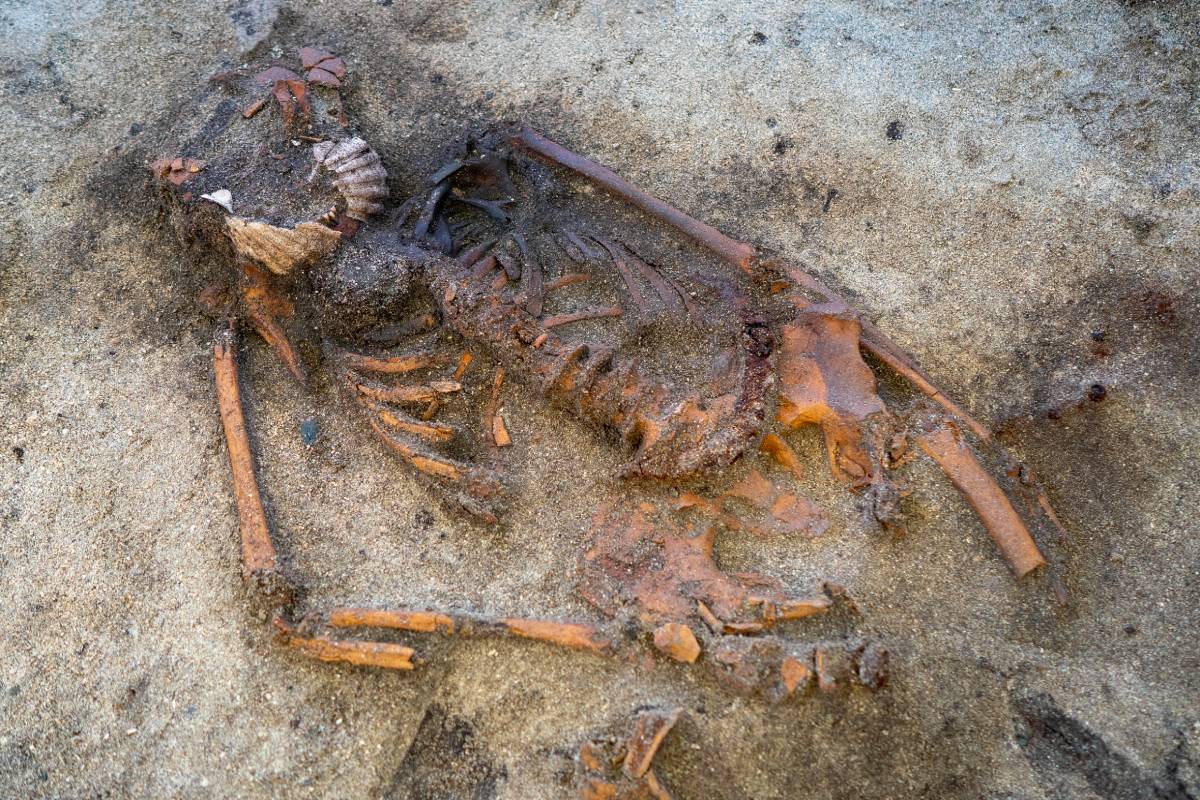
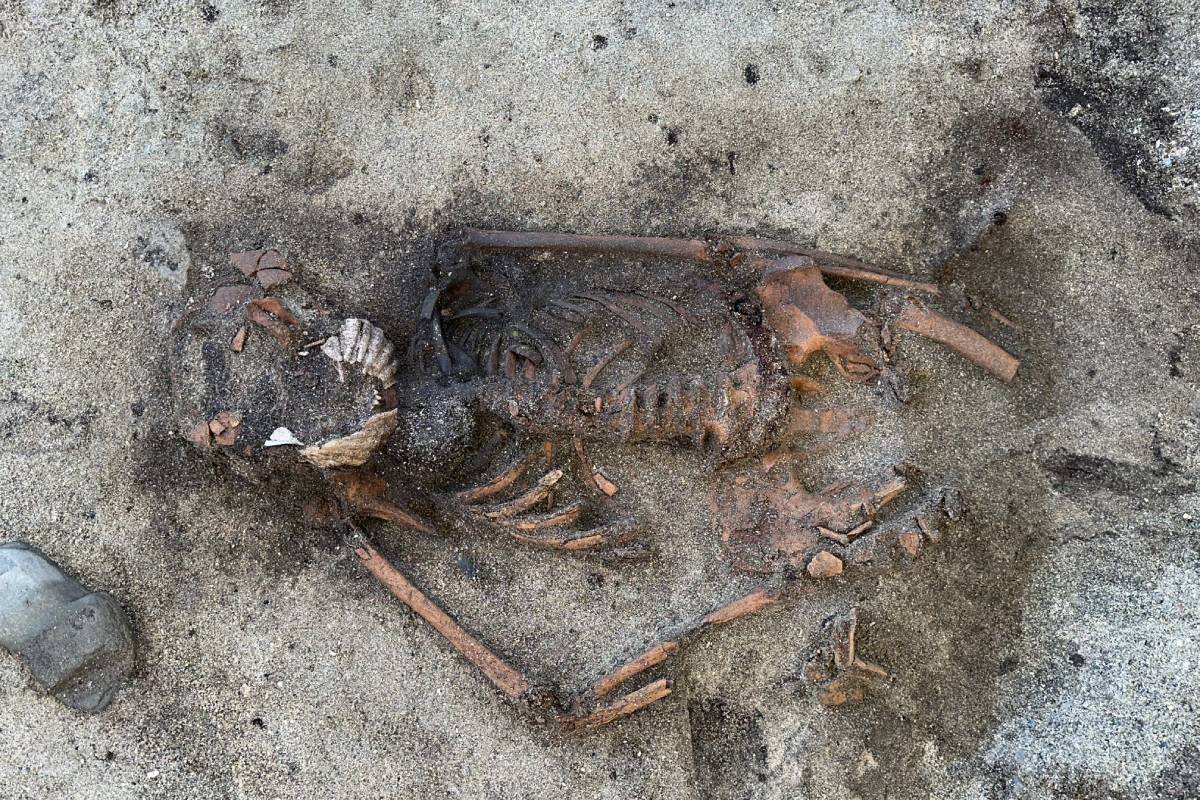
The grave of a Viking Age woman at Bjugn in Norway, with scallop shells placed around her mouth. Source: Ellen Grav / NTNU Vitenskapsmuseet (CC BY-SA 4.0)
9) Scallops, Bjugn, Norway: Mysterious symbolism
There were several intriguing Viking Age artifacts discovered at a burial site in Bjugn, Norway, including a sword, a brooch, and human remains. Most intriguing of all, however, were two scallop shells placed deliberately on the face of a female skeleton.
As the archeologists Knut Harald Stomsvik and Raymond Sauvage told The Viking Herald in an exclusive interview, we can only speculate as to the meaning and symbolism of this act. Nevertheless, it remains a memorable, striking, and highly unusual discovery.
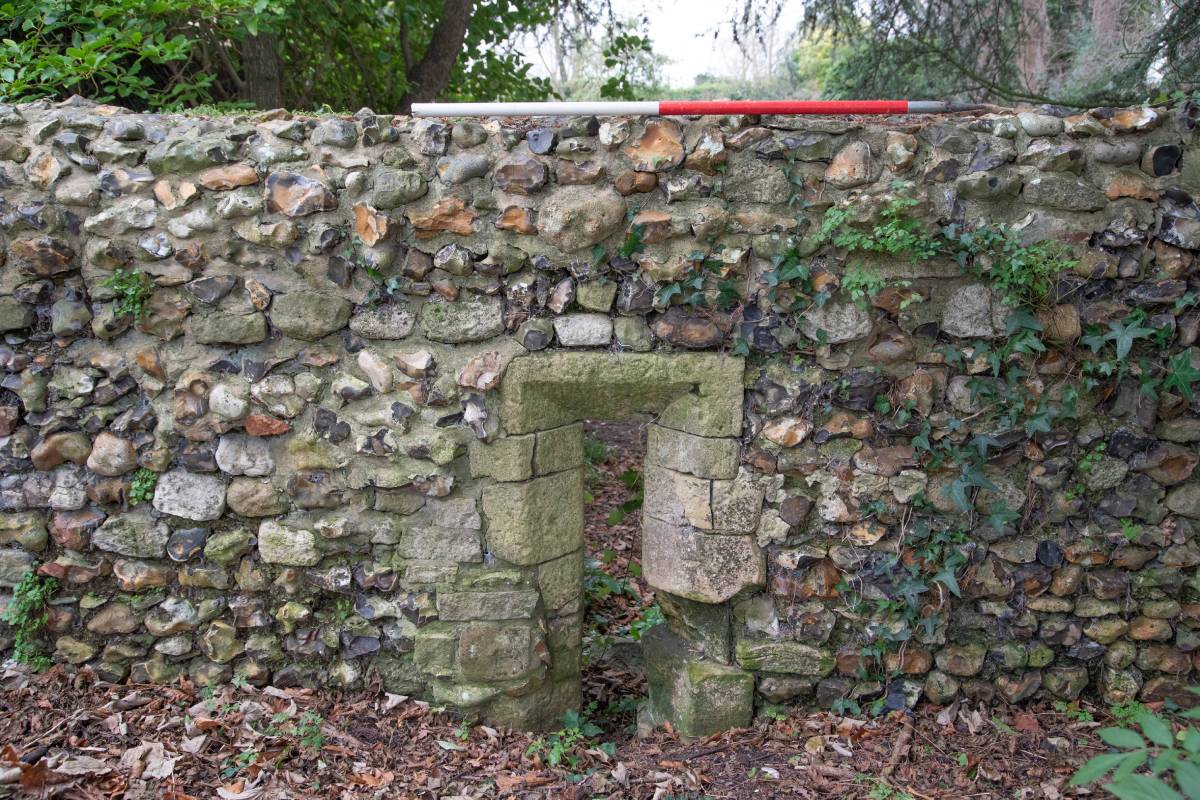
Archeologists linked Bosham Manor House in Sussex to Harold Godwinson’s lost manor. Source: Gould, Creighton, Chaussée, Shapland, and Wright (CC BY-SA 4.0)
10) Bosham Manor, Bosham, England: Godwinson's gaff
New research in England led to the identification of an 11th-century manor house as likely belonging to Harold Godwinson, the man who defeated Harald Hardrada in the Battle of Stamford Bridge in 1066. The residence in question is also depicted at the start of the Bayeux Tapestry.
Although excavations had taken place in previous years, a new team of archeologists led by Duncan Wright and Oliver Crichton reexamined the structure of the building in 2025. One crucial clue was highlighted with the presence of a late-Saxon toilet.
As Duncan Wright explained in conversation with The Viking Herald: "The identification of a latrine in the context of a large timber building dated to the late-Saxon and early Norman period is pretty convincing evidence that this is a very high-status residence."
"It then follows that this is indeed the lordly site we see on the tapestry."
And the winner is...
As always, we would first like to pay tribute to the hard work of archeologists and metal detectorists that has led to all these marvellous discoveries. Every year brings new marvels that increase and deepen our understanding of the Viking Age and Scandinavian history.
Now for the announcement of the The Viking Herald 2025 Discovery of the Year: We select the Bjugn Scallop Grave. Not only is it highly unusual and visually striking, it also contains an element of mystery that is sure to keep archeologists and other experts guessing for many years to come.
We get to provide readers with original coverage thanks to our loyal supporters. Do you enjoy our work? You can become a PATRON here or via our Patreon page. You'll get access to exclusive content and early access.
Feel free to reach out to discuss potential stories that may be in the public interest. You can reach us via email at hello@thevikingherald.com with the understanding that the information you provide might be used in our reporting and stories.