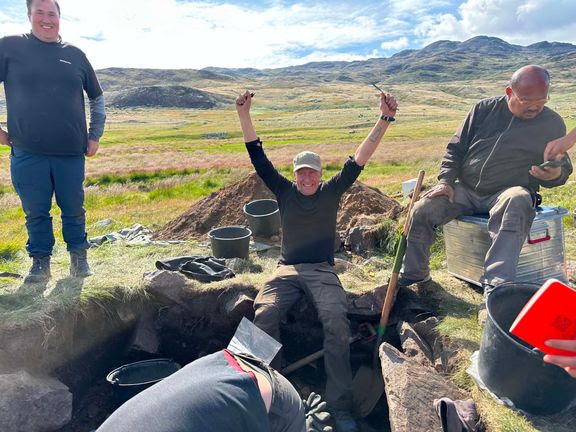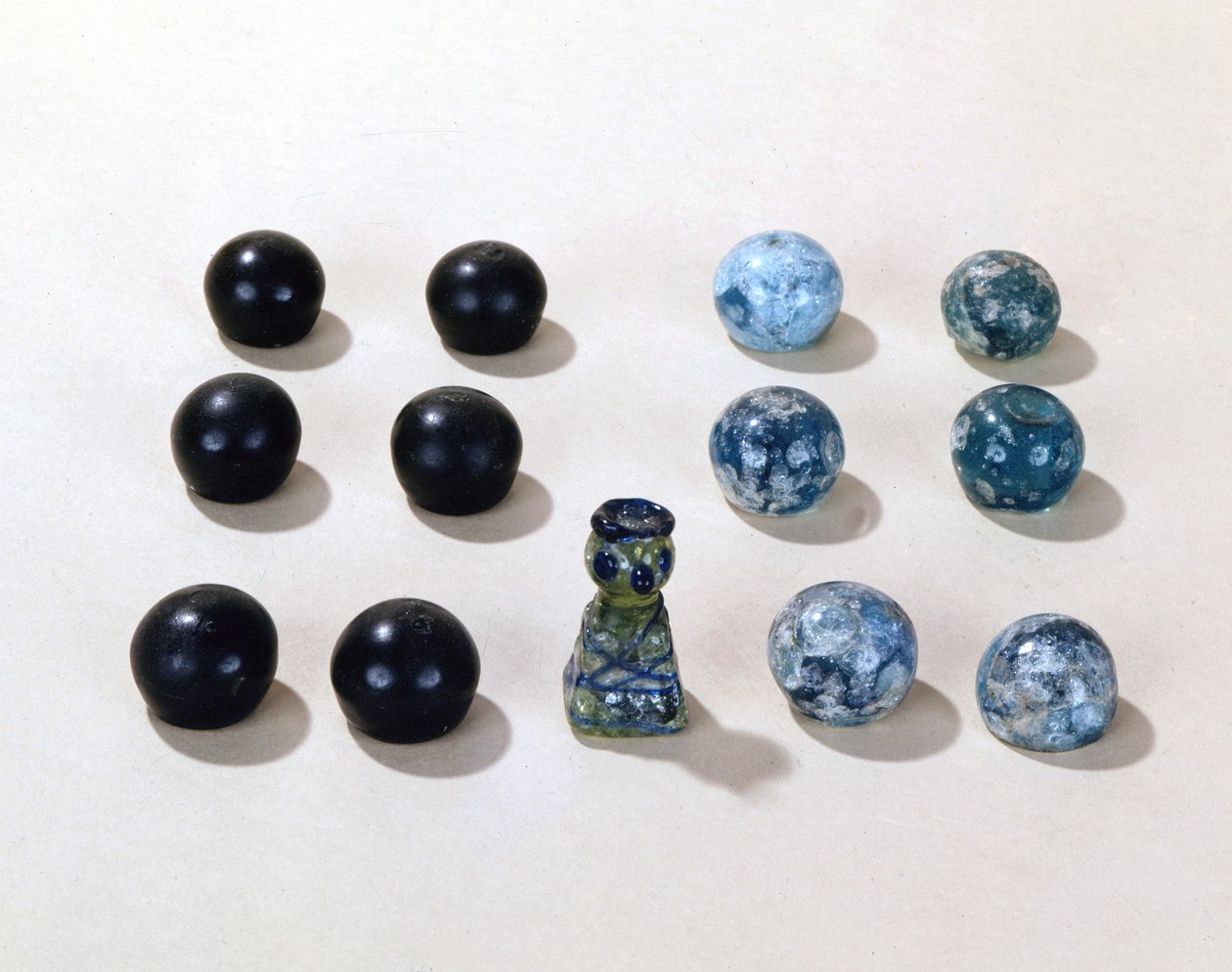


Carbon dating has confirmed that an enormous hall found in the Norwegian municipality of Øvre Eiker was constructed in the 3rd century CE.
It is the first time that an Iron Age building approaching anywhere near this scale has been found in the country. In fact, the results were so unexpected that the researchers immediately ordered further tests.
The Viking Herald speaks to project leader Jes Martens of the University of Oslo about the excavation process, the disbelief of his colleagues, and how the site could indicate the existence of a lost empire that spanned the Kattegat Sea.
Breaking new ground
As Jes explains to The Viking Herald, the impetus behind this potentially historical excavation was decidedly mundane: a local farmer at Sem, close to Øvre Eiker, wanted to drain a section of his field so he could grow better crops.
"We knew there had been some very rich metal-detecting finds nearby, so we asked permission to take a look at the site," Jes informs us.
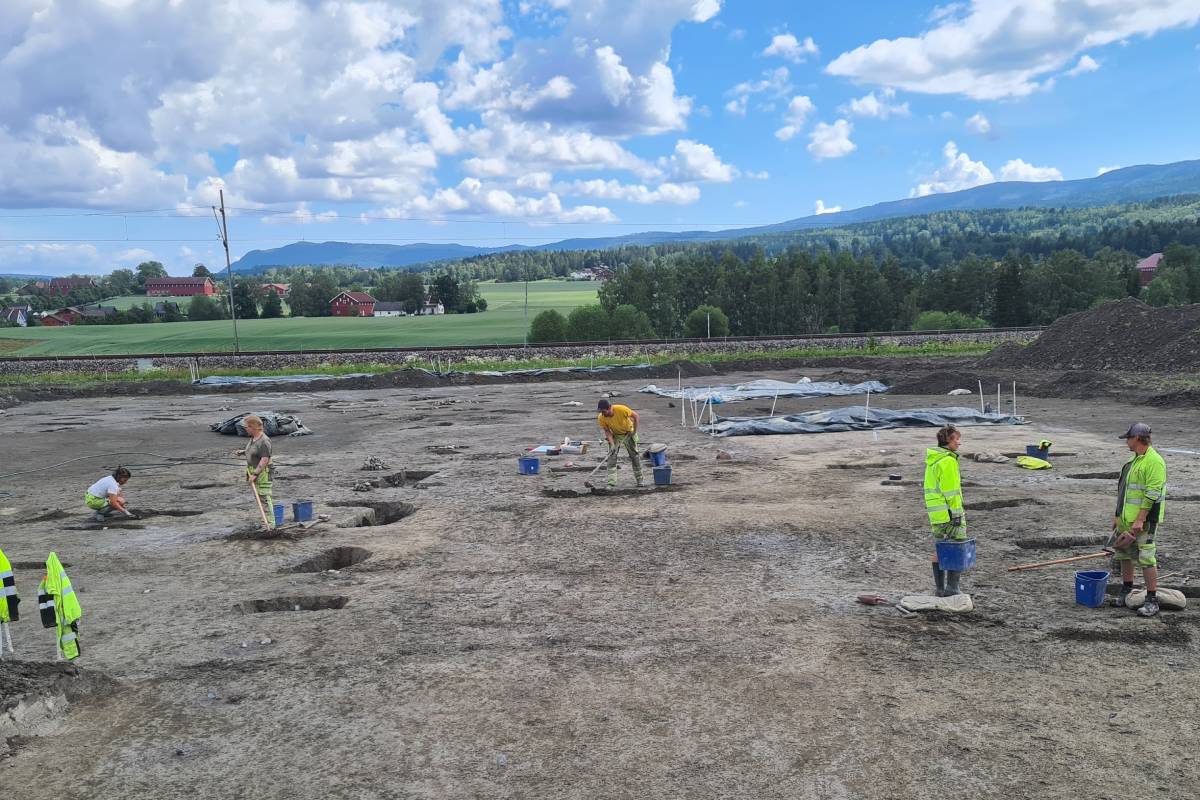
"We used probes, ground-penetrating radar (GPR), and metal detectors before also digging some trial trenches. The GPR actually indicated there was nothing in the exact area where we found the house."
"It was completely blank, which is strange – the GPR was not really trustworthy in this case. But everything else showed there was something at this site."
Although there were several other interesting leads, the presence of a possible building structure most intrigued the archeologists.
"We discovered a small section of the house at the very edge of the excavation area," Jes tells The Viking Herald.
"We had to negotiate with the farmer and the Norwegian Heritage Council – which was sponsoring the excavation – to get the right to continue. We did receive permission in the end, but our time was very limited, and we could only excavate the area where the farmer was draining the field."
- READ MORE: A Viking history of Norway (Part 1)
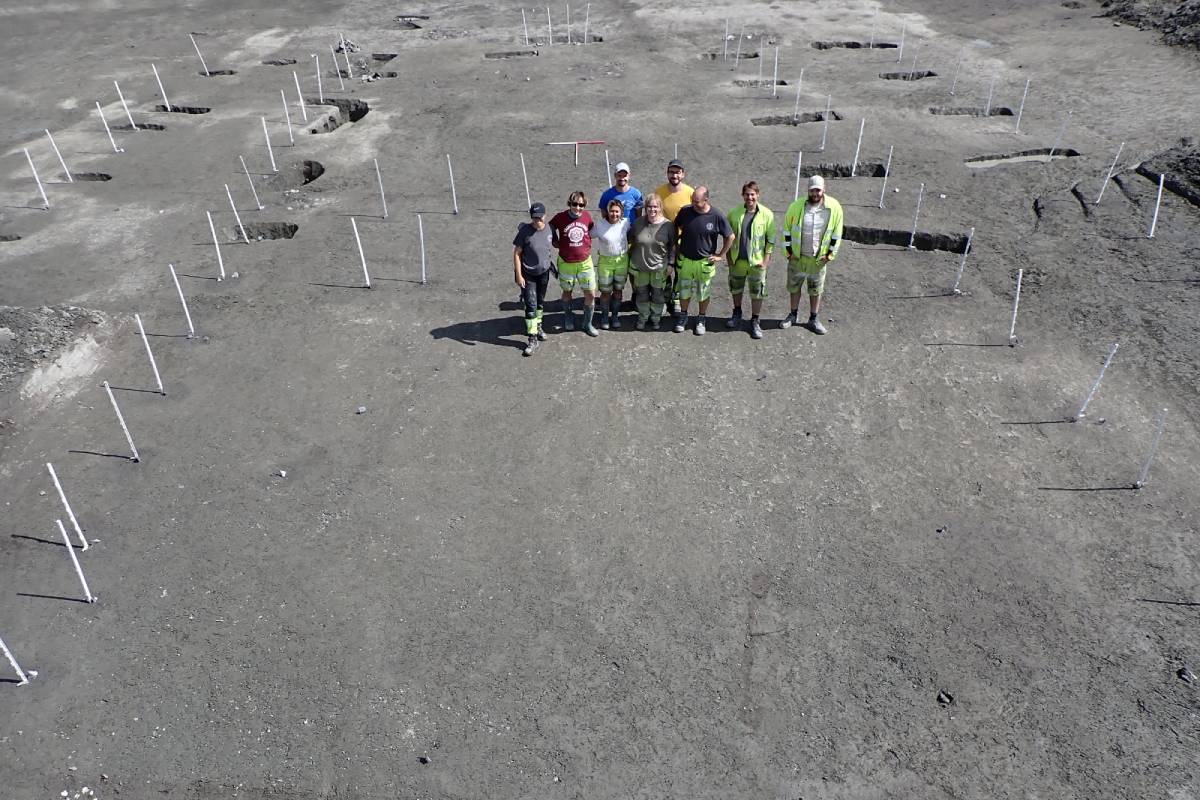
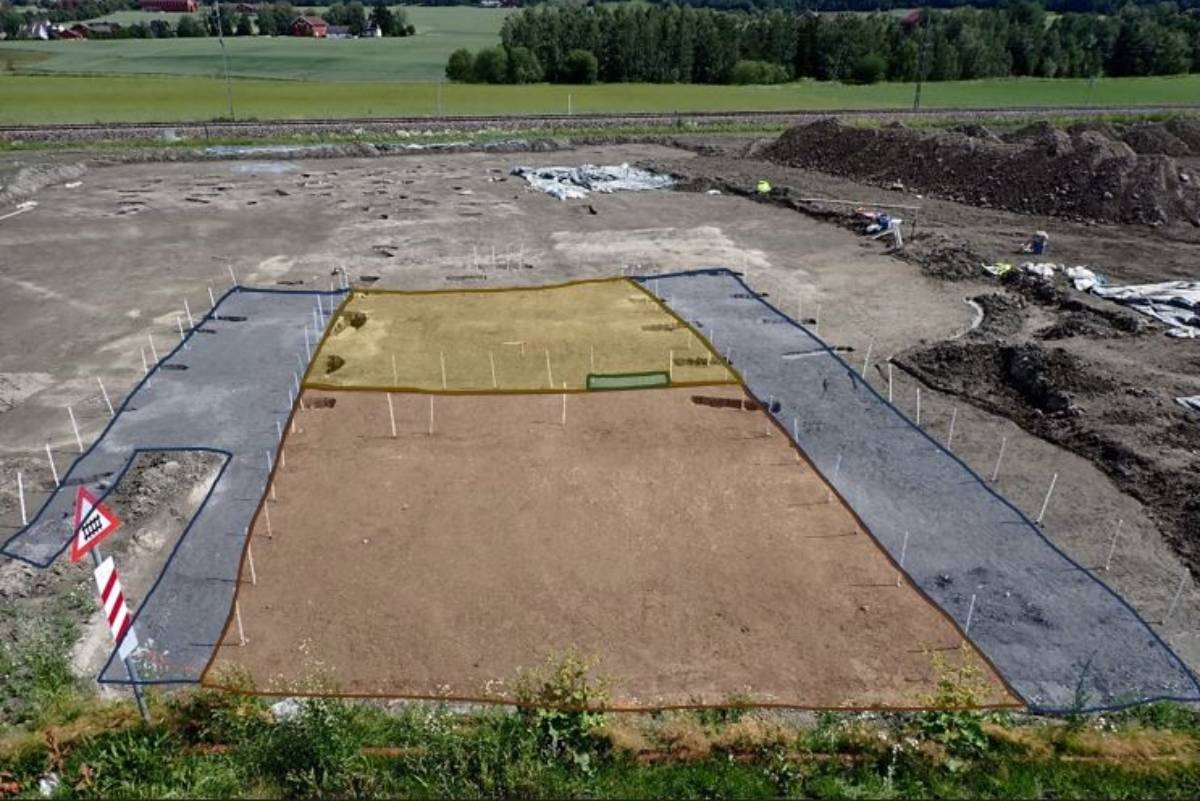
Post-hole patterns in the soil confirmed the outline of a 3rd-century longhall, estimated at 50–60 meters long. Source: Museum of Cultural History / University of Oslo
Clear patterns
As the archaeologists labored, clear signs began to emerge of an unusually large structure beneath the soil.
"This building would have been made entirely from wood," Jes tells us. "They would have dug deep into the ground to install structures to support the roof."
"The wooden posts, of course, are no longer there, but you can find the holes where they were placed – the earth is mixed together, so there is a different texture or color," Jes explains.
"Known as post-holes, they would have held the timber that supports the roof. We also found other post-holes for the walls, too."
"Post-holes have relatively vertical sides and a fairly horizontal or U-shaped bottom. You can also see if they are dug in a certain pattern – with this house, for example, the spaces between the holes were very regular."
These patterns enabled the team to soon form an idea of the size of the property.
"At Sem, the wall lines showed us that the house had a width of 16 meters," Jes tells us. "In terms of the length, we had 20 meters at the excavation area, but the structure also continues beyond these confines and possibly below a modern road."
"In total, we think it would be around 50 or 60 meters long. For the height, we know it needed a roof steep enough to allow the snow to slide off; otherwise, it would simply collapse."
"Taking this into account, we have estimated the height to be around 11 meters."
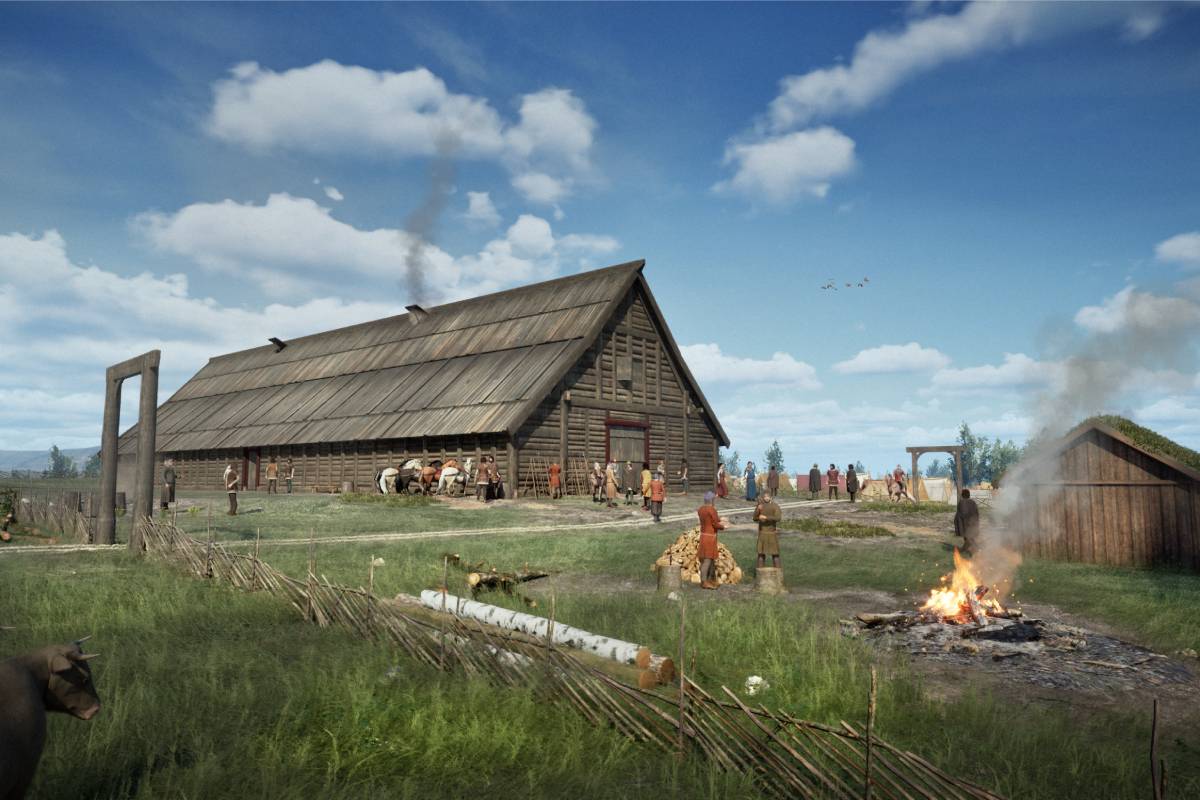
Initially thought to be from the 17th century, the longhall's 3rd-century date left archaeologists in disbelief. Source: Museum of Cultural History / University of Oslo
Sheer disbelief
But who would build a house of such enormous proportions, and in what era?
In previous excavations, the Sem site had revealed artifacts ranging from the late Bronze Age to the 17th century. Given the sheer size of the building, the research team initially assumed it would have been constructed toward the later end of that range.
"The king of Norway-Denmark erected a manor house on the same site in 1623," Jes says.
"This fact, and the way the building was constructed, made us think it could have been from the 17th century."
"However, we also noticed that other later structures on the same site all had traces of waste and bricks from the construction of this manor. With the house, however, there were no bricks at all."
Nevertheless, the archaeologists were stunned when initial carbon dating tests were carried out, and some charcoal found at the site was dated to the 3rd century.
"At first, we said, 'No way!'" Jes admits. "I thought the charcoal must be a kind of mixture from an earlier settlement. I was absolutely certain the result was false."
The team knew that such a find would be completely unprecedented. "We sent in another five samples and got the same date – annoyingly!" Jes tells The Viking Herald.
"I remember saying, 'This is really bad. Nobody will ever believe us!' For a house, you usually need carbon dating from three to six samples to be relatively sure that the date is correct."
"But we felt we had to do more and sent off even more samples. We now have approximately 15 samples in total, and while some are slightly earlier, none is later than the period when the house was in use."
The sheer size of the 3rd-century longhall suggests it was built as a display of power, possibly for a king. Source: Museum of Cultural History / University of Oslo
A symbol of power
Jes is keen to stress just how unusual and impressive the building would have been in the 3rd century.
"This house must have had several stories – I don't think you could have a single hall space that is 11 meters high."
"We have carried out survival experiments in the past, and with an earthen floor and thin walls, the temperature is only two or three degrees higher than the outside temperature. This means the only way of getting heat is to remove yourself from the ground and get onto a second floor."
It is likely that such a large building would have held significant symbolic meaning.
"The size and structure of the building can be seen as a Germanic expression of power," Jes tells us. "I do think it belonged to a king – there must be a need for such a display of power. It must have been built for an overlord – a lord who ruled over other lords."
The fact that a 3rd-century leader could have built such a structure is compelling, yet it also challenges some long-held beliefs.
After all, the general assumption is that prior to the Viking Age, Norway was always divided into a number of petty kingdoms ruled by relatively insignificant local chieftains.
"Just like me, some of my colleagues reacted to our findings with disbelief," Jes admits. "But because we decided to test so many samples, they have to admit that it seems to be true."
"And now, of course, people have started saying they never denied there were kings in this period!"
"Actually, I have been wondering about this for years," Jes continues. "Naturally, we have discussed kings and chieftains in the Iron Age, but if there really were such leaders, why would they live in huts that look exactly the same as the ones the farmers lived in?"
"Why don't we find anything completely different? Well, now we have one, and it's so different that nobody can quite believe it!"
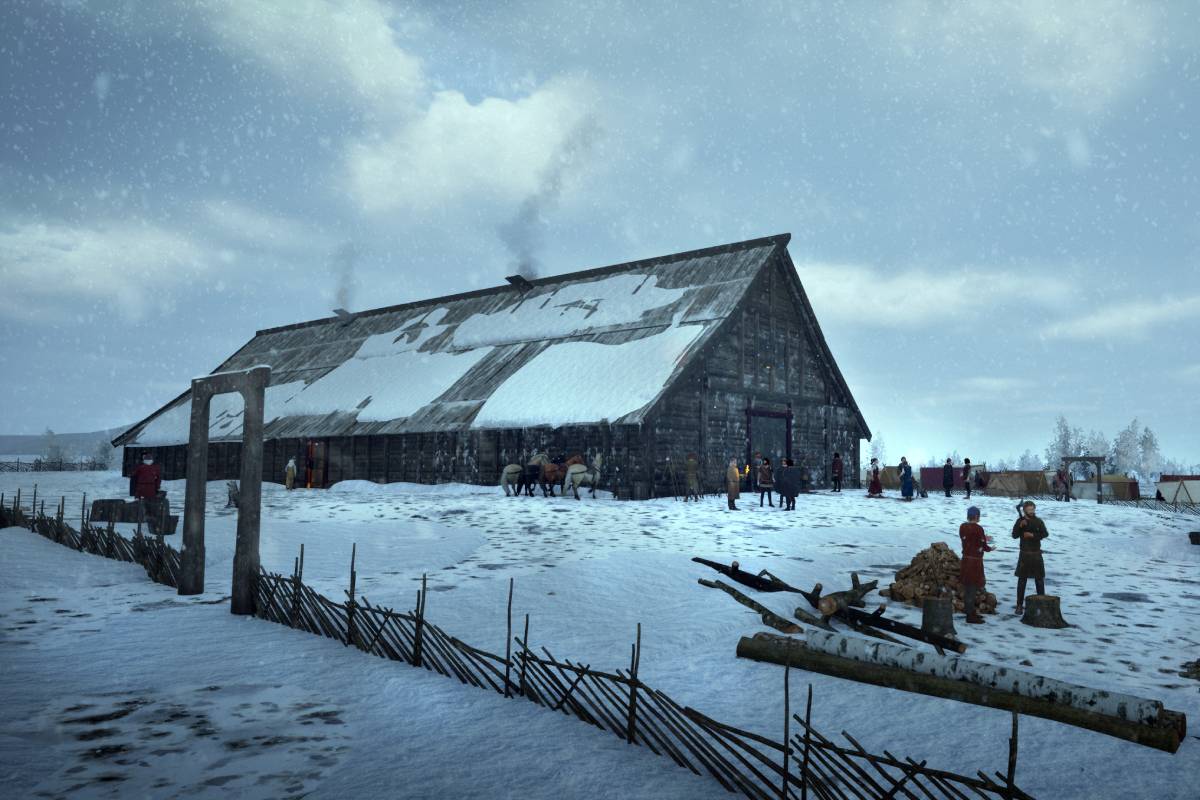
Archaeologists suggest the longhall may have belonged to a ruler of a large pre-Viking Scandinavian kingdom. Source: Museum of Cultural History / University of Oslo
Ruler of the Kattegat Empire?
So, just how powerful might this ruler have been?
"His kingdom or empire – whatever you want to call it – could have been a large area of southern Scandinavia," Jes tells us.
"It could perhaps have been what has been referred to as the Kattegat Empire. This would have been centered around the Kattegat Sea, which is connected to Norway, Denmark, and Sweden."
"We do have indications from this period that something like this may have existed," Jes informs The Viking Herald.
"We know of one power center in southeastern Zealand that apparently sent out prestige objects to the area around Øvre Eiker and various other indicators that show these connections."
"There is also evidence of an attack on the Jutland Peninsula during this period, where the armory originated from the Scandinavian Peninsula."
"You have this feeling that these areas were cooperating in some way. Of course, the concept of a state would be misplaced – it implies boundary markings, tax collection, and similar structures, which we don't think existed in this era."
"At the same time, there could have been a leader who ruled over a large area. Someone charismatic, like Cnut the Great, for example, can build a large empire that quickly falls apart."
"Some people still believe it's too early, that kingdoms only evolved later," Jes adds. "But that's only if you expect that history only goes in one direction, and that's up."
"History can change direction all the time. People seem to forget what happened to the Roman Empire – there was a huge empire that suddenly dissolved into minor states."
"This could easily have happened here, too, except there are no written records. You know, it's really hard to find an empire just by looking in the ground!"
We get to provide readers with original coverage thanks to our loyal supporters. Do you enjoy our work? You can become a PATRON here or via our Patreon page. You'll get access to exclusive content and early access.
Feel free to reach out to discuss potential stories that may be in the public interest. You can reach us via email at hello@thevikingherald.com with the understanding that the information you provide might be used in our reporting and stories.