

The National Museum of Denmark has announced the discovery of a previously unknown Norse church in Southern Greenland. The church was found at Qinngua near Narsarsuaq, not far from the settlement of Erik the Red.
Forcing a rethink
The discovery was made by a team of researchers from the National Museum of Denmark, Greenland’s National Museum and Archive, the University Museum of Bergen and UNESCO Kujataa.
It is the first time in 60 years that archaeologists have found a Norse church in Greenland. In a recent press release, Christian Edelfelt Koch Madsen, senior researcher at the National Museum and research coordinator of the project, commented on the discovery.
“This is a sensation, which means we have to rethink the significance of this whole area to the Norse people. Churches were vital in Norse society, which makes them key to understanding how their society, especially the power structures, developed,” Koch Madsen noted.
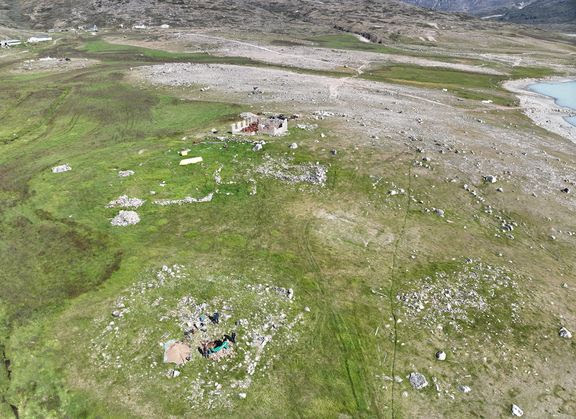
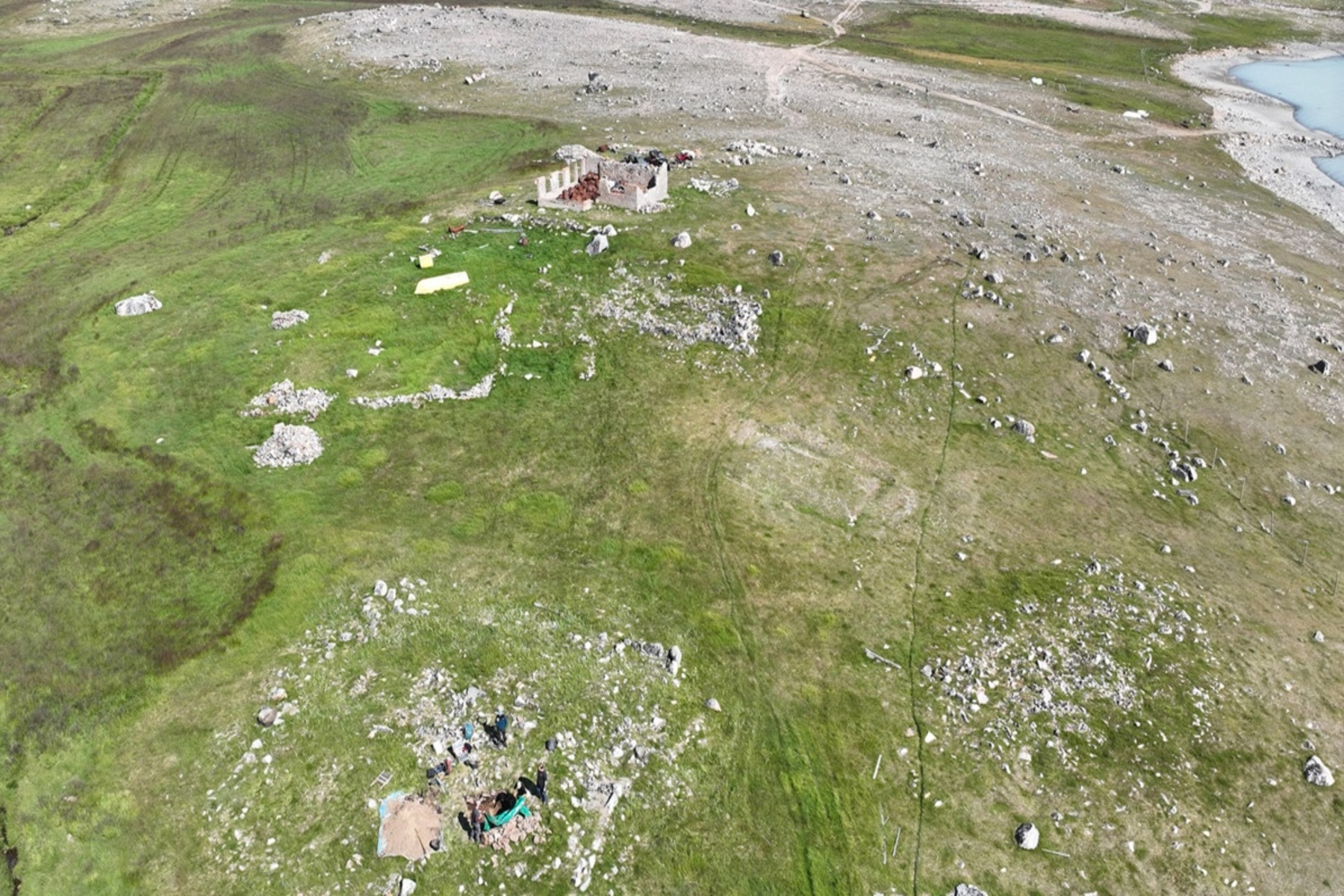
Site from above. Source: National Museum of Denmark
Skeleton reveals presence of church
The site has been under investigation since the 2000s, with several elements of masonry suggesting that it may contain the ruins of a church. At the same time, the experts were previously unwilling to confirm the nature of the building.
Now, however, the discovery of a skeleton at the site with its head placed to the east – typical of Christian burials – would appear to confirm the presence of a grave site. In turn, this demonstrates the existence of a cemetery and therefore a church.
“This is ‘the smoking gun’,” commented Koch Madsen. “Now there is no doubt that this is a church. Inuit are buried in stone-covered chambers, whereas Norse people are buried in cemeteries, so everything points in the same direction, including the written sources.”
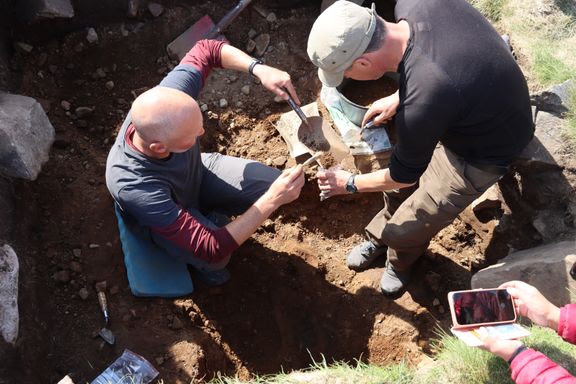
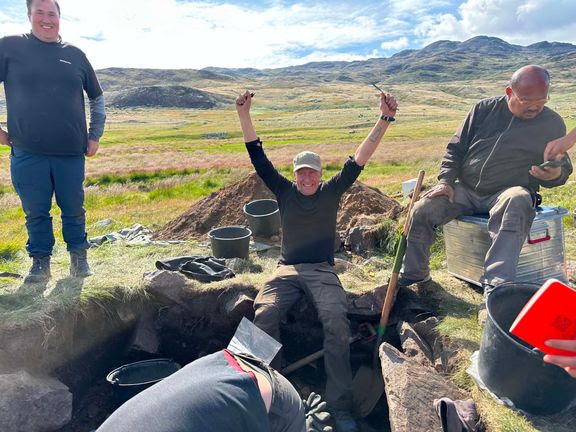
Excavation underway. Source: National Museum of Denmark
The Church Under the Sunny Mountains
The location of the church is very similar to one mentioned in medieval sources, “Kirkja undir Sólarfjöllum” (the Church Under the Sunny Mountains). This means there could be more such constructions in the area.
“As the location of this church fits so well with the descriptions in the sources, it would make sense to try to locate other churches also mentioned in writing, but as yet undiscovered,” Koch Madsen commented.
While previous churches and buildings found in the local area have been dated to the Viking Age, the newly found structure is initially thought to be from 1100-1300 CE. It is hoped that further investigations will reveal more about the history of this period.
“It almost seems as if this area was home to a veritable race to build churches and thus demonstrate power and position,” Koch Madsen noted. “That race likely had some losers who perhaps gave up on their church buildings – such as this one. More research will show. Regardless, this find means we have to look at the area in a new way and reconsider what we know about Norse medieval societal structures.”
The Viking Herald has contacted the archeology team for further comment.
We get to provide readers with original coverage thanks to our loyal supporters. Do you enjoy our work? You can become a PATRON here or via our Patreon page. You'll get access to exclusive content and early access.
Feel free to reach out to discuss potential stories that may be in the public interest. You can reach us via email at hello@thevikingherald.com with the understanding that the information you provide might be used in our reporting and stories.