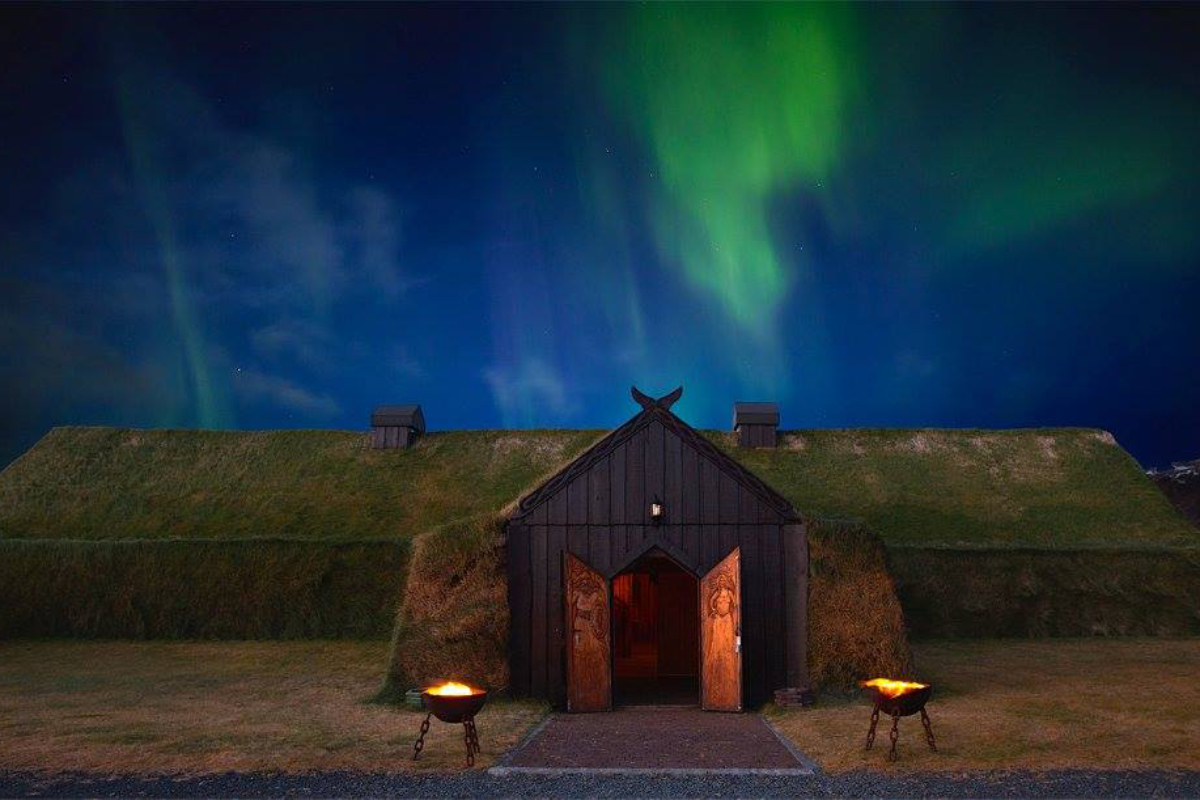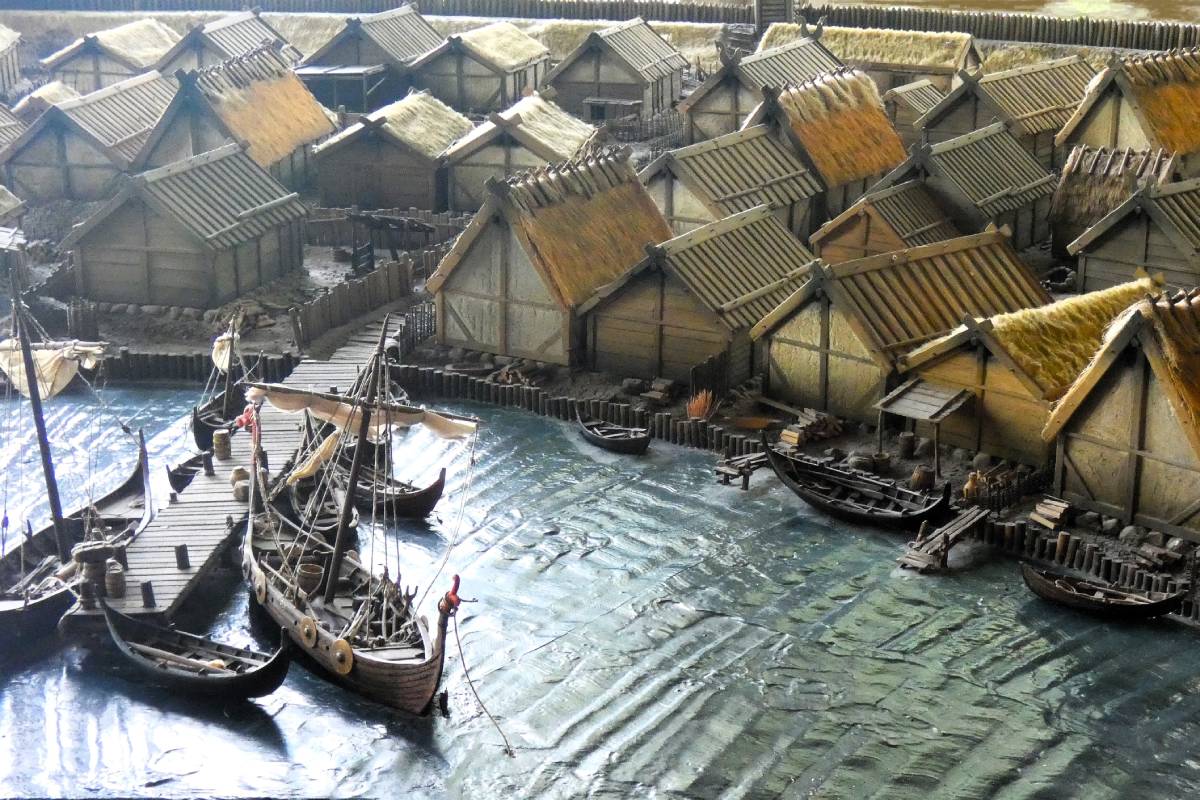


Since the mid-19th century, more than 75,000 items have been plucked from the ground of the Birka archeological site in Sweden. What was once a bustling Viking trading hub, perhaps the first such in Swedish history, sees about the same number of tourists heading to this UNESCO World Heritage site every year.
In this article, we turn our attention to some of the best archaeological treasures that have been uncovered from this early medieval entrepôt.
The riddle of Birka Grave BJ 581
When archaeologists dug up the remains of a human body in what is now labelled grave “BJ 581”, it was assumed to be a male warrior. That was the case from the discovery in 1878 until a 2014 osteological and 2017 DNA analysis proved otherwise.
This human, believed to have lived in the 10th century CE and hailing from a Viking society, was assumed to be a male warrior due to the presence of weapons and grave goods. However, these recent scientific tests proved that this “male” warrior was, in fact, a female.
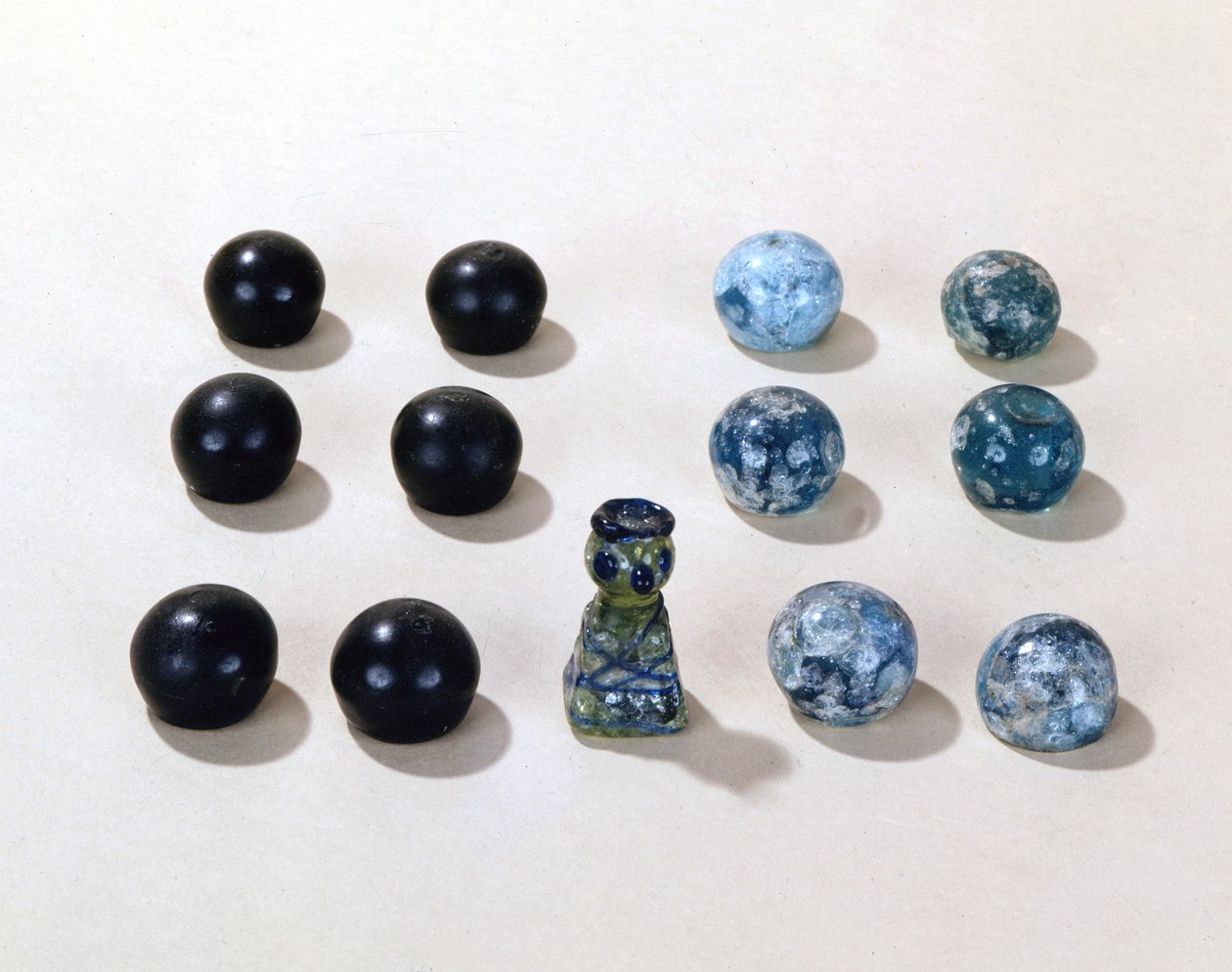
The high-ranking woman was buried alongside supposed markers of warfare, including an axe, sword, a sharpening knife, and a piece of a popular strategic board game. The results that demonstrated that the grave contained a woman caught the world’s popular imagination, as many claimed this find finally proved that the shieldmaidens of Norse saga were a historical fact.
Yet when the dust settled and the public calmed, we began to develop a slightly more complicated picture of the individual buried in grave BJ 581. Although it is accepted beyond doubt that the skeleton is female, many scholars have argued the presence of warlike grave goods does not necessarily make a warrior.
Some critics have counterattacked this line of thought, however, as misogynistic, and a prime example of how women are written out of history. Sadly, the female buried in Birka grave BJ581 will never reveal her secrets. Nevertheless, her discovery has helped inspire whole new perspectives on women in Viking societies.
For more on this grave, please read our 2024 interview with French archeologist Amanda Berger: https://thevikingherald.com/article/great-viking-discoveries-grave-581-and-the-birka-shield-maiden/768
Eastern (coin) connections
Traditional histories of the Age of Vikings can be, let’s face it, rather Eurocentric. However, Europe, even if it was in its “early medieval period” (don’t you dare say “Dark Ages”; they are fighting words here!), did not exist in a vacuum.
Part of the impressive legacy of people from Viking societies (aside from all the slave trading and murder) was that they helped rebuild old and forge new trade networks. These commercial connections helped link Europe to Africa and Asia.
One grave find at Birka, BJ 750, spoke to these far-flung connections when it was dug up. This early 10th-century coin was believed to have been minted for the Samanid amir of Transoxiana and Khorasan in what is now Northwest Afghanistan.
This beautiful Islamic silver coin would have no doubt plied the Silk Roads on a long westward trek to Scandinavia. We tend to think of this modern world as possessing a globalized economy, but Birka Grave BJ 750 proves these economic foundations were forged centuries ago.
PLEASE NOTE: The rest of this article is only available to our paid Patreon subscribers.
The topic was selected by our Patrons in a weekly poll. Support The Viking Herald on Patreon to read the full article and help choose future topics.
If you would like to learn more about Patreon and why we have decided to restrict access to some content, please take a look at this article.
Feel free to reach out to discuss potential stories that may be in the public interest. You can reach us via email at hello@thevikingherald.com with the understanding that the information you provide might be used in our reporting and stories.