

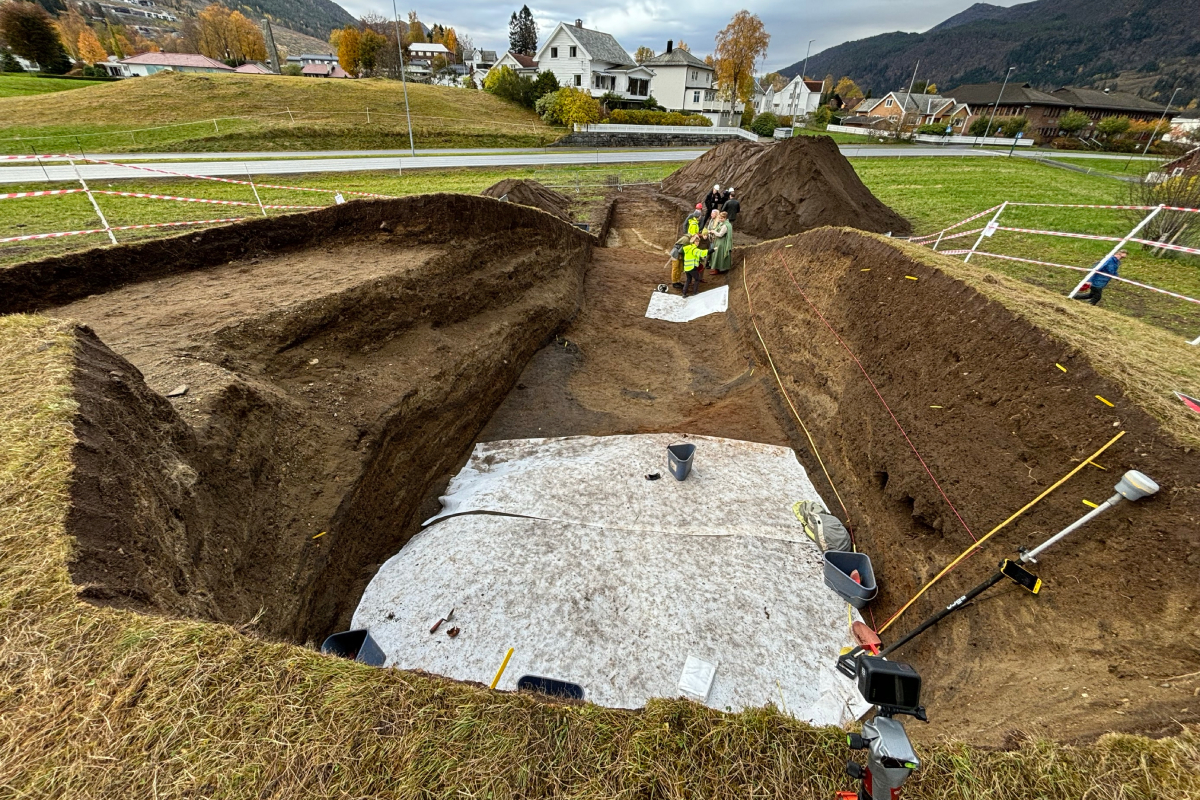
New archeological excavations have confirmed that the burial site at Myklebust in the town of Nordfjordeid, Norway, contains one of the largest Viking ships ever found.
The burial mound was first excavated in the 19th century. In addition to new artifacts, present-day investigations have unearthed a 150-year-old message from the archeologist who led the original dig.
Renewed interest
The burial mound at Nordfjordeid was first excavated in 1874, revealing the partial remains of a large Viking ship.
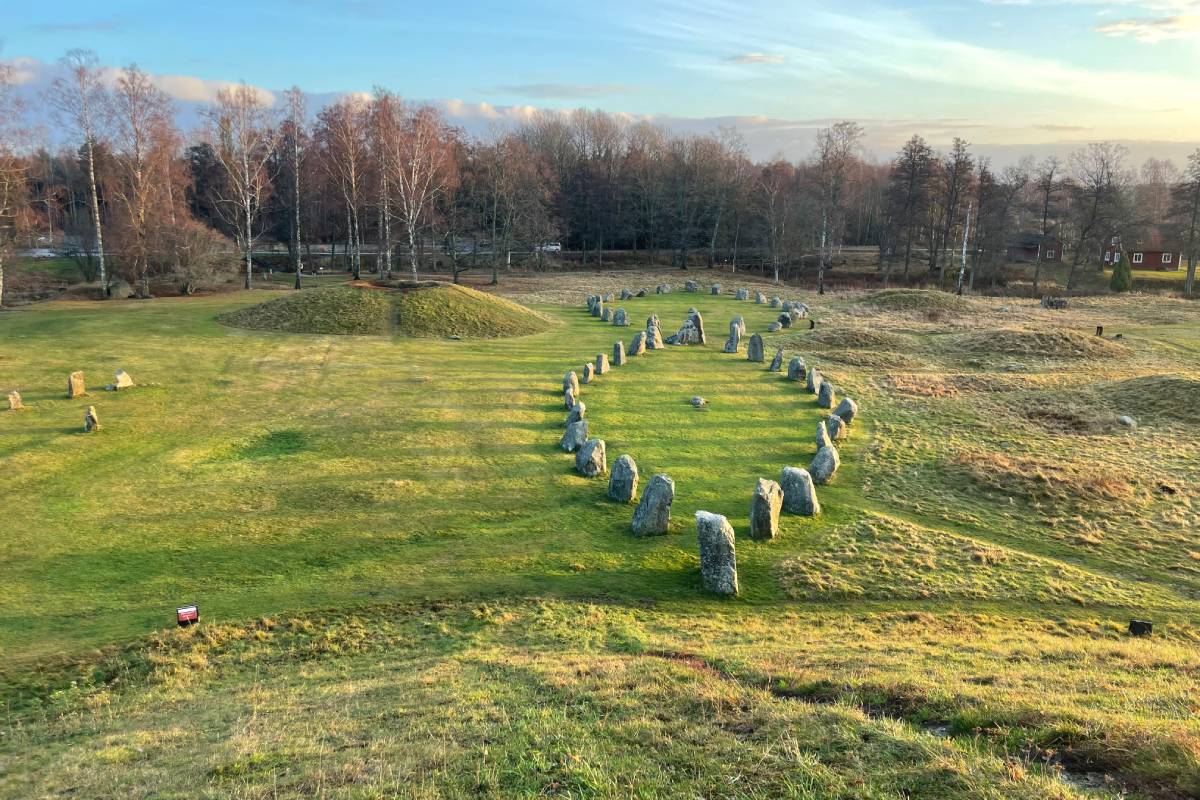
However, the Myklebust ship was soon overshadowed by the discoveries of Gokstad and Oseberg, both of which were remarkably well-preserved.
Today, with enthusiasm for Viking Age archeology arguably at an all-time high, several older excavations are being revisited.
Interest in the Nordfjordeid site is also spurred by an ongoing application for the Viking ship burials in Norway to be recognized as UNESCO World Heritage Sites.
Under the framework of the UNESCO application, the Norwegian National Archives commissioned a new excavation of the Myklebust burial mound.
Archeologists at the University of Bergen, in collaboration with the University of Stavanger, have now carried out this excavation.
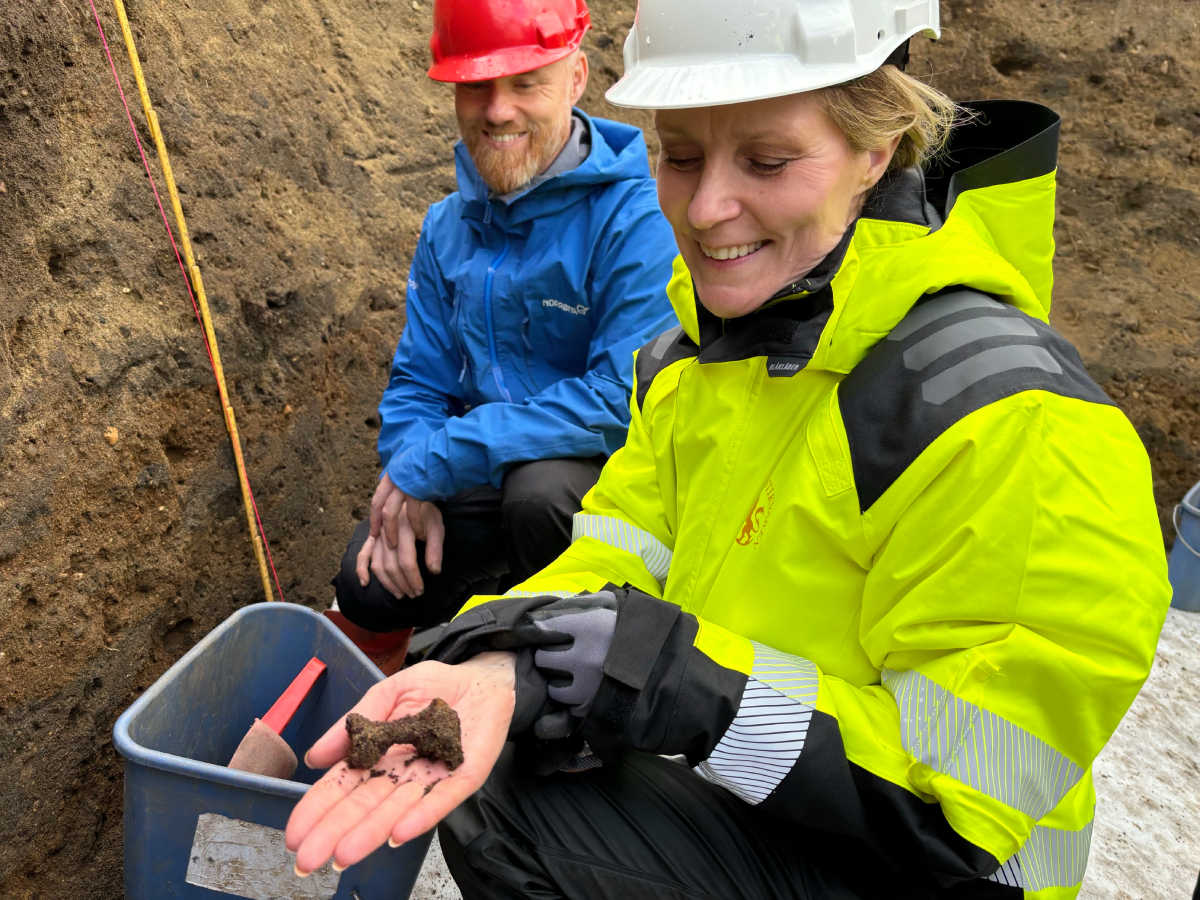
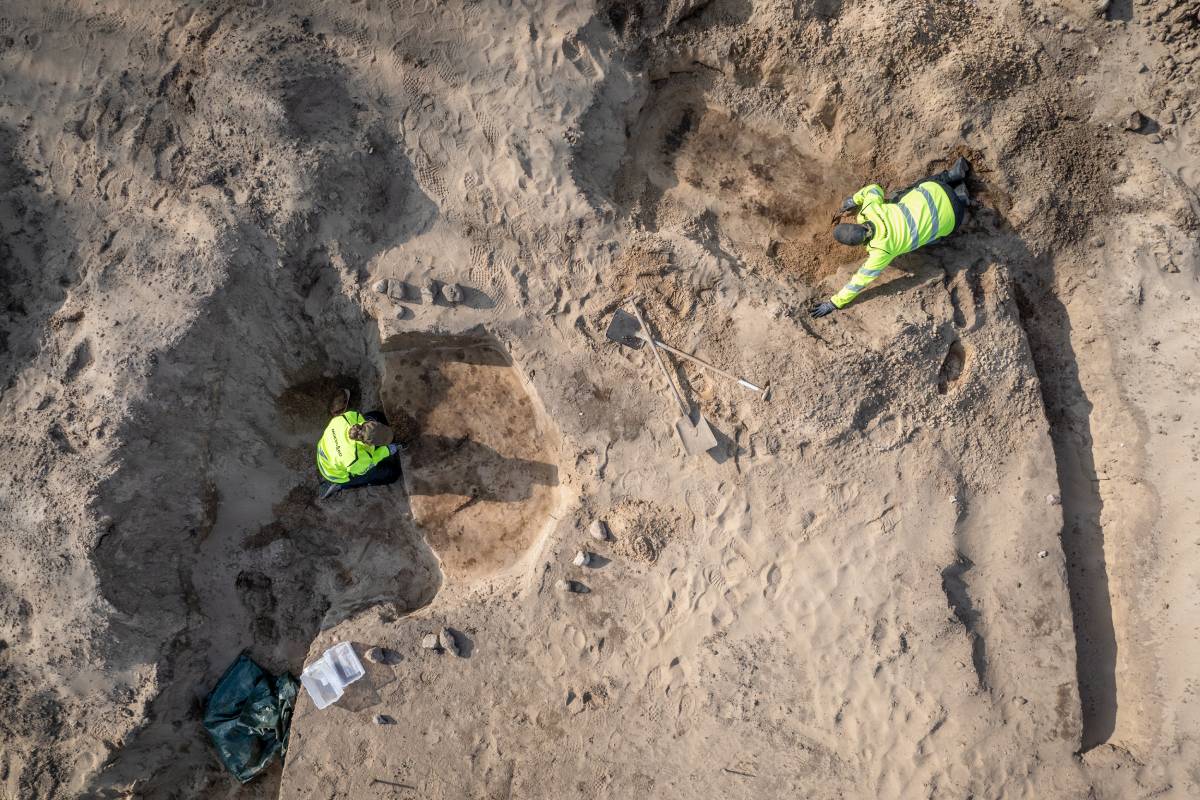
Archeologists found 500 additional rivets in the Myklebust ship mound, pointing to its impressive size. Photo: Jan Magnus Weiberg-Aurdal / Riksantikvaren
A formidable Viking ship
The team has announced that the new investigations have produced around 500 ship rivets – metal fasteners that held the vessel together – a bronze ring, and several items believed to be shield bosses.
Given that 600 rivets were also retrieved during the 1874 excavations, there is every indication that the ship was of considerable size.
"The ship was very large. There is a great deal of variation in the rivets, and this confirms that the Myklebust ship was a formidable Viking ship," Morten Ramstad, head of the antiquities department at the University of Bergen, stated in a release to Norwegian National Antiquities.
"We have found well over 1,000 ship rivets, and we have only excavated a quarter of the mound, so we may be talking about several thousand rivets altogether."
"This is perhaps Norway's largest Viking ship, but we don't know for sure. Closer examinations of the rivets will provide more knowledge about the ship," added national antiquarian Hanna Geiran.
"When Anders Lorange examined the mound 150 years ago, he did it according to the methods of the time. Now we can find out even more."
- READ MORE: All you need to know about Viking ships
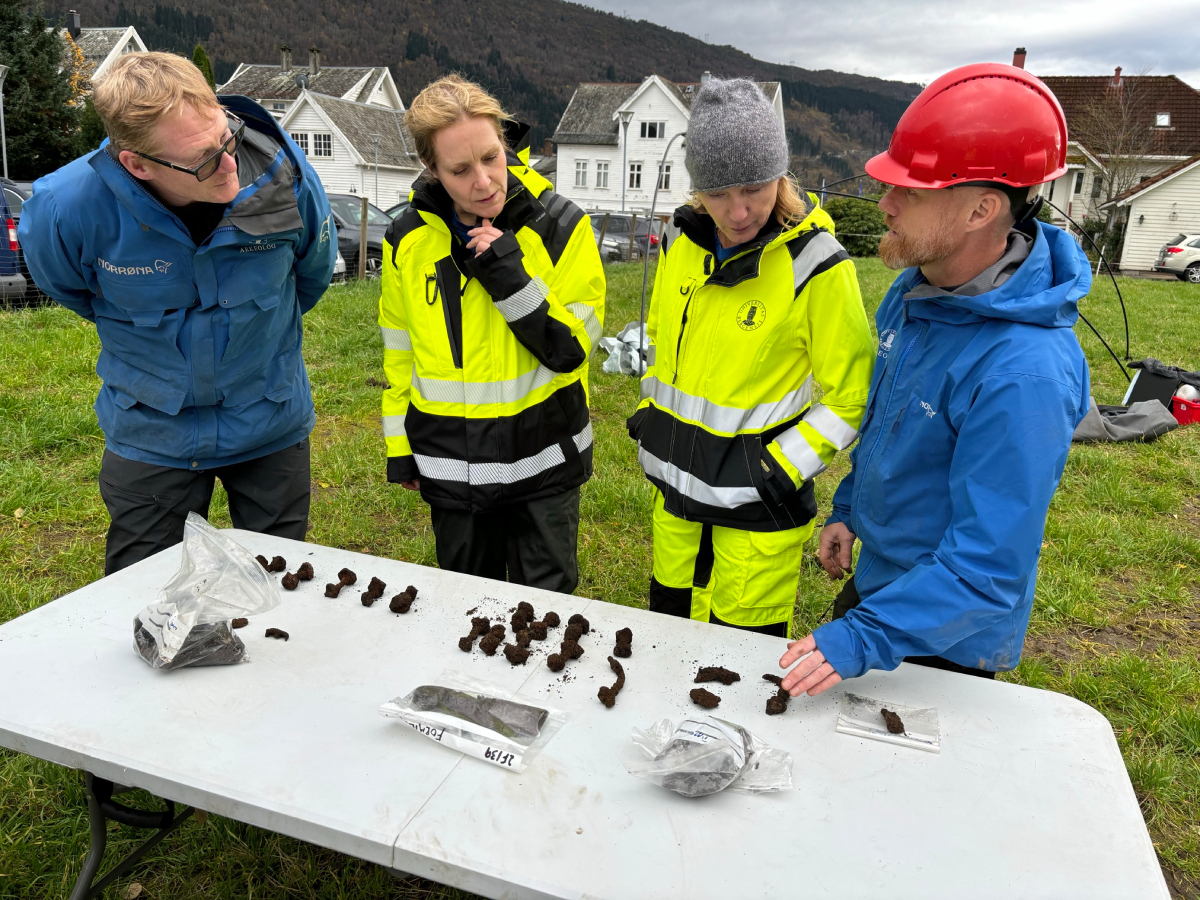
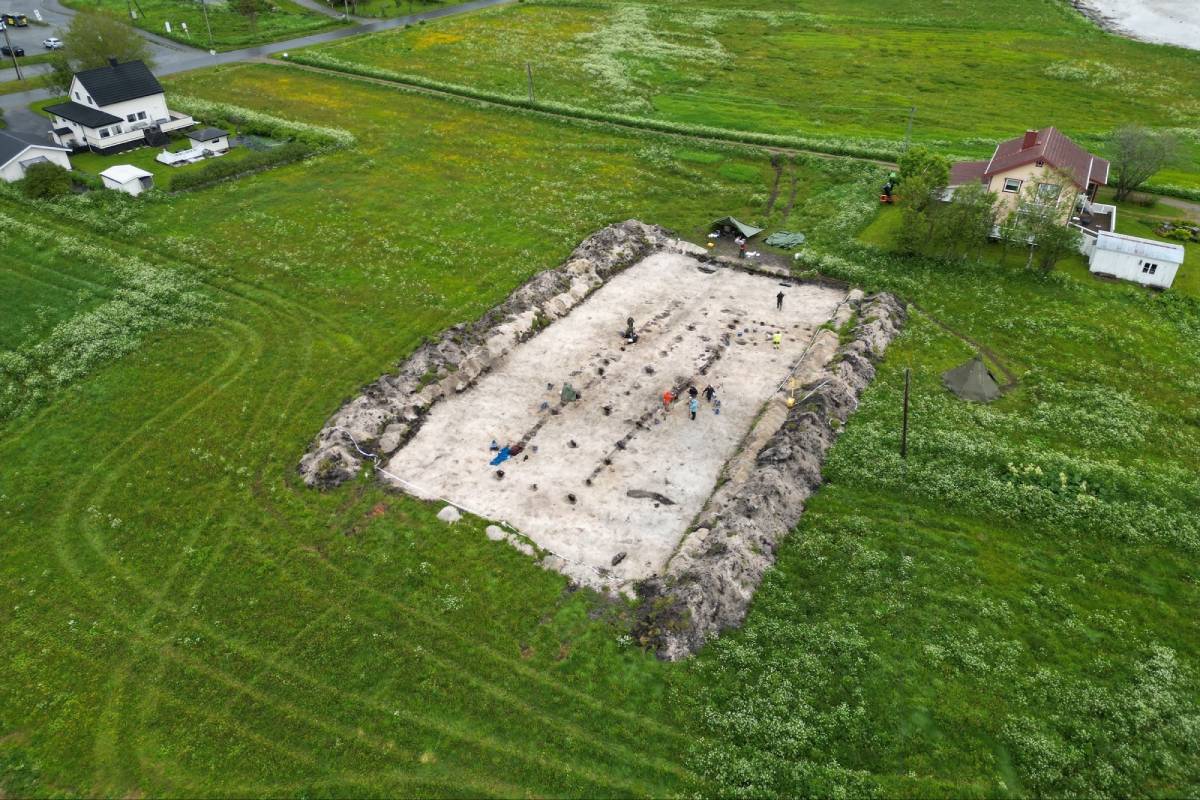
Archeologists report that Myklebust contained a farm and production facilities, which supports its role as a Viking power hub. Photo: Jan Magnus Weiberg-Aurdal / Riksantikvaren
More than meets the eye
The new investigations were aided by geo-radar, which provided the archeologists with a better understanding of the area surrounding the burial ship.
The initial analysis indicates there may have been a farm and some kind of production facility at the site.
"This is very exciting because we get the opportunity to see what lies beneath the ground," commented Geiran.
"The aim here is to find out more about the mound, but also the surrounding area. The research shows that this was a large farm and a center of power."
It is hoped that these additional discoveries will also help boost the UNESCO application. "It is very important to have physical traces in an application for World Heritage status," Geiran explained.
"We now have that, and it will strengthen the assessment we bring to the Ministry of Climate and the Environment regarding inclusion on Norway's tentative list."
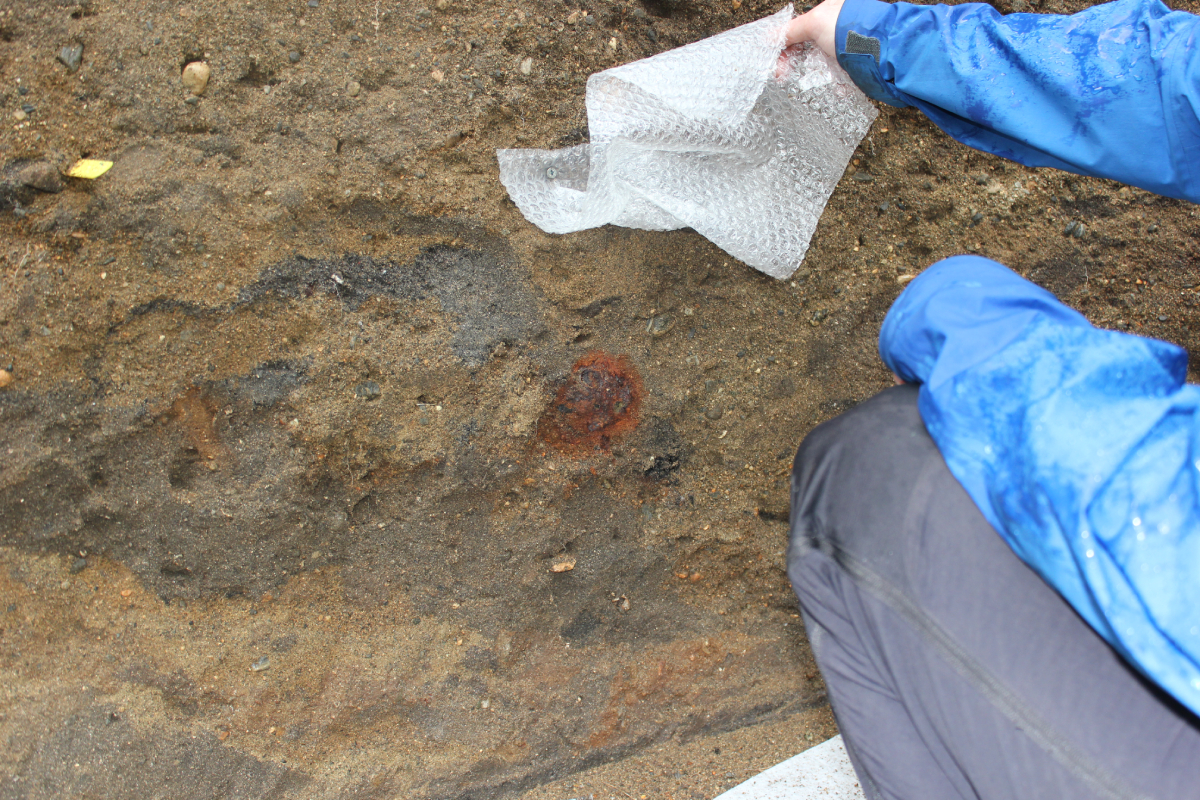
Archeologists discovered possible shield bosses from the Myklebust ship, now set for further analysis. Photo: Jan Magnus Weiberg-Aurdal / Riksantikvaren
Message in a bottle
The archeologists are understandably delighted to be part of such a historic excavation.
"Having the opportunity to dig in such a special find as the Myklebust ship, in such a central place in the Viking Age – I never thought I would get to experience it," Ramstad commented to National Antiquities.
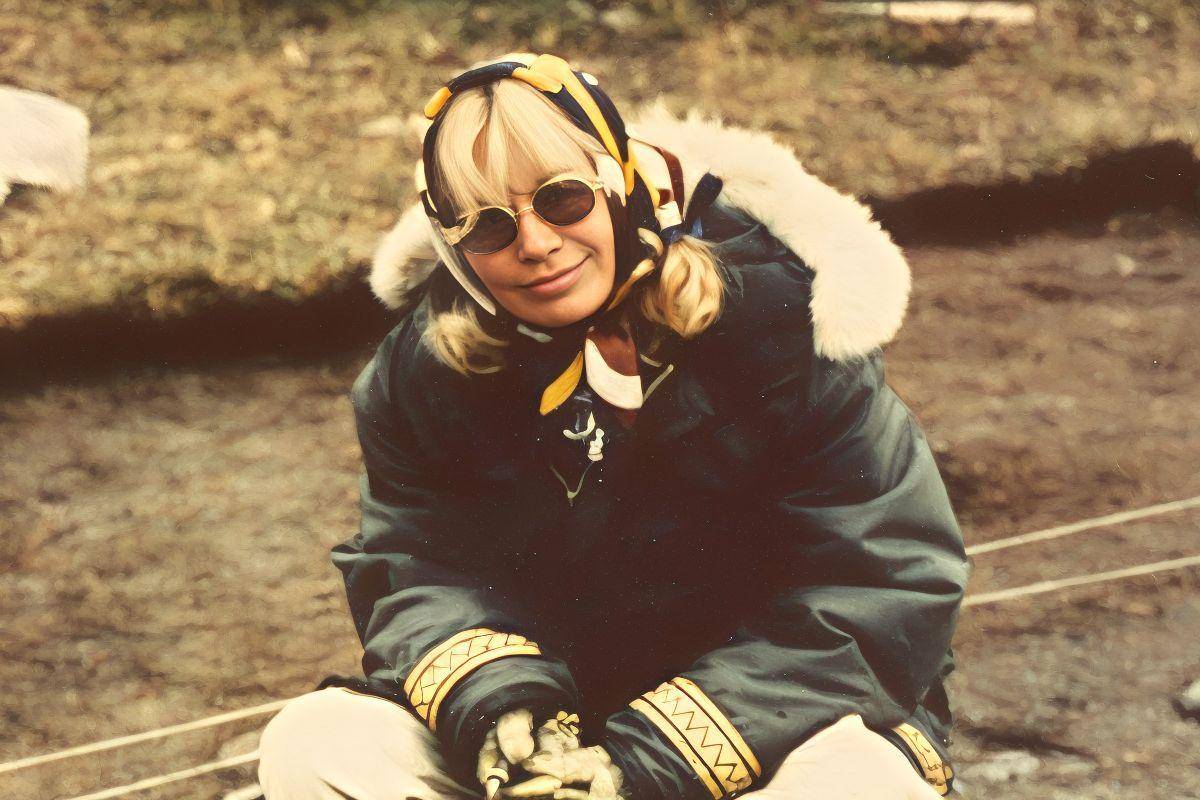
"It is also great to be able to dig in the footsteps of a legendary archeologist like Anders Lorange."
Indeed, the team even found a special and quite unexpected surprise in the burial mound – a message in a bottle from Lorange, the archeologist who first examined the site in the 19th century.
"We feel in awe," Ramstad admitted. "It was very special and incredibly moving to find the bottle message."
"I have made many wonderful discoveries in my career, but this is probably the best. All the archeologists here were fired up for many hours afterward. It was a great experience to share with some fine colleagues."
We get to provide readers with original coverage thanks to our loyal supporters. Do you enjoy our work? You can become a PATRON here or via our Patreon page. You'll get access to exclusive content and early access.
Feel free to reach out to discuss potential stories that may be in the public interest. You can reach us via email at hello@thevikingherald.com with the understanding that the information you provide might be used in our reporting and stories.