


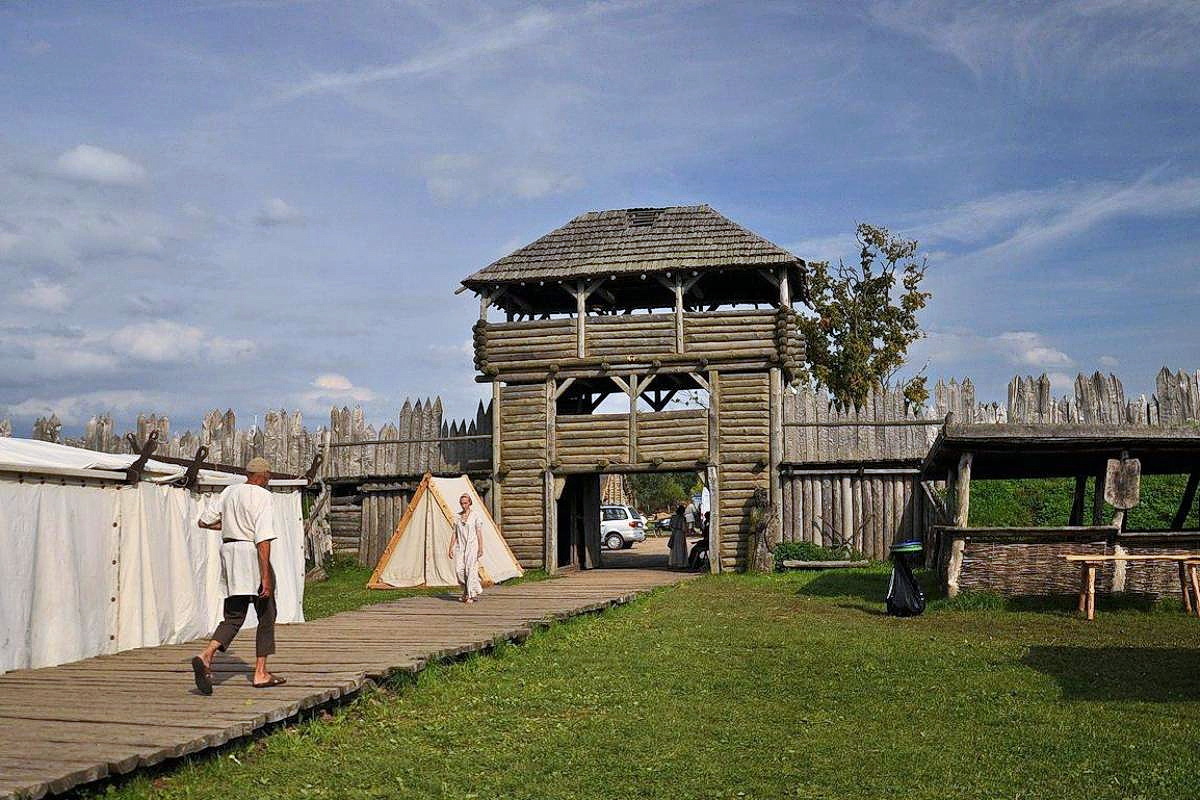
The Viking history of the Baltic island of Wolin in northwestern Poland is at once incredibly evocative and shrouded in mystery.
Long rumored to be the legendary home of the Jomsvikings, Wolin has seen a series of archeological excavations expose a clear connection with Viking Age Scandinavia.
For nearly 30 years, it has also been home to the Festival of Slavs and Vikings.
Until now, however, there has never been a large-scale investigation to determine the true extent of historical Scandinavian influence, which is why this summer will see the beginning of a major three-year archeological project that will delve deep below the surface in a search for the truth.
The Viking Herald speaks exclusively to two of the project leaders, Dr. Wojciech Filipowiak of the Institute of Archeology and Ethnology of the Polish Academy of Sciences and Søren M. Sindbæk of Aarhus University, about what they hope to achieve.
The king's blessing
As Wojciech explains to The Viking Herald, the project is part of a broader strategy to raise awareness of the importance of Wolin as a historical site and broaden our understanding of its cultural impact.
"We want to carry out major research in Wolin, build a new museum, and inscribe early medieval Wolin on the UNESCO World Heritage List," Wojciech informs us.
To achieve these goals, the Polish researchers sought to enlist the help of experts in Viking culture. This has, in turn, led to the formation of an international partnership with Denmark.
"The project got a lot of tailwinds," Søren comments to The Viking Herald.
"We signed the initial agreement for the collaboration in January 2023 during the Danish king Frederick's state visit to Poland. Later this year, we will finally begin the excavations. It's already been a real journey, even though we haven't dug up a single piece of soil yet!"
"Wolin is a unique place," Søren continues. "A branch of the Polish Academy of Sciences was established there after World War Two, but at first, there was only one person stationed in the building."
"This was the memorable Władysław Filipowiak, who was the leading researcher there for four decades or more. There was some great work done but on a tiny budget."
"The situation has changed, however. The region of Western Pomerania now has a great deal of investment, and Poland has become a real powerhouse of archeology."
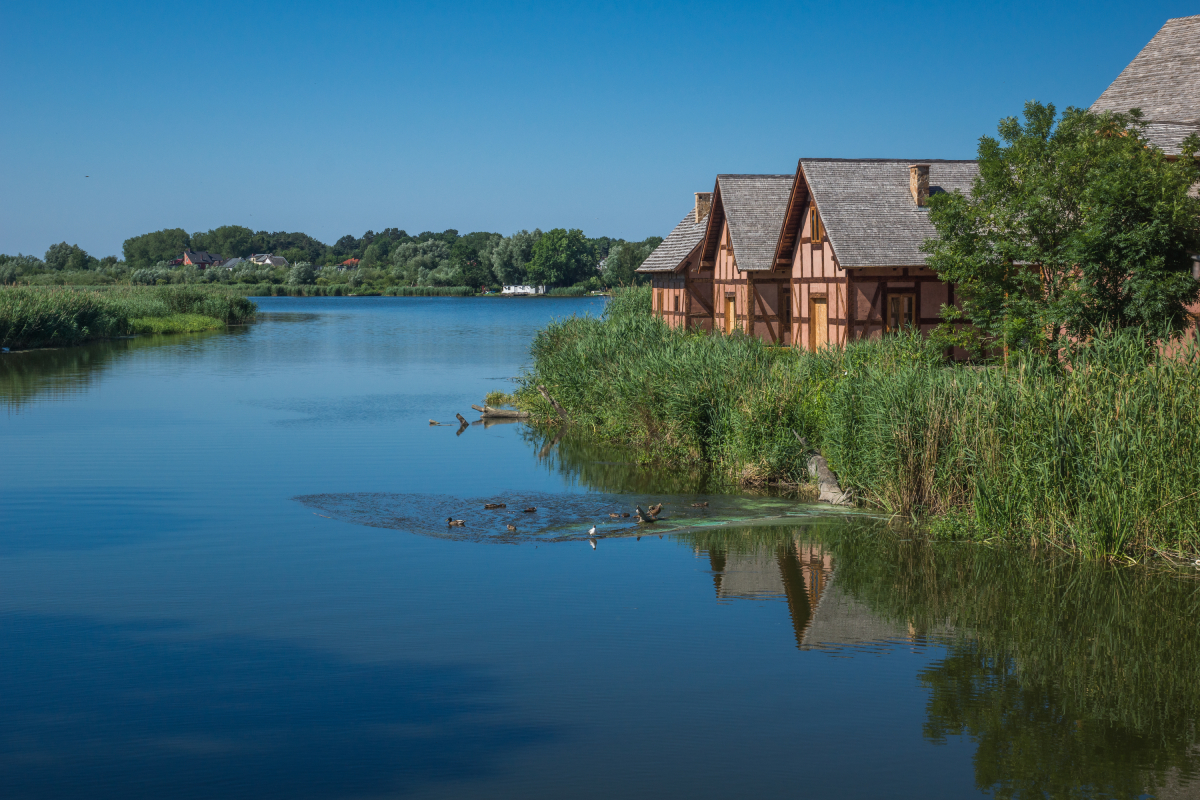
Researchers hope to clarify the relationship between Scandinavians and Slavs in Wolin, an early medieval trade and craft center. Photo: Artur Bociarski / Shutterstock
An early medieval melting pot?
Despite the relative lack of funds, Władysław Filipowiak went on to write more than 200 academic articles in the field of early medieval archeology and helped establish Wolin's reputation as a possible Viking–Slavic settlement.
Remarkably, Wojciech Filipowiak is his grandson and will continue the work of his relative with a new full-scale excavation that could finally confirm the true nature of the settlement.
"The goal is to better understand the relationship between Scandinavians and Slavs in an early medieval center of trade and craft and to understand better how Wolin emerged and functioned as an international maritime hub," Wojciech tells us.
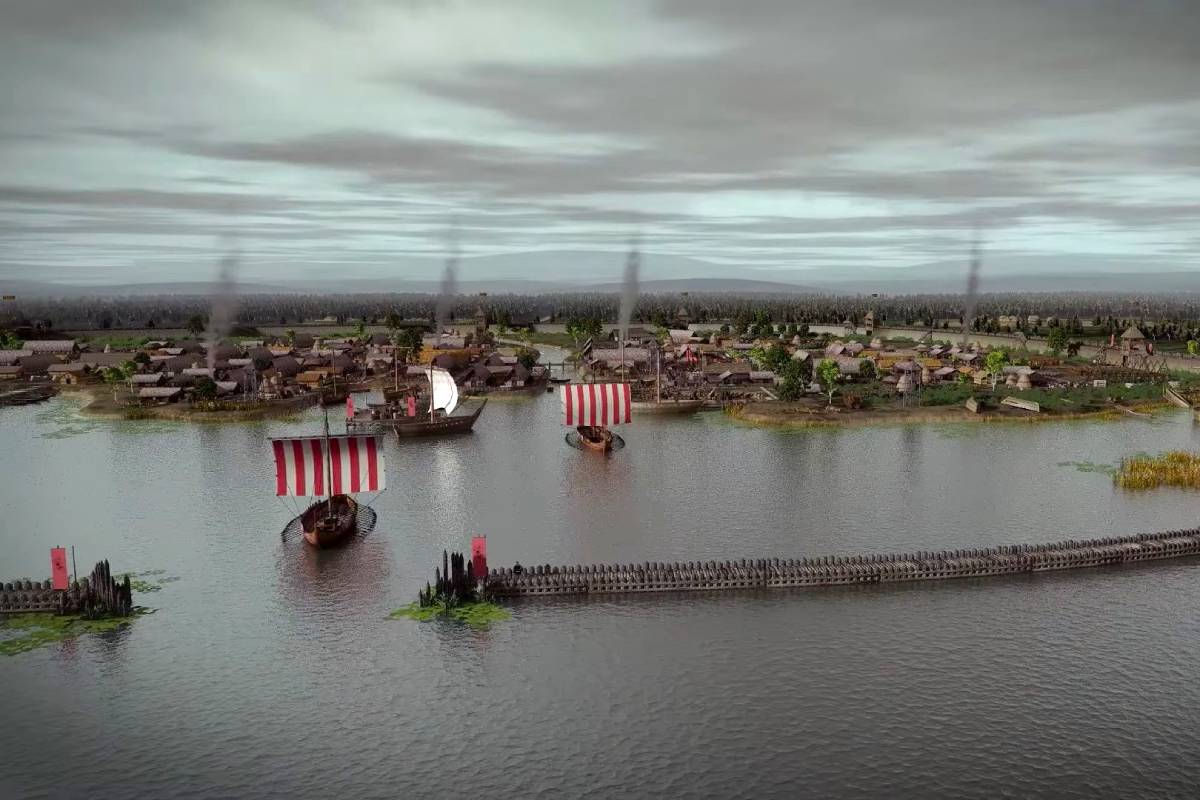
The areas to be investigated include a suspected craft and trade district, an area of marshland that may contain a harbor area, a large cemetery, and a possible fortress that could be linked to Jomsborg, the mythical home of the Jomsvikings.
"We know from previous excavations that this is going to be a huge site," Søren admits.
"There are six to eight meters of deposits in the center of Wolin going back to the 9th or 10th century. In the few places where the bottom of these deposits has been exposed, the finds are extremely well-preserved."
"We already have glimpses of buildings, harbor constructions, and lots of artifacts. I'm curious to see if we find a real melting pot of traditions or something that is predominantly of one cultural milieu or the other."
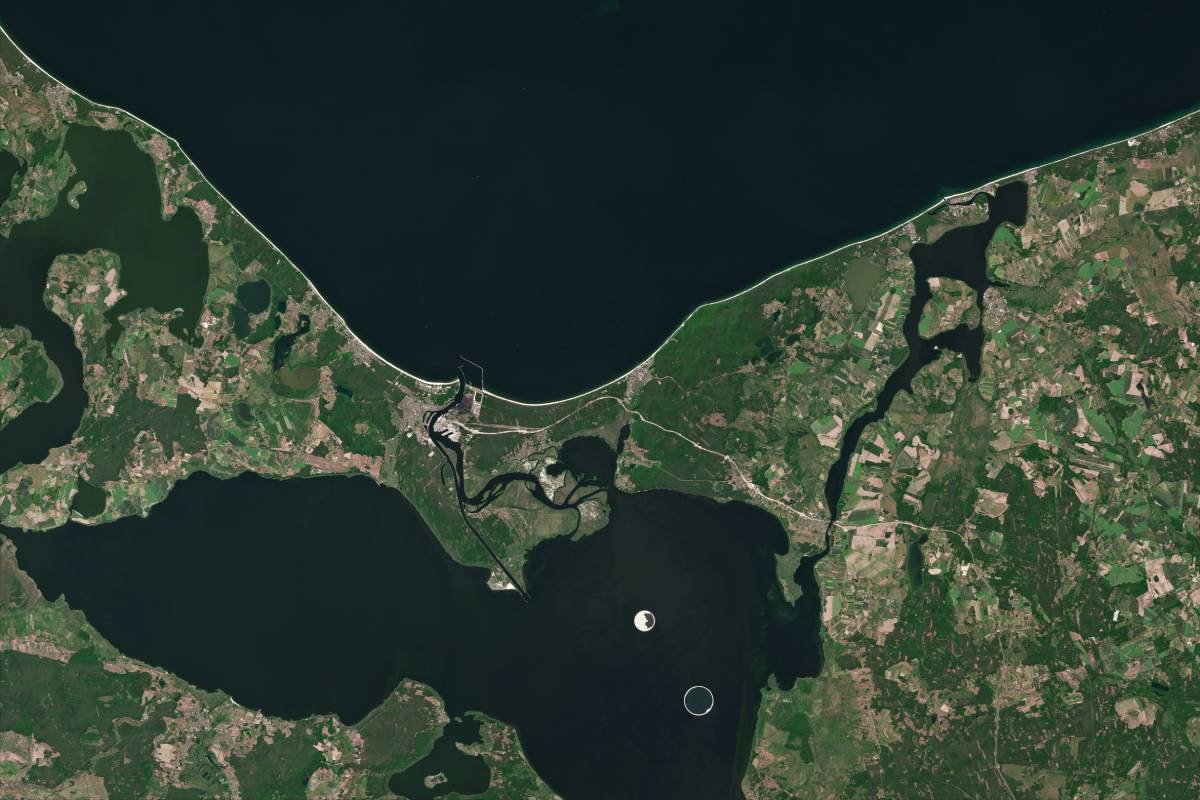
Archeologists expect the ports at Silver Hill and Hangmen Hill to reveal important artifacts and new data. Source: zelvan / Shutterstock
Plenty of puzzles to be solved
Indeed, Søren believes the Wolin project is a historic opportunity. "This is a very rare thing," Søren tells The Viking Herald.
"We have had major excavations in the past in Scandinavia, such as Kaupang and Birka, and this is the kind of scale and ambition we are looking at in Wolin now. These excavations really do only come around every one or two decades. It's very exciting."
Wojciech echoes the sentiment: "I expect spectacular discoveries," he informs The Viking Herald. "There are selected sites in the project that I can predict will yield big results, based on previous research."
"The ports at Silver Hill and Hangmen Hill will be full of unusual finds, new data, and fascinating puzzles."
"The alleged cult islet and the marshes surrounding the city, on the other hand, are still a complete unknown," Wojciech admits.
"Research has never been conducted there before, so we have no idea what to expect. In any case, Wolin undoubtedly has the potential for all sorts of discoveries, and thanks to the marshes, the organic matter is perfectly preserved."
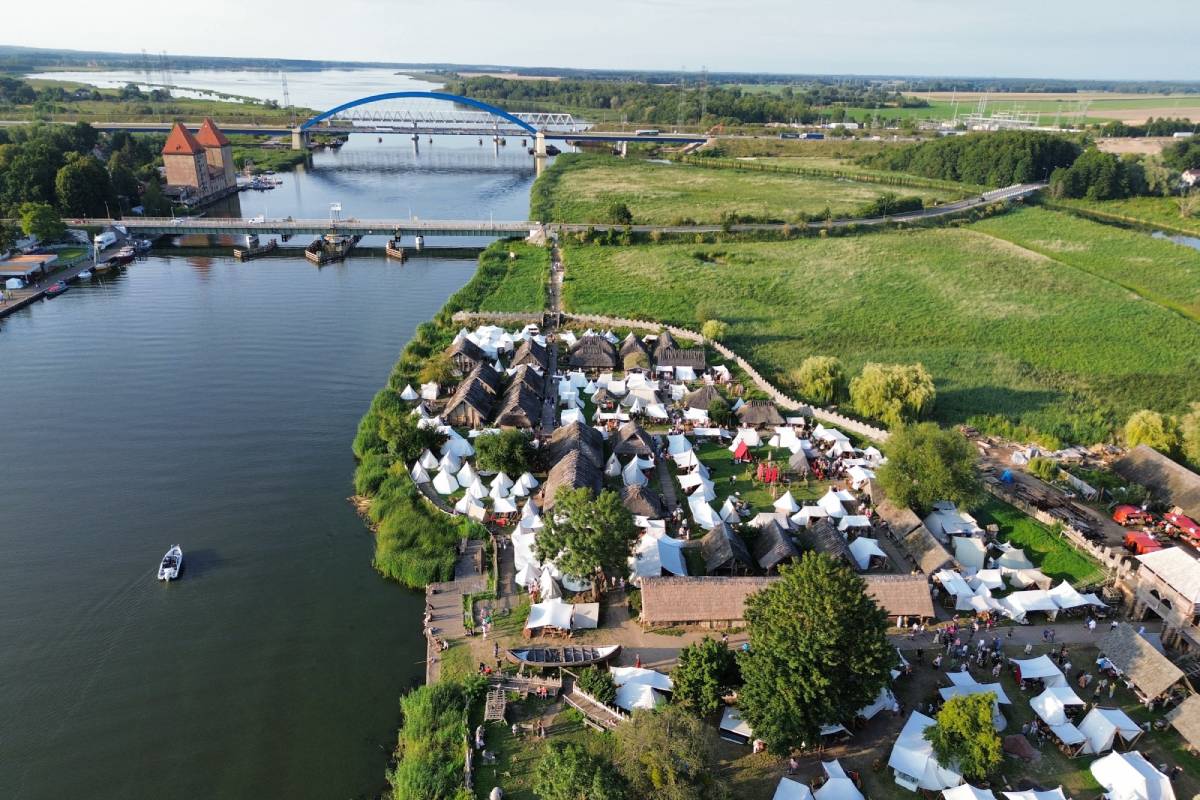
Researchers seek to determine whether Wolin was a Scandinavian colony, a Slavic outpost, or a cultural hybrid. Photo: Zasacki / Shutterstock
A meeting of cultures
The scale of Norse influence at Wolin during the Viking Age has long been debated.
"In one version, Wolin is a Scandinavian colony, a stronghold," Søren explains. "In another, it is an outpost of the Piast state, where trade with Scandinavia is organized."
"Of course, lots of people have theories on this, but until we have the opportunity to do a major excavation, the jury is still out."
"We do know there is a pronounced Scandinavian element that is more strongly marked than anywhere else in Poland at that time," Søren continues.
"There's a lot to learn from the very mundane stuff. At Wolin, you can find a substantial amount of Norwegian-type bowls that are not used in any Slavic household. The only possible reason for that is that traders and residents came from Scandinavia and lived in their own style."
"There is also some tantalizing art and objects decorated in a Scandinavian style, but it is done in a way that makes you think it's not quite what they would have done in Norway or Sweden."
"So we're asking ourselves if there is a kind of hybrid here. Were there artisans living at Wolin who were making Scandinavian-style ornaments but also taking inspiration from the local culture?"
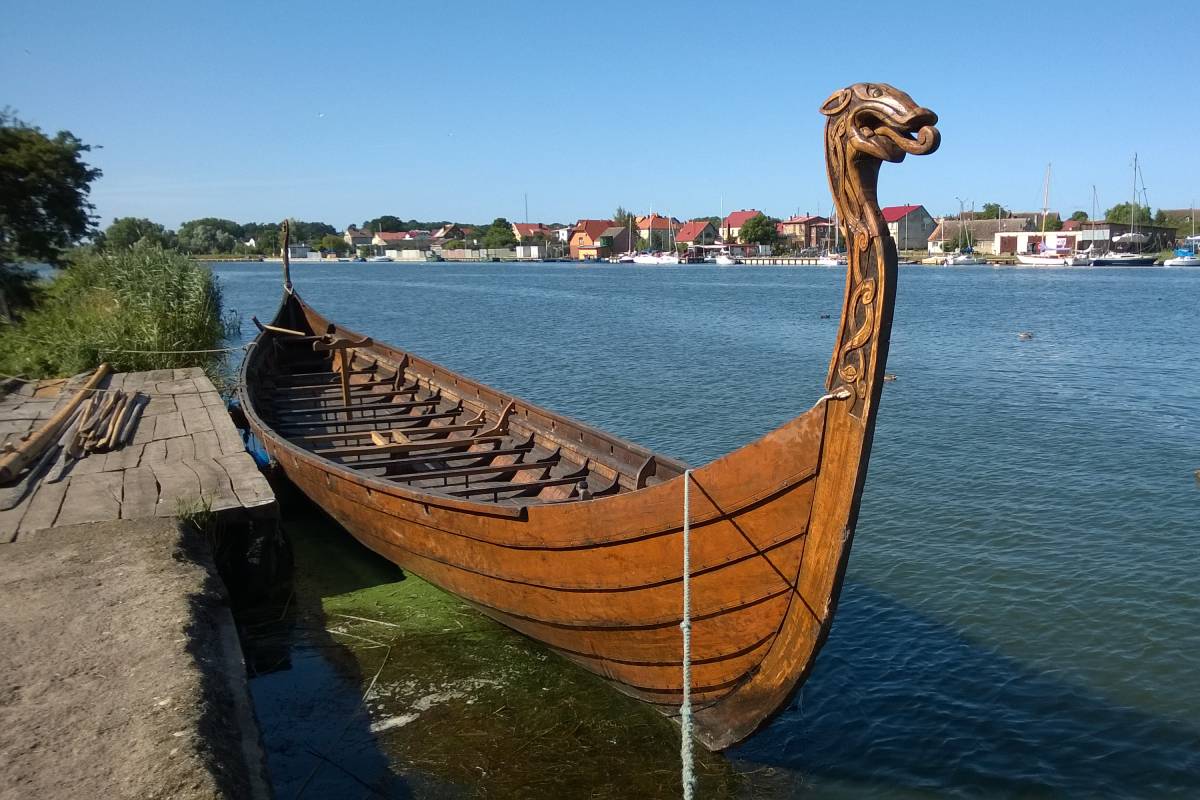
The project aims to highlight historical Polish–Danish connections and shared Baltic heritage. Photo: Jan M
Reliving an ancient connection
Both Søren and Wojciech believe the project will unveil meaningful cross-cultural interactions that may have been overlooked in decades past.
"One of the goals of the project is to strengthen Polish–Danish relations," Wojciech says. "We have a huge common past, joined by the Baltic Sea – or, as King Frederick brilliantly put it during his stay in Poland, we were 'connected by the wind.'"
"Western Pomerania has a centuries-old tradition of contact with Scandinavia," Wojciech adds.
"I believe that in today's turbulent times, it is all the more necessary to create a lasting foundation of friendship by exploring the past together."
"The past is also an area of security – just like geographic or information space. For this reason, we need to study, analyze, and guard it – preferably together."
"In modern times, certain trade and military and political alliances have tended to place these kinds of cross-cultural exchanges a little bit in the background," Søren adds.
"Now I think we've arrived at a time where we can put down our arms and say, 'This is very interesting. What is going on?'"
- READ MORE: The Viking history of the Baltic region
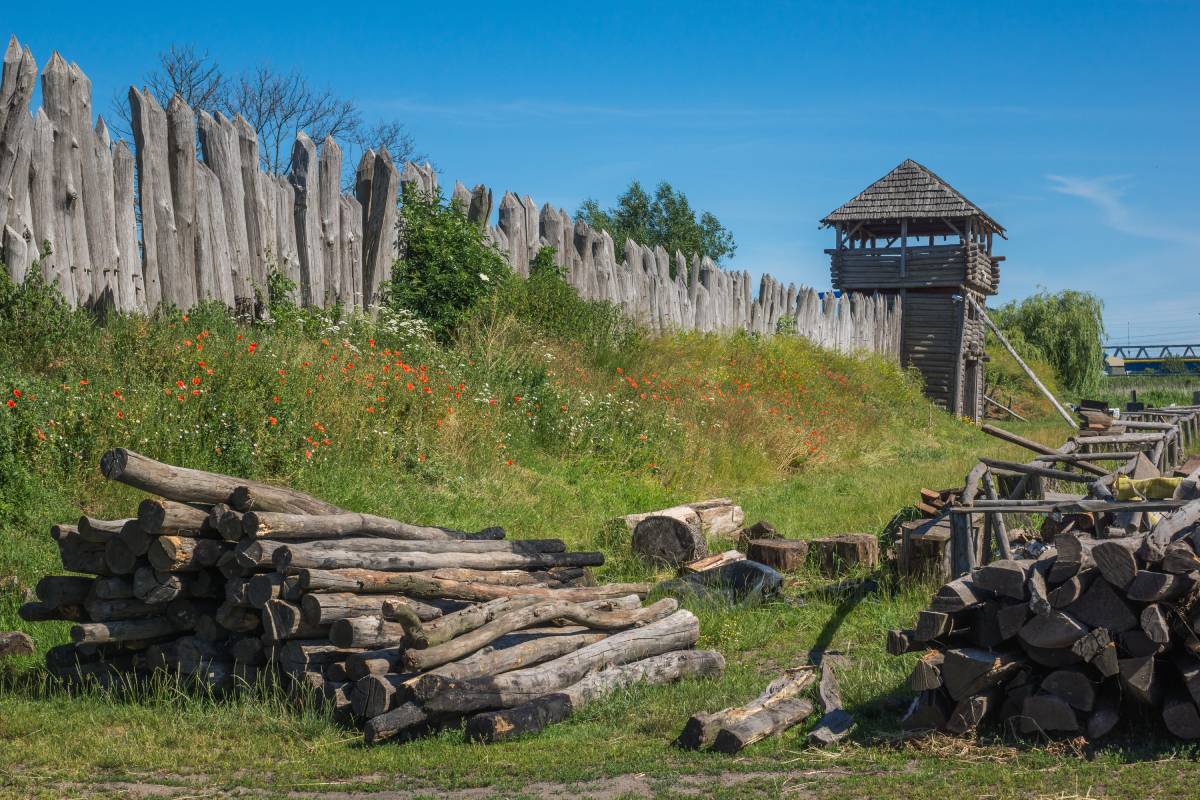
The project will explore whether Jomsborg was a Norse outpost, a Slavic stronghold, or a later historical fabrication. Photo: Artur Bociarski / Shutterstock
And Jomsborg?
One final question remains: is Wolin really the true location of Jomsborg, the mythical fortress settlement of the Jomsvikings?
As both Wojciech and Søren admit, the search for a definitive answer has so far proved elusive.
"Separating historical fact from myth is far from easy – researchers have been thinking about the issue for hundreds of years," Wojciech points out.
"The existence of both the Jomsborg fortress and the Jomsvikings themselves is still in question – no convincing evidence of their activities has yet been found."
Wojciech tells The Viking Herald that the team must consider a wide range of possible theories.
"At one extreme is the complete denial of their existence and the recognition of their history as a made-up story meant to benefit 12th- and 13th-century authors and audiences," Wojciech explains.
"The most widespread, plausible, and fairly safe hypothesis proclaims that Jomsborg is the Scandinavian name for Wolin and that the fabulous history of the Jomsvikings was based on unspecified events and activities of the Slavs and Vikings who inhabited the city, and whose power was echoed in the story."
"There are also those researchers who believe that Jomsborg in some form existed as a fortress controlling the Wolin trading center, while its detailed description and the history of the Jomsvikings are laced with fantasy," Wojciech continues.
"At the very end of the spectrum are those who believe almost literally in the message of the sagas and are looking for Jomsborg to be in a form like or very close to that description."
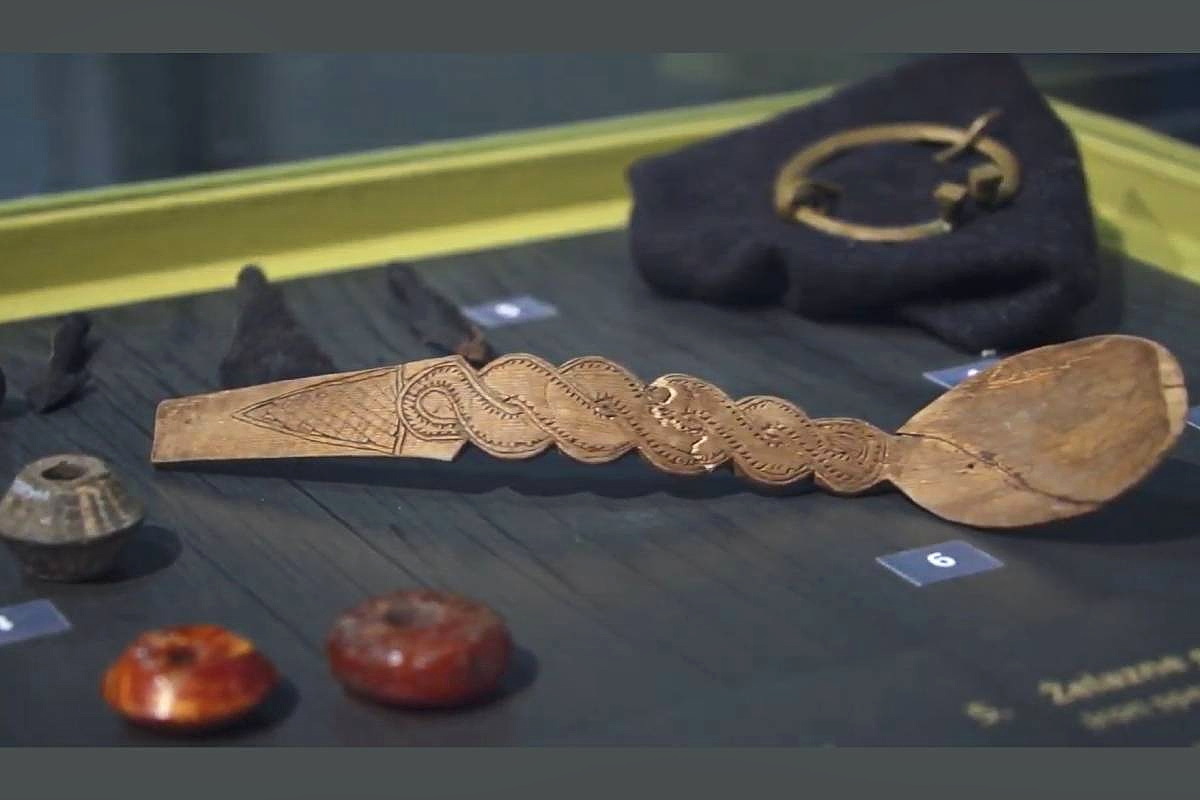
The excavation will be open to the public for three seasons, allowing visitors to observe the work firsthand. Photo: kultura u podstaw (CC BY-SA 3.0)
Revealing the myth
Ultimately, though, the researchers will have to try to find out for themselves.
"For many years, I thought the settlement of Wolin and Jomsborg were the same place," Wojciech states to The Viking Herald.
"However, I have recently decided that the idea of the existence of a fortress near the town has merit, and I would like to try to verify this. In fact, we will investigate my hypothesis: a fortress may have existed on Hangmen Hill in Wolin, with a harbor at the foot of the hill."
"It's no coincidence that these stories are attached to Wolin in particular," Søren asserts.
"There is a cultural memory here. Right now, of course, nobody can tell whether this reflects an ancient tradition or an imagined construction."
"Naturally, people are hoping that there is a Trelleborg-style ring fortress somewhere here and that this is Jomsborg. We would love to find it, but it's not the only thing we seek!"
As Søren points out, the public will also have the chance to cast their eyes over the work and make up their own minds.
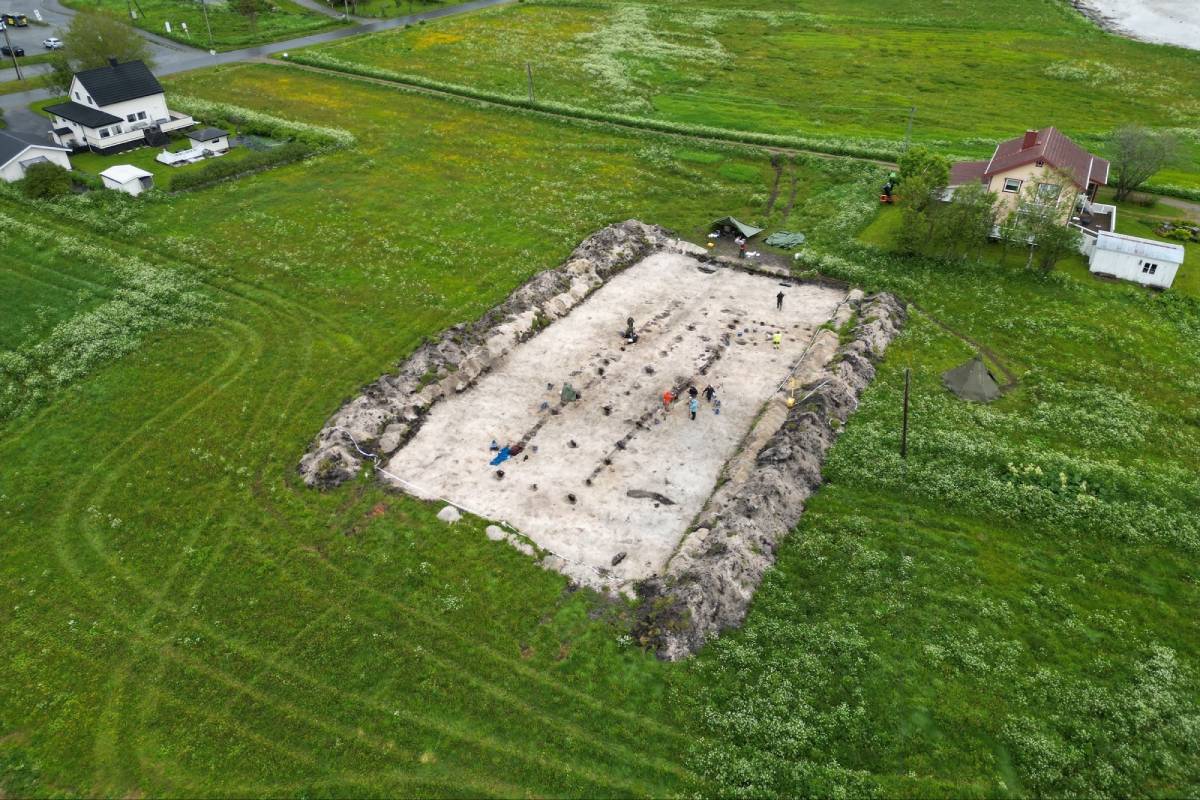
"There are going to be excavations for three seasons," Søren tells us. "As far as possible, we will keep these excavations open to the public so that you can go and visit the site."
"We'll also have guided tours there. So if you can make it to Wolin over the next few summers, you can see what's going on for yourself!"
We get to provide readers with original coverage thanks to our loyal supporters. Do you enjoy our work? You can become a PATRON here or via our Patreon page. You'll get access to exclusive content and early access.
Feel free to reach out to discuss potential stories that may be in the public interest. You can reach us via email at hello@thevikingherald.com with the understanding that the information you provide might be used in our reporting and stories.



.jpg)
