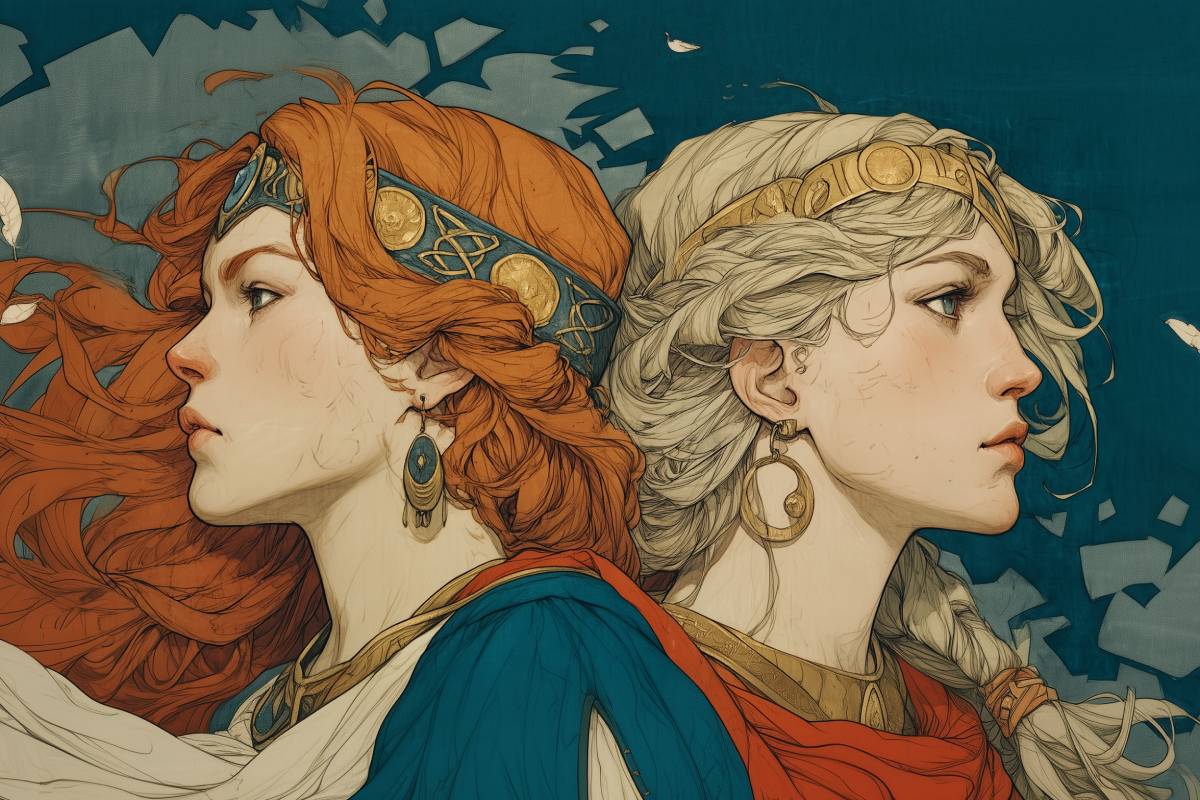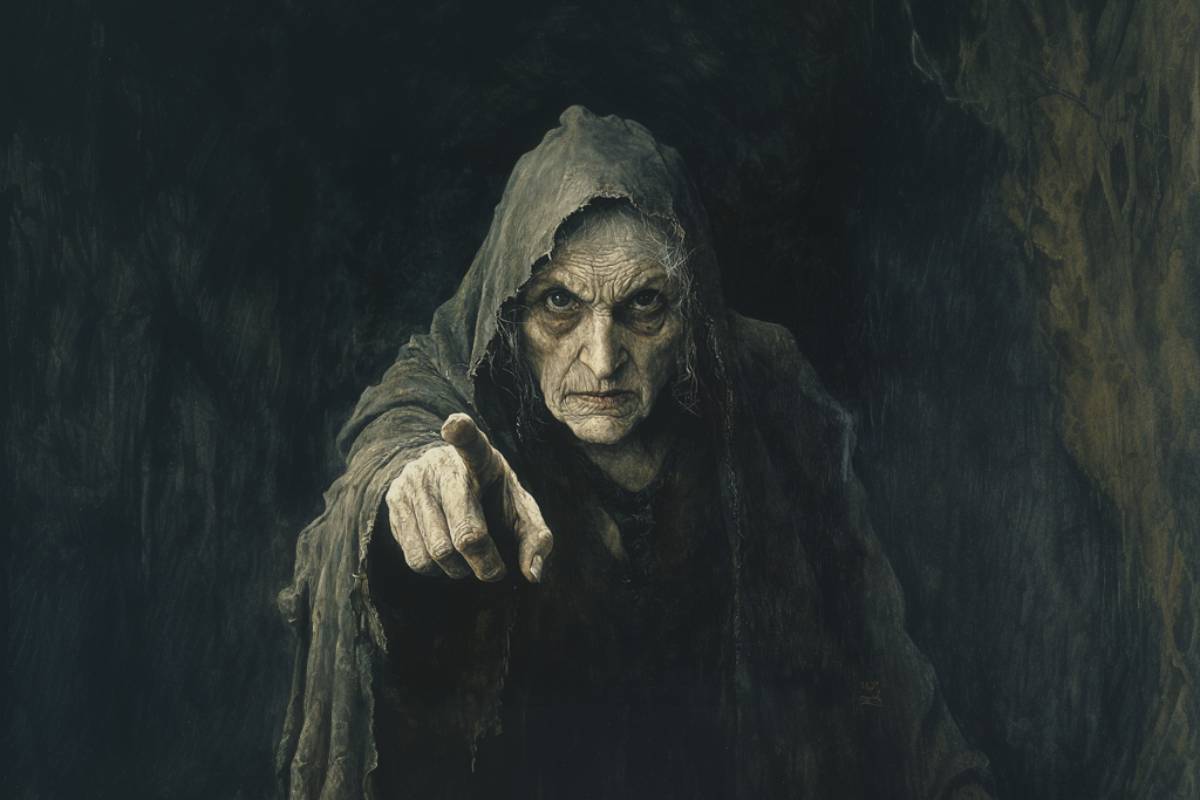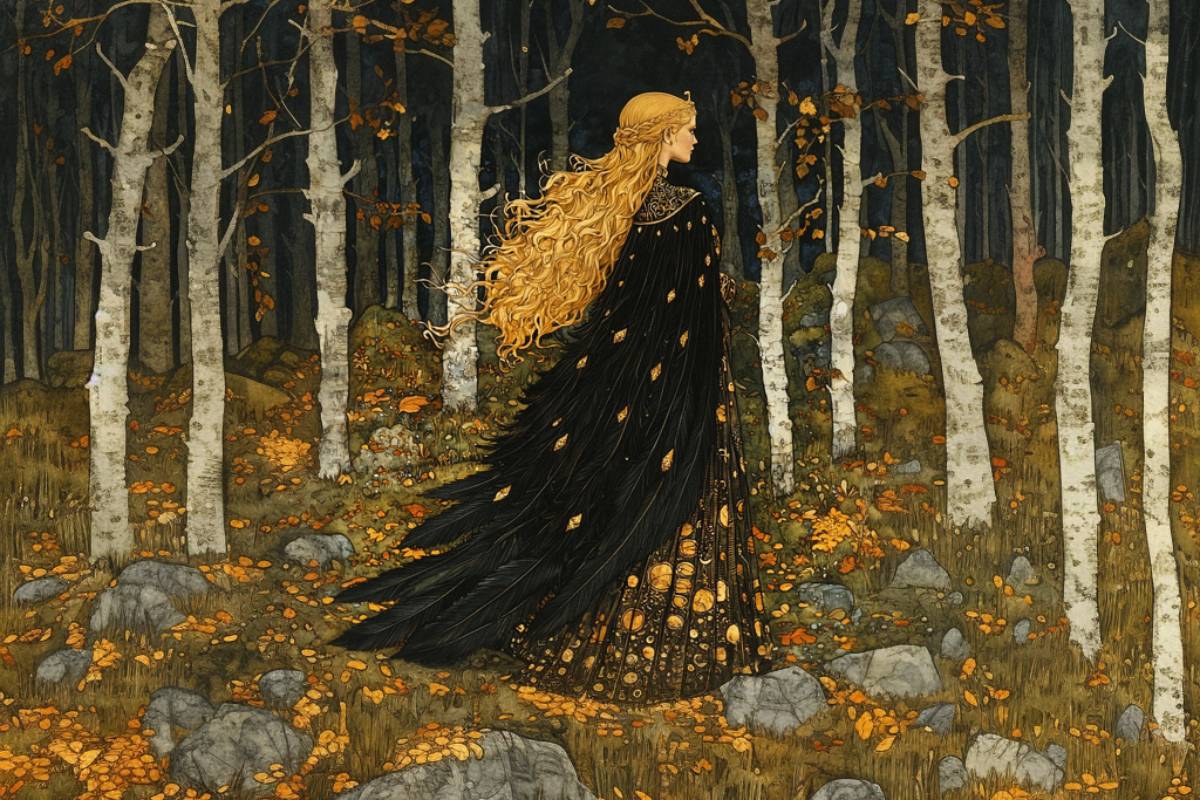


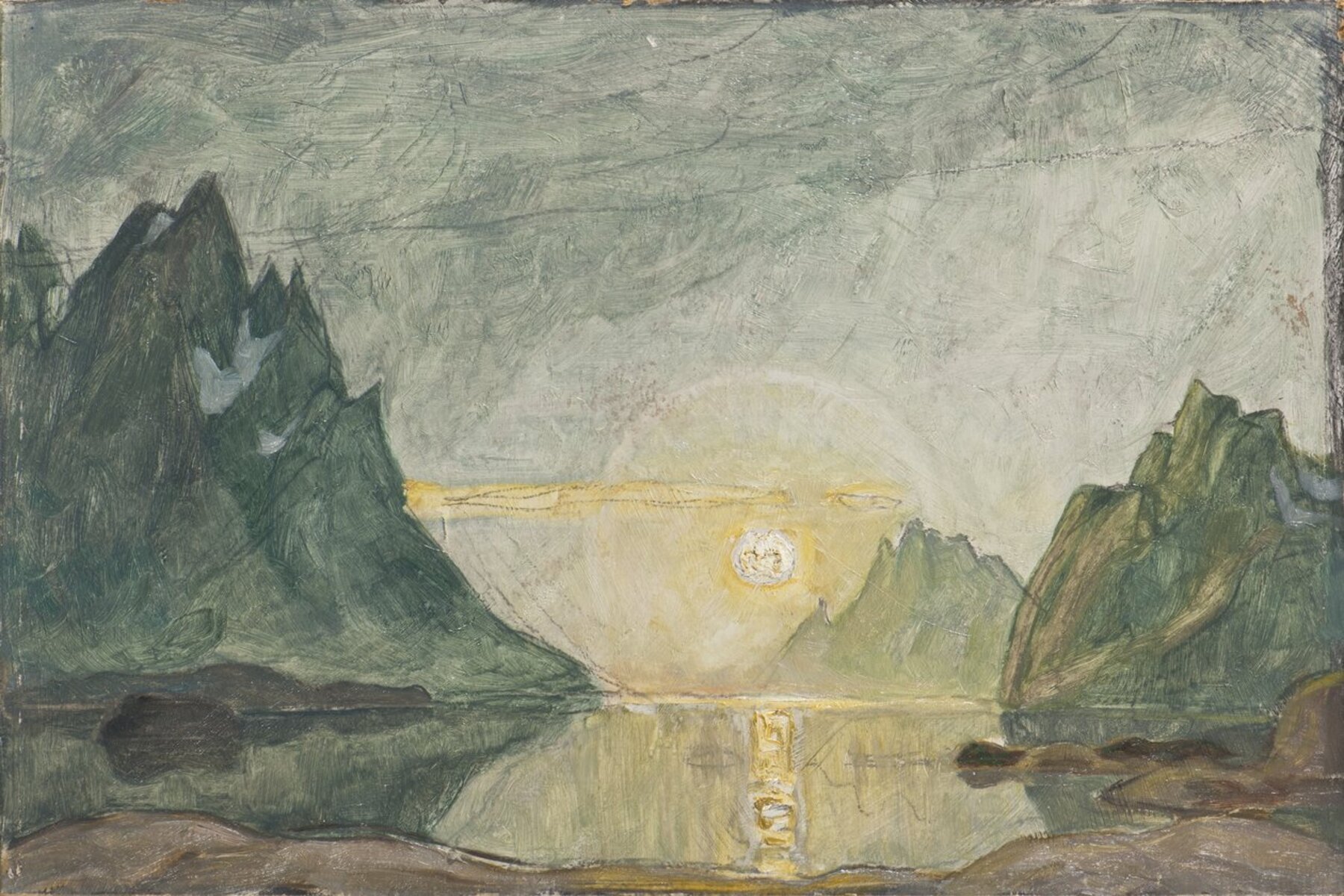
"There was in the settlement the woman whose name was Thorbjorg. She was a prophetess... she was dressed in...a blue mantle over her, with strings for the neck, and it was inlaid with gems quite down to the skirt. On her neck she had glass beads. On her head she had a black hood of lambskin, lined with ermine. A staff she had in her hand..."
[The Saga of Erik the Red, Chapter 4]
Has a character made such an impressive, dare we say stylish entry into the Norse sagas? This scene describes the arrival of a völva, a seeress, into one of the Norse settlements in Greenland. Naturally, however, a völva was much more than just a medieval fashion icon.
We have written about the völva in some detail here, but our loyal Patreon subscribers wanted to dig a little deeper into what is a fascinating yet often overlooked member of many Norse communities during the early medieval period.
An inherent gift
Whilst it is true that certain women in Viking Age societies had a modicum more agency and power than their contemporaries in other cultures and civilizations, this should not be overstated. On the whole, it was men who ruled, raided and governed, who fought wars and secured trade deals, leaving women assigned to largely the domestic sphere.
However, like managing textile production, becoming a völva was a way in which women could maintain a notable degree of power. As we have previously discussed, a völva was associated with fate, magic, prophecy, and wisdom, and was generally (but not exclusively) a woman.
Indeed, there was a strong association between seiðr, a form of Norse magic, and women. If we look at the rich tapestry of Norse mythology, for example, it was the Norse goddess Freyja who taught Odin the esoteric and intricate practicalities of seiðr.
Our best current guess is that the role of völva was likely inherent, and völur (the plural form of a völva) were believed to possess a unique and ineffable level of insight. Yet this special gift was also backed up by ritual knowledge and skills that had to be mastered.
As Martin Brockett discusses in a 2021 paper, a völva employed seiðr in "...four categories of sorcery: divination, battle magic, elemental magic, and magic influencing body and mind." Here, this form of magic was used to influence events, nature and people.
A feast for the senses
But how did a völva actually implement seiðr? If we read a little further on from the entrance of the völva in the Saga of Erik the Red, we find a detailed description of the highly formalized rituals that took place when a völva practiced her craft.
First, the community, upon her arrival, set about preparing a feast. In Chapter 4, we find that,
"During the evening the tables were set; and now I must tell you what food was made ready for the spae-queen. There was prepared for her porridge of kid's milk, and hearts of all kinds of living creatures there found were cooked for her."
PLEASE NOTE: The rest of this article is only available to our paid Patreon subscribers.
The topic was selected by our Patrons in a weekly poll. Support The Viking Herald on Patreon to read the full article and help choose future topics.
If you would like to learn more about Patreon and why we have decided to restrict access to some content, please take a look at this article.
Feel free to reach out to discuss potential stories that may be in the public interest. You can reach us via email at hello@thevikingherald.com with the understanding that the information you provide might be used in our reporting and stories.