

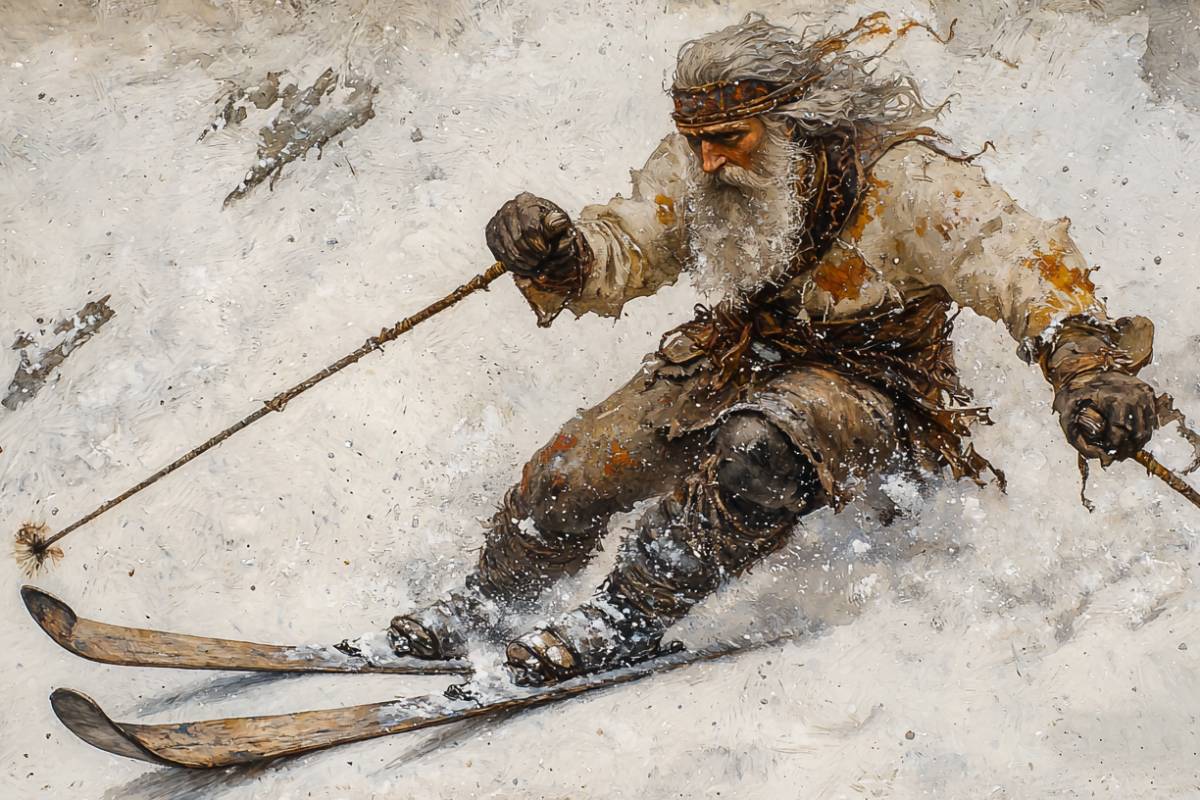
For a region that houses a small sliver of the world's population, the Nordic countries consistently punch above their demographic weight when it comes to winter sports.
At every Winter Olympics or Winter World Championships, you'll likely see at least one athlete from a Nordic nation on the podium, if not with a gold medal around their neck.
So, what makes the Nordic population seemingly born with skis on their feet? Part of it, of course, is nature.
Here in the snow-swept northern regions, adapting to the harsh winter is necessary for survival. Part of it comes down to culture, too; the love affair with skiing and other winter pursuits often begins when one has just mastered walking, sometimes before.
This love affair that the Nordics have with winter, which borders on the spiritual, is perhaps a distant memory of the deeply religious and spiritual relationship that their ancestors, people from Viking societies, had with the colder months.
Here, in an era of Vikings, there were two deities associated with skiing.
Whilst we have already written about one, Skaði, it came as a shock for us here at The Viking Herald to know that there is, in fact, a second, Ullr. We hope to shed some light on a Norse god that has not only been lost in the tides of history but also faded into obscurity.
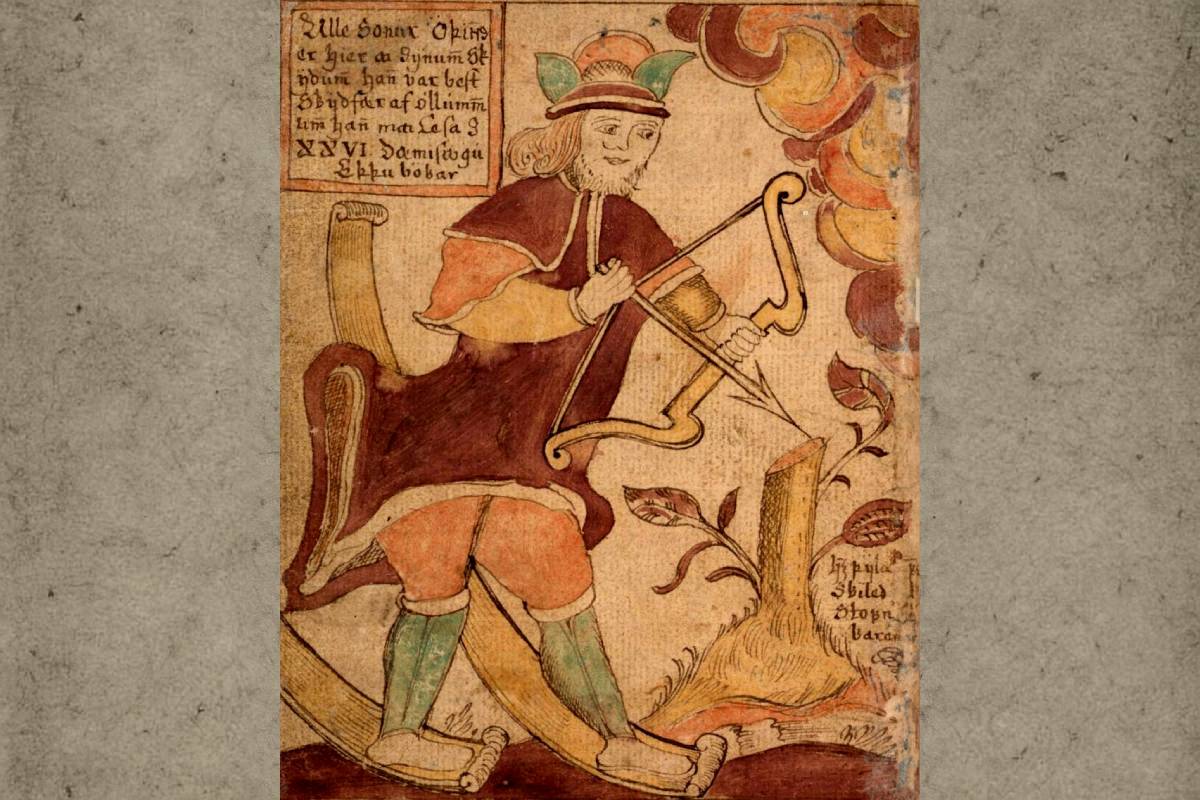
Ullr shown on skis with bow and arrow in the 18th-century Icelandic manuscript SÁM 66. Source: Public domain
More than just a good skier: Hunting, oaths, and modern depictions
Whilst Skaði is associated with winter, the wintry landscapes themselves, and skiing, people in Viking societies felt that they needed to gift Ullr other responsibilities away from skiing to help differentiate one god from another.
Ullr was associated with hunting, particularly with a bow and arrow. As Johan Egerkans writes about in his 2017 book, Norse Gods (available on Amazon here), Ullr is also associated with oaths.
We know that for people in Viking societies, oaths and honor were interlinked and extremely important. An oath was considered such a sacred bond that there was a need, in the form of Ullr, for some celestial oversight.
We are lucky to have uncovered archeological evidence that backs up Ullr's association with skiing and hunting.
The Böksta runestone (U855), situated in Uppsala, Sweden, depicts a figure on skis with a bow, who modern historians believe is likely Ullr.
Not only is this a fascinating image of a long-forgotten Norse god, but it also illustrates the deep-seated roots of skiing and winter hunting in the Nordic region, long before the modern biathlete (the very Nordic sport of cross-country skiing and shooting) took to the snow.
When the Norwegian municipality of Ullensaker adopted a coat of arms, they drew inspiration from Ullr himself. Since 1979, an image of him, with his trusty bow and arrows, has been emblazoned on the municipality's coat of arms, a fitting modern nod to the region's Viking heritage.
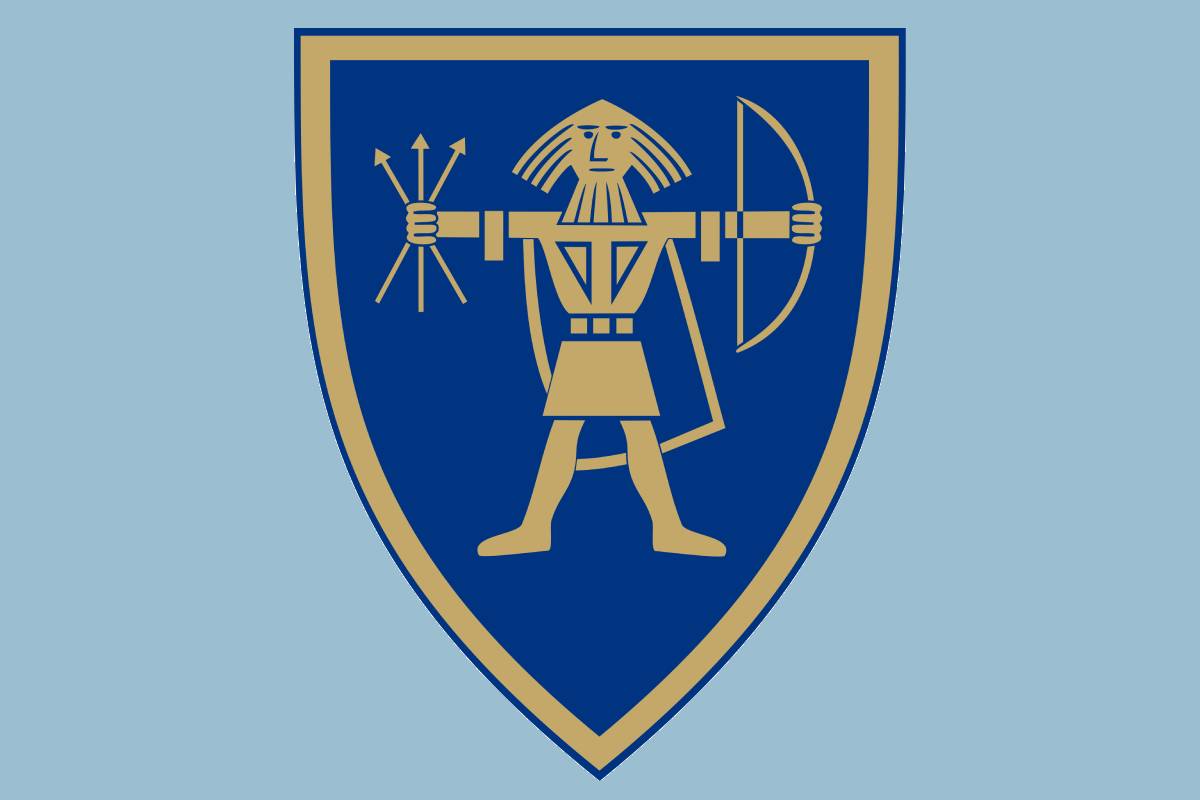
Ullr as an archer on the coat of arms of Ullensaker municipality in Norway. Source: Ullensaker municipality
A famous family and skilled with a "splendid flatterer"
Now that we know what Ullr's area of responsibility was, we can flesh out his character a little more by looking at his family.
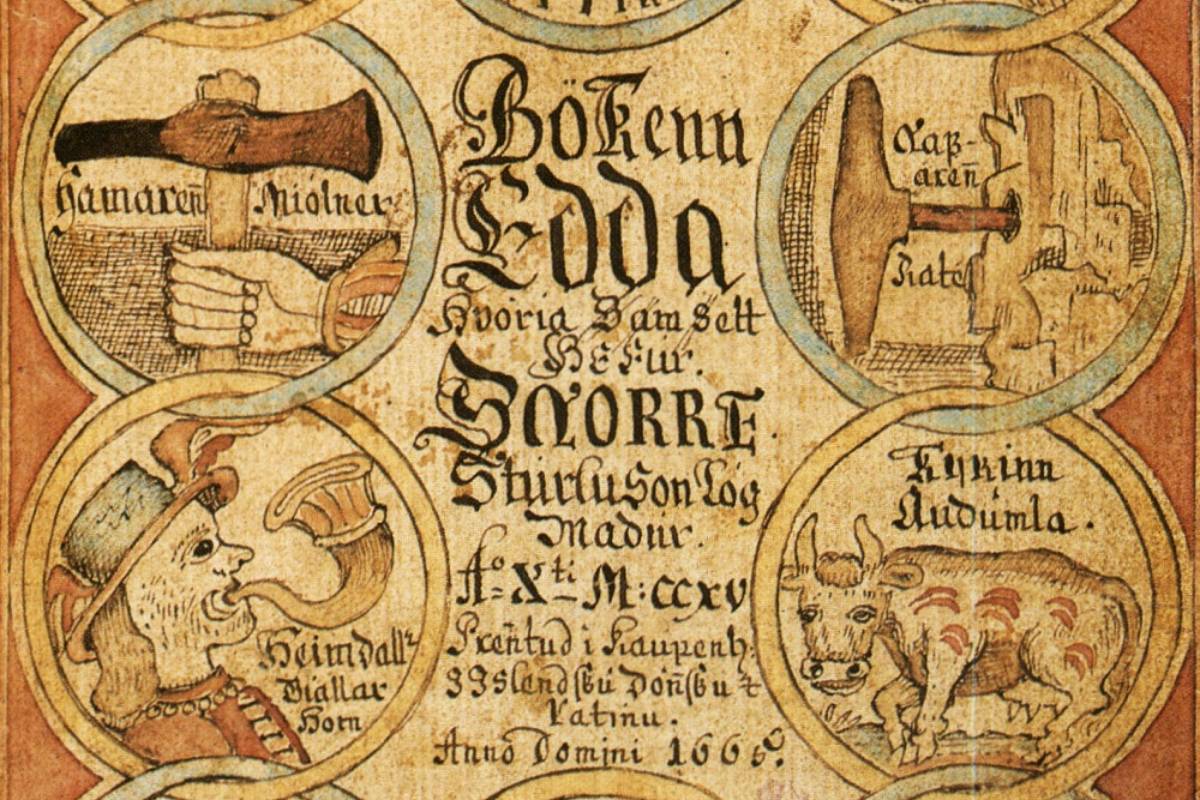
We now turn to the sagas, specifically the Gylfaginning section of the Prose Edda, compiled by 13th-century poet and politician Snorri Sturluson. Using an online version of the 1879 English translation by S.C. Griggs, we find Ullr described in chapter 31 as:
"...a son of Sif, and a step-son of Thor. He is so good an archer, and so fast on his skees, that no one can contend with him. He is fair of face and possesses every quality of a warrior. Men should invoke him in single combat."
Not only does this passage highlight the Norse god's skiing ability, but we also find out that he is the son of the Norse goddess Sif, she with the wonderful hair, and the Norse God of Thunder, Thor.
It is interesting too that his name should be called upon when there is a deadly duel – whether this had any impact on the outcome of violent duels, we will never know, but people in Viking societies seemed to think that this could influence life or death.
We find a reference to his deadly skills later on in the Prose Edda, when he fights a monster:
"Uller's splendid flatterer
Swung the iron beam
Straight against the head
Of the knavish giant."
It must have been Ullr's proficiency with a weapon ("a splendid flatterer" must have been some sort of sword or axe) that saw him invoked as a source of martial skill and valor during combat.
Finally, we find that Ullr resides in a rustic dale named Ydaler.
A symbol and a shadow
Given all that we found out about Ullr, why did he disappear into historical obscurity? Unlike other Norse gods – say Thor or even Freyja – it appears his character did not stem from earlier Germanic deities.
His association with skiing, much like Skaði's, made sure he could only ever be regionally worshiped.
Why would people from the warmer climes of cultures and civilizations to the south of Scandinavia revere or, following the adoption of Christianity in the far north, want to remember a parochial deity associated with skiing – something not really known outside of the Nordic region until the late 19th century CE?
Ullr now survives in passing poetic lines and symbols, a shadow of a deity who was worshiped for much of the early medieval period.
For more information on a recent discovery of Viking Age skis, visit Science Norway here.
We get to provide readers with original coverage thanks to our loyal supporters. Do you enjoy our work? You can become a PATRON here or via our Patreon page. You'll get access to exclusive content and early access.
Feel free to reach out to discuss potential stories that may be in the public interest. You can reach us via email at hello@thevikingherald.com with the understanding that the information you provide might be used in our reporting and stories.