

As we come to the end of the year, it's time to look back on what has been a bumper year for Viking Age archeology. Before we begin our rundown of this year's highlights, a quick word on the criteria:
Given the frequent long lag times between initial discovery and confirmation, we are accepting any Viking Age discovery that was either found or confirmed in 2024.
We will also make exceptions for certain cases where new analysis has come to light on an older find.
So, with that out of the way, let us take a look at the top ten Viking Age-related archeological discoveries of 2024 before picking The Viking Herald's outright winner!

Archeologists found Denmark’s oldest runes on a knife dated to 150 CE on the island of Funen. Source: Courtesy of the Museum Odense
1) "Small Sword," Funen, Denmark: The oldest runes ever found
A knife found on the island of Funen in Denmark made headlines around the world for one simple reason: it contained the oldest known runes in existence.
The knife was dated to 150 CE – long before the start of the Viking Age – yet had far-reaching implications, given it demonstrated the practice of writing in runes stretched back much further than many had previously imagined.
The inscription itself consisted of five runes followed by three grooves. The text is believed to say hirila, or "small sword" in Primitive Norse.

A gold ring found in Emmerlev, Denmark, suggests a historic connection between Southern Jutland and Merovingian France. Source: National Museum of Denmark
2) Gold ring, Emmerlev, Denmark: Proof of a French-Danish alliance?
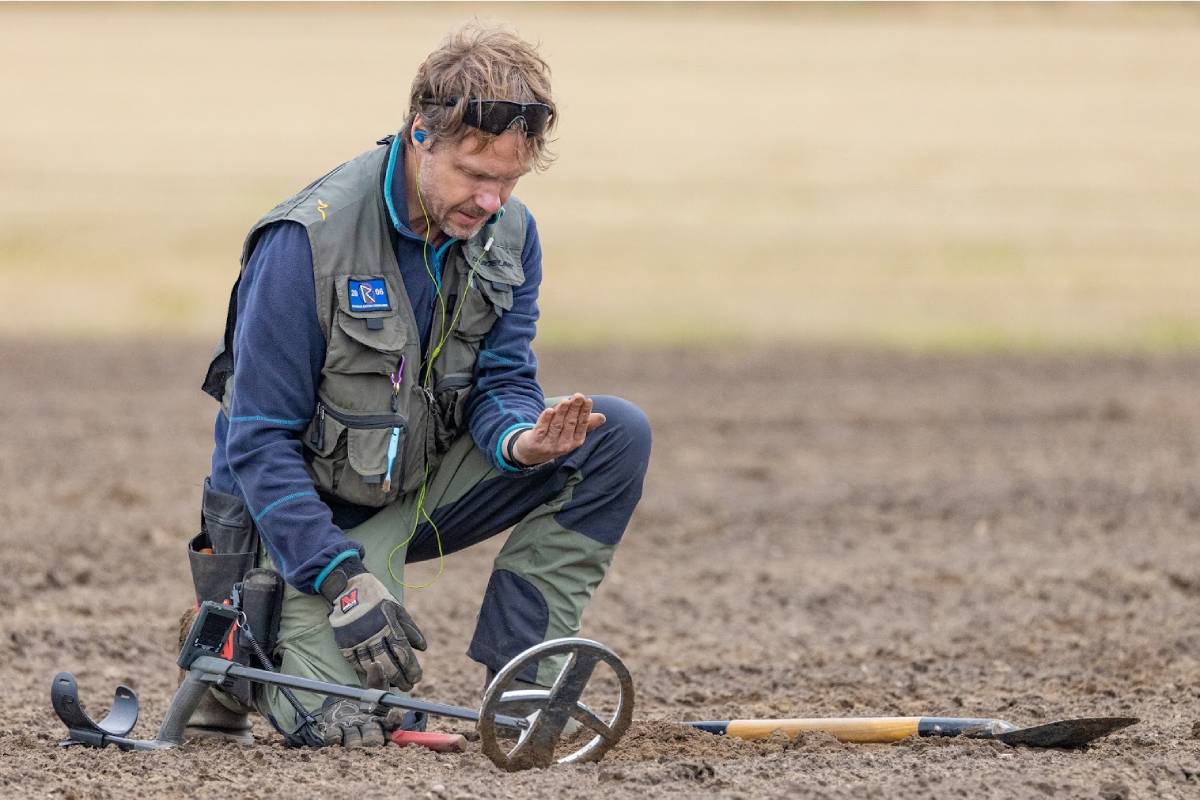
This beautifully preserved gold ring was discovered by Lars Nielson, a metal detectorist, in the village of Emmerlev, Denmark.
Analysis of the find by Museum Sønderjylland and the National Museum of Denmark found it dated to the pre-Viking Age and likely belonged to the Merovingian dynasty of Gaul, which ruled the area until 751 CE.
The fact that it was discovered in Denmark caused historians to speculate whether it provides evidence of a direct diplomatic link between Jutland and Gaul. This is partly due to the assumption that the ring had a Nordic element to its design.
The ring was set with a red semi-precious stone, a well-known symbol of power in Scandinavia. The elite gold rings of the Merovingians, on the other hand, are typically set with a coin or a plaque.
Other experts, however, have suggested it could also have made its way to Scandinavia through the major trading links of the powerful and influential Merovingians.
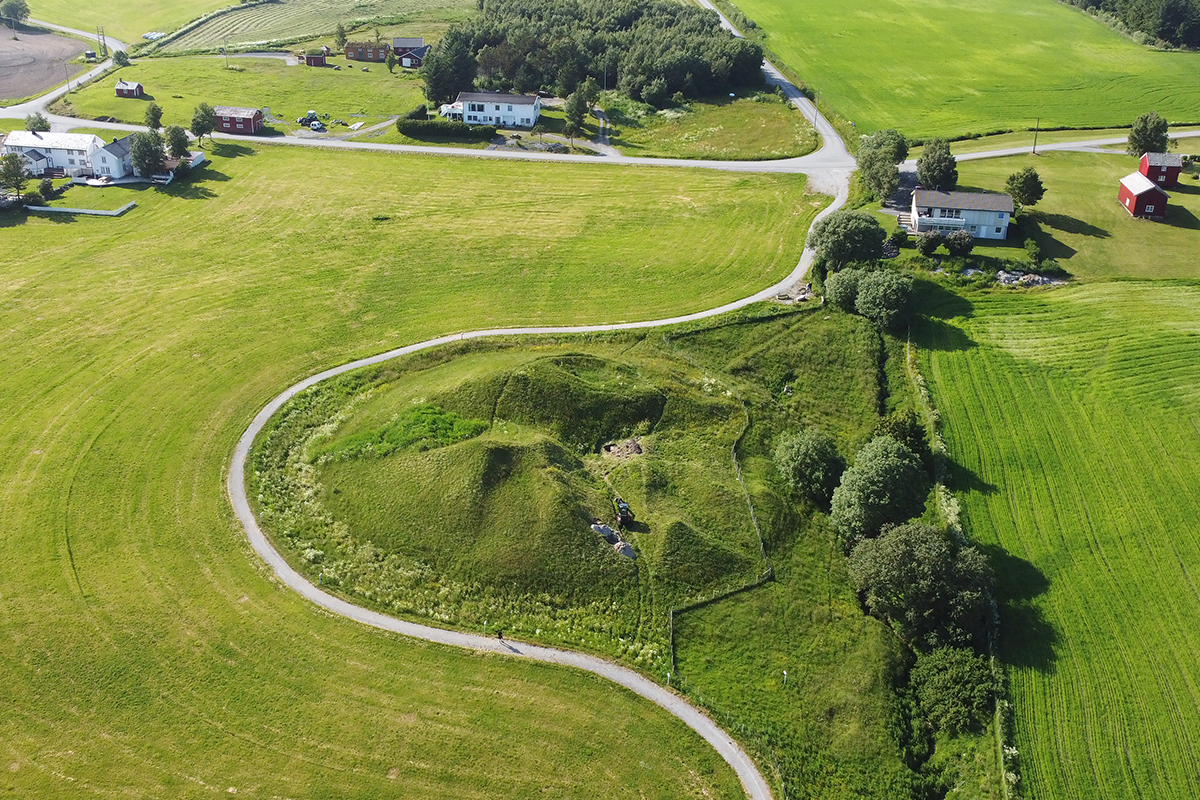
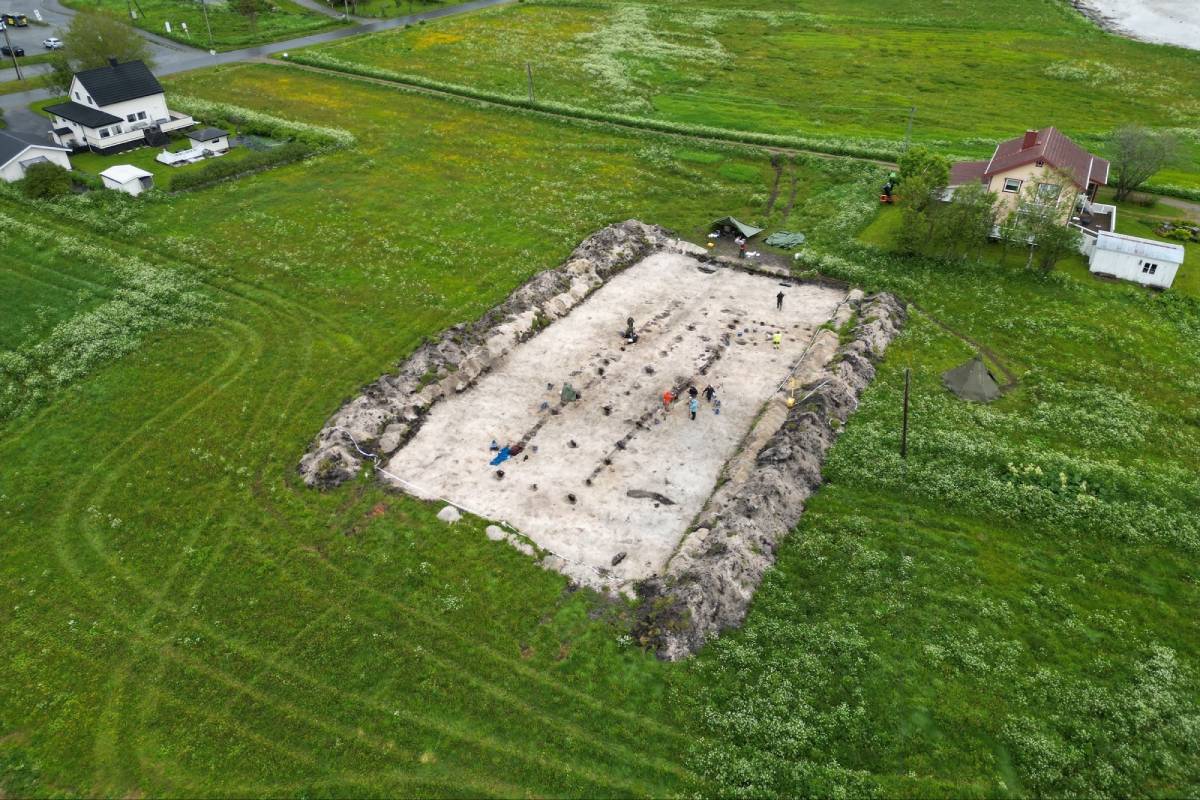
Archeologists confirmed the presence of a ship burial on the island of Leka in Norway, dating to around 700 CE. Source: Hanne Bryn / NTNU University Museum
3) The Herlaugshaugen Ship, Leka, Norway: the tomb of a king who buried himself alive?
In the Saga of Harald Fairhair, there is a local chieftain, King Herlaug, who decides to bury himself in a mound with his associates rather than face the might of Fairhair's army.
When a possible ship burial was unearthed at the site of Herlaugshaugen – close to a mound named in honor of Herlaug – on the island of Leka, there was hope that the king's tomb had been found.
Unfortunately, the ship has been dated to around 700 CE, two centuries before the time of Fairhair. Yet, though it cannot be the same king, it could still be part of the same legend.
Perhaps even more significantly, the large dimensions of the ship's outline have provided strong evidence that the Norse were capable of sailing long distances even before the start of the Viking Age.
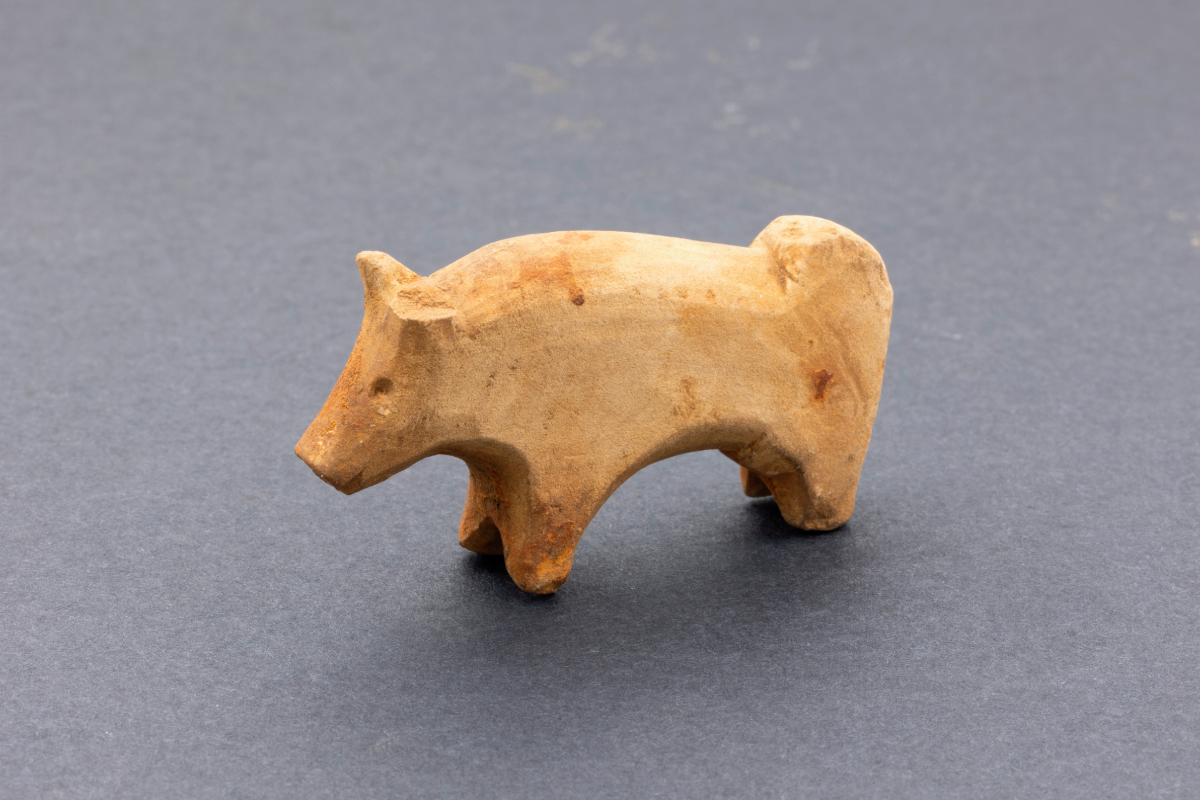
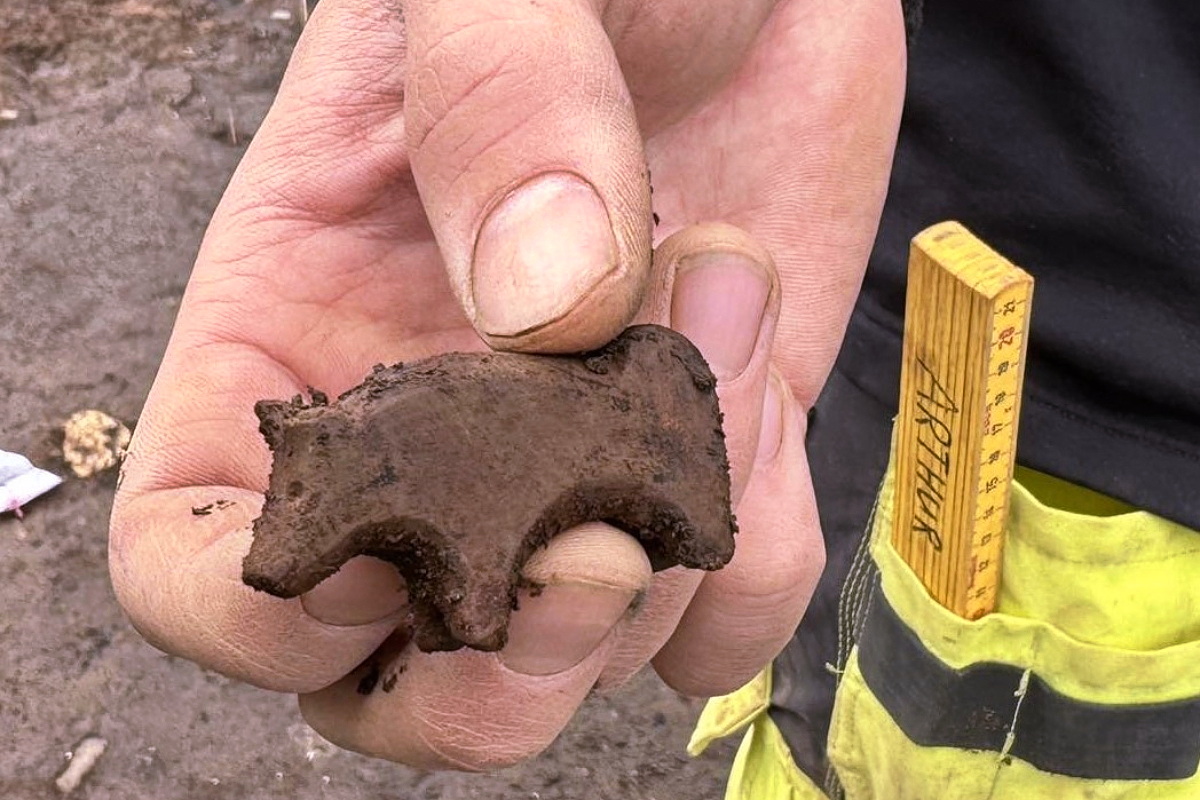
Archeologists uncovered a Viking Age toy made of Icelandic stone at the Fjörður excavation site in Seyðisfjörður. Source: Seydisfjord Archaeological Research
4) The Viking toy, Seyðisfjörður, Iceland: Winter play buried by a landslide
The archeological site at Fjörður Farm in the town of Seyðisfjörður in eastern Iceland has unearthed a number of fascinating finds, including a colorful coat, gaming pieces, and a bewildering array of spindle whorls.
Surely, the most delightful, however, has to be a tiny toy animal made of Icelandic stone.
The discovery caused a mini-storm in the archeological community, as debates raged about whether it was a pig, boar, or dog. At the time of press, the final decision is still pending.
As the chief archeologist Ragnheidur Traustadottir explained in an interview with The Viking Herald, the toy was almost certainly made at the settlement itself, which was half-buried in a 10th-century landslide, and surely provided hours of fun and play for at least one Viking child throughout the long winter months.
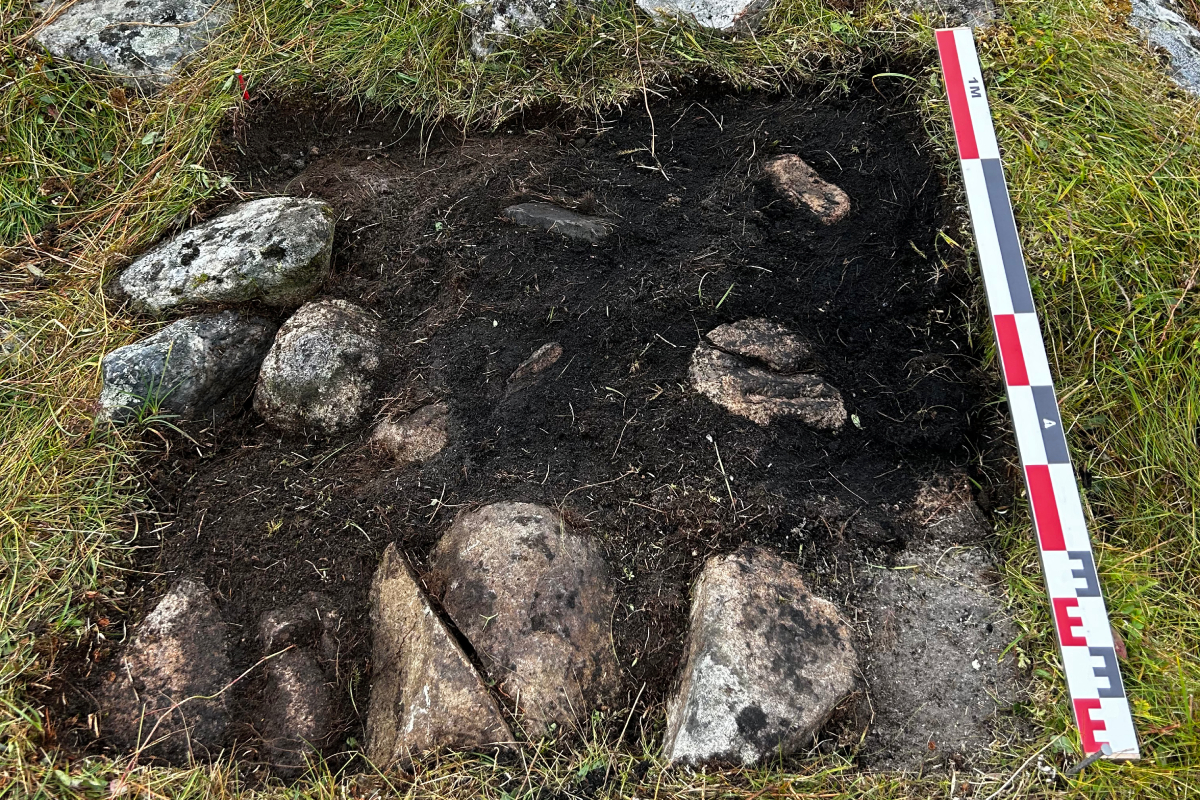
The Holmetjønn shelter, which served travelers during the Viking Age and later, contains a massive fireplace. Source: Marianne Vedeler
5) Holmetjønn Cabin, Hardangervidda, Norway: Shelter from the storm
Perhaps one of the least spectacular items on the list, this discovery – actually identified in 2023 but confirmed as dating to the Viking Age in 2024 – nevertheless paints an evocative picture of everyday life in the era.
The remains of this stone hut were found in the wild lands of Hardangervidda National Park.
The finds at the site encompassed a fireplace and more than five kilos of animal bones, including birds, fish, and reindeer.
The cabin is believed to have been used by travelers traversing the area in the Viking and high medieval periods who were in need of a warm place to rest for the night.
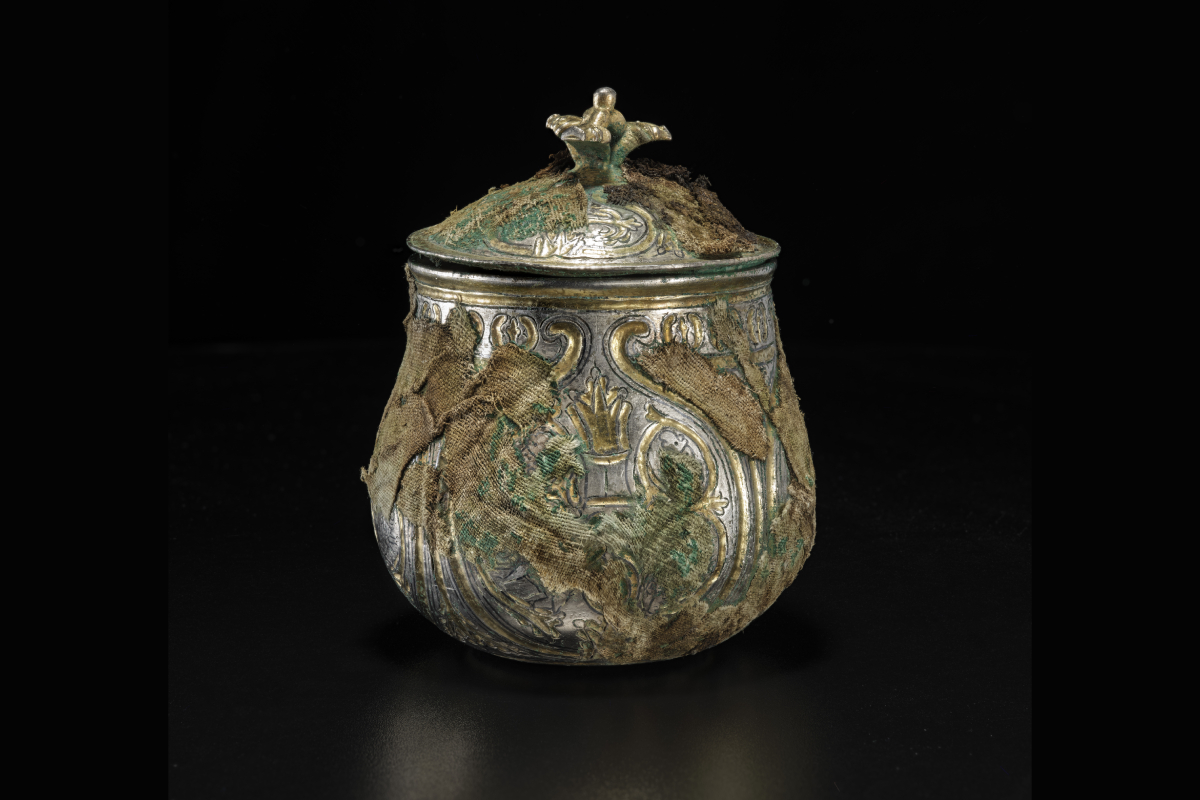
Archeologists confirmed that a lidded vessel in the Galloway Hoard was likely made in central Iran during the Sasanian era. Source: National Museums Scotland
6) Lidded vessel, Galloway, Scotland: the Scottish-Viking artifact from Iran
The Galloway Hoard was first unearthed in southwestern Scotland in 2014.
This year, however, the team analyzing the collection of treasure made a fascinating discovery: a lidded vessel from the hoard was almost certainly produced in central Iran.
Though the rest of the hoard is of mixed origin, with coins and artifacts from both Anglo-Saxon England and Scandinavia, the vessel is thought to have been created by artisans of the Sasanian Empire, a pre-Muslim dynasty that held power in Iran until the 7th century CE.
Ten years after the Galloway Hoard was found, the world was treated to some spectacular new pictures of this intriguing artifact.
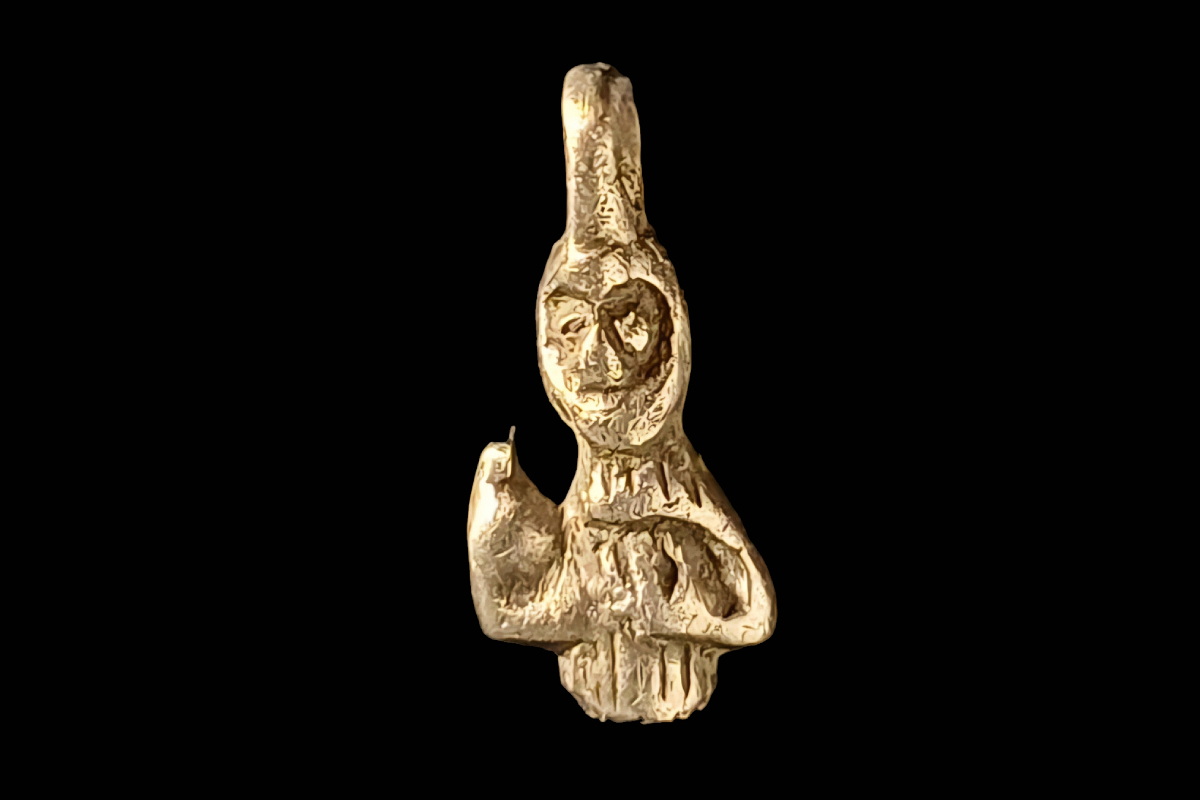
An 8th-century Norse figurine, potentially representing a valkyrie, was found on the Danish island of Lolland. Source: Flemming Willum Petersen
7) Viking Age figurine, Lolland, Denmark: Tiny but tremendous
The archeology enthusiast and metal detectorist Flemming Willum Peterson uncovered a stunning silver pendant when exploring the island of Lolland in Denmark earlier this year.
Peterson, who spends hundreds of hours researching possible Viking Age sites in his home country, immediately sent the find to the local museum for analysis.
It has since been dated to the 8th century and is thought to depict a valkyrie or early pagan deity.
Peterson plans to return to the area next year and hopes to confirm the presence of a full Viking Age settlement.
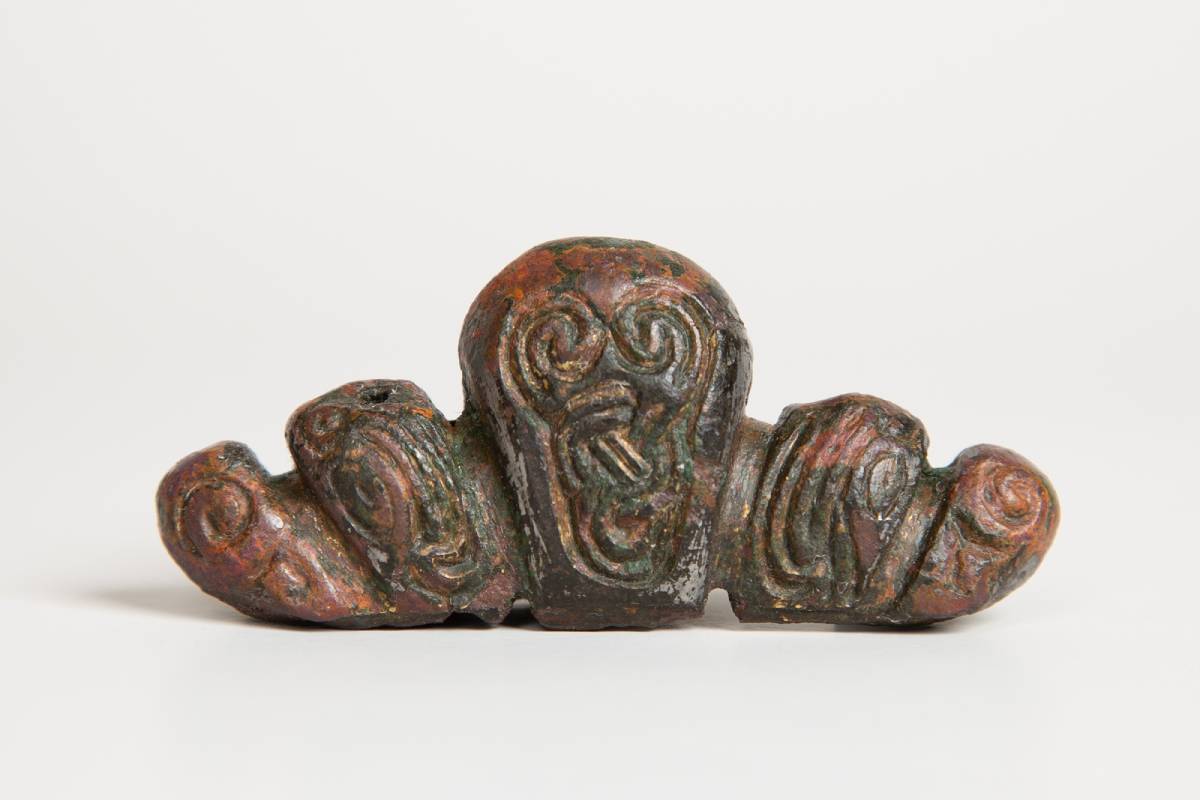
An amateur metal detectorist made the discovery of a rare Viking sword pommel cap in a field near Witmarsum, Friesland, in May 2024. Source: Fries Museum
8) Pommel cap, Witmarsum, the Netherlands: the Dutch connection
Another item unearthed by a metal detectorist, this pommel cap – part of the handle of a sword – is a rare Viking find in the Netherlands.
The artifact was discovered in the Friesland region, parts of which are known to have been controlled by Viking invaders in the 9th century.
The pommel cap is made of copper alloy with traces of gilding and has been dated to around 900–1000 CE.
The design is believed to be of the Mammen style of Viking Age Denmark and features boars thought to represent strength and courage.
It is the first such artifact from the Viking Age to be found in the Netherlands.
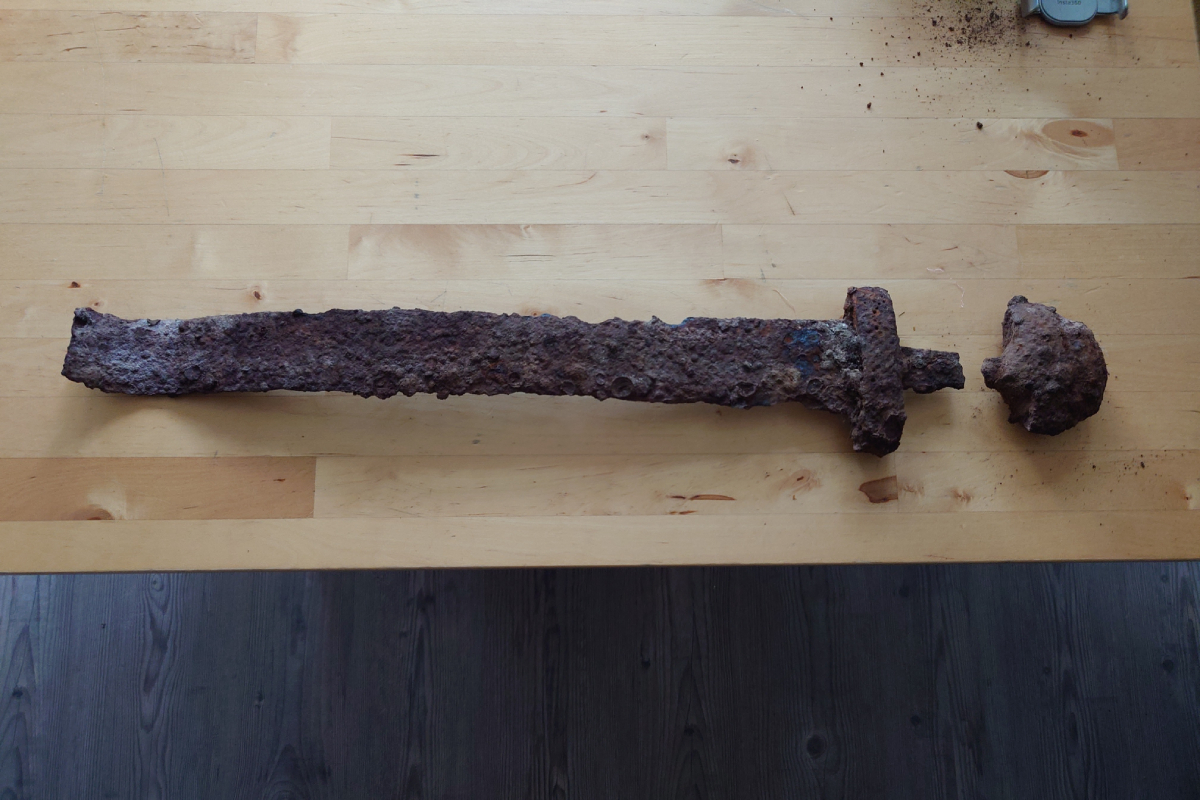
A Viking Age sword, provisionally dated to the 10th or 11th century, was discovered by American metal detectorist in Kemiönsaari, Finland. Source: Loren Lemcke
9) Viking Age sword, Kemiönsaari, Finland: Delight for American adventurer abroad
Yet another find unearthed by a metal detector, this particular artifact was discovered by Loren Lemcke, who hails from the US but now resides in Finland.
Loren found the sword in the municipality of Kemiönsaari, Southwest Finland, in July 2024 and immediately showed it to an archeologist friend.
Although detailed analysis has not yet been completed, it has been provisionally dated to the 10th or 11th century.
The Finnish Heritage Agency, which is currently examining the weapon, believes it is a Peterson E1 type and to have originally been of Frankish origin.
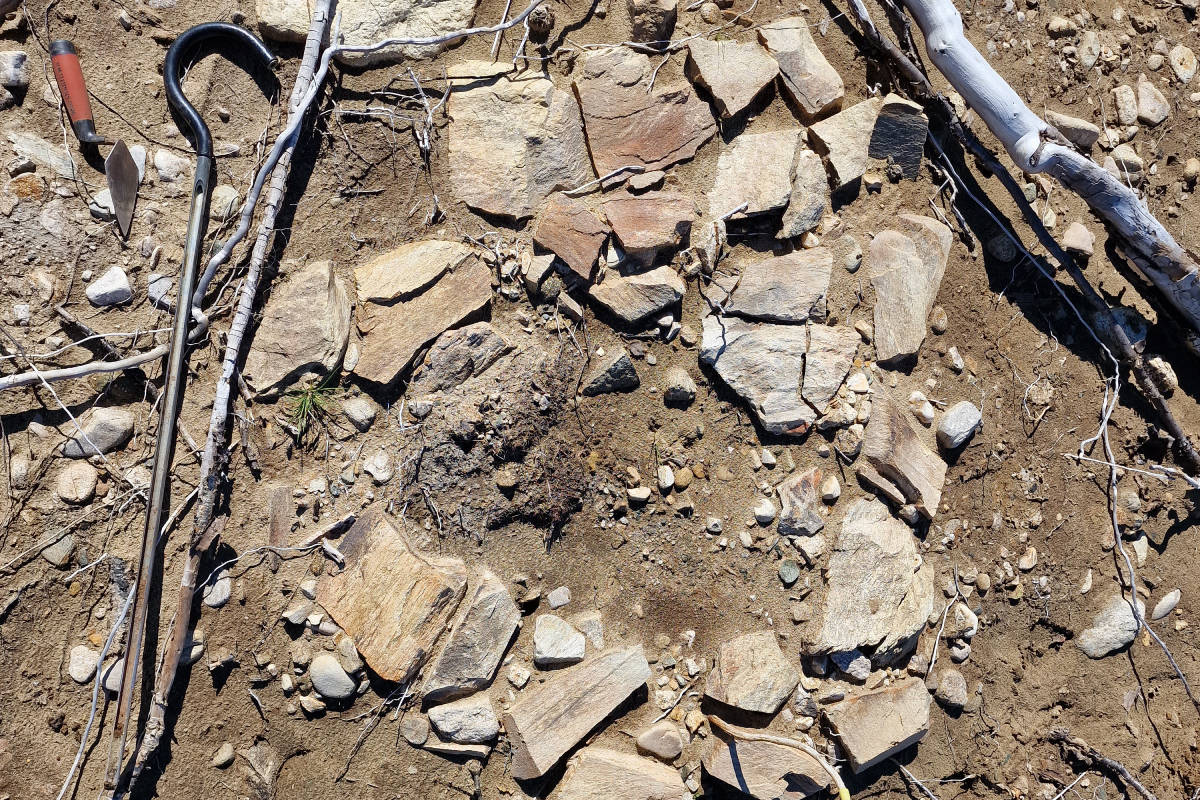
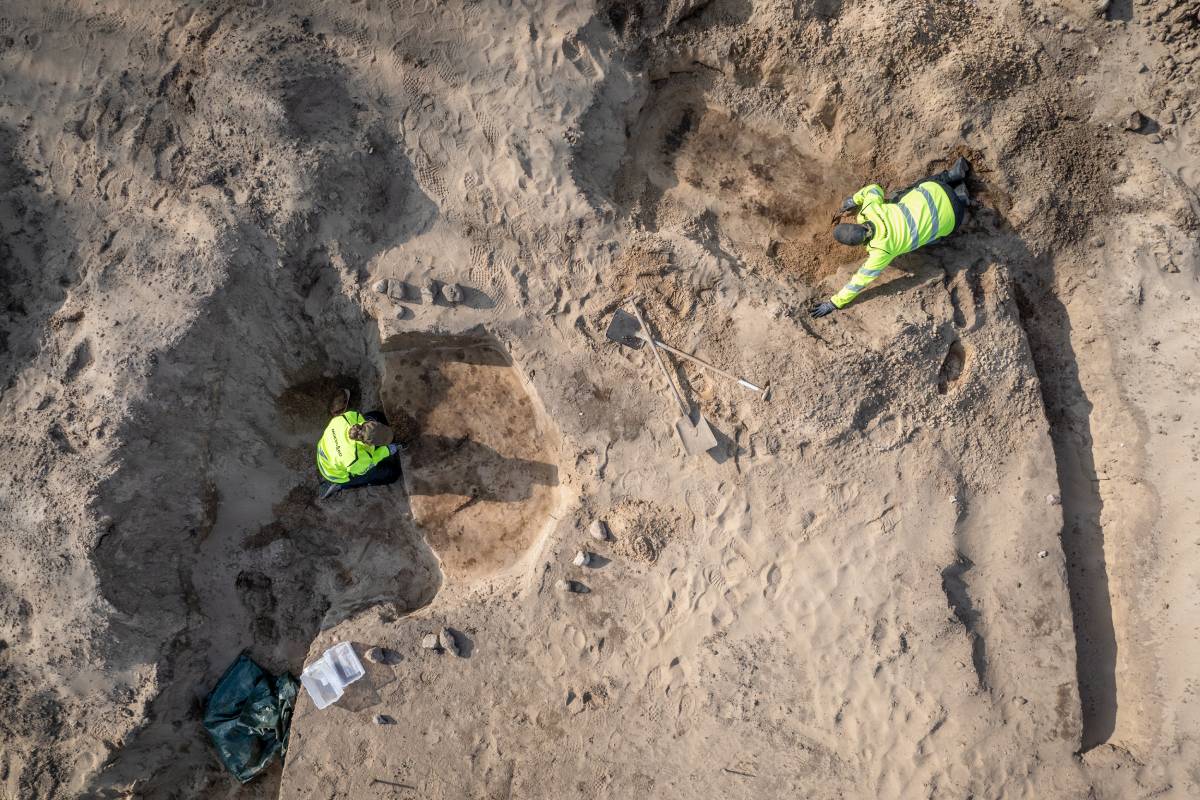
Archeologists found Sámi stone hearths in the Nea Valley, providing evidence of their presence in southern Norway during the Viking Age. Photo: Harald Midthjell
10) Sámi hearths, Nea Valley, Norway: Evidence of integration?
The discovery of fireplaces from the Sámi people – traditionally Sámi-speaking Indigenous peoples inhabiting the region of Sápmi – in the Norwegian county of Trøndelag has more than just historical significance.
As archeologist Harald B. Midthjell told The Viking Herald, evidence that the Sámi had a considerable presence this far south in Norway during the Viking Age also has political implications in their current struggle for land and pasture rights in the Scandinavian nation.
The discovery was made in the Nea Valley during a small window of opportunity as a large dam was temporarily emptied, providing limited-time access to the lakebed.
The hearths themselves were made of stone and would likely have been used as a site of congregation for the Sámi community.
And the winner is…
As always, the hard work of archeologists and metal detectorists throughout the year has been rewarded with a series of spectacular finds related to the Viking Age that have provided us all with valuable insight.
In 2024, however, the first prize has to go to the Viking Age toy found at Fjörður Farm as the discovery of the year.
After all, how often do we get to reach back a thousand years into the past to receive a glimpse of a delighted child playing with their newly carved toy in the flickering light of the winter fire?
We get to provide readers with original coverage thanks to our loyal supporters. Do you enjoy our work? You can become a PATRON here or via our Patreon page. You'll get access to exclusive content and early access.
Feel free to reach out to discuss potential stories that may be in the public interest. You can reach us via email at hello@thevikingherald.com with the understanding that the information you provide might be used in our reporting and stories.