

The University of Oslo recently confirmed that a stone cabin found in the summer of 2023 was indeed used by travelers during the Viking Age.
Recent explorations of the site in Hardangervidda National Park have also provided new insights into how the shelter was used.
With the help of Marianne Vedeler, a project leader at the University of Oslo, The Viking Herald explores this fascinating discovery.
Part of an ancient transport route
"We found a hut that has been used for shelter in the early and high medieval periods," Marianne begins.
"It is located far into the mountains in Norway, by the trade route over the high mountains of Hardangervidda. We found a huge fireplace in the main room where people had been cooking for centuries."
The site was discovered at Holmetjønn, a location on the Nordmannslepa, an ancient path used to transport goods and animals between Western and Eastern Norway.
The team began investigating an area close to a stone wall that is believed to be the remains of a newer hut, which was first documented by Professor Christopher Hansteen in the 19th century.
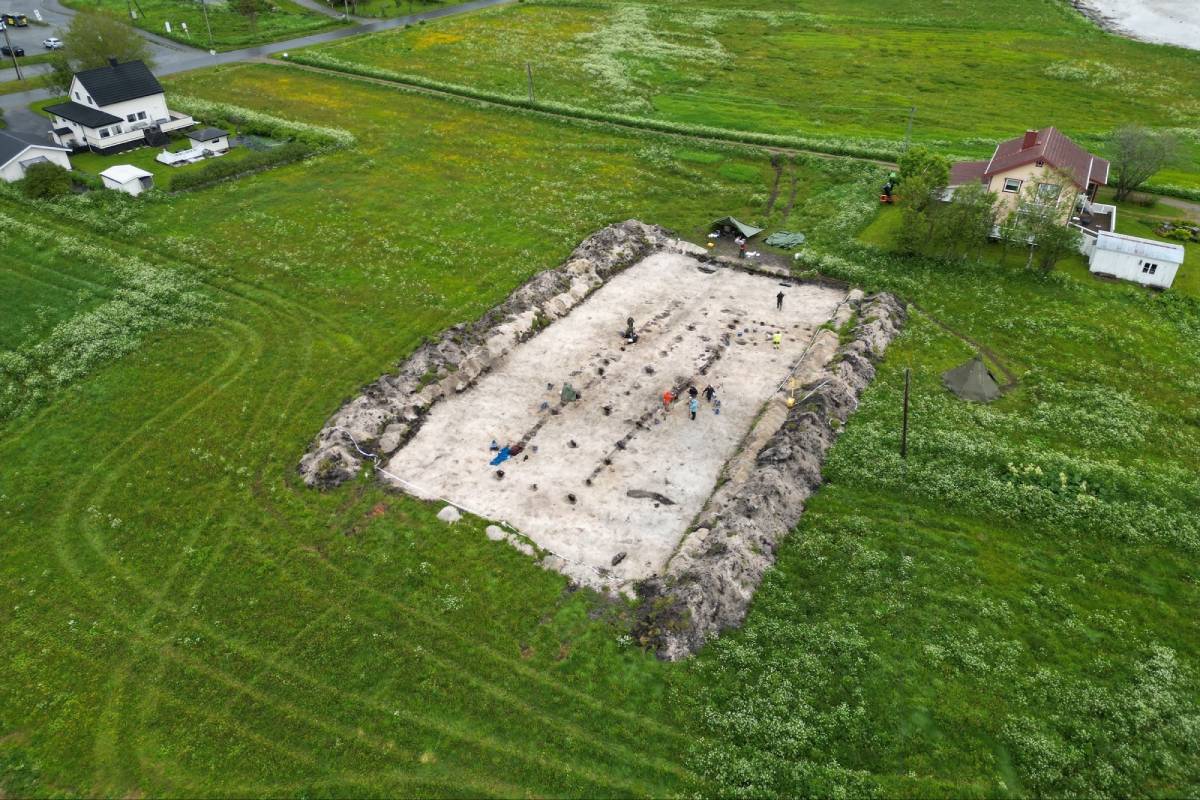
On the plain below, the archeological team uncovered an older stone dwelling believed to have been used in the Viking Age and Middle Ages.
After investigating the site for the first time in 2023, the archeologists returned this summer for further exploration.
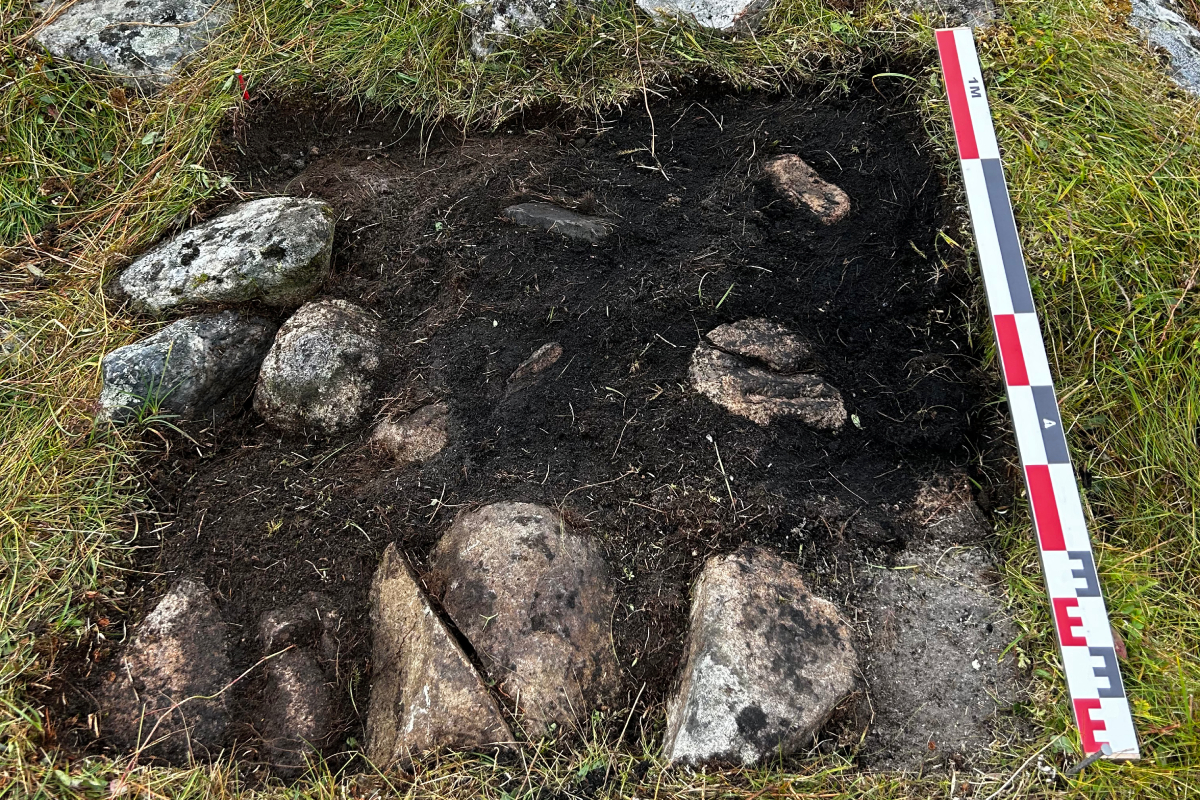
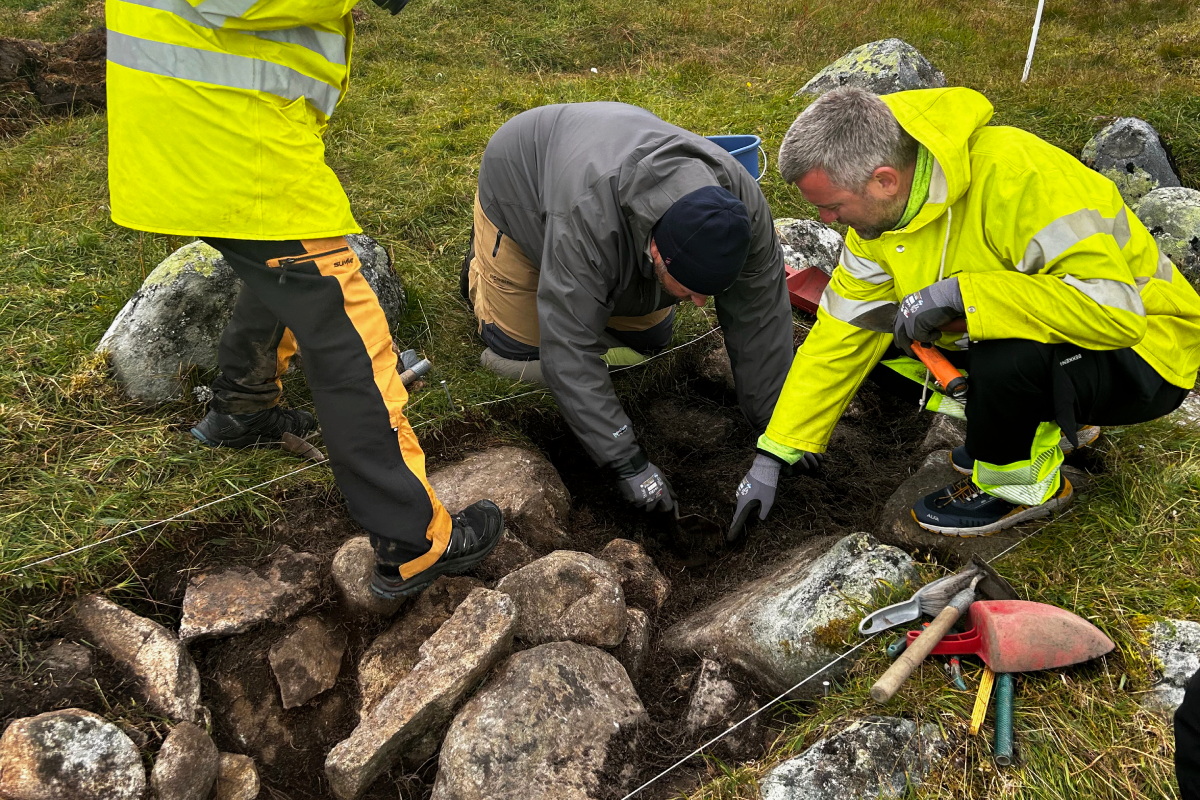
The stone cabin contains a large fireplace used for cooking by travelers over centuries. Photo: Marianne Vedeler
A place of refuge
The cabin used in the Viking Age has two rooms – a small entrance room for storage and a larger main room with a large fireplace at its center.
Initial research indicates that people traveling along the Nordmannslepa rested and feasted here for many centuries.
"The fireplace was filled with more than five kilos of animal bones, which we are now going to analyze," Marianne comments.
These included the remains of birds, fish, and reindeer. One 40 cm pile of bones and ash indicated that many of the leftovers were thrown directly onto the fire.
"Outside the entrance, a lot of horseshoes told us that this was where people had parked their horses," Marianne continues.
"We also found two very nice arrows that were left by the door and a Viking Age 'lighter.'"
The latter is what's known as a "fire steel," a metal object used to make sparks with a piece of flint, while the arrows are believed to have been left by a Viking Age hunter.
- READ MORE: A Viking history of Norway (Part 1)
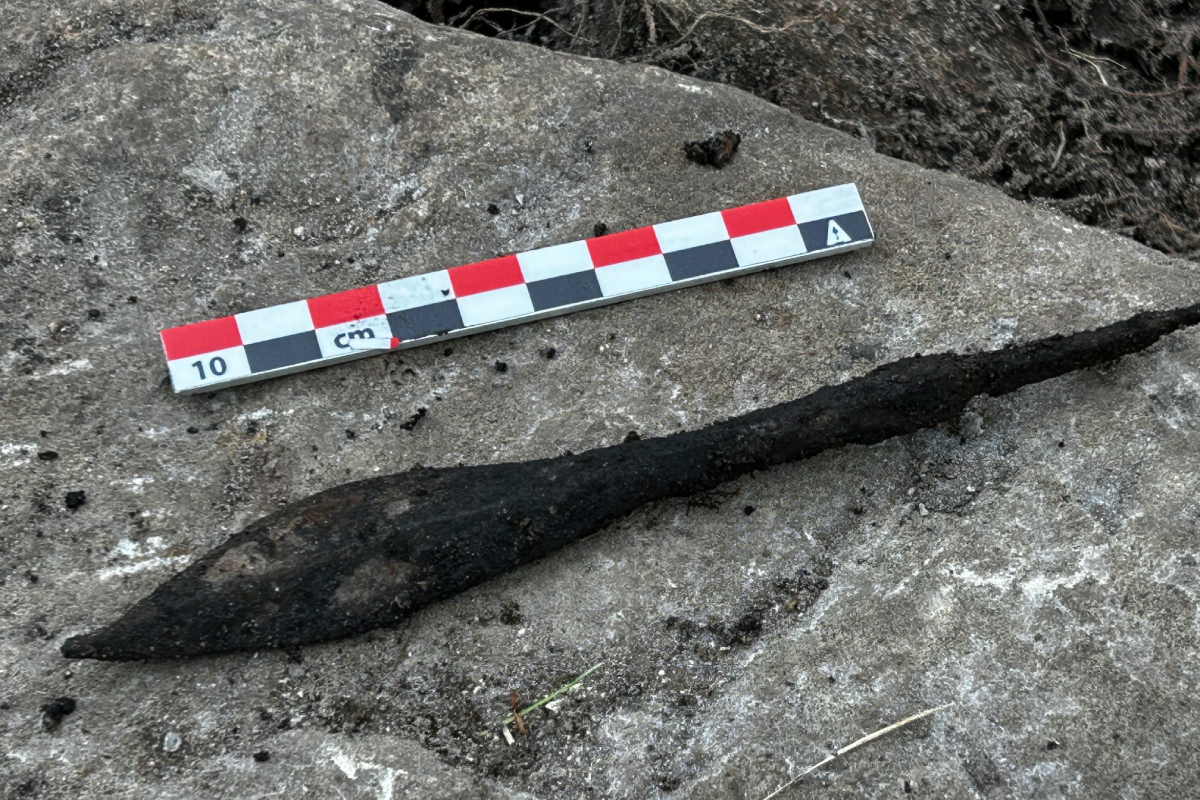
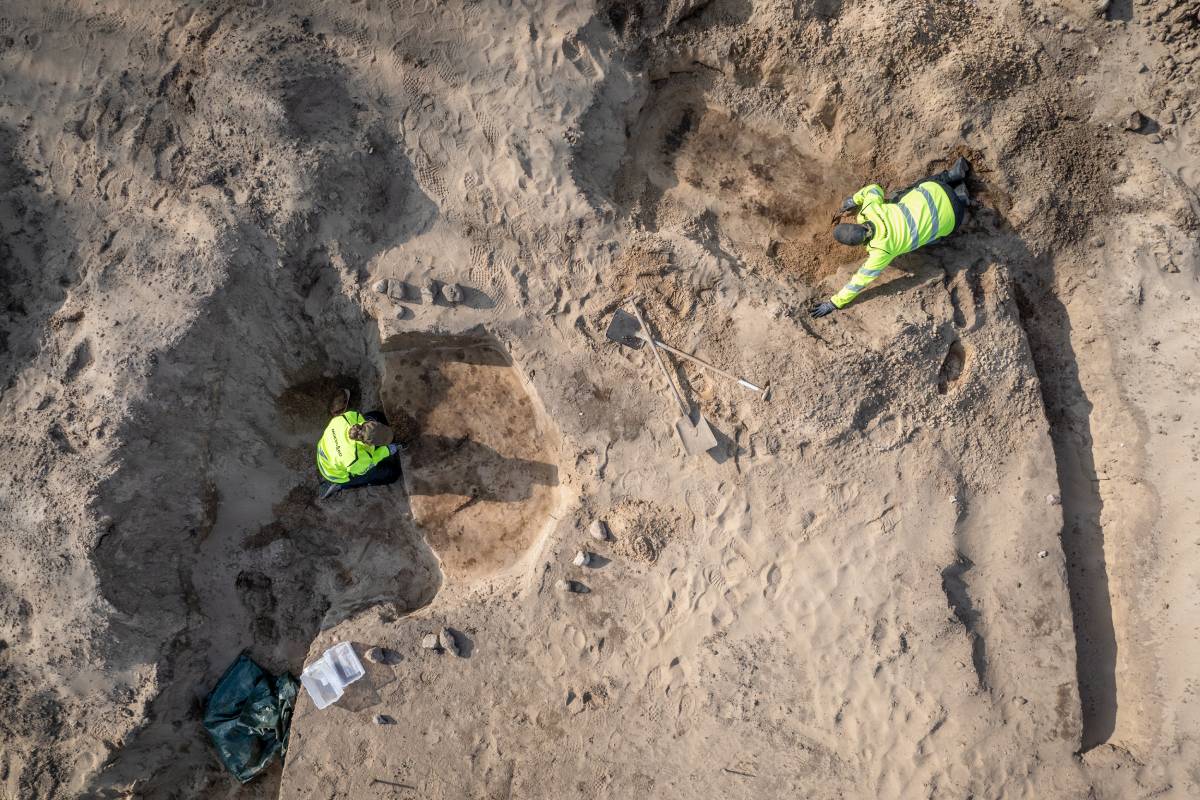
Excavations at Holmetjønn revealed animal bones, horseshoes, and Viking Age arrows near the cabin. Photo: Marianne Vedeler
Fresh insight
Although much is now known about the larger settlements of the Viking Age, the transitory nature of the evidence makes it much harder to ascertain what life was like on the road.
The work of the Secrets of the Ice team at Lendbreen Path has revealed many clues. Now, the discovery in Hardangervidda should provide archeologists and historians with a further opportunity to explore this field.
"We are trying to find out more about how hikers and hunters in the mountains strategized for food, shelter, and warmth," Marianne explains.
"What they ate 'on the road,' and how the accommodation in the mountains was organized. The excavation of this hut provides us with new insight into these areas."
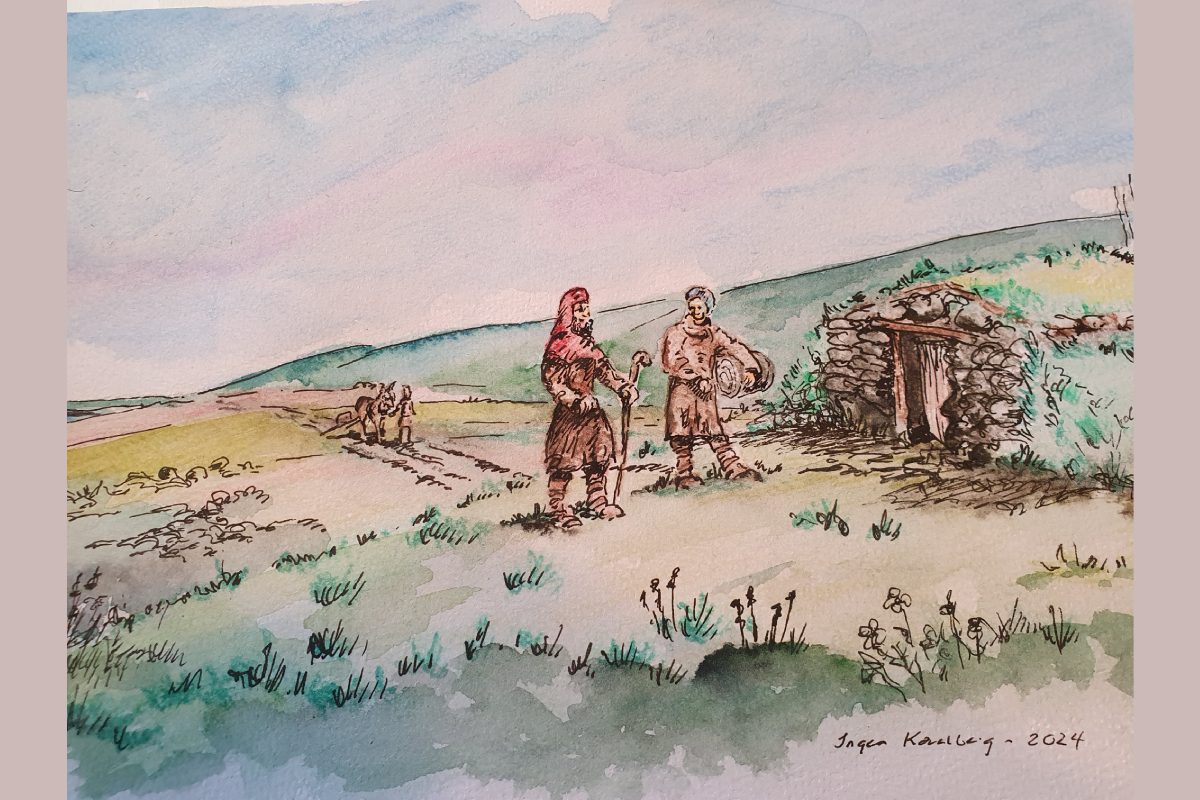
The cabin’s strategic location on an ancient trade route connected Western and Eastern Norway. Illustration: Inger Karlberg
Unfinished business
The excavation is part of the project FOODIMPACT, which is organized by the University of Oslo and is the first major study of urban food culture in medieval Norway.
While some initial analysis has been made on the eating habits of the people who stayed at the cabin at Holmetjønn, there is still plenty of research to do on the finds that have been accumulated so far.
The team is also looking to return to the same site next year to see if there are any more discoveries to be made in the surrounding area.
"The next step is to analyze all the animal bones to see what species they ate, and to date all our samples by C14. We also want to look further into the finds," Marianne confirms.
"Hopefully, we are going to excavate more next year to be able to finish our studies on the spatial organization of the cabin. But now, unfortunately, winter is coming!"
We get to provide readers with original coverage thanks to our loyal supporters. Do you enjoy our work? You can become a PATRON here or via our Patreon page. You'll get access to exclusive content and early access.
Feel free to reach out to discuss potential stories that may be in the public interest. You can reach us via email at hello@thevikingherald.com with the understanding that the information you provide might be used in our reporting and stories.