

If you go to a certain Lidl on Aungier Street, in the heart of Dublin, you're in for a Viking treat. Here, amongst a middle aisle that sells everything from chainsaws to children's underwear, you'll find a plexiglass floor that allows shoppers to glimpse the city's rich Viking history.
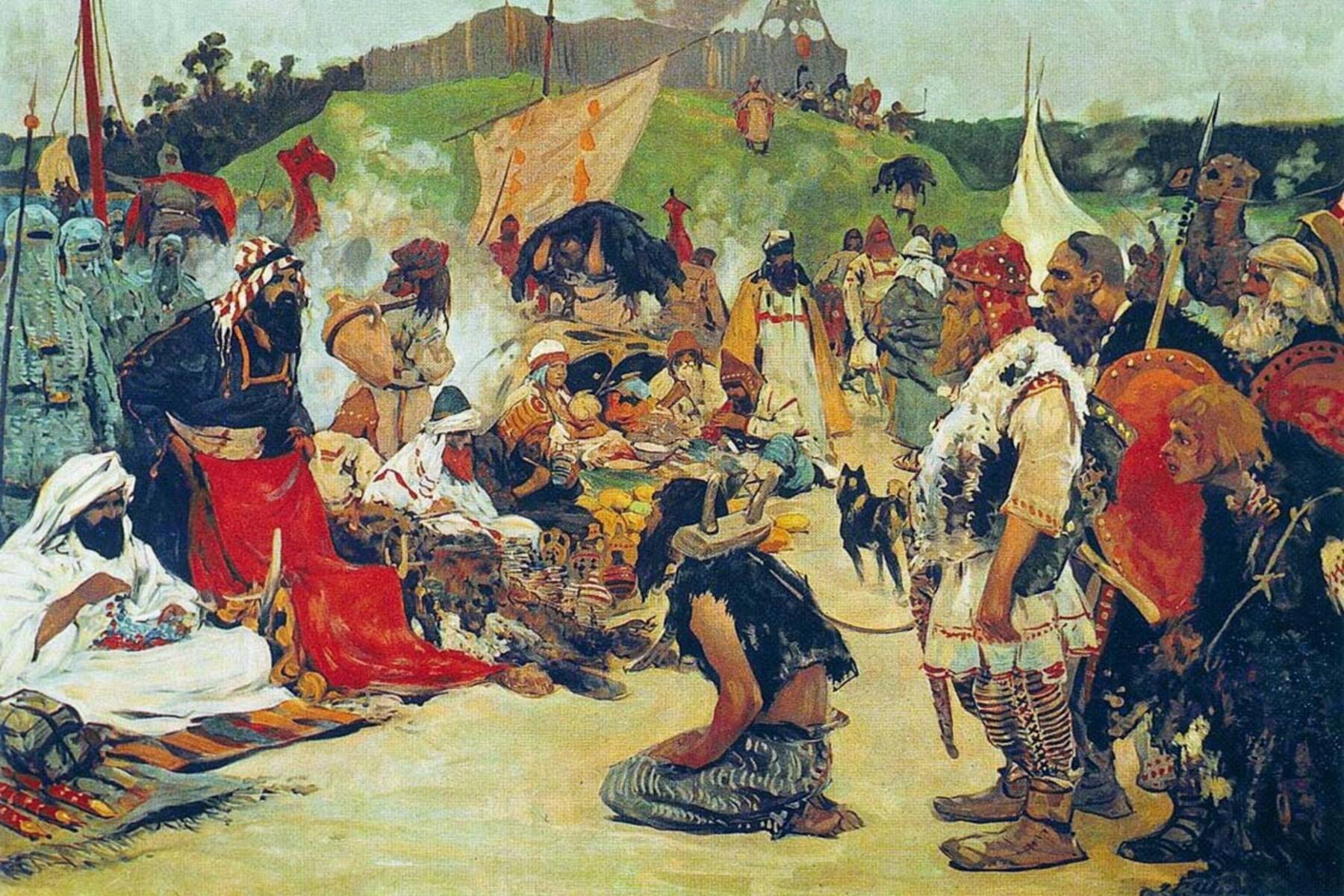
Underneath this symbol of cheap consumer goods fueled Euro capitalism are the remains of a house that dates back to around 1070 CE, when Dublin was a major Viking port with links to the slave trade.
By the time that house was constructed, the city had more than two centuries of experience with people from Viking societies.
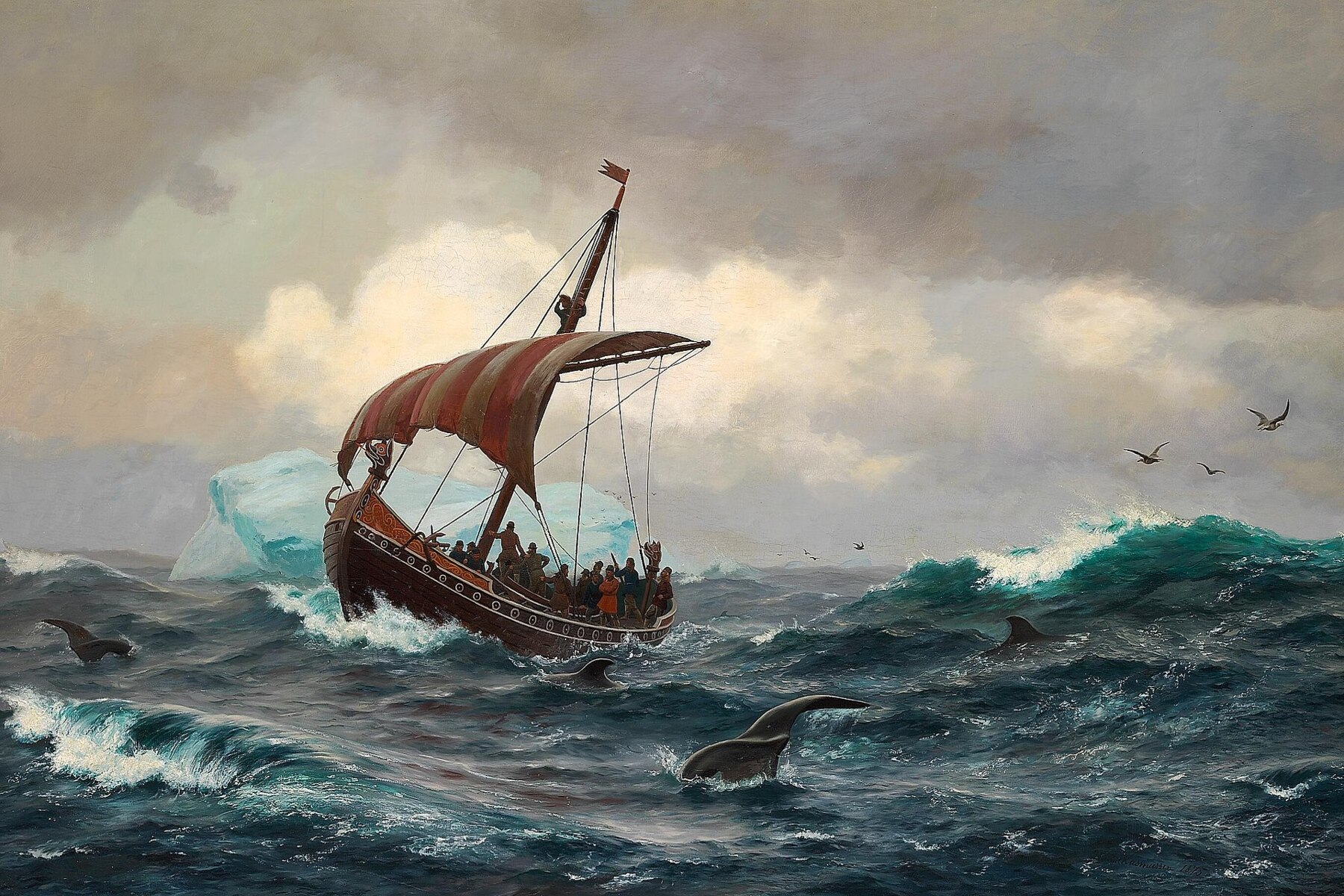
They had come, as raiders, to the shores of the island of Ireland from the early 9th century CE onwards and had, by 841 CE, created the need for a more permanent settlement, a base from which to launch further raids both inland and across the Irish Sea, as well as to trade their lucrative wares, the people who lived in the Irish communities that they raided and fought.
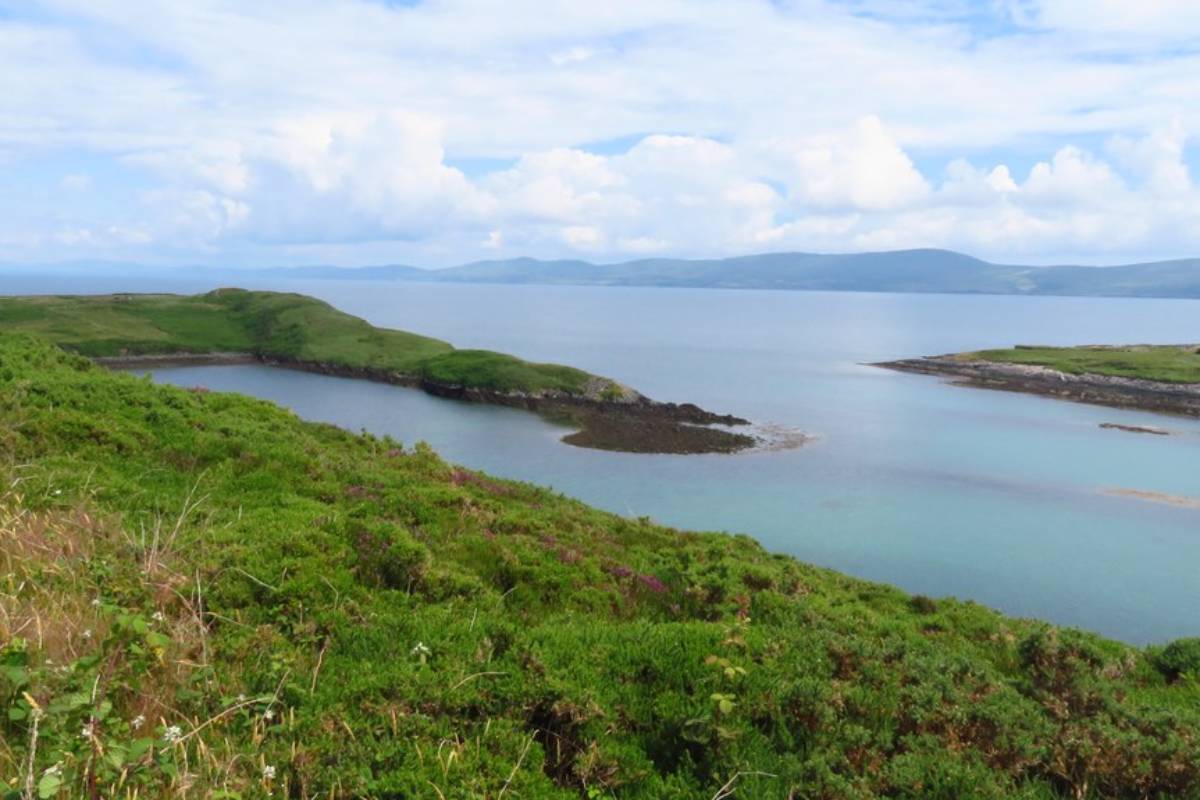
However, whilst Dublin gets all the historical focus, there was another settlement being established further north by Vikings at the same time in what is now County Louth.
An important source of Irish medieval history
Our first mention of this more northern settlement comes from the Annals of Ulster.
Arguably the most important medieval Irish chronicle, though not always necessarily historically accurate and/or verifiable, it gives us a rough idea of the major events that were deemed worthy enough to be recorded by anonymous scholars and scribes throughout the medieval period.
As Donnchadh Ó Corráin writes in his chapter in the 2008 book Viking World, it was these anonymous scribes "...who compiled the Irish annals" and thus made it "our richest source for the history of the Vikings in Ireland" and who also knew more about Vikings, "than one might suspect."
We turn now to an online version of the Annals of Ulster, which is based upon the 1983 English translation by Mac Airt & Mac Niocaill. Turning to one of the entries for the year 841 CE, you will find a short description stating that,
"There was a naval camp at Linn Duachaill from which the peoples and churches of Tethba were plundered..."
We have a reference then to a "naval camp" from which Vikings ventured to wreak death and destruction in a manner not dissimilar to the famous raid on Lindisfarne half a century or so before.
However, unlike that raid, the plundering and raiding of Tethba, the countless deaths and destruction that the Vikings rained down upon them, were specifically launched from a type of fortified ship camp known in Ireland as a longphort.
PLEASE NOTE: The rest of this article is available on Patreon for paid subscribers.
The topic was selected by our Patrons in a weekly poll. Support The Viking Herald on Patreon to read the full article and help choose future topics.
If you would like to learn more about Patreon and why we have decided to restrict access to some content, please take a look at this article.
Feel free to reach out to discuss potential stories that may be in the public interest. You can reach us via email at hello@thevikingherald.com with the understanding that the information you provide might be used in our reporting and stories.