


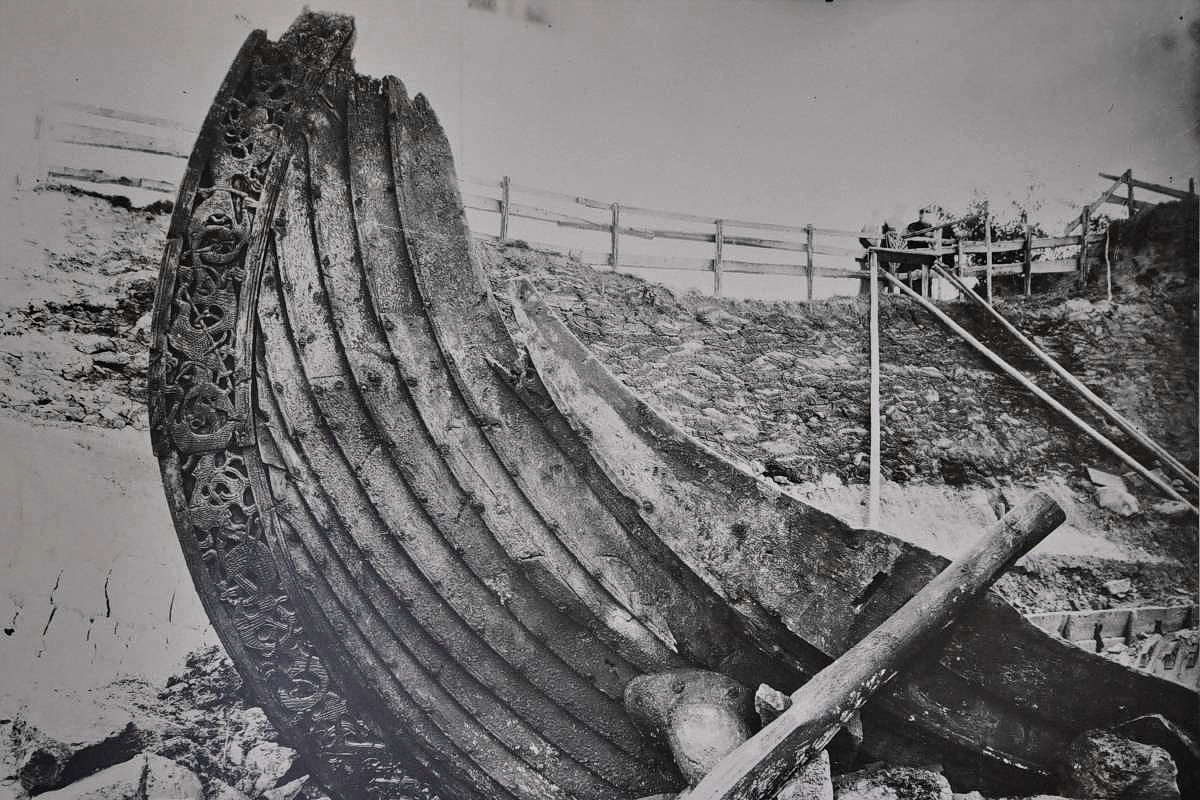
The Oseberg and Gokstad ship burials are two of the most momentous discoveries in the history of Viking archeology.
Unearthed at separate burial sites in Norway more than a century ago, the two beautifully preserved ships have helped shape our understanding of Norse seafaring and inspired Viking enthusiasts around the globe.
The excavations at Gokstad and Oseberg also revealed a series of stunning artifacts, including a Viking tent, fragile tapestries, intricate ornaments, and elaborately carved wooden sleds.
Since these initial discoveries, painstaking analysis of the finds by archeologists and other experts has given us priceless insight into the everyday lives and beliefs of the people of the Viking Age.
Yet despite their richness, neither of these famous burial sites was found intact.
Research has shown that just a few decades after the construction of the burial mounds, a set of plunderers desecrated the sites and stole a number of valuable objects.
But who would have the gall, the strength, and also the motive to violate such a sacred place?
In this two-part series, The Viking Herald speaks to Jan Bill, a professor of Viking Age Archeology, about the details of the plunder and why Harald Bluetooth, the powerful Danish king, may have been responsible for two of the most notable crimes of the Viking Age.
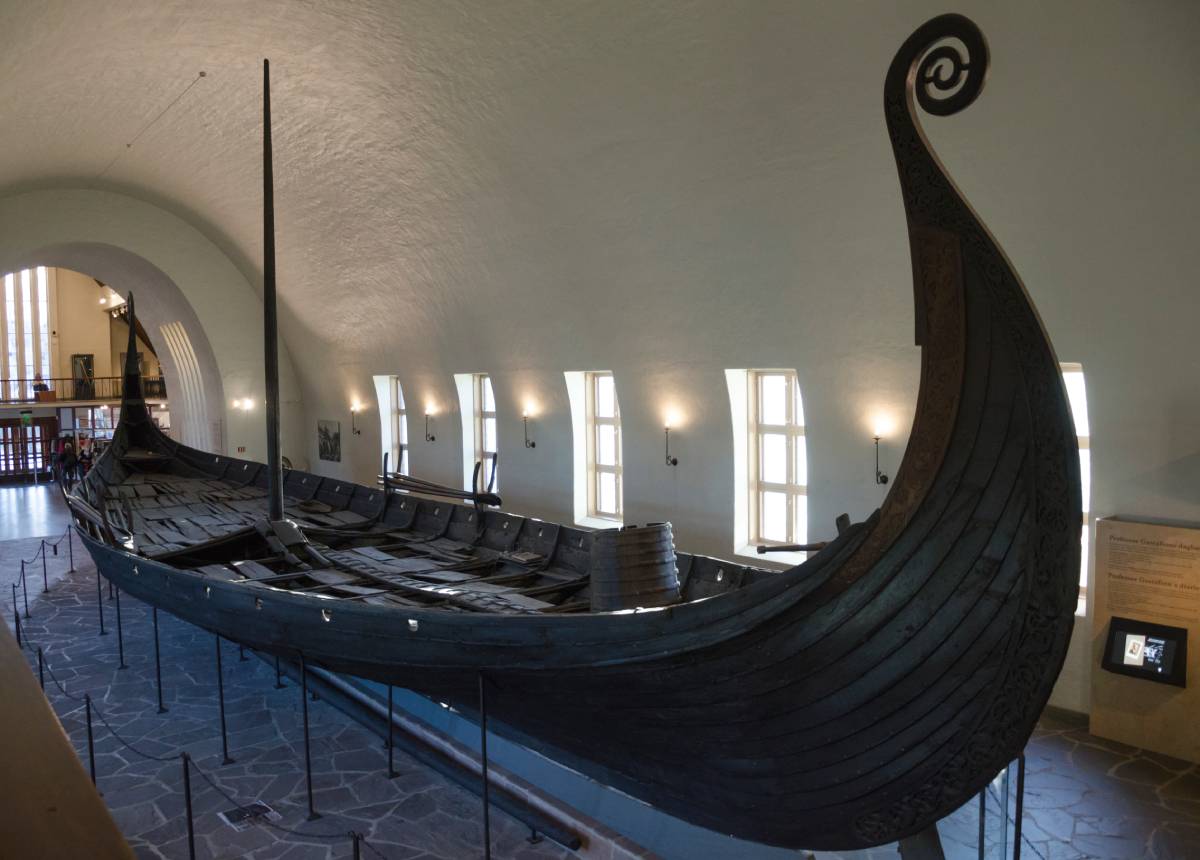
The Oseberg ship, one of the finest Viking Age artifacts, was found partially looted and its burial chamber damaged. Source: Petter Ulleland (CC BY-SA 4.0)
A clear case of theft
As curator of the Viking Ship Collection at the Museum of Cultural History in Oslo, Jan Bill has an intimate knowledge of the Gokstad and Oseberg ship burial sites.
He is also the author – together with Aoife Daly – of the 2012 paper The plundering of the ship graves from Oseberg and Gokstad: an example of power politics?, which assesses possible motives for the desecration of the graves.
As Jan explains to The Viking Herald, it was clear when archeologists began investigating Gokstad and Oseberg that they were not the first to intrude on these sacred burial sites.
"During the initial excavation of Oseberg in 1903, the archeologists could see somebody had been there before," Jan tells us.
"Some things which should have belonged in the ship were found on a much higher level and in a mixed context. Then, as the excavators came down to the roof of the burial chamber, it was apparent it had been broken or cut open – it was very clear to see."
The following year, a more extensive excavation revealed the grave robbers had dug a 20-meter trench stretching from the edge of the mount to its center.
"A lot of materials from the burial, including the human bones, were found lying at the bottom of the robber trench," Jan tells The Viking Herald.
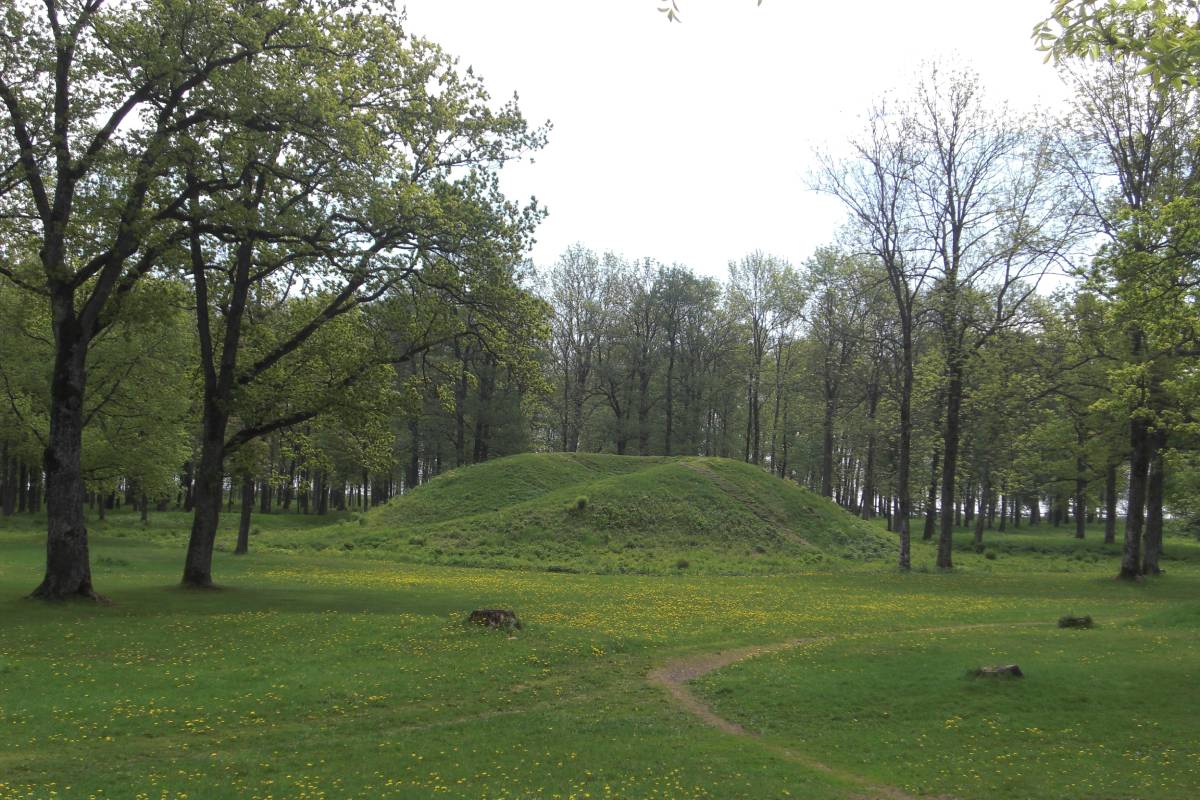
"The same is the case for the Gokstad burial. There, the archeologists in 1880 noted a dip on the eastern side of the mount that indicated the burial had been broken into."
"When they later excavated the area, they found a large hole in the burial chamber on the eastern side. Part of the roof had been removed and some of the ship had been cut away to give access to the burial chamber."
"So it was very obvious to everybody that both these two ship burials had been broken into."
- READ MORE: All you need to know about Viking ships

The Gokstad ship, buried within a mound, was part of a Viking ship burial that was looted shortly after its construction. Source: Kulturhistorisk museum, UiO
"Destruction with intent"
"Next comes the question of why they were broken into," Jan continues. "We can say that with both burials, there are indications that this was a violent act: they were destroyed with intent."
"In both cases, the skeletons were not found in their anatomic position – nor had they been removed completely. Some bones were gone, yet others were left as waste in the burial chamber. There was no respect paid to the skeletons at all."
"With the Oseberg burial, the ship was oriented north to south, and the plunderers' trench went into the mount from the southern point."
"Towards the center of the mount, the robbers encountered the stem of the ship and cut it down. Here, I think the work involved in that act must have been more than just to help them 'pass through,'" Jan tells us.
"They were investing significant labor in actively destroying a highly symbolic part of the ship. One part of the stem has disappeared completely, while other parts were spread across different parts of the trench – again, it was treated like waste."
In other words, whoever plundered the burial mounds showed absolute contempt for the contents of a supposedly sacred site.
Unfortunately, the story appears to be similar at Gokstad, where the entire bottom of the ship has been broken apart.
"It might be that they were looking for any kind of treasure hidden underneath the ship," Jan admits.
"But the other possible intention would be simply to destroy it. They came in from the east, so they didn't reach the stem – if they wanted to destroy the ship, it was natural to cut away the bottom."
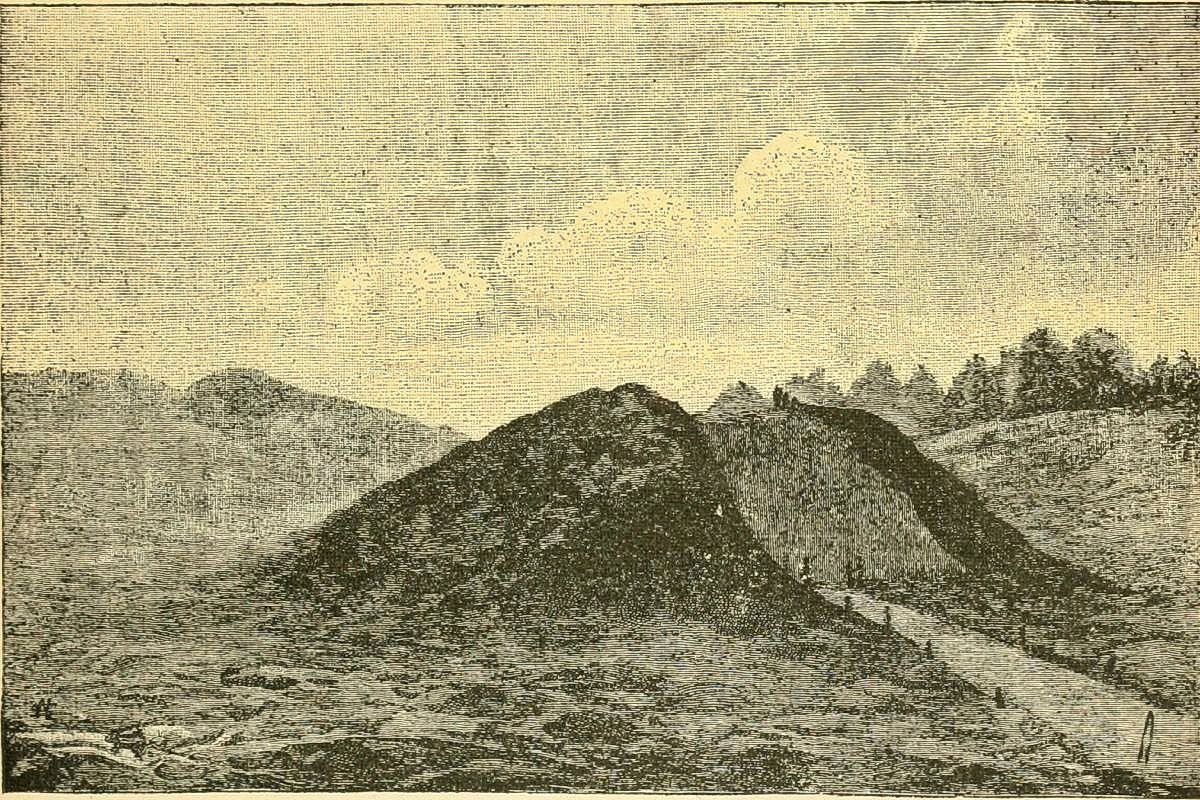
This depiction of the Gokstad burial mound comes from the Smithsonian Institution’s 1891 Annual Report. Source: Public domain
A public act
As Jan describes the scene, it becomes clear this was no secret robbery, carried out swiftly by unseen hands in the dead of night.
"The robber trenches were very long – they were deep and wide and went all the way to the perimeter of the mount," he points out.
"There would have been a lot of digging going on with lots of labor. They also left a huge scar on the mounts. This means it would have been very easy afterward to see the burial mounds had been broken into and destroyed."
Again, this simple fact indicates the plunderers' motive was something more than simple theft.
"If they had been into the mounts in order to find treasure, just like with most burial mount plunderings, they would have simply dug from the top of the mount right into the center," Jan tells The Viking Herald.
"That would be the path of least resistance to get to the burial chamber."
"The very fact that they chose to invest a lot of work in digging and give the mount this broken appearance appears to be part of the intention."
"They wanted to make it visible that they had destroyed the mount – that's important."
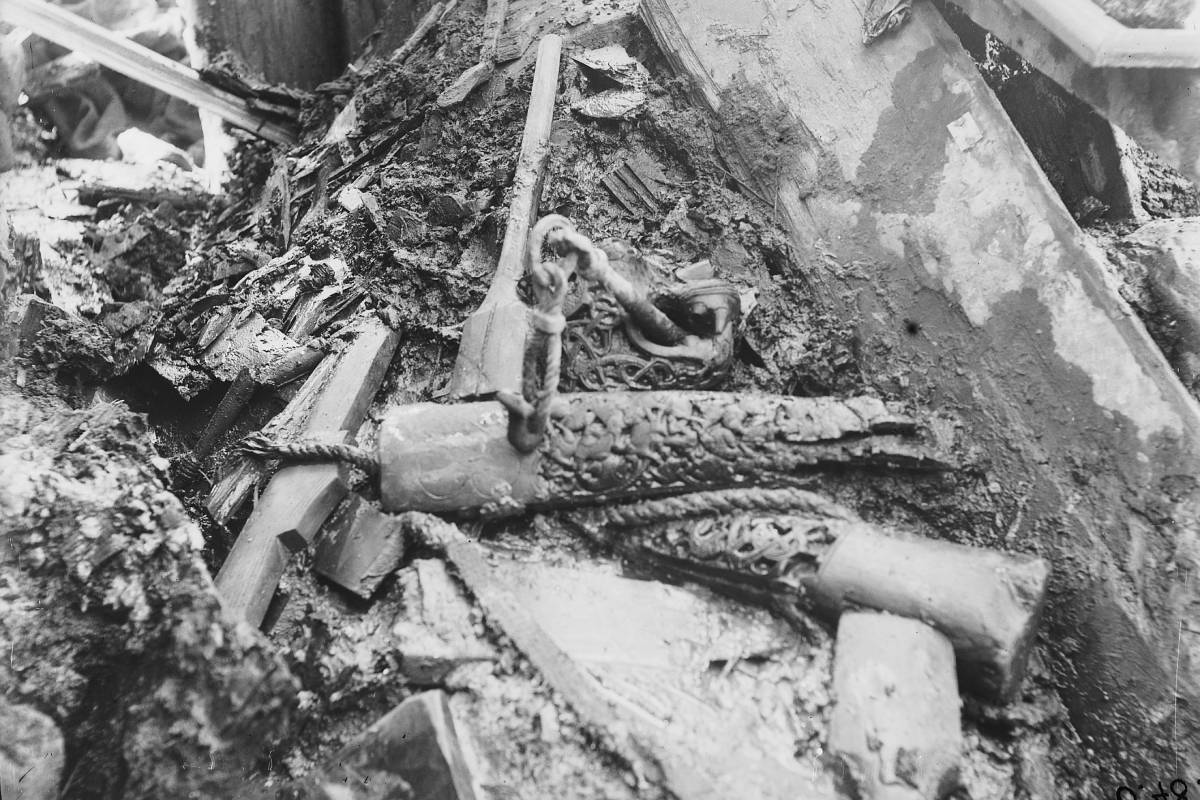
Jan Bill believes the Oseberg plunderers took jewelry while the Gokstad robbers removed weapons from the burial chamber. Source: Kulturhistorisk museum, UiO
The loot: Weapons and jewelry
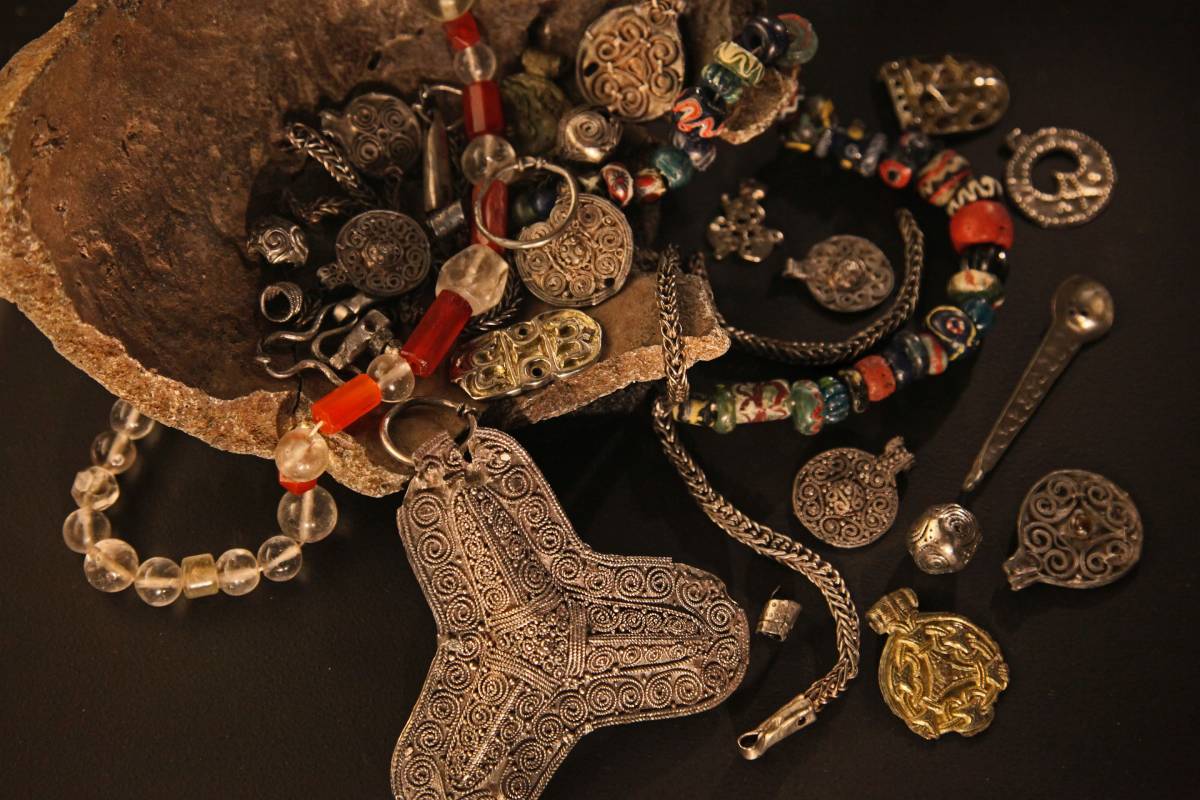
That is not to say the plunderers took nothing with them, of course. "In the Oseberg burial, none of the jewelry that the women might have been wearing was found," Jan states.
"At the time of the plundering, the burial chamber had already fallen in, which is probably why they only took things that the women may have been wearing."
"Much was left that could easily have been taken away if they had not been obscured inside the collapsed chamber."
"I also think it's very likely that weapons were removed from the Gokstad burial. The burial chamber was still intact when the break-in occurred, so they would have had very good oversight of whatever was in there and taken things away."
"I think they took all the weapons and possibly also some jewelry or buckles the man would have been wearing."
The offense, then, is clear. But who could have dared to commit such openly violent acts?
As Jan informs The Viking Herald, dendrochronology dating has helped narrow the possible period for the plundering of Oseberg and Gokstad to a window of around 950–1000 CE.
In part two, he explains exactly why Harald Bluetooth should be considered the prime suspect.
We get to provide readers with original coverage thanks to our loyal supporters. Do you enjoy our work? You can become a PATRON here or via our Patreon page. You'll get access to exclusive content and early access.
Feel free to reach out to discuss potential stories that may be in the public interest. You can reach us via email at hello@thevikingherald.com with the understanding that the information you provide might be used in our reporting and stories.



_(17813080994).jpg)
.jpg)