


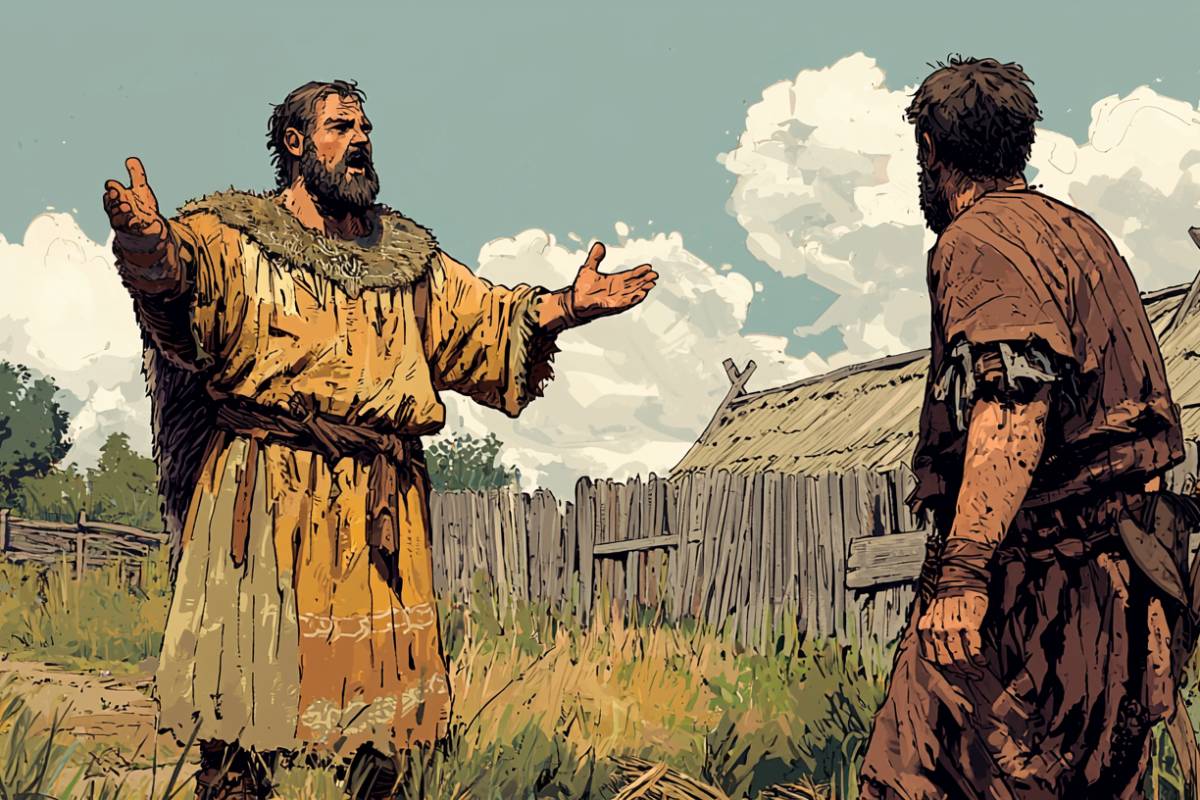
Scandinavians, both at home and abroad, love nothing more than to proudly regale the world with tales of their egalitarian societies.
Denmark, Norway, and Sweden – though all democracies with crowned heads – have forged some of the most egalitarian, equal, and equitable societies yet known to humankind.
The benefits are supposed to be wide-ranging for those lucky Scandinavians. They can include everything from lower crime rates to a greater sense of social cohesion and better social and emotional well-being for citizens.
Like all societies, there is a gap between rich and poor, between the haves and have-nots. However, in Scandinavian societies, this gap is much narrower than in countries such as the United States or India.
Where did this Scandinavian egalitarianism arise from? Is it something in the cold northern air that they breathe? Perhaps it has something to do with the Arctic winds blowing across the peninsula?
Well, it's certainly nothing geographical or, indeed, god (or gods) given. It is the deliberate creation of the people that live in Scandinavia, building on a rich cultural heritage that dates back to at least the early medieval period when Vikings roamed.
For it is the modern Scandinavian ancestors, people in Viking societies, who, though they created a three-class society, allowed a degree of social mobility within it.
This degree of social mobility became, after centuries of evolution and progress, the egalitarian societies that Scandinavians are so proud of today.
Let us look at how their ancestors started the long and winding road to egalitarian societies.
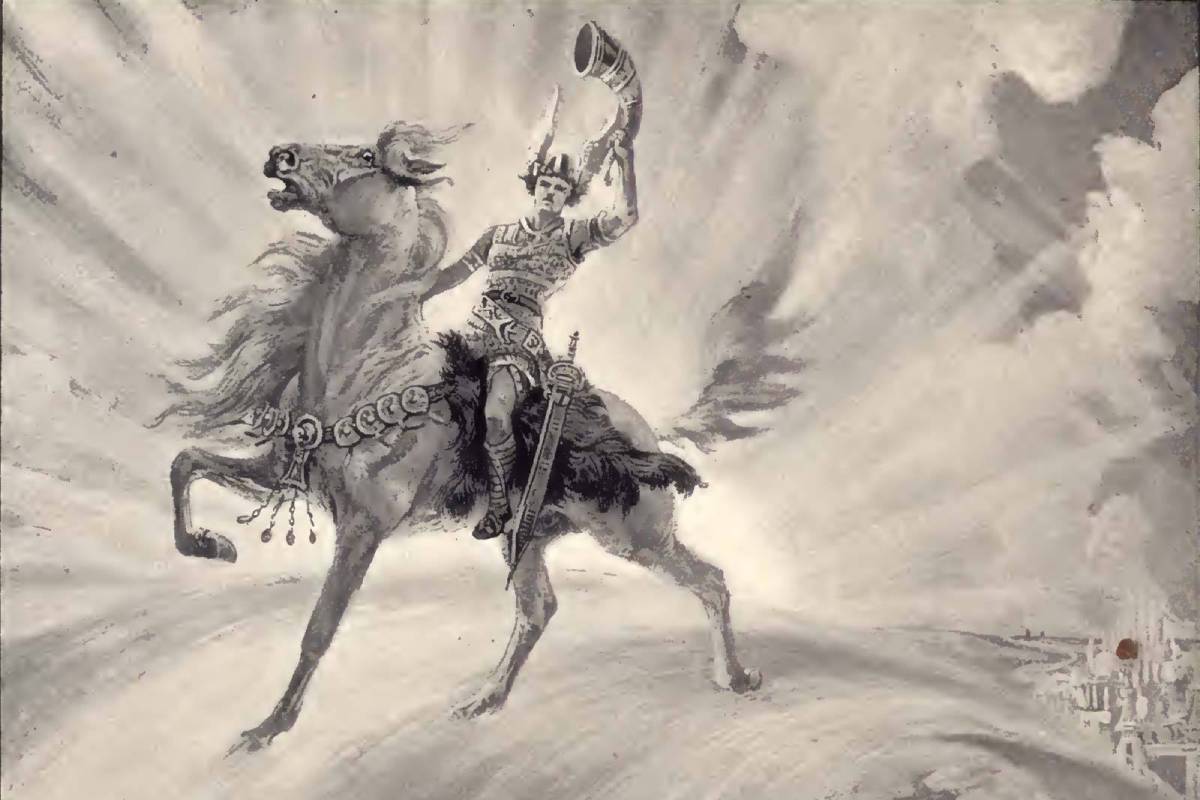
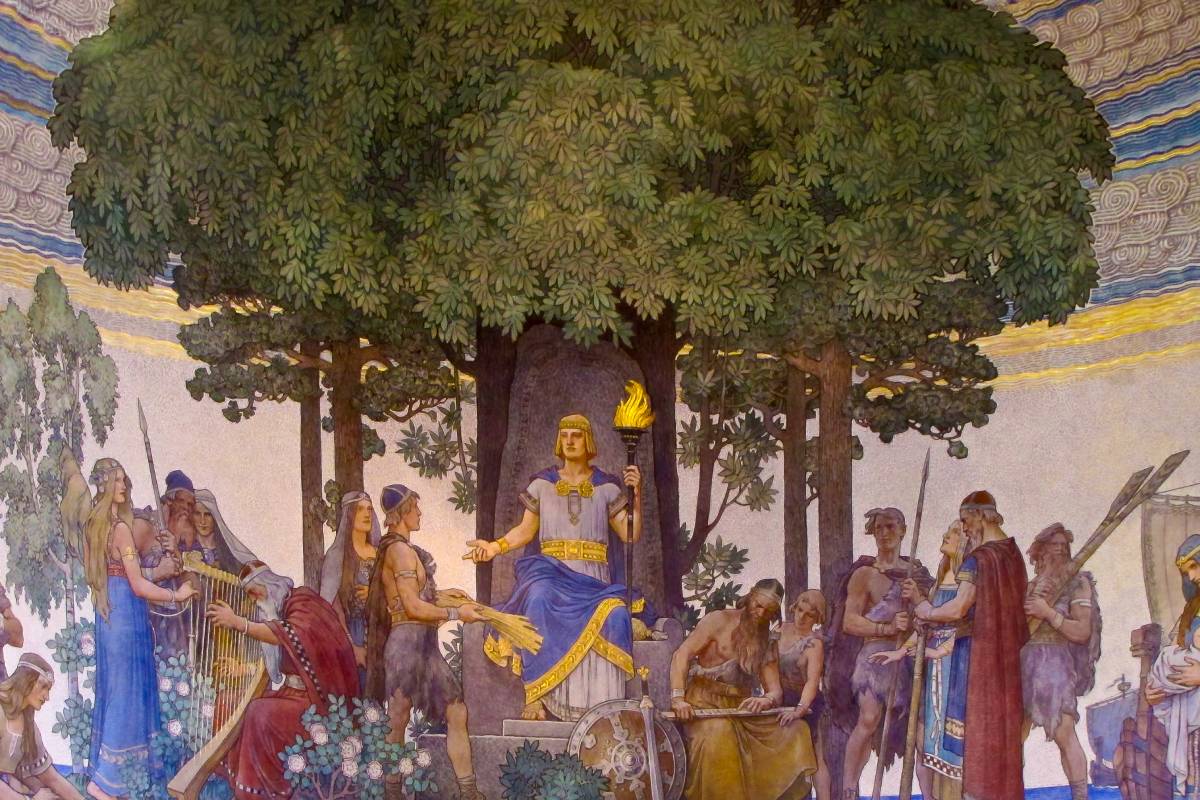
The god Heimdall was said to be the creator of the three classes of human beings in the Eddic poem Rígsþula. Source: Dorothy Hardy (1868–1937)
Jarls, karls, and thralls: Knowing your Viking societal structure
Whilst people in Viking societies did not necessarily possess the cultural, economic, or military sophistication of their larger contemporaries – think the Abbasid Caliphate or the Byzantine Empire – theirs was a society unlike any other in early medieval Europe.
Yes, it is true that the budding seeds of feudalism were evident, as there was an overarching hierarchical structure to their society.
In Rígsþula (Old Norse: "The Lay of Ríg"), an Eddic poem, the Norse god Ríg (another name for Heimdall) wanders through the world and fathers the progenitors of the three classes of human beings.
These classes are the jarls (the nobles and the economic or military elite), the karls (the free farmers, merchants, and traders, essentially a mercantile class), and the lowly thralls (bonded or indentured workers and slaves).
Yes, shock and horror – the ancestors of today's Scandinavians, like the ancestors of pretty much every other culture, civilization, or people in history, were enthralled with slavery.
You'll have to forgive the pun just committed, but the word "enthralled" had to be used, as its origins lie with the Viking term for enslaved people.
Slavery was not only a key feature of their social structure but also a lucrative enterprise for many Viking raiders and traders.
Vikings were among the most successful slave traders of their era, trafficking in human bondage from the Arctic Circle to the bazaars of Baghdad and everywhere in between.
In fact, so successful were they that entire cities were established thanks to the Viking slave trade – the most famous being that big smoke on the River Liffey, Dublin.
People in Viking societies were, of course, shaped by their time, and their three-class system was relatively similar to other contemporary societies near and far.
What set them apart, however, was the degree of social mobility within this system. Could a lowly thrall, seized during a Viking raid on the Volga, ever rise above their station? Could a particularly industrious karl ever hope to become a jarl?
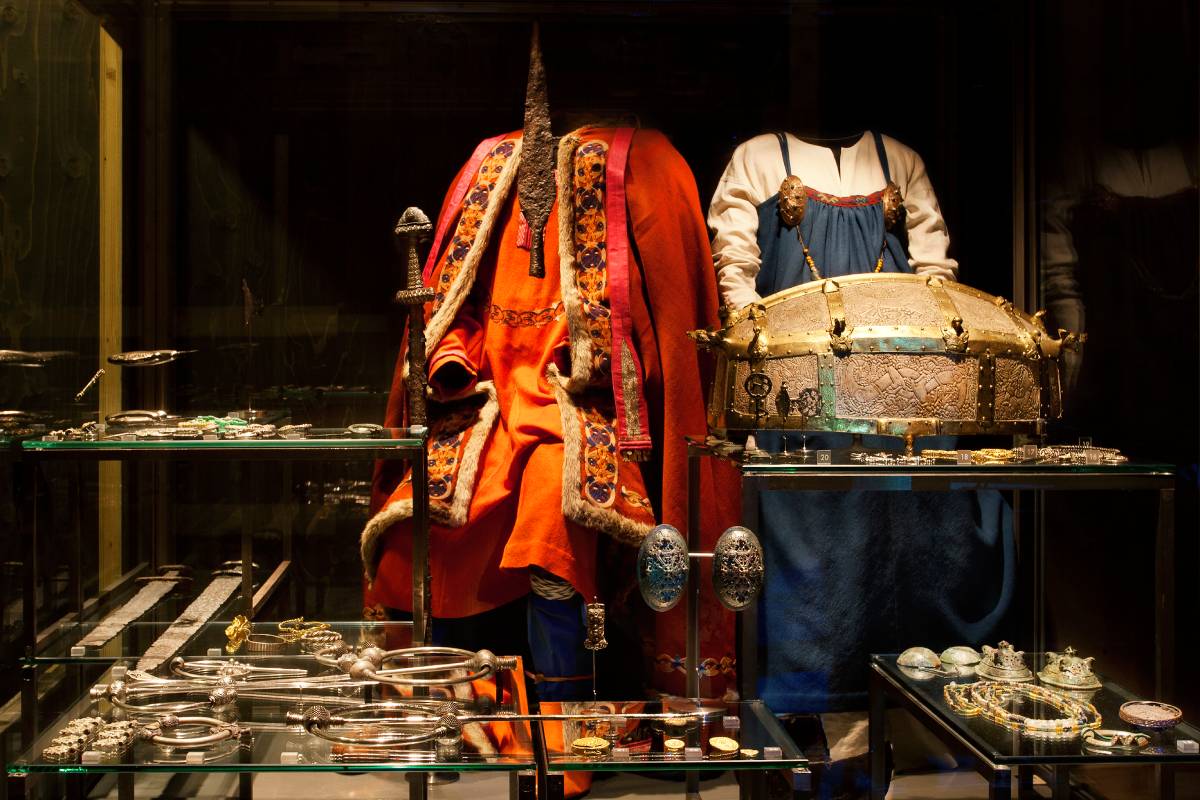
Shown here are Viking attire and jewelry presented during the VIKING exhibition at Denmark’s National Museum in 2013. Source: The National Museum of Denmark
Moving on up
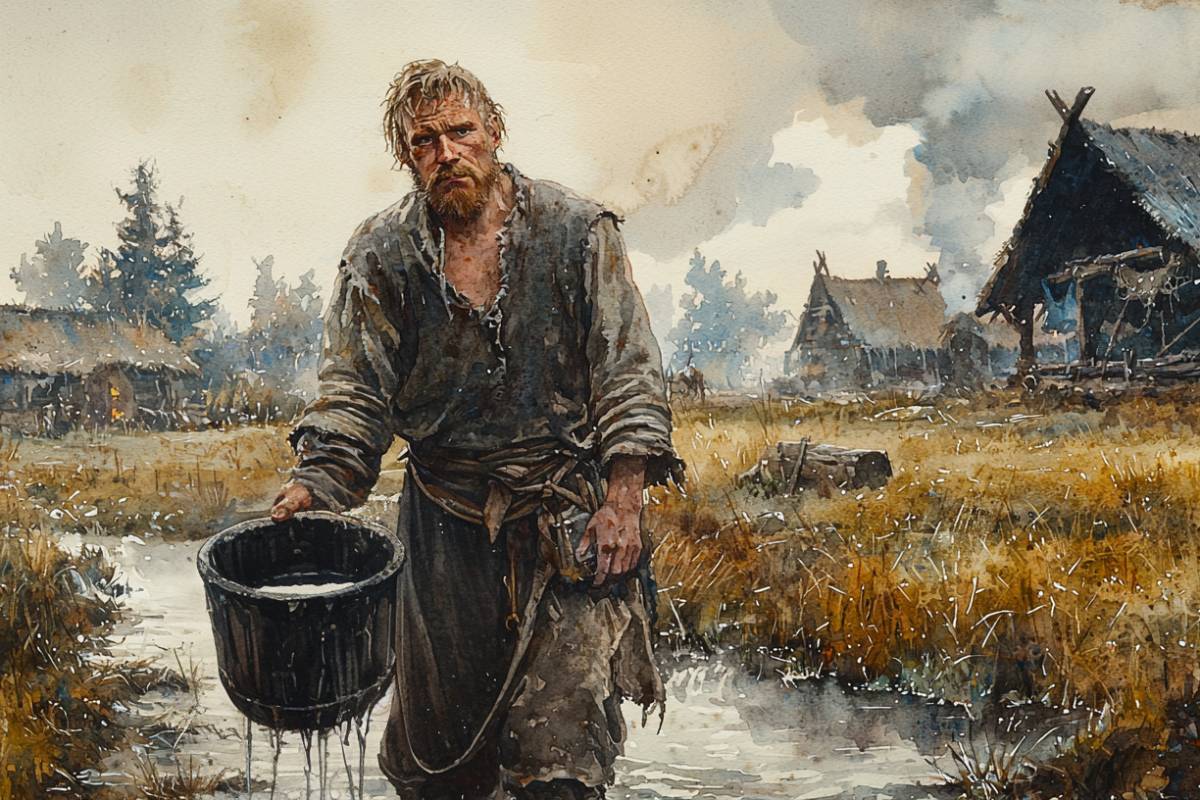
When you hit rock bottom, the only way, they say, is up. This was very much the case for the poor thralls, many of whom were prized away from their communities and families when Vikings came raiding and pillaging.
As Stefan Brink discusses in his 2021 book, Thraldom: A History of Slavery in the Viking Age (available on Amazon here), these poor unfortunate souls could either be taken back to Scandinavia or sold in the many slave-trading markets of the Viking world and wind up in Viking settlements, perhaps in the British Isles or Iceland.
Thralls, though, did have the potential to gain their freedom through either hard work or loyalty, with their master granting them freedom as a reward.
They could also pay their way, though this was uncommon, as few slaves had the means to buy their freedom – then, as now, money talks! Freedom could also come through birth, as thralls, both male and female, were commonly sexually exploited by their masters.
If a child were born to a thrall mother and a free father, the child would break free from the bondage that their mother endured).
Climbing up the next ladder in social status, we visit our mercantile amigos. Could hardworking and prosperous karls ever hope to become jarls?
Could the (relatively speaking) Viking middle class become ennobled? You better believe it. Whilst not as common as thralls gaining their freedom, it did occur.
This could be achieved through exploits on the battlefield and granting noble titles or privileges, mercantile endeavors (again, money talks!), or through that most political of all medieval relationships... marriage.
In these three ways, karls would amass great influence, power, and/or wealth and achieve a social upgrade.
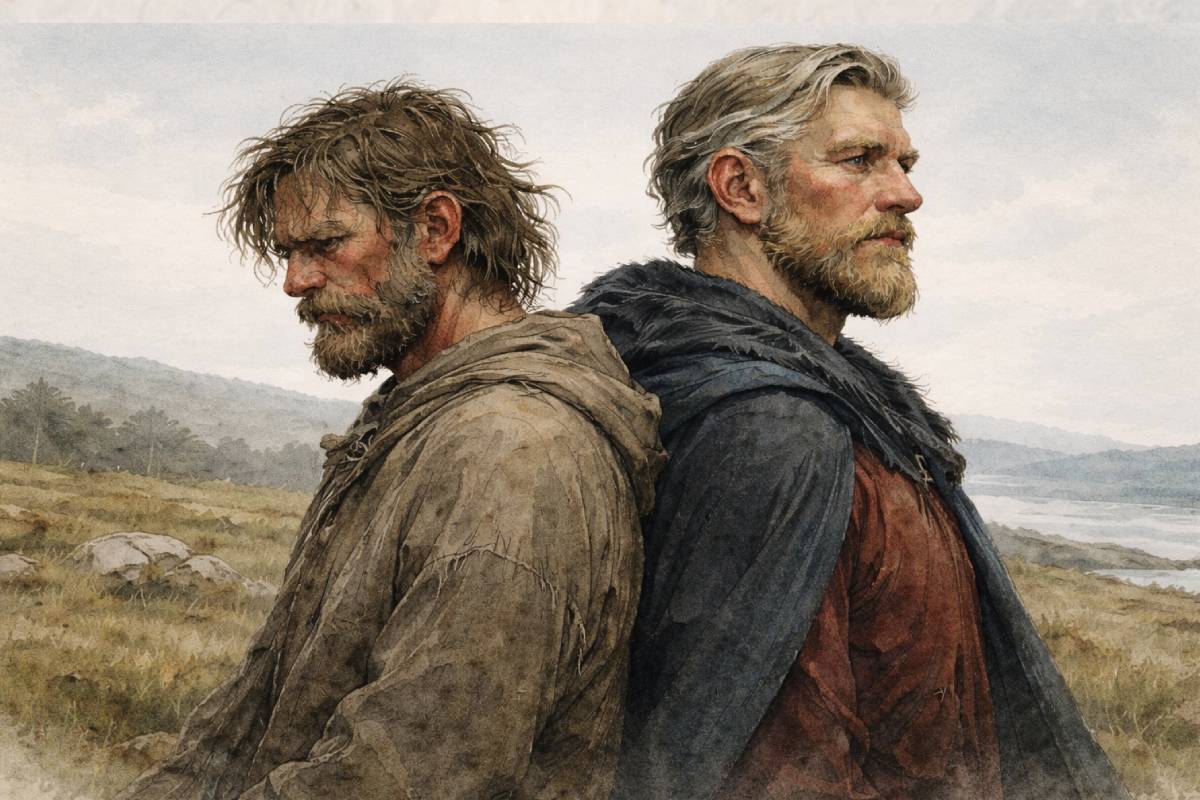
Upward mobility, then, is but half this story. What about the reverse journey? Could one lose their position in Viking society and be socially downcast and downgraded?
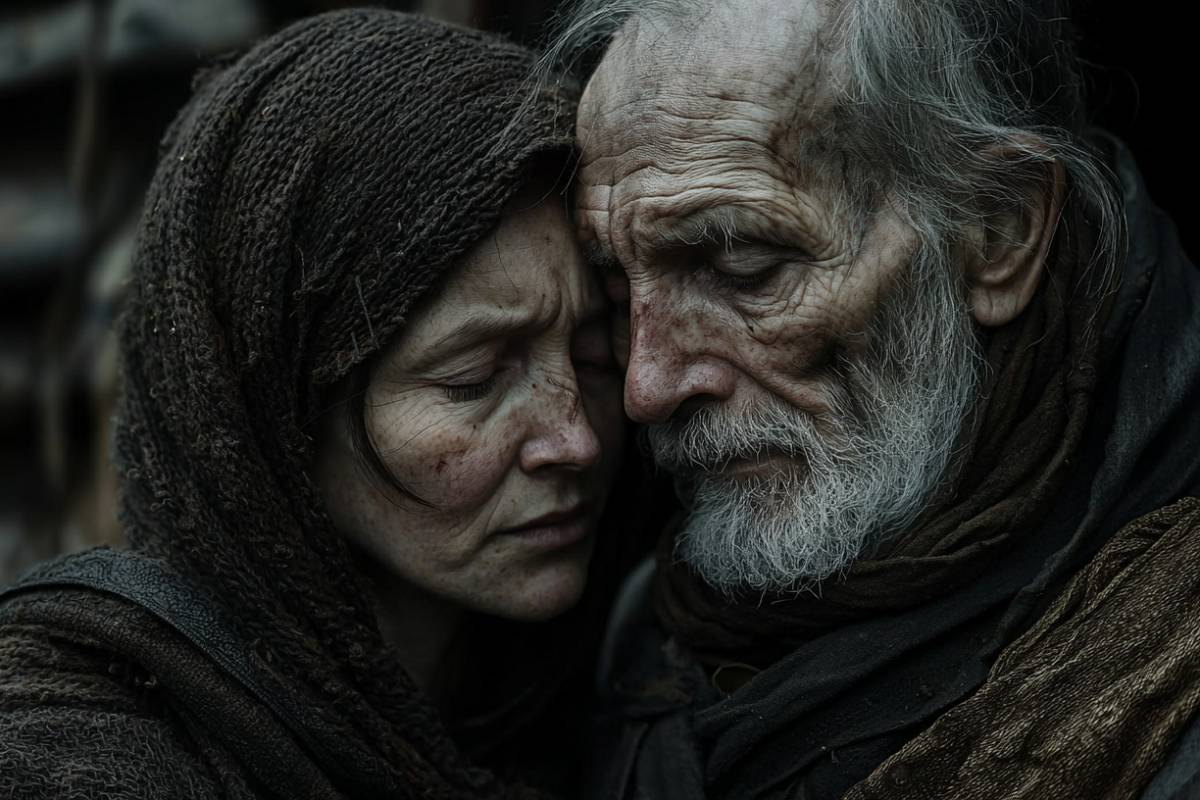
In Viking society, thralls were enslaved people often taken in raids, with limited chances of earning freedom through work or payment. Source: The Viking Herald
Going down
Throughout the early medieval period, as people from Viking societies expanded outward into the world – sometimes peacefully, sometimes profitably, and sometimes pillaging – fortunes were lost and made upon the battlefield or in the trading ports.
For the jarls in Viking society, though they stood at the summit of society, the only typical direction was down – unless, through extraordinary ambition and success, they managed to rise further and claim a kingship.
They could lose their status through disgrace on the battlefield (cowardice), financial ruin or mismanagement, or dishonor (perhaps engaging in serious crimes or misdeeds).
These reasons could plague karls, too, and see them stripped of their freedom. Regardless of one's station, the most serious punishment was the loss of freedom and being forced into a life of servitude.
It should be noted, however, that though Viking society was hierarchical and relatively rigid, it could be, at times, meritocratic.
Deeds and actions – battlefield exploits, work ethic, or reputation – could see people rise or fall within Viking society.
The origins of Scandinavian egalitarianism, then, can (partly) be attributed to a relative degree of social mobility within Viking societies. This social mobility laid the foundations that the Vikings' 20th- and 21st-century descendants have solidly built upon.
More information on the egalitarianism inherent in many Nordic countries can be found via The Conversation here.
We get to provide readers with original coverage thanks to our loyal supporters. Do you enjoy our work? You can become a PATRON here or via our Patreon page. You'll get access to exclusive content and early access.
Feel free to reach out to discuss potential stories that may be in the public interest. You can reach us via email at hello@thevikingherald.com with the understanding that the information you provide might be used in our reporting and stories.



.jpg)