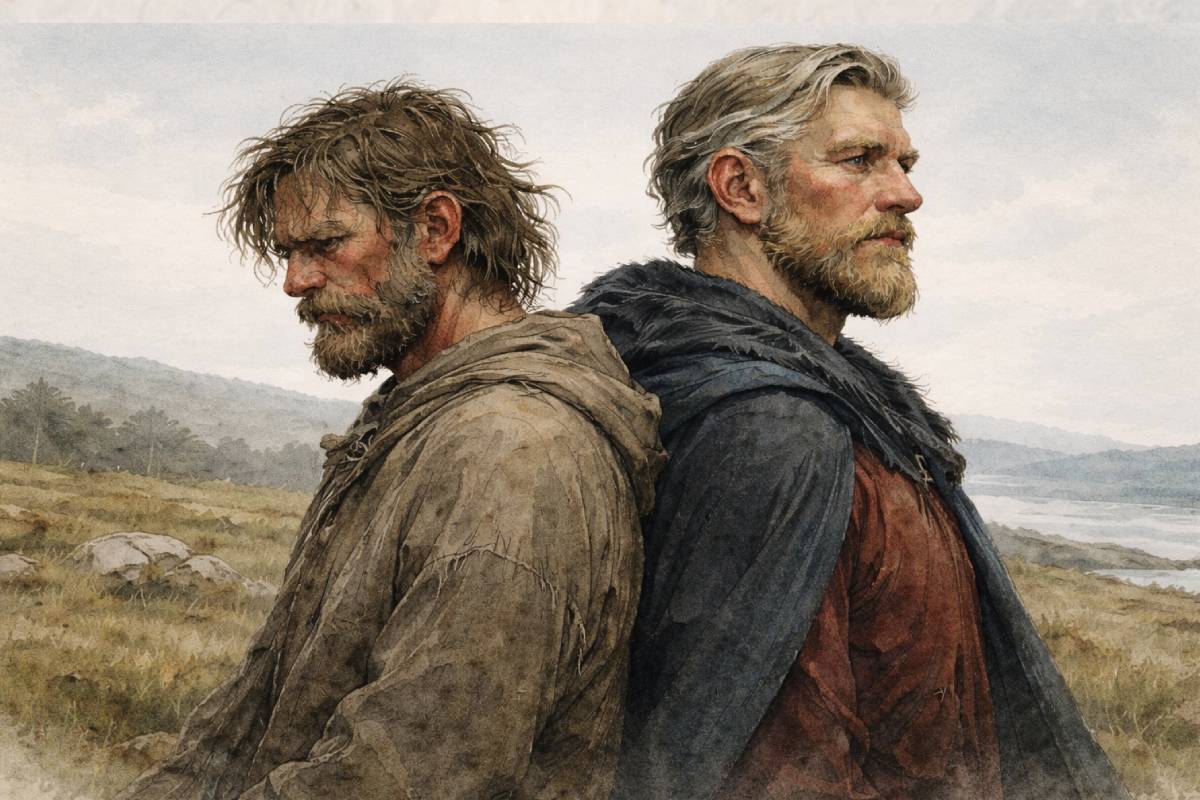


In recent times, it has been fashionable to give people in Viking societies a bit of a historical revamp.
Sure, their warriors were a nasty bunch, but much has been made of their role in building early global trade networks, exploring and settling brave new lands, and their artistic and cultural skills.
Whilst we should never generalize, and never throughout an entire historical period, the fact remains that Viking societies, from their inception right up until their death, were founded on the backs of enslaved people.
Yes, human bondage was not only an everyday part of Viking society, but it was instrumental in the economic, military, and political success of its inhabitants.
We know that slaves – named thralls in the Old Norse tongue – were an integral part of the running of Viking societies and their economies.
These thralls, who were captured during raids or taken as defeated combatants, were of all ages, male and female alike, and served in several roles, from sexual servitude to cannon fodder (sorry, this is the medieval period we are talking about, so that should perhaps be "spear fodder") to domestic servitude.
Ben Hubbard writes about the normalcy of these slaves in his 2015 book, The Viking Warrior: The Norse Raiders Who Terrorized Medieval Europe (available on Amazon here).
According to Hubbard, "Thralls comprised about 25 percent of the local Scandinavian population, and it was considered normal to own one."
We now look at a typical day in the life of a poor, unfortunate soul, a Viking Age thrall.
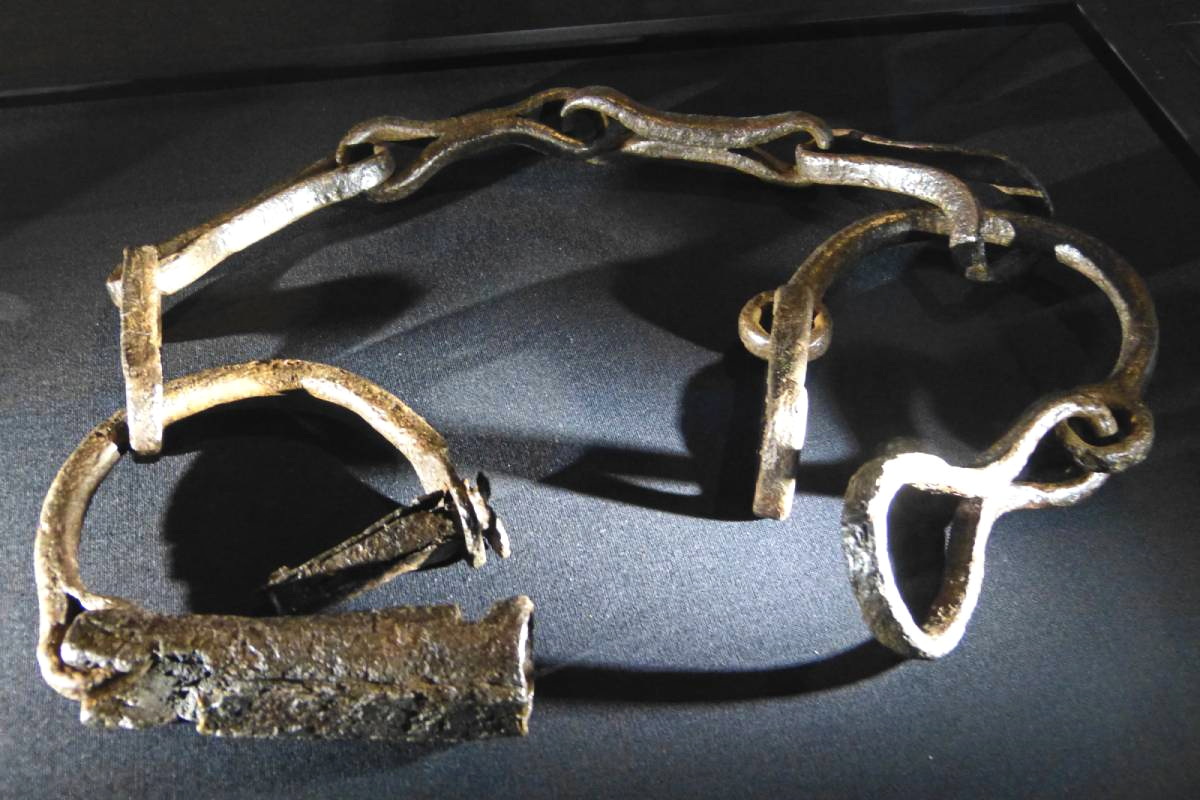
This iron slave chain from Breest, Germany, was featured in the 2016 "Vikings!" exhibition at Lokschuppen Rosenheim. Photo: Wolfgang Sauber (CC BY-SA 4.0)
Rising early
It should first be remembered that a majority of Viking thralls were probably females. These had been captured during raids and brought back to Viking societies throughout Northern Europe.
As Ruth Mazo Karras writes in her 2019 article in the journal Slavery and Abolition, "...those slaves included many women—indeed, may have been predominantly female."
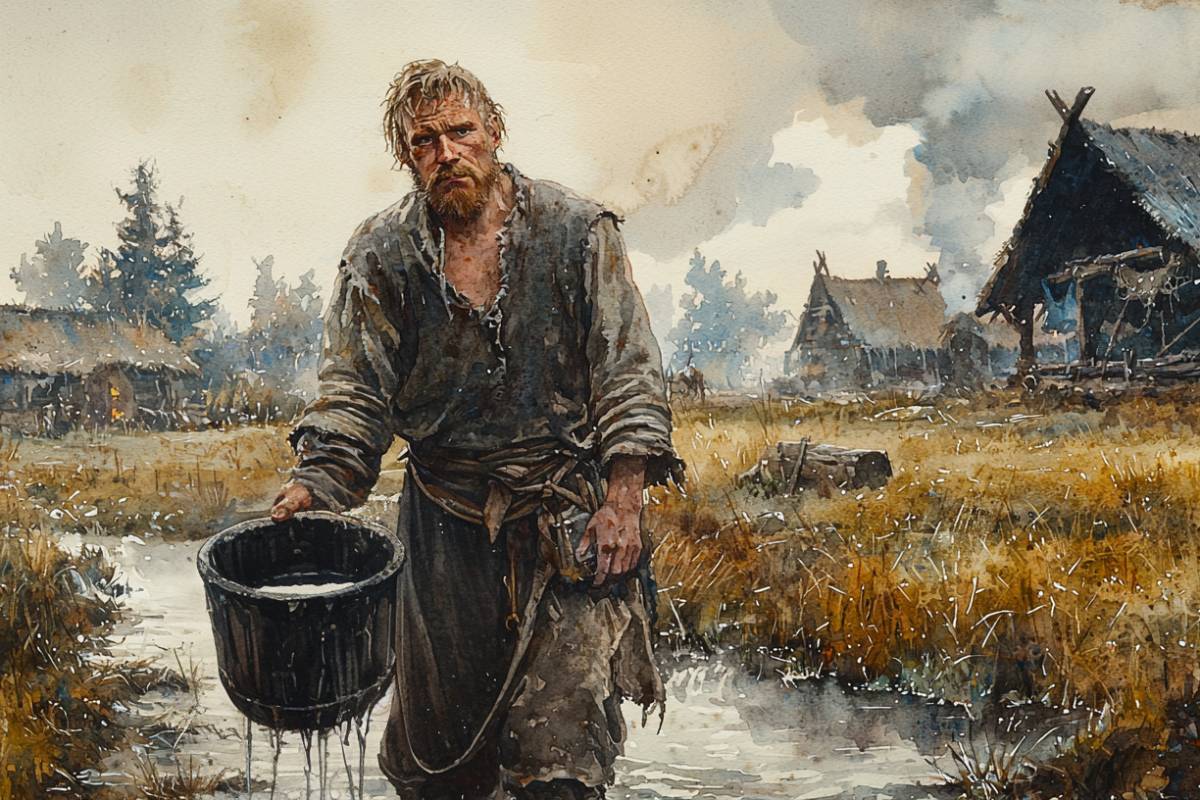
Regardless of your gender, as an enslaved person, you would have been expected to rise first. The first tasks were bound to two elements: fire and water.
Thralls employed within a domestic sphere were expected to light the hearth in the household and then fetch water. Sadly, these thralls lived in a time before central heating and running water, making the provision of water and heat a daily chore.
These tasks were often repeated throughout the day, depending on the weather and season.
Following this early start, food and cleaning were the next tasks. Women or young children were often used as domestic thralls and would be involved in the preparation of a meal to start the day.
This could involve the making of porridge or flatbread for their masters. Following this breakfast, the thralls would then tidy the kitchen/dining area.
For men, it was off to work as soon as the master had eaten. Given that most people in Viking societies were involved in agricultural work—they owned or worked on small farms—this meant a grueling day of hard, manual labor outside in the harsh elements of Northern Europe.
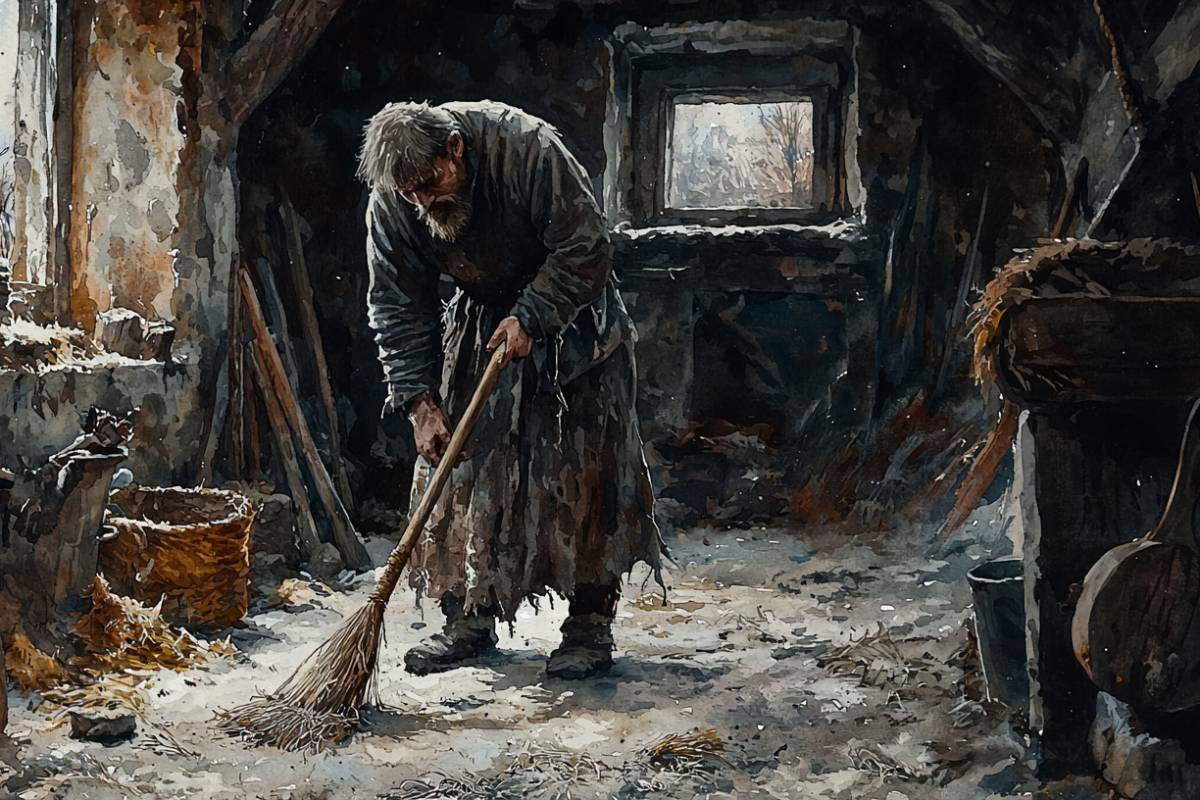
While some thralls handled skilled repairs, others faced backbreaking tasks with little rest or recognition. Illustration: The Viking Herald
Laborious mornings
Before the advent of Home Depot or any such stores, houses and farms needed constant tender love and care.
The lucky thralls employed in manual labor might get an easier job of repairing thatched roofs—in advance of cold winter nights—or go about mending animal pens or even boats.
The unluckier thralls were simply used as little more than beasts of burden, carrying heavy loads, planting crops, harvesting fields, or cutting firewood.
Come the middle of the day and everyone was hungry. Whilst the free members of the household were then served a hearty meal by the thralls, the unfree members had little more than—at best—scraps and leftovers coupled with gruel.
Given that male thralls were employed in laborious manual labor, they would often be served most of whatever leftovers there were.
An afternoon reprieve
For the remainder of the afternoon—with most of the day's hard work done—things could take a slower pace.
Thralls were often used as messengers, carriers, or couriers and would be sent to the market to purchase food items or tools.
Some male thralls were employed as skilled tradesmen and were taught blacksmithing, tanning, or other trades. They were often sent to the market to ply their wares and be an extra source of income for their owners.
For those employed inside the house—mainly female thralls—the afternoons provided no respite either. Some were engaged in the time-consuming chore of washing clothes or bed linens, a challenging task given that washing machines were yet to be invented.
Soiled clothes or linen had to be washed by hand, either in the house (meaning more water had to be sourced and collected) or perhaps in a nearby stream or lake.
These same thralls might also supervise the free children of the house, especially if their parents were engaged in other activities.
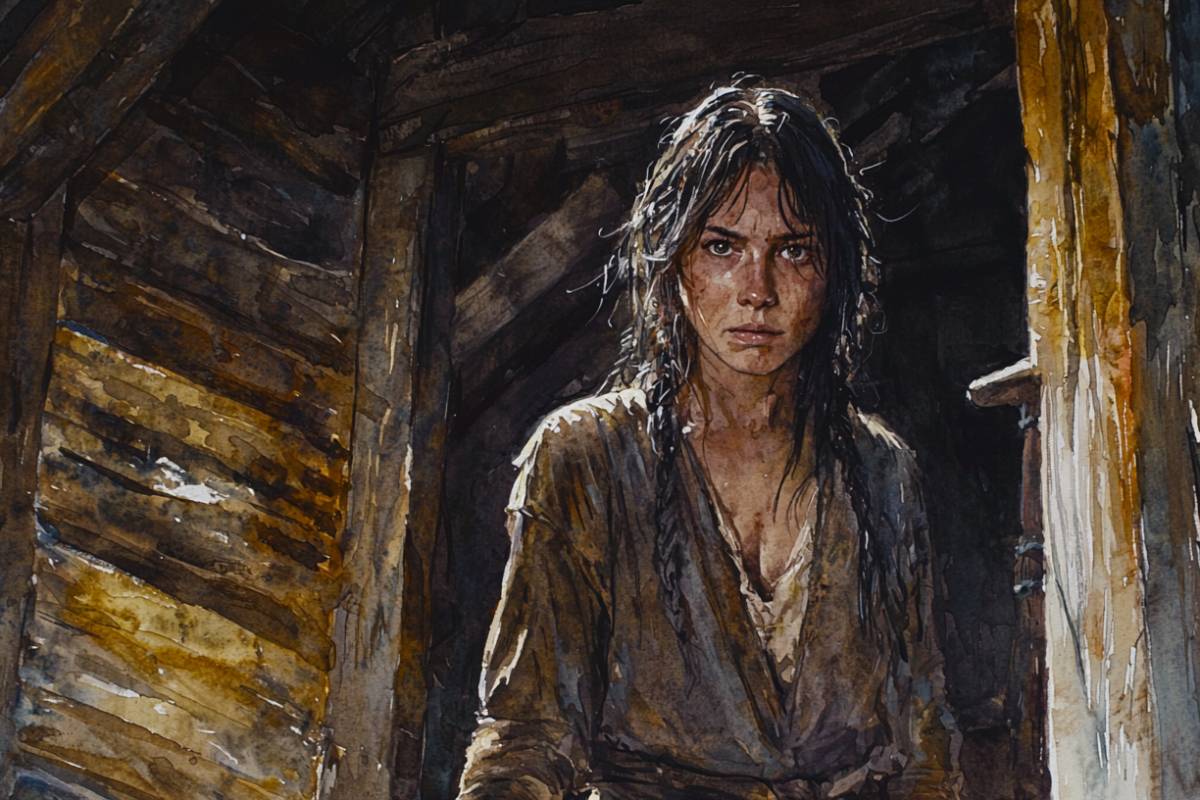
Female thralls in particular faced nightly fears, including the threat of sexual abuse by members of the household. Illustration: The Viking Herald
Lack of sleep and security
After a backbreaking day of work, as the sun was setting, it was time for all in the household to wind down. Thralls would see that any animals were fed and then secured for the night.
Evening meals were then prepared for the free members of the household, with thralls then tidying up and being served whatever scraps from the table were left.
The house was to be tidied and fires lit. Thralls would always go to bed after the free members of the household. Should that household be entertaining, dining, or drinking, then little sleep was guaranteed.
For some thralls, the night hours did provide some respite, and perhaps even their masters would allow them to socialize with other thralls.
For female thralls, the end of a day—when their master was perhaps out working—was often dreaded. Many female thralls—and male thralls, too—appear to have been subject to grotesque acts of sexual violence and abuse.
Whilst free members of the household may have a bedroom, the thralls were forced to sleep in communal areas or perhaps near the animals.
A great night's sleep was rarely guaranteed, but given the grueling work and long hours, it was a chance for their bodies to rest and recover from the hardships of the day.
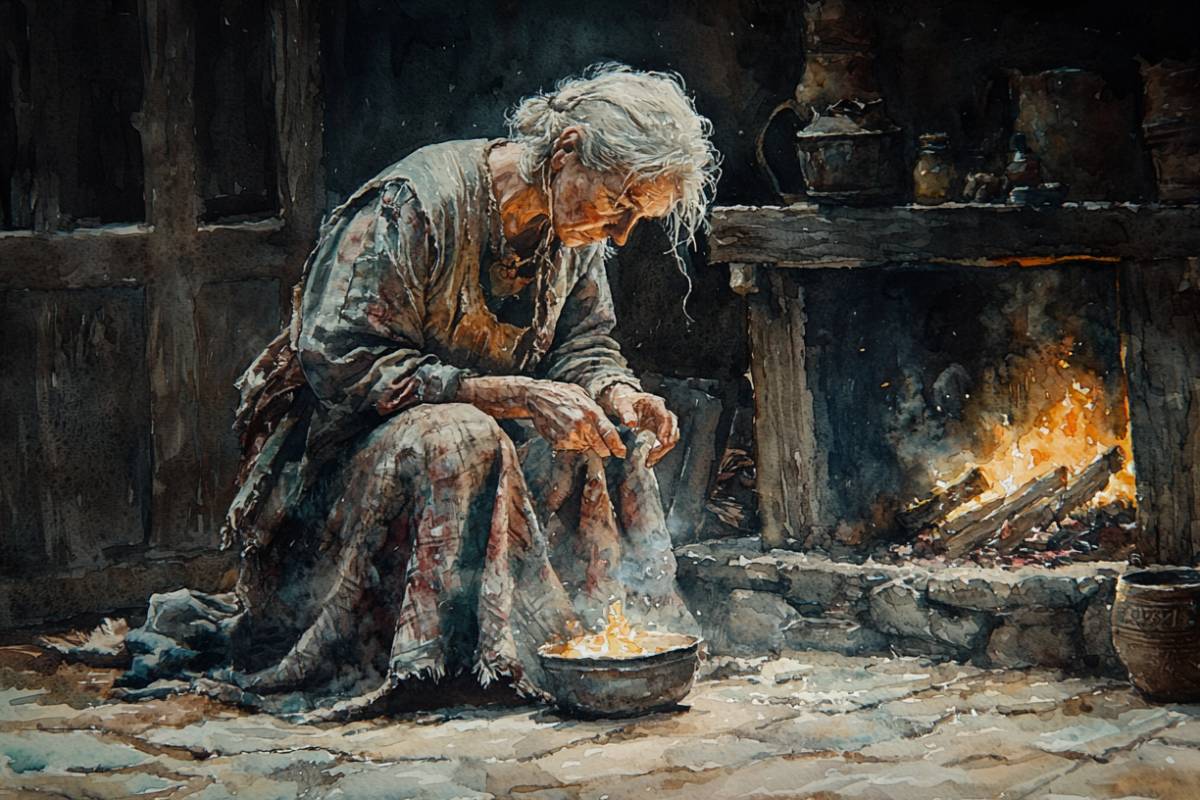
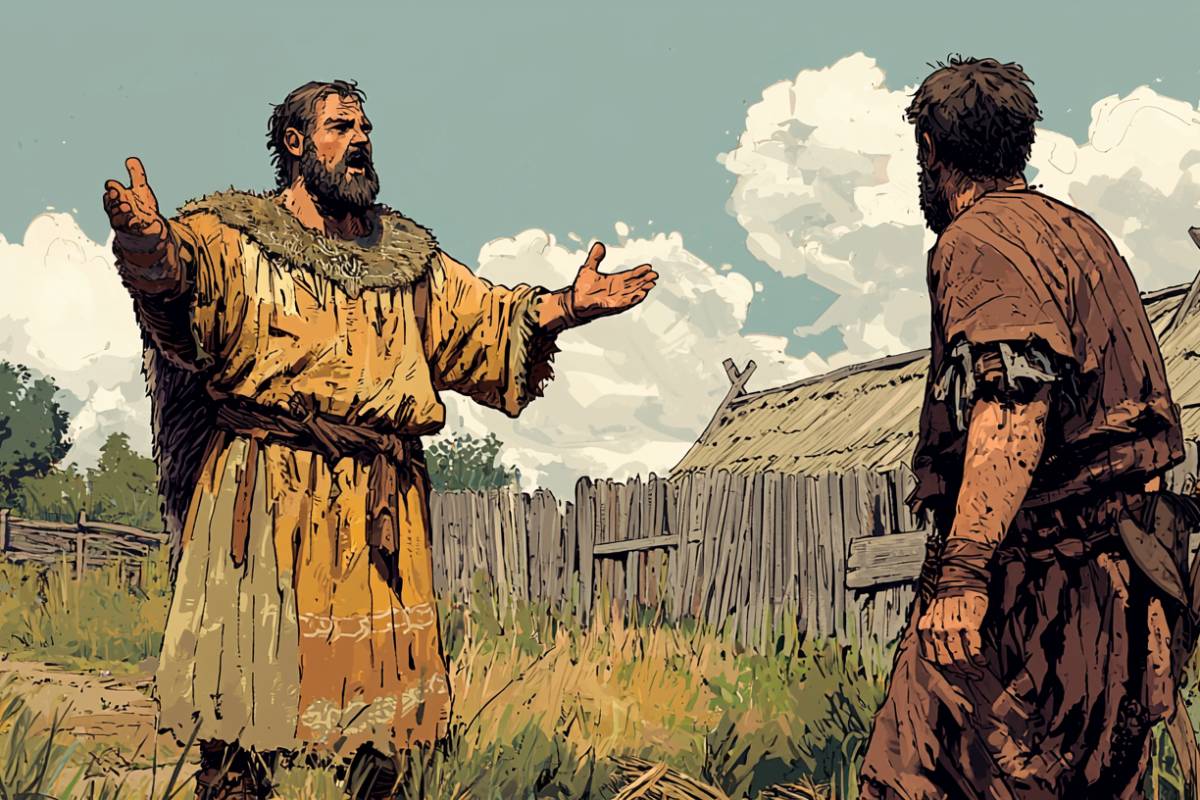
Female thralls appear in the sagas mostly as property, often sold or used without reference to their identity or will. Illustrations: The Viking Herald
Background noise
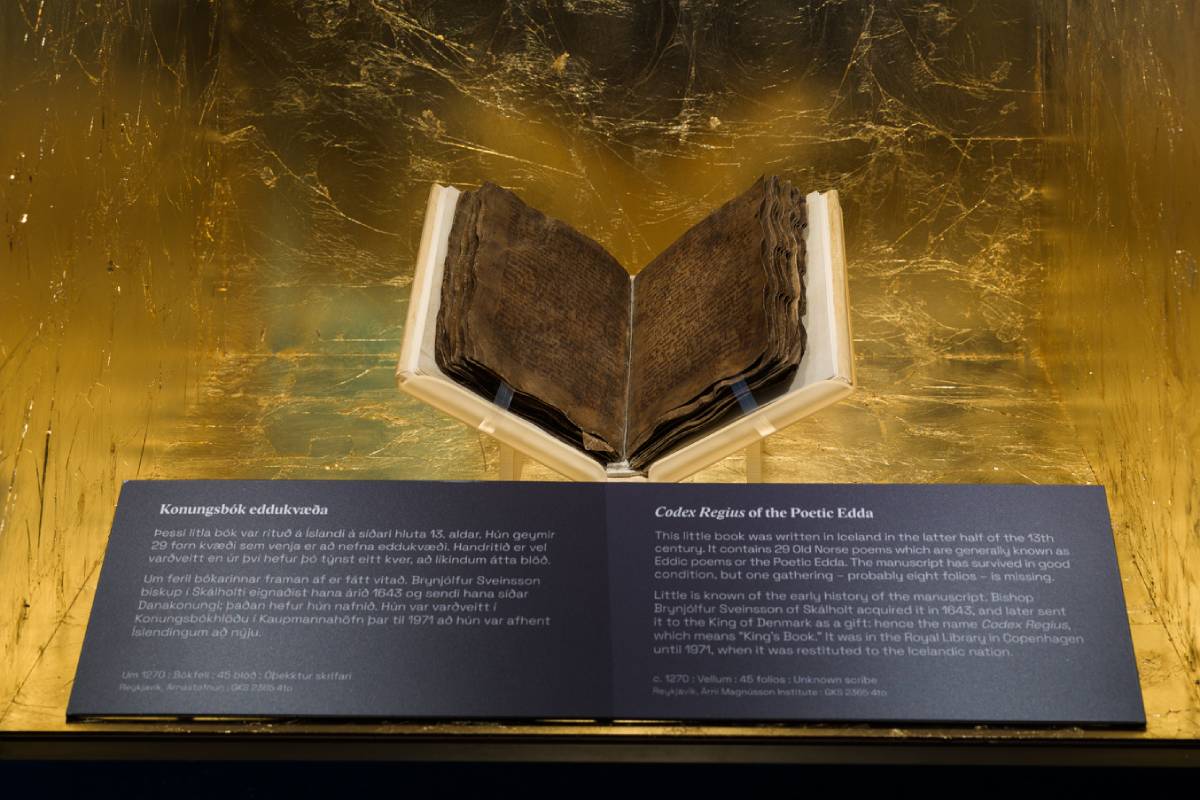
If we turn, as we often do here at The Viking Herald, to the rich tapestry of the Norse sagas, what can we learn about the daily lives of thralls?
Well, the sagas were compiled and written by an educated elite who were free members of society. We have no firsthand accounts from thralls, but the sagas give us glimpses of their daily struggles.
Many thralls are little more than secondary characters throughout the sagas, with little time spent on their personalities or inner thoughts.
However, we have a sad example of the sale of a female thrall. This occurs in the Laxdæla Saga, which academics point to as the saga that most accurately depicts everyday life in Viking societies.
Using an online version of the 1880 English translation by Muriel A.C. Press, we find one of the main characters, Hoskuld, ogling enslaved women and buying one in a scene reminiscent more of a bordello than a market.
"Hoskuld said he should like to buy some bonds-woman, if you have one to sell." Gilli answers: "There, you mean to give me trouble by this, in asking for things you don't expect me to have in stock; but it is not sure that follows." Hoskuld then saw that right across the booth there was drawn a curtain, and Gilli then lifted the curtain, and Hoskuld saw that there were twelve women seated behind the curtain. So Gilli said that Hoskuld should come on and have a look if he would care to buy any of these women. Hoskuld did so. They sat all together across the booth. Hoskuld looks carefully at these women.... "What is the price of that woman if I should wish to buy her?" Gilli replied, "Three silver pieces is what you must weigh me out for her."
Whilst the "luckier" (luck here is a relative sliding scale) thralls may be bought to be employed in a domestic setting, a worse fate met many. A significant number of thralls were employed as concubines—sexual slaves to be used and abused as their owners saw fit.
Legally minor more than property
Finally, having finished a part or all of a laborious day of work, some thralls may not live to see the next.
We have a reference in the Older Gulathing Law, a medieval Norwegian law code that dates to the 11th century CE, whereby the murder of a thrall was deemed a minor offense.
The murder of a thrall was only deemed a punishable offense if that thrall belonged to someone else. The punishment was to pay some form of compensation to the owner.
In this way, thralls were treated—in a legal sense—as little more than the property of their owner.
For all the pitfalls of the modern workplace, we moderns have work and life a million times better than those who were sadly thralls in Viking societies.
For more information on Viking-era thralls, visit the National Museum of Denmark here.
We get to provide readers with original coverage thanks to our loyal supporters. Do you enjoy our work? You can become a PATRON here or via our Patreon page. You'll get access to exclusive content and early access.
Feel free to reach out to discuss potential stories that may be in the public interest. You can reach us via email at hello@thevikingherald.com with the understanding that the information you provide might be used in our reporting and stories.