

Every generation seems to whine and moan about how "soft" and lazy the youth of today are becoming.
Nowadays, many adults believe that anyone under 17 cannot hold a verbal conversation, be separated from their smartphone, or even take a quick trip outside to breathe some fresh air, run amok, and get dirty.
An Amazon forest's worth of books has been written lamenting the decline of Western civilization since kids today are becoming couch potatoes who live not on this earth but spend their days happily in a virtual universe.
From the safety of the 21st century, kids have never had it so good.
Indeed, rewind the clock two or three generations – to the time of today's grandparents or great-grandparents – and you would find their lives growing up full of danger.
Whether it was a world plagued by two world wars, the threat of atomic annihilation during the Cold War, or even, shock and horror, life without smartphones!
Jokes aside, the late 20th century in the Western world saw the decline and demise of child labor.
Coupled with advances in science and medicine, many diseases (like polio) that had been commonplace only decades before were eradicated.
This trend has only continued into the 21st century, with a growing awareness of catering to the complex social and emotional needs of youth.
This has left your average Western kid in a state of almost complete safety – in terms of their physical safety but also their political rights and social and emotional well-being.
So, if the early 21st century is the high point of safety for kids, when was the nadir? The answer lies in the early medieval period when Vikings roamed.
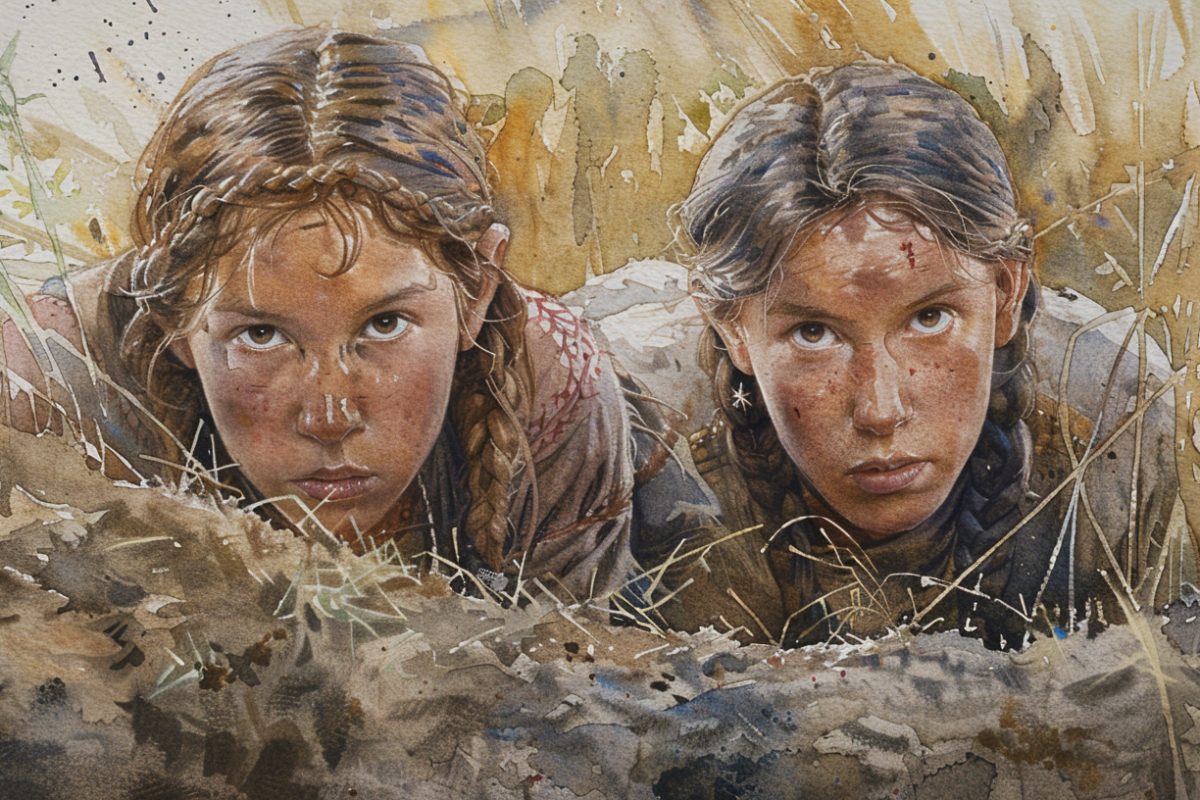
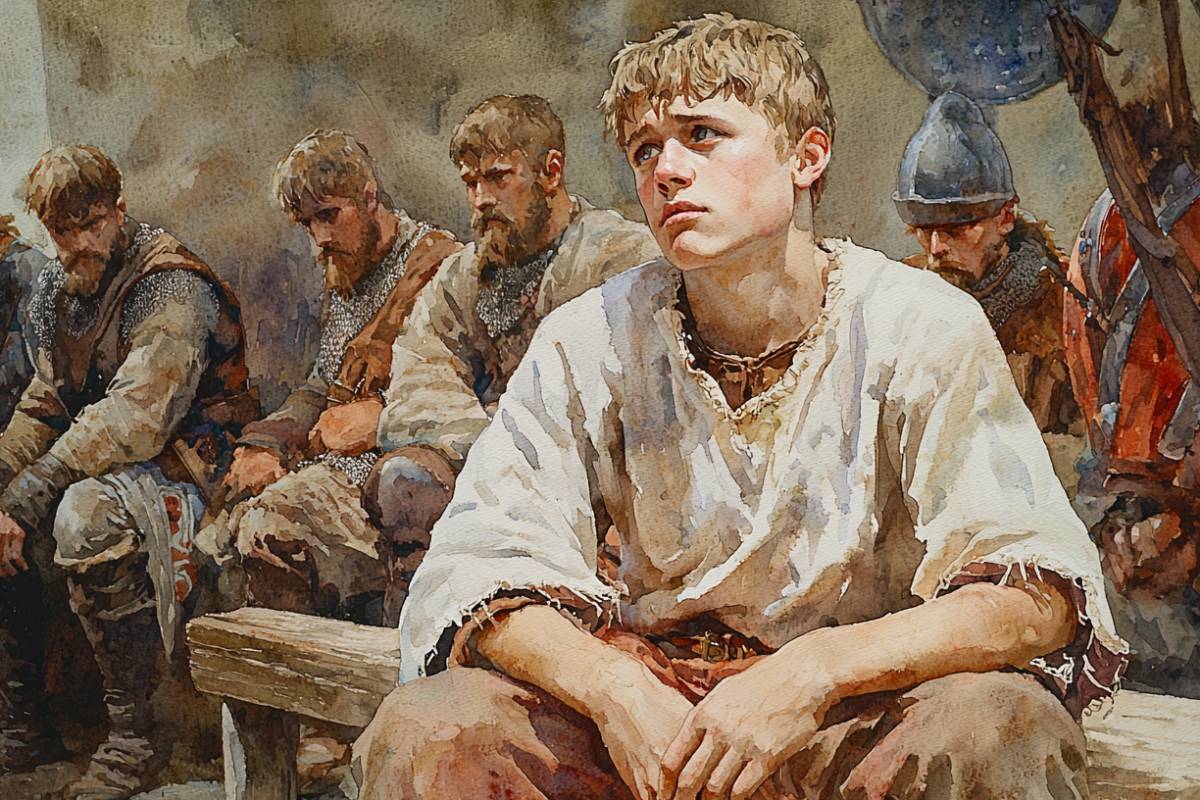
With no formal education, Viking children learned through daily tasks and the rich tradition of storytelling. Source: The Viking Herald
No school today, tomorrow, or the next day...
Let's start with the good news for kids: There were no schools, indeed, no formal education system at all.
The first university in Scandinavia, in Lund, Sweden, was opened in 1477, centuries after the "end" of the Viking Age (c. 750–1100).
However, this does not mean that children were not instilled with education and knowledge.
Formal schooling was almost non-existent for kids during the early medieval period in Scandinavia. The dissemination of knowledge was done through observation and practice.
Much of what was taught was practical skills needed to help kids survive in a harsh and insecure environment.
Despite Hollywood depictions of the Viking Age, most people were employed in agricultural work, not bloody battling or raiding.
Kids were taught practical farming skills – from sowing seeds to herding sheep or milking a goat.
They were also taught how to gather food, whether heading to the river to catch fish or knowing which berries were best to forage for in the woods.
When the nights were cold and dark, knowledge could also be disseminated to children in the form of stories, myths, and sagas.
The rich tapestry of the Norse sagas was an important way to disseminate intrinsic culture and history in the form of entertaining and gripping yarns.
Whether there was much historical truth in some of the sagas is beside the point, as many people in Viking societies believed them to be true.
The spinning of these stories and sagas was an important lesson to help imbue the next generation with a sense of cultural identity and belonging.
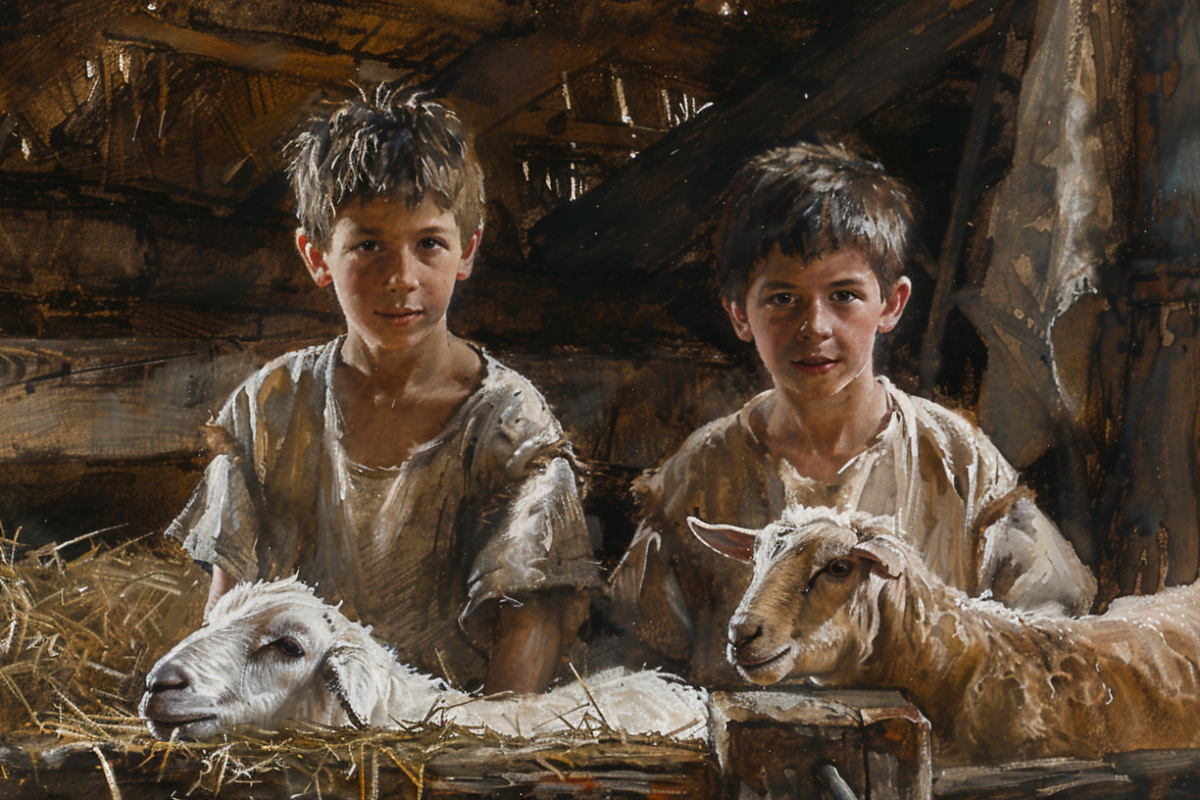
Despite the lack of modern medicine, Viking children were expected to perform laborious chores both at home and in the fields. Source: The Viking Herald
(Lack of) Safety first
Now, the bad news. Aside from there being no formal school, there was also no form of modern medicine, hospitals, or general healthcare.
Life on the farm, or in the village, was physically demanding as children were expected – indeed forced – to help with the laborious chores that needed to be done daily.
Furthermore, a whole range of diseases ran amok due to the lack of vaccines and medicine.
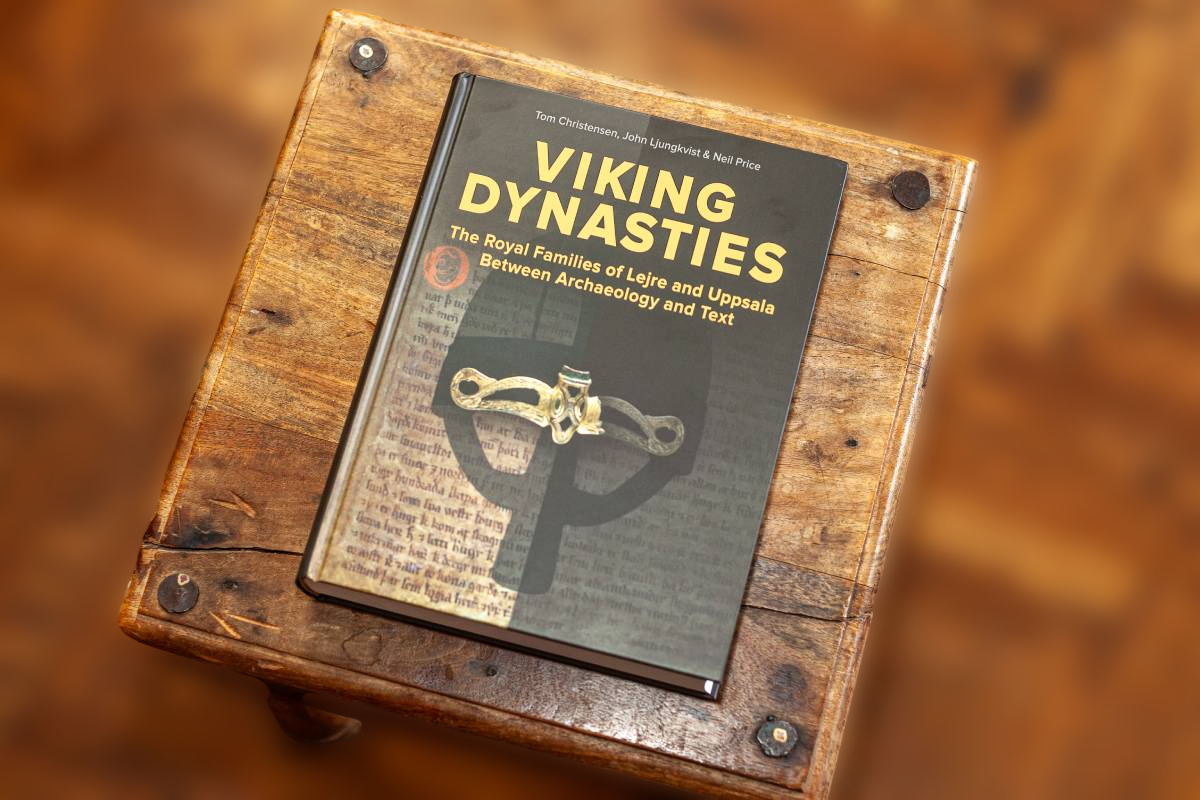
As Neil Price writes in his 2008 book The Viking World (available on Amazon here), diseases, accidents, and injuries were an unpleasant fact for kids in the Viking Age, and even the smallest injury or common cold could often lead to grave illness and death.
When death was not stalking you from accidents, diseases, or injuries, kids had to face living in communities that had little security.
There were no police or jails, and justice was often dealt with at the pointy end of a sword.
Safety was often threatened by marauding brigands or armies, and many Viking communities were prone to the same raids and conflicts that their brethren inflicted on communities throughout wider Europe and its surroundings.
Aside from deadly warriors, a whole range of predators, perps, and sexual deviants were out there lurking for a chance to snatch kids.
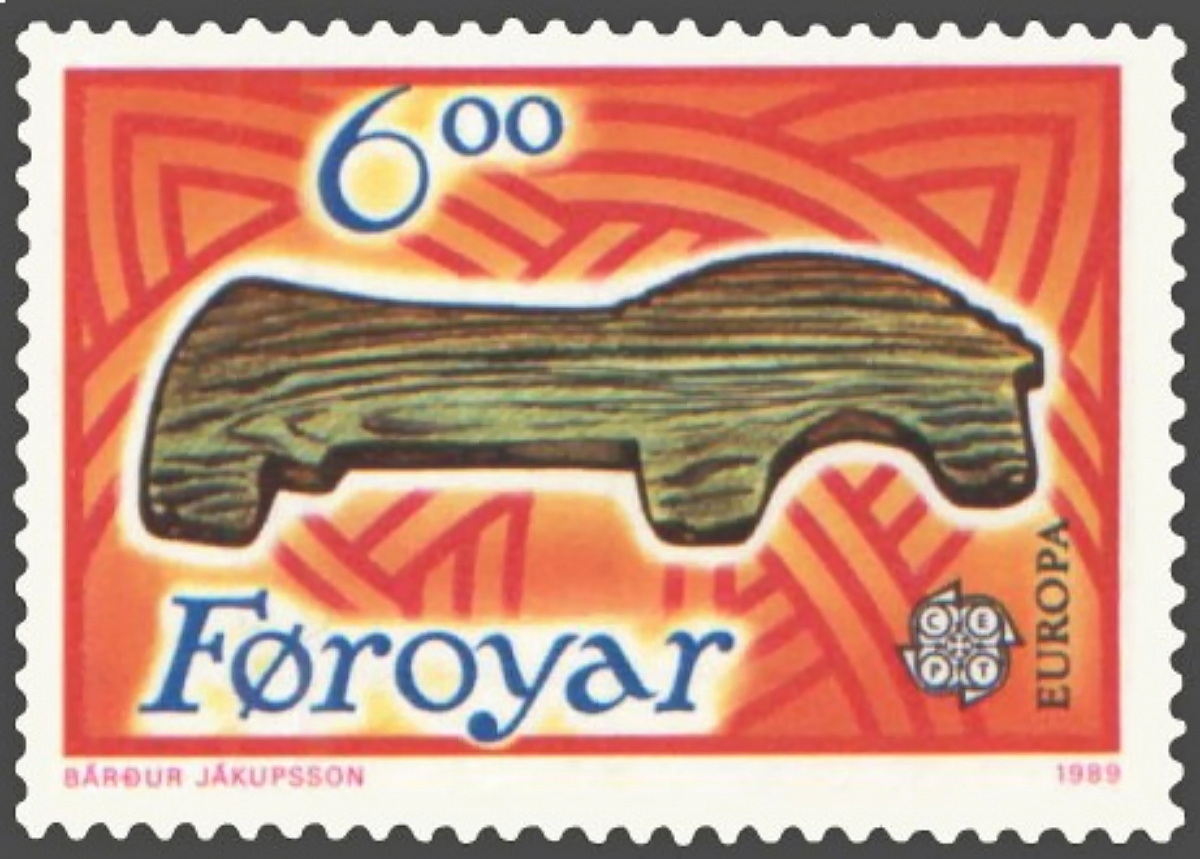
The 1989 stamp from the Faroe Islands features a carved toy horse from the Viking Age. Source: Bárður Jákupsson / Postverk Føroya - Philatelic Office (Public domain)
All work, some play
Even though kids were forced to do labor – be this in the domestic sphere (mostly for girls) or outside in the fields (mostly for boys) – there was a chance for kids to be kids and play.
They often played with small wooden figures and animals (cats, dogs, horses, or chickens were popular) and frequently enjoyed age-old games involving running, hiding, and mimicry.
As Ben Raffield wrote in his 2019 article in the journal Current Anthropology, play was also an important way to pass down martial skills and hand-to-hand combat techniques through mock battles with wooden weapons and shields.
The Viking Age also spanned the time when Christianity entered Scandinavia and ultimately gained supremacy as the sole religion for people in Viking societies.
During this age, there was significant cultural and religious synthesis between the Old Norse religion and Christianity.
This led to many festivals that allowed kids to socialize, feast, and enjoy popular entertainment, including storytelling, poetry, music, and song.
These communal events could involve many villages or communities, allowing kids the chance to meet new friends and forge social bonds and connections that they may later call upon in life.
The National Museum of Denmark has more information on the experience of kids in the early medieval period, available here.
We get to provide readers with original coverage thanks to our loyal supporters. Do you enjoy our work? You can become a PATRON here or via our Patreon page. You'll get access to exclusive content and early access.
Feel free to reach out to discuss potential stories that may be in the public interest. You can reach us via email at hello@thevikingherald.com with the understanding that the information you provide might be used in our reporting and stories.