

It is only in the past few decades that a generation of new scholars have began breathing life into a hidden past: the life of women in the Viking era. Arguably starting with Judith Jesch’s seminal Women in the Viking Age, the often ignored, silenced, or understudied experience of womanhood throughout the early medieval period has been brought out of the historical shadows.
As Jesch points out in her 1991 tome, “...every man is born of a woman...yet, in all the books written about the Viking Age, there is little discussion of women.” In more recent times, Lisa Hannett's excellent Viking Women: Life and Lore blended dramatic, imaginative treatments with the historical record to portray the detailed life of everyday women in this age, and has helped to correct this wrong.
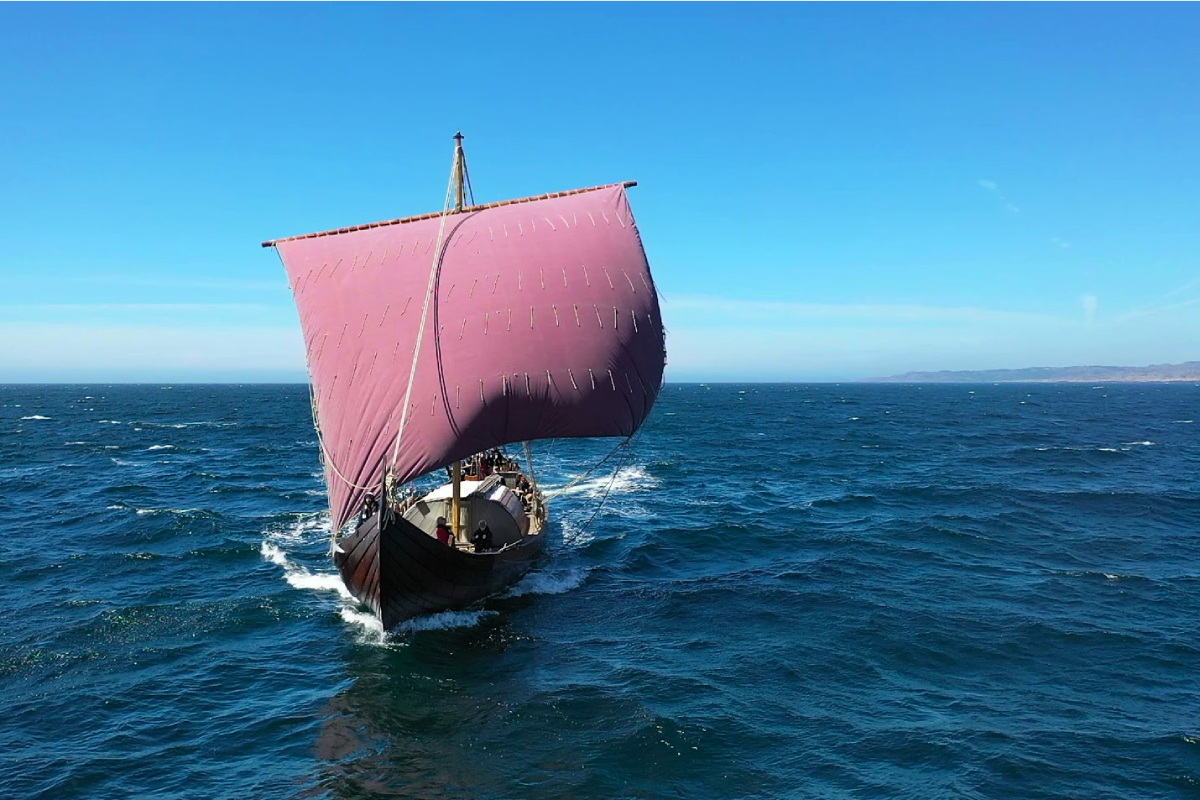
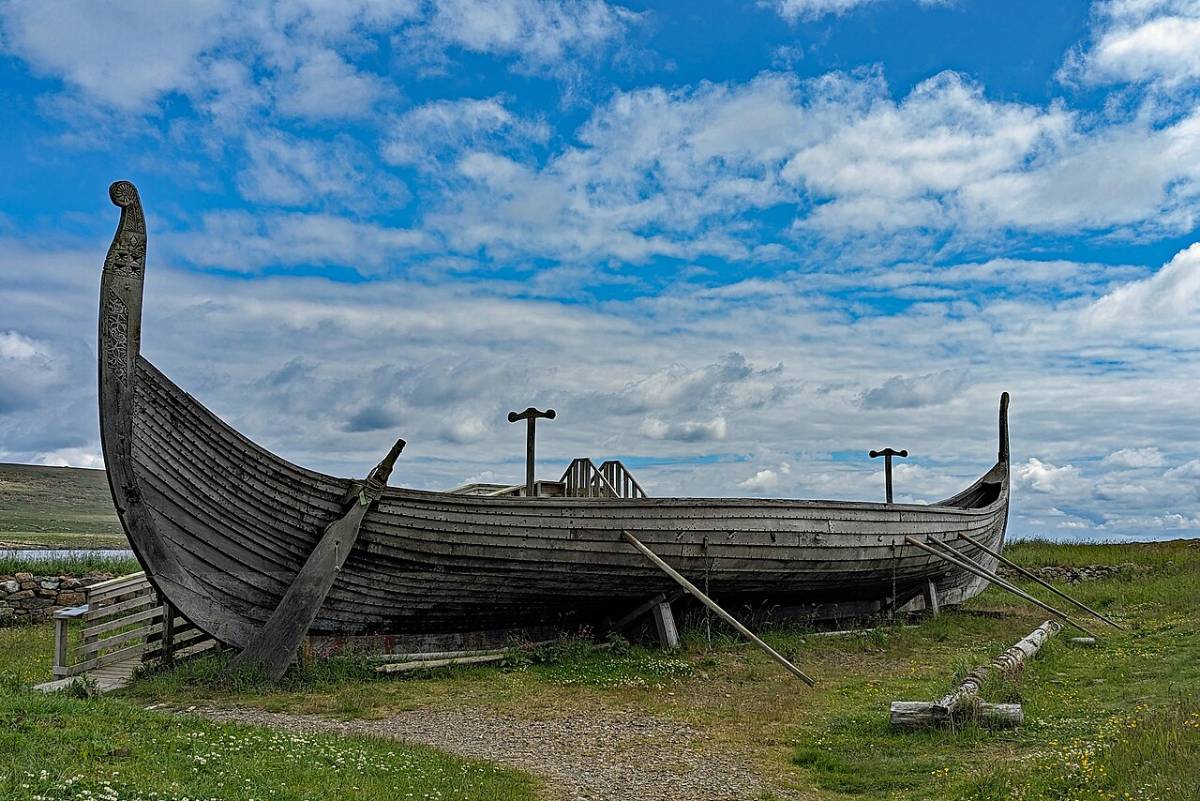
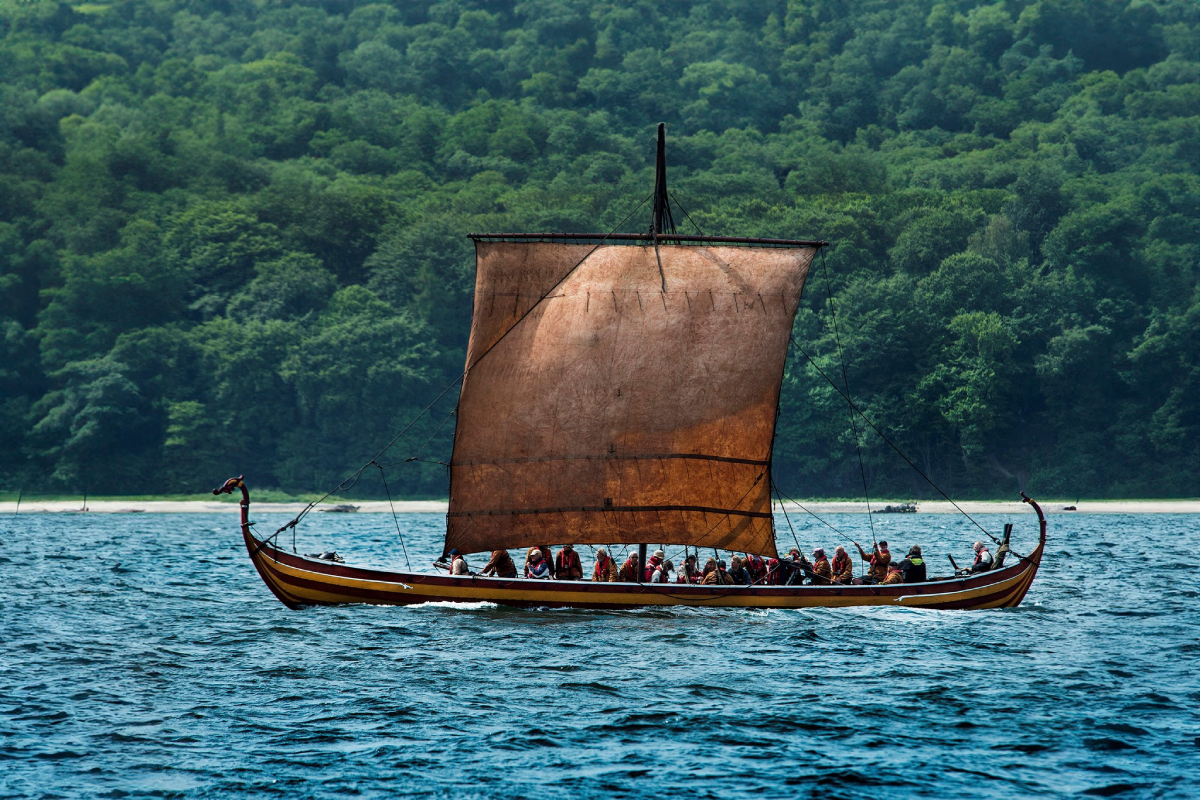
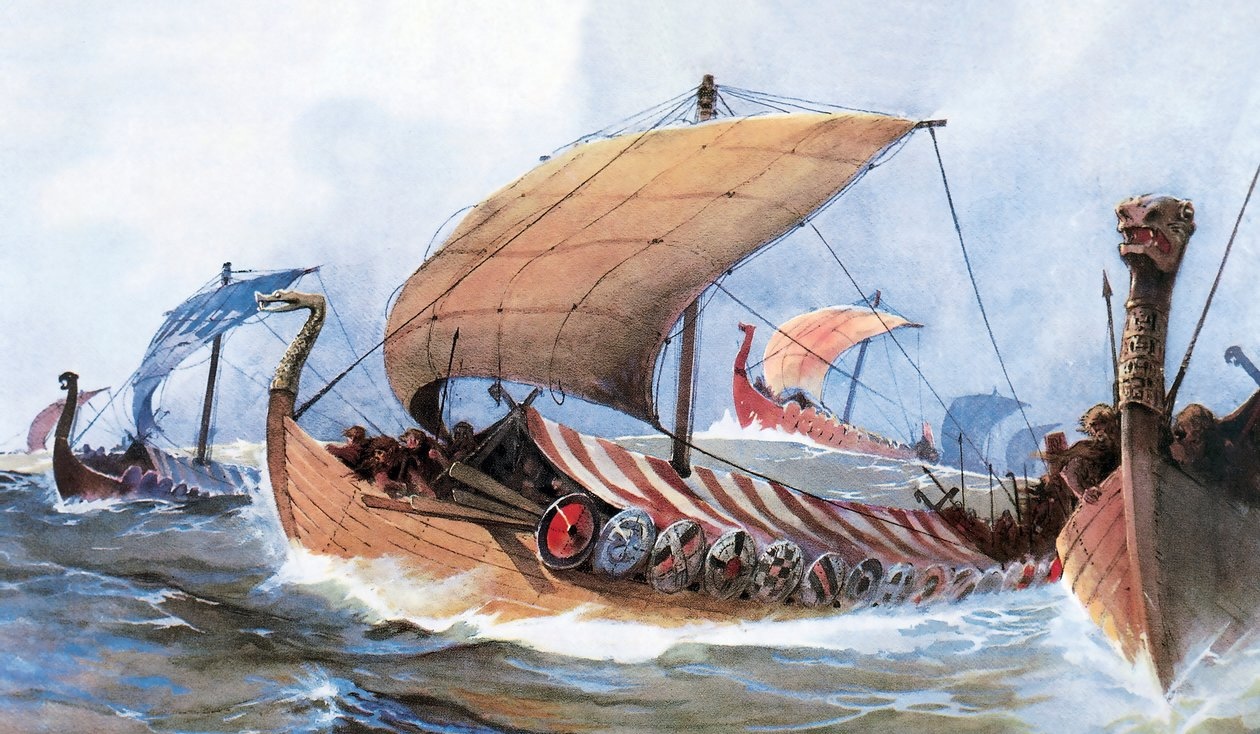
It is with this spirit in mind that we turn to an important yet little-discussed aspect of the Viking Age – the female economy behind the longship. After all, muscle power can only take you so far. Beyond that, Viking raiders relied on sail power to launch their devastating raids.
Then there were the ships that ferried goods and people across the North Atlantic Ocean, from the shores of what is now Canada all the way beyond the Arctic Circle. It goes without saying that sails, the dramatic outward expansion of Norse people during the early medieval period could never have taken place at all.
Wool, linen and silk
The production of textiles was fundamental to the economic life of Viking Age societies. This production was labor intensive – put simply, bloody hard work – and was strongly associated with women. Whilst men were responsible for the shearing of wool from sheep, for example, it was typically women that then had to prepare it, spin it into yarn and then weave it.
Linen was even more intensive. Flax fibers, from which linen is produced, had an extensive processing system before they could be spun. This involves the harvesting of the fibers, drying them, followed by a quick soak, and then breaking them into smaller pieces, beating them, and finally combing them into long fibers. These fibers are then spun into linen yarn.
Finally, silk was imported into Scandinavia using well-established trade networks that connected Scandinavia with southern Europe, and then southern Europe with the Islamic world and East Asia. This imported silk, which could fetch a high price, could be cut, sewn, or braided and repurposed with other locally produced textiles.
Proof of labor
Archeological excavations have given us some idea of just how widespread this industry was in Viking Age Scandinavia. Throughout the former Viking world, archaeologists have dug up thousands of spindles and whorls, two vital instruments in the production of textiles.
One particularly interesting example came in 2024, when metal detectorists uncovered a brooch and an ancient coin near Fitjar, on the western coast of Norway. When the archaeologists were called in, they excavated three graves, with a possible 17 nearby.
In these three graves, tools associated with textile production, namely shears, a weaving sword and a spindle whorl, were uncovered next to the remains of a woman believed to be of high status. The presence of such tools showed the ubiquity of textile production in Viking Age societies and the importance placed upon it.
Yet the results of this labor were not confined to the domestic sphere. Cloth, treated wool, and linen were all essential for not only the clothes that people in Viking Age societies wore, but also the sails that helped to power the Viking ships across Europe and beyond.
PLEASE NOTE: The rest of this article is only available to our paid Patreon subscribers.
The topic was selected by our Patrons in a weekly poll. Support The Viking Herald on Patreon to read the full article and help choose future topics.
If you would like to learn more about Patreon and why we have decided to restrict access to some content, please take a look at this article.
We get to provide readers with original coverage thanks to our loyal supporters. Do you enjoy our work? You can become a PATRON here or via our Patreon page. You'll get access to exclusive content and early access.
Feel free to reach out to discuss potential stories that may be in the public interest. You can reach us via email at hello@thevikingherald.com with the understanding that the information you provide might be used in our reporting and stories.