There can be no doubt that the Viking expansion that helped shape the early medieval period and the history of many a European country could never have happened without the arrival of the longship.
By the start of the Viking Age in the late 8th-century CE, the Norse had developed the perfect blend of form and function to travel on water. Viking ships were sleek and sturdy, made of oak or pine, and able to travel just as easily down river as across the mighty Atlantic Ocean. When there wasn't a steady supply of water to glide across, some smaller ships and boats could even be taken on land and rolled over to the next stream or inlet.
These ships also underpinned mercantile activity (including the slave trade) to and from Scandinavia, the territorial ambitions of many Viking rulers (and later monarchs), and the establishment of settlements and whole new societies as far away as what is now Canada, Greenland and Iceland.
Yet the development of these marvellous vessels could never have taken place without earlier advances in metalworking.
Taking shape
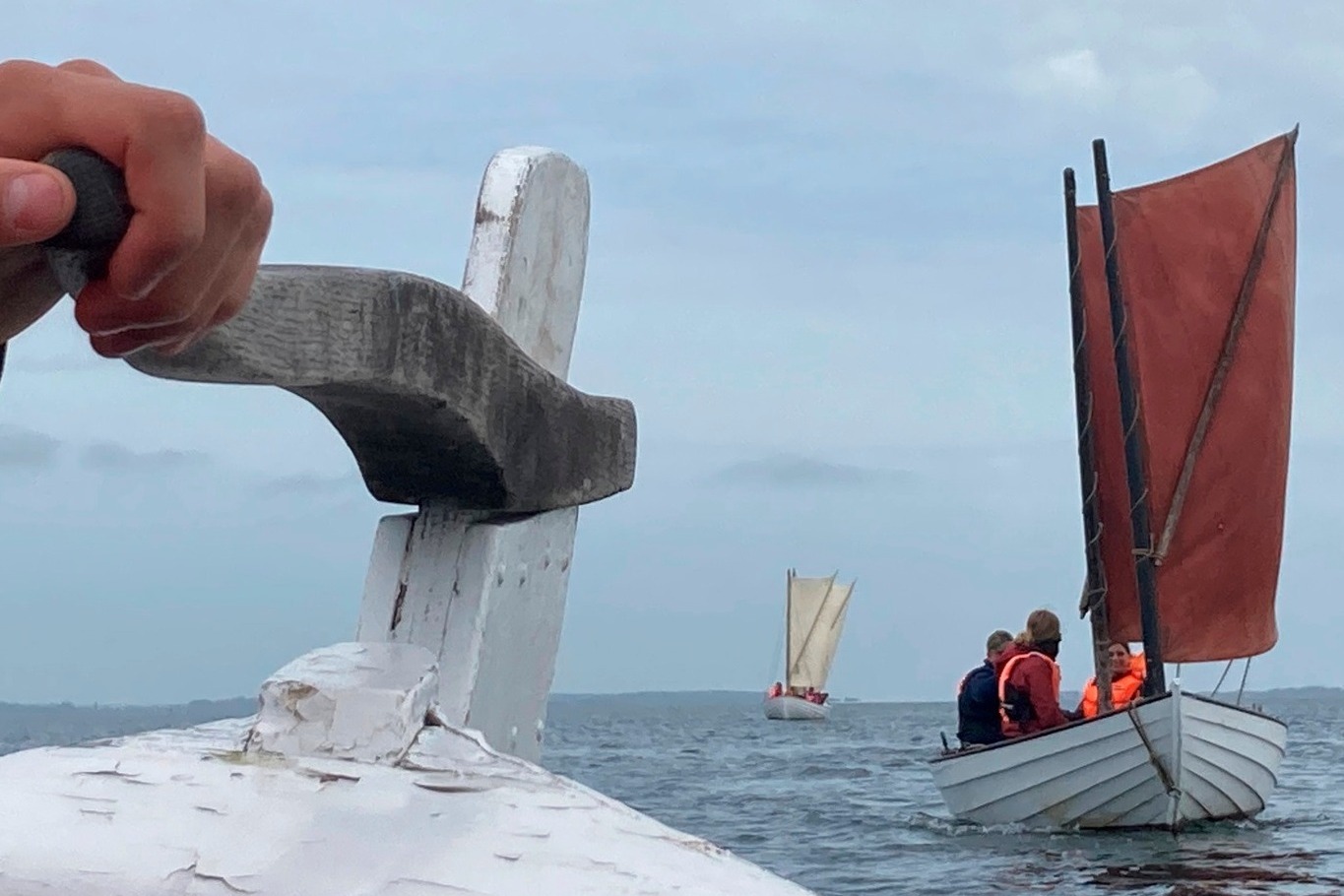
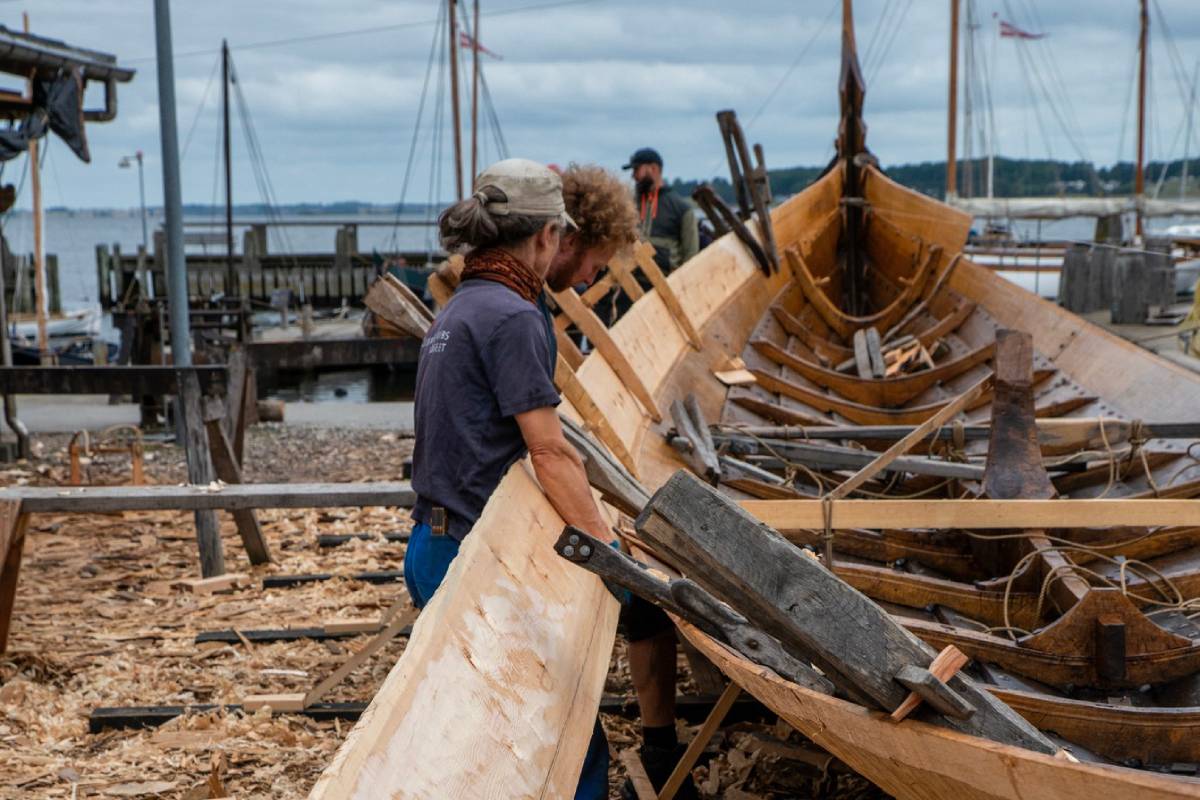
Recent years have seen a renaissance in Viking shipbuilding. Yards such as the one at the Viking Ship Museum in Roskilde, Denmark, and that of the Oseberg Viking Heritage Foundation in Tønsberg, Norway have helped provide fresh insights into the challenges, materials and techniques needed to construct and then sail these vessels.
This knowledge, when combined with ever-more sophisticated analysis of rediscovered original Viking vessels, has helped us to develop an increasingly detailed understanding of how the original ships were crafted.
Naturally, all Viking vessels, from smaller boats to warships such as the drakkar or karve and cargo vessels like the knarr, were built from wood. At the same time, metalwork was also a key factor in the construction and production of all these ships.
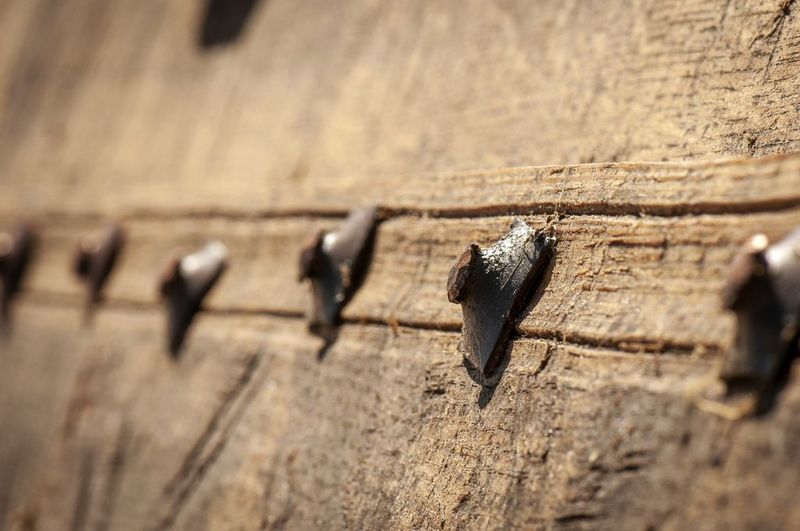
In simple terms, it was the metal – the rivets, roves and iron rims – that held the vessel together. Indeed, without these vital pieces the early medieval history of northern Europe would have looked very different indeed.
Iron during the Age of Vikings
The Viking Age emerged at the very end of what modern historians call the late Nordic Iron Age. And by the time of the first raid on Lindisfarne in 793 CE, skilled Scandinavian smiths had taken advantage of major advances in ironwork which had helped them master the production of iron tools, rivets, and nails – all essential for the construction of Viking ships.
This mastery of metal enabled the Norse to not only produce seagoing vessels on an unprecedented scale, but also to maintain and repair these ships far from home. Evidence indicates that in many cases, Viking invaders would bring their own forge kit with them to foreign lands. While weapon production was of course another key factor, making any necessary repairs to their ship was naturally one of the main priorities for every sailor.
Scandinavia's geography was a helping hand when it came to the production of iron during this period. Much of southern Scandinavia, particularly areas of Denmark and Sweden, is rife with marshy lands, bogs, and wetlands. These proved rich hunting grounds for iron-rich materials, and ore, which was regularly collected, dried, roasted, and then broken into smaller pieces.
These smaller pieces were then heated in a clay furnace, producing a "bloom" that was then hammered and forged into objects. Though a labor-intensive and time-consuming process, this work enabled the production of the rivets and tools that shaped Viking ships. But how, exactly, did this work?
How did metalworking shape Viking ships?
Back in 2021, UNESCO elevated the "Nordic clinker boat traditions" to its list of Intangible Cultural Heritage of Humanity. These traditions go back centuries, before even the first Viking raid. Nevertheless, it was Viking-era smiths and boatbuilders that capitalized on this societal knowledge.
This tradition saw long and thin planks of wood overlapped and then fastened together with iron rivets. This allowed the hull of the ship to be flexible but durable, able to nimbly sail down a river and yet also cross the mighty oceanic barrels of the Atlantic. (As archeologist and sailor Greer Jarrett explained in an interview with The Viking Herald last year, clinker-built ships are remarkably adept and dealing with heavier seas.)
It is worth noting that the Norse did not exclusively use metal for fastening purposes in their ships. Because iron was an expensive material and difficult to extract, secondary structural elements or internal frame structures were often held together with wooden nails, usually known as trenails or pegs.
Nevertheless, for any external structure that would be subject to the pressures of the sea or ocean, iron rivets were considered an essential item. Only these nails were strong enough to secure the hull and ensure it could withstand the rigors of sailing across the diverse bodies of water that people from Viking Age societies sailed.
PLEASE NOTE: The rest of this article is only available to our paid Patreon subscribers.
The topic was selected by our Patrons in a weekly poll. Support The Viking Herald on Patreon to read the full article and help choose future topics.
If you would like to learn more about Patreon and why we have decided to restrict access to some content, please take a look at this article.
Feel free to reach out to discuss potential stories that may be in the public interest. You can reach us via email at hello@thevikingherald.com with the understanding that the information you provide might be used in our reporting and stories.