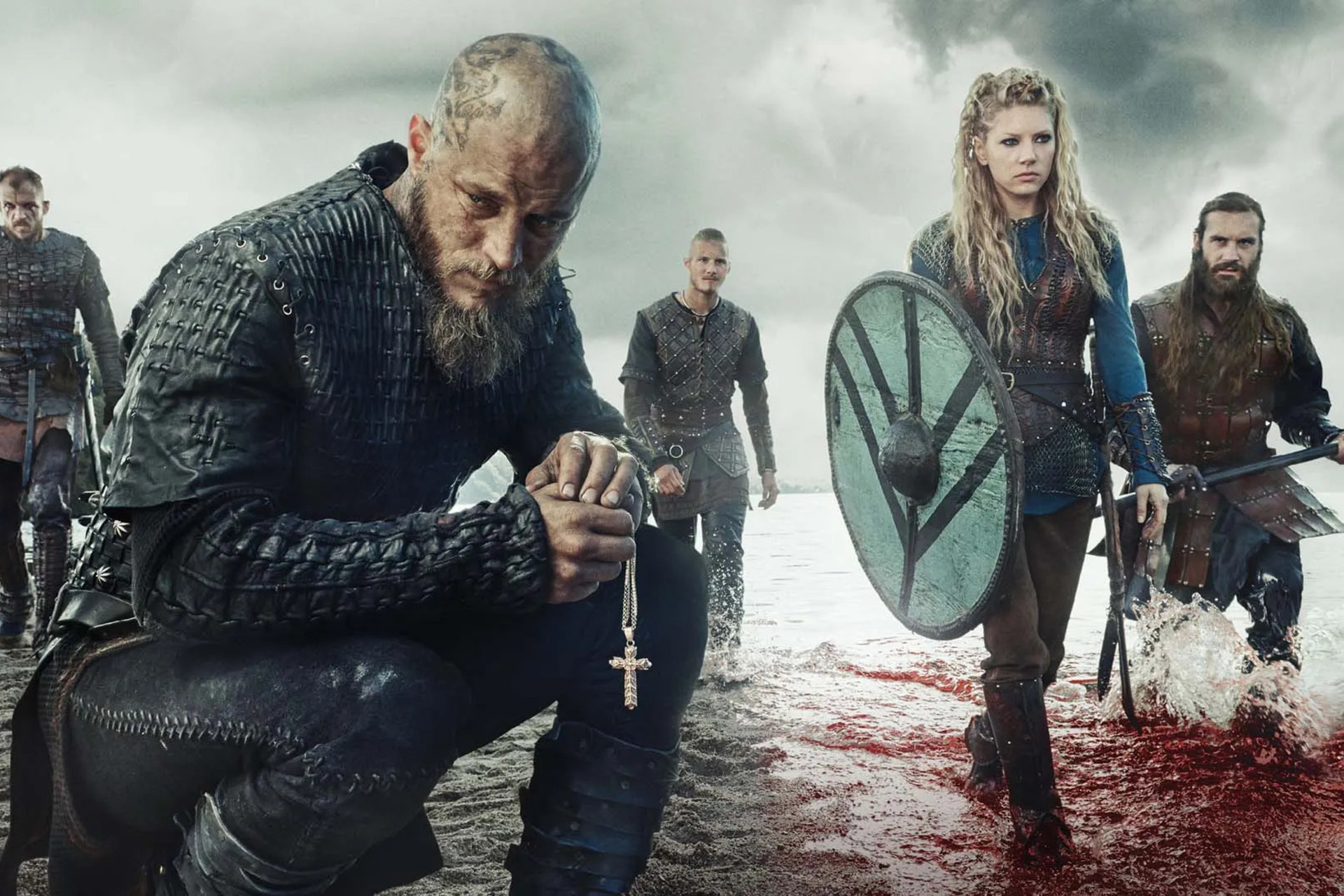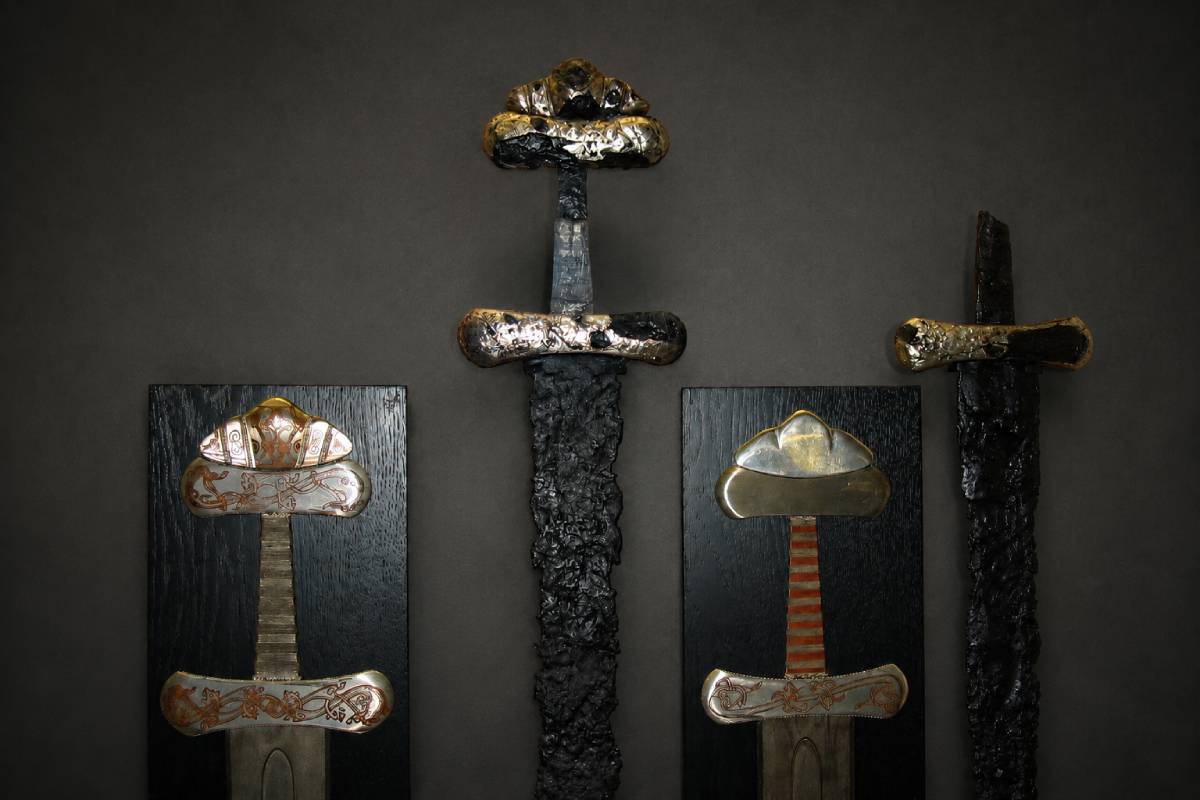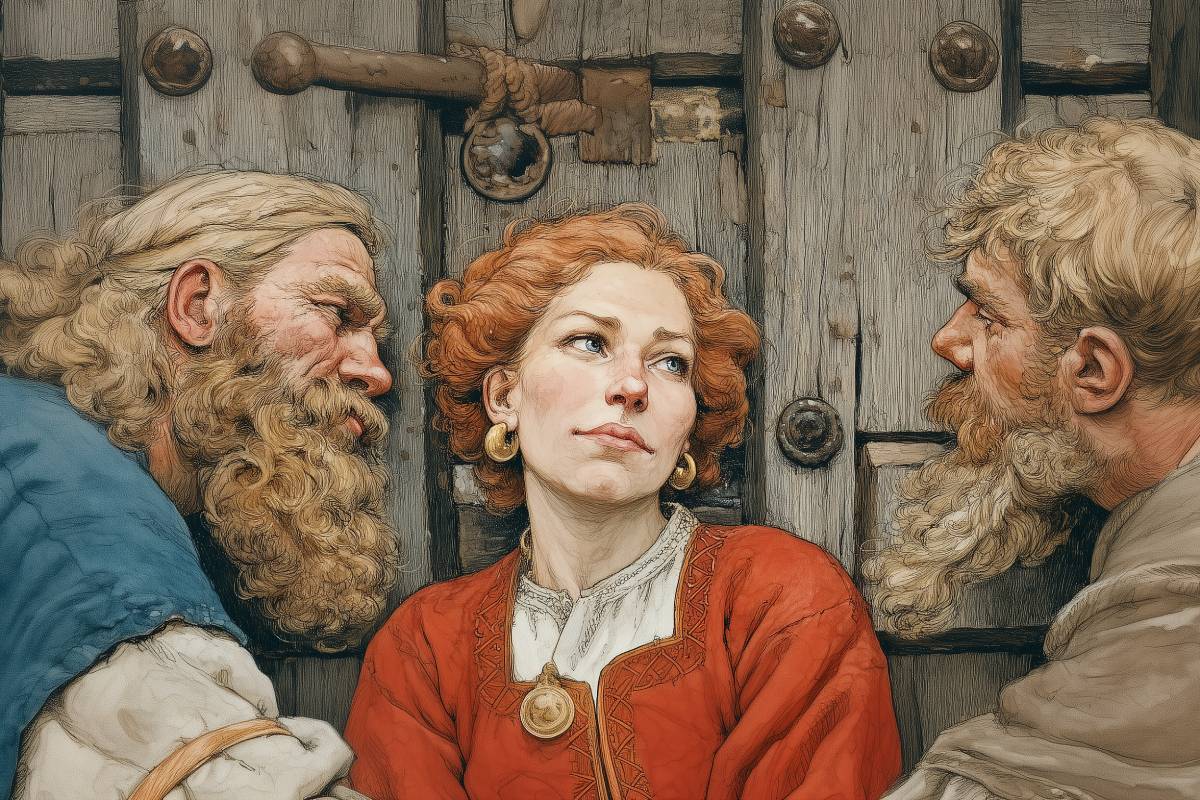


Whilst ancient Greeks liked to think of themselves as the originators of tragedy, at least in the Western mind and literature, we here at The Viking Herald would like to bring light to the achievements of those skalds and scholars who brought us the Norse sagas.
Given the politically insecure milieu that people in Viking societies lived in – full of marauding warriors, Viking raids, and a lack of armed forces or police to keep the peace – death and destruction were everyday facts of life.
Add to this a lack of modern medicine and knowledge of the germ theory of disease; it is a surprise that anyone even made it past infancy.
Sadly, violence, tragedy, and sorrow were all interlinked, and most people in Viking societies had some personal experience with all three.
It should be no surprise, then, that the tales these people told one another to while away a long and cold night were full of blood and sorrow.
These oral stories, myths, and legends were compiled and written down centuries later by medieval scholars like Snorri Sturluson. They have become known to moderns as the Norse sagas.
As Christopher Crooker writes in his 2015 article in the journal Viator, these sagas were described by the poet Ted Hughes as "the most realistic, bleakest, most formidable tragedies that any group of men have ever put together." Strong words, indeed.
Let us see, then, if Mr. Hughes was correct in this description as we look at some of the most tragic sagas full of blood, sorrow, and despair.
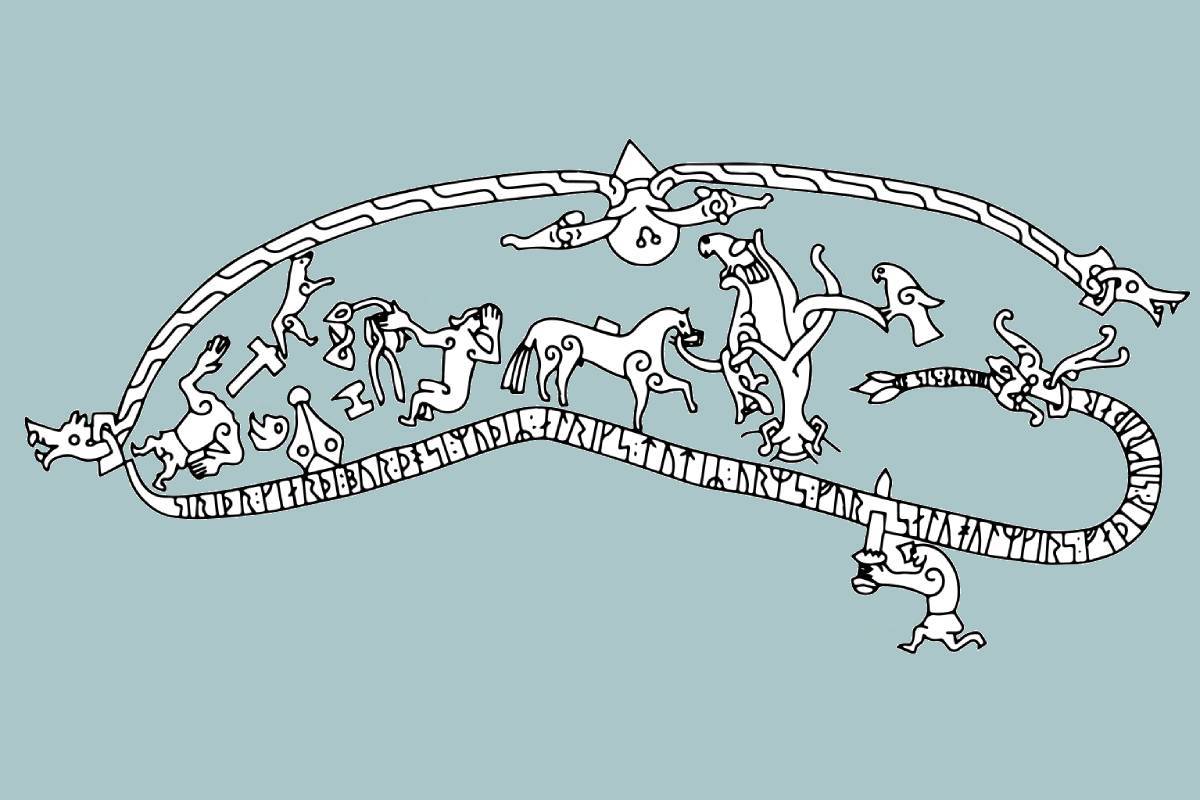
The 11th-century Ramsund carving in Sweden depicts scenes from Völsunga saga, including Sigurd slaying Fafnir. Source: Public domain
Völsunga saga (The Saga of the Volsungs)
We start with the saga that, in many ways, started everything: the Völsunga saga.
Whilst this may have been first written down in the later medieval period, the roots of this saga stretch back into the tides of history and draw on earlier Germanic legends and myths.
As Jesse L. Byock writes in his 1990 book, The Saga of the Volsungs: The Norse Epic of Sigurd the Dragon Slayer (Available on Amazon here), this saga "recounts eerie stories whose roots reach back into European prehistory."
Whilst this saga notionally deals with the fall and decline of members of the Volsung clan, it is a tale full of familial betrayal, death, tragedy, and the odd bit of dragon slaying.
However, perhaps the saddest story in this saga is also its most famous: that of the doomed couple, Sigurd and Brynhildr.
Sigurd, a mighty warrior who will go on to kill the dragon Fáfnir, has a rather unlucky love life, as he has a deep but doomed love for Brynhildr, a Valkyrie bound by fate.
She is deceived into a marriage to a – according to Sigurd – lesser man.
No one likes being deceived into a phony marriage, not least the beloved's warrior beau, who then embarks on an epic and bloody revenge quest worthy of a Tarantino movie (see below).
The story of these two star-crossed but doomed lovers then descends into a very sordid tale of vengeance, heartbreak, and tragedy, leading to the eventual ending of the Volsung bloodline.
Whilst there is enough high-octane adventure and murder to keep even the most obnoxious teenagers entertained, the tale is indeed laden with great dollops of sorrow and grief, from the doomed nature of the relationship between Sigurd and Brynhildr to the numerous bloody cases of familial betrayal and murder.
This combination of action and sorrow, high drama and high grief, has proved popular for generations down to the modern age.
Those looking for a modern story with themes of vengeance and tragic love reminiscent of Brynhildr and Sigurd might enjoy Quentin Tarantino's Django Unchained comic book series (Available on Amazon here), published in 2013, which reimagines these themes in the American Wild West. Giddy up!
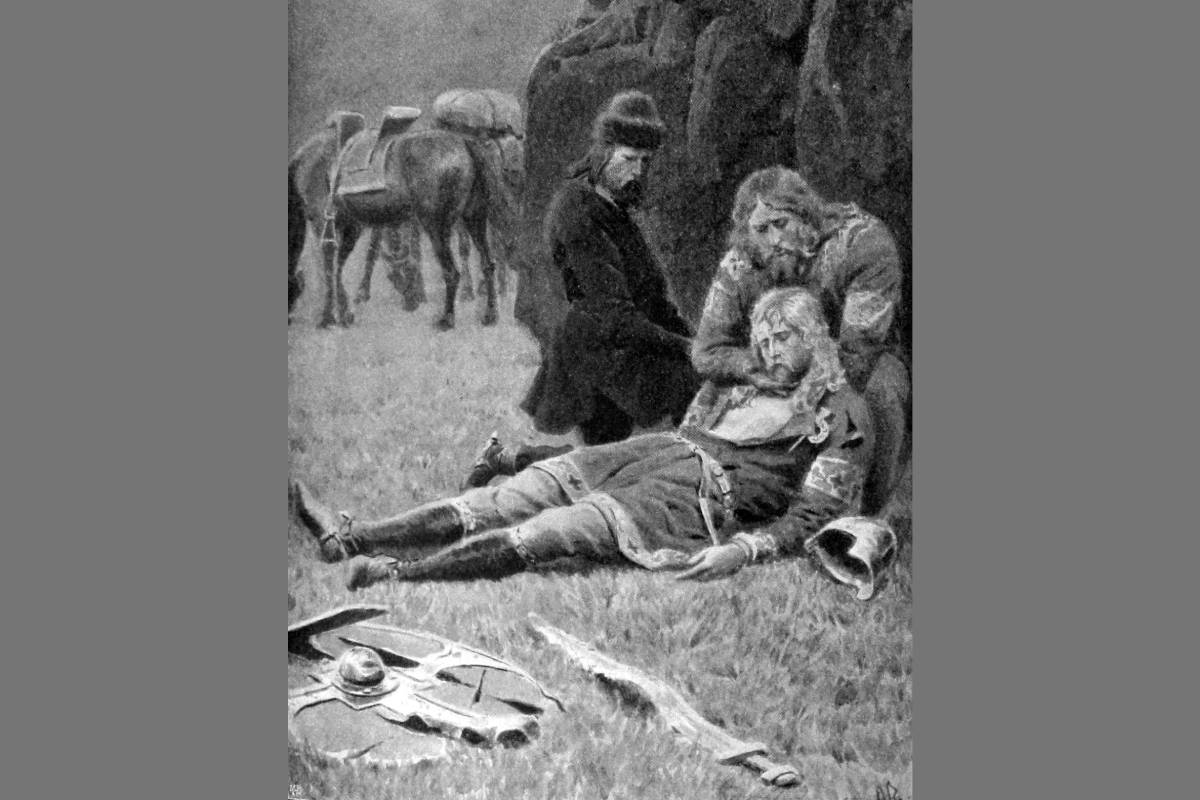
An 1898 illustration of Laxdæla saga depicts Bolli Þorleiksson holding the dying Kjartan Ólafsson after dealing him a fatal blow. Illustration: Andreas Bloch (1860–1917)
Laxdæla saga (The Saga of the People of Laxárdalur)
As much as we love our Icelandic friends, the common stereotype is that they are – like most Northern Europeans – a pragmatic and cold bunch.
Romance isn't exactly the first word you think of when you mention an Icelander, but the Laxdæla saga shows that the ancestors of today's Icelanders knew a thing or two about affairs of the heart.
This is a tale of romance and love that – you guessed it – ends in tragedy.
Centuries before the French first uttered the phrase ménage à trois to describe a love triangle, medieval Icelanders were being regaled with the tale of Guðrún Ósvífrsdóttir, Kjartan Ólafsson, and Bolli Þorleiksson.
Set in the western region of Iceland, from the 9th to 11th century, in the picturesque village of Laxárdalur, nestled among mountains and fjords, one of the poetic highlights of this tale is the love triangle.
Beautiful Guðrún loves Kjartan but eventually marries his stepbrother, Bolli.
Despite her good looks, she is said to be cursed with four marriages, whereby she will divorce her first husband but then watch the next three die.
This love triangle has everything – the forced conversion of Icelanders under political pressure from Olaf Tryggvason's stooges from Norway and ghostly warnings from beyond the grave.
It also features the late appearance of the Varangian Guard, alongside a woman whose life story is told through the men she loved, didn't love, or forced to commit murder for the honor of the family.
Whilst not a traditional love story, this is still a tragic tale of the lack of agency medieval women had over affairs of the heart and the repercussions this could cause for immediate and extended family, as well as the community at large.
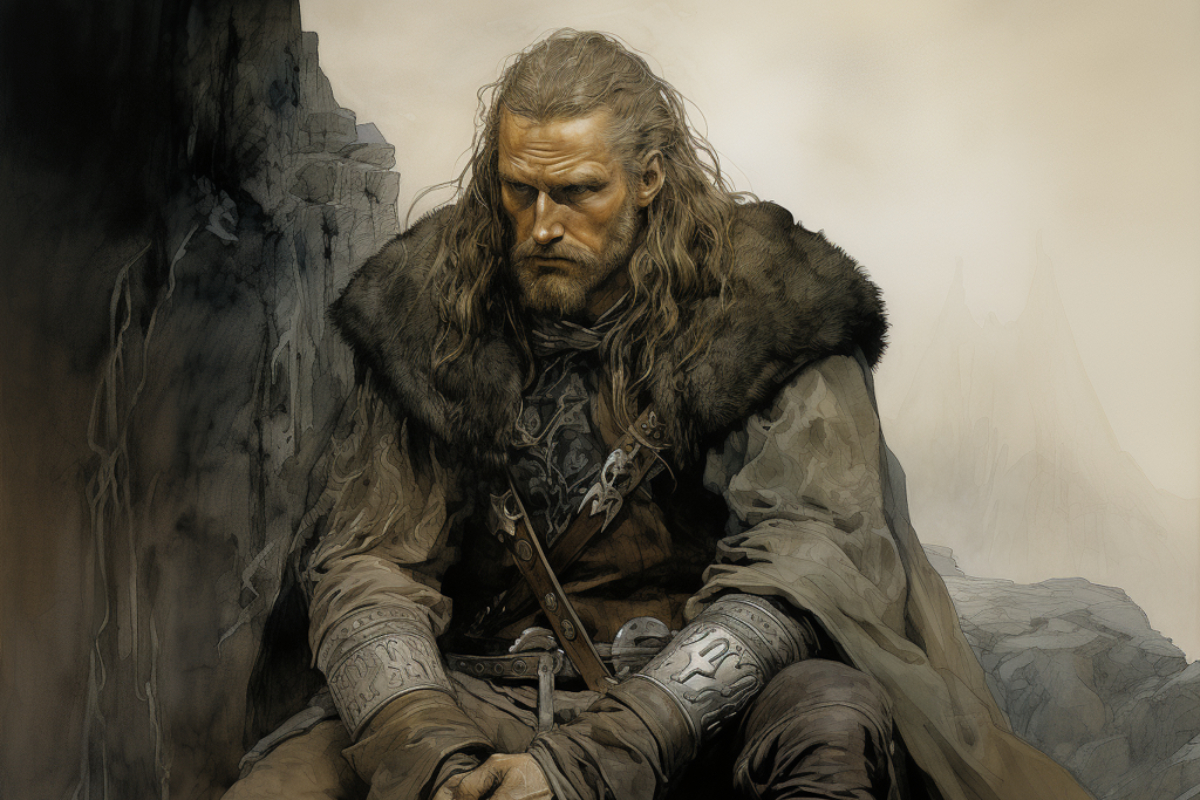
Lothbrok's story is marked by doomed love, legendary battles, and his brutal death at the hands of King Ælla. Illustration: The Viking Herald
Ragnars saga loðbrókar (Tale of Ragnar Lodbrok)
There are two quite sad stories in this tale of the semi-legendary Danish king, warrior, and scourge of Frankish Paris.
The first revolves around his marriage to a mighty shieldmaiden, Lagertha.
Whilst the two hit it off – he basically tracked her to her home, killed her pet bear and dog, and then somehow managed to wed her – the fiery marriage doesn't last.
Despite having children together, the two headstrong characters are too independent of each other and separate.
Lothbrok goes off to marry another woman who is more "conventional in a medieval sense" – i.e., probably couldn't beat him in a fight with an axe or sword.
The grim end of Lothbrok is also a sad tale.
Having been caught after an attack on King Ælla of Northumbria – an Anglo-Saxon kingdom in northeast England, Lothbrok has his magic protective cloak stolen from him and is cast into a pit of snakes.
He does, however, let out a warning that his sons (or "piglets," as he calls them) will have the last revenge.
His death was traditionally said to have sparked the invasion of Anglo-Saxon England by the Great Heathen Army, but this is more literary license than historical truth.
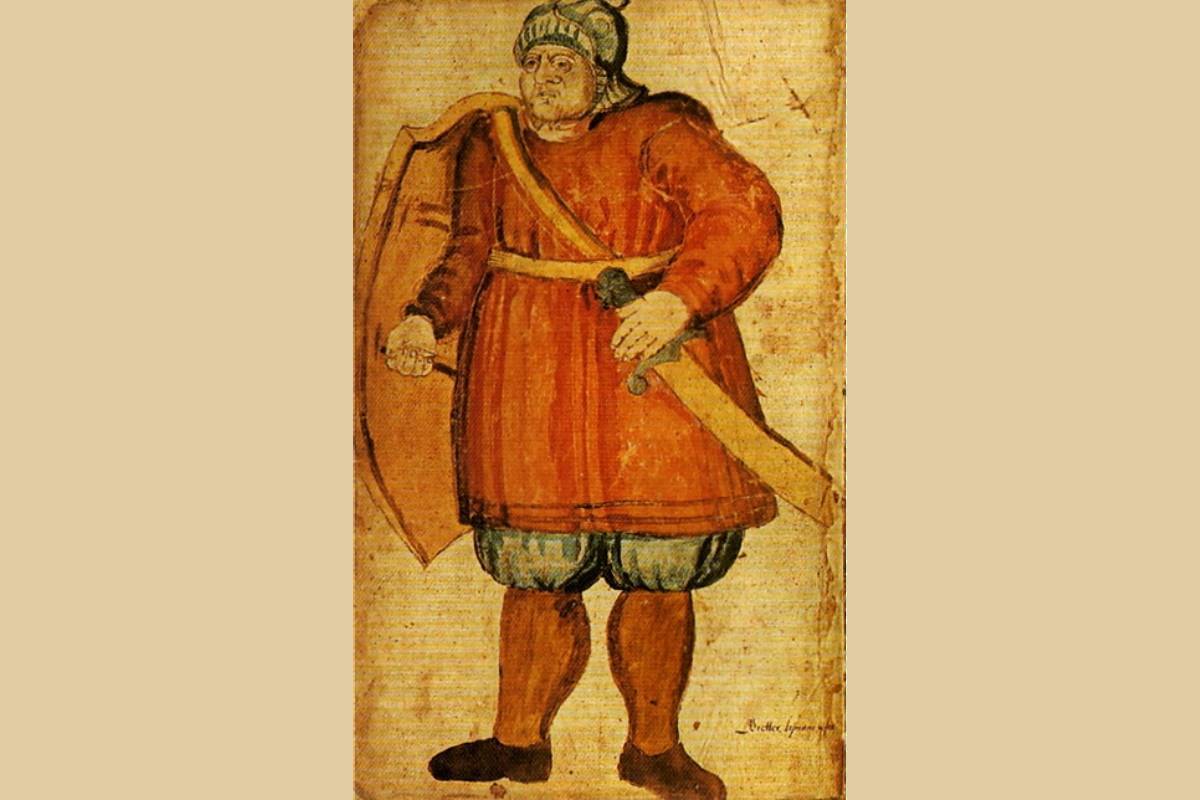
Grettir stands battle-ready in this 17th-century Icelandic manuscript illustration from Grettis saga. Illustration: Unknown author (Public domain)
Grettis saga Ásmundarsonar (The Saga of Grettir the Strong)
The general rule of society is that if you break a law, you will probably not garner much sympathy.
However, in Grettis saga Ásmundarsonar, we find a Viking antihero – an outspoken outlaw, Grettir, who is not only down on his luck but also cannot get a break.
What starts as a standard tale of living up to familial expectations in early medieval Iceland takes a dark turn.
Grettir – whose ancestors, including his father and stepbrother, are portrayed as chivalrous, proto-knightly figures – just wants to live up to his family's high standards and – this being the medieval period – slay a monster or two.
Yet he winds up on the wrong side of the law and is plagued by bad luck, betrayals, and supernatural enemies.
Very much a medieval Icelandic case of "just when you thought things couldn't get any worse... they do."
It might be worth giving this saga a quick read when you're feeling a little downhearted, as no one is unluckier in Norse literature than poor old Grettir.
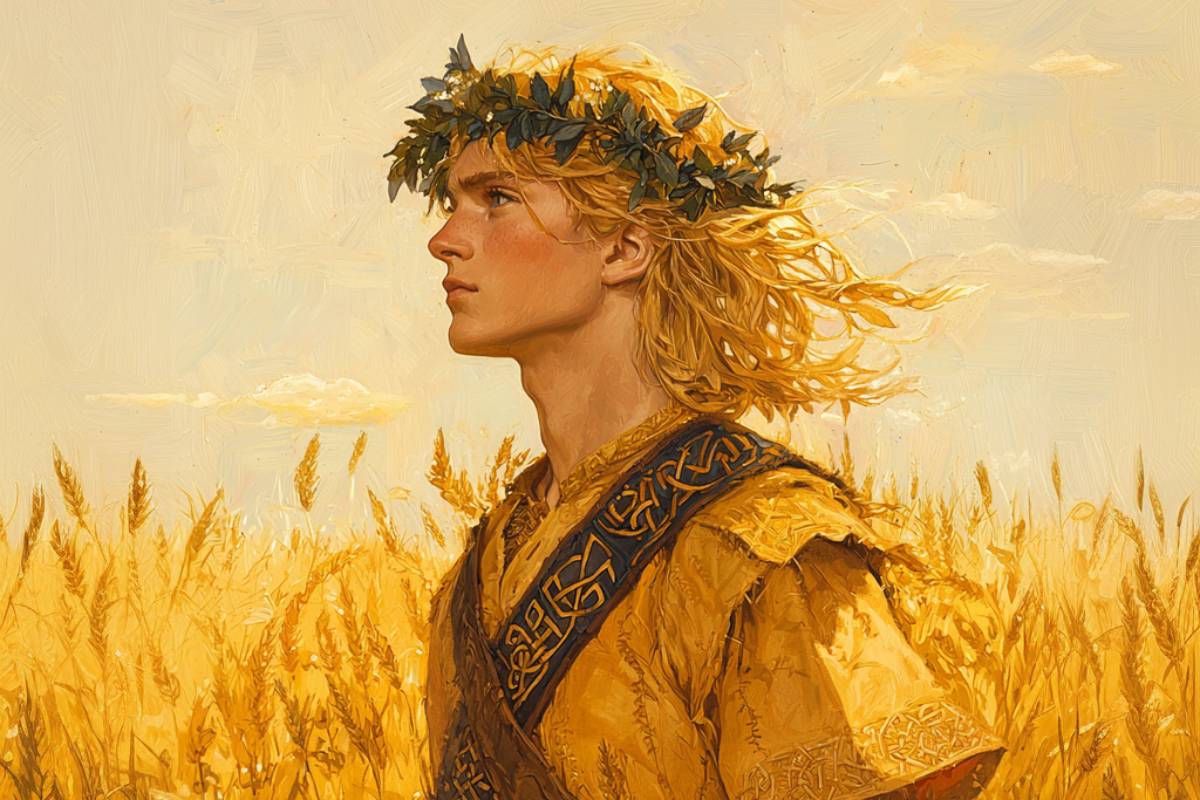
Freyr plays a central role in The Saga of Hrafnkel, where the protagonist's devotion to the god unravels after his downfall. Illustration: The Viking Herald
Honorable mentions
Whilst these may be some of the most tragic sagas in the rich tapestry of Norse literature, there are still plenty more tearjerkers to while away a cold winter's night.
In Brennu-Njáls saga (Njál's Saga), there are countless scores to be settled in the form of blood feuds.
Families are torn apart, friendships destroyed, and whole communities go to war with one another.
Plenty of death and tears – including a gruesome description of a person being burned alive. Not one to read to the kiddies!
In Hrafnkels saga Freysgoða (The Saga of Hrafnkel), we wind back the clock to an earlier period of Scandinavian history when the Old Norse religion still held sway.
We find a supreme warrior, Hrafnkel, who starts out with everything – fame, bravery, and purpose – but sees his life and his belief in the Norse god Freyr, including a temple he helped construct in the gods' honor, quite literally collapse in a calamitous course of events.
An interesting glimpse into the pre-Christian beliefs and practices of Viking societies.
So, if you're ever in the mood for a tale of sorrow, sadness, tragedy, and bloodshed, there is no better source than the rich tapestry of Norse sagas.
The ancient Greeks may get all the historical praise in the West for supposedly inventing tragedy, but in the opinion of us here at The Viking Herald, people in Viking societies perfected this art form.
For news of a recent scientific discovery that sheds new light on an ancient Norse saga, visit NBC here.
We get to provide readers with original coverage thanks to our loyal supporters. Do you enjoy our work? You can become a PATRON here or via our Patreon page. You'll get access to exclusive content and early access.
Feel free to reach out to discuss potential stories that may be in the public interest. You can reach us via email at hello@thevikingherald.com with the understanding that the information you provide might be used in our reporting and stories.