

Yet it was his four sons who tried their best to live up to their father's impressive legacy by undertaking a series of adventures and exploits that left an indelible mark on Viking history.
Big boots to fill
For many children, living up to their parents' expectations can be excruciating. That is, until you hit puberty and ignore your parents until adulthood.
Spare a thought, however, for those children of famous or powerful figures – how hard it must be to live in their parents' shadow.
Before you talk about the privilege of "nepo-babies" in Hollywood, let us turn the clock back to some of the original "nepo-babies" in history, the sons of Ragnar Lothbrok.
Lothbrok was one of the most striking characters that leaped out of the pages of the rich tapestry of Norse literature.
He was a semi-legendary figure who may have been a historical character or a pastiche of several.
According to Justin Pollard in his 2015 tome, The World of Vikings, Lothbrok was said to be the mastermind behind a stunning Viking raid on Paris in 845, which signaled a more aggressive expansion of predatory raids against the Frankish realms.
Across the English Channel, he was a constant thorn in the side of Anglo-Saxon England. In fact, leading a raiding party in the Kingdom of Northumbria was to be his demise.
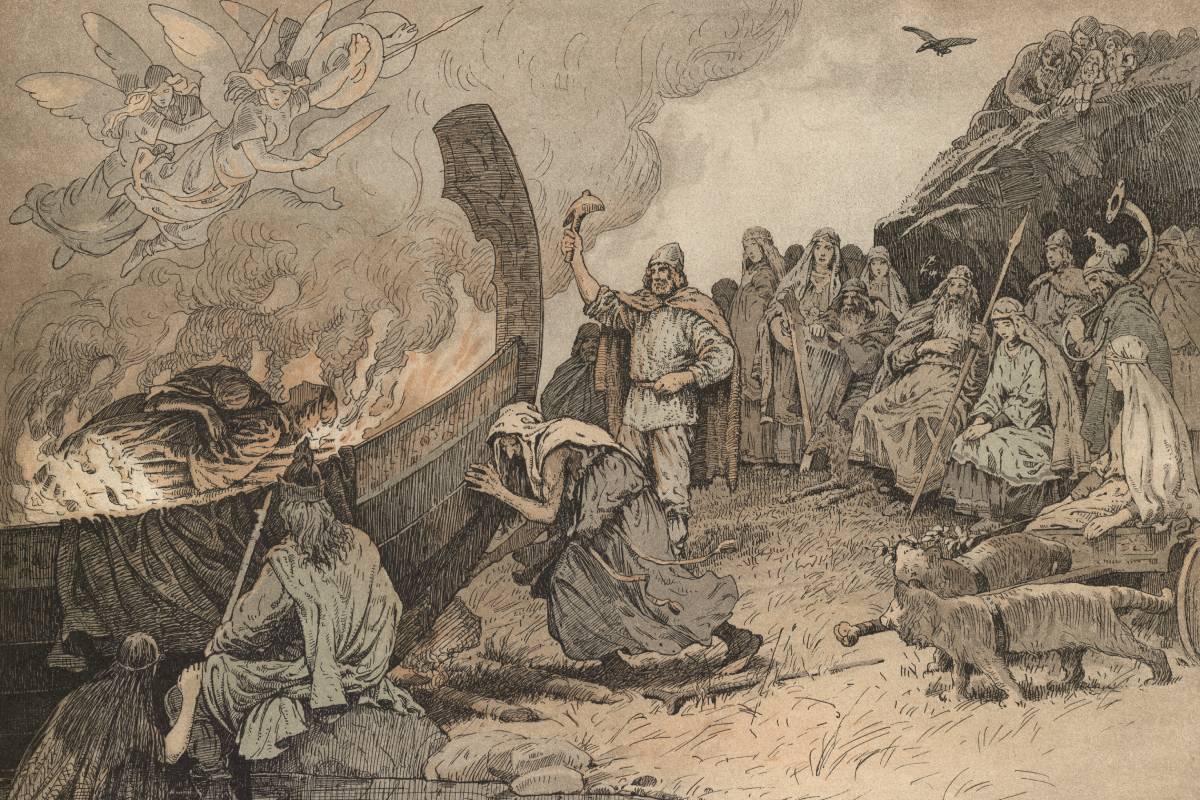
He was captured, taunted by the ruler King Aella, and then thrown into a pit full of snakes, but not before cursing the king and saying his progeny would avenge his untimely death.
- READ MORE: Did Ragnar Lothbrok really exist?
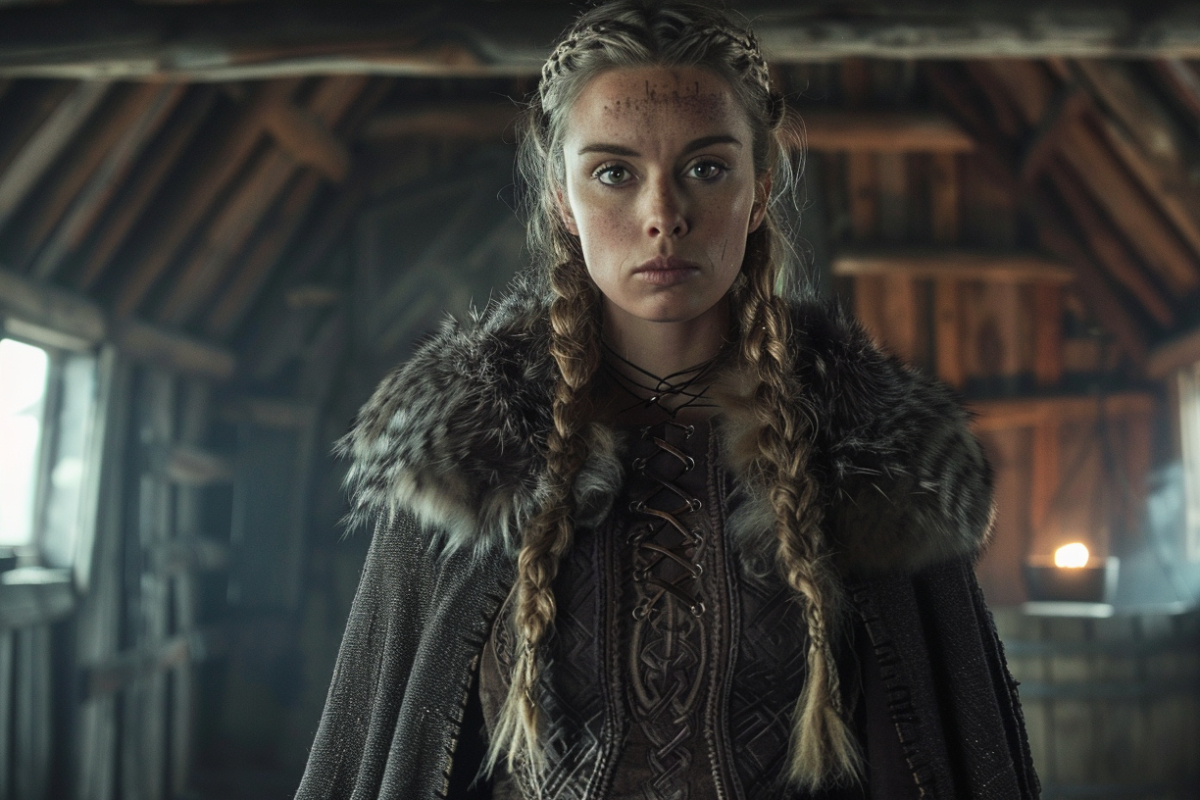
Ragnar Lothbrok and his wife Aslaug had four sons, making her the mother of the majority of his legendary offspring. Illustration: The Viking Herald
The many wives of Ragnar
Besides his military prowess, Lothbrok was said to have married multiple times.
Just what that entailed – one must never think of marriage in the early medieval period as the same monogamous partnership and legal contract that it is now over a millennium later – is unclear, but he did take several wives.
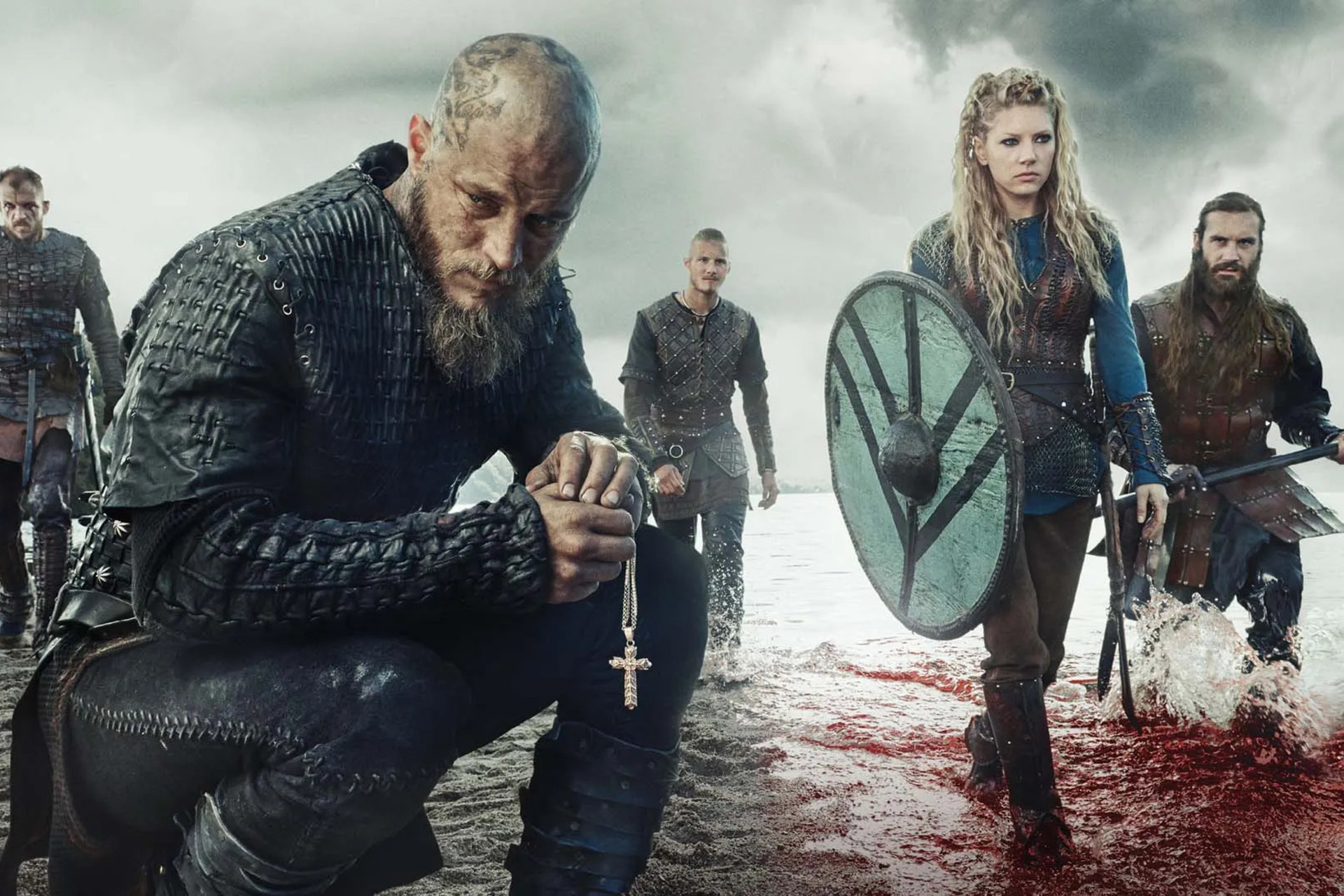
The most famous of his wives, of course, was the mighty shieldmaiden Lagertha, a legend of the sagas in her own right.
If we are to believe the sagas, this marriage was one where Lothbrok – renowned for his martial skills – often played second fiddle, outshone by his wife's skill with blade, bow, and sword.
Very much a force unto herself, Lagertha caused Lothbrok to become tired of her fierce independence, and he separated from her.
His next match was of noble birth, with Ragnar marrying the daughter of a jarl, Thora, who bore him two sons, Agnar and Eirik.
Little is made of these two sons in the sagas, and Thora is said to have died tragically, leaving Lothbrok heartbroken.
It appears that he was not heartbroken for too long, as he managed to marry for a third time, the famous Aslaug, also known as Kraka, herself the subject of a tall tale ripped from the sagas involving a giant harp, murderous stepparents, and eventual salvation and love with Lothbrok.
Their marriage produced four sons, each of whom has a fascinating story of their own.
We have but a few fragmentary records of each son in historical chronicles but a wealth of information about them in the Norse sagas.
Like their father, this seems to mean that each son may very well be a historical character with a fair deal of literary flair and detail thrown in for good measure. Let us look at each in turn.
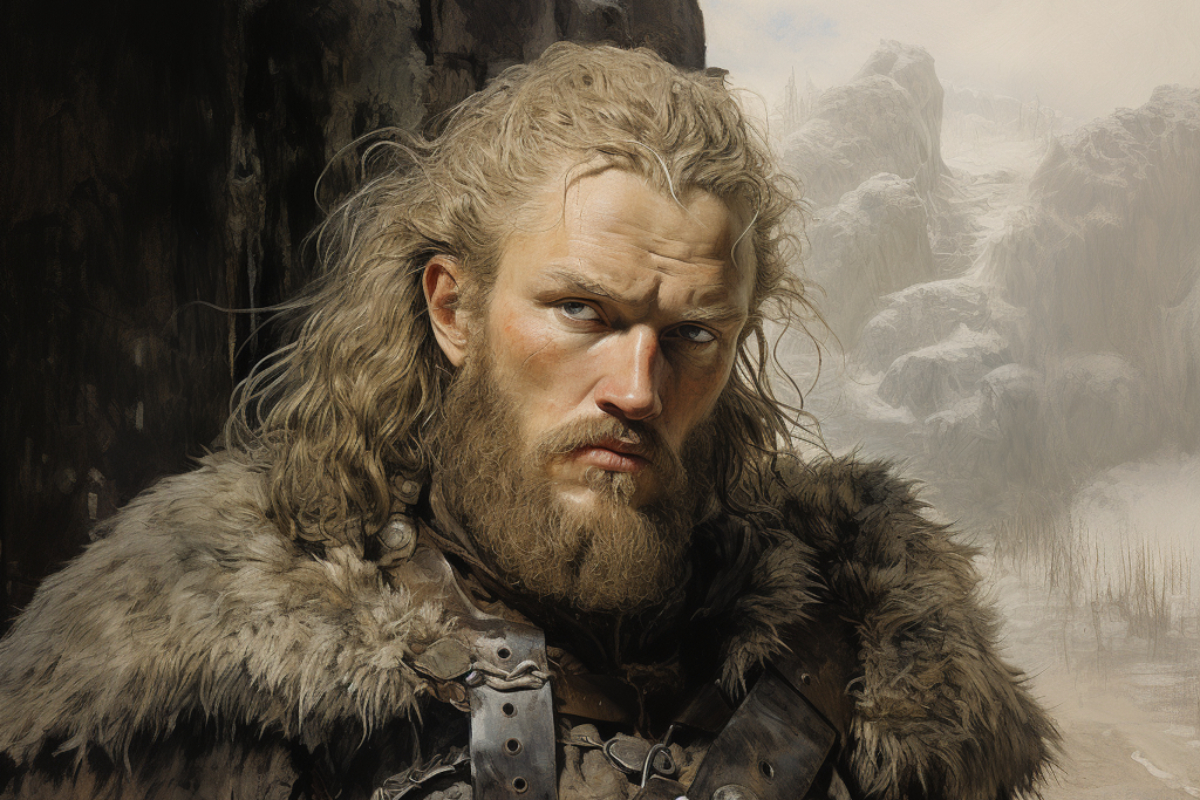
Björn Ironside is famous in Viking history for his maritime expeditions and raids throughout the Mediterranean. Illustration: The Viking Herald
The Mediterranean traveler
Björn, who was said to be most like his father, was later nicknamed Ironside for his ruthless martial skills.
Like his father, he also took to the sea at an early age and was responsible for a raid on Paris in 857.
However, Ironside went one step further. Assembling a huge flotilla, he sailed down the Iberian Peninsula, into the Mediterranean Sea, and raided as far away as the North African and Italian coastline.
He was also said to be behind a daring raid on "Rome" in 860.
This was, in fact, the town of Luni (near the modern town of La Spezia), which, given this was an era before Google Maps, I guess that every Italian town looked like the Eternal City to a 9th-century Scandinavian seafarer.
Ironside was also said to have founded the Swedish monarchy, the spiritual ancestor of today's King Gustav XVII of Sweden.

Ivar the Boneless is historically acknowledged as a Viking leader who played a crucial role in the invasions of England. Illustration: The Viking Herald
The bane of Anglo-Saxon England
The next son, Ivar the Boneless, was said to be the one who avenged his father.
He was nicknamed the Boneless due to a health issue or, conversely, perhaps because he was exceptionally agile.
The latter seems more plausible as he is credited with raising an army and invading the Anglo-Saxon Kingdom of Northumbria to kill his father's murderer, King Aella.
This army was more than just a ragtag bunch of Vikings; it was what contemporaries called the Great Heathen Army.
It was never one singular army but rather a series of smaller forces, and Ivar was their leader, eventually marching and battling their way up and down Anglo-Saxon England from the early 860s onwards.
He eventually captured the Northumbrian capital of York and was said to have performed the blood eagle on King Aella himself.
This invasion – whether led by Ivar or not – signaled a new phase in the Viking expansion, one of conquest and eventual settlement, leading to the Danelaw, which brought England and most of the British Isles into the orbit of the Viking world orbit for centuries.

Historical records suggest that Sigurd may have been a real figure who ruled parts of Denmark and Sweden. Illustration: The Viking Herald
Impressive warrior, badass nickname
Son number three, Sigurd, surely has – in the humble opinion of we here at The Viking Herald – one of the most badass nicknames in Viking history.
He was nicknamed Snake-In-The-Eye due to a supposed birth defect that gave him a distinctive snake-shaped mark on his eye.
Whilst others may have seen it as a defect, Sigurd was proud of this mark and it was said to signal great things for this son of Ragnar.
Like his father, he was said to be a fierce warrior, and his character in the Norse sagas may have been influenced by a real-life Danish ruler, Sigfried, who reigned in the early 870s.
He was said to have ruled lands in Denmark and Norway, echoing the real-life Sigfried, who co-ruled these areas with a brother.
Sigurd was said to have been slain on a campaign in Frisia (what is now northwest Germany and the Low Countries) in the late 870s.
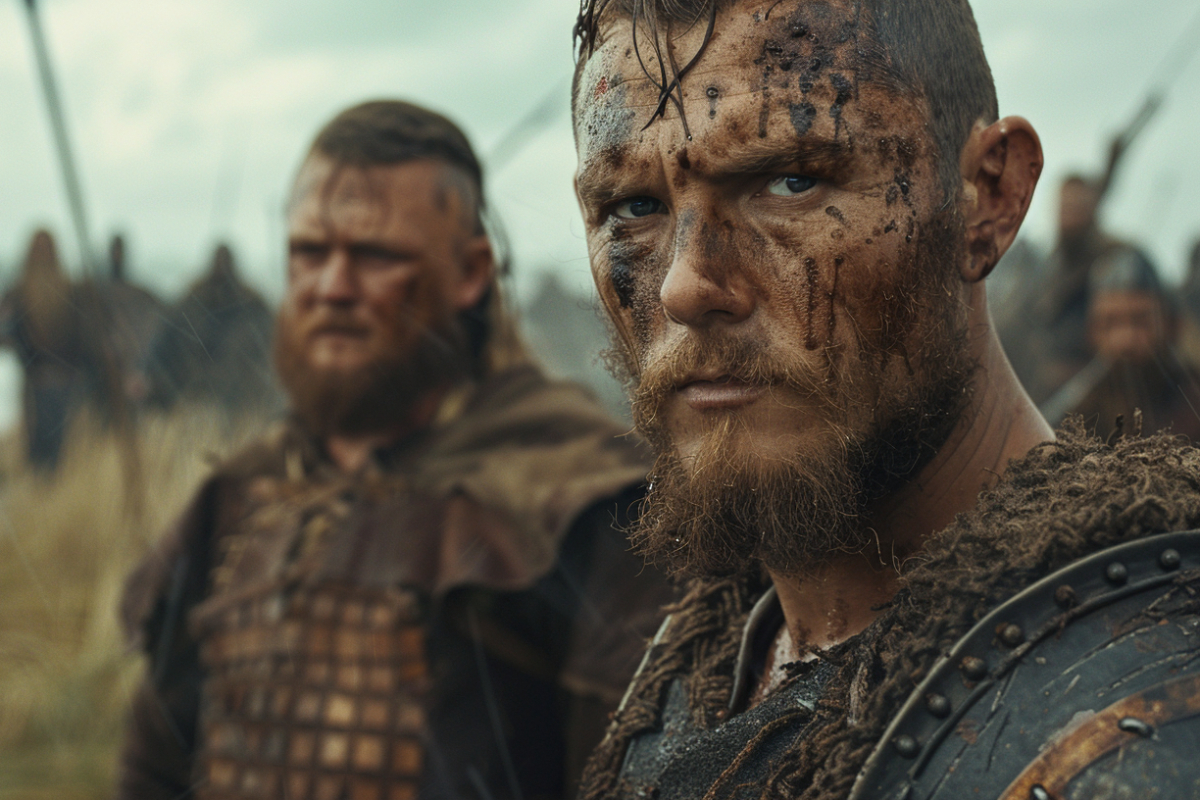
Documented as a key figure in the Anglo-Saxon Chronicle, Ubbe was a leading Viking commander during the invasions that reshaped early medieval England. Illustration: The Viking Herald
Killer of Anglo-Saxons only to be killed by them
It is unclear exactly whether Ubbe was a son of Aslaug or a product of a liaison outside that marriage.
Nevertheless, he was said to have joined his brother (or half-brother) Ivar on a campaign in England.
Ubbe was said to have led a force that battled against one of the Anglo-Saxon kingdoms, East Anglia, and been responsible for the death of its king, Edmund.
This forced East Anglia to fall under Viking and, thus, Scandinavian control until the emergence of King Æthelstan decades later.
It is possible that he may have led a Viking force – and been slain – during the Battle of Cynwit, which was one of the first West Saxon victories against the Viking invaders.
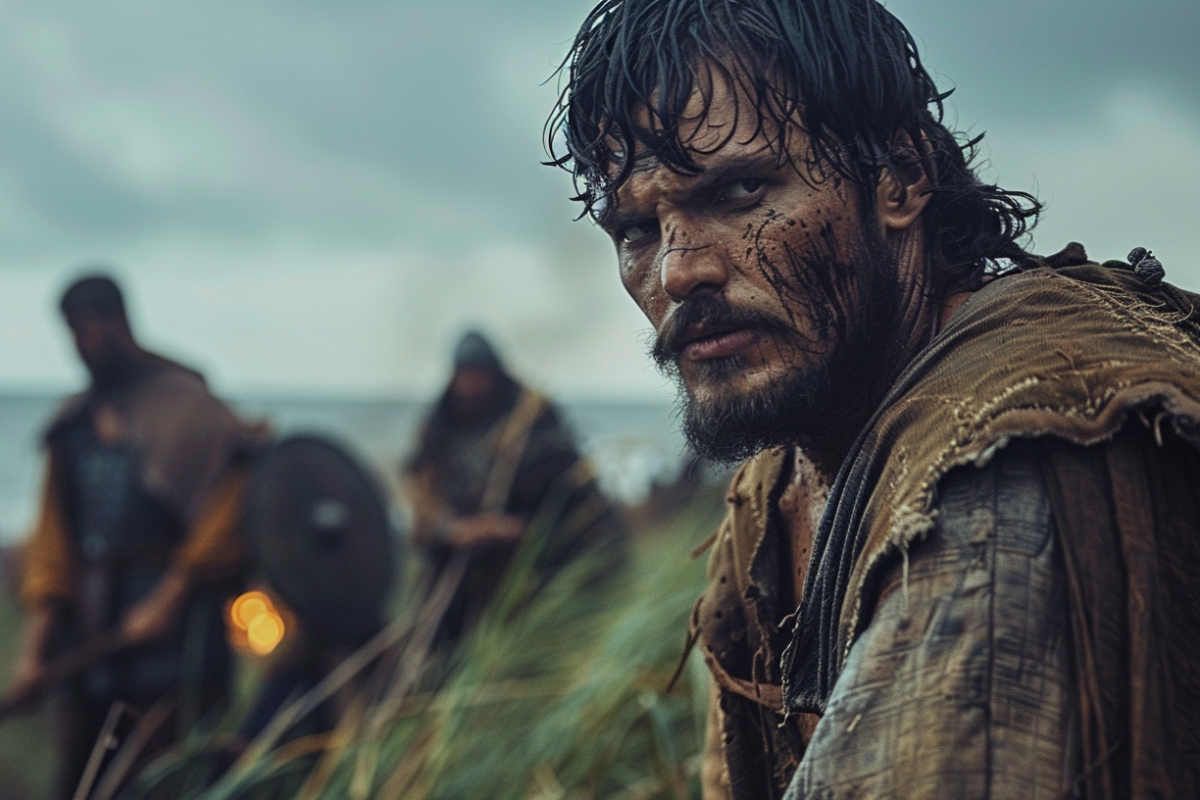
Hvitserk, one of Ragnar Lothbrok and Aslaug's sons, is noted in the sagas mainly for his role within the Great Heathen Army. Illustration: The Viking Herald
An eastward adventurer
Finally, we come to Hvitserk. We know little of him, with only a smattering of mentions in the sagas and almost nothing in historical chronicles or records.
He was said to be the son of Lothbrok and Aslaug and was an important member of the political leadership of the Great Heathen Army.
Aside from England, Hvitserk was also said to have traveled eastward, raiding, fighting, and winning victories in the Kievan Rus – which, as George Varnadsky writes in his 1948 book Kievan Russia (available on Amazon here), is now a vast area of Eastern Europe.
Whether Hvitserk was his name or a nickname, we may never know, and he disappears from the pages of the sagas almost as soon as he appears.
Said to have lived more than a millennium ago, the legacy of Ragnar Lothbrok and his sons lies not only with their deeds and actions but also on the pages of the rich tapestry of Norse literature.
Their heroic adventures and exploits continue to inspire people the world over long after the final Viking ship ever sailed.
For more information on how Ragnar and his sons are an inspiration to modern artists, visit Forbes here.
We get to provide readers with original coverage thanks to our loyal supporters. Do you enjoy our work? You can become a PATRON here or via our Patreon page. You'll get access to exclusive content and early access.
Feel free to reach out to discuss potential stories that may be in the public interest. You can reach us via email at hello@thevikingherald.com with the understanding that the information you provide might be used in our reporting and stories.