

Is there any evidence that Styrbjörn was an actual historical figure or merely a figment of a creative mind?
Beginning of Swedish history
Nowadays, the Swedish royal family is an intrinsic and popular part of Swedish culture.
Despite the progressive and liberal societal culture, the fact that the nation has a centuries-old royal institution does not seem, to many Swedes, an anachronism.
Whilst the current Swedish monarch, King Carl XVI Gustaf, traces his lineage back to the Napoleonic Wars, the institution was already centuries old by the time that Corsican caused European royalty more than a few headaches.
In fact, Sweden has had monarchs since at least the early medieval period.
As Gary Dean Peterson writes about in his 2016 tome, Vikings and Goths: A History of Ancient and Medieval Sweden (available on Amazon here), the first historically verified monarch of Sweden (the boundaries of this kingdom looked different from the country today) was Eric the Victorious, who ascended to the throne c. 970.
Whilst we have a wealth of detail about the kings before him, these are found in the rich tapestry of Norse literature – specifically sagas – which, though entertaining, should not be read as historical truth.
King Eric is said to have founded the trading town of Sigtuna – an important Viking economic and cultural hub – and reigned for more than 20 years until 995.
He then passed the crown on to his son, Olof Skötkonung, who was the first Viking ruler to be baptized and thus the first Christian monarch of Sweden.
However, despite Eric's longevity on the throne and his clear succession plan, his reign was not all smooth sailing (if you'll pardon the Viking pun).
Not everyone in his kingdom, nor indeed his family, was happy with Eric grasping ultimate power. His nephew, Styrbjörn, was to be a thorn in King Eric's side.
- READ MORE: The Viking history of Sweden at a glance
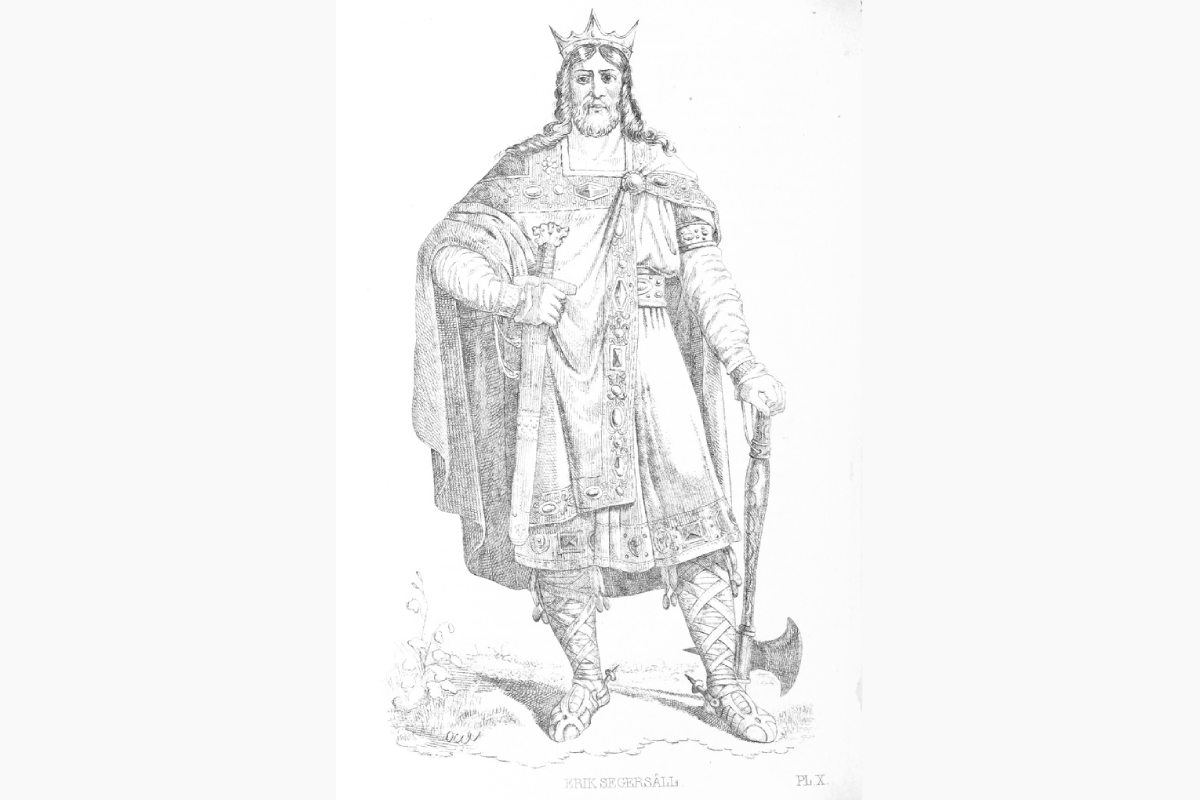
Erik the Victorious, depicted here by Gustaf Henrik Mellin in 1850, is recognized as the first historically documented king of Sweden. Source: British Library
Strong by name, strong by nature
Like so many other characters in early medieval Swedish history, we have only mere fragments of Styrbjörn the Strong. Lost in the mists of time is said to be an entire saga about Styrbjörn.
Frustratingly, we have only fragments of his life story from some of the Icelandic sagas and later chroniclers, like Adam of Bremen.
We do not know when Styrbjörn was born, but he appears to have come from royal lineage – his father, Olof Björnsson, is said to have been Eric's brother and ruled before him.
Aside from brief mentions in the sagas, there are no corroborating records of Olof Björnsson, so we must consider him, at best, semi-historical and most likely a legendary figure.
Due to a lack of historical records, we only have a mere fragment of the life story of Styrbjörn.
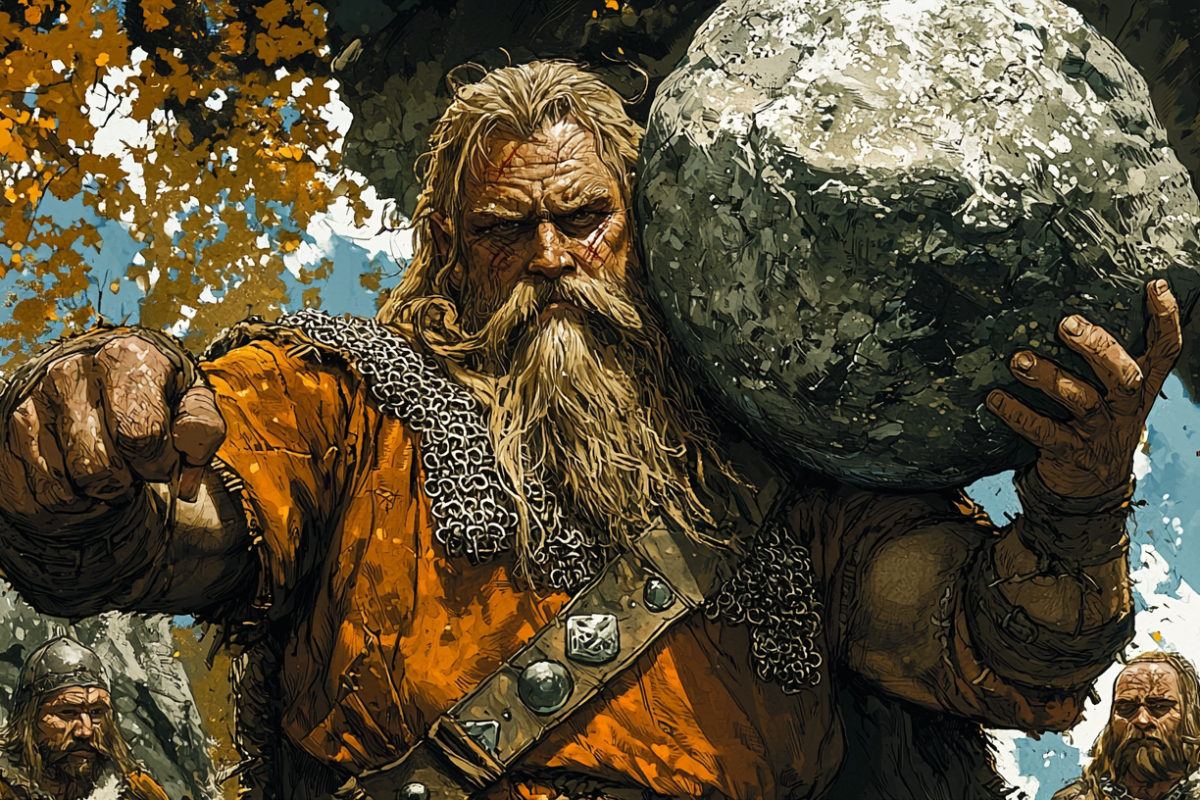
According to the sagas, his birth name was Björn, but upon reaching adulthood, he was such a force of nature that "styr" (Old Norse for a combination of reckless, strong, and violent) was added as a nickname.
It was this forceful nature that appears to have rung true, as most of the information we have about him relates to a rebellion against his own flesh and blood – his uncle Eric – that Styrbjörn was said to have led in the mid-980s.
A royal house (and family) divided
It is here that we must turn to a short tale, Styrbjarnar þáttr Svíakappa (marvelously translated into English as "The Tale of Styrbjörn the Swedish champion").
This story fleshes out more of the early life and rise to power of Styrbjörn.
As Eleanor Rosamund Barraclough discusses in her 2016 book, Beyond the Northlands: Viking Voyages and the Old Norse Sagas (available on Amazon here), how much of this story can be taken as historical truth is very much open to debate, as Norse literature often doesn't let the truth get in the way of a good story.
In this story, Styrbjörn is portrayed as a tempestuous and envious scion of royalty.
When he was 16, the Thing declared him unfit to succeed his father and uncle to the throne, so he was bought off with 20 ships and left to his own devices.
He sailed, raided, and battled all over the Baltic Sea and even managed to capture the famous fortress of the Jomsvikings. For this, he was made their leader and allied with the Danish king, Harald Bluetooth.
This alliance proved not only profitable – as Styrbjörn was left to raid the wealth of the Baltic basin – but also politically savvy.
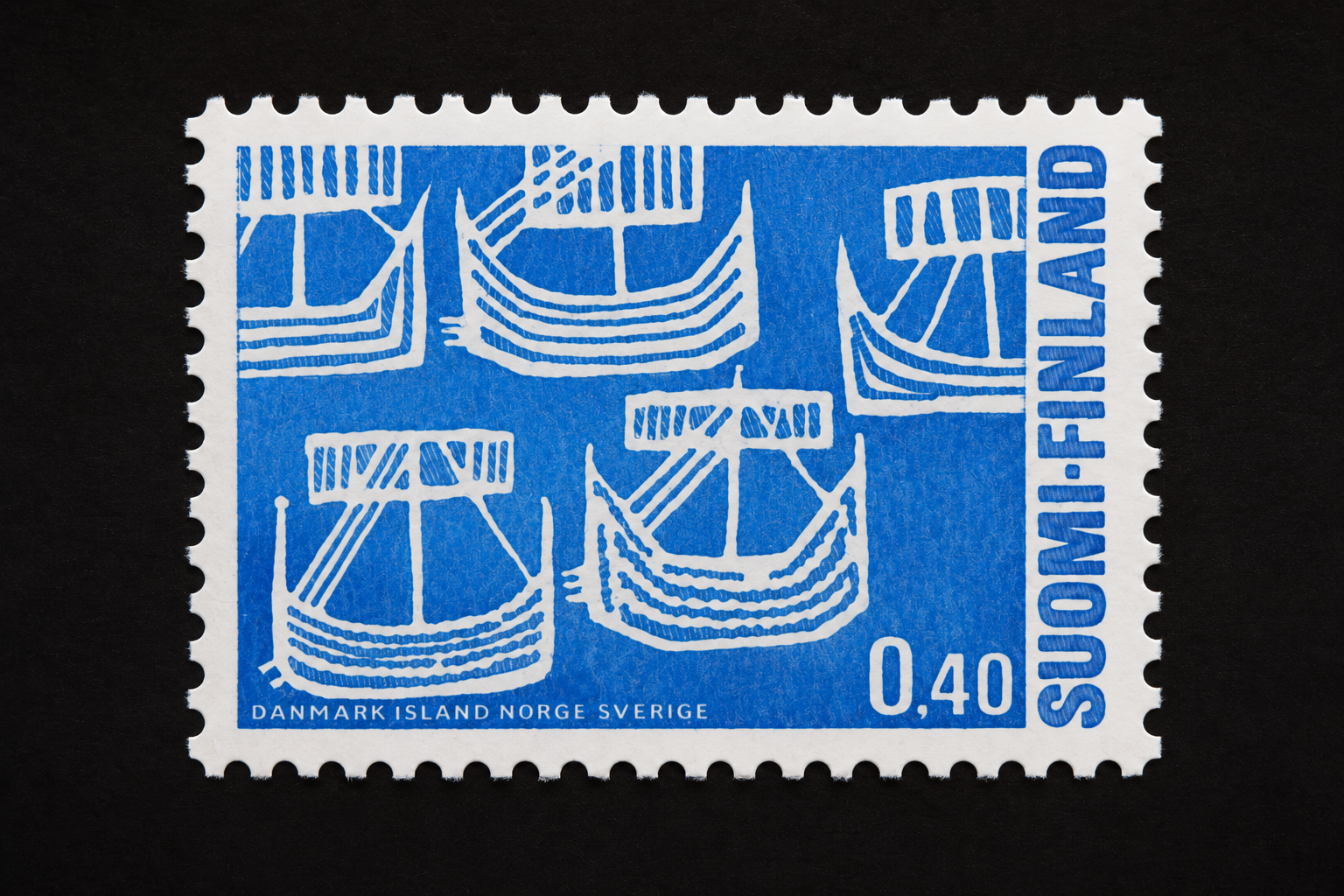
Bluetooth, wanting an ally on the throne of Sweden, provided this fearsome warrior with 200 longships and told him to go capture his uncle's throne.
Setting sail for Sweden, Styrbjörn's force landed near Uppsala and marched on the royal center of power. The two sides met on a plain near where the would-be usurper's forces had landed.
After two days of fierce fighting, it was a sacrifice to Odin by King Eric that was said to have swung the battle in the king's favor. An avalanche was said to have caused havoc and killed Styrbjörn and much of his force, though Bluetooth slipped away safely.
For this victory, King Eric of Sweden was given the epithet "the Victorious."
- READ MORE: Heimskringla and the legacy of Viking rulers
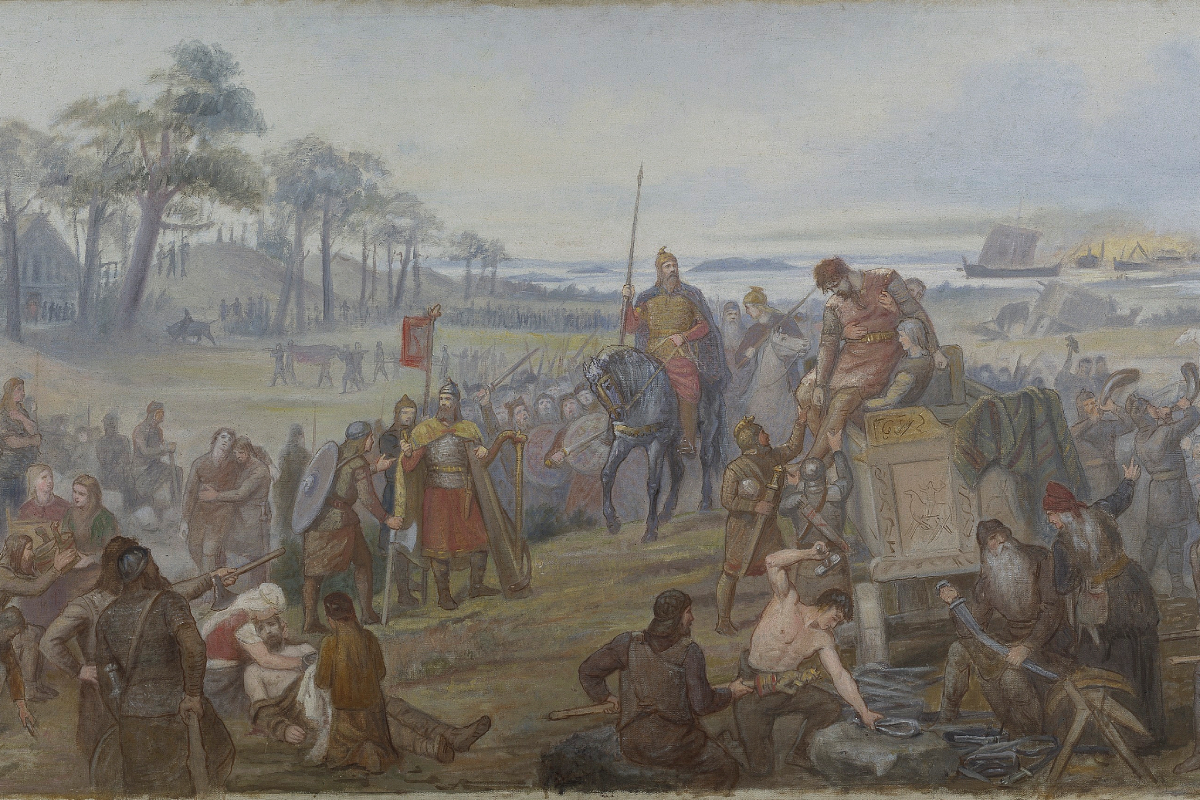
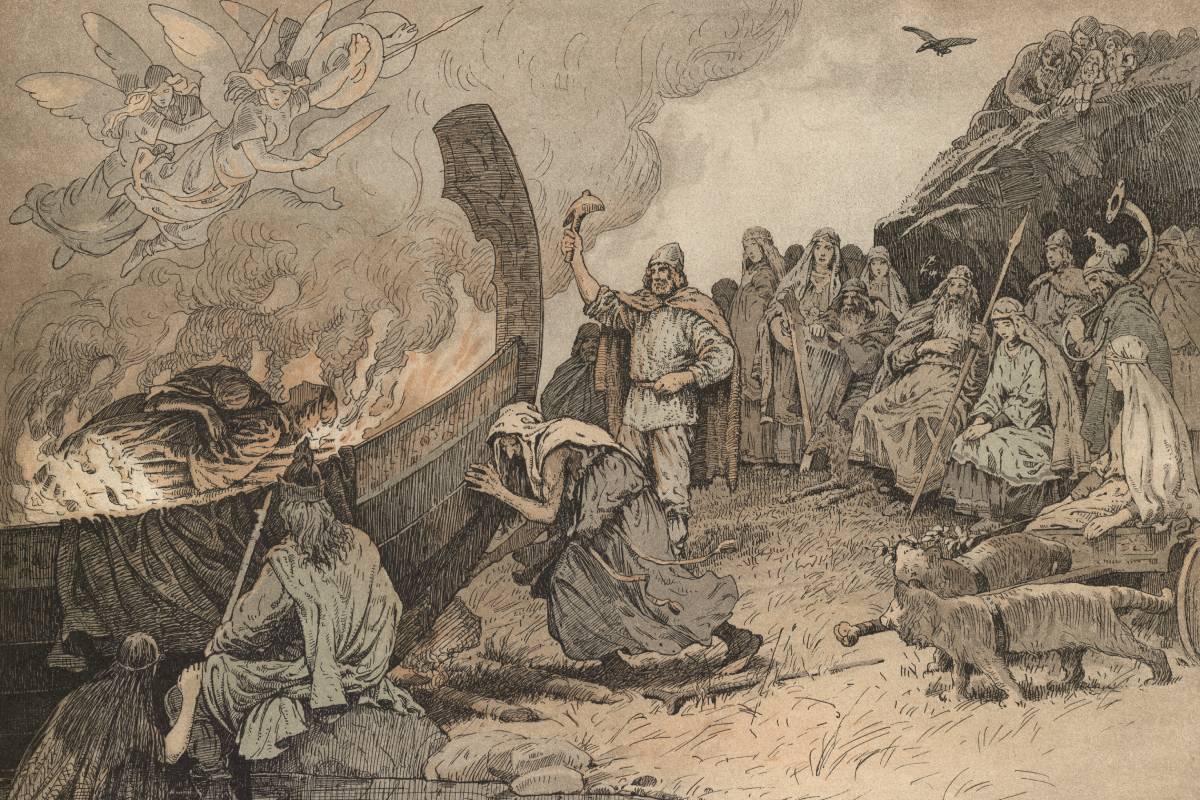
Mårten Eskil Winge's "After the Battle of Fýrisvellir" depicts the aftermath of the legendary battle, showing Styrbjörn’s body being lifted into a chariot. Source: Nationalmuseum
What does the archeological record say?
The demise of Styrbjörn the Strong is traditionally linked to the fallout from the Battle of Fýrisvellir.
His uncle would go on to rule for another decade before passing the throne to his son.
Despite mixed opinions on the historical accuracy of Styrbjörn, there is actually a wealth of archeological evidence about the battle that is said to have caused his downfall.
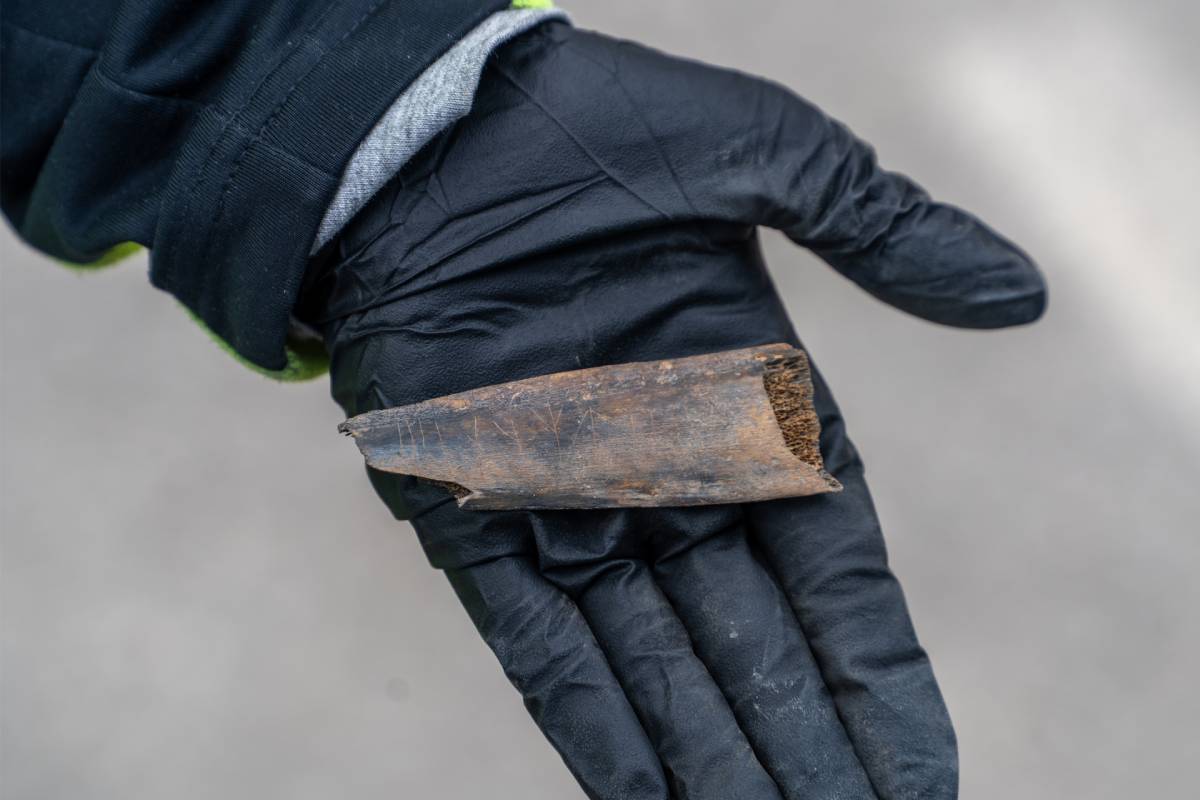
There are at least four runestones scattered throughout southern and eastern Sweden that make direct references to the battle. None, however, mention Styrbjörn the Strong.
Like other characters ripped from the pages of the Norse sagas, we can probably safely say there is more than a shred of historical truth when it comes to Styrbjörn the Strong.
Sadly, we may never fully know how much is fact and how much is fiction.
Despite this historical murkiness, Styrbjörn the Strong remains one of the most fascinating and fearsome warriors of the Viking Age.
His demise at Fýrisvellir, if he indeed was a true historical figure, presents us with one of those "sliding door" moments in history. The history of Sweden might have been very different had he won the battle in c. 985.
For more information on Sweden's rich Viking history, visit Forbes here.
We get to provide readers with original coverage thanks to our loyal supporters. Do you enjoy our work? You can become a PATRON here or via our Patreon page. You'll get access to exclusive content and early access.
Feel free to reach out to discuss potential stories that may be in the public interest. You can reach us via email at hello@thevikingherald.com with the understanding that the information you provide might be used in our reporting and stories.