

Earlier this year, a major archeological excavation in the Swedish city of Lund unearthed several remarkable objects, including pieces of bone with runic writing on it.
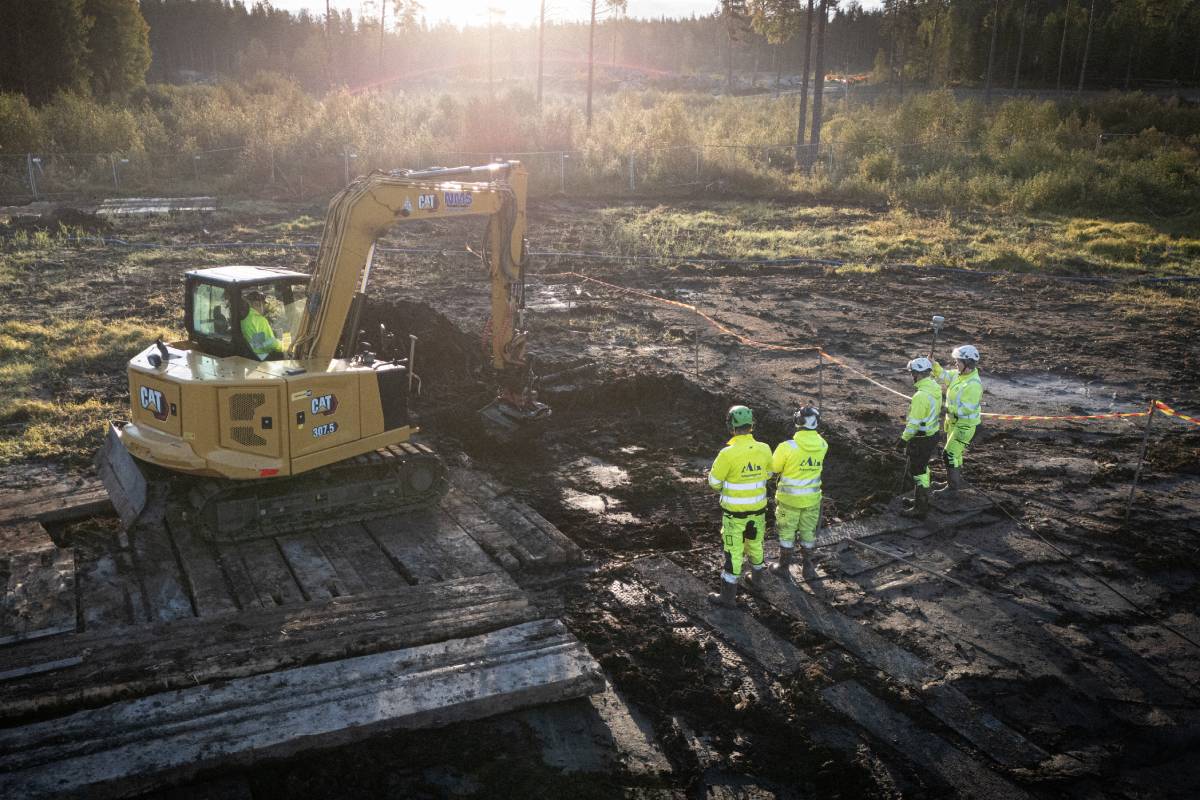
The work took place as part of a housing construction project supported by the local municipality.
Revealing the history of Lund
The excavations took place in the Grynmalaren district in central Lund. The work was commissioned by the Skåne County Administrative Board and completed in collaboration with the Kulturen archeology firm, Sydsvensk Arkeologi AB, and archeologists from the Swedish State Historical Museums.
According to a press release published by Kulturen, the finds included a range of artifacts dating as far back as the foundation of Lund, some 1,000 years ago. Notable discoveries include shoes from the Middle Ages, buttons, coins, game pieces, and several religious items.
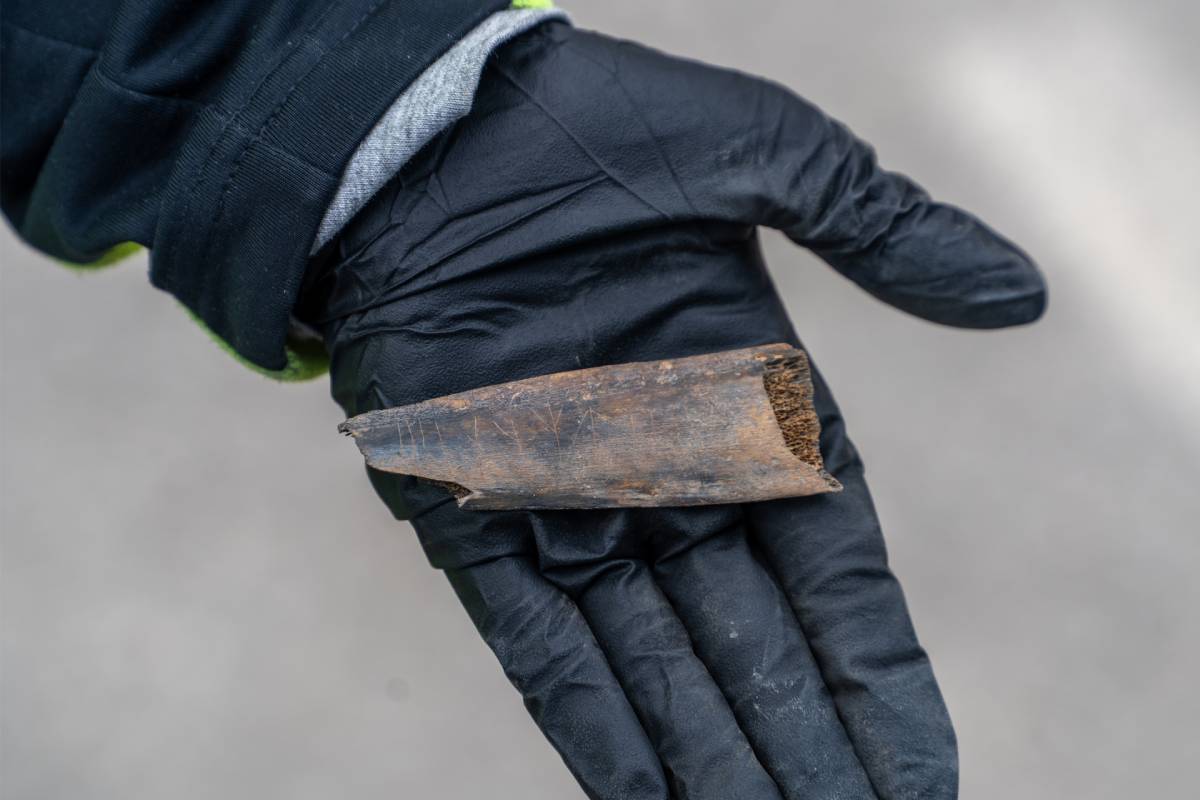
Perhaps the most remarkable find, however, are several pieces of bone with runic inscriptions on them.
Bone inscriptions
There have been several instances of runic inscriptions found on bones in the past. Indeed, while stone inscriptions have naturally lasted longest in most cases, it is thought that many early runes in Scandinavia were written on either bone or wood.
The most famous examples are arguably the Bryggen inscriptions, a series of some 670 runic inscriptions first identified in 1955. Found in the Bryggen area of the city of Bergen in southwest Norway, the Bryggen inscriptions have been dated to the early medieval period.
There are also plenty of examples of bone writing from other cultures. Oracle bone script, for instance, is the oldest attested form of written Chinese, dating to the late 2nd millennium BCE.
The bone inscriptions will now be examined in more detail, before the team can confirm when the runes were inscribed.
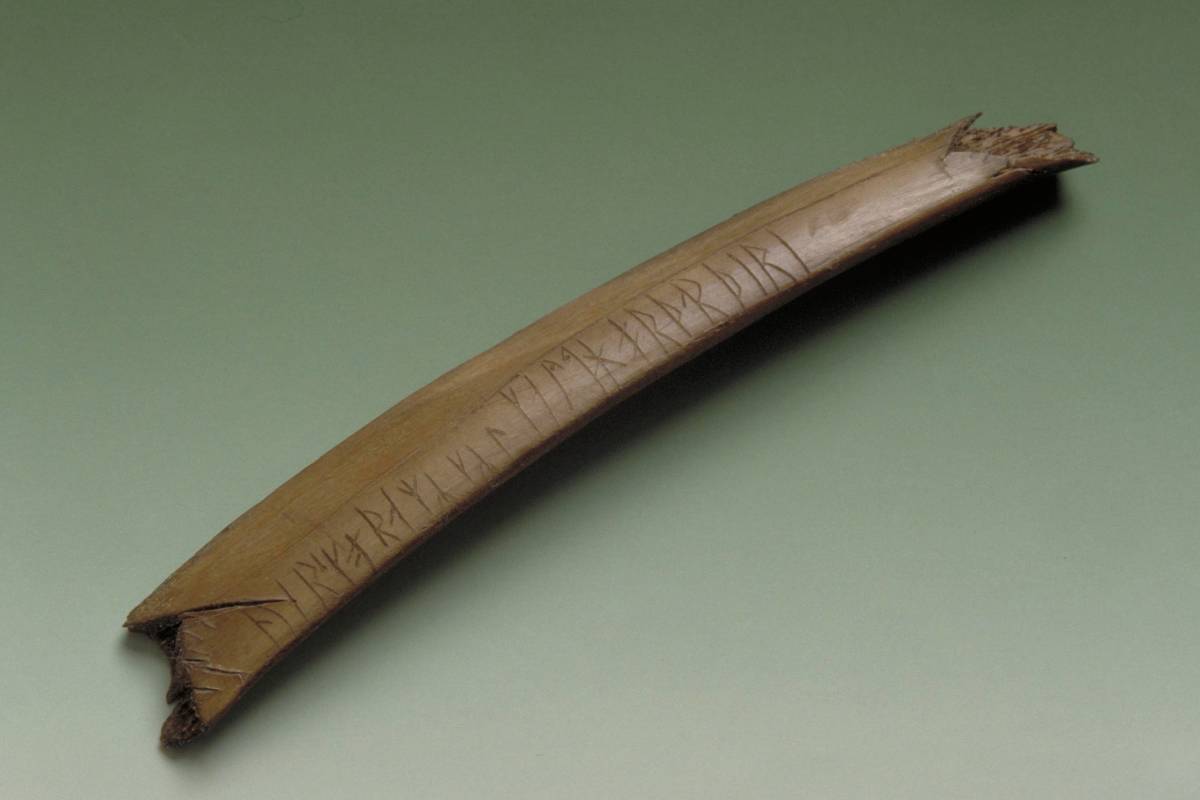
A runic bone from Bryggen, Bergen, Norway, where the opening line reads "Now there is great trouble here." Photo: Bengt A Lundberg / Riksantikvarieämbetet
Down to the very foundations
The work in the Grynmalaren district is one of two major projects that took place in Lund in 2025. The second, at Botulf Square, has revealed some Viking Age objects and the remains of a 15th-century farmhouse.
Both excavations could potentially give further clues about the foundation of Lund. It was long thought that the city was founded in 1020 by either Sweyn Forkbeard or his son Cnut the Great. Recent research, however, has suggested the first buildings may have been constructed slightly earlier, toward the end of the 10th century.
The artifacts found both at Botulf Square and in the Grynmalaren district will now undergo expert analysis by the archeological teams involved. It is hoped that in time, they will also reveal more about everyday historical life in the Swedish city.
"We hope to be able to map the traces of the people who lived in Lund during the Middle Ages," said Sebastian Boström, an archeologist at Kulturen in Lund, on the Kulturen website.
We get to provide readers with original coverage thanks to our loyal supporters. Do you enjoy our work? You can become a PATRON here or via our Patreon page. You'll get access to exclusive content and early access.
Feel free to reach out to discuss potential stories that may be in the public interest. You can reach us via email at hello@thevikingherald.com with the understanding that the information you provide might be used in our reporting and stories.