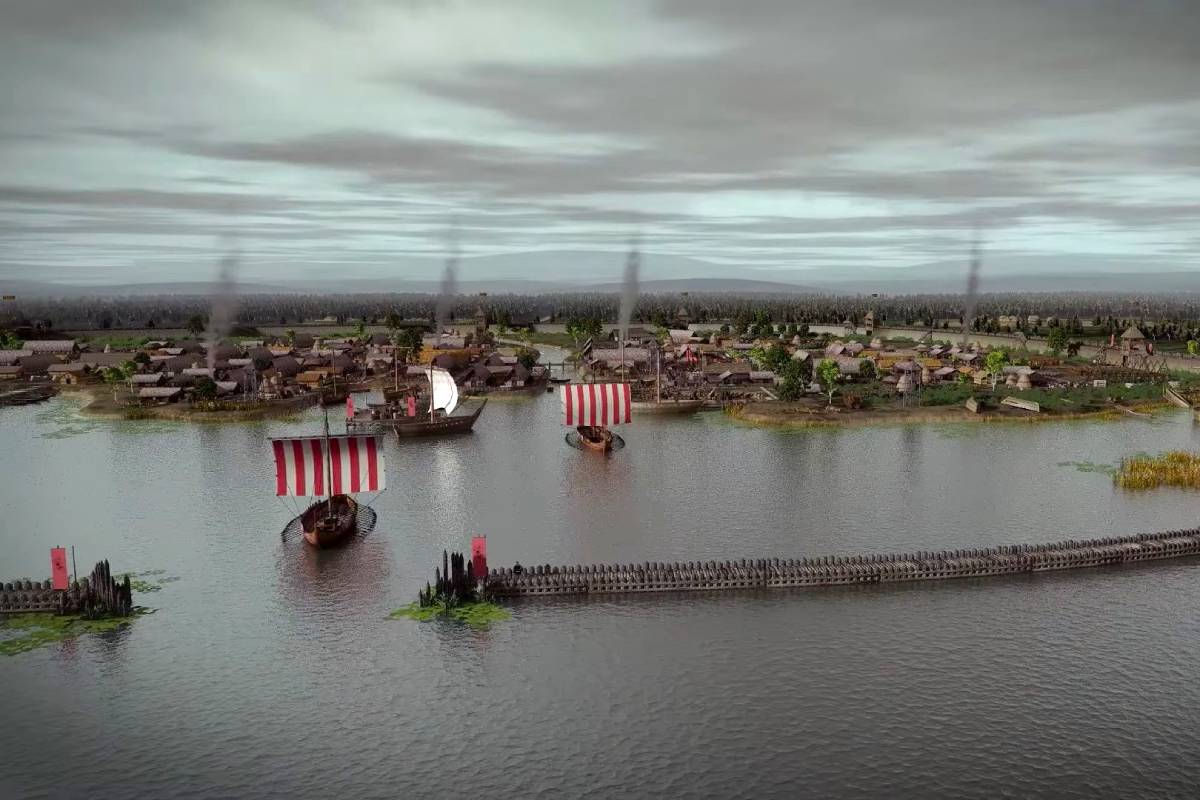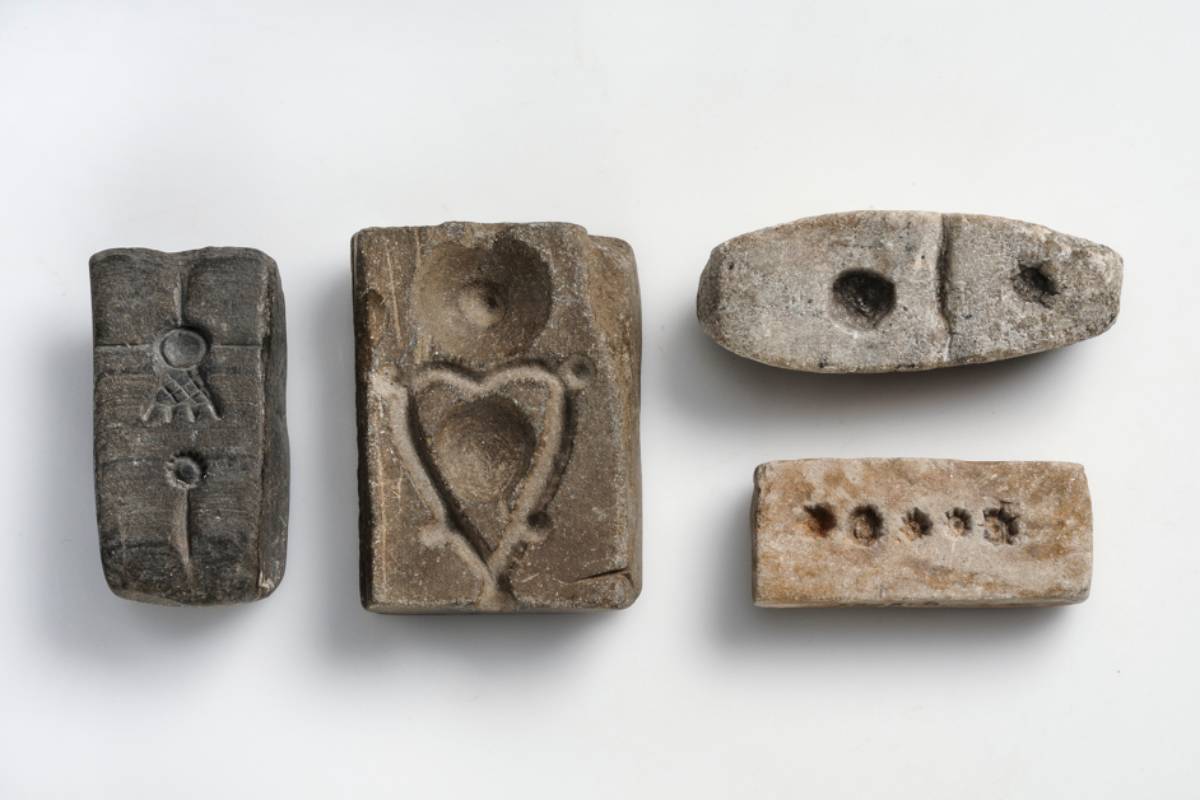


The story of modern Russia begins with a small settlement on the Volkhov River, near Lake Ladoga, founded by people from Viking societies.
Eastward Viking adventures
We have spoken widely about the Viking history of Eastern Europe. One of the numerous tragedies of the Russian invasion of Ukraine is that we have two countries waging war whose culture, history, and traditions are inextricably linked.
Both their histories, as well as those of Belarus, begin in the early medieval period and can be traced back to a time when Viking ships plied the many river systems that snake their way through what is now the borderlands between Eastern Europe and Russia.
Thanks to a whole generation of new academics and thinkers, such as Dr. Cat Jarman, the "eastern" history of the Viking Age is finally receiving the historical attention it deserves.
In her 2022 book River Kings (available on Amazon here), she traces the eastern adventures and exploits of people from Viking societies who crossed the Baltic Sea and headed eastward.
Whilst the Viking story has often been told from a Western European perspective (with a heavy dose of Anglocentrism), the eastern adventures of people from Viking societies are just as fascinating and consequential to our modern world as anything that happened westward across the North Sea.
From the early mid-8th century CE, we have people from Viking societies, perhaps first traders and merchants, who crossed the Baltic and began to utilize the numerous river systems that empty into the Black Sea.
Here, it was just a short sail to the dominant economic, cultural, and political hegemon of early medieval Europe, the Byzantine Empire, centered in its shiny capital, Constantinople, the "Second Rome."
Whilst many came for the profit motive, trading valuable furs and amber from the North, some came for conquest and control. As these traders and merchants began to ply the many rivers, trading hubs were soon established. One such hub was constructed early near Lake Ladoga, on the Volkhov River.
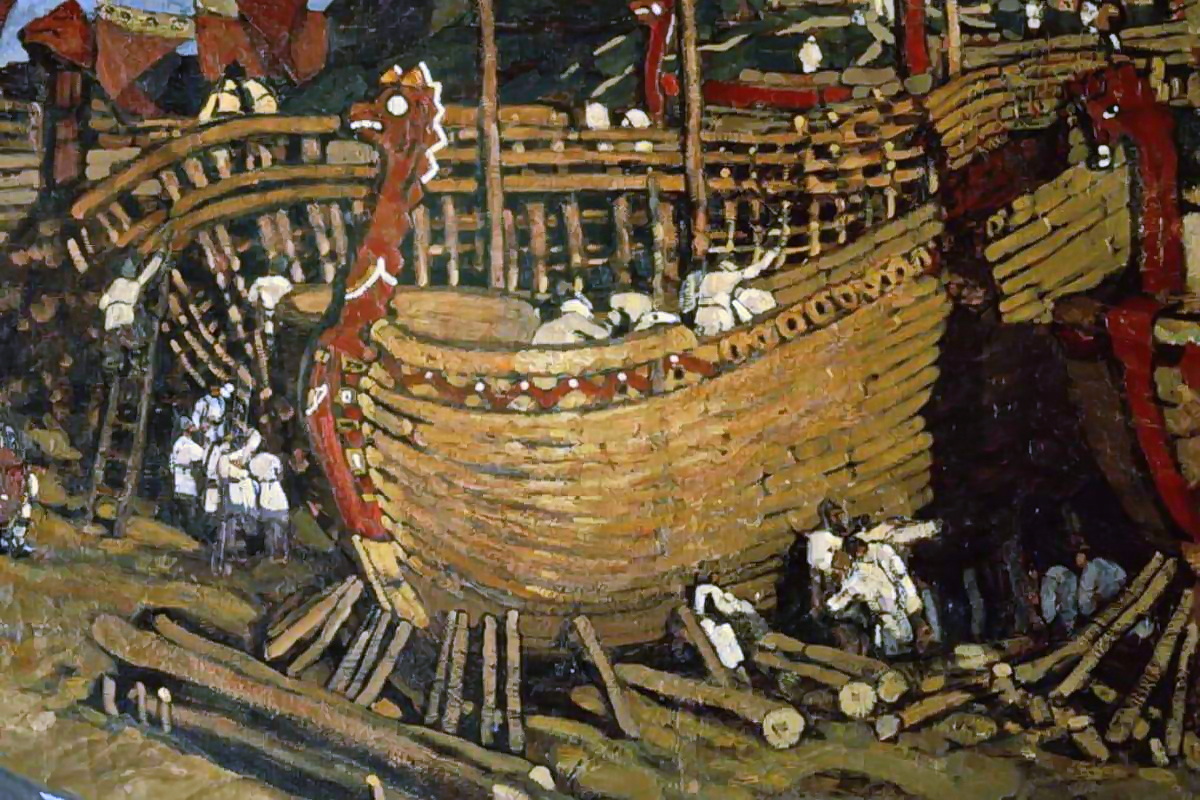
The painting "Longships Are Built in the Land of the Slavs" shows Viking shipbuilders at work in Kievan Rus. Author: Nicholas Roerich (1874–1947)
Early beginnings
So much of the early history of what is now Russia is shrouded in mystery and myth.
According to medieval chronicles, which were compiled long after the last Viking ship sailed in what we now call the "High Medieval Period" (c. 1000–1300 CE), it was the famous Viking leader Rurik who was said to have founded a settlement near Lake Ladoga, upon the river Volkhov, in 863 CE.
However, the common academic consensus is that there was human activity for at least a century before.
As Wladyslaw Duczko writes in his 2004 book Viking Rus: Studies on the Presence of Scandinavians in Eastern Europe, "...the appearance of Svear [people from Viking societies] in Eastern Europe was not a sudden or new phenomenon" by the time Rurik was said to arrive near Lake Ladoga.
Archeological excavations have found an overwhelming Norse presence in Staraya Ladoga.
Recent dendrochronological analysis has shown that longhouses and fortifications were constructed from about 753, which is over a century before the "traditional" foundation of Staraya Ladoga according to later medieval chronicles.
That would make Staraya Ladoga one of the earliest settlements of people from Viking societies outside of Scandinavia.
Yet it wasn't just the physical environment that people from Viking societies transformed. What was once called Alode-joki (lowland river) in the local Baltic-Finnic language was transformed, with the arrival of people from Viking societies, into Aldegjuborg in their Old Norse tongue.
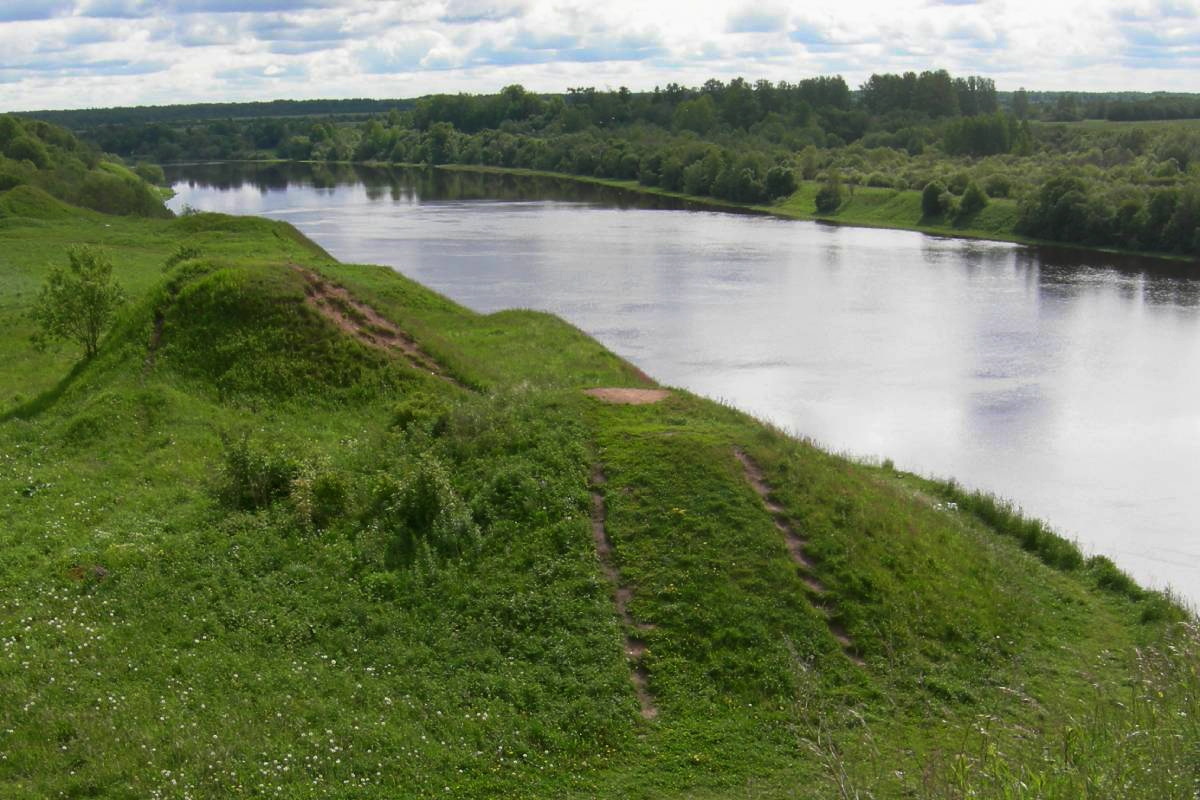
Viking burial mounds from between the 8th and 10th centuries can be found along the Volkhov River close to Staraya Ladoga. Photo: Wilson44691
A rich and varied population
Like contemporary Birka or Hedeby further west, Staraya Ladoga became prosperous due to its strategic location.
The people from Viking societies who headed eastward to ply the river routes between the Baltic and Black Sea, who settled, traded, and conquered, soon became known as the "Rus."
When they traveled further southward and traded in the markets of Constantinople, they were known as the Varangians.
Staraya Ladoga became a strategic point along what became known as the "Varangian" trade route, connecting the Viking heartland in Scandinavia with the Byzantine Empire and linking Northern, Eastern, and Southern Europe.
The settlement soon grew thanks to the lucrative trade that saw amber, furs, and enslaved people head southward, whilst precious jewels and silk headed northward.
As Anatoliy N. Kirpichiknov discusses in his 2004 article in the journal Fornvännen: The Journal of Swedish Antiquarian Research, the town, following its foundation, quickly became "Eastern Europe's center for craft, administration, trade, and transport."
Gaining any sort of historical popularity can be notoriously tricky, but Staraya Ladoga seems to have been an important and bustling trading town from the mid-8th to the late 9th century CE.
Perhaps as many as 2,000 people lived here at its height, a polyglot, multireligious, and multiethnic population that saw recent arrivals from Viking societies mix in with local Rus, Slavic, and Baltic people.
Finnic people, like the Votians and Karelians, would have added to this ethnic melting pot. This mix would foreshadow the much larger polity, the Kievan Rus, that was beginning to take shape from the late 9th century onwards.
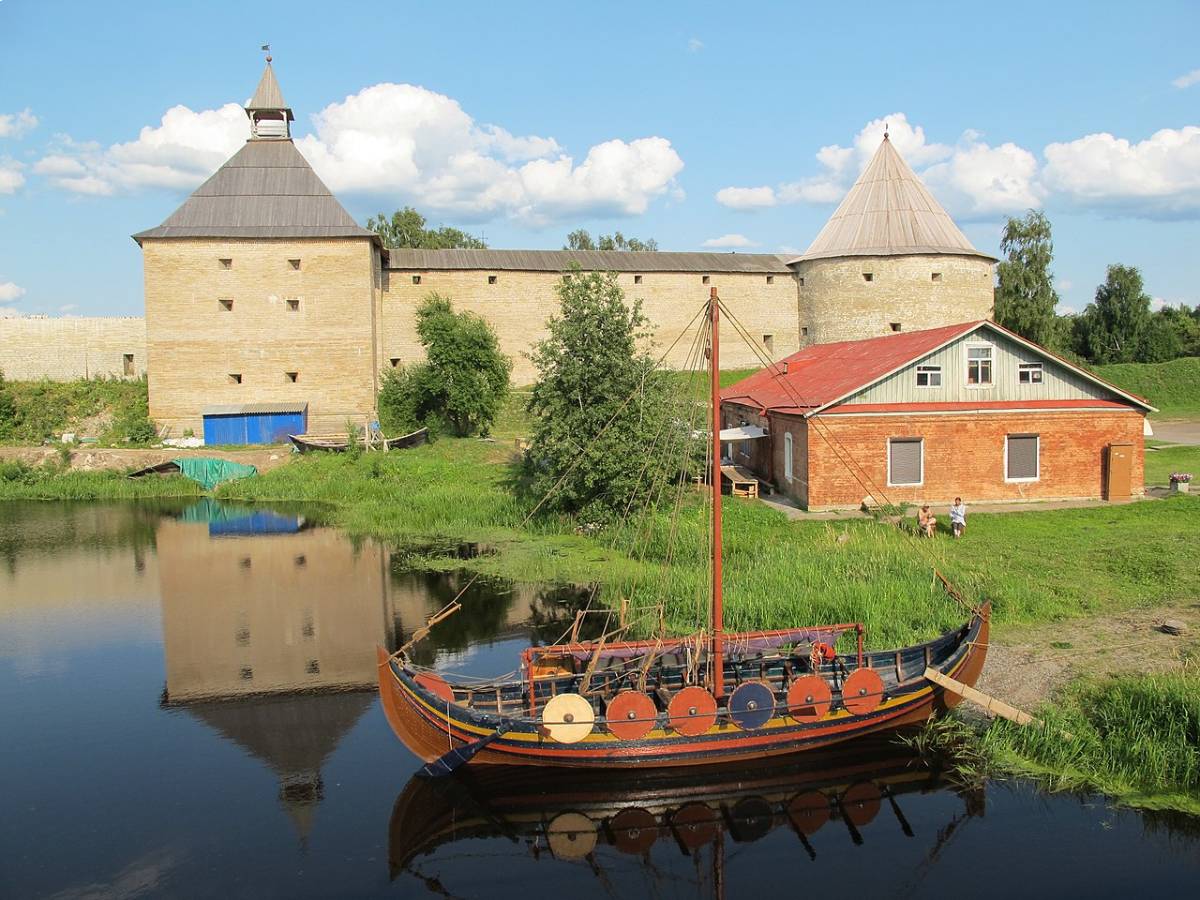
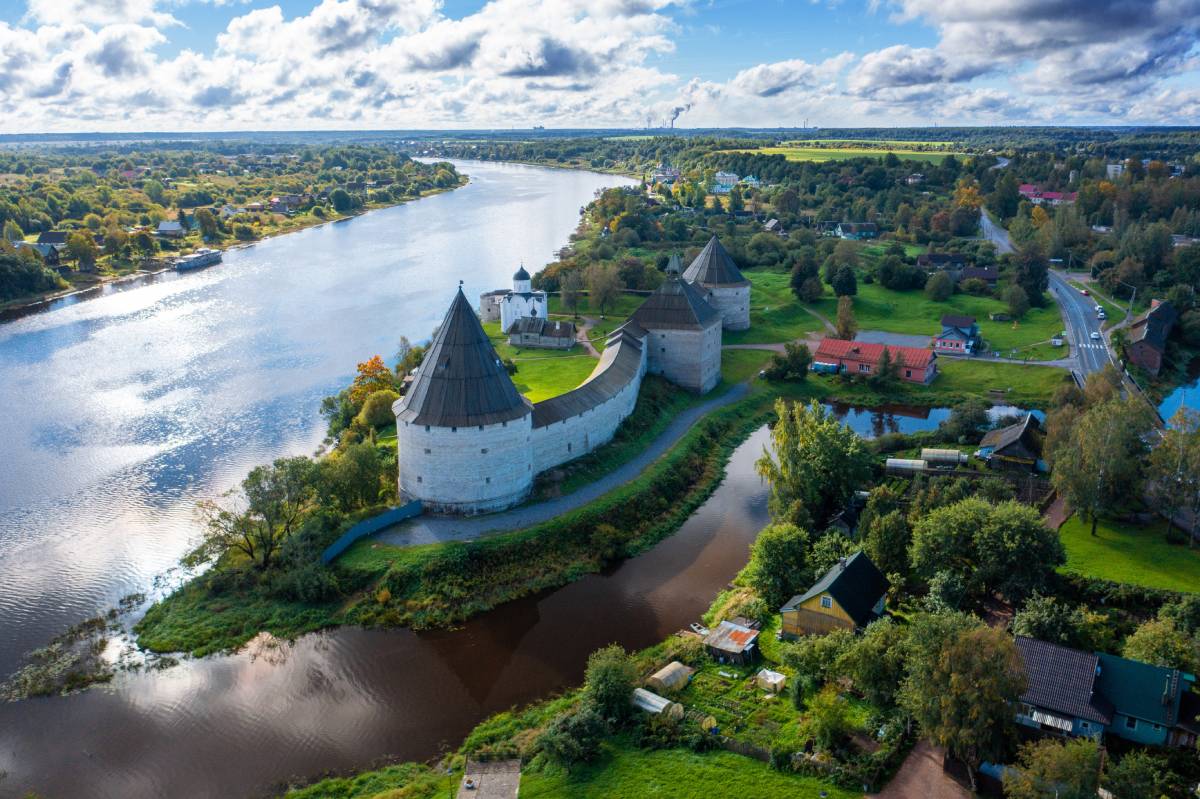
The 12th-century fortress marks a site where archeological evidence confirms an 8th-century Scandinavian settlement. Photo: Andrey Levin (CC BY-SA 3.0)
Decline in importance and Peter the Great's rebuild
Like all great cities, and indeed this one was little more than a large town by modern Russian standards, Staraya Ladoga rose and then fell.
Whilst it was situated near enough to the Scandinavian peninsula for people from Viking societies to initially flock there, other towns throughout the region soon grew in importance.
According to the medieval chronicles, Rurik eventually moved from here to settle in Novgorod, and his successors would eventually capture Kiev, today the Ukrainian city of Kyiv. These two cities soon grew in importance and became the cornerstones of the later medieval Novgorod Republic and the huge Kievan Rus.
Staraya Ladoga was relegated to a mere trading outpost when the Novgorod Republic came of age in the 12th and 13th centuries.
According to the Norse sagas, and who among us isn't susceptible to an entertaining if not necessarily historically accurate yarn, the town was ravaged and razed to the ground by a Jarl of Lade, Eric Haakonsson, in 990 CE.
By the early modern period, it had been overtaken in all its significance as a trading town and military outpost by other towns.
It would not be until 1704 and the reign of Peter the Great, arguably the literal and metaphorical builder of modern Russia, that the town saw a sort of renaissance.
He oversaw a new town, Novaya Ladoga (New Ladoga), built nearby with an important cathedral and shipyard.
The entire population of Staraya Ladoga was forced to move to the new town. The original town, centered around the fortress, became known as Staraya Ladoga, or, in English, Old Ladoga, to distinguish it from the original Viking-era town, which, some Russians argue, was the nation's "first city."
For those wanting an authoritative history of the entire Viking expansion eastward, we here at The Viking Herald cannot recommend Martyn Whitcock's incredible recent release, Vikings in the East: From Vladimir the Great to Vladimir Putin (available in e-book format or for preorder on Amazon here).
This work, which will surely become a seminal tome and modern classic, is the subject of our review here.
For further context on how medieval history is influencing modern Russian politics, visit The Conversation here.
We get to provide readers with original coverage thanks to our loyal supporters. Do you enjoy our work? You can become a PATRON here or via our Patreon page. You'll get access to exclusive content and early access.
Feel free to reach out to discuss potential stories that may be in the public interest. You can reach us via email at hello@thevikingherald.com with the understanding that the information you provide might be used in our reporting and stories.