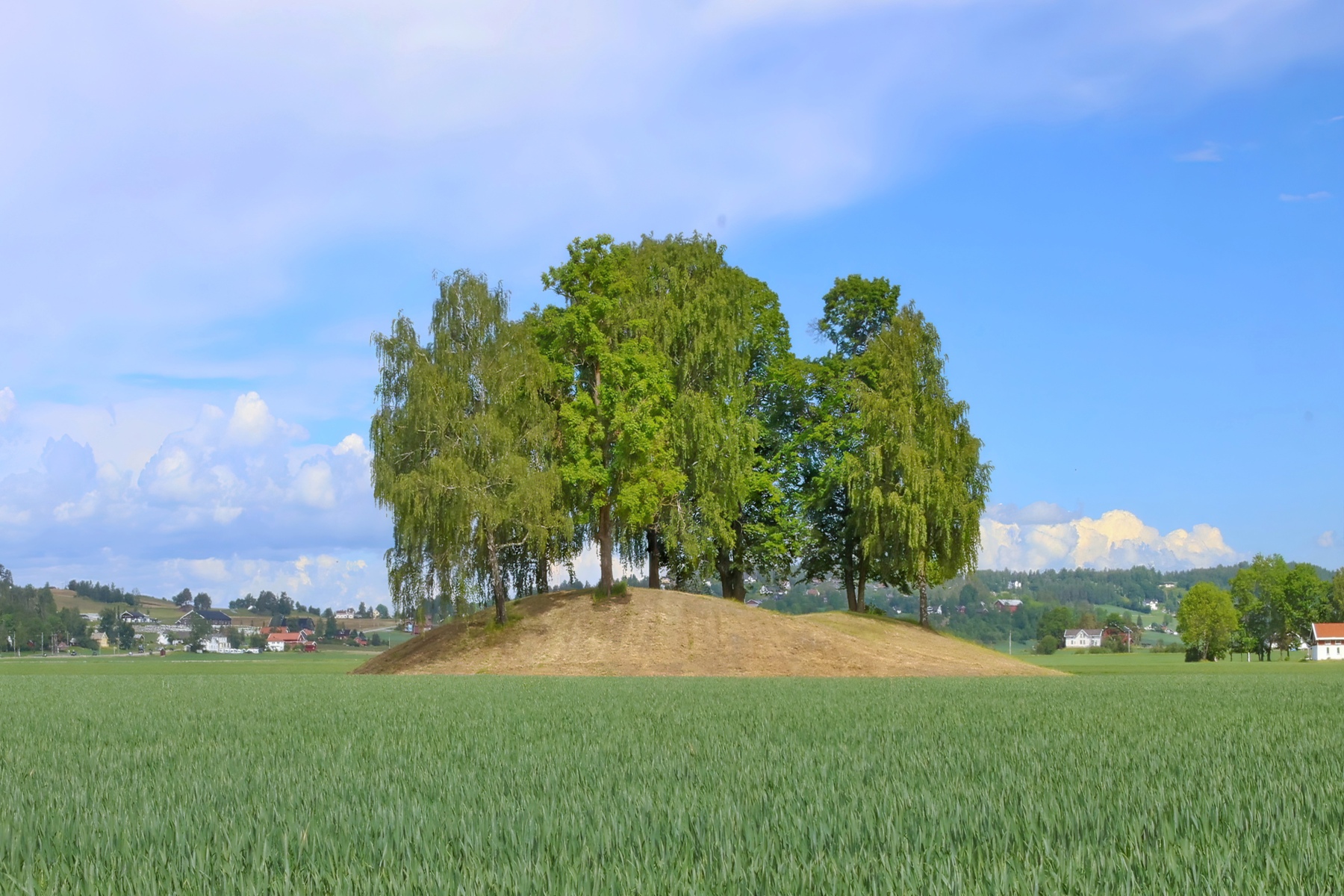


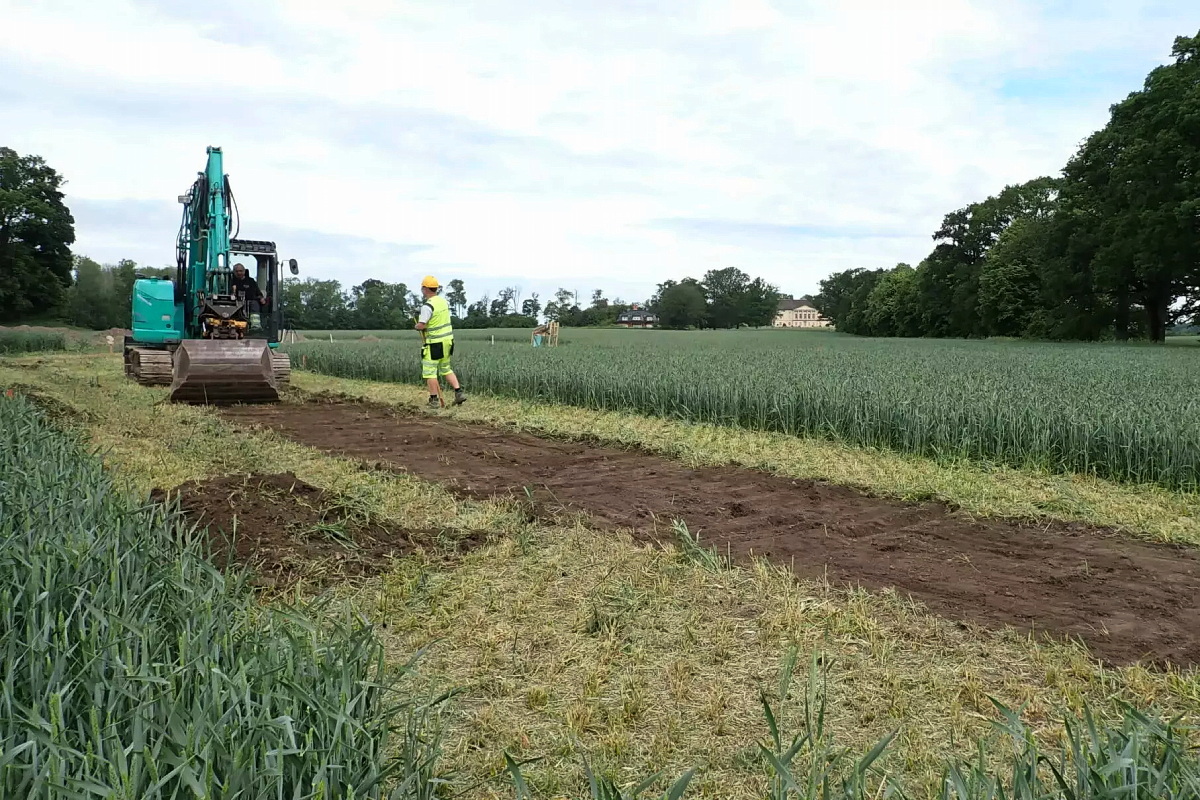
A team of archeologists has uncovered evidence of a Viking ship on the grounds of Jarlsberg Manor in Norway.
The discovery of 70 rivets – small metal pins used to fasten parts of a ship together – at the burial mound site suggests that a large Viking Age ship once lay beneath the field.
Ship rivets key to discovery
The story of this ship find actually stretches back to 2018, when a metal detectorist identified some rivets in a field close to Tønsberg, in southeast Norway.
With suspicions that the rivets may have come from a Viking ship, experts soon returned with ground-penetrating radar, which appeared to confirm there was once a burial mound at the site.
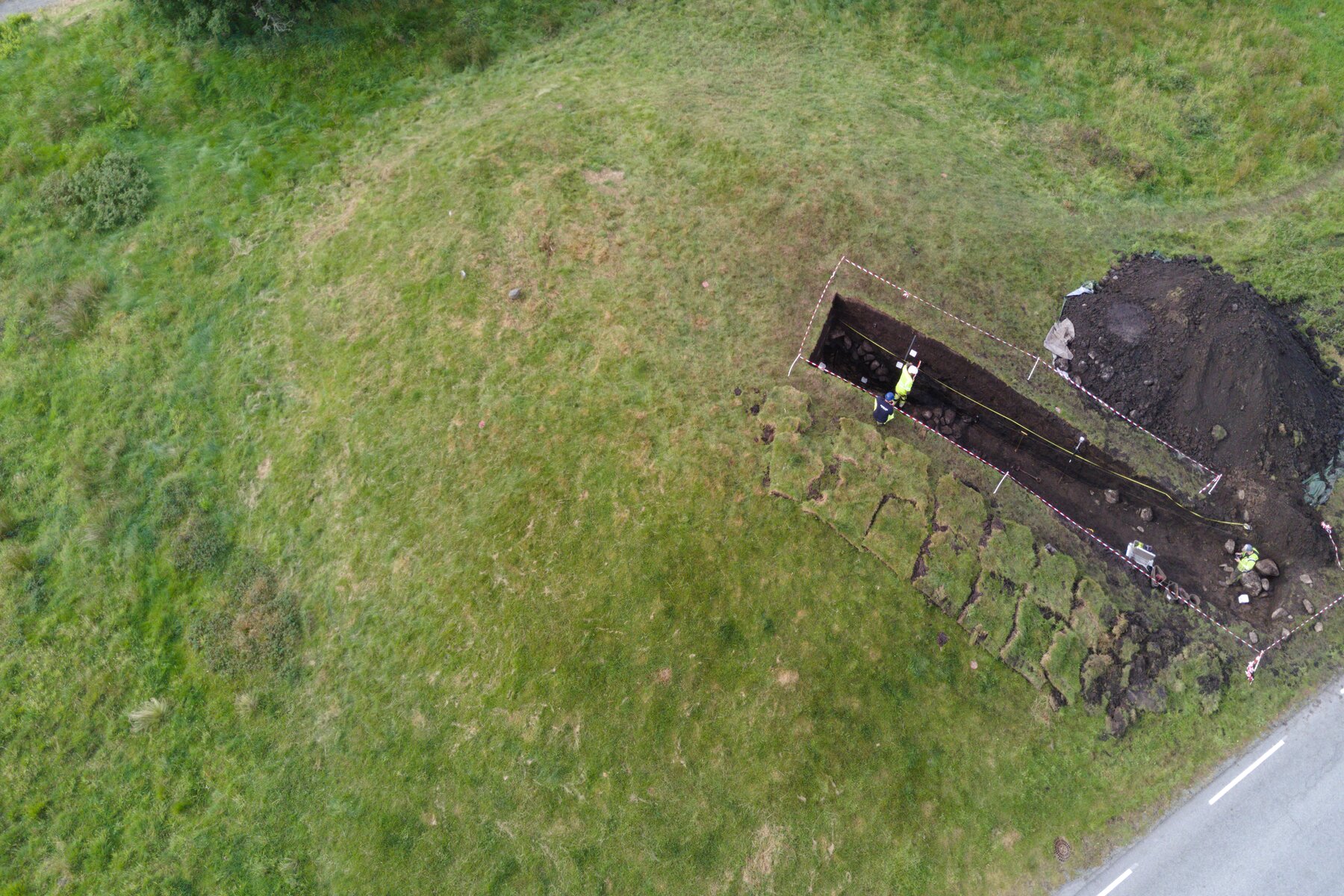
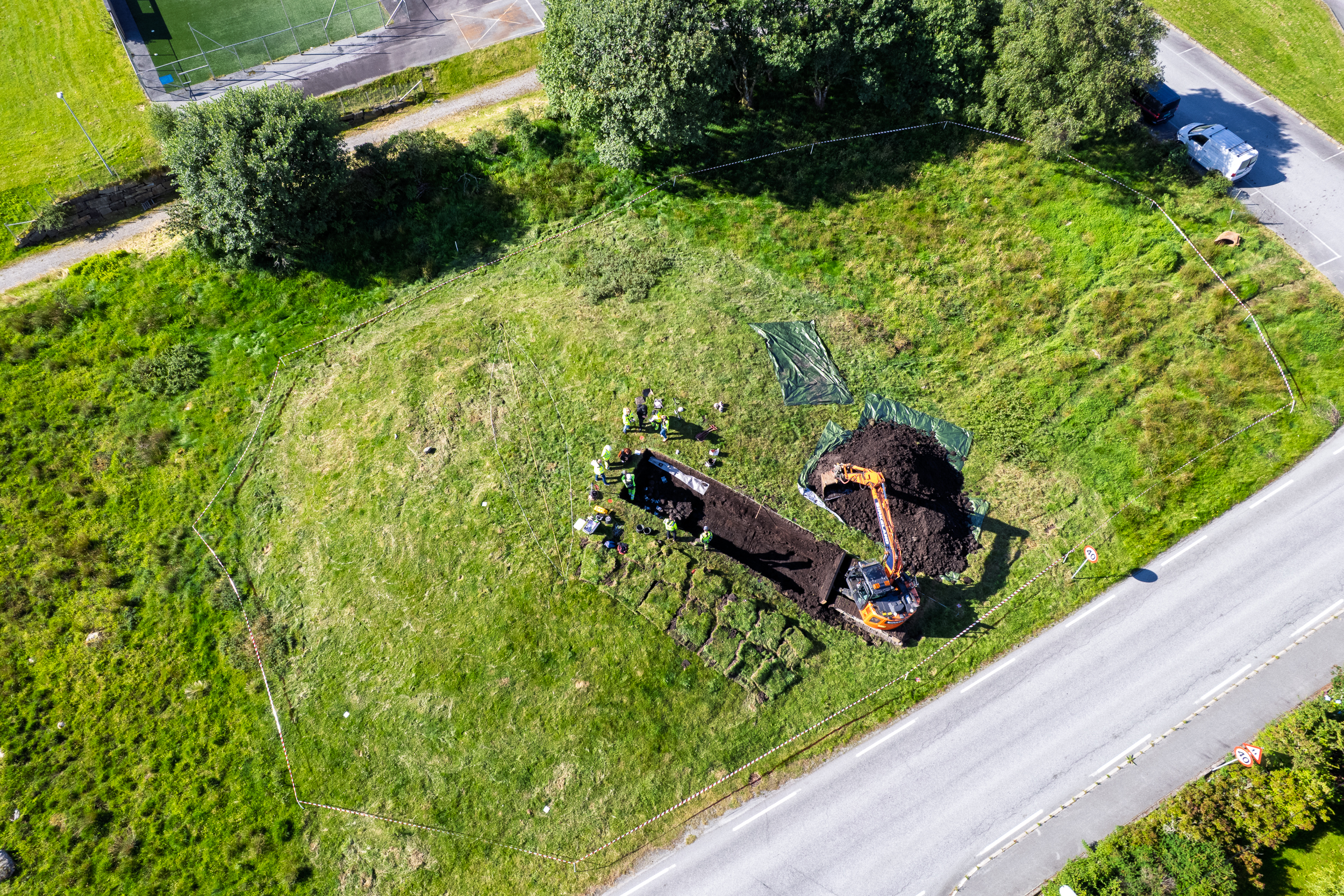
Although some further analysis was carried out in the subsequent years, it was only during two weeks of digging this summer that the archeologists, led by Christian Løchsen Rødsrud, were able to extract a total of 70 ship rivets.
They also succeeded in identifying two horse crampons – spikes attached to the hooves of horses to allow them to move in icy conditions.
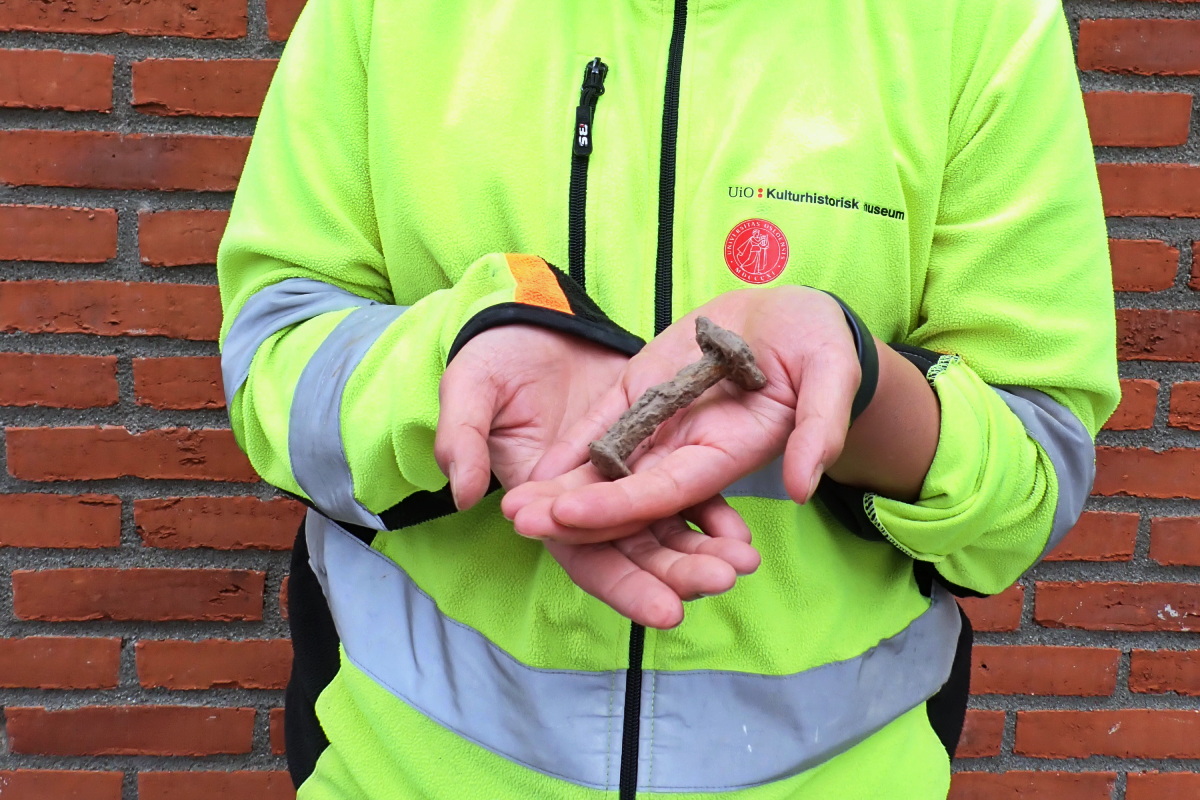
The discovery of numerous rivets, small metal pins used to secure parts of a ship, has led archeologists to believe that Jarlsberg is a ship burial site, even though other ship elements have not been found. Photo: Museum of Cultural History / University of Oslo
Strong signs
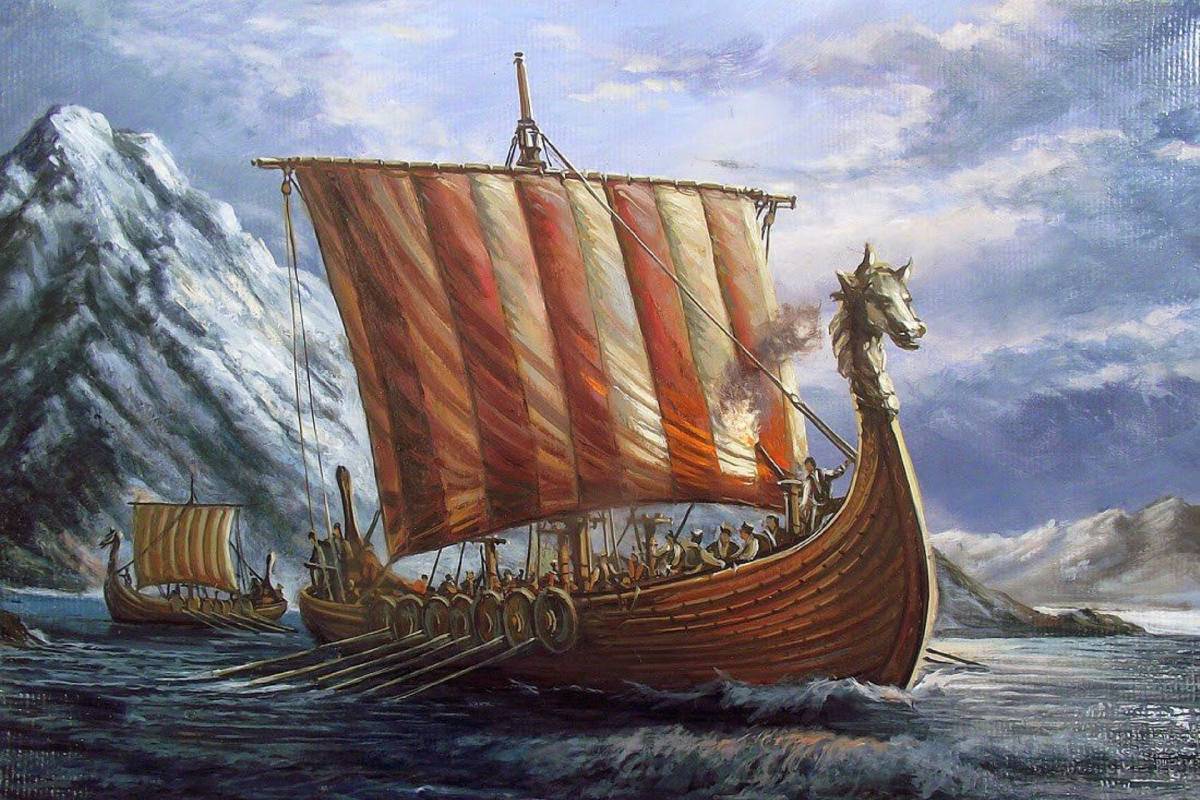
Historians have known about the practice of Viking ship burials for centuries. The Norse often buried important leaders in a large boat, usually alongside a selection of grave goods that they could take with them to the next world.
Several examples have been found throughout Scandinavia, most famously the Oseberg ship, which was discovered in the Norwegian town of Tønsberg in 1904.
At the same time, there have been relatively few finds in recent years in Norway. The Gjellestad ship, found in 2018, was the first such find in a century. Another possible ship burial on the island of Leka is believed to precede the Viking Age by 100 to 200 years.
Although the archeological team has not yet been able to identify other elements of the ship at Jarlsberg, the number and size of the rivets mean they are now convinced the mound is the site of a ship burial.
Recent metal searches have also identified hundreds of further signals from the field, indicating the possible presence of more rivets and also grave goods.
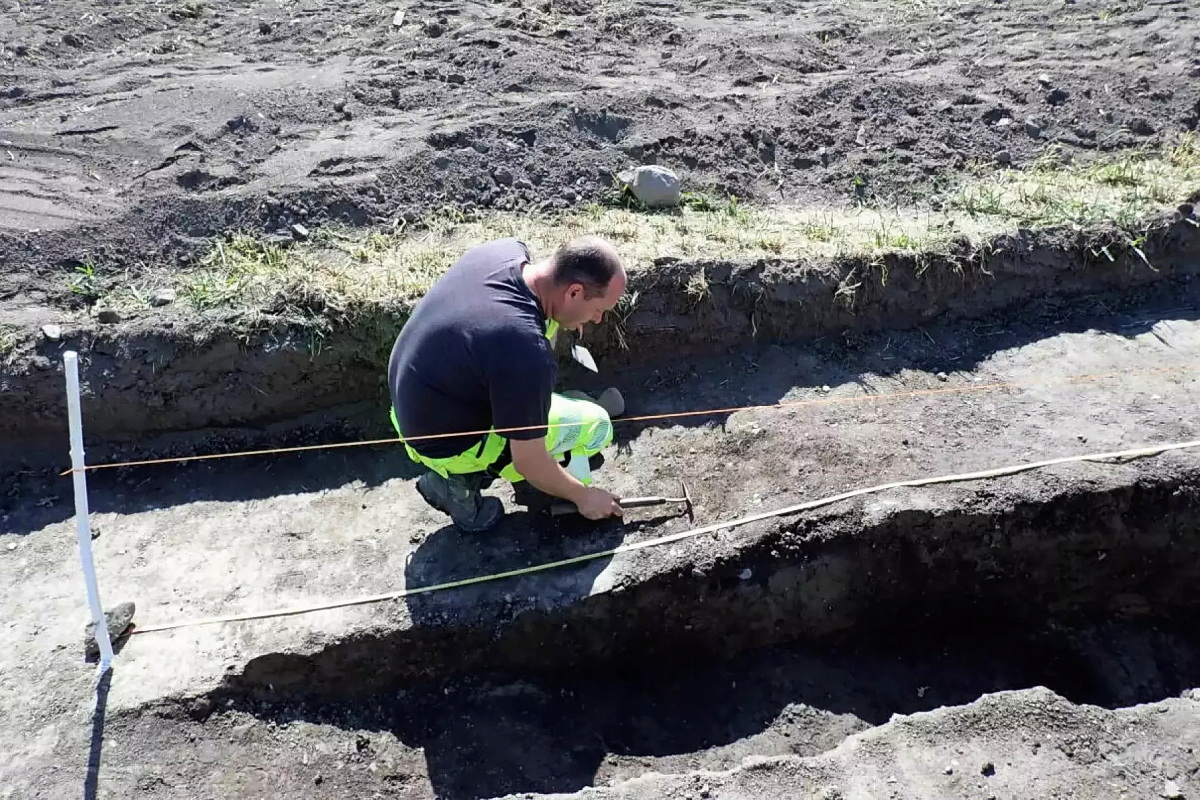
Historians speculate that the ship burial at Jarlsberg Manor could be the final resting place of Bjørn Farmann, the son of Harald Fairhair and a prominent king in the Vestfold region. Photo: Museum of Cultural History / University of Oslo
The final resting place of Bjørn Farmann?
It is believed the ship burial could mark the grave of Harald Fairhair's son, Bjørn Farmann, who was the king of the Vestfold region and the possible founder of Tønsberg.
After Harald's death, it is thought Bjørn was killed around 934 by his older brother Eric Bloodaxe in a struggle for power at the Sæheimr settlement, now the village of Sem.
The fact that Jarlsberg Manor is located just two miles northwest of Tønsberg and slightly east of Sem makes it a plausible location for the burial site of Bjørn Farmann.
It is also close to another burial mound excavated by the archeologist A.W. Brøgger in 1917-1918, which became known as Farmann's mound.
For now, however, further exploration is required to make more definitive claims.
Radar scanning has indicated there are a series of other possible burial mounds in the surrounding area, and the team has stated that there may be opportunities for further excavation and analysis at the Jarlsberg site.
We get to provide readers with original coverage thanks to our loyal supporters. Do you enjoy our work? You can become a PATRON here or via our Patreon page. You'll get access to exclusive content and early access.
Feel free to reach out to discuss potential stories that may be in the public interest. You can reach us via email at hello@thevikingherald.com with the understanding that the information you provide might be used in our reporting and stories.