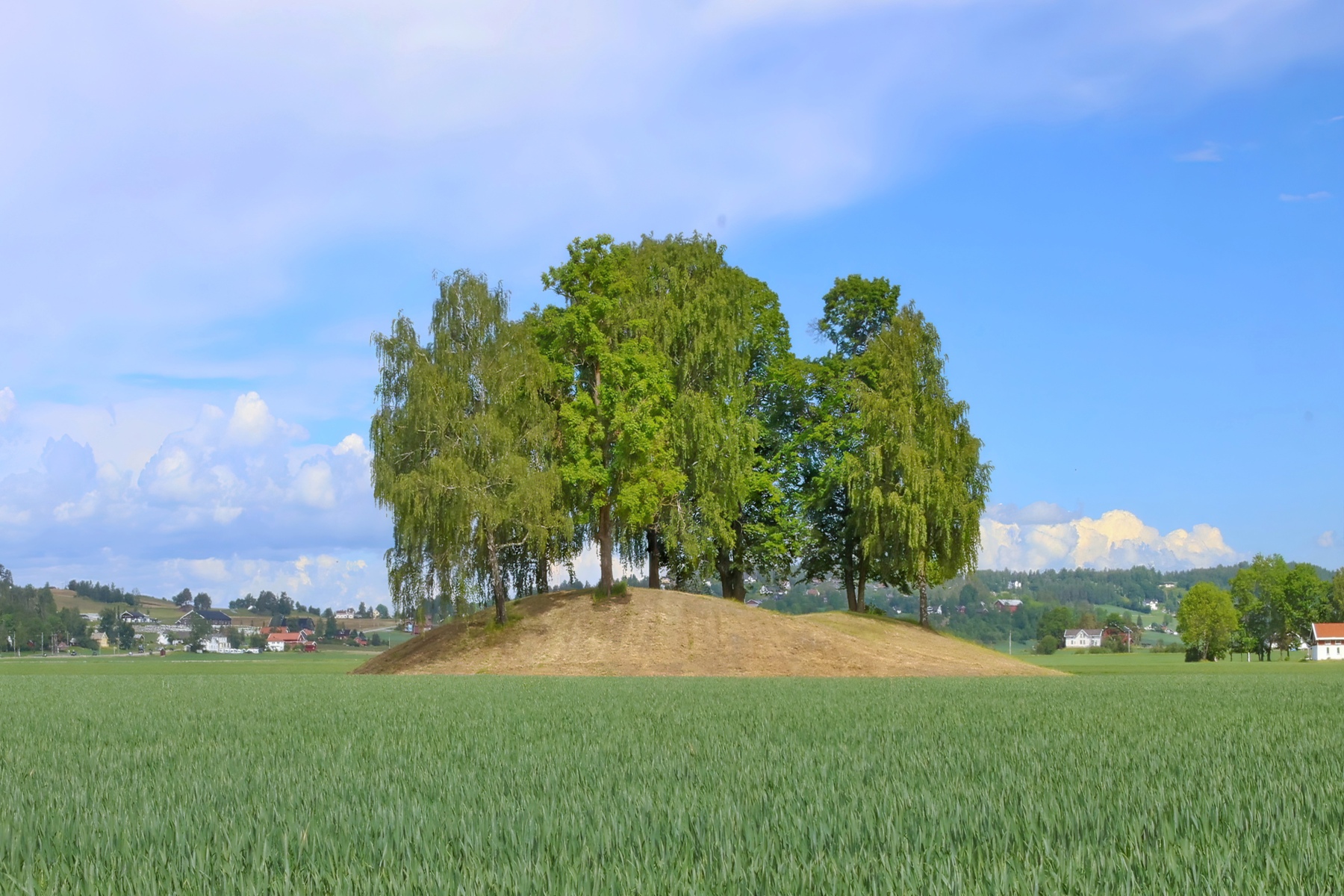


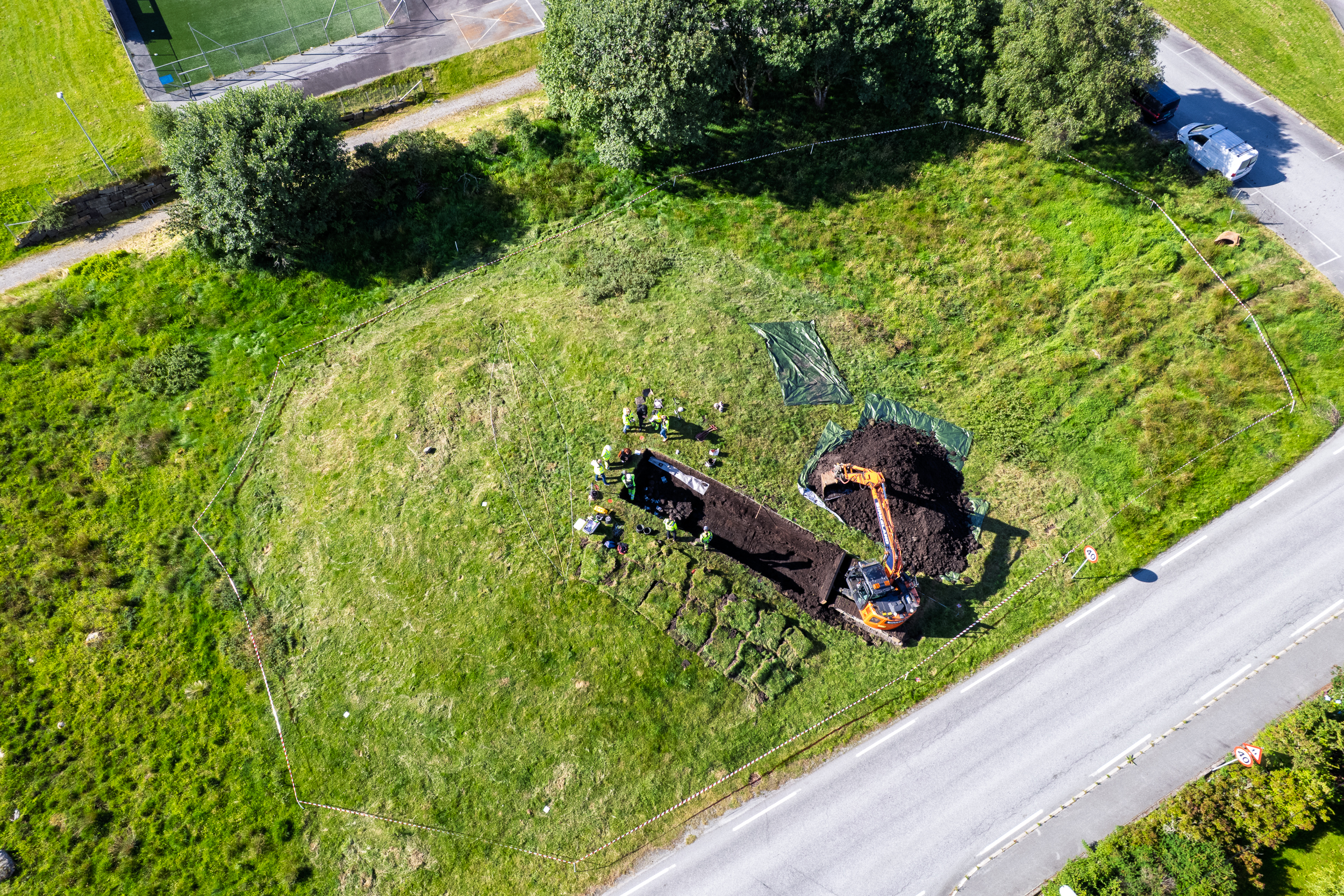
Experts from the Archaeological Museum at the University of Stavanger are currently opening up the historic Grønhaug burial mound on the Norwegian island of Karmøy. It is the first time in 124 years that archeologists have investigated the mound, which has been dated to the 9th century.
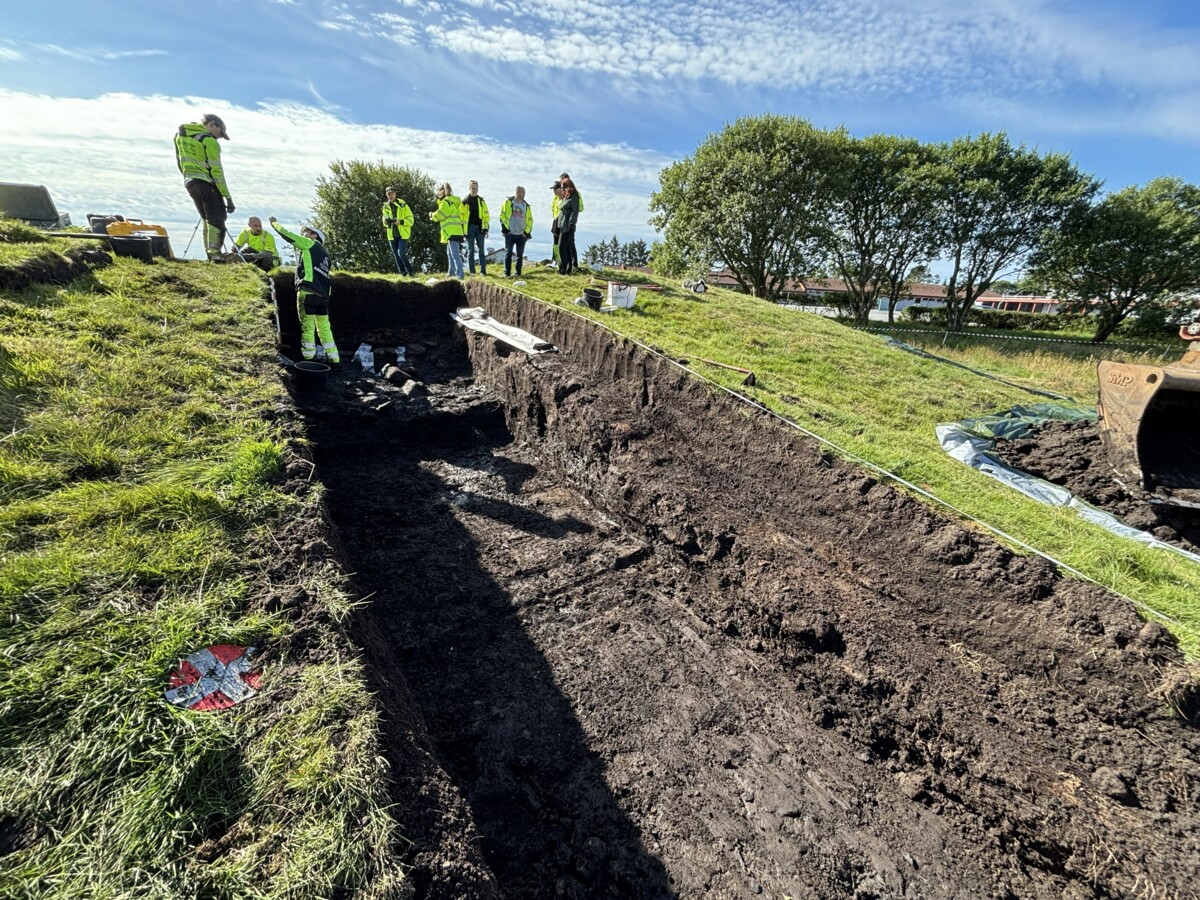
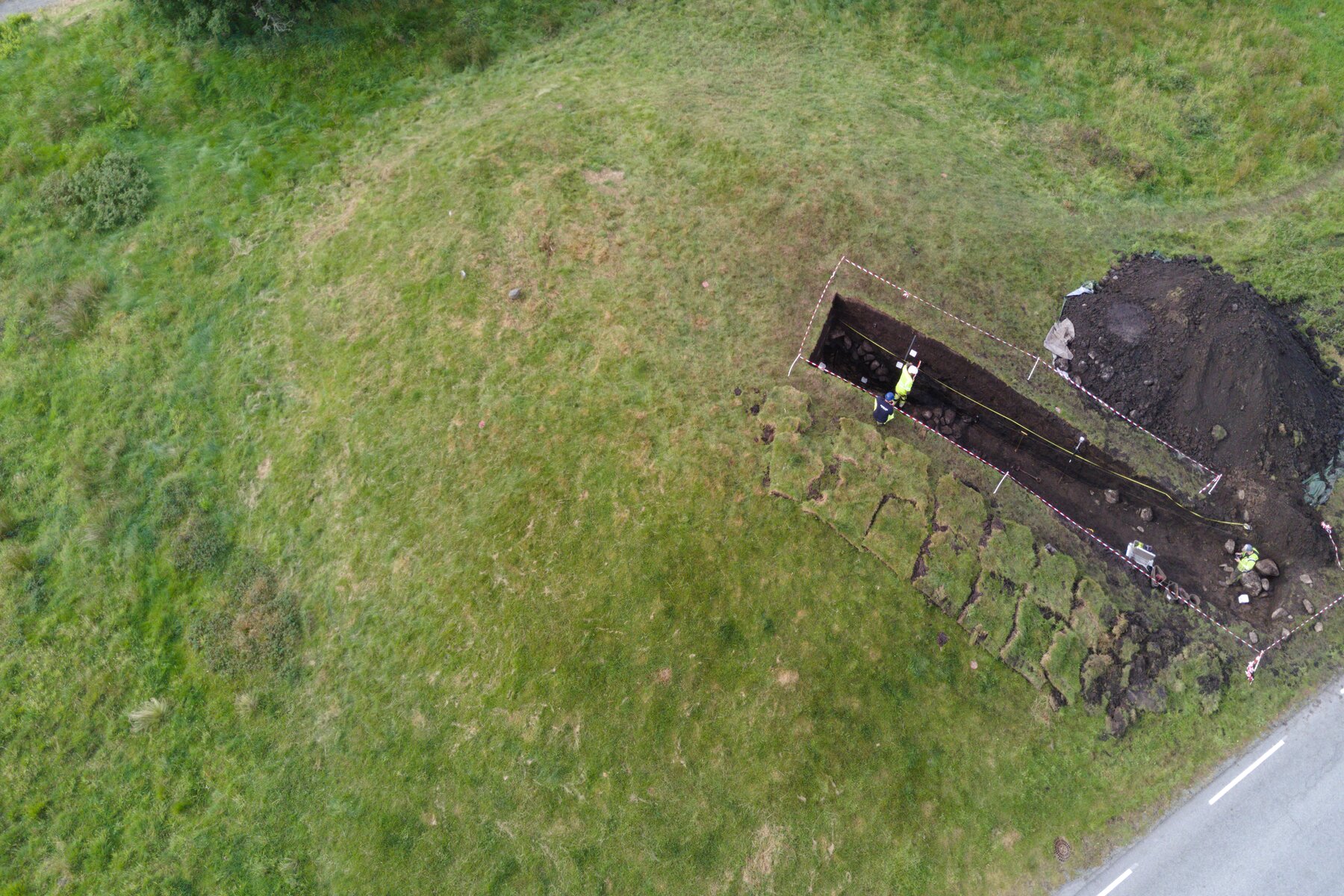
In this shaft, the archaeologists will enter Grønhaug. Image: Jan Magnus Weiberg-Aurdal, Norwegian Ministry of National Heritage
A second chance
Grønhaug burial mound was first investigated in 1902. The excavations revealed a ship’s grave from the second half of the 9th century. The ship is made of oak and measures 15 meters in length, while the mound itself is 30 meters long.
The new project, which has been commissioned by the Norwegian Ministry of Cultural Heritage in collaboration with Rogaland County Municipality, will investigate the original find – still in situ. The team has already excavated a trench leading into the mound.
“Much of the shipwreck has been preserved, so there is a lot here that has been untouched since the Viking Age. We don't know what we will encounter,” commented Associate Professor of Archaeology, Marie Ødegaard in a recent press release.
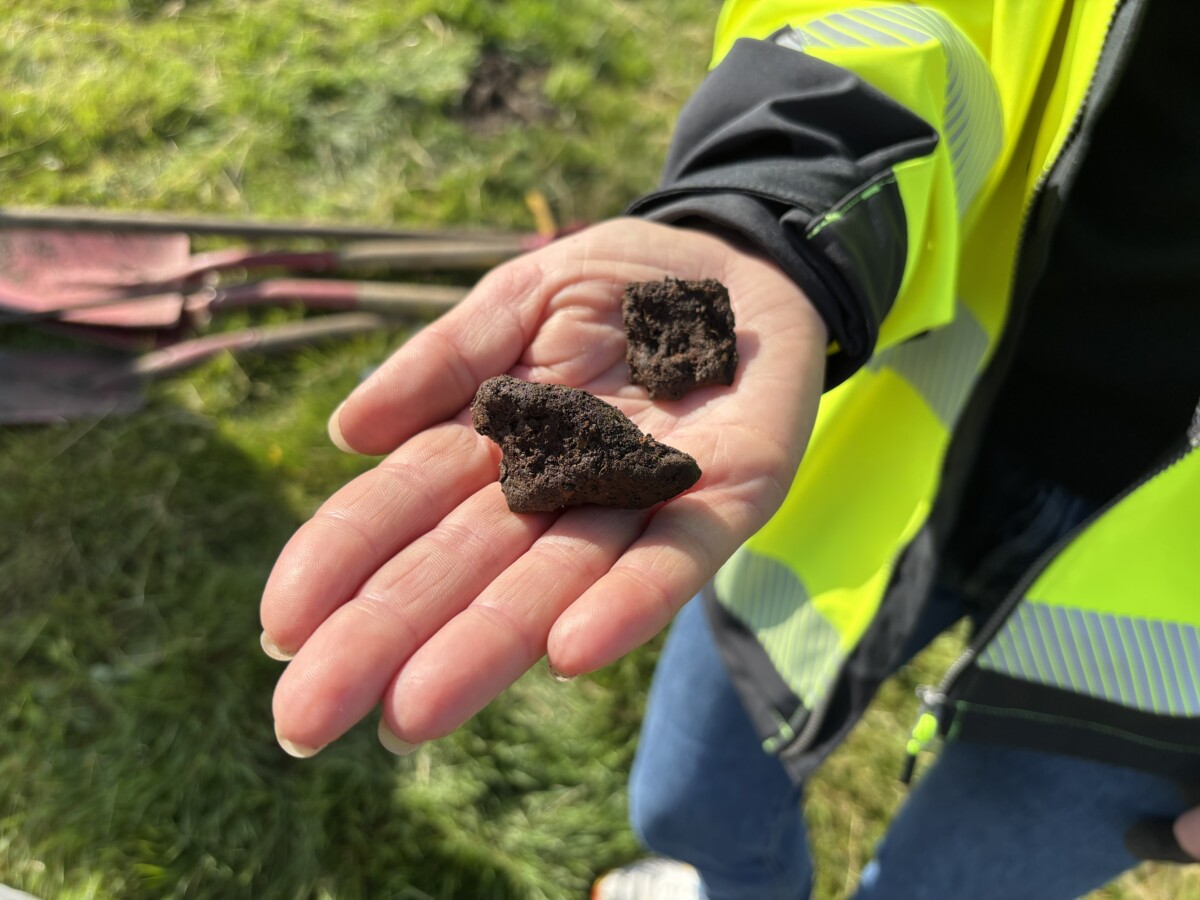
Hanna Geiran holds up two of the ship nails from the Viking ship that have been found so far. Image: Jan Magnus Weiberg-Aurdal, Norwegian Ministry of National Heritage
An island steeped in history
Located in Rogaland county on the south-west coast of Norway, Karmøy has revealed a history of human settlement stretching back to the Stone Age. The island was particularly important in the early Viking Age (approx 790-1066 CE) – Harald Fairhair is thought to have maintained a large manor at the settlement of Avaldsnes around the time of the Grønhaug ship burial.
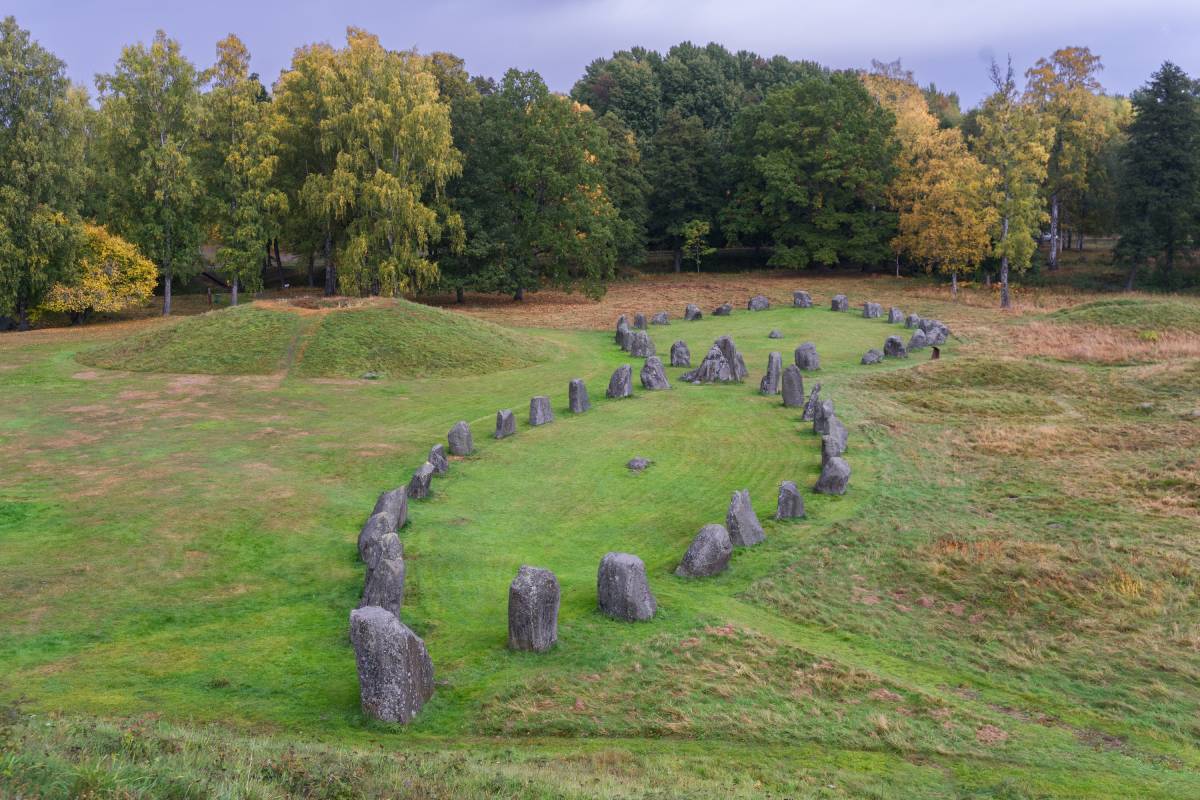
The island is also home to a number of ship and boat burials, including Storhaug and Salhus. While many burials have been dated to the Viking Age, there are also several Bronze Age grave sites located close to Grønhaug. As a result, some experts believe the Grønhaug site may have initially been constructed in the Bronze Age, before further additions were made in the 800s.
Although a major fire in the second half of the 20th century likely damaged some parts of the mound, it is hoped the new investigations will reveal more about both the age of the site and its contents.
“This will be incredibly exciting, and I myself am very excited,” National Heritage Commissioner Hanna Geiran commented in the press release. “The ship burial mounds in Norway are unparalleled in the world, and on Karmøy they are unique. Here they are located closer together than in the rest of the country. This is like Christmas Eve for all of us who love the Norwegian Viking heritage. ”
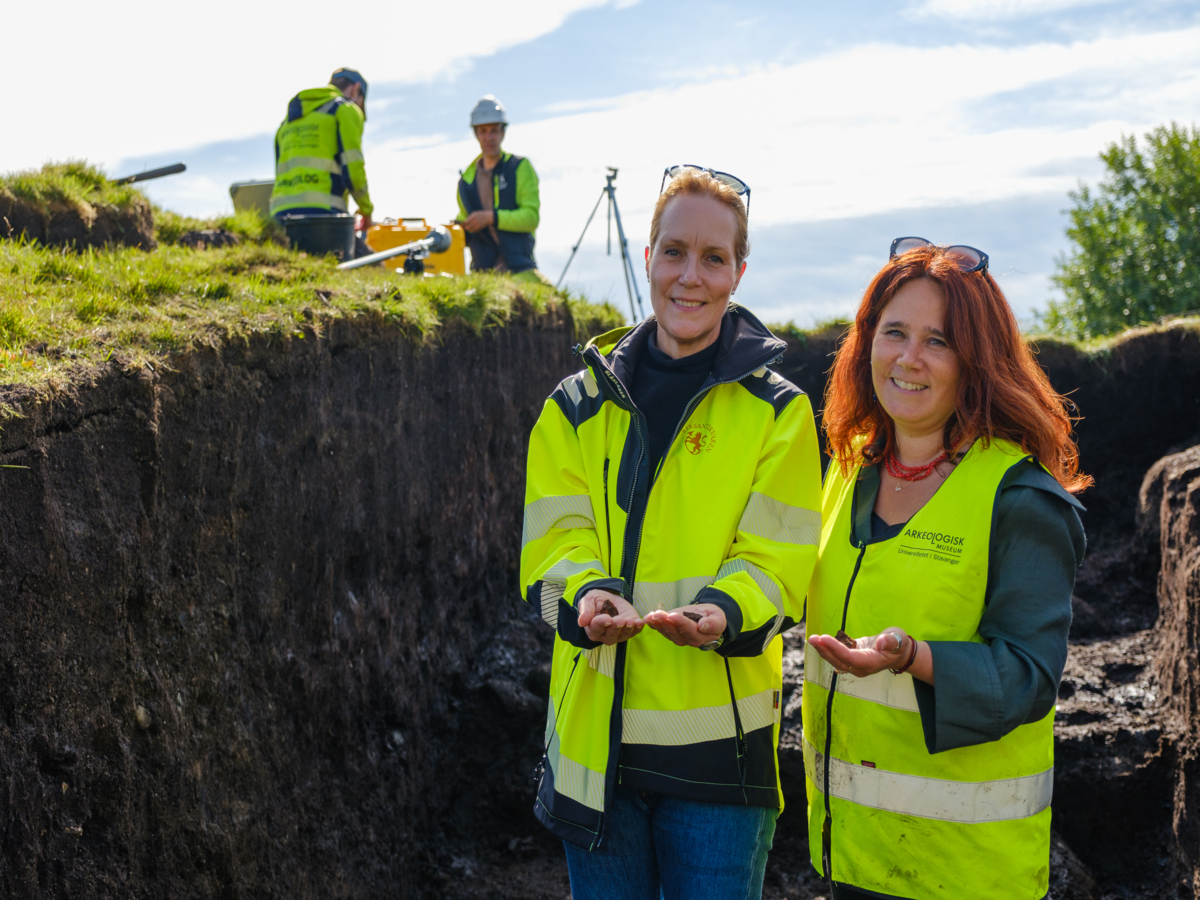
Hanna Geiran (left) and museum director Kristin Armstrong-Oma at the Archaeological Museum at the University of Stavanger, with some ship nails found in the mound. Image: Øyvind Nesvåg, Rogaland County Municipality
The bid for World Heritage status
The Grønhaug site is also part of the Norwegian Ministry of Cultural Heritage's bid for Norway’s ship burials to be placed on UNESCO’s list of World Heritage Sites. These sites include Gjellestad, Storhaug, and Myklebust, alongside Oseberghaugen and Gokstadhaugen in Vestfold County, originally home to the famous Gokstad and Oseberg ships.
The identification and exploration of sites such as Grønhaug are essential for the application. Though extremely significant, the Gokstad and Oseberg ships were both removed from the place where they were first discovered.
To qualify for World Heritage Site status, Norway also needs to present ship burials that are still preserved in situ. Now, it is hoped the ongoing investigations at Grønhaug will reveal more about its history and help push forward the application to UNESCO.
“We want to learn more about Grønhaug, and gain new knowledge about the historically important cultural landscape along Karmsundet and a possible nomination for World Heritage,” commented Hanna Geiran. “There is still a lot we don't know about this ship burial mound.”
We get to provide readers with original coverage thanks to our loyal supporters. Do you enjoy our work? You can become a PATRON here or via our Patreon page. You'll get access to exclusive content and early access.
Feel free to reach out to discuss potential stories that may be in the public interest. You can reach us via email at hello@thevikingherald.com with the understanding that the information you provide might be used in our reporting and stories.