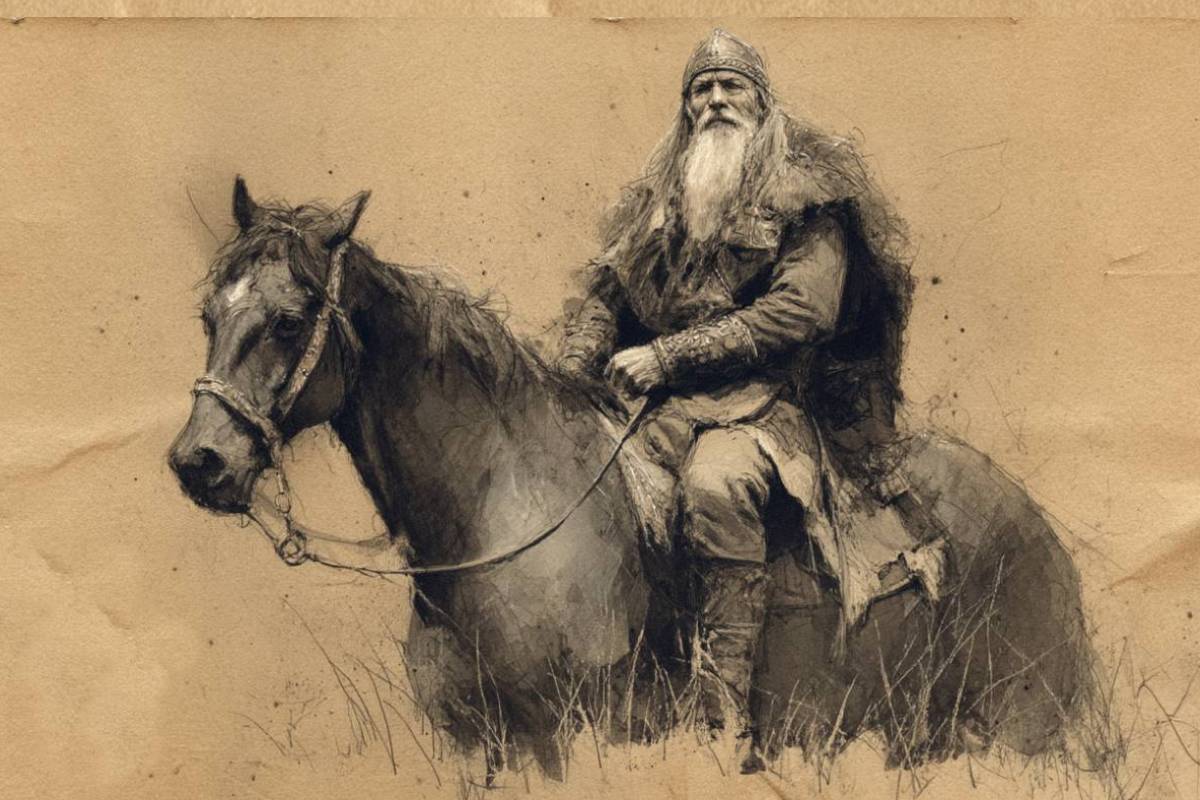


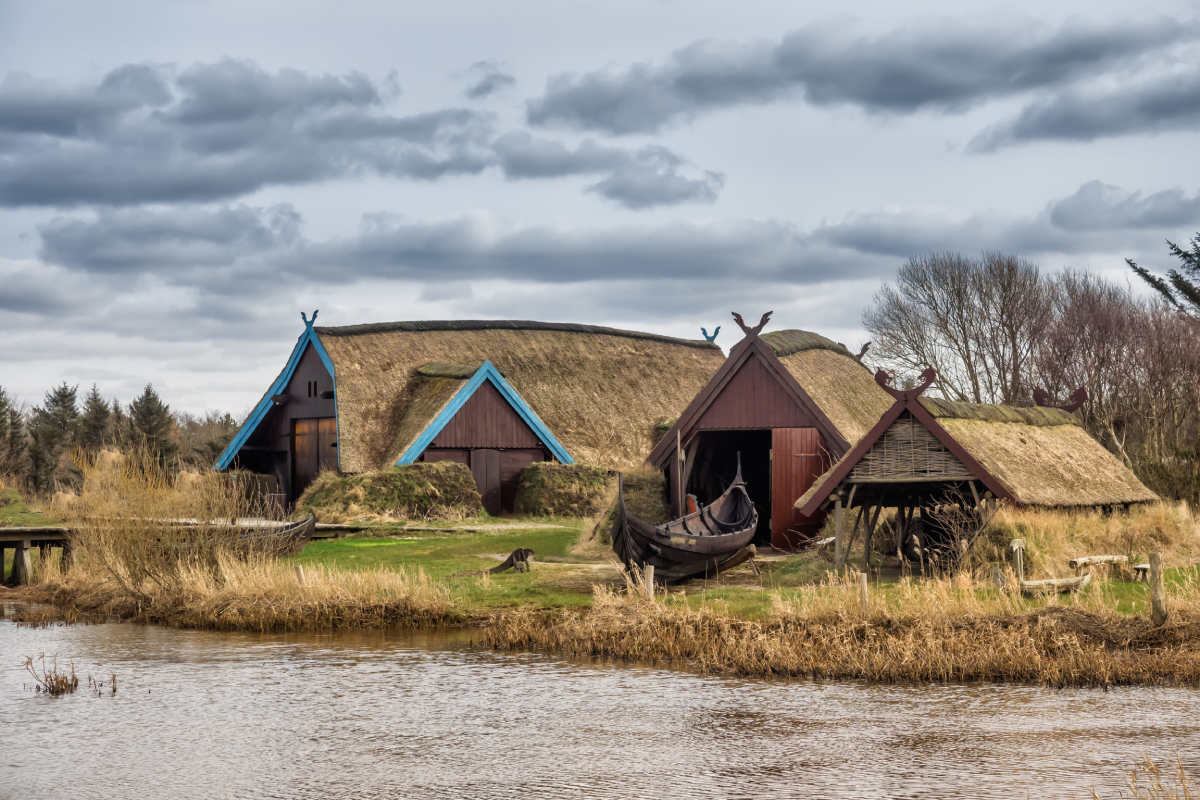
The Viking Phenomenon, one of the most intriguing and potentially groundbreaking Viking studies of recent times, is reaching its final stages.
The Viking Herald speaks to the archaeologist, bestselling author, and leader of the project, Neil Price, about the achievements so far and what we can expect in the coming months.
An expansive exploration
The project, which was first initiated in 2015, saw the establishment of a new center of excellence at the University of Uppsala for the study of the Viking Age.
Neil, who is the author of Children of Ash and Elm (available on Amazon here), which provides a comprehensive history of the Vikings, was appointed to the position of Distinguished Professorship at the Swedish university to lead the ten-year investigation.
"The project was my own design and the result of a funding application I made to the Swedish Research Council," Neil tells The Viking Herald.
"They generously agreed to support the work for ten years, 2016 to 2025." The project was also awarded a supporting budget of 50 million Swedish krona (approximately USD 6 million).
Although some of the research has naturally focused on the famous sites of Valsgärde and Gamla Uppsala – both situated close to the University of Uppsala – there has also been a conscious effort to create a more international scope.
In addition to Uppsala and the Swedish History Museum, the project has also involved collaborations with the universities of Tallinn and Tartu in Estonia, as well as a number of institutions, archeologists, and scholars from around the world.
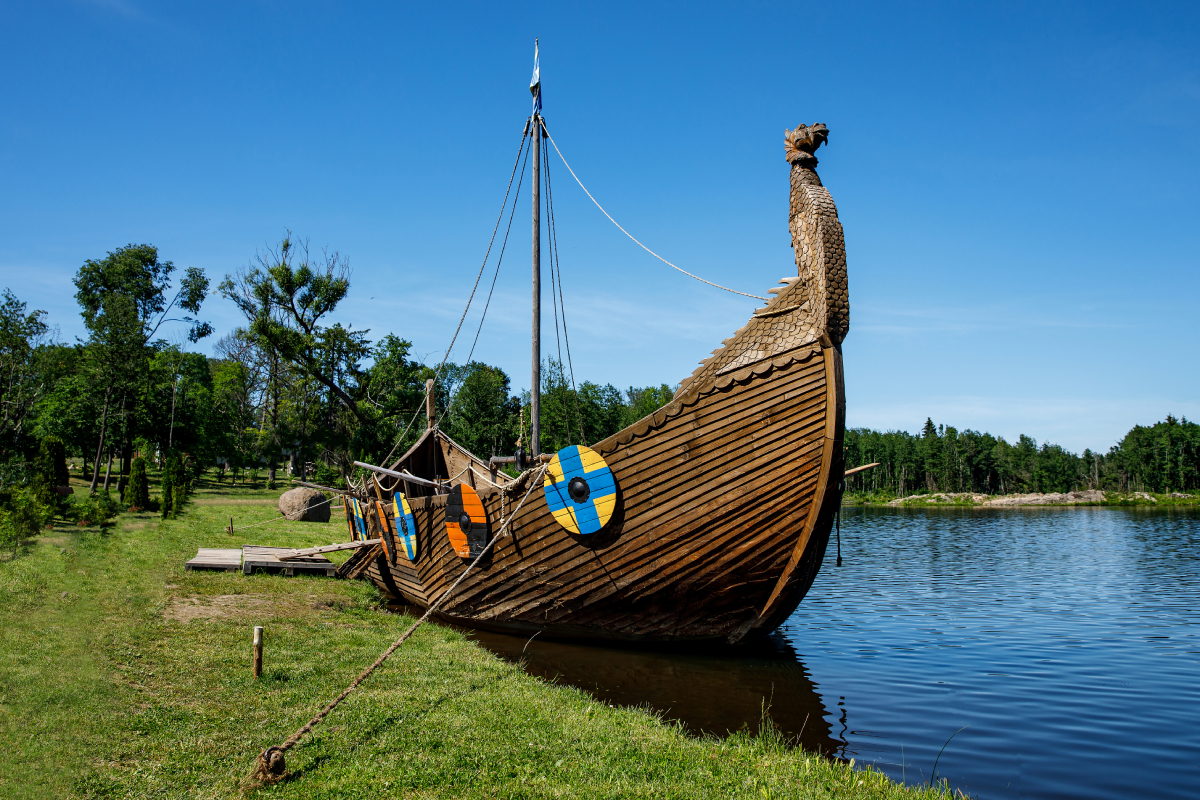
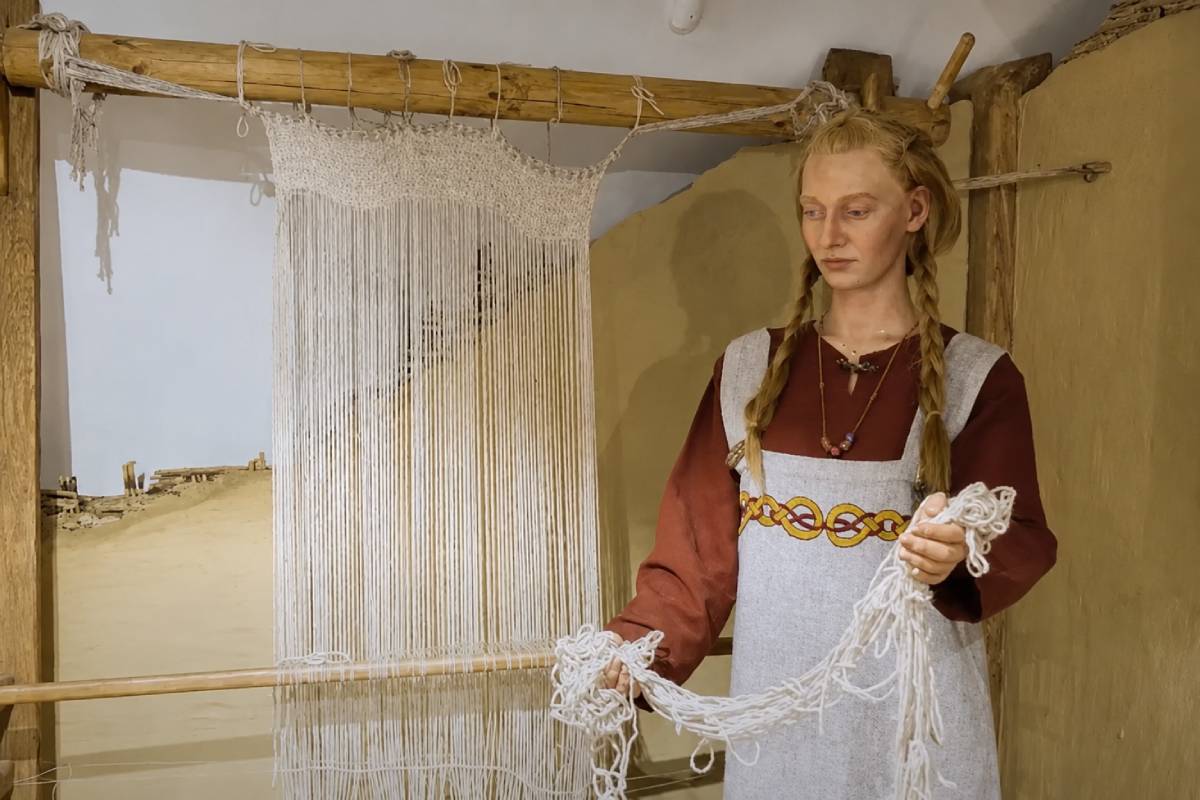
The project challenges outdated interpretations of the Viking Age, moving beyond traditional chronology. Photo: Piotr Piatrouski / Shutterstock
Exploring the Viking diaspora
Encompassing an extensive field of research in a number of disciplines, the Viking Phenomenon also seeks to move beyond outdated interpretations of the Viking Age.
"The so-called Viking Age was long seen in terms of traditional chronology (the Lindisfarne raid of 793 to the Battle of Stamford Bridge in 1066) and also as an 'expansion' in which the Scandinavian peoples supposedly exploded into the world with fire and sword," Neil explains.
"At the same time, scholars have long revised this in terms of a fuzzier time scale and also introduced the concept of a diaspora – a more haphazard way of seeing people moving across a vast area over a long period of time, each with their own agendas and motivations," Neil continues.
"This resulted in dispersed settlement, occasional violence, and long-ranging trade connections, all with feedback into the North as well as out of it."
"But how did all this begin, when did it happen, and why? How should we define it? Why do we think of a Viking Age at all?"
"The project seeks answers to these questions by examining the 'Viking phenomenon,' considering both events in the distant past and their enduring legacies today."
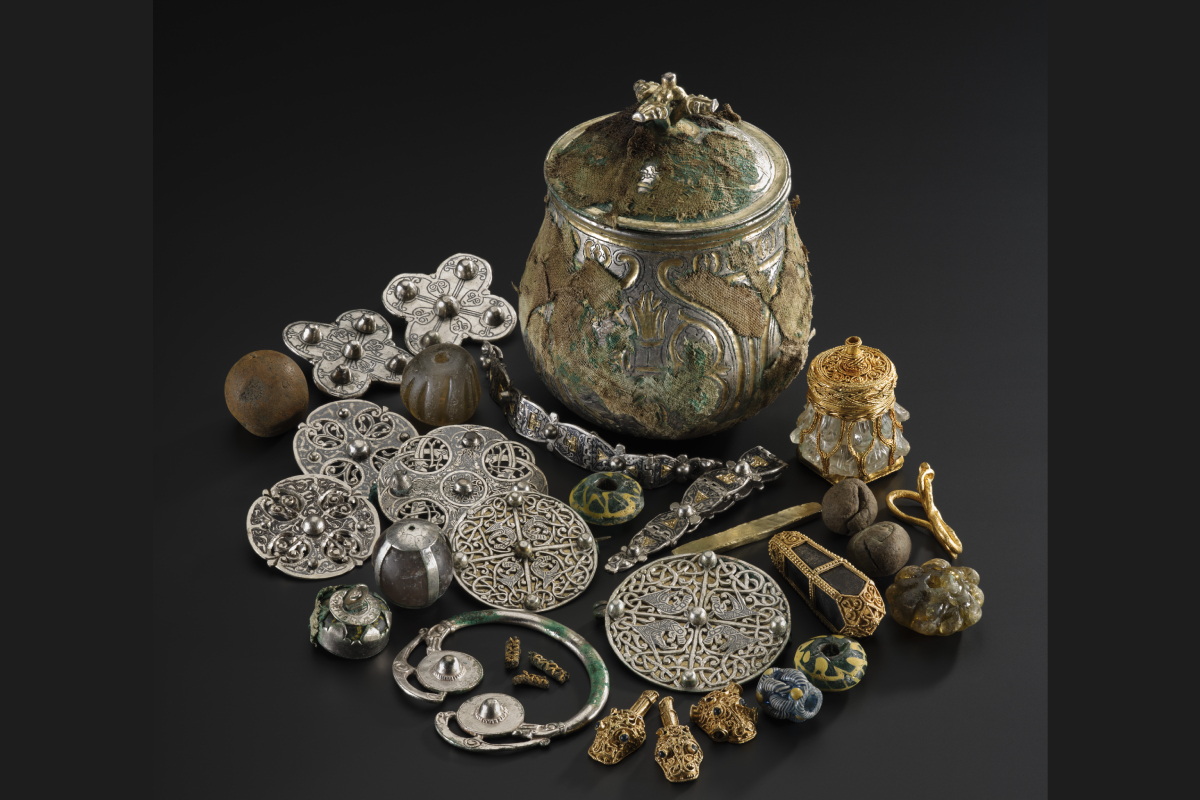
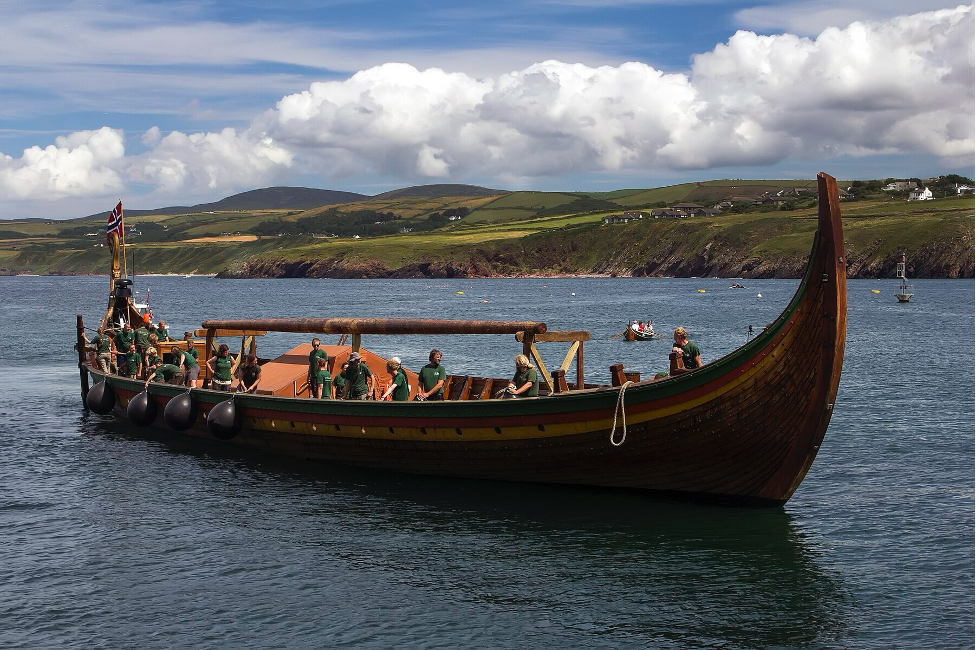
Evidence shows that trade with distant regions, including Asia, was taking place by the 500s, preceding the Viking Age. Photo: National Museums Scotland
Raiders and enterprise
Neil informs us that The Viking Phenomenon has already produced more than a dozen books and edited volumes, as well as over a hundred journal papers and book chapters.
Some of the other main issues examined include the complex and multicultural roots of Scandinavian identity, the role of women and men in Viking culture, and the prominence of slavery in Viking life.
Much of the work, however, has focused on exploring specific Scandinavian enterprises around the beginning of the Viking Age and how and why they were pushed to expand beyond the shores of their own region.
This research has included an analysis of the networks that motivated the early raiders and how these networks helped sustain their continued existence.
"Raiding had long been a feature of domestic Scandinavian politics, but the difference is that it then began to be projected outward," Neil tells The Viking Herald.
"Long-distance trade, including to Asia, had also been ongoing since at least the 500s, but the Viking Age saw a significant development of this and the increasingly proactive involvement of Scandinavians themselves."
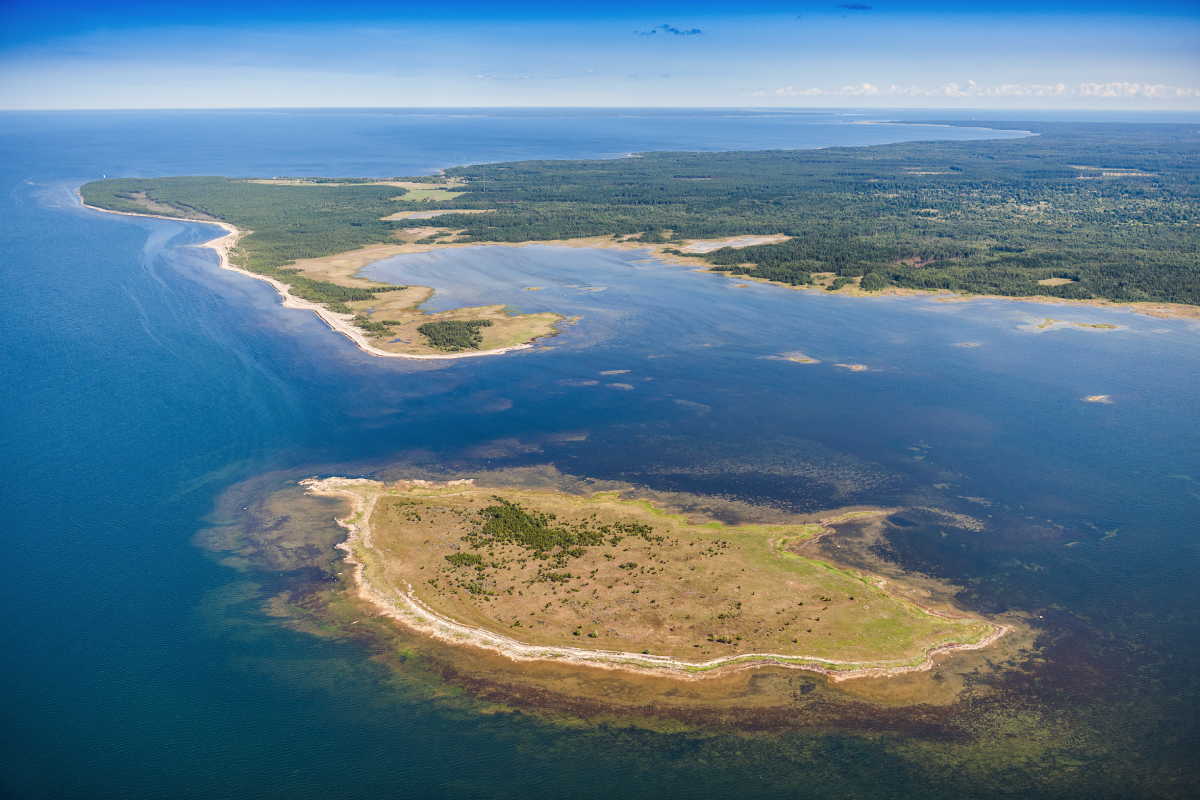
The project co-funds research into the Salme burials on Saaremaa Island in Estonia, an important pre-Lindisfarne find. Photo: Miks Mihails Ignats / Shutterstock
Looking east
In relation to this, the project has also examined what can be termed "pirate polities" – Viking settlements away from Scandinavia that drew their resources from local lands and abroad.
This focus led to the collaboration with Tallinn University in Estonia. "The Estonian components of the project relate to the discovery in 2008 and 2010 of two boat burials at Salme on the island of Saaremaa, containing the bodies of at least 41 men who clearly died in battle," Neil tells us.
"From isotope analysis, DNA, and artifact studies, they came from central Sweden (with a handful from Gotland), and the Salme burials seem to be the result of what amounts to a Viking raid or something very much like it.
"They provide crucial evidence for the early phases of raiding expeditions, heading east rather than west. The project is entirely Estonian and run by Tallinn University."
"However, due to the importance and relevance of the find, our project has been co-funding the post-excavation program and related publications."
"The first volume appeared a year ago, and the second is being completed now."
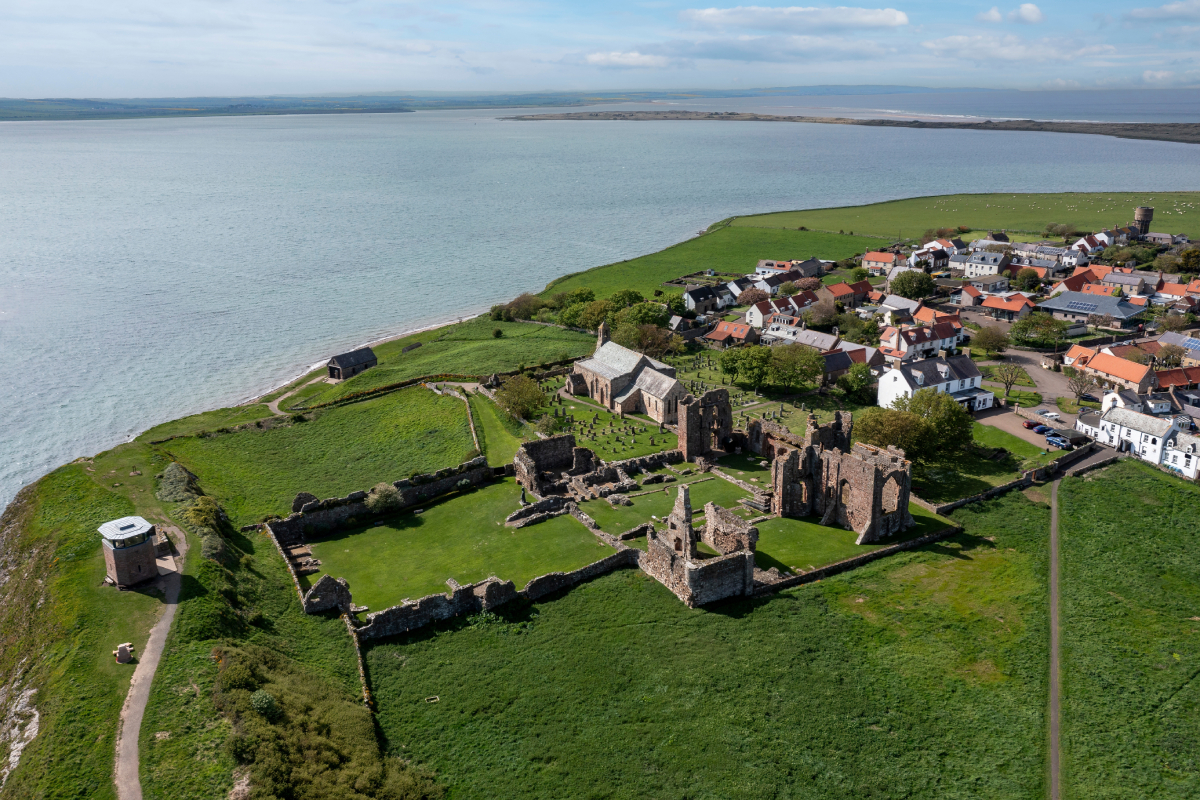
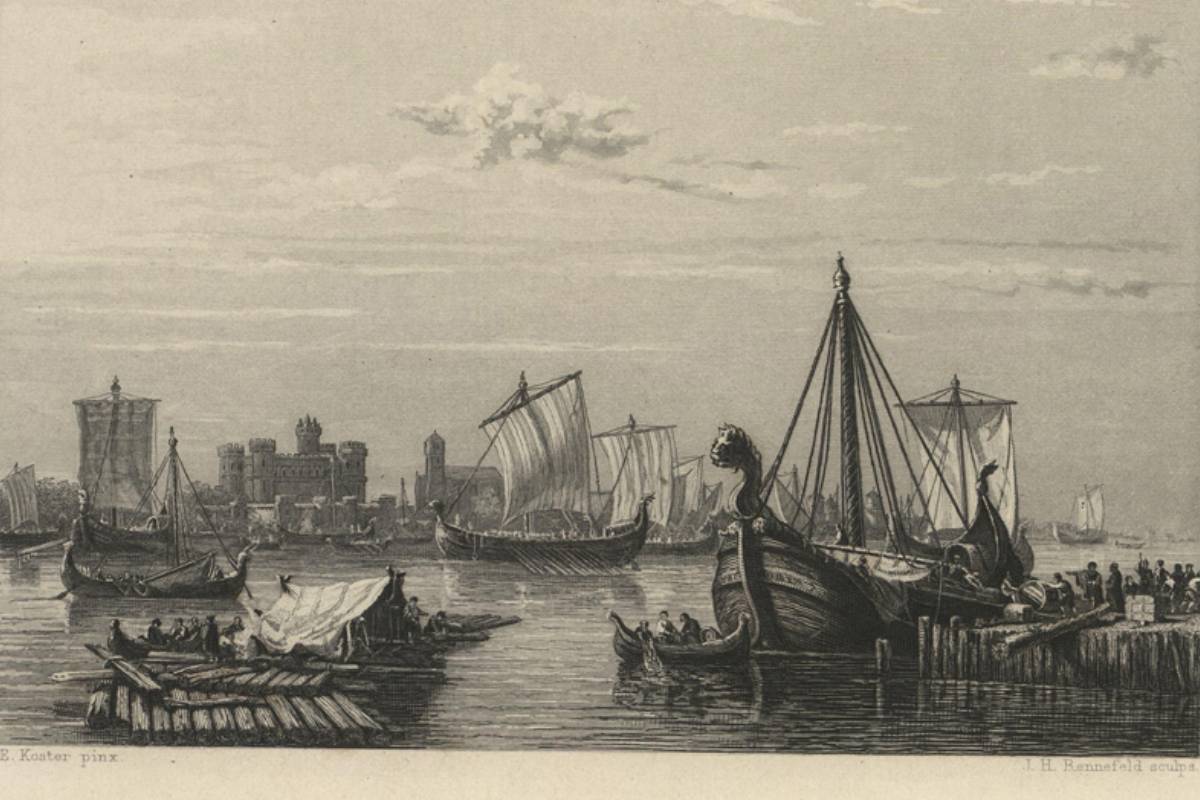
The project has produced numerous conclusions but highlights that no single event triggered the Viking Age. Photo: GrahamMoore999 / Shutterstock
The complexities of history
Neil admits that the sheer scale of the project means it is far from easy to provide a simple list of its achievements to date.
"In a sense, there are too many conclusions to summarize here. One key finding, however, is that there was no single 'smoking gun' or trigger for the Viking Age."
"Instead, it was the result of many intersecting processes that had been in motion for centuries, gradually coalescing in the first half of the eighth century."
On top of the wealth of materials released so far under the project, Viking aficionados can also look forward to further details from The Viking Phenomenon after its conclusion next year.
"We want to publish all the relevant reports by the end of 2026, complete a couple of PhD training courses, and also launch a major website providing full access to our publications and conclusions," Neil tells The Viking Herald. "I'm also looking forward to some sleep at the end of it!"
You can read more about The Viking Phenomenon here.
We get to provide readers with original coverage thanks to our loyal supporters. Do you enjoy our work? You can become a PATRON here or via our Patreon page. You'll get access to exclusive content and early access.
Feel free to reach out to discuss potential stories that may be in the public interest. You can reach us via email at hello@thevikingherald.com with the understanding that the information you provide might be used in our reporting and stories.