

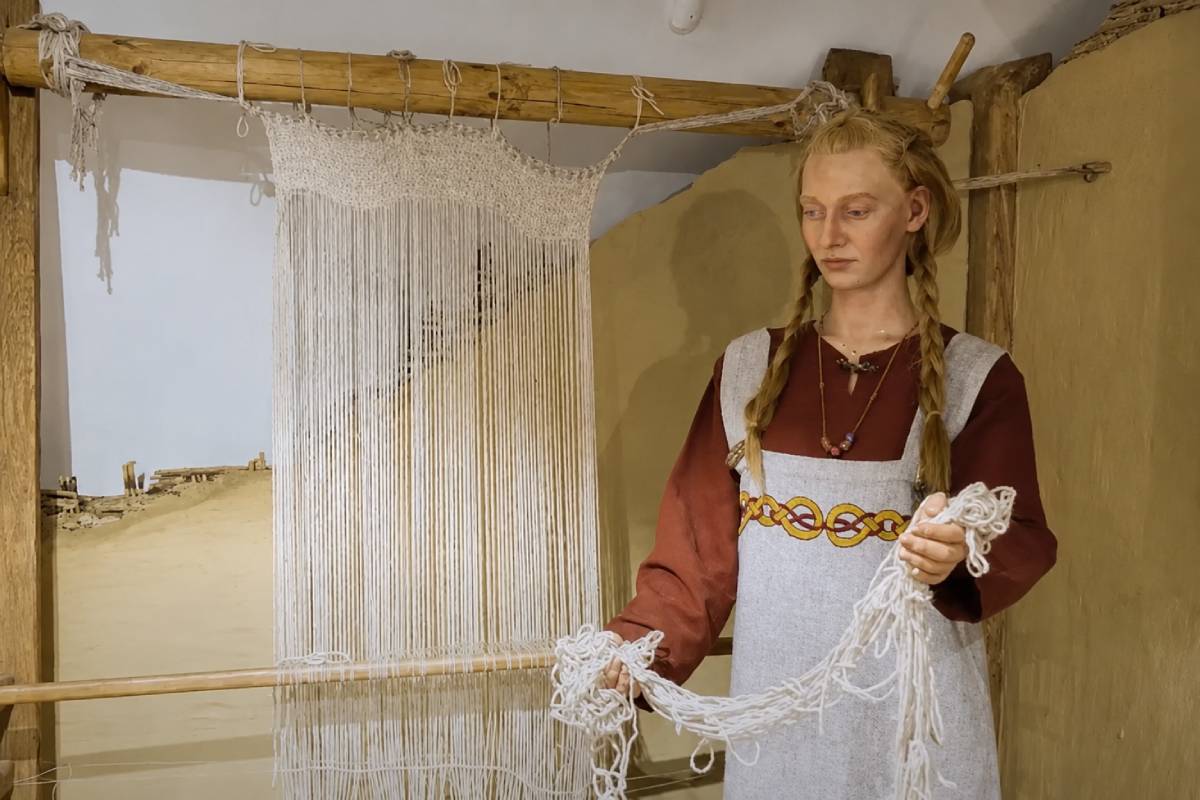
In the past half-century or so, the experiences of women in Viking societies have received far more serious scholarly attention. Traditional histories of the Viking Age often ignored or marginalized women, with the focus placed instead on male monarchs, rulers, or warriors. This omission is striking, as women played central roles in the domestic sphere and helped underpin the economic, cultural, and social life of Viking communities.
The evidence, however, needs careful handling. "Viking societies" were not one single legal system, and much of the written evidence comes from later sagas and medieval law codes rather than direct Viking Age legal records. This discussion also mainly concerns free women, not enslaved women, whose lives were shaped by very different legal and social conditions.
Whilst women had limited formal legal and political power, some could still exercise authority as estate managers, widows, patrons, or members of ruling families. When men were absent for trade, warfare, travel, or political obligations, women could take on major responsibility for farms and households.
It has often been argued that, compared to other women in early medieval societies, women in Viking societies had a greater degree of autonomy and independence. We must remember, however, that Viking societies were patriarchal and legally unequal.
So, then, where does this argument come from that women in Viking societies had some degree of autonomy and independence? To understand this argument, we will look at three areas: property, marriage and divorce, and the power (or lack thereof) that women had in each.
Property and possessions
We first turn our attention to property and household matters. One important area in which free women in Viking societies could exercise legal and economic agency was property.
This property could include a house, land, livestock, household goods, and, in some cases, enslaved people. As we know, slavery was an important part of the economic and social life of Viking societies, and the possession of slaves (thralls) was considered a societal norm.
PLEASE NOTE: The rest of this article is only available to our paid Patreon subscribers.
The topic was selected by our Patrons in a weekly poll. Support The Viking Herald on Patreon to read the full article and help choose future topics.
If you would like to learn more about Patreon and why we have decided to restrict access to some content, please take a look at this article.
Feel free to reach out to discuss potential stories that may be in the public interest. You can reach us via email at hello@thevikingherald.com with the understanding that the information you provide might be used in our reporting and stories.