

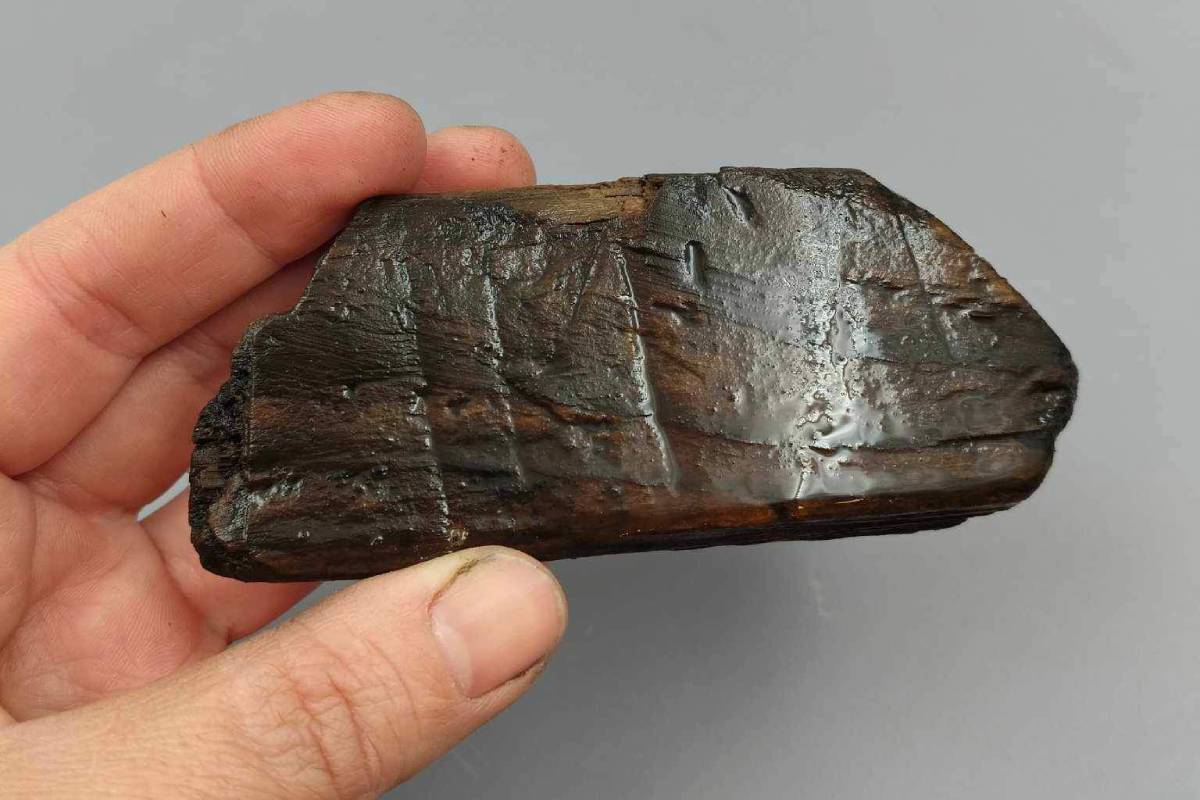
A rare rune stick and a gaming piece with runic inscriptions have been found at an excavation site at Tønsberg harbor in Norway.
The artifacts will be analyzed by the Museum of Cultural History and suggest that the popularity of runes in Norway continued beyond the Viking Age.
Unprecedented discovery
Tønsberg is one of the most evocative Viking locations in Scandinavia. Situated on the western coast of the Oslofjord, the city is home to the Tønsberg Viking Festival and lies just a few miles from the farm where the famous Oseberg ship was discovered in 1903.
Thought to have been founded as early as 871 CE, Tønsberg is also considered the oldest town in Norway.
In recent years, archeologists from the Norwegian Institute for Cultural Heritage Research (NIKU) have been working on a major excavation project at the foundation of a quay at Tønsberg harbor.
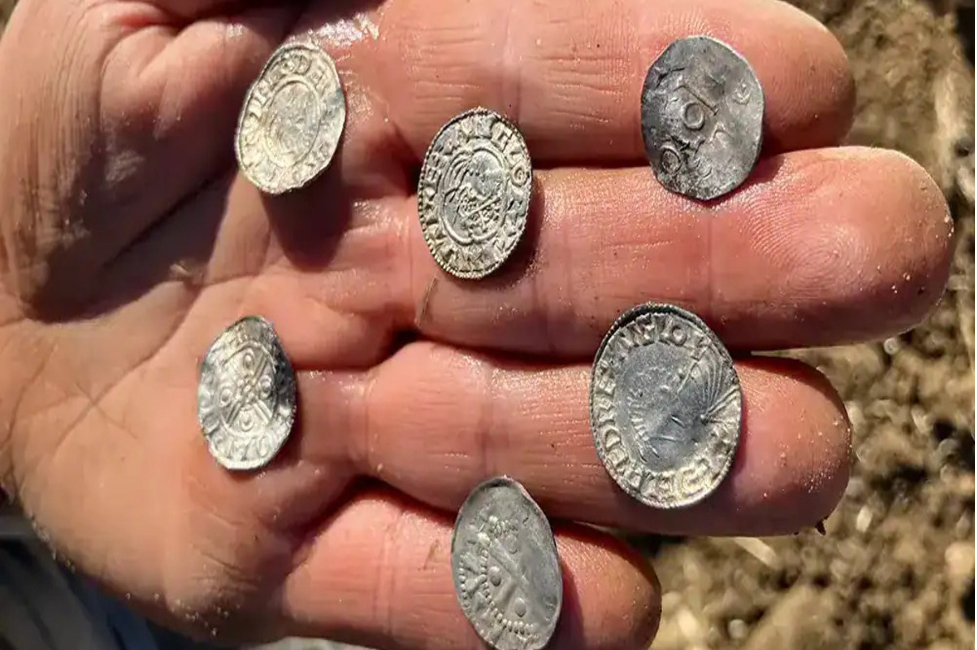
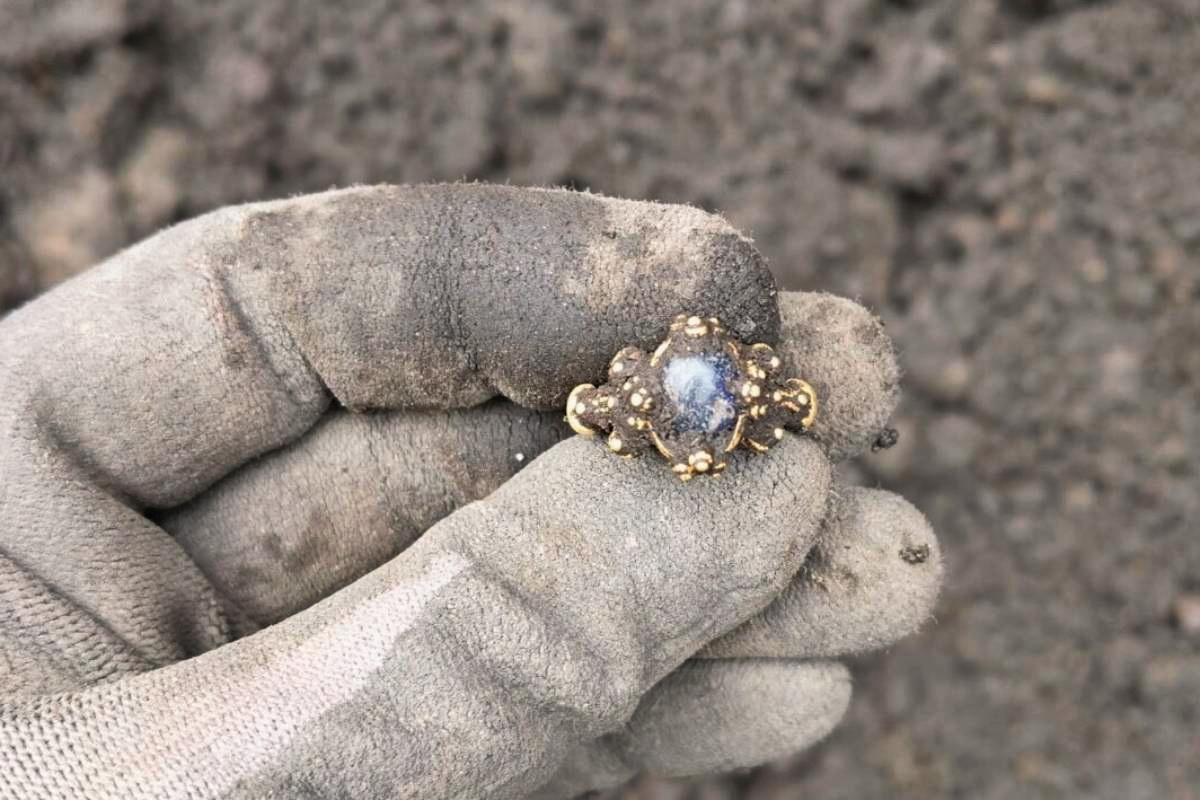
The dig has unearthed a number of intriguing finds, including ancient coins and wooden fragments.
Yet, until a few weeks ago, archeologists had not identified any runic artifacts in the city for about eight years. Now, the NIKU Tønsberg team has found two in less than a month.
- READ MORE: What is the meaning behind Norse runes?
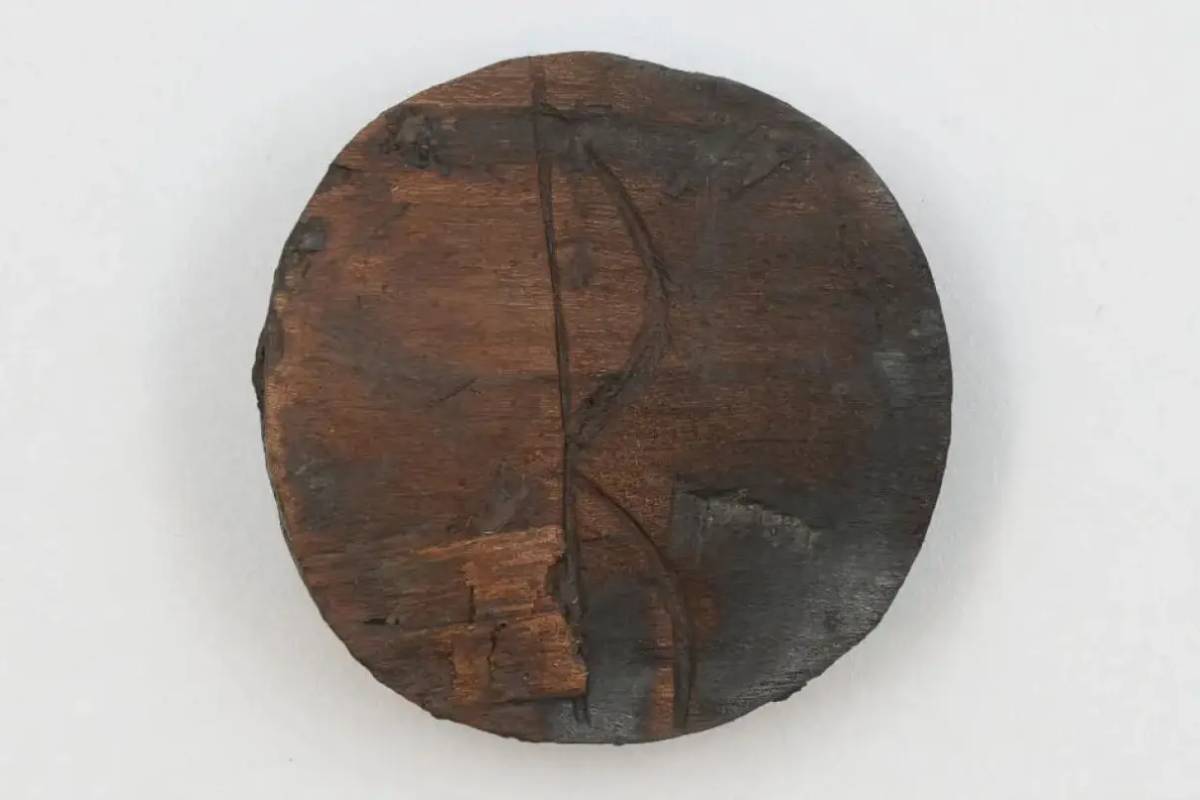
The gaming piece has a runic "r" on one side and a faint "u" on the other, marking it as a unique find. Photo: NIKU Tønsberg
Find one: The gaming piece
The first find was a wooden gaming piece pulled from the harbor on 11 October.
The disc-shaped piece, which measures around 5 cm in diameter, has a runic inscription of the letter "r" on one side, with a fainter "u" on the other.
"The game piece was found inside a cross-timber construction as a part of the harbor construction," NIKU Tønsberg office manager Hanne Ekstrøm Jordahl tells The Viking Herald.
Although there is some fire damage to the artifact, it is in excellent condition and measures around 5 cm in diameter.
It was found close to three other similar gaming pieces – though none of these had a runic inscription – one made of wood and two from antler.
Hanne believes the runic piece could have been used to play checkers and estimates it dates to the 1200s – just beyond the end of the Viking Age.
It is known that gambling was extremely popular in Norway at this time, so much so that new laws were brought in to combat the problem.
"You can imagine a few scenarios," Hanne said in a separate interview with Science Norway. "We're here in the lower part of town, by the harbor. Maybe they were sitting in one of the town's taverns, playing board games and enjoying a drink. It's fun to think about."
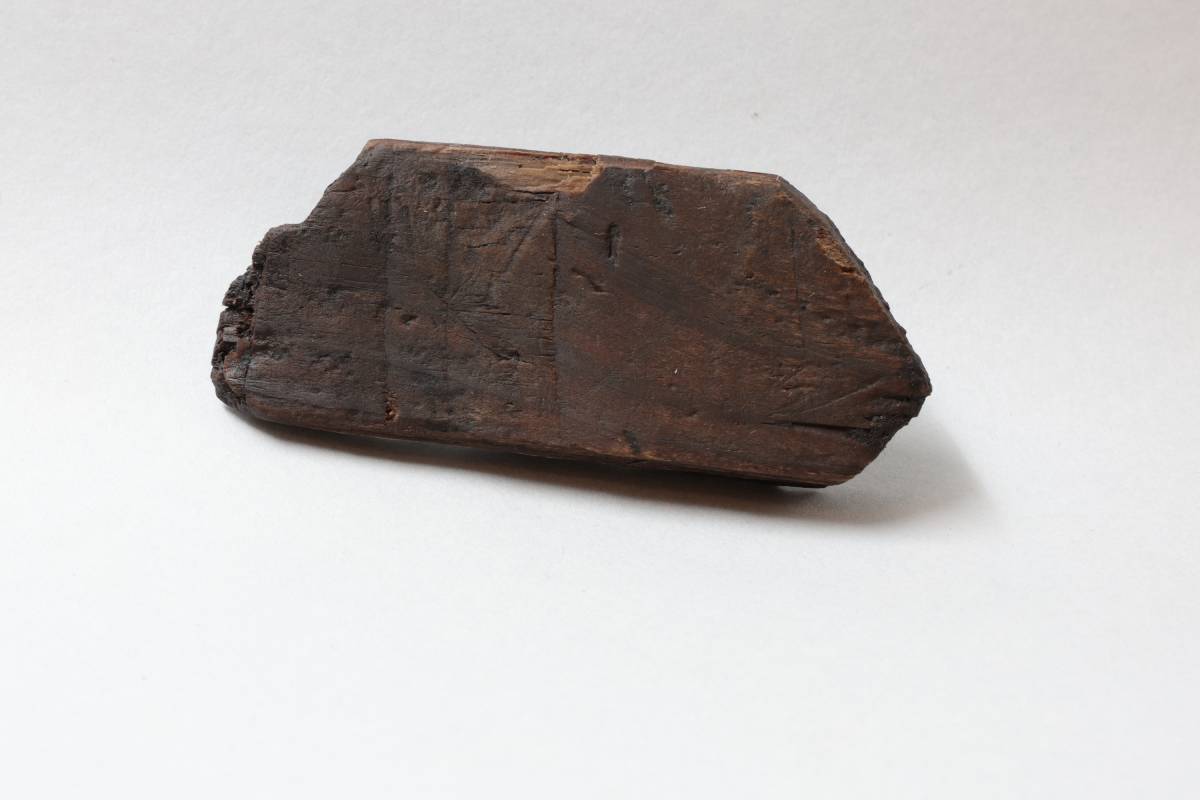
Archeologists speculate that the rune stick could reflect a combination of trade practices and personal record-keeping in the medieval period. Photo: NIKU Tønsberg
Find two: The rune stick
Just a few weeks later came the second find, a wooden rectangular object with a clear runic inscription.
"The rune stick was found on 5 November in a cultural layer dominated by wood chips, also in the medieval harbor," Hanne informs The Viking Herald.
The archeologists have identified at least three runes on the wooden stick.
It is possible that this artifact also had some kind of use in gambling games at the harbor – a similar stick found at Bergen is thought by some experts to describe the details of a bet.
The team at Tønsberg, however, believes the new artifact may have been used in a trade deal.
"Both finds are important because they can tell us more about medieval life," Hanne comments to The Viking Herald.
"The gaming piece tells us about how people were amused. We believe the rune stick, on the other hand, could be a marker stick, probably associated with trade."
- READ MORE: What did Vikings trade?
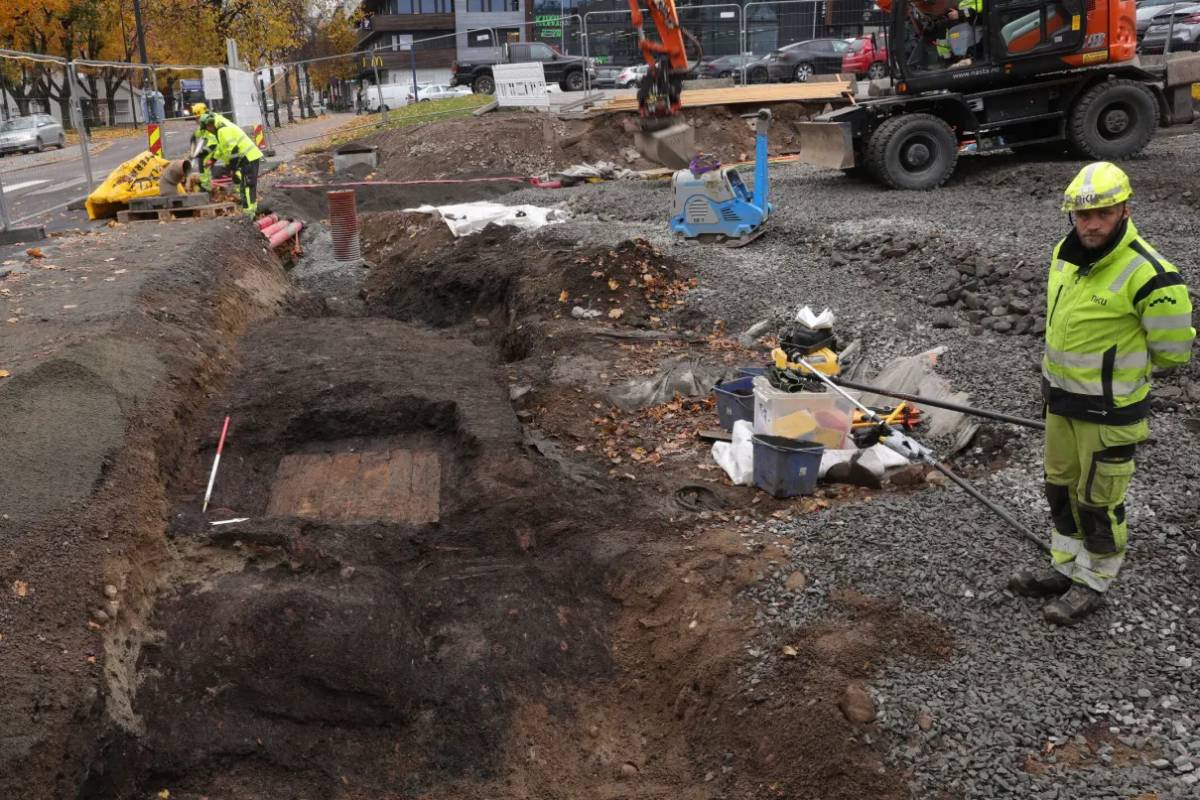
The excavations in Tønsberg are scheduled to continue through 2025, focusing on the harbor and the medieval main street. Photo: NIKU Tønsberg
The investigations continue
As Hanne informs The Viking Herald, there is more work to do to truly understand the context of both artifacts.
"The gaming piece has already been sent for further analysis at the Museum of Cultural History in Oslo," she reports. "The rune stick will be sent in December, and both will be carefully analyzed by runologists."
"The excavations in Tønsberg will continue into 2025," Hanne adds. "There are still exciting areas to be examined, both in the medieval harbor and in the area around Strete, the medieval main street."
Hanne expects the two runic artifacts will eventually be available for the general public to enjoy, either at the Slottsfjell Museet, Tønsberg's local museum, or at the Museum of Cultural History in Oslo.
In the meantime, the on-site archeologists can reflect on a job well done. "They were thrilled," admits Hanne.
"Finding runes is special! There are about 40 runic inscriptions found in the medieval town of Tønsberg, and these two are an important addition to the collection."
We get to provide readers with original coverage thanks to our loyal supporters. Do you enjoy our work? You can become a PATRON here or via our Patreon page. You'll get access to exclusive content and early access.
Feel free to reach out to discuss potential stories that may be in the public interest. You can reach us via email at hello@thevikingherald.com with the understanding that the information you provide might be used in our reporting and stories.