

On my seventh birthday, I was given a history book by my grandfather full of colorful drawings of past deeds. I was particularly drawn to the section on the Vikings. Across two pages, along with a brief historical overview of the entire ‘Viking Age’ aimed at children, was a page resplendent with a color drawing of the sacking of Lindisfarne Abbey in 793 CE.
For years, the traditional history of the Viking Age painted the warriors from Viking societies as little more than brainless heathen barbarians who pillaged and plundered every abbey, chapel, church, and monastery throughout Europe. But what happened following the widespread conversion of Scandinavians to Christianity, when the Church harnessed the martial power of Vikings? What happened when the Vikings went crusading?
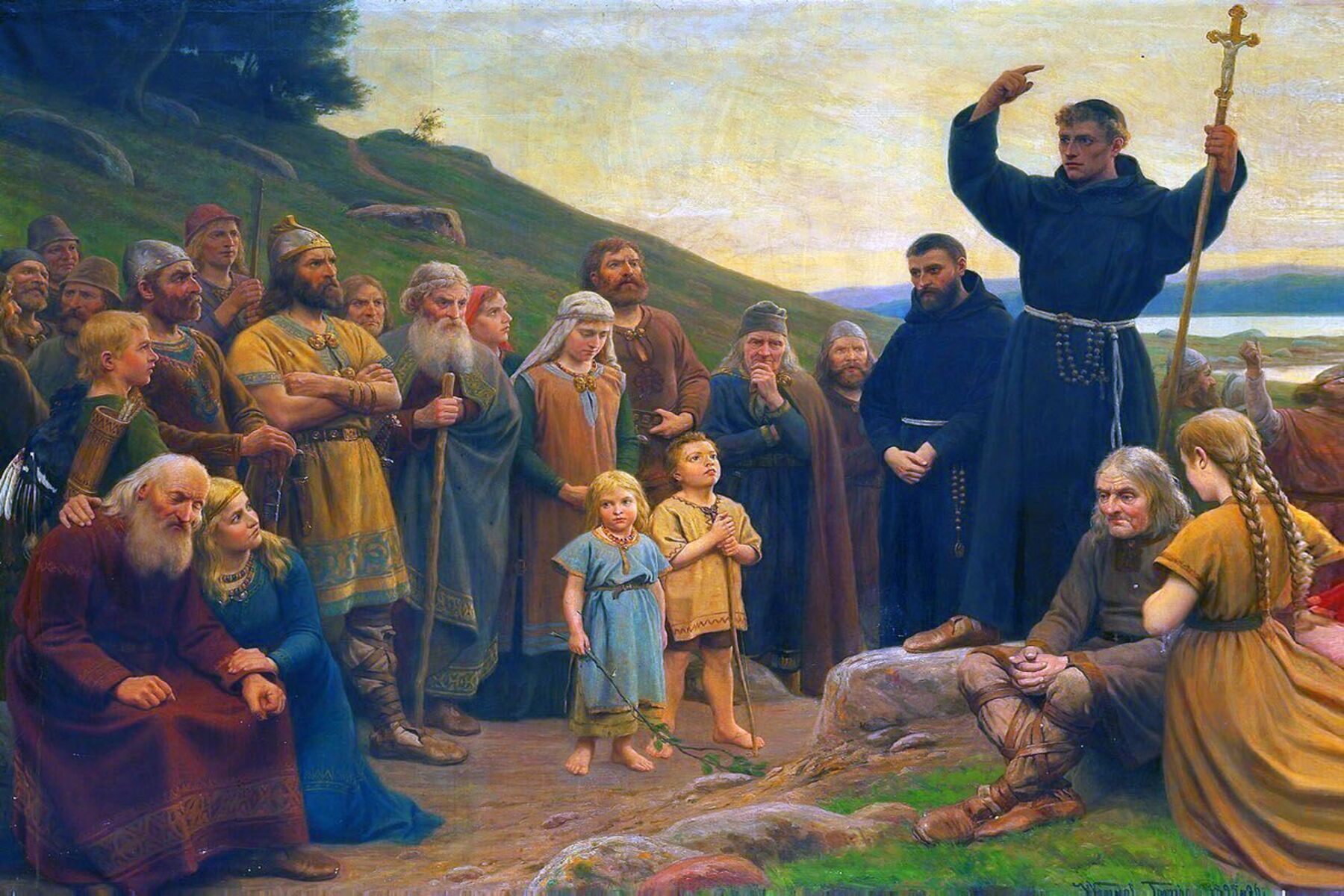
This is an overlooked, albeit fascinating, aspect of the history of Vikings that author Thomas Williams uncovers in his latest book, God's Hammer: A History of the Viking Crusades. Running parallel with the outward expansion of people from Norse societies during the early medieval period was the inward infiltration into Scandinavia of Christianity and Christian missionaries.
The history of the Viking Age cannot be told without the history of Christianity in Scandinavia. The emergence of the medieval Christian kingdoms of Denmark, Norway and Sweden can certainly be understood through the lens of the political transformations of the Viking Age, but also through the Church’s gradual appropriation of the power, prestige and political authority traditionally exercised by pagan rulers and Norse elites.
Yet this is also the story of the Christianization of Norse warriors. When the Church wielded their military strength and brutality for its own ends.
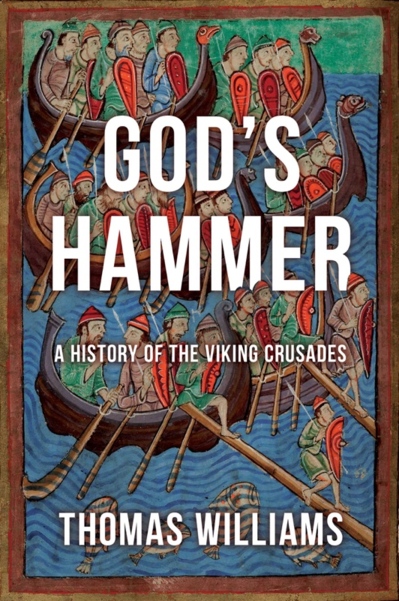
Transformation from pagan raiders to Christ’s crusaders
For many with only a passing interest in the medieval period (certainly not anyone here at The Viking Herald; we've got a deep obsession...I mean passion for it), the Battle of Hastings in 1066 appears to divide medieval Scandinavia into two halves. To the British at least, the era before 1066 was the time of Vikings. After that, the “pagan” pillagers of churches are almost magically transformed into good Christian knights. In his new tome, Williams sets out to show us that history was never quite so neat and tidy, that there is plenty of historical murkiness when it came to the relationship between Viking warrior culture and the spread of Christianity.
It has been argued that the conversion of people in Norse societies was a major factor in the waning of Viking raids, indeed, in ending the so-called "Viking Age". However, Williams shows that Christianity actually helped a second outward expansion of the Norse, to win not silver but souls. The adoption of Christianity by Norse elites throughout Northern Europe led to the harnessing of that same famed martial ferocity by the Church to combat and convert the "pagan" peoples, particularly around the Baltic region.
As Pope Urban II aptly (though rather piously) summarizes this change, "Let those who, for a long time, have been robbers now become knights...Let those who have been fighting against their brothers and relatives now fight in a proper way..."
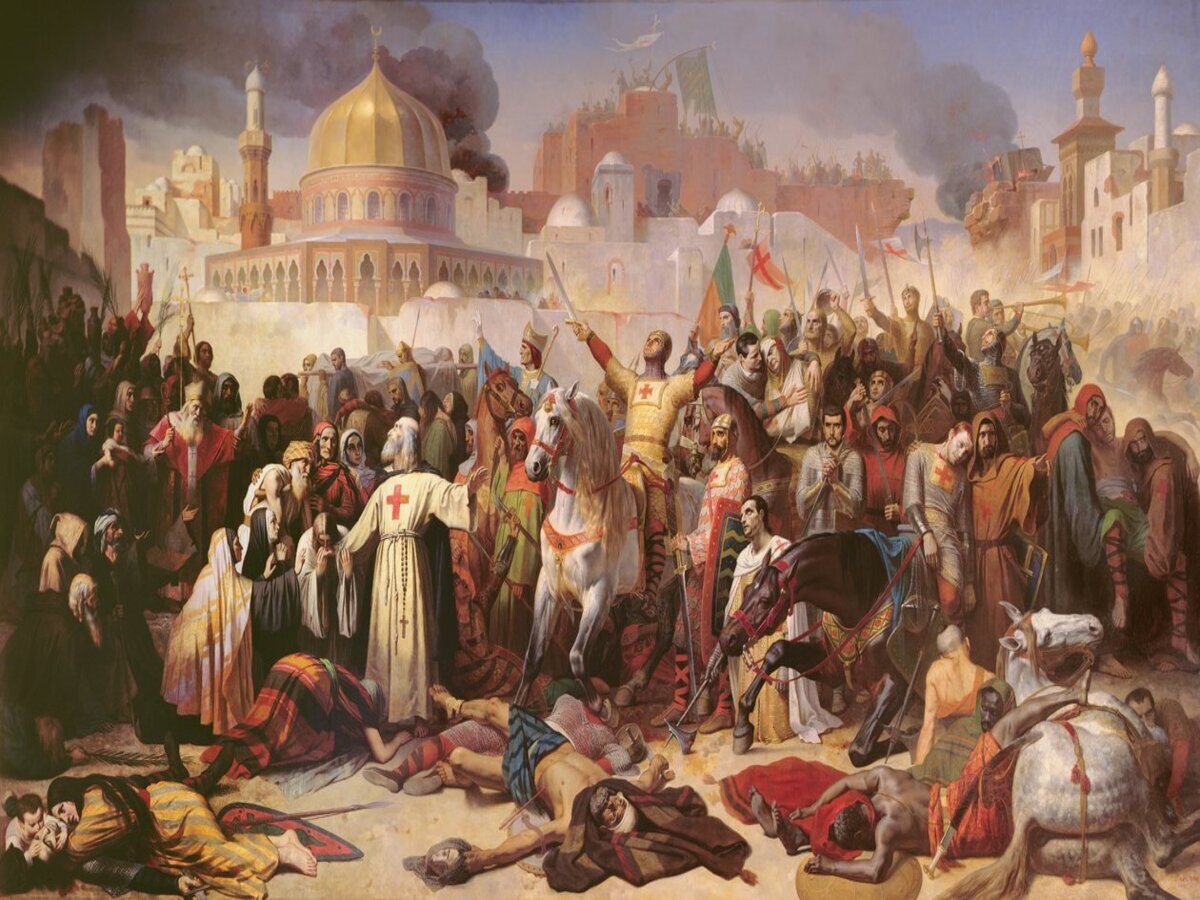
The Taking of Jerusalem, by Emile Sognol. Source: Public domain
Geographical scope and a depth of historical characters
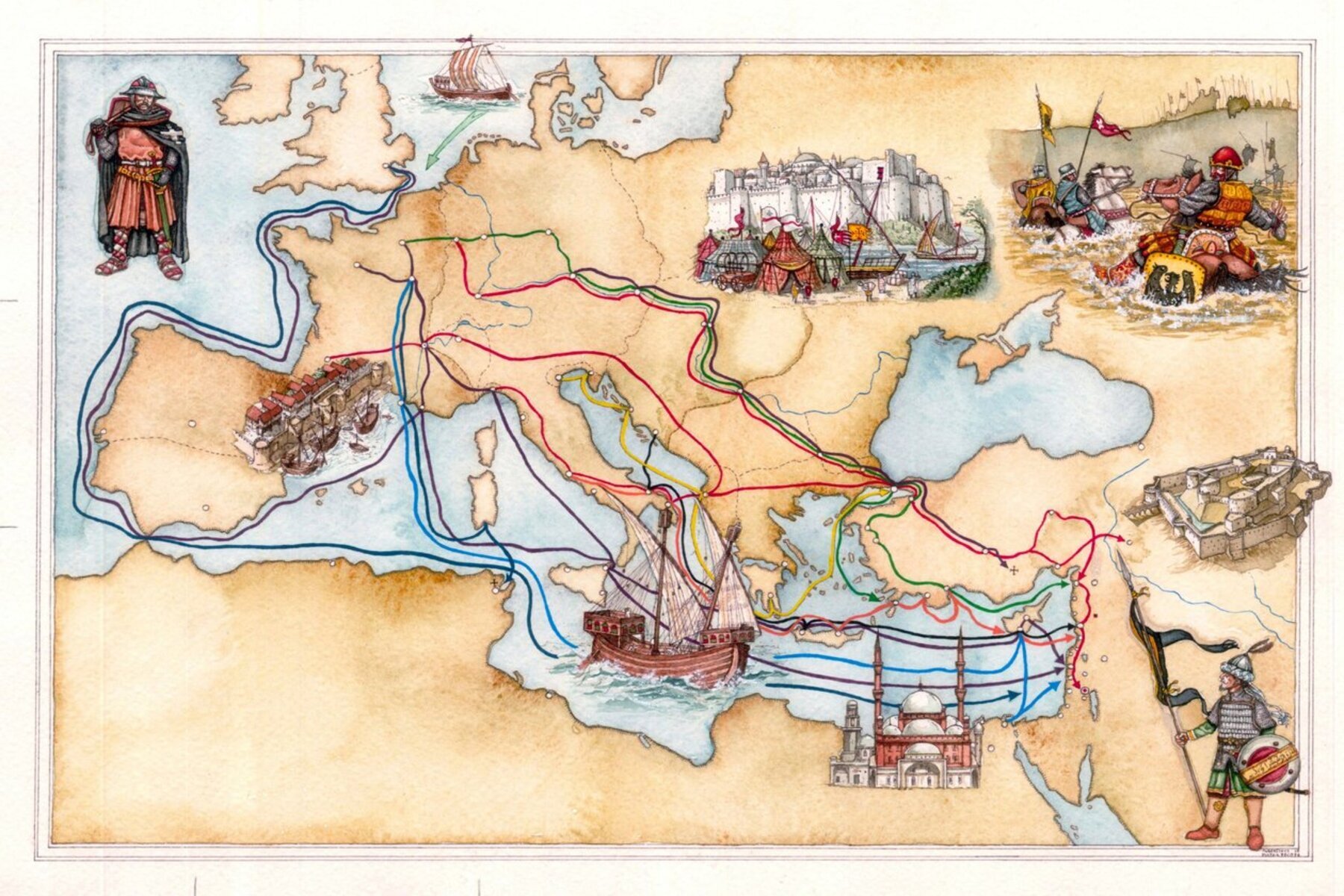
Williams is adept at taking the reader on a historical romp from the windswept fringes of the 'northern Barbarian world ' (as Byzantine Emperor Constantine and later popes often thought of the Viking homeland in Northern Europe) through the snaking river systems of the Baltic Basin down to Constantinople and as far afield as the medieval center of the world, the holy city Jerusalem.
Of particular note, aside from the whirlwind geographical tour that Williams takes us on, is the temporal one. He delves deep into the past to explain the origins of the crusading zeal of Viking warriors.
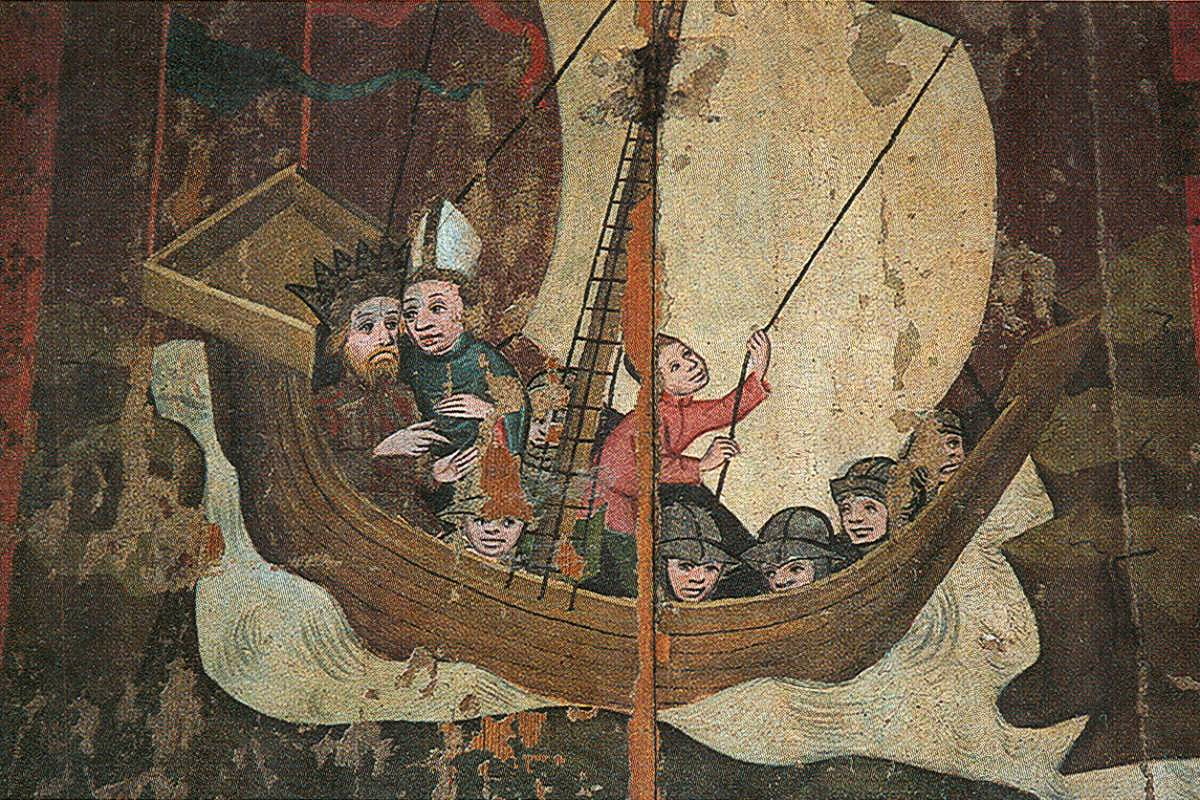
Williams, for example, highlights how the result of a seminal conflict in Late Antiquity, the Battle of the Milvian Bridge, would reverberate down through the medieval period and go on to influence the muscular Christianity of later rulers as diverse as the Frankish Kings Clovis and Charlemagne, the Northumbrian Saint/King Oswald, and Viking warrior-turned-proselytizer extraordinaire, Olav Tryggvason.
Whilst a who's who of Viking celebrities is rolled out – all the usual heroes, including much detail on Olav Tryggvason's zealous mission to win the soul of Scandinavia by the sword, through to how the Church in Constantinople impacted Harald Hardrada's self-belief and spirituality.
We also learn of other lesser-known figures that actively assisted in the varied Viking crusading missions, from the lowly Basil Bioannes, a Byzantine military captain who won a famous victory at Cannae (yes, the same location as the legendary victory of Hannibal in Antiquity) thanks to his horde of hired Viking warriors, all the way up to the mighty Sigurd, King of Norway, whose pilgrimage to the Holy Land in the aftermath of the First Crusade still saw some Christian muscle being flexed.
Symbiotic relationship
Overall, Williams paints a vivid picture of the symbiotic relationship between Viking warriors, from the later medieval period, and Christianity. Traditional histories may point to the fact that Christianity's influence "softened" the rough Viking Age societies and helped shape them to become the good Christian medieval kingdoms of Denmark, Norway and Sweden.
Little thought, until this book, has been given to the reverse: how Viking warriors influenced Christianity. Their distinctive martial culture was adopted into the expanding world of medieval Christianity. A seemingly insatiable appetite for conquest and glory was harnessed by the Church against its enemies, be they the infidels of the Holy Land or the “pagan” peoples around the Baltic rim.
From lowly soldiers to Viking chieftains, and later monarchs, they became willing participants in the crusading campaigns and helped secure Christianity’s foothold in Northern and Northeastern Europe. The sword and the axe proved perfectly capable of travelling – and acting – in unison.
We get to provide readers with original coverage thanks to our loyal supporters. Do you enjoy our work? You can become a PATRON here or via our Patreon page. You'll get access to exclusive content and early access.
Feel free to reach out to discuss potential stories that may be in the public interest. You can reach us via email at hello@thevikingherald.com with the understanding that the information you provide might be used in our reporting and stories.