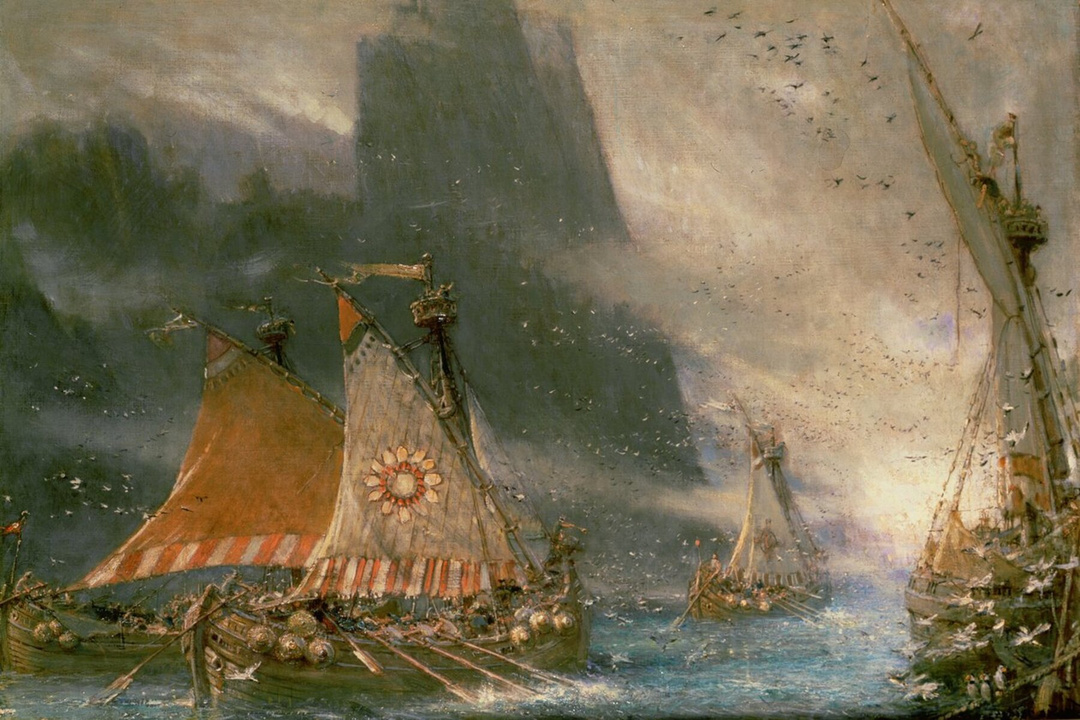
Most of continental Europe in the early medieval period was of a Christian persuasion. Around the edges, however, the story was different.
In what could be seen as a pincer movement of "paganism", Christian communities in 9th-century Western and Central Europe were under pressure by the Viking warriors of the north, whilst in the south, the Iberian Peninsula had fallen under Muslim control.
So what happened when these two “enemies of Christ” (or so the good Christian folk of Europe would have us believe) fought one another – when the ferocious Scandinavian northerners faced the military might of Al-Andalus?
Luckily, history presents us with such an occasion: the Viking raid on Islamic Lisbon in 844. Before we turn to that attack, however, we need to catch ourselves up on events in the Iberian Peninsula during the early medieval period.
The Rise of the Visigoths as Rome disintegrates
Following the decades-long disintegration of Roman control, former "barbarian" allies and mercenaries, the Visigoths, migrated into what is now southern France and established a power base around Toulouse in the 5th and 6th centuries. They were not the only powerful Germanic people operating in the region.
The Franks, led by Clovis I, would go on to wage war against the Visigoths, defeating them at the Battle of Vouillé in 507. This would establish Frankish rule in much of what is now France, whilst pushing the Visigoths further south, across the Pyrenees and into the Iberian Peninsula.
From Toulouse, the Visigoths established their new capital in Toledo. By 589, they had pushed back Byzantine attempts to bring Iberia back under "Roman" control and had converted from their Arian offshoot of Christianity (often popular amongst Germanic peoples) to Nicene (Catholic) Christianity.
At its greatest extent, the Visigothic Kingdom occupied, at its greatest extent, much of southwestern France and the majority of Spain, and a slice of Portugal. It saw great advances in art, architecture, mathematics, and poetry – despite the common historical trope that the Visigoths were mere barbaric overlords plunging the Iberian peninsula into a "dark age". The Visigoths, however, would be the ones to take the blame for enabling the arrival of a new Muslim force.
The invasions of the Iberian Peninsula
"...In Justinian’s time, in the era 749 (711), in his fourth year as emperor...while Spain was being devastated by...Musa himself, approaching this wretched land across the straits of Cadiz and pressing on to the pillars of Hercules... entered the long plundered and godlessly invaded Spain to destroy it. After forcing his way to Toledo, the royal city, he imposed on the adjacent regions an evil and fraudulent peace..."
This passage, from the Chronicle of 754, a chronicle detailing the events of the Iberian Peninsula written in Latin by an anonymous scribe(s), famously sums up the beginning of the Muslim conquest of the Iberian Peninsula. These conquests would bring much of southern Europe under direct Muslim rule for over half a millennium. Muslim rule would only be convincingly repelled out in the early modern period, the same year that Columbus crossed the ocean blue.
If we are to believe such medieval chronicles, it was a Visigothic ruler, Julian Count of Ceuta, that was responsible for the initial Muslim invasion of the Iberian Peninsula. The traditional tale is that Julian's daughter had been "dishonored" by the Visigothic King, Roderic. As we are told, when Julian was away in the north of his realm campaigning against the Basque, his daughter Julia had invited the Berber forces of Tariq ibn Ziyad to help wage war against King Roderic.
Whether this was the actual reason for the Muslim conquests, we will never know, but the medieval scribes never let truth get in the way of a good story.
What is a historical fact, however, is that in 711 a force of 7,000 mostly Berber warriors crossed the Strait of Gibraltar and landed in what is now southern Spain. Led by Ibn Ziyad, they met little resistance from the forces of Roderic.
The following year, another force from Islamic North Africa invaded with over 18,000 warriors. Within five years, this mix of Arab and Berber warriors had conquered much of the peninsula. Only the northern fringes, around Asturias and the Basque country, held out.
In the west of the peninsula – in the region that is now Portugal – a similar tale of conquest was taking place. By its end, only a few remaining Christian entities in the peninsula's north remained. By 720, all of what is now Portugal had been brought under the yoke of Muslim rule. Together, these conquered regions would become known as al-Andalus.
Islamic Lisbon
One ancient town that straddled the Tagus estuary, on the very western frontier of al-Andalus, was primed to become a major source of trade during the Islamic rule of the Iberian Peninsula. Julius Cesar had christened the settlement Felicita Julius after its Latinized name, Olisipo. We know it today as Lisboa – Lisbon – Portugal's magnificent capital and one of the oldest capital cities in Europe.
By the time the Vikings visited the settlement, Lisbon had seen a wide variety of rulers come and go – some heavy-handed, others less so. From the original Celtic people that settled here, to the Phoenicians who were said to have first exploited its commercial potential as early as 1000 BCE through the Greeks, Romans, the Carthaginians, the Romans again, then the Visigoths, and finally to the Muslim conquest and rule of the early medieval period.
Due to its strategic position, located on the estuary between the river Tagus and the Atlantic Ocean, this town – which the Muslim's rechristened al-Ushbūna – had secured a reputation as a lucrative source of wealth and trade. In 711 CE, upon the eve of the conquests, it was a bustling entrepôt and an obvious strategic target, with easy river and ocean access, a major maritime trading hub on the Iberian Peninsula's southern Atlantic coastline.
Fast forward more than a century and by 822, it was governed on behalf of the Emir of Córdoba, Abd-Al-Rahman II. Soon, this region saw a new set of seaborne warriors arrive. Yet these were not Muslim warriors from Maghreb, but men of blood and iron almost half a world away, in the frozen north of Scandinavia.
Increased boldness, frequency, and potency
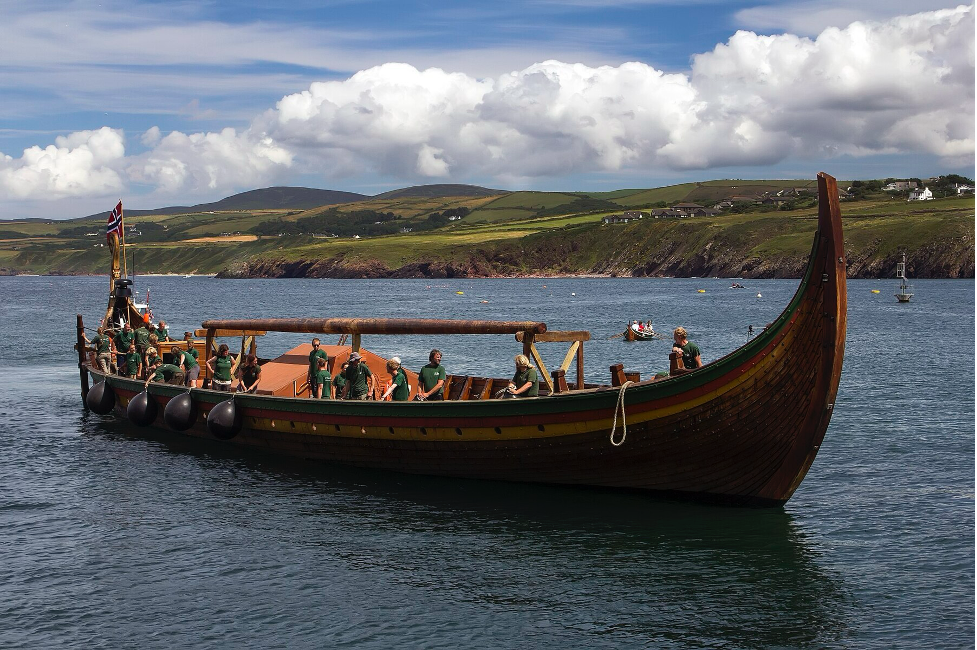
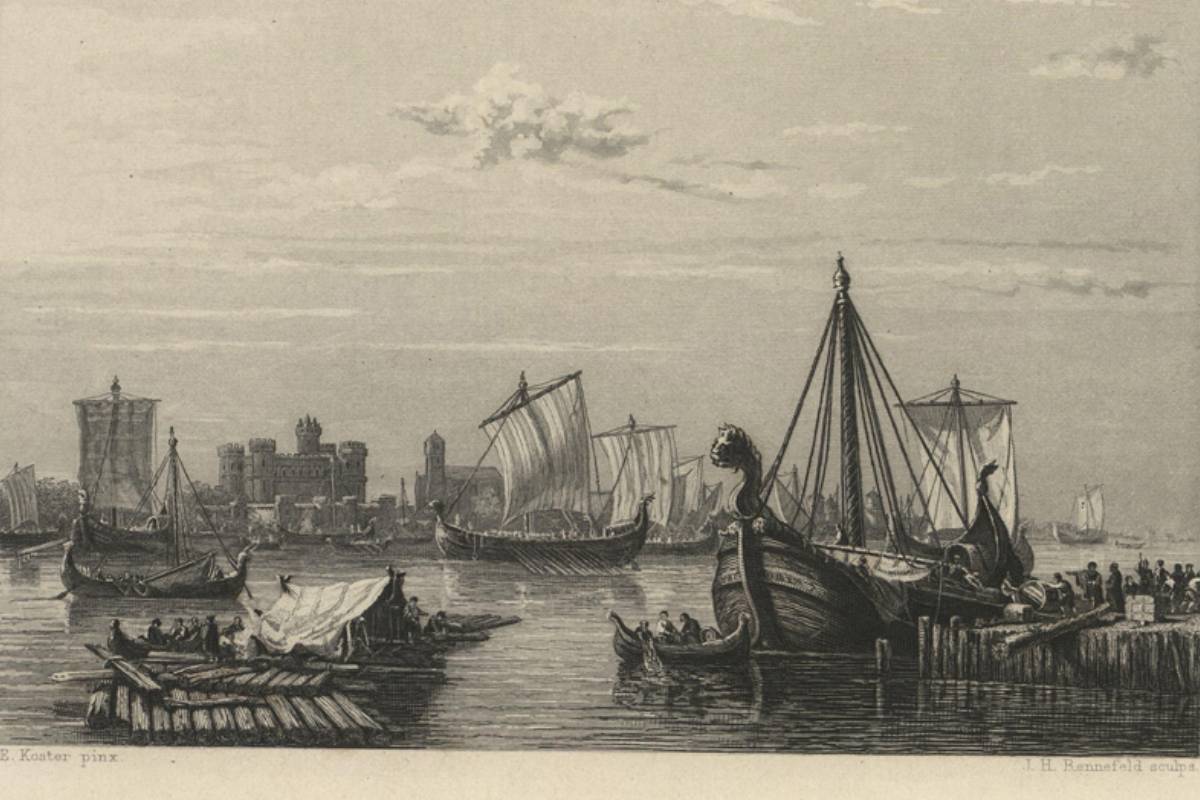
For more than half a century, European coastal and river bound communities had witnessed a menacing new threat, the Viking raid. Using their sleek longships, warriors from the cold climes of Scandinavia could speedily strike at unsuspecting communities, loot, raid, pillage, plunder, and put to the torch within the blink of an eye.
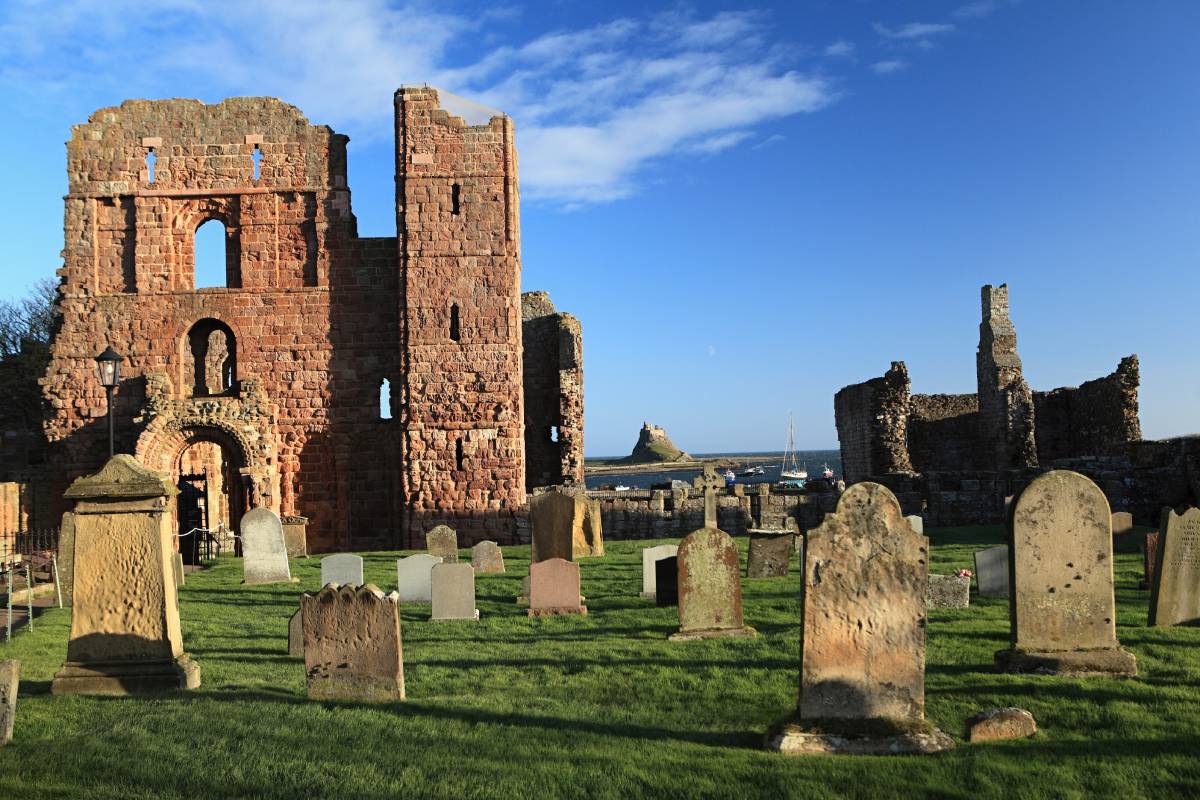
For many of these communities, what made the raids even more existentially horrible was that these were supposed "godless" warriors, "pagans" and "heathens" who frequently sacked monasteries, killed priests, and desecrated churches. The first half of the 9th century saw the increasing boldness, frequency and potency of Viking raids across Europe, afflicting huge swathes of towns and villages in the British Isles, the island of Ireland, the Frankish realms and even as far away as the Italian peninsula.
By 844, they had turned their eyes southward. Whilst the coastal and river communities of north and northwestern Europe were easy pickings, there were rumors that the real riches, the real treasure lay in the south of the continent. Here the more economically advanced civilizations lay, be it Al-Andalus or, across the Mediterranean, the Byzantine Empire.
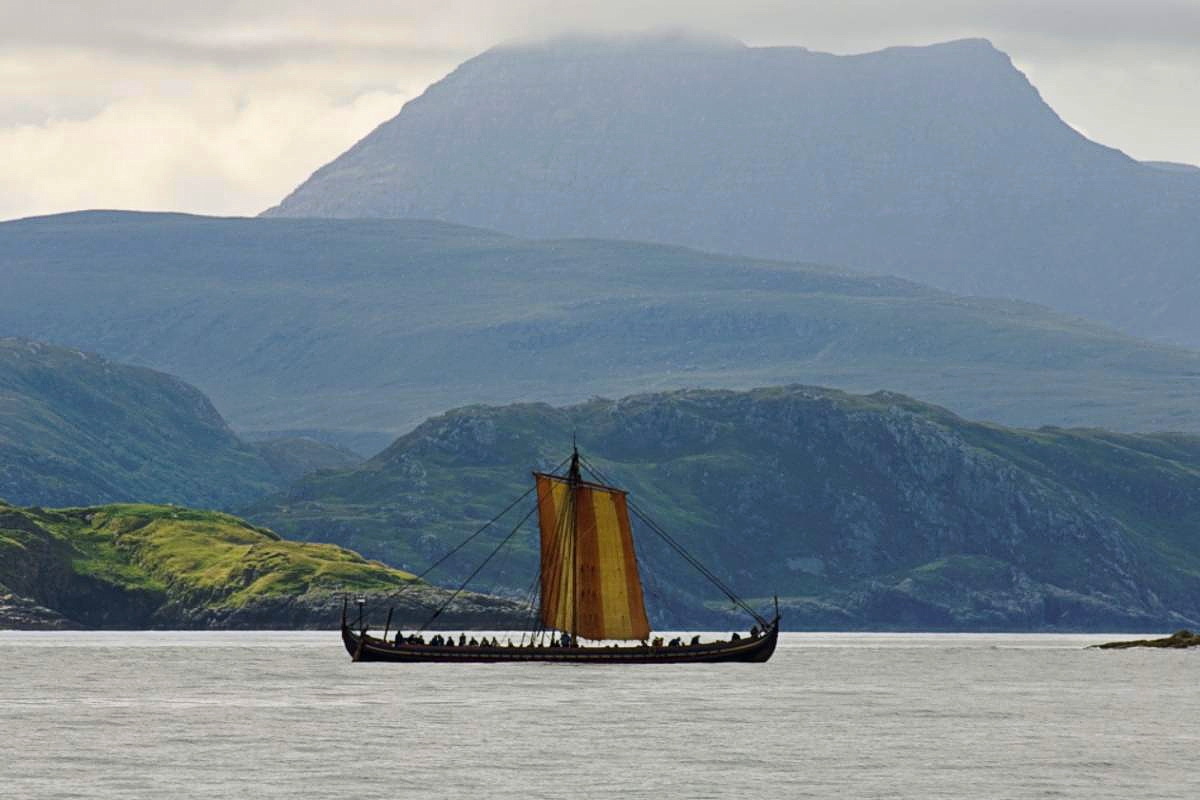
In the late summer of 844, a Viking fleet neared present-day Portugal after sailing from Scandinavia southwest through the English Channel, down France's Atlantic coast and on through the Bay of Biscay.
Viking raids in southwestern Europe
At this point, we must acknowledge that we have the historical records of the Viking activity in Iberia can only give us a fragmentary understanding of what happened next. We do know that the annals of the monastery of Saint Bertin in France noted raids on Toulouse and then throughout Spain in 844, before a defeat by “the Saracens” forced the Norse to turn back.
Similarly, the Muslim historian and geographer Al-Ya'qubi noted an attack by a northern group in the same year. Another writer, the Andalusian Ibn al-Qutiyya, recorded an attempt to capture Seville.
Finally, we have clues from contemporary chronicles from the Kingdom of Asturias, a Christian polity that spanned northern parts of what are now Portugal and Spain. It was during the reign of King Ramiro I (r. 842 – 850 C.E.) that the region first suffered Viking attacks.
For our guide to the Viking attacks, we use a 1996 academic article by Rolf Scheen, the former director-general of the Norwegian Armed Forces Museum, in the journal Militaria. Scheen sets up the scene by explaining that it was during the early reign of King Ramiro that a "… Viking fleet approached the Asturian coast in the vicinity of Gijón (Gegio), but when they realized how strongly this city was fortified, they left."
Licking their literal and metaphorical wounds, Scheen writes, the fleet then "...sailed around the Punta Nerija hill west of Coruna and sailed to the south where they plundered and ravaged the coast." Not for the last time would coastal communities along the Iberian Peninsula's Atlantic coastline witness the brutality and rapacity of a Viking raid.
The attack and occupation of Lisbon
Now, according to Scheen, the fleet sailed further south again and soon,"...they reached Lisbon and took possession of the city and the plains around it and stayed there for 13 days." There is little detail of the actual events, other than it was a devastating Viking victory. Perhaps the local garrison was unprepared for a maritime attack that Vikings favored.
It appears that, for perhaps the first time in recorded history, the Vikings practiced their siege tactics on Lisbon. Like all other communities, the riches and treasures of Lisbon were no doubt pillaged during its 13-day Viking occupation. Contemporary accounts put the date of this raid, siege, and occupation to late August, early September 844.
This would be perfect conditions to sail down the choppy waters of the eastern Atlantic Ocean. Anything later than this, and the climatic conditions would not be conducive; they would be destructive. With winter not too far away, however, the Norse would soon move on.
Like the Atlantic tide
Following their brief occupation of Lisbon, the Vikings soon left and sailed south. Their ultimate goal would be Seville. By the time they reached that shiny city upon the banks of the Guadalquivir River, however, the local forces of Abd-Al-Rahman II had been warned.
Whilst the legendary Viking siege of Seville is the stuff of legends, so too was the subsequent Norse defeat by the Emir's local forces. It has been argued that the devastating defeat that these Vikings suffered was a reason why there were no more full-scale Viking military engagements with Al-Andalus for several centuries.
The Scandinavians would return in 1108, however. This time, a group of Norwegians – reportedly 60 ships in total – entered the Tagus River and besiege the city. Led by Sigurd the Crusader, King of Norway, the Scandinavians successfully took Lisbon – this time not a Viking raid, but a victory on behalf of the Christian armies in Spain looking to reconquer the lands of Al-Andalus. The city would then be retaken by the Muslims in 1111, before finally falling to Afonso I of Portugal in another siege in 1147.
Indeed, Lisbon’s 13 days under the occupation of Viking warriors is ultimately just a minor chapter in the city's ancient history. Even by the mid-9th century, its inhabitants had a long historical memory of the city's storied conquerors, occupiers, and rulers.
Perhaps an eyebrow or two were raised by the locals, but perhaps they simply assumed that, much like the Atlantic tides that ebbed and flowed along their shores, these Viking marauders would soon retreat into the ocean from whence they had come.
We get to provide readers with original coverage thanks to our loyal supporters. Do you enjoy our work? You can become a PATRON here or via our Patreon page. You'll get access to exclusive content and early access.
Feel free to reach out to discuss potential stories that may be in the public interest. You can reach us via email at hello@thevikingherald.com with the understanding that the information you provide might be used in our reporting and stories.