

A recent find at the Skumsnes burial site in western Norway has raised questions about gender symbolism in Viking Age Scandinavia.
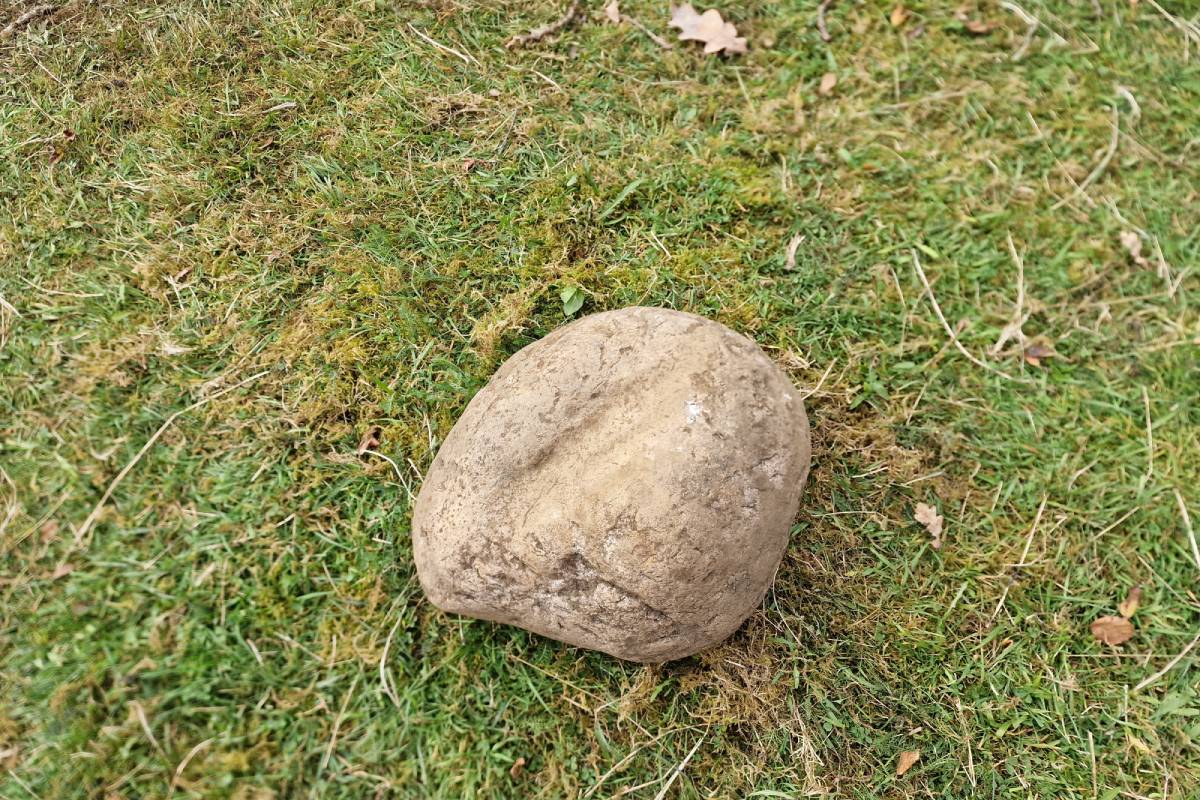
A large oval stone found in one grave had a carving that resembled the vulva—an apparent symbolic representation of womanhood. But is this a common theme in Viking culture?
The Skumsnes stone
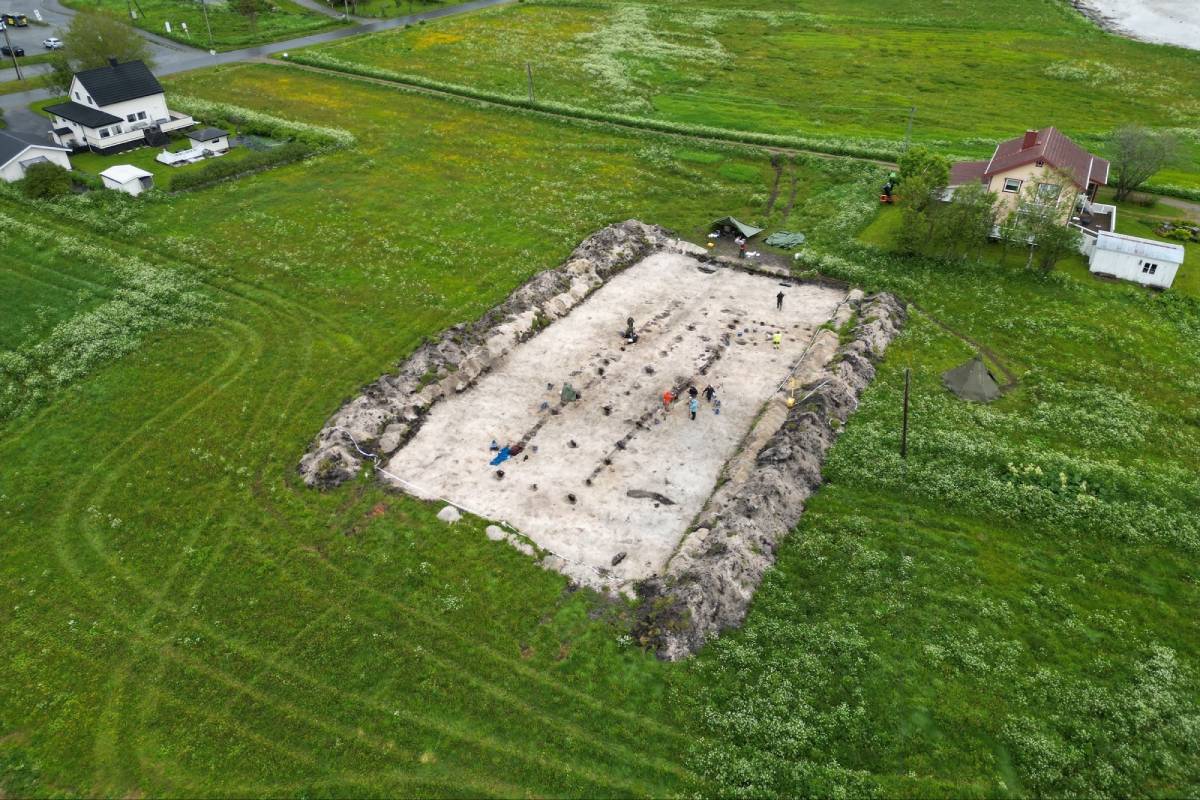
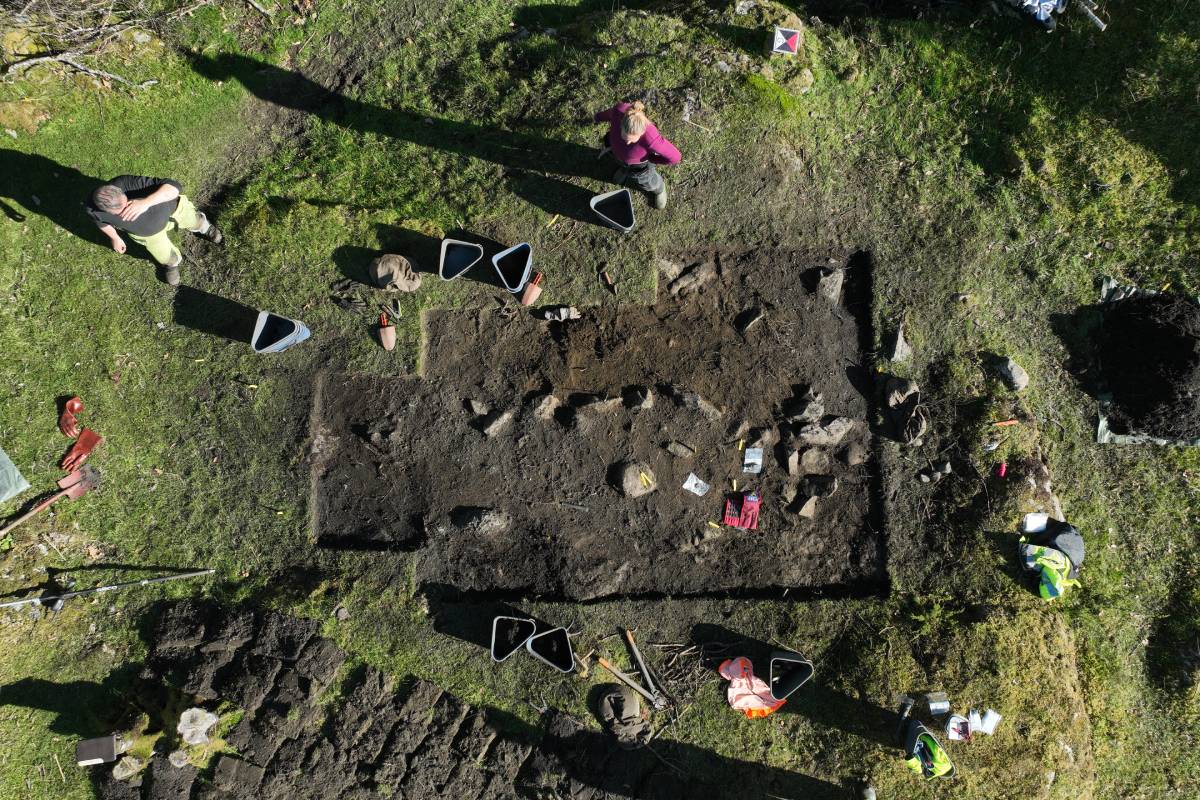
As reported by The Viking Herald, archeologists from the University of Bergen recently discovered a burial site in the Norwegian county of Vestland that contains approximately 20 graves from the Viking Age.
Though only two of the graves have been excavated so far, one of them has revealed an intriguing set of artifacts, including boat rivets, a bronze key, and tools used for textile production.
The grave was also framed by a stone ship setting—slabs of stone laid down to form the shape of a ship. Most intriguingly, a large stone was placed at the center of the ship setting with a carving of a vulva on one side.
As the project leader, Søren Diinhoff, admitted to The Viking Herald in January, he is not always convinced that such instances are definitely representations of the feminine.
"But in this case, it is so clear," he told us. "If you look at the stone setting, there is a bow and a stern shaped like a boat, and the stone is placed exactly where you would have the mast."
"Why did they choose a stone with a carving like that and place it in the center of the boat? It's because it symbolizes a woman—that's the only logical explanation."
This interpretation is consistent with the other artifacts found in the grave. The key is a clear symbol of possession of the household, while the textile tools indicate the person found in the grave likely managed local textile production, too.
As Diinhoff admitted to The Viking Herald, however, it is not easy to find other similar examples in Viking archeology.
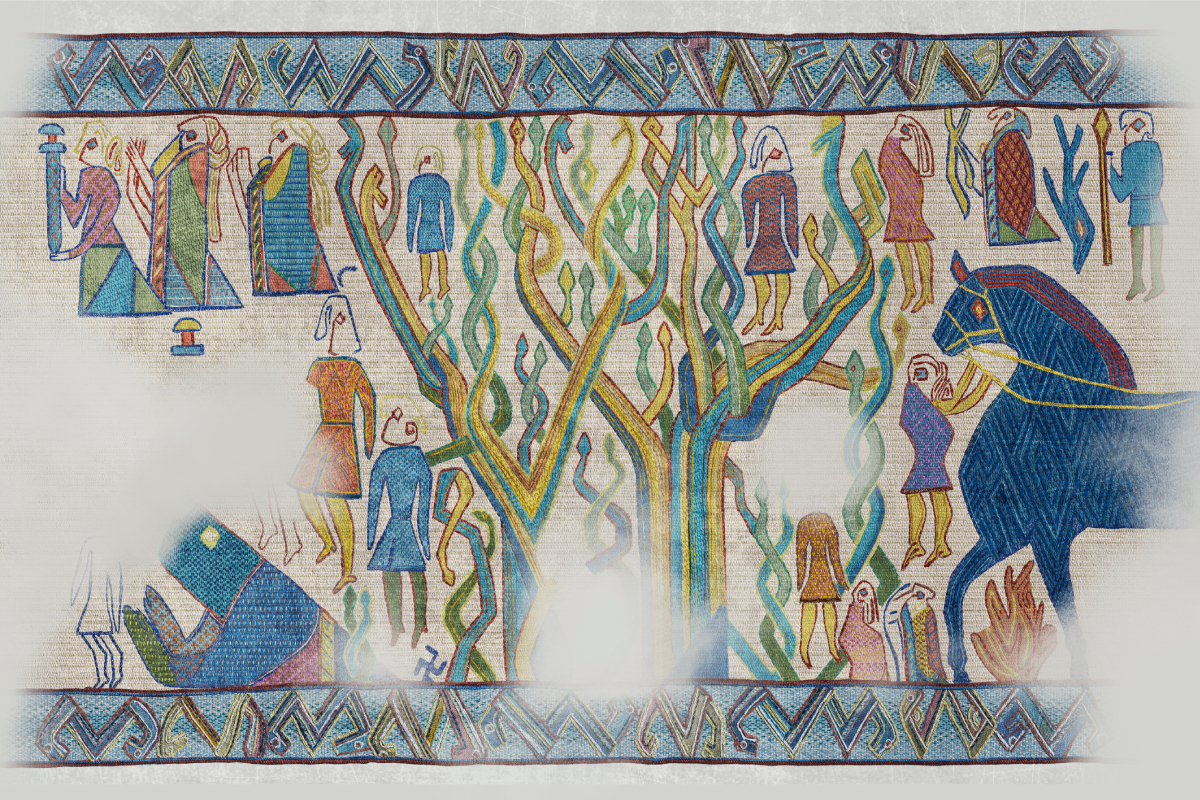
A research-based drawing of the Oseberg tapestry suggests that women were depicted in ritual or symbolic scenes. Source: Stig Saxegaard / Museum of Cultural History
Rich portrayals
Generally speaking, male figures are more common in Viking art than female ones. At the same time, there are also some striking instances of female representation.
Indeed, archeological excavations and metal detectorists have unearthed several intricate carvings of female figures, including the silver Valkyrie warrior figurine found in Funen, Denmark, and the picture stones of Gotland, one of which depicts a woman welcoming a horseman (perhaps Odin) to Valhalla.
The Oseberg tapestries, which provide an extremely rare example of Viking textile art, also feature a number of women—some possibly priestesses, others resembling shield maidens and hunters.
Some runestones also pay tribute to female roles—a runestone erected at Hassmyra, Sweden, is dedicated to a woman named Odendisa, who was "the best housewife and arranged the estate."
Though rare, artistic representations of female genitalia from the Viking Age have also been identified, including on a gold figurine found on the island of Bornholm, Denmark, and several wooden figurines of deities from Denmark and Germany.
There have, however, been very few other confirmed instances where stone is used in a burial context to represent womanhood.
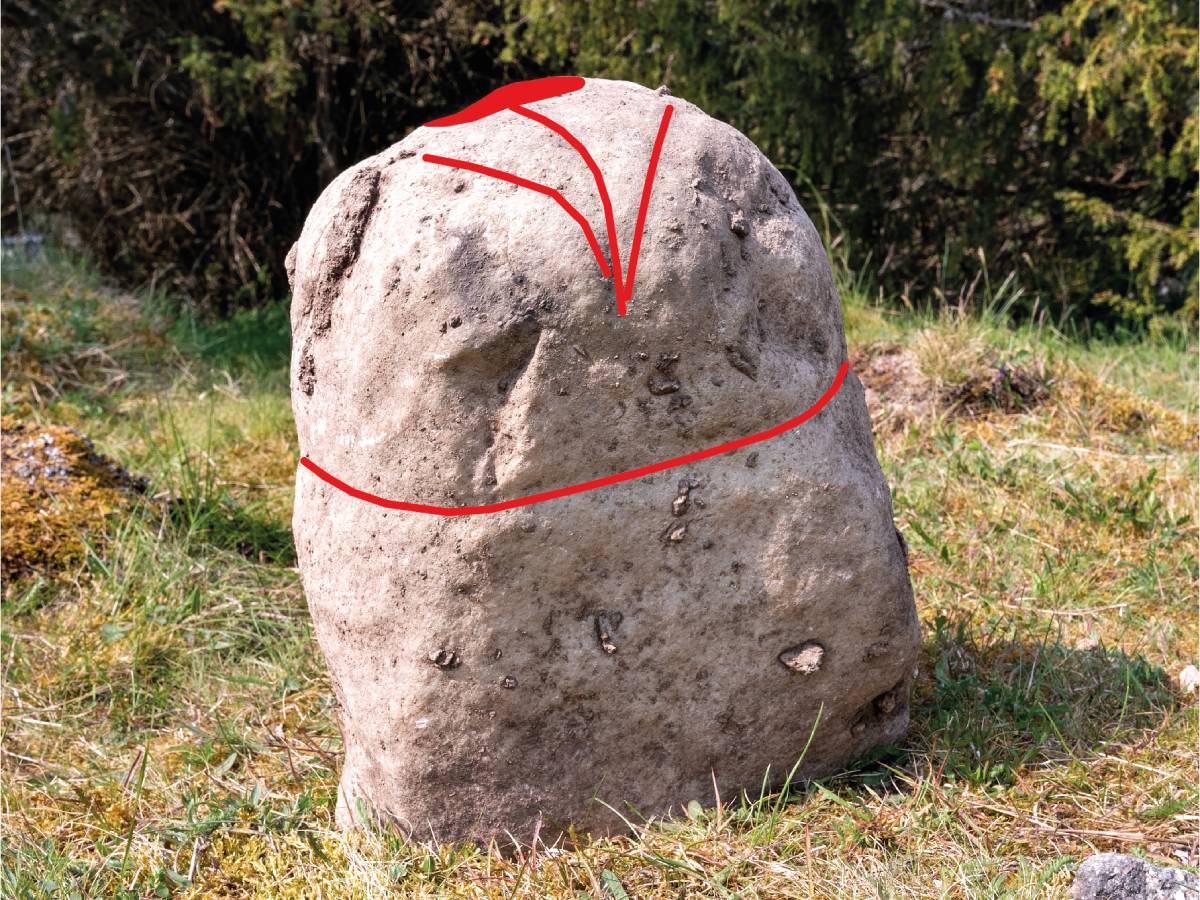
Red markings emphasize the phallic carving on a Viking Age stone interpreted as a fertility symbol from a cremation grave in Sweden. Source: Uppdrag arkeologi
Stone orbs and symbolic power
One possible exception, however, came with a 2023 discovery in Tystberga, Sweden, where a phallic stone was found alongside a stone globe or orb.
As Rebecka Jonsson, one of the archeologists who worked on the project, explained to The Viking Herald, the phallic stone was buried alongside a stone globe in the same grave.
In Jonsson's opinion, the two stones were likely deliberately placed together as symbols of male and female fertility.
As noted in a recent article in Science Norway, a recent exploration of graves in Sweden also found that around half of the female graves in the study contained stone orbs similar to the one found at Tystberga.
Although opinions are divided on what exactly these orbs depict, some experts believe they could represent the egg as a symbol of motherhood and fertility.
In any case, the prevalence of these orbs in female graves indicates there may indeed be a strong symbolic link to womanhood.
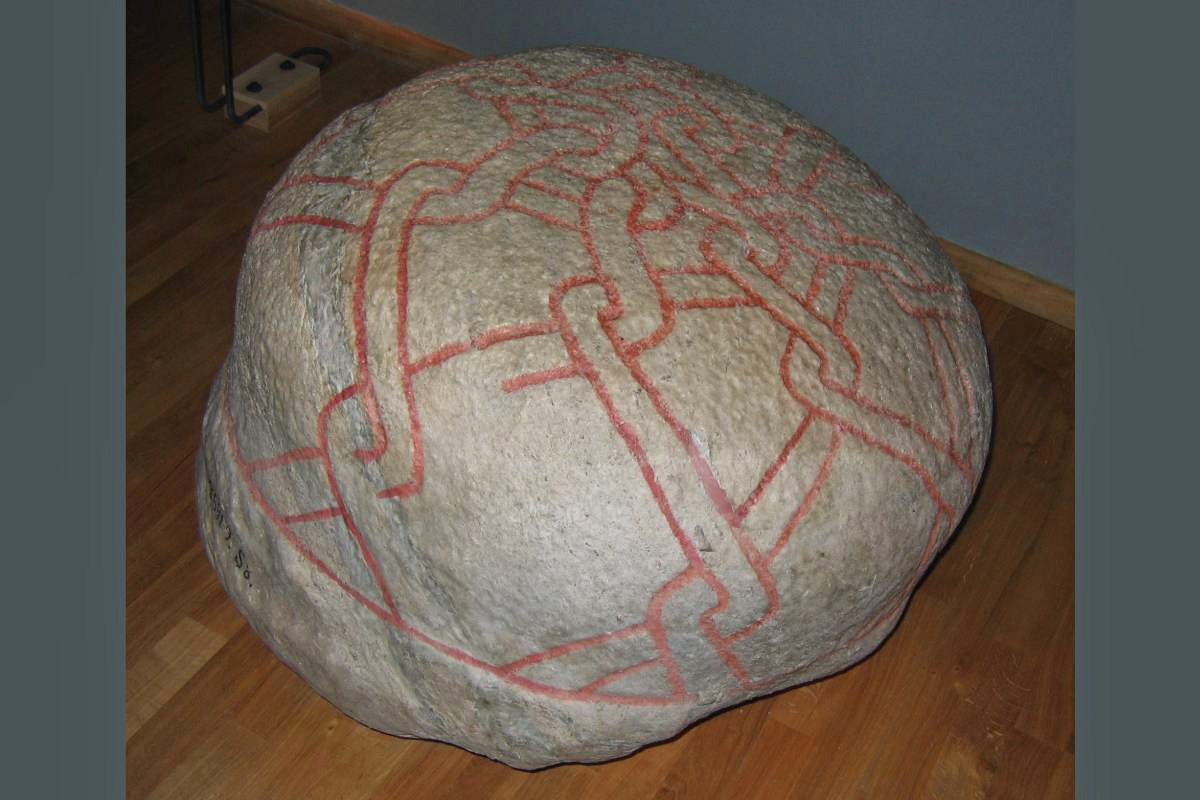
Grave orb in the Swedish History Museum, similar in form to stones found in female Viking Age graves. Source: Berig (CC BY-SA 4.0)
The dawn of understanding
Just like male figures in general, more phallus symbols have been found in Viking art and sculpture than representations of vulvas—likely signifying the more patriarchal nature of the society.
Yet it is worth noting that in the past, the focus in both archeology and history has tended to be on the male perspective. In other words, there has been no great impetus to search for or identify female representations of this kind.
In recent times, however, there is a growing awareness of the importance of female roles, and it is hoped this will lead to a more sophisticated interpretation of archeological artifacts.
Of course, it should still be acknowledged that it currently remains difficult to draw any ironclad conclusions about the symbolic meaning of the stone found at Skumsnes, for example.
Yet we can also expect that a greater focus on research into the role of women in Viking society will help to bring us more conclusive answers in this area in the coming years.
We get to provide readers with original coverage thanks to our loyal supporters. Do you enjoy our work? You can become a PATRON here or via our Patreon page. You'll get access to exclusive content and early access.
Feel free to reach out to discuss potential stories that may be in the public interest. You can reach us via email at hello@thevikingherald.com with the understanding that the information you provide might be used in our reporting and stories.