

Archeologists from the Vejle Museums in Denmark have discovered a huge collection of military equipment deliberately stored in the foundations of two houses.
The weapons are believed to date from the Iron Age and could have been buried as an offering to higher powers.
Something extraordinary
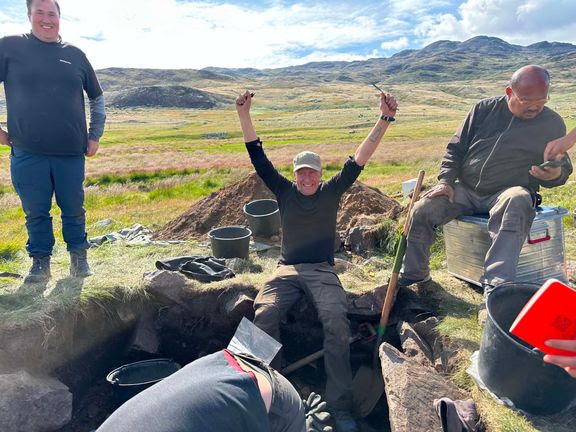
This summer, the Vejle Museums archeological team was working on the Løsning Søndermark site near the town of Hedensted, with the project part of preliminary work linked to the expansion of a local highway.
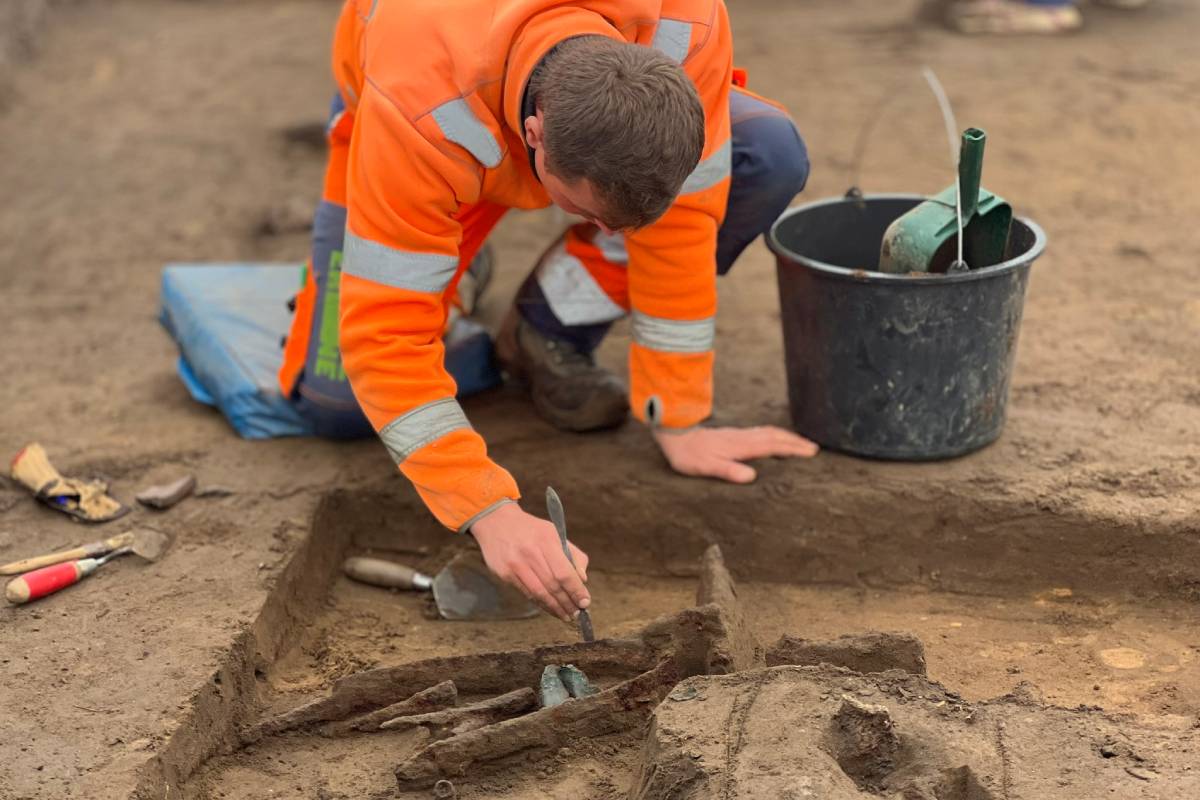
In August, they came across a large collection of weapons as they excavated two Iron Age houses.
The team has stated that the finds, which include 119 lances and spears, eight swords, knives, arrowheads, an axe, and a rare piece of chainmail, would be enough to equip a small army.
"From the very first surveys, we knew this was going to be extraordinary, but the excavation has exceeded all our expectations," commented the excavation leader, Elias Witte Thomasen, in a press release.
"The sheer number of weapons is astonishing, but what fascinates me most is the glimpse they provide into the societal structure and daily life of the Iron Age. We suddenly feel very close to the people who lived here 1,500 years ago."
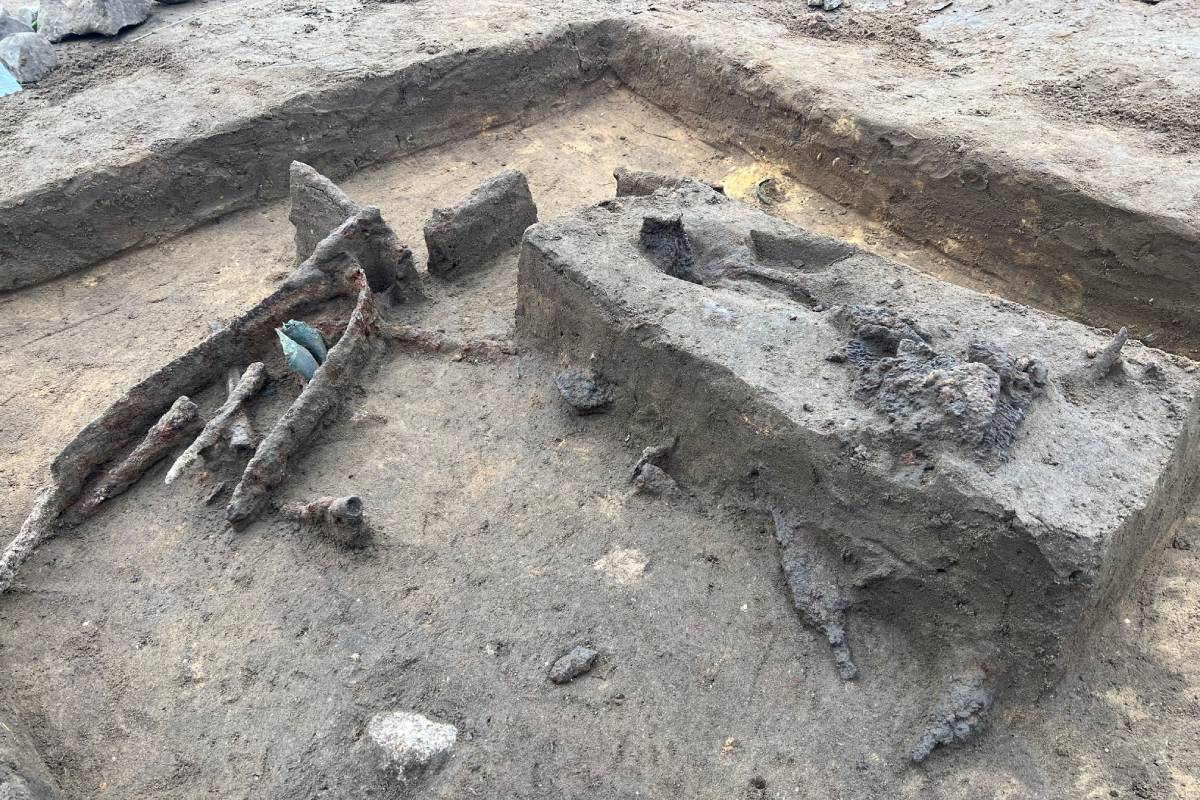
The discovered weapons include 119 lances and spears, eight swords, knives, arrowheads, an axe, and a rare piece of chainmail. Photo: Vejle Museums
An offering to the gods
In Scandinavia, the period of history leading up to the Viking Age saw huge changes in Norse societies that helped lay the foundations for the later Norse explorations of foreign lands and the establishment of larger states.
The weapons at Løsning Søndermark are thought to have been buried in the 5th century CE, at the end of the Migration Period, when local chieftains were battling for supremacy amidst a series of food shortages and land disputes.
Examination of the soil at Løsning Søndermark suggests the site was inhabited from 0 to at least 450 CE and grew into a powerful settlement.
The weapons were found buried in two separate dwellings. In the first instance, the artifacts were deposited during the dismantling of the house, while in the second, they were apparently inserted as the house was constructed.
The fact that the items were placed in parts of the house that were hard to access – including around the roof-bearing posts of the second building – leads the archeologists to believe this was almost certainly some kind of offering linked to the residence of the local chieftain.
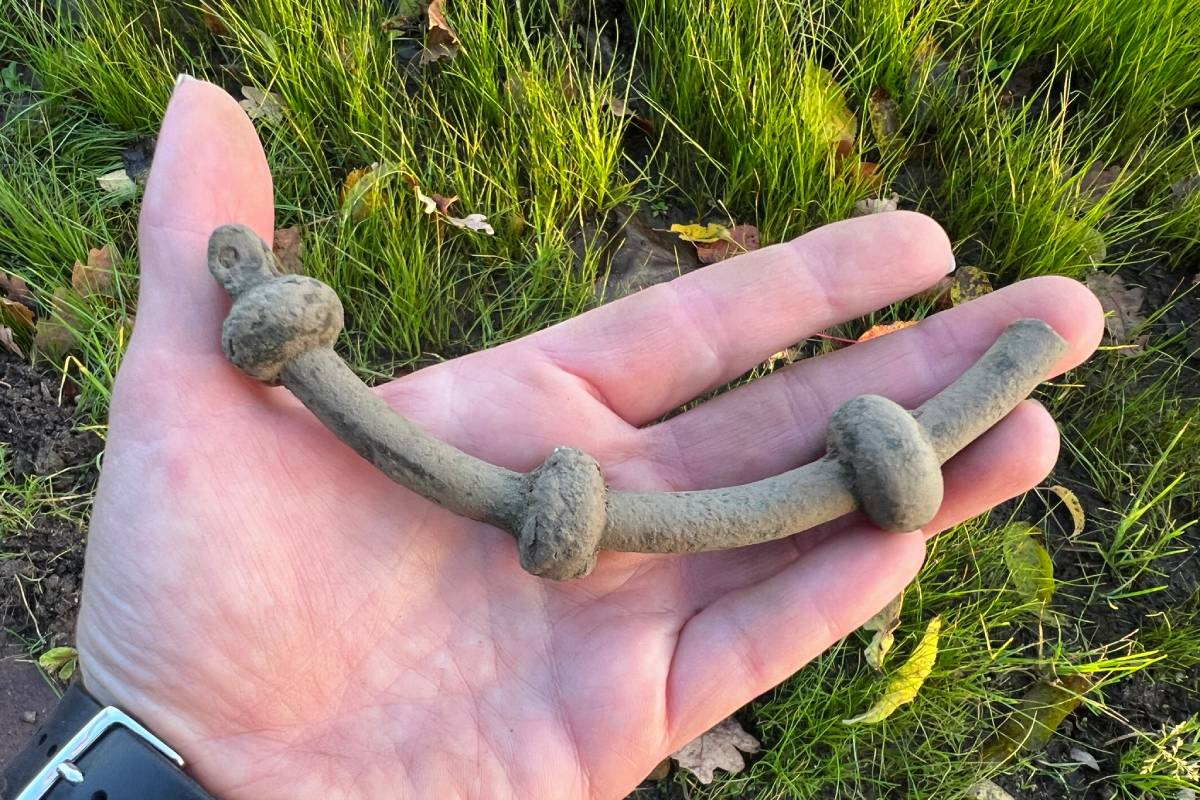
The discovery includes a fragment of an oath ring, a well-known Iron Age symbol of authority, akin to those from the Vindelev Hoard. Photo: Vejle Museums
Symbols of local power
The archeologists are still hoping to determine whether the weapons belonged to the local leader or were acquired as the spoils of a local conflict.
It was a known Iron Age custom for the victorious army to deposit the weapons of the vanquished in the soil as an offering to the gods.
The size of the settlement indicates it would have been home to significant individuals who almost certainly conducted extended military campaigns.
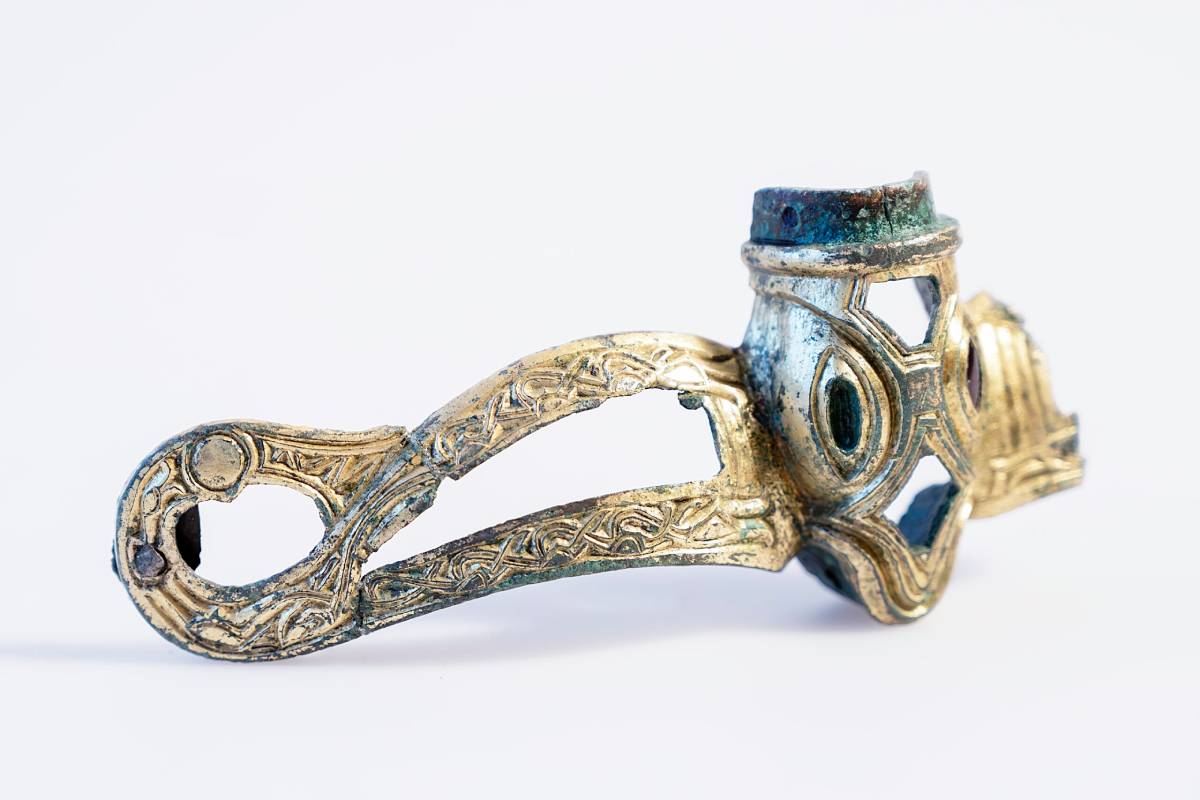
In addition to the weapons, the archeologists unearthed two bronze neck rings with motifs reminiscent of those found on the bracteates from the Vindelev Hoard, which has been dated to around the 6th century CE.
It was common for Norse chieftains at this time to wear bracteates – flat discs thought to have imitated the gold medallions of Roman times and functioned as symbols of power.
The archeologists from Vejle Museums believe the neck rings may have served a similar purpose.
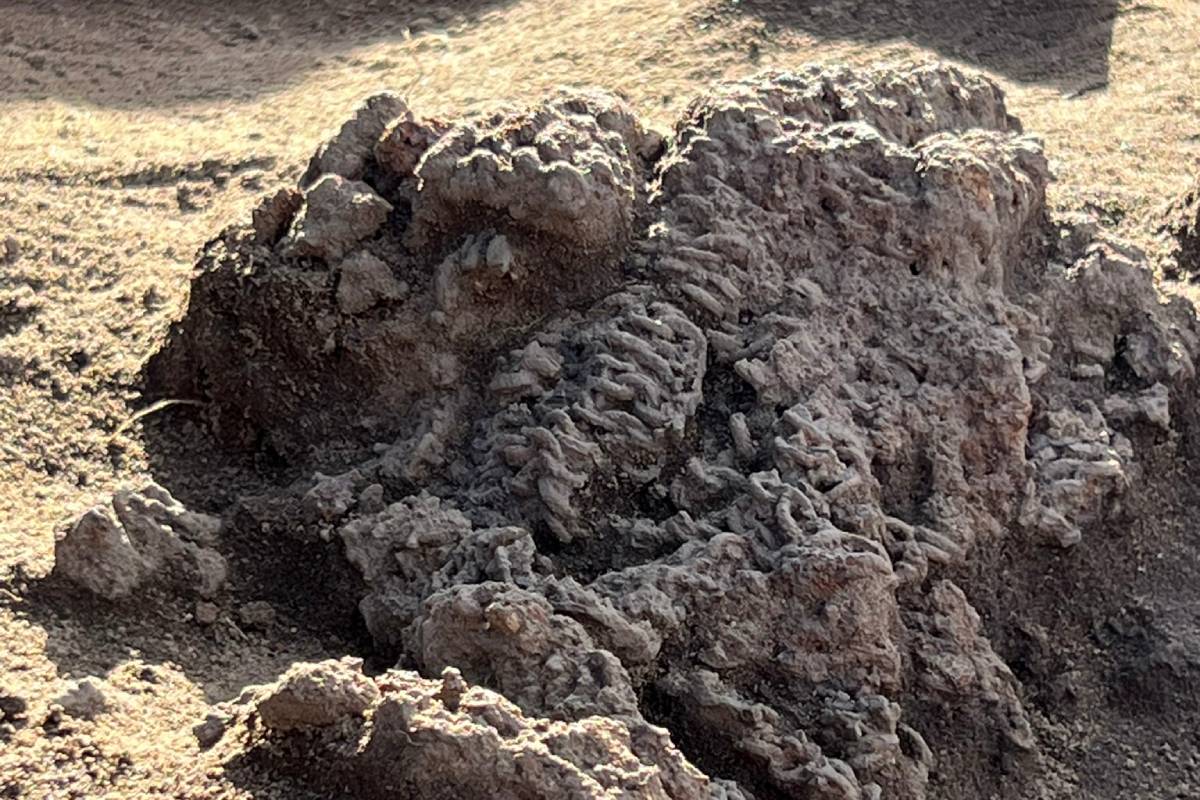
The chainmail found at the site is considered evidence of its owner's status as a wealthy and prominent member of the warrior elite. Photo: Vejle Museums
Nordic chainmail
Rarest of all among the finds, however, is the piece of chainmail – an extremely unusual artifact during this period of Nordic history.
As noted on the museum website, the production of chainmail is an extremely costly and labor-intensive process. For this reason, the chainmail found at Løsning Søndermark almost certainly belonged to a member of the warrior elite.
It is also the first of its kind to be found at a settlement in southern Scandinavia rather than buried in a grave or in wetland deposits.
The artifacts found at the site will now undergo a painstaking cleaning process and further analysis.
Of particular interest to the archeologists is determining the provenance of the items stashed in the two houses and pinpointing the age of the collection with greater accuracy.
It is hoped that a selection of the artifacts will be placed on display for the general public at the Vejle Cultural Museum in early 2025.
We get to provide readers with original coverage thanks to our loyal supporters. Do you enjoy our work? You can become a PATRON here or via our Patreon page. You'll get access to exclusive content and early access.
Feel free to reach out to discuss potential stories that may be in the public interest. You can reach us via email at hello@thevikingherald.com with the understanding that the information you provide might be used in our reporting and stories.